
2027 Most Popular Psychology Degree Programs Ranking in Dubuque

Co-Founder and Chief Data Scientist
Choosing the right psychology degree program is an exciting step for students in Dubuque. This article presents the 2027 Most Popular Psychology Degree Programs Ranking in Dubuque, created by the Research.com team of data scientists to help you make an informed decision.
By exploring this ranking, you'll discover strong programs worth considering that match your goals and interests. A psychology degree opens doors to understanding human behavior and offers rewarding career opportunities.
Whether you're beginning or continuing your education, this guide supports your path toward personal and professional growth.
Key benefits of getting psychology degree in Dubuque
- Salary for psychology degree graduates: Careers like Human Resources Specialists earn a mean annual wage of $76,060, while Marketing Research Analysts average $83,190, offering strong earning potential in Dubuque.
- Potential career paths: A psychology graduate from the University of Dubuque might explore diverse roles such as Clinical Research Associate or Survey Researcher, which both have mean annual wages around $62,370, showing versatility in job options.
- Benefits of online degrees: An online psychology degree graduate can enjoy flexible scheduling and access to the same career opportunities in Dubuque, making it easier to balance studies with life commitments.
- 2027 Most Popular Psychology Degree Programs Ranking in Dubuque
- What can I expect from psychology degree in Dubuque?
- Where can I work with psychology degree in Dubuque?
What can I expect from psychology degree in Dubuque?
The average cost of earning a psychology degree in Dubuque is pleasantly affordable compared to larger cities, making it a smart investment for aspiring students. Graduates from institutions like the University of Dubuque and Loras College often highlight how manageable tuition fees, combined with scholarships and federal financial aid, helped them focus fully on their studies and practical experiences without overwhelming financial stress.
Many students appreciate that the overall expenses are balanced by the quality education and access to hands-on internships in clinical and community settings within Dubuque. This creates a nurturing environment where students can grow academically and personally, building confidence as they apply psychological theories in real-world scenarios.
Choosing psychology programs in Dubuque means tapping into a supportive network of experienced faculty and peers, all while benefiting from midwestern hospitality and a vibrant local job market. With the costs kept reasonable, students feel empowered to pursue their passion for psychology with enthusiasm and optimism.
Where can I work with psychology degree in Dubuque?
If you earn a psychology degree in Dubuque, exciting career opportunities await you across multiple thriving sectors. Many graduates from the University of Dubuque and Loras College find meaningful roles in mental health services at leading local hospitals like MercyOne Dubuque Medical Center and UnityPoint Health. Imagine working directly with patients as a counselor or behavioral health specialist, making a real difference every day in your community.
Others discover fulfilling paths in education, becoming school psychologists or academic advisors who empower students to succeed. These roles not only provide personal growth but also offer the chance to shape young lives within Dubuque's supportive educational institutions.
For those passionate about social impact, community service agencies provide empowering roles focused on youth development and family support, where psychology skills bring hope and healing. Even business sectors in Dubuque value graduates for enhancing workplace culture and understanding consumer behavior, allowing you to apply your knowledge in dynamic environments.
Graduates with a psychology degree in Dubuque often find promising opportunities with competitive salaries tailored to their chosen career paths. For example, those stepping into roles as Human Resources Specialists can anticipate average annual wages around $76,060, reflecting a rewarding start in organizational psychology or people management. Marketing Research Analysts, another vibrant field for psychology grads, earn approximately $83,190 per year, combining analytical skills with understanding human behavior in consumer markets.
Many graduates also explore research roles such as Clinical Research Associates or Survey Researchers, both enjoying mean annual wages near $62,370. These positions offer hands-on involvement in studying mental health trends or social behaviors, providing a fulfilling way to apply psychology training from institutions like the University of Dubuque or Loras College.
Even entry-to-mid-level roles related to psychology, such as Childcare Work, enable graduates to make a meaningful impact while earning about $32,070 annually. Dubuque's supportive community and respected colleges help foster these successes, inspiring confidence in the rewarding careers psychology graduates can pursue locally.
- Psychology programs in Dubuque are offered by colleges like Loras College and Clarke University, covering clinical psychology, counseling, and research methods.
- Annual tuition ranges from $9,000 to $14,000 at public colleges and $25,000 to $35,000 at private institutions.
- Starting salaries for entry-level psychology jobs in Dubuque typically range from $35,000 to $45,000 per year.
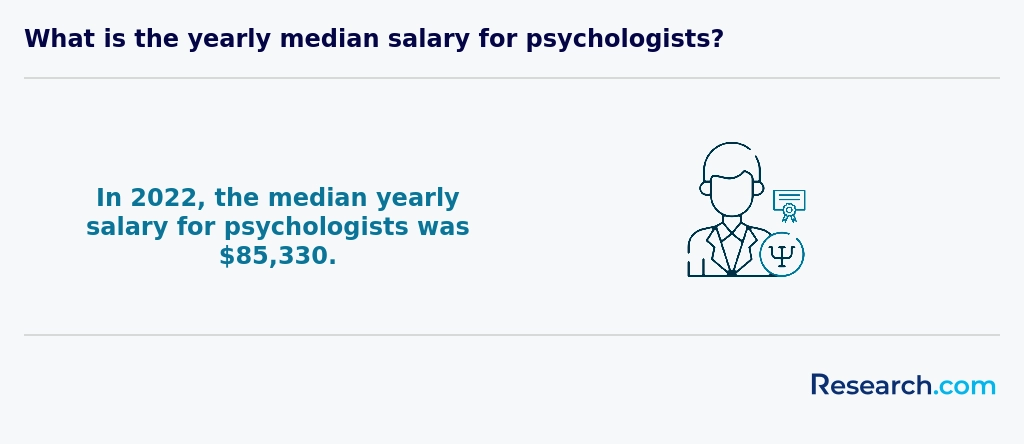
- The median annual wage for psychologists in the Dubuque metropolitan area is about $85,000.
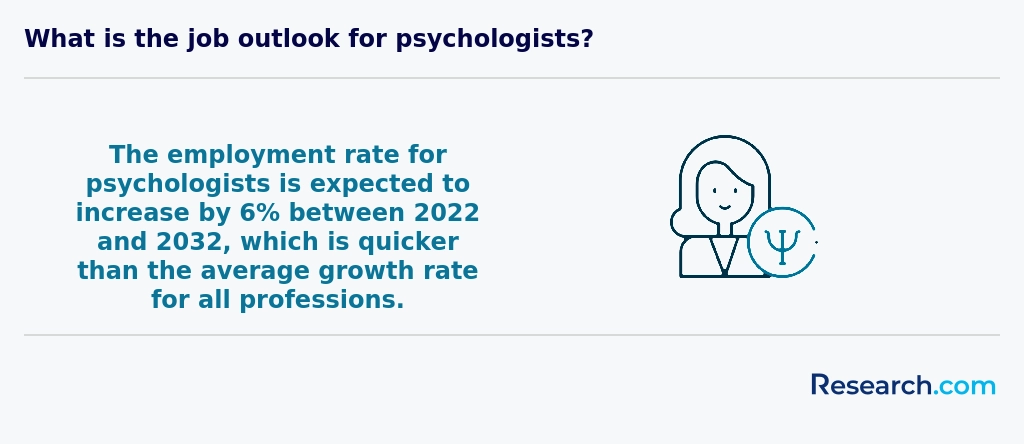
- Job growth in psychology fields in Iowa is projected to be 6% over the next decade.
- Internships and practicum placements are available through local healthcare providers and are important for licensure.
Completing a psychology degree in Dubuque typically takes about four years for a full-time undergraduate student, a journey that many graduates describe as both challenging and deeply rewarding. Imagine yourself attending Loras College or the University of Dubuque, where the first two years build a solid foundation through engaging general education and psychology classes. Graduates often share how these early experiences spark a genuine passion for understanding human behavior.
For those eager to dive deeper, pursuing a Master's degree adds roughly two more years, filled with hands-on research and meaningful internships that bring classroom concepts to life. Many graduates recall these moments as pivotal, fueling their confidence and practical skills.
If your dreams extend to a Ph.D. or Psy.D., anticipate dedicating four to seven years, marked by dedication and personal growth. Students often describe this time as transformative, unlocking new levels of expertise and purpose within the vibrant psychology community in Dubuque.
Flexibility is a key advantage here-whether you're balancing part-time studies or transferring credits from local community colleges, the path adapts to your unique story, making your psychology journey in Dubuque both attainable and inspiring.
Becoming a licensed psychologist in Iowa involves clear steps to ensure you meet state standards and build professional credibility.
- Earn a doctoral (PsyD or PhD) or master’s degree in psychology-consider an online masters psychology program for flexible learning.
- Complete at least 3,000 hours of supervised clinical experience under an approved supervisor.
- Pass the national Examination for Professional Practice in Psychology (EPPP) plus any Iowa-specific jurisprudence exam.
- Submit a licensure application to the Iowa Board of Psychology, including official transcripts, supervisor verification, and application fees.
- Fulfill continuing education requirements (20 hours annually in Iowa) to maintain and renew your license.
Choosing between online and on-campus psychology degrees in Dubuque means embracing different vibrant learning experiences that suit your lifestyle. On-campus programs at local institutions offer the energizing buzz of face-to-face interaction with professors and classmates, perfect for hands-on training like counseling practice or group discussions. Graduates often recall how studying in campus libraries or participating in campus organizations enriched their understanding and sharpened their interpersonal skills.
Meanwhile, online psychology programs provide remarkable flexibility for busy adults balancing work or family. Many Dubuque students appreciate being able to access lectures and assignments anytime, tailoring their studies around their unique schedules. These programs still uphold rigorous standards, ensuring you receive a quality education just as rewarding as the traditional path.
Imagine the freedom of blending both worlds through hybrid options offered by some Dubuque universities, allowing you to connect with peers on campus while enjoying the convenience of online learning. Whichever path you choose, your psychology degree journey in Dubuque is filled with inspiring opportunities to grow, connect, and transform your passion into a meaningful career.
. When selecting a psychology degree program in Dubuque, IA, it's essential to consider factors such as accreditation, curriculum, and faculty qualifications to ensure the program aligns with your career aspirations. To make an informed decision, prospective students should research and explore various programs, including those at local institutions like Loras College, which is known for its strong psychology curriculum and is among the most popular psychology programs. By evaluating these factors and considering their interests and goals, students can choose a program that not only fits their budget but also sets them on a successful career path in psychology.
For students pursuing a psychology degree in Dubuque, understanding the average cost helps in planning a bright educational journey. The typical psychology degree tuition fees Dubuque students face average a median total cost of around $51,424. This figure reflects the investment for a full degree at local institutions, balancing quality education with accessible pricing for both in-state and out-of-state students. Graduates often recall how managing tuition was a welcomed challenge compared to the rewarding experience of learning and growth.
Community colleges provide an inspiring and affordable pathway for many, with annual tuition costs between $4,000 and $5,000 for in-district students. These programs offer foundational psychology coursework perfect for those who want to build their knowledge without the higher financial emphasis. Later, transferring credits to universities allows students to complete their bachelor's degree while managing expenses effectively.
Many psychology students in Dubuque choose institutions like Loras College, where tuition and fees for a psychology major currently reach near $38,000 annually. While this might seem high at first, graduates share how scholarships and financial aid opened doors, making the investment worthwhile for the exceptional academic and personal development opportunities. Additionally, aspiring students can explore the most popular psychology programs to find options that fit their goals and budget.
Alongside tuition, books, supplies, and living expenses typically add about $1,200 to $1,500 annually. However, the inspiring stories of Dubuque's psychology graduates show that the value gained far exceeds these costs, making a psychology degree a powerful step toward a fulfilling career and life.

For students who have excelled in their undergraduate studies and are eager to advance their expertise, exploring graduate-level programs like a PsyD can be a game changer. Pursuing an advanced degree not only deepens your understanding of complex psychological theories and research methodologies but also enhances your credentials for specialized careers in clinical practice, counseling, or academic research. Many institutions now offer flexible options, including online pathways, enabling you to balance professional and personal commitments while advancing your education. For example, if you are considering further specialization, you might explore programs such as apa accredited online psyd programs that blend rigorous coursework with practical training-preparing you for high-demand roles in mental health and clinical settings. This pursuit of advanced education can also translate into broader job opportunities and potential salary increases as you move into leadership roles within the field of psychology.
Pursuing a psychology degree in Dubuque is made achievable through a variety of encouraging financial aid options designed to support your educational journey. Many psychology students at Clarke University or the University of Dubuque share how federal aid, accessed via the FAFSA, unlocked opportunities through Pell Grants and federal loans with manageable repayment plans, easing their worries about tuition costs.
State aid further brightens the path, with grants like the Iowa Tuition Grant supporting those attending private colleges nearby. Applied psychology students particularly benefit from the Iowa Vocational-Technical Tuition Grant, a vital boost that many graduates recall as a turning point in easing financial pressure.
Scholarships tailored to psychology majors offer additional relief and recognition of your hard work, often awarded by local institutions. Graduates often describe the pride and motivation gained from earning merit-based scholarships that reduced their tuition substantially.
Work-study programs and on-campus jobs tied directly to psychology research also provide invaluable income and experience, helping students balance their studies and finances confidently as they prepare for fulfilling careers in the field.
After completing a psychology degree in Dubuque, IA, aspiring practitioners must meet the licensure standards set by the Iowa Board of Psychology. Doctoral-level candidates pursue licensure as Psychologists, while master’s-level graduates typically seek credentials as Licensed Mental Health Counselors or School Psychologists. Key requirements include: • Supervised Experience: Accumulate at least 3,000 hours of supervised clinical practice under a board-approved supervisor, with a minimum of 1,500 hours in direct client contact. • Examinations: Pass the national Examination for Professional Practice in Psychology (EPPP) and the Iowa jurisprudence exam; master’s-level applicants also complete the National Counselor Examination (NCE) or equivalent. • Educational Verification: Ensure your transcript reflects accredited coursework in ethics, assessment, intervention, and research methodology. Once licensed, professionals must renew every two years, completing at least 40 hours of continuing education, including ethics and cultural diversity training. Local agencies-such as community mental health centers and school districts-often partner with graduates to fulfill supervised-hour requirements, streamlining the transition from campus to clinic. For graduates exploring alternative pathways or supplemental credentials, our comprehensive guide on how to get certified as a therapist offers step-by-step insights and additional licensure options tailored to psychology professionals in Iowa.
Enrolling in a psychology degree program in Dubuque is an exciting step toward a rewarding future, and the path is clear and attainable. Most local universities, like the University of Dubuque or Clarke University, welcome students who have completed high school or earned a GED, laying the foundation for this inspiring journey.
Graduates from these programs often recall submitting their SAT or ACT scores-and though some schools now offer test-optional pathways, it's a good idea to review each college's current policies to feel fully prepared. Providing strong transcripts, especially in English and science, shows your dedication and readiness to dive into the fascinating world of psychology.
Many students also share how crafting a personal statement allowed them to express their passion and unique story, helping admissions teams see the determination behind their dreams. Letters of recommendation from teachers who've witnessed your growth can open doors by highlighting your academic strengths and potential.
Before advancing to specialized topics, be ready to build your foundation with essential courses like introductory psychology, statistics, and biology. This step is a powerful way to boost confidence and ensure success throughout your studies in Dubuque's supportive academic environment.
Accreditation ensures your psychology degree is recognized by the Iowa Board of Psychology and meets national standards. Core steps to licensure in Iowa:
- Earn your degree from an APA-accredited or regionally accredited psychology program.
- Complete 2,000–3,000 hours of supervised professional experience under a licensed psychologist.
- Pass the Examination for Professional Practice in Psychology (EPPP).
- Submit official transcripts, supervision verification, and exam results when applying to the Iowa Board of Psychology.
For online flexibility, explore the cheapest online degree in psychology with full accreditation.
Dubuque's psychology degree programs offer a rich variety of courses that inspire students to truly understand human behavior and mental processes. Graduates from popular local institutions often recall their excitement exploring foundational classes like General Psychology, where they first encountered the fascinating theories shaping human thought and emotion. Others found themselves captivated by Developmental Psychology, connecting the dots from infancy through adulthood in ways that felt deeply personal.
Courses in Biological Psychology energize students by revealing how the brain and nervous system influence actions, making complex science feel vivid and accessible. Social Psychology classes spark lively discussions about how we relate to one another, helping students apply what they learn to real-world relationships and communities.
Beyond these introductions, students at Dubuque colleges thrive in hands-on courses such as Research Methods and Statistics for Behavioral Sciences, which empower them to conduct meaningful studies with confidence. Specialized classes like Abnormal and Clinical Psychology prepare ambitious learners for impactful careers, often enriched by practicum experiences that bring textbook knowledge to life.
Psychology degrees in Dubuque open doors to inspiring specializations that match diverse passions and career goals. Many graduates from the University of Dubuque and nearby colleges find themselves drawn to clinical psychology, where they learn to support individuals facing mental health challenges, making a real difference in their communities. Counseling psychology is another uplifting path, perfect for those who enjoy guiding others through personal growth and recovery, often working directly in schools or healthcare settings.
For the curious-minded, cognitive and behavioral psychology provide exciting opportunities to explore how people think and behave through hands-on research at Dubuque's local universities. Those interested in specialized fields also find rewarding options in developmental psychology, industrial-organizational psychology, and school psychology - all designed to empower people at various life stages and workplace environments.
Students seeking flexible learning paths can explore apa accredited online psyd programs that complement the best psychology concentration options Dubuque offers, making it easier to advance their education while staying connected to the vibrant community around them.
Choosing the best psychology degree in Dubuque starts with recognizing the unique opportunities local programs offer. Graduates from popular universities in Dubuque often highlight how the strong community focus and hands-on internships within local hospitals and social service agencies give them a real advantage. These experiences build confidence and open doors to meaningful careers. When exploring the best psychology degree programs in Dubuque, consider programs accredited by reputable bodies, ensuring your education holds value nationwide and meets licensure requirements.
Look for institutions that align coursework with your passion, whether it's clinical, developmental, or industrial-organizational psychology. Many students find inspiration working alongside expert faculty engaged in applied research, which enriches the learning journey. For those managing work or family, schools offering flexible scheduling or online options create a supportive path to success. Remember, some explore how to get certified as a therapist without a traditional degree, broadening paths in mental health.
Also, affordable psychology colleges Dubuque IA provide value without compromising educational quality, fitting within budgets while delivering strong career outcomes and community connections.
Graduates with a psychology degree in Dubuque find rewarding career opportunities that truly make a difference in their communities. Many alumni from local institutions like Loras College and the University of Dubuque have pursued paths as Licensed Mental Health Counselors, providing compassionate therapy to individuals navigating emotional challenges. Others have become School Psychologists, shaping young minds and creating supportive environments in area schools.
Jobs with a psychology degree in Dubuque also include roles in Human Resources, where graduates apply their understanding of human behavior to enhance workplace culture and employee development. Social work is another impactful path, allowing graduates to serve at-risk populations through local social service programs. Research roles at nearby universities and healthcare centers enable some to contribute to cutting-edge studies improving mental health treatments.
Many students start by exploring additional training options, including best 6 month certifications that pay well, to enhance their qualifications and quickly enter the workforce with confidence. These diverse opportunities empower psychology graduates in Dubuque to build fulfilling careers fueled by empathy, insight, and meaningful impact.
Graduates holding a psychology degree in Dubuque step into a welcoming job market rich with meaningful opportunities. Local employers such as community health centers and school districts reflect a steady demand for mental health professionals, allowing new graduates from popular institutions like the University of Dubuque and Loras College to build rewarding careers close to home. Those entering roles as counselors or behavioral health specialists find themselves making tangible impacts in schools and community programs, experiencing the satisfaction of supporting real people's well-being every day.
For students weighing options, employment opportunities for psychology graduates in Dubuque continue to grow, especially as telehealth expands, enabling flexible and remote counseling roles. Graduates with advanced degrees access specialized, higher-paying positions, while even bachelor-level holders discover valuable pathways in supportive roles. Many find the balance of competitive salaries and affordable local education encouraging, particularly when considering options like the shortest masters degree to accelerate their careers.
2027 Most Popular Psychology Degree Programs Ranking in Dubuque
Investing in your education is a vital decision that can significantly influence your future, and the Research.com team recognizes the importance of providing reliable guidance. To support prospective students in Dubuque, we have carefully developed the "2027 Most Popular Psychology Degree Programs Ranking in Dubuque." Our dedication to quality, credibility, and accuracy is demonstrated through rigorous research and thorough analysis behind this ranking.
We utilized the following reputable data sources to create a comprehensive evaluation of psychology degree programs:
Through this ranking, readers will obtain valuable insights into the leading psychology degree programs in Dubuque, empowering them to make well-informed educational choices. For a detailed explanation of our ranking process, please visit our Research.com methodology page.


Frequently Asked Questions About psychology
Psychology degree students in Dubuque can maximize their learning experience by actively engaging in both classroom and community opportunities. Institutions like Loras College and the University of Dubuque offer strong programs with access to local mental health clinics, where students can gain practical experience.
Internships and volunteer positions in Dubuque's healthcare and social service sectors provide real-world exposure, complementing academic study. According to the Iowa College Student Aid Commission, hands-on experience greatly improves graduate employability in psychology-related fields nationwide.
Additionally, participating in research projects and attending regional psychology conferences helps students stay updated on emerging trends, enhancing their critical thinking skills. Building relationships with faculty advisors at Dubuque schools ensures personalized support and guidance toward specialized career goals.
The psychology field is evolving with emerging niches that offer promising career paths, especially for students in Dubuque. Areas like neuropsychology, focusing on brain-behavior relationships, are gaining importance due to advances in brain imaging technologies. Additionally, health psychology, which addresses the psychological impact of chronic illness, is growing as the U.S. population ages. Another expanding niche is forensic psychology, assisting legal cases with psychological expertise.
Industrial-organizational psychology also attracts attention by improving workplace productivity and employee well-being. According to the U.S. Bureau of Labor Statistics, these specializations are expected to grow faster than average through 2030, offering valuable options for Dubuque students.
After earning a psychology degree in Dubuque, preparing for the job market involves gaining practical experience and networking locally. Internships or assistantships at institutions like local hospitals, counseling centers, or the University of Dubuque can enhance your resume and build essential skills. According to the Bureau of Labor Statistics, psychology positions are expected to grow 8% nationally by 2031, highlighting a competitive but expanding field.
Connecting with regional professional organizations, such as the Iowa Psychological Association, helps graduates discover job openings and mentorship opportunities. Additionally, pursuing licensure or certifications relevant to your desired psychology specialization boosts employability in Iowa's healthcare and education sectors.
Employers in Dubuque increasingly value psychology degree graduates who possess strong critical thinking and communication skills. These abilities enable graduates to analyze complex behavioral data and share findings effectively with clients and colleagues. According to the U.S. Bureau of Labor Statistics, interpersonal skills rank high among psychologists' employers nationwide.
Additionally, proficiency in research methods and statistical analysis is essential. Local employers often seek candidates familiar with software like SPSS or R, important for data-driven roles in Dubuque's mental health and educational sectors.
Knowledge of ethical standards and cultural competency is crucial, reflecting Dubuque's diverse community needs. These skills prepare graduates to work respectfully with varied populations, an expectation highlighted by the American Psychological Association.
Finding internships in Dubuque relevant to a psychology degree involves exploring local healthcare facilities, universities, and nonprofit organizations. The University of Dubuque and Loras College often have partnerships or career services that help students secure positions in psychological research or clinical settings. Local hospitals such as MercyOne and regional mental health centers offer practical experience for psychology students interested in clinical internships.
Additionally, Dubuque's community agencies focused on behavioral health frequently provide internship opportunities. Networking through university faculty or attending job fairs can also increase chances of placement. According to the National Association of Colleges and Employers (NACE), internships improve employment prospects by 50% for psychology graduates.
Obtaining a psychology degree in Dubuque can significantly enhance career mobility and advancement opportunities within the region. Psychology graduates often find positions in education, healthcare, social services, and business sectors, all of which are prominent employers in Dubuque. According to the U.S. Bureau of Labor Statistics, employment in psychology-related fields is projected to grow 8% nationally through 2032, which also reflects local trends supported by Dubuque's expanding healthcare facilities.
Locally, the presence of organizations such as Genesis Health System and various school districts creates steady demand for professionals with psychology expertise. Networking opportunities and internships available in Dubuque further support upward career movement. Overall, a psychology degree equips students with versatile skills in research, communication, and behavioral analysis valued by employers throughout the city and surrounding areas.
Studying for a psychology degree in Dubuque equips students with skills relevant to various interdisciplinary roles. Many local institutions emphasize a curriculum integrating psychology with disciplines like sociology, education, and health sciences. This approach prepares graduates to collaborate across fields in healthcare, social services, and education sectors.
Dubuque's psychology programs often include applied research opportunities, allowing students to engage with community organizations. According to data from the Iowa Board of Regents, interdisciplinary projects in Dubuque-based programs have increased by 15% in recent years, reflecting a growing emphasis on cross-field collaboration.
Such training enhances critical thinking and communication, vital for roles that combine psychology with business, criminal justice, or public health.
When choosing between a thesis and a non-thesis psychology degree program in Dubuque, consider your career goals first. Thesis programs generally require original research and a final written paper, ideal for students aiming at doctoral studies or research careers. Non-thesis options focus on coursework and practical skills, better suited for those seeking employment in clinical, counseling, or organizational psychology.
In Dubuque, programs accredited by the American Psychological Association (APA) may influence your choice, as some employers prefer degrees with a research component. According to the National Center for Education Statistics, about 40% of psychology graduates pursue further education, highlighting the relevance of theses for academic advancement.
Additionally, thesis tracks often take longer to complete and demand higher writing skills, while non-thesis programs can be more flexible for working students. Research specific Dubuque institutions' offerings and consult academic advisors to align your decision with local job market demands.
Students based in Dubuque who wish to study psychology abroad typically explore exchange programs or partnerships offered by their local institutions. Clarke University and the University of Dubuque, primary providers of psychology degrees locally, sometimes facilitate such international opportunities, allowing students to earn credits overseas while continuing their degree. According to the Institute of International Education, approximately 10% of psychology undergraduates in the U.S. participate in study-abroad programs, emphasizing experiential learning. Popular destinations often include England, Canada, and Australia, where students can experience diverse psychological perspectives and research methods within accredited institutions recognized by U.S. schools.
Scholarships and financial aid are often available to help Dubuque-based students manage costs, with programs like Gilman or Fulbright supporting study in psychology-related fields. It is essential to check with your home university's international office early to understand application deadlines and credit transfer policies.
Students pursuing psychology degrees in Dubuque can find several part-time job opportunities that enrich their academic experience. Local healthcare clinics and counseling centers often seek interns or assistants to support patient intake and administrative tasks, providing hands-on exposure to mental health services. Additionally, Dubuque's school districts may offer roles as teacher aides or behavioral assistants, helping students with special educational needs and allowing psychology students to apply developmental theories practically.
The Dubuque Area Chamber of Commerce reports that healthcare and social assistance sectors employ a significant portion of the workforce, reflecting available opportunities nearby. Working in these settings not only complements coursework but also builds valuable skills for future careers in psychology.
Psychology students in Dubuque have several valuable networking opportunities to enhance their academic and professional growth. Local institutions such as Loras College and the University of Dubuque often host psychology-focused events, including guest lectures and research symposiums, where students can meet faculty and practicing professionals. The Dubuque Psychological Association provides a platform for students to connect with licensed psychologists and counselors in the area. Additionally, internships and volunteer positions at nearby healthcare centers like MercyOne Dubuque offer hands-on experience and professional networking. These opportunities help students build relationships essential for future career development in psychology.
Alumni networks provide significant advantages to psychology degree students in Dubuque by fostering valuable connections within the local professional community. Graduates from Dubuque institutions, such as Loras College and Clarke University, often remain active in these networks, creating opportunities for mentorship, internships, and job placements.
The Iowa Psychological Association notes that mentorship through alumni relationships can increase a student's chance of employment by up to 30% in competitive psychology fields. Additionally, local alumni events frequently focus on mental health trends in Iowa, helping students stay informed about current research and practice.
Access to alumni also supports guidance on graduate school selections and licensure processes unique to Iowa, providing practical insights beyond classroom learning. This community continuity strengthens students' professional development and integration into Dubuque's psychology workforce.
Customizing a psychology degree program in Dubuque allows students to align their education with specific career goals. Many local institutions offer elective courses and specialized tracks such as clinical psychology, counseling, or organizational psychology. This flexibility helps tailor learning to interests and job market demands.
Students can also pursue internships with Dubuque's mental health agencies or community organizations, gaining practical experience that supports their chosen field. According to the Iowa College Student Aid Commission, incorporating experiential opportunities can increase job placement rates by up to 20%.
Additionally, some programs enable cross-disciplinary studies, combining psychology with fields like social work or business, enhancing career versatility in Dubuque's evolving economy.
Psychology students in Dubuque often face challenges balancing rigorous coursework and practical experience. Many programs require hands-on internships or research projects, which can be difficult to schedule alongside classes and personal commitments. According to Iowa Department of Education data, about 30% of psychology students struggle with time management during their studies.
Another issue is limited local internship opportunities in specialized psychology fields. While Dubuque offers some placements in healthcare and social services, students aiming for niches like neuropsychology may need to seek experiences outside the area. Financial pressure also plays a role, as the average tuition for undergraduate psychology degrees in Iowa ranges around $9,000 per year for in-state students, according to the National Center for Education Statistics.
Adapting to research methodology and statistical analysis proves challenging for many, reflecting national trends where nearly 40% of psychology undergraduates report difficulties with these skills, per the American Psychological Association. Access to faculty mentorship is valuable but sometimes limited by small program sizes. These factors combined shape the typical experience of psychology students in Dubuque.
With a psychology degree in Dubuque, you can pursue several professional certifications that enhance career opportunities. Common certifications include Licensed Professional Counselor (LPC) and Licensed Clinical Social Worker (LCSW), allowing you to provide therapy or counseling.
The National Board for Certified Counselors (NBCC) offers the National Certified Counselor (NCC) credential, recognized across the U.S. The Iowa Board of Psychology regulates practice licensure, requiring supervised experience and passing exams.
Other options include certifications in school psychology and behavioral analysis, such as the Board Certified Behavior Analyst (BCBA), opening doors in education and healthcare sectors in Dubuque.
These certifications typically require graduate degrees and state-specific criteria, ensuring professional standards in psychology careers.
To write a winning application for a psychology program in Dubuque, start by carefully reviewing each program's specific requirements. Most local institutions, including the University of Dubuque, value a strong academic record with a focus on science and social science courses. Highlight any relevant volunteer work or internships related to psychology, as practical experience strengthens your application.
Craft a clear, concise personal statement explaining your motivation to study psychology and your career goals. Include why you chose Dubuque programs, referencing their community involvement or faculty expertise.
Strong letters of recommendation from educators or professionals familiar with your skills also improve your chances. According to U.S. Department of Education data, acceptance rates for psychology programs in Iowa often range from 50% to 70%, so attention to detail is important.
Psychology careers today have a broad global relevance and are influenced by cultural and regional perspectives. In the United States, including Dubuque, psychology is recognized as a vital field with a growing demand for trained professionals. According to the U.S. Bureau of Labor Statistics, employment of psychologists is expected to grow 8% from 2021 to 2031, which is faster than average for all occupations.
Globally, the scope of psychology careers often expands beyond clinical roles to include business, education, and technology sectors. In Dubuque, local universities offer psychology degrees that prepare students for these varied paths, integrating both American standards and adaptable skills for international practices. This reflects a trend towards more interdisciplinary and culturally aware training.
Additionally, U.S.-based psychology programs emphasize research skills, equipping students to contribute to worldwide psychological knowledge, while complying with licensing and ethical standards unique to each country. For students in Dubuque, this global viewpoint highlights the opportunity to work domestically or abroad, applying psychological principles to diverse populations and systems.
Students pursuing a psychology degree in Dubuque can gain practical experience through internships, research projects, and community service. Local institutions like Clarke University and the University of Dubuque often connect students with internships at nearby mental health clinics, schools, and social service agencies. These opportunities help build essential skills and professional networks.
The Iowa Board of Psychology reports that hands-on experience is crucial for licensure and employment in the state. Participating in faculty-led research or contributing to studies at local universities also enhances practical knowledge.
Volunteering with Dubuque nonprofit organizations focused on mental health provides additional real-world exposure. Combining academic studies with such involvement prepares students effectively for their psychology careers.
Choosing the right concentration within a psychology degree program in Dubuque begins with understanding your career goals. Psychology concentrations vary widely, from clinical and counseling psychology to industrial-organizational and developmental psychology. Each focus prepares students for different roles and work environments.
Research popular concentrations offered by Dubuque institutions, such as the University of Dubuque or nearby colleges, and consider which align with your interests. For example, clinical psychology often leads to roles in mental health services, while industrial-organizational psychology suits business and HR fields.
Additionally, review each program's curriculum and practicum opportunities. Practical experience is crucial since psychology heavily relies on applied skills.
According to the Bureau of Labor Statistics (2023), clinical, counseling, and school psychologists are among the fastest growing professions in Iowa, indicating strong local demand.
- 2027 Most Popular Psychology Degree Programs Ranking in Saint Paul
- 2027 Most Popular Psychology Degree Programs Ranking in Minneapolis
- 2027 Most Popular Psychology Degree Programs Ranking in Saint Louis
- 2027 Most Popular Psychology Degree Programs Ranking in Lincoln
- 2027 Most Popular Psychology Degree Programs Ranking in Detroit
- 2027 Most Popular Psychology Degree Programs Ranking in Springfield
- 2027 Most Popular Psychology Degree Programs Ranking in Cincinnati
- 2027 Most Popular Psychology Degree Programs Ranking in Columbus
- 2027 Most Popular Psychology Degree Programs Ranking in Cleveland
- 2027 Most Popular Psychology Degree Programs Ranking in Tulsa
See What Experts Have To Say About Studying Psychology
Read our interview with Psychology experts

Elizabeth L. Jeglic Ph.D.
Psychology Expert
Professor of Psychology
City University of New York

Joann Farrell Quinn, Ph.D., MBA
Psychology Expert
Director at the College of Medicine Department of Medical Education
Morsani College of Medicine

Robin M. Kowalski. Ph.D.
Psychology Expert
Professor of Psychology
Clemson University

- News https://www.dbq.edu/NewsEvents/News/Dubuque-Promise-Grant-Aims-to-Keep-College-Grads-Local.cfm
- Study Psychology Abroad | Go Overseas https://www.gooverseas.com/study-abroad/psychology
- Ontario Psychological Association - Networking and Community Resources https://www.psych.on.ca/become-a-member-(1)/member-services/networking-and-community-resources
- Financial Aid For Psychology Students | Psychology.org https://www.psychology.org/resources/financial-aid/
- Alumni Network - https://efpsa.org/alumni-network/
- Society for the Teaching of Psychology https://teachpsych.org/page-1784686/8675326
- A Guide to Psychology Internships | Psychology Degree Guide https://psychologydegreeguide.org/resources/internships/
- Psychology - SWPS University https://english.swps.pl/academics/warsaw/ba-programs/psychology
- Why Get a Psychology Degree Online? | University of Bridgeport https://www.bridgeport.edu/news/reasons-to-get-your-psychology-degree-online/
- Alumni Perspectives - Meet Our FPN Alumni https://www.aanmelder.nl/alumni-perspectives-june-2023


