
2027 Easiest Online Bachelor's in Psychology Degree Programs Ranking in Missouri

Co-Founder and Chief Data Scientist
Choosing the right online psychology degree program can be challenging, especially with so many options available. To help students in Missouri, our article presents the 2027 Easiest Online Bachelor's in Psychology Degree Programs Ranking in Missouri, created by the Research.com team of data scientists.
This ranking provides clear insights into programs that balance quality and accessibility, empowering you to make a confident decision.
Exploring psychology opens doors to understanding human behavior and pursuing meaningful careers. This article supports your journey toward that exciting future.
Key benefits of getting online psychology degree in Missouri
- Psychology degree graduates in Missouri can earn competitive salaries, such as Human Resources Specialists making around $76,060 annually and Marketing Research Analysts earning roughly $83,190 per year, offering strong financial motivation.
- Graduates from Missouri universities often pursue careers in roles like Clinical Research Associate or Survey Researcher, which both have mean wages near $62,370, showcasing a variety of rewarding psychology-related paths.
- Completing an online psychology degree in Missouri provides flexibility and convenience, allowing students to balance work and life while gaining quality education similar to traditional programs, making career advancement more accessible and enjoyable.
- 2027 Easiest Online Bachelor's in Psychology Degree Programs Ranking in Missouri
- What can I expect from online psychology degree in Missouri?
- Where can I work with online psychology degree in Missouri?
What can I expect from online psychology degree in Missouri?
The average cost of pursuing an online psychology degree in Missouri tends to dance between affordability and investment, often landing around $8,000 to $12,000 per year at public universities for in-state students. Graduates from well-known institutions like the University of Missouri or Missouri State University often reflect on how manageable tuition paired with flexible schedules shaped their journey. Imagine juggling late-night study sessions between shifting client notes and streaming a lecture on cognitive development-all without the crushing weight of sky-high fees.
Private colleges may tip the scale higher, but many students find scholarships or financial aid that soften the blow. One graduate recalls feeling relief when her credits transferred smoothly thanks to regional accreditation, saving time and money on repeats. The cost isn't just a number; it's the gateway to immersive experiences, practical internships arranged near home, and the chance to grow into a mental health professional in a state that truly values this expertise.
Where can I work with online psychology degree in Missouri?
Picture yourself stepping into St. Louis or Kansas City, diploma in hand from a Missouri online psychology program, and finding your place as a behavioral health technician in bustling urban clinics or cozy rural support centers. Graduates from popular institutions like the University of Missouri savor the satisfaction of making tangible impacts in mental health hubs, easing struggles one session at a time.
Others channel their passion into social service agencies, becoming the indispensable case managers who guide clients through life's maze-whether securing housing or fostering rehabilitation. These roles, often welcoming bachelor-level graduates, become the launchpads for rewarding careers filled with personal connections and real-world change.
Visualize working within schools as academic advisors or behavioral specialists, roles Missouri State University alumni often embrace. Here, psychology knowledge blends with education to nurture young minds and steer students toward brighter futures.
In Missouri's vibrant business landscape, especially amidst corporate headquarters dotting Kansas City, psychology grads thrive in human resources or marketing, turning workplace dynamics into success stories. The possibilities within Missouri unfold like a map, dotted with opportunities where your online psychology degree becomes a key to diverse, fulfilling careers.
Picture this: a graduate from the University of Missouri lands a role as a Human Resources Specialist, pocketing a mean annual wage of around $76,060. That's a solid starting point fueled by their online psychology degree. Meanwhile, a fellow alum from Missouri State University pursuing Market Research steps onto the scene, buoyed by a higher paycheck-about $83,190 per year-using their analytical psychology insight to decode consumer minds.
Meanwhile, graduates venturing into research-backed roles like Clinical Research Associate or Survey Researcher often find consistent salaries near $62,370 annually. These positions permit a blend of curiosity and science in labs or fieldwork, enriching their career journey beyond just numbers.
And not to forget the caregiving spirit: those stepping into Childcare Worker roles typically earn roughly $32,070. Missouri grads embrace these roles energetically, bringing psychology's human element alive in daycares or community programs. These varied pathways show an online psychology degree in Missouri isn't just a diploma-it's a key unlocking diverse earning potentials across the state.
- Tuition for online psychology bachelor's degrees in Missouri ranges from about $8,000 to $12,000 per year at public universities, with private or out-of-state programs costing up to $20,000 annually.
- Entry-level psychology graduates with a bachelor's degree in Missouri earn between $40,000 and $47,000 per year on average.
- Experienced psychologists with advanced credentials can make median salaries near $75,000 or more in Missouri.
- Missouri offers multiple accredited institutions with online psychology programs, including opportunities for internships and supervised practicum within the state.
- The state follows licensing standards from the Association of State and Provincial Psychology Boards (ASPPB), requiring further graduate studies and supervised experience for licensure.
Imagine juggling work, family, and dreams of a psychology degree while studying online in Missouri. Most students at institutions like Missouri State University find themselves navigating about 120 credit hours, typically spread over four years of full-time study. One graduate recalls balancing evening shifts with asynchronous lectures, appreciating the freedom to accelerate or slow down as life's tides shifted.
Part-time learners often weave their courses across five years or more, savoring each semester like a chapter in a personal story. Some determined minds have zipped through their degrees in just two and a half to three years by leveraging accelerated tracks or prior learning credits.
For those starting with an associate degree, two years is the usual voyage, though it's less common in psychology specifically. Full-time students generally carry 12 to 15 credits per semester, and adding summer classes can feel like hitting a turbo button on their academic journey.
Across Missouri, online psychology programs blend flexibility with challenge, inviting students to master time management while chasing their passion-all at a pace tailored to their unique rhythms.
. To find the most affordable online bachelor's in psychology degree programs in Missouri, students should consider factors such as tuition rates, fees, and financial aid options. One crucial step is to research and compare the costs of different programs, taking into account the total cost of attendance, including tuition, fees, and living expenses. For students seeking affordable options, an affordable psychology school in Missouri can provide a high-quality education at a lower cost. By exploring these options and considering factors such as accreditation, curriculum, and support services, students can make an informed decision about which program best fits their needs and budget.
Picture yourself navigating the maze of campus corridors at the University of Missouri, catching impromptu chats with professors between lectures or joining a late-night study group in the psychology building. This is the heartbeat of an on-campus experience-tangible, buzzing, a community where networking feels like second nature. Missouri State University online psychology graduates, conversely, share stories of logging in at dawn or after the kids are asleep, flexing coursework around real-life chaos. The beauty? You're not tied to a classroom; your living room doubles as a study space, your schedule bends to your life.
Hands-on practice? On-campus students stroll into arranged internships; online learners are creative cartographers, hunting down local opportunities or mastering virtual labs, crafting unique journeys through Missouri's mental health landscape. Tuition echoes similarly across both paths-around $10,000 annually-but online programs slice away commuting and dorm costs, easing financial strain.
Both routes culminate in the same accredited diploma, yet each carves a distinct rhythm-whether it's the tactile pulse of campus life or the empowering flexibility of virtual classrooms shaped by Missouri's educational standards.
Understanding licensing is crucial if you aim for counseling or psychology roles in Missouri. A bachelor’s degree often leads to support positions, but professional licensure requires additional graduate education and supervised experience.
- Licensed Professional Counselor (LPC): Requires a master’s in counseling or a related field, 3,000 hours of supervised clinical experience and successful completion of the National Counselor Examination.
- Licensed Psychologist: Requires a doctorate (PhD or PsyD), at least two years of supervised postdoctoral experience and passing the Examination for Professional Practice in Psychology (EPPP).
- Certified Alcohol and Drug Counselor (CADC): Eligible with a bachelor’s or higher in psychology, 2,000 hours of supervised substance abuse counseling, plus the CADC exam.
- School Psychologist Certification: Requires a master’s degree in school psychology, internship hours approved by the Missouri Department of Elementary and Secondary Education (DESE) and the Praxis School Psychologist test.
Exploring accredited programs that align with Missouri requirements and affordable options can set you on the right path-start by checking a cheapest online psychology degree.
The average cost of an online psychology degree in Missouri hovers around $34,450 for in-state students, painting a clear picture of what aspiring minds can expect when diving into this field digitally. Graduates from Missouri's well-known institutions often recall balancing budget realities with academic ambitions, as they navigated tuition fees that stayed close to this median. For example, those studying at public universities like Missouri State University experienced a financial landscape where tuition was manageable enough to allow full focus on their coursework and practicum opportunities.
But for students coming from out-of-state, the numbers can climb, sometimes reaching over $60,000. Those who embraced an online path here appreciate it often feels like investing in a future where personal growth and understanding of the mind come hand in hand with careful financial planning. This blend of affordability and quality is echoed in the broader discussion about Missouri online bachelor's in psychology tuition fees.
Indirect costs such as books, technology, and testing fees also weave into the overall experience, reminding students that the journey includes both visible and subtle expenses. Many Missouri learners reflect positively on their ability to find valuable scholarships or flexible payment plans, making the path to a degree less daunting and more inspiring.
For those curious to explore options and budgets, checking out a truly affordable psychology school in Missouri can be the first step toward turning a passion for psychology into an attainable reality.
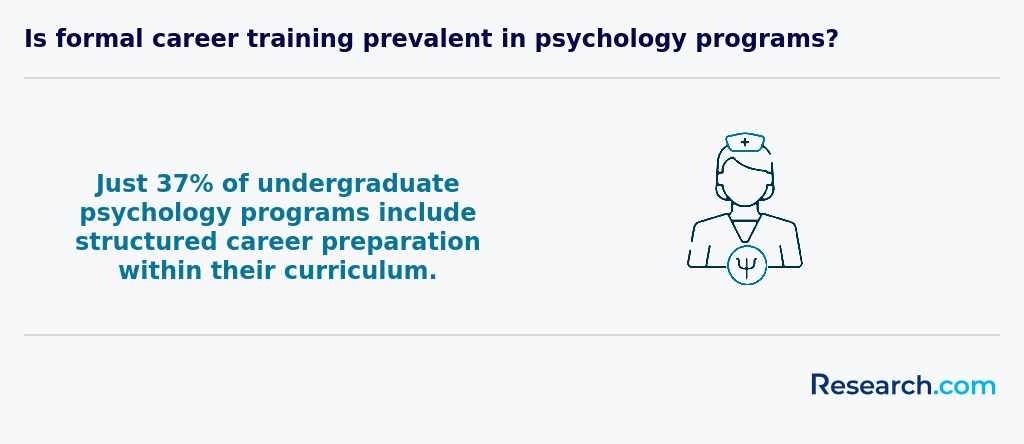
Enrolling in an online psychology degree in Missouri means gaining access to a robust network of support services designed to help you succeed academically and professionally. Most programs partner with dedicated academic advisors who provide personalized course planning, ensuring you stay on track for graduation. Additionally, online students benefit from 24/7 technical support to troubleshoot platform issues, virtual writing and statistics labs to strengthen research and analysis skills, and digital library access to peer-reviewed journals and e-books. Career counseling centers offer resume reviews, mock interviews, and job search assistance, while alumni mentoring programs connect you with graduates working in fields like human resources, clinical research, and mental health services. Beyond undergraduate resources, many online psychology programs in Missouri collaborate with graduate departments to guide students considering advanced study. If you’re interested in specializing further, our site details top phd neuropsychology programs online that build on your bachelor’s foundation. By leveraging these comprehensive support services-from academic advising and tutoring to career workshops and alumni networks-you’ll be well-equipped to excel in your coursework, transition seamlessly into the workforce, or pursue graduate study with confidence.
Imagine a psychology student at the University of Missouri pulling together her financial puzzle: she's pieced it with Pell Grants offering up to $7,395 a year, free money based solely on need, not to be paid back. This isn't just aid-it's a lifeline that lets her focus on theories of mind instead of mounting bills. Over at Missouri State University, another online learner leans on direct federal loans, appreciating their low-interest rates and flexible payback terms, a practical cushion when balancing study and work.
Then there's the sweet spot of state-specific perks like the Access Missouri Financial Assistance Program, a tailored support system named for locals, helping psychology aspirants statewide. Beyond that, private scholarships from psychology societies, such as Psi Chi, arrive as unexpected gifts, rewarding academic sparks and community passion alike.
Many Missouri colleges also sprinkle institutional aid-discounts, payment plans, and merit awards-like confetti on graduation day, easing the climb. Even employer tuition reimbursement comes into play, where working students find real-world allies in their bosses, turning ambition into affordability.
As the field of psychology continues to evolve, one area garnering notable attention is forensic psychology. With growing interest from students and professionals alike, this specialization is increasingly recognized for its unique blend of psychological insight and legal application. For instance, while many psychology graduates in Missouri traditionally pursue careers in counseling or clinical practice, an emerging trend is shifting towards roles that require meticulous analysis of human behavior within the criminal justice system. This shift reflects broader industry demands and the realization that insights from forensic psychology can play a crucial role in public safety, legal proceedings, and even mental health evaluations. Recent studies highlight that as crime patterns become more complex, organizations are investing in forensic psychology expertise to enhance investigative processes and provide expert testimony. In turn, this opens new career pathways that complement conventional psychology roles-demonstrating that is there a demand for forensic psychologists in today’s competitive job market. Moreover, professionals in this field are often at the forefront of interdepartmental collaboration, working closely with law enforcement agencies, legal firms, and community organizations to solve cases and develop preventive strategies. For prospective students and current professionals, understanding this niche may be key to identifying less crowded career paths with significant growth potential. By researching cutting-edge trends, engaging with mentors in forensic psychology, and leveraging opportunities for specialized training, individuals can position themselves at the intersection of psychology and criminal justice-a dynamic space ripe for innovation and long-term career fulfillment.
Envision stepping into the virtual halls of Missouri's top universities like the University of Missouri or Webster University, where online psychology programs unfold. To open this door, you typically need a high school diploma or GED, the universal key to higher education. Graduates often recall how completing college preparatory courses in English, math, science, and social studies became their mental gym, building the stamina to tackle psychology's blend of biology, sociology, and statistics.
Some institutions may ask for SAT or ACT scores, but thanks to evolving trends, many have embraced test-optional policies-offering a breath of fresh air to applicants who excel through their stories and passions rather than numbers.
Imagine writing a personal essay where your curiosity about human behavior leaps off the page, complemented by letters of recommendation from mentors who've witnessed your potential. Transfer students cherish how their previous college GPA, often around 2.0 to 2.5, unlocks the path toward specializing in psychology at these Missouri schools.
Completion of introductory psychology courses also sets the stage, creating a shared language as you join a vibrant community of learners eager to understand the mind.

Navigating Missouri’s licensure process is a critical step for online psychology graduates aiming to practice professionally. Whether you plan to become a Licensed Professional Counselor (LPC), Licensed Psychologist, or pursue specialized credentials, understanding state requirements ensures a smooth transition from coursework to clinical practice. Missouri Board of Psychology licensure pathways often include:
- Degree Requirements: • Bachelor’s or master’s from a regionally accredited program with approved clinical coursework • Doctoral degree (for Licensed Psychologist) from an APA‐accredited institution
- Supervised Experience: • 2,000–4,000 post‐degree supervised hours (depending on license type) • Supervision must be conducted by a board‐approved supervisor
- Examination: • National Counselor Examination (NCE) for LPC candidates • Examination for Professional Practice in Psychology (EPPP) for psychologists
- Application and Fees: • Submit official transcripts, supervisor verification forms, and exam scores • Pay application and initial license fees, renewed biennially Many online programs integrate practicum placements and internship coordination, but it’s essential to confirm that your chosen institution meets Missouri’s supervision and curriculum standards. For students evaluating cost‐effective options alongside licensure readiness, our Inexpensive Online Psychology Degree Programs Ranking in Florida offers insights into programs with strong value and accreditation. Additional considerations:
- Continuing Education: Missouri requires 20 hours of CE every two years for renewal.
- Reciprocity: Graduates licensed in other states may apply for Missouri licensure via endorsement, subject to board approval.
- Specializations: Certifications in areas like school psychology or neuropsychology often have separate exam and hour requirements. Early planning with academic advisors and the Missouri Division of Professional Registration will help streamline licensure and position you for successful practice.
Imagine diving into the intricate workings of the mind through courses like Introduction to Psychology, where Missouri online students at popular institutions such as the University of Missouri unravel the stories of human behavior and history in the field. Graduates often recall how Developmental Psychology felt like watching life's stages unfold on a screen-understanding how a child's curiosity blooms or how wisdom shapes elder years.
Abnormal Psychology brings a new depth, letting students explore the challenges behind mental disorders with empathy and scientific rigor. At Missouri State University, learners find Research Methods in Psychology an empowering toolkit, mastering experiments and data that turn curiosity into discovery.
- Biopsychology reveals the dance between brain cells and emotions, making every feeling a fascinating mystery to explore.
- Social Psychology shows how our thoughts shape and are shaped by the tribe we move within.
Electives like Cognitive Psychology transform memory and perception into puzzles to solve, while Personality Psychology invites learners to map the constellation of traits in themselves and others. Plus, hands-on courses like Psychological Testing and Assessment turn theory into real-world skills-readying many Missouri students for careers that touch lives deeply.
Missouri's online psychology degree specializations unfold like a vivid map of human experience, inviting students to dive deeply into diverse mental landscapes. Graduates from institutions like Missouri State University often describe their Clinical Psychology focus as an empowering journey into understanding and healing the mind's hidden struggles, turning raw empathy into skilled therapeutic action. Meanwhile, those drawn to Missouri bachelor psychology concentration options find themselves exploring Counseling Psychology, where emotional support skills become tools for real-world resilience and change.
Imagine applying industrial-organizational psychology learned online from Lindenwood University to transform workplace culture-boosting morale and productivity in everyday office rhythms. Other graduates immerse in Developmental Psychology, tracing the arc of human growth from giggles to wisdom. Health Psychology shines light on the intricate dance between mind and body, while Forensic Psychology attracts those curious about justice, sparking questions like is there a demand for forensic psychologists within the Missouri context.
By tailoring studies to such varied dimensions through online programs, Missouri's students step confidently toward futures brimming with purpose and possibility.
Choosing the best online psychology degree programs Missouri offers feels like navigating a vibrant cityscape at night-full of promising lights but requiring a clear path. Graduates from flagship state universities often praise how accreditation, like the Higher Learning Commission, turns a murky maze into a well-lit avenue, ensuring their hard-earned credits shine recognized by employers and grad schools alike.
Many find comfort in the affordability of online programs, where studying from Missouri means annual tuition around $7,500 to $10,000, a refreshing contrast to the national average that can feel like a distant skyscraper looming too high. These costs often allow students to prioritize their passions rather than just budgeting worry.
Hands-on curriculum at popular colleges blends classic psychology staples with thrilling electives like behavioral neuroscience, making students feel like explorers charting uncharted brain territories. Flexibility is a must-balancing work, family, and study-so online asynchronous courses turn into cozy late-night study sessions tailored to your rhythm.
Alumni frequently mention the invaluable practicum placements through local Missouri clinics, turning theory into real-world stories. To deepen your journey, some even tap into phd neuropsychology programs online, pushing beyond basics in innovative ways. This immersive experience creates graduates not just educated, but empowered.
Finding affordable online psychology bachelor's Missouri programs with vibrant support networks often feels like discovering a hidden gem, one that polishes your potential into a radiant career.

Graduates earning an online psychology degree in Missouri often find themselves stepping into vibrant roles that breathe life into theory and research. Picture a recent graduate from the University of Missouri, diving into a role as a psychology research assistant at a bustling campus lab, her days fueled by curiosity and the thrill of discovery. Another graduate from Missouri State University thrives as a human resources specialist, translating behavioral insights into practical hiring and training strategies, creating workplaces where people feel valued and understood. These stories reflect the diverse spectrum of online psychology degree jobs in Missouri, where skills meet real-world impact.
Others channel their passion into social services, coordinating community programs through nonprofits or government agencies, turning compassion into action. Behavioral health technicians at local hospitals turn academic knowledge into hands-on care, while assistants in educational settings support children's growth with patience and expertise. For those weighing cost alongside career, exploring options like the Inexpensive Online Psychology Degree Programs Ranking in Florida can inspire budgeting strategies that work.
Graduates holding an online psychology degree in Missouri find themselves stepping into a job market buzzing with growing possibilities, especially in urban hubs like St. Louis and Kansas City. These cities brim with roles in healthcare, education, and social services, creating fertile ground where passion meets opportunity. Imagine a recent graduate from a well-known Missouri university, now thriving as a behavioral health technician, gaining hands-on experience that shapes their career trajectory without the need to uproot for a distant city.
Missouri online psychology degree job outlook shines brighter as graduates move into positions such as psychiatric technicians or case managers, earning between $28,000 and $38,000 annually. The steady rise in mental health awareness mirrors the increasing demand for such roles, especially with growing telehealth options spreading beyond metro areas to rural communities.
Those eager for further advancement often pursue advanced degrees and licensure, transitioning to licensed counselors or therapists. Many Missouri learners appreciate the flexibility of online programs offered by state institutions, combining quality education with manageable costs. Exploring a list of college majors and careers further reveals how psychology graduates can carve diverse and rewarding paths within Missouri's evolving landscape.
2027 Easiest Online Bachelor's in Psychology Degree Programs Ranking in Missouri
Investing in your education is a significant decision that can shape your future, and the Research.com team understands the importance of making informed choices. To assist prospective students in Missouri, we have meticulously crafted the "2027 Easiest Online Bachelor's in Psychology Degree Programs Ranking in Missouri." Our commitment to quality, credibility, and accuracy is reflected in the extensive research and analysis conducted to compile this ranking.
We utilized the following reputable data sources to ensure a comprehensive evaluation of online psychology programs:
By exploring this ranking, readers will gain valuable insights into the easiest online bachelor's in psychology programs in Missouri, enabling them to make well-informed decisions about their educational journey. For more information on how this ranking was created, please visit our Research.com methodology page.



Frequently Asked Questions About psychology
Students pursuing online psychology degrees in Missouri can enhance their learning by actively engaging with course materials and participating in virtual discussions. Missouri institutions often provide access to digital libraries and research tools, which are valuable for deepening understanding. Scheduling regular study times helps maintain focus and consistency.
Networking with peers and faculty through online forums or video calls offers important academic and professional support. Additionally, applying theoretical knowledge through internships or volunteer opportunities in Missouri's mental health organizations boosts practical skills. According to the Missouri Department of Mental Health, such hands-on experience improves job prospects in the state's growing psychology sector.
Utilizing campus resources like tutoring services, even remotely, is also beneficial. Staying updated with Missouri-specific psychological research enhances context awareness, particularly since local data can impact clinical practices and career opportunities within the state. Overall, self-discipline combined with active resource use maximizes the online study experience.
Emerging niches within the psychology field are expanding rapidly, reflecting society's evolving needs. In Missouri, areas like neuropsychology and health psychology are gaining traction due to increased awareness of brain health and chronic disease management. Additionally, forensic psychology is growing, supported by Missouri's expanding criminal justice programs. Industrial-organizational psychology also shows promise, with businesses seeking experts to improve workplace productivity and employee well-being.
The rise of telepsychology, accelerated by COVID-19, offers new opportunities for online psychology graduates, especially in rural Missouri, where mental health services are limited. According to the Missouri Department of Mental Health, demand for behavioral health specialists is expected to rise by over 14% through 2028.
After completing an online psychology degree in Missouri, it is important to build practical experience through internships or volunteer work in mental health settings. Missouri's Department of Mental Health offers resources and listings that can help graduates find opportunities locally.
Networking with professionals in Missouri's psychology community can greatly improve job prospects. Attending conferences, joining state psychology associations, and connecting via platforms such as the Missouri Psychological Association provide valuable contacts.
Many psychology positions require licensure or certification. Graduates should review Missouri's licensing requirements for mental health counselors or psychologists through the Missouri Division of Professional Registration.
Developing skills in evidence-based practices and staying current with research enhances employability. According to the U.S. Bureau of Labor Statistics, Missouri shows steady growth in psychology-related jobs, emphasizing the importance of continued learning.
Employers in Missouri seek psychology graduates with a strong foundation in critical thinking and data analysis. These skills allow graduates to effectively interpret research findings and apply evidence-based practices in clinical or organizational settings. Communication skills, both written and verbal, are essential for collaborating with colleagues and clients.
Additionally, knowledge in ethical standards and cultural competence is highly valued. According to the Missouri Psychological Association, graduates who understand diverse populations and demonstrate ethical judgment have better employment prospects. Practical experience, such as internships or research participation, also sets candidates apart in this competitive field.
Finding internships in Missouri relevant to a psychology degree involves several strategic steps. Start by consulting your university's career services and psychology department, as many Missouri institutions have partnerships with local clinics and mental health organizations. The Missouri Psychological Association also offers resources and networking opportunities that may lead to internship placements.
Additionally, explore state government agencies such as the Missouri Department of Mental Health, which often provides internships in community mental health programs. According to the U.S. Bureau of Labor Statistics, Missouri's demand for psychological services is growing, increasing internship opportunities. Networking at local chapters of national psychology organizations can further enhance your chances of securing a position.
An online psychology degree in Missouri can significantly enhance career mobility and advancement within the state's growing mental health sector. Missouri's demand for psychologists and related professionals is expected to increase by 14% from 2021 to 2031, according to the U.S. Bureau of Labor Statistics.
Completing an accredited online program allows students to balance work and study, making it easier to gain qualifications without relocating. This flexibility widens access to professional opportunities across urban and rural areas.
For many roles, a bachelor's degree in psychology serves as a foundation for entry-level positions or further graduate studies. Employers in Missouri value candidates with degrees that demonstrate theoretical knowledge alongside applied skills gained through internships or practicums.
Missouri's licensure requirements for psychologists and counselors often demand graduate education, so an online bachelor's degree supports advancement toward those credentials by fulfilling prerequisite coursework.
Studying for a psychology degree in Missouri equips students with skills applicable across various fields such as healthcare, education, and social services. Missouri universities often emphasize interdisciplinary coursework, integrating psychology with biology, sociology, and public health. This approach prepares graduates to collaborate in teams addressing complex human issues.
According to the Missouri Department of Higher Education, psychology graduates frequently work alongside professionals in counseling, marketing, and law enforcement, highlighting the degree's versatility. Many programs also include training in research methods and data analysis, valuable in multiple industries. Thus, students develop a broad understanding that supports diverse career opportunities.
When choosing between a thesis and a non-thesis psychology degree program in Missouri, students should consider their career goals. Thesis programs typically require original research, preparing students for doctoral studies or research roles. Non-thesis options focus more on coursework and practical skills, suitable for those aiming to enter the workforce immediately.
The Missouri Department of Higher Education reports that over 60% of psychology undergraduates pursue non-thesis degrees to expedite graduation. However, students planning graduate school may benefit from thesis experience, as it strengthens research skills and graduate applications.
Cost and time are also factors: non-thesis paths often take less time and incur lower expenses.
Students based in Missouri interested in studying psychology abroad have several options, though most international programs require some on-site attendance. Since Missouri has no specific statewide policies limiting enrollment in foreign institutions, residents can explore accredited online psychology degrees offered by universities outside the United States.
Many schools abroad offer online psychology programs aligned with US educational standards, but students should ensure credits will transfer to Missouri institutions or meet licensure requirements. The Council for Higher Education Accreditation (CHEA) and the U.S. Department of Education provide resources to verify program legitimacy.
Additionally, Missouri's Department of Higher Education encourages students to consider programs approved by the American Psychological Association (APA) for licensure pathways.
Students pursuing online psychology degrees in Missouri can benefit greatly from part-time jobs that complement their studies. Positions such as behavioral health technician, mental health aide, or research assistant are common roles aligned with psychology education. These jobs offer hands-on experience with clients, data collection, and understanding psychological assessments.
According to the Missouri Department of Labor, behavioral health technician roles have a median wage of approximately $15 per hour and are expected to grow by 10% over the next decade, reflecting increasing demand in the state.
Working part-time in local clinics, schools, or universities also helps students develop interpersonal skills essential for future psychology careers. Additionally, research assistant roles at Missouri universities provide valuable exposure to experimental design and data analysis.
Online psychology students in Missouri have access to a variety of networking opportunities despite the remote nature of their programs. Many universities hosting these programs encourage virtual engagement through online student groups and professional association memberships. For example, students often connect with the Missouri Psychological Association, which supports students by providing events and resources tailored to emerging professionals. Additionally, some schools offer hybrid options where students can attend occasional on-campus workshops or networking events.
Missouri's strong healthcare and educational sectors also provide internship and volunteer placements. These experiences enable online students to build local professional networks, essential for career advancement and licensure. According to the Missouri Department of Higher Education and Workforce Development, about 35% of psychology graduates in the state participate in internships supporting their studies and career goals.
Alumni networks offer significant benefits to online psychology degree students in Missouri by providing valuable professional connections and support. These networks often include graduates working across various psychology fields in the state, from clinical settings to educational institutions. Access to such networks can increase job prospects, as employers in Missouri often value local education ties and peer recommendations.
Moreover, alumni groups frequently organize events and workshops, fostering continuous learning and career development. According to the Missouri Psychological Association, networking is a crucial factor in securing internships and licensure opportunities, which are essential for career advancement in psychology within the state.
Through mentoring programs, alumni can share insights about Missouri-specific licensure requirements and employment trends, helping current students navigate their career paths more effectively.
Customizing an online psychology degree in Missouri involves selecting courses and specializations that align with your career goals. Many Missouri universities offer flexible programs allowing students to focus on areas such as clinical psychology, counseling, or industrial-organizational psychology. Elective courses and internships can also enhance practical skills tailored to specific fields.
Students can often choose between research-focused or applied psychology tracks depending on whether they aim for graduate school or direct employment. Missouri's Department of Higher Education provides data on programs that include practicum options, essential for licensure in counseling or therapy careers.
Advisors typically help students create individualized study plans ensuring relevant coursework meets state licensing requirements. This personalized approach helps optimize the degree for jobs in Missouri's growing healthcare and social services sectors where psychology professionals are in demand.
Online psychology students in Missouri often face unique challenges related to balancing studies with personal and professional responsibilities. Many learners juggle work, family, and coursework, leading to time management difficulties. According to the Missouri Department of Higher Education, 45% of online students report feeling isolated due to limited face-to-face interaction, impacting motivation and engagement.
Another challenge is accessing local resources for practicum or internships, which are essential in psychology programs. Finding approved placements in Missouri can be competitive, potentially delaying graduation. Additionally, students sometimes struggle with ensuring their online program meets Missouri's licensure standards, as requirements for practicing psychology vary by state.
With an online psychology degree in Missouri, graduates can pursue several professional certifications to advance their careers. Common options include becoming a Licensed Professional Counselor (LPC) or Licensed Clinical Social Worker (LCSW), both requiring additional graduate education and supervised experience. Missouri's Division of Professional Registration oversees licensure processes and offers clear guidelines on required exams and hours.
Other certifications available include Certified Alcohol and Drug Counselor (CADC) and Board Certified Behavior Analyst (BCBA), which focus on specialized therapy fields. According to the Missouri Psychological Association, these credentials improve job prospects and earning potential in state healthcare facilities and private practice.
Completing an online psychology degree is a key step toward meeting prerequisites for these certifications, but further education and state-specific exam passing are vital.
To write a winning application for an online psychology program in Missouri, start by carefully researching the specific admission requirements of each institution. Many accredited programs, like those approved by the American Psychological Association (APA), look for a strong academic record, particularly in science and psychology-related courses.
Highlight relevant experience such as volunteer work, internships, or jobs related to psychology. Missouri Statistics reveal increasing demand for mental health professionals, so demonstrating this interest can strengthen your case. Clear, concise personal statements explaining your motivation and career goals are essential.
Request letters of recommendation from professors or employers who can attest to your abilities and commitment. Also, ensure standardized test scores or prerequisite credits meet the school's criteria. The Missouri Department of Higher Education and Workforce Development provides up-to-date details on accredited online programs and application tips worth consulting.
The career outlook for psychology professionals in Missouri and the broader United States reflects a growing global interest in mental health. According to the U.S. Bureau of Labor Statistics, employment for psychologists is projected to grow 8% from 2022 to 2032, faster than the average for all occupations. This trend is influenced by increased awareness of mental health issues worldwide.
In Missouri, licensing requirements align with national standards, ensuring graduates of online psychology programs meet professional criteria. Many global perspectives emphasize the importance of cultural competence and evidence-based practice, which are integral in Missouri's educational frameworks.
The global demand for psychology expertise encourages collaboration across countries, enhancing research and clinical work. Students in Missouri benefit from a curriculum designed to prepare them for these expanding opportunities, combining local licensure with global best practices.
Gaining practical experience while pursuing an online psychology degree in Missouri is essential for career readiness. Many Missouri universities with online programs encourage students to complete internships or practicum placements, often coordinated locally. These opportunities allow students to work in clinical, educational, or research settings under supervision.
In Missouri, psychology students may connect with hospitals, counseling centers, or schools to fulfill experiential requirements. The Missouri Board of Psychology supports supervised professional experience to meet licensing prerequisites, particularly for those pursuing clinical roles.
Additionally, involvement in Missouri-based research projects or virtual lab work can provide valuable hands-on skills. Students should consult their program advisors to identify approved local placements aligned with degree standards and state regulations.
Choosing the right concentration within an online psychology degree program in Missouri begins with understanding your career goals. Missouri offers concentrations such as clinical, counseling, developmental, and industrial-organizational psychology, reflecting diverse professional paths. According to the Missouri Department of Higher Education, programs accredited by the American Psychological Association (APA) often provide strong clinical training, which is important if you plan to pursue licensure.
Consider local job market trends in Missouri: clinical and counseling psychologists are in demand, with the Bureau of Labor Statistics projecting a 9% growth in related jobs nationwide through 2031. Research Missouri-specific resources and licensure requirements to ensure your concentration meets state guidelines.
- 2027 Easiest Online Bachelor's in Psychology Degree Programs Ranking in Kansas
- 2027 Easiest Online Bachelor's in Psychology Degree Programs Ranking in Iowa
- 2027 Easiest Online Bachelor's in Psychology Degree Programs Ranking in Illinois
- 2027 Easiest Online Bachelor's in Psychology Degree Programs Ranking in Minnesota
- 2027 Easiest Online Bachelor's in Psychology Degree Programs Ranking in Colorado
- 2027 Easiest Online Bachelor's in Psychology Degree Programs Ranking in Ohio
- 2027 Easiest Online Bachelor's in Psychology Degree Programs Ranking in Alabama
- 2027 Easiest Online Bachelor's in Psychology Degree Programs Ranking in Georgia
- 2027 Easiest Online Bachelor's in Psychology Degree Programs Ranking in Texas
- 2027 Easiest Online Bachelor's in Psychology Degree Programs Ranking in Florida
See What Experts Have To Say About Studying Psychology
Read our interview with Psychology experts

Elizabeth L. Jeglic Ph.D.
Psychology Expert
Professor of Psychology
City University of New York

Catherine Caldwell-Harris, Ph.D.
Psychology Expert
Associate Professor of Psychology
Boston University

Robin M. Kowalski. Ph.D.
Psychology Expert
Professor of Psychology
Clemson University

- Alumni Perspectives - Meet Our FPN Alumni https://www.aanmelder.nl/alumni-perspectives-june-2023
- Psychology https://s49460.p1509.sites.pressdns.com/program/bachelors/psychology/
- Best Missouri Psychology Degrees Updated for 2026, Online ... https://www.psychologydegrees.org/state/missouri
- Alumni Network - https://efpsa.org/alumni-network/
- Missouri Psychology Schools https://psychologydegreeguide.org/state/missouri/
- Professional Networking For Psychologists https://www.psychology.org/resources/professional-networking/
- Psychology Programs and Careers in Missouri | Online Degrees https://www.onlinepsychologydegrees.com/states/missouri/
- Online Psychology Degree Salary by Career Path https://www.collegetransitions.com/blog/online-psychology-degree-salary-by-career-path/
- Online Psychology Degrees https://www.phoenix.edu/online-psychology-degrees.html
- Networking and Community Resources https://www.psych.on.ca/become-a-member-(1)/member-services/networking-and-community-resources


