
2027 Best Psychology Degree Programs Ranking in Savannah

Co-Founder and Chief Data Scientist
Choosing the right psychology degree program is a big step toward a rewarding career in mental health, research, or counseling. If you're in Savannah and curious about your options, this article is here to help.
The 2027 Best Psychology Degree Programs Ranking in Savannah was carefully crafted by the Research.com team of data scientists. This ranking offers clear insights to guide you in finding programs that fit your goals and interests.
By exploring this article, you'll discover valuable information to make confident decisions about your education and future. Embarking on a psychology degree can open doors to meaningful work and personal growth.
Key benefits of getting psychology degree in Savannah
- Psychology degree graduates in Savannah can expect rewarding salaries, with roles such as Human Resources Specialists earning about $76,060 annually and Marketing Research Analysts earning around $83,190, offering strong financial stability.
- Graduates from local schools often pursue diverse careers like Clinical Research Associates or Survey Researchers, both averaging $62,370 per year, showcasing the degree's versatility in many exciting fields.
- Obtaining a psychology degree online from Savannah universities provides flexibility and convenience, allowing students to balance work and study while gaining the same valuable skills as traditional programs.
- 2027 Best Psychology Degree Programs Ranking in Savannah
- What can I expect from psychology degree in Savannah?
- Where can I work with psychology degree in Savannah?
What can I expect from psychology degree in Savannah?
The average cost of pursuing a psychology degree in Savannah is notably affordable, especially when attending institutions like Georgia Southern University. Graduates often share how the approximately $4,400 per semester tuition for in-state students made their education feel accessible, reducing financial stress and allowing them to focus on immersing themselves in coursework and research.
Many students describe the value of this investment as high, given the blend of rigorous academics and practical training. For example, hands-on experiences at nearby clinics or social service agencies often supplement classroom learning without extra cost, making the overall educational journey feel rich and rewarding.
Looking ahead, the growing availability of online and hybrid courses in Savannah could further lower expenses by cutting commuting and housing costs. This evolving flexibility promises to open doors for more diverse learners, including working professionals eager to advance their psychology careers without overwhelming financial burdens.
Where can I work with psychology degree in Savannah?
Graduates with a psychology degree in Savannah often find rewarding roles in diverse settings connected to the community's dynamic landscape. Many begin their careers in healthcare facilities across Chatham County, working as mental health counselors or behavioral specialists, where they witness firsthand the positive impact of their work in hospitals and rehabilitation centers. Students from Savannah State University celebrating their transition into such roles often describe a deep sense of fulfillment supporting patients' recovery journeys.
Others choose public school systems, stepping into positions as school counselors or educational psychologists within the Savannah-Chatham County Public School System. These graduates share stories of meaningful daily interactions that help shape student well-being and academic success, especially when supported by additional certifications.
Private counseling centers and expanding local initiatives focused on trauma recovery and substance abuse offer enriched career possibilities. Psychology graduates pursuing further education at popular Savannah colleges imagine future roles in forensic or industrial-organizational psychology, emerging fields gaining traction within the city's law enforcement and business sectors. The growing demand and varied paths ignite optimism, highlighting how versatile a psychology background can be in Savannah's evolving job market.
Graduates with a psychology degree in Savannah can anticipate a range of earning possibilities depending on their chosen career path and education level. For example, those entering roles like clinical research associates or survey researchers might see average annual wages around $62,370, reflecting solid entry points into research-focused careers.
Bachelor's degree holders who tap into roles akin to childcare workers may initially earn closer to $32,070, but many graduates from local institutions like Savannah State University find this a stepping stone toward advanced studies that boost salary potential.
More specialized paths, such as human resources specialists and marketing research analysts, offer promising wages in the $76,000 to $83,000 range. Graduates from Savannah College of Art and Design, who pursue psychology within marketing or organizational behavior fields, often feel encouraged by these thriving options.
Looking ahead, Savannah's growing healthcare and education sectors provide optimistic prospects for psychology grads, especially with ongoing demand for licensed counselors and clinical researchers. The blend of local opportunities and competitive salaries generates enthusiasm among students imagining their future here.
- Undergraduate tuition for psychology degrees in Savannah ranges from about $4,500 per year at public universities for in-state students to around $15,000 at private colleges.
- Entry-level salaries for psychology graduates in Savannah average approximately $45,000 annually, similar to the Georgia state average for bachelor-level roles.
- Experienced psychologists with advanced degrees typically earn between $70,000 and $90,000 per year, with some licensed specialists earning more based on experience.
- The psychology job market in Savannah is expected to grow between 10% and 14% over the next decade, driven by demand in clinical, counseling, and school psychology.
- Internship and practicum opportunities are available through local hospitals and clinics, which are essential for gaining practical experience and meeting state licensure requirements.
- Licensure in Georgia generally requires a doctoral degree, supervised postdoctoral hours, and passing the Examination for Professional Practice in Psychology (EPPP).
Completing a psychology degree in Savannah generally aligns with the traditional timelines seen across the U.S., yet individual experiences often add layers of excitement and challenge. Graduates from Armstrong State University, now part of Georgia Southern University, typically finish their bachelor's degree in about four years. Many recall balancing vibrant campus life with intense research projects and psychology electives, which made the journey feel both manageable and deeply rewarding.
Some associate degree students from local community colleges describe their two-year programs as a focused dive into foundational concepts, sparking eagerness to transfer into full bachelor's programs. Meanwhile, master's students appreciate the roughly two-year commitment immersed in advanced coursework and practical experiences that prepare them for fulfilling psychology careers or doctoral studies.
Those pursuing doctorates in or near Savannah often share mixed feelings-exhaustion paired with pride-as their studies span 4 to 7 years, sometimes taking innovative online paths. Emerging trends like flexible schedules, online offerings, and part-time options are reshaping these timelines, making psychology degrees increasingly accessible and personalized.
When exploring psychology degree programs in Savannah, GA, one crucial aspect to consider is the affordability of these programs. Prospective students often find themselves weighing the costs of tuition, living expenses, and other fees against the potential benefits of their degree. For those seeking to manage their expenses effectively, researching the cheapest psychology programs in Georgia can be a helpful starting point. By visiting cheapest psychology programs in georgia, students can gain insights into affordable options that align with their financial situation and academic goals. This proactive approach enables students to make informed decisions, balancing their desire for a quality education with the need to keep costs manageable. Ultimately, considering affordability is a key step in choosing the right psychology program, ensuring that students can pursue their passion for psychology without undue financial burden.
In Savannah, choosing between online and on-campus psychology degrees often comes down to how students want to engage with their learning. Graduates from on-campus programs at schools like Savannah State University appreciate the lively campus atmosphere and direct access to professors and peers, especially during hands-on internships at local clinics or schools. This immersive setting fosters connection and immediate feedback, which many find energizing and motivating.
Conversely, online psychology students enjoy the freedom to study at their own pace, balancing work and family life without the stress of daily commutes. For example, a graduate from an online program affiliated with a local institution might capture lectures after work hours, then apply concepts the next day in their community volunteer role. This flexibility cultivates a strong sense of independence and time management skills, preparing them well for future self-driven careers.
Emerging trends suggest hybrid models could blend the best of both worlds in Savannah's academic landscape, supporting personalized learning journeys while preserving valuable face-to-face experiences. This evolution could redefine how psychology education adapts to diverse student needs in the region.
To practice as a licensed psychologist, professional counselor, or social worker in Savannah-and across Georgia-graduates must fulfill state requirements that ensure competency and protect public welfare. First, aspiring psychologists must obtain a doctoral degree (Ph.D. or Psy.D.) from an APA-accredited program, complete at least 3,000 hours of supervised professional experience, and pass the Examination for Professional Practice in Psychology (EPPP). For Licensed Professional Counselors (LPCs), a master’s degree in counseling or a closely related field is required, followed by 2,000 hours of post-degree supervised clinical work and successful completion of the National Counselor Examination (NCE) or the National Clinical Mental Health Counseling Examination (NCMHCE). Licensed Clinical Social Workers (LCSWs) in Georgia need a master’s in social work (MSW), 3,000 hours of supervised practice within two years, and must pass the Association of Social Work Boards (ASWB) Clinical Exam. Applicants submit verification of education and supervision to the Georgia Composite Board, pay applicable fees, and undergo background checks. Licenses must be renewed biennially, requiring 40 hours of continuing education-many local conferences and online seminars in Savannah offer CE credits in ethics, multicultural competence, and evidence-based therapies. Beyond traditional routes, some graduates explore alternative pathways into mental health support roles-such as life coaching or behavioral technician positions-with specialized certifications rather than a psychology degree. If you’re curious about these options, check out our guide on can you become a therapist without a psychology degree to learn how to enter the helping professions through targeted credentialing.
The average cost of a psychology degree in Savannah typically centers around $11,947 for in-state students, though the total median cost can reach approximately $28,264 when considering out-of-state tuition and additional expenses. Graduates from universities like Georgia Southern's Armstrong Campus often share stories of balancing affordable tuition with part-time work, making their education manageable and rewarding. These students appreciate how in-state rates significantly ease financial pressures, allowing them to focus more on mastering psychological theories and research methods instead of worrying about steep fees.
For those attending private institutions, the psychology degree tuition and fees Savannah tend to be higher. Yet, many find that the investment supports access to specialized resources and smaller class sizes, enhancing their academic experience. Graduate students pursuing advanced psychology degrees encounter costs upwards of $30,000 annually, but often benefit from assistantships or scholarships that help offset tuition.
Beyond tuition, expenses such as books, living costs, and lab fees contribute to the overall investment. Savannah's relatively lower cost of living is a plus for students who enjoy a vibrant but affordable college lifestyle. Many graduates reflect on how their dedication and budgeting strategies, complemented by financial aid, made pursuing a psychology degree possible without overwhelming debt.
Prospective psychology students should also explore funding opportunities carefully. Those interested in behavioral health might find motivation in a substance abuse counseling joboutlook, which can lend hope and direction to their education choices while offsetting costs.
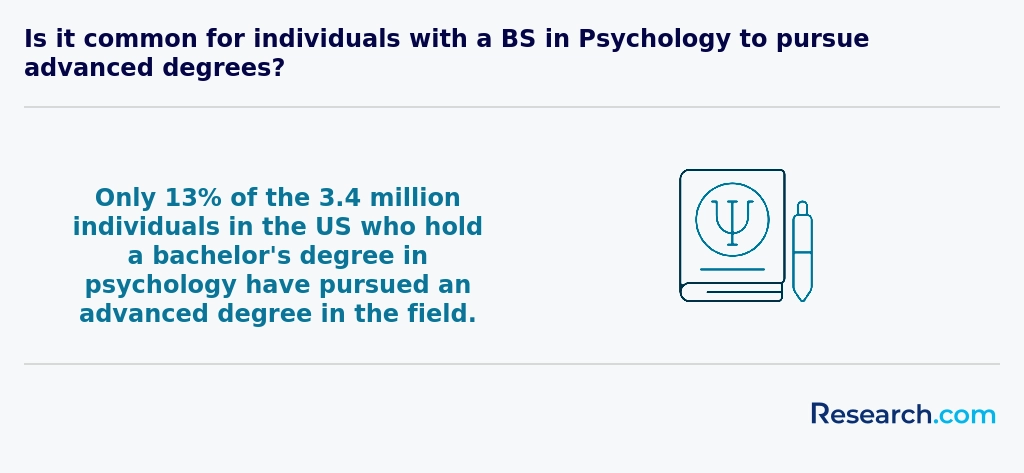
To practice clinically in Georgia, psychology graduates must meet state board criteria:
- Complete an APA-accredited doctoral program in psychology or a CACREP-accredited master’s in counseling; explore options like the cheapest online psychology degree for flexibility.
- Accrue 1,500–3,000 hours of supervised post-degree experience under a licensed psychologist or counselor.
- Pass the EPPP (Examination for Professional Practice in Psychology) and the Georgia Laws and Rules exam.
- Submit all documentation (transcripts, supervision verification, background check) to the Georgia Board of Psychology.
- Fulfill continuing education requirements (20–40 hours biennially) to renew licensure and stay current with ethical and clinical standards.
Psychology students in Savannah often find relief through a mix of financial aid tailored to their unique academic journeys. Federal Pell Grants, available for low-income learners, have empowered many graduates from Georgia Southern University by reducing tuition burdens by thousands annually. This aid allows them to focus more on their studies instead of juggling multiple jobs.
State-funded programs like the HOPE Scholarship also play a pivotal role, especially for students maintaining strong GPAs at Savannah State University. Recipients frequently share how this scholarship's full tuition coverage instills confidence and motivates them to excel without financial distraction.
Institutional scholarships specific to psychology at Savannah schools provide another vital layer of support. Graduates recount how merit-based awards or need-based scholarships ease financial stress, making advanced projects and internships more accessible.
Looking ahead, private scholarships from organizations such as the American Psychological Association might grow in importance, as emerging trends emphasize diverse funding sources to address evolving student needs and economic challenges.
- Education: Doctoral degree in psychology (Ph.D. or Psy.D.) from an APA-accredited program. Many students choose an accelerated psychology degree online to complete this step efficiently.
- Supervised Experience: Minimum 3,500 hours of supervised practicum and internships, including at least 1,750 postdoctoral hours under a licensed psychologist.
- Examinations: Pass the national Examination for Professional Practice in Psychology (EPPP) and the Georgia Jurisprudence Exam.
- Application: Submit transcripts, supervised experience verification, exam scores, and pay fees to the Georgia State Board of Examiners of Psychologists.
- Typical Timeline: Plan for 1–2 years post-degree to fulfill supervised hours and examination requirements.
To enroll in a psychology degree program in Savannah, aspiring students typically need a high school diploma or GED, with a strong academic record in core subjects like English, math, and science. Graduates from Savannah's well-known universities often recall how their solid foundation in these areas made early college challenges manageable and boosted their confidence as they tackled psychology courses.
Many institutions in Savannah continue to consider SAT or ACT scores, though test-optional policies are increasingly common, providing more flexibility to applicants. A graduate from a Savannah college shared how the emphasis on prior coursework in biology, statistics, and social sciences opened doors to advanced psychology topics, preparing them for hands-on research and real-world problem solving.
Letter of recommendation requirements and personal statements are often crucial in highlighting motivation and personal growth, with interviews sometimes used to gauge fit for the program. Students describe the excitement of communicating their passion for psychology, which helped deepen their connection with the program even before classes began.
Strong critical thinking and writing skills are frequently emphasized, nurturing the mindset needed for success in Savannah's evolving psychology landscape.

Savannah’s vibrant campus life extends far beyond the classroom, offering a supportive atmosphere that enriches both academic and personal growth. Many institutions in the region provide student-centered resources such as tutoring centers, career counseling, and extensive alumni networks that can help you navigate your professional journey. Campus events-from networking fairs and guest lectures to mental health awareness initiatives-foster a close-knit community where students share experiences and build lasting connections. Participating in clubs, organizations, and research groups enhances your practical learning and can even complement your academic profile when exploring areas like sports psychology degree. Moreover, mentoring programs and peer support networks are designed to assist you during challenging times, ensuring that every student feels engaged and valued. Whether you’re attending a large state university or a smaller college in Savannah, the emphasis on holistic development and community engagement will help you thrive both academically and personally.
Students pursuing a psychology degree in Savannah typically engage with a range of foundational courses that build both knowledge and practical skills. Graduates from popular institutions like Armstrong State University often recall how courses such as Introduction to Psychology and Developmental Psychology provided a clear, relatable framework for understanding human behavior from infancy through adulthood.
Core classes like Abnormal Psychology and Cognitive Psychology immerse students in real-world challenges, from exploring mental health disorders to understanding memory and learning-topics that often spark a sense of fascination and personal connection among peers.
Many Savannah students share positive experiences with hands-on Research Methods and Statistics courses, where they design experiments that directly tie into local community issues, fostering enthusiasm for evidence-based practice.
Looking ahead, electives like Forensic Psychology and Health Psychology are gaining popularity, offering enriching insights into legal and wellness settings. These courses often inspire students to picture themselves working in Savannah's growing hospitals or counseling centers, fueling optimism about future career paths in their hometown.
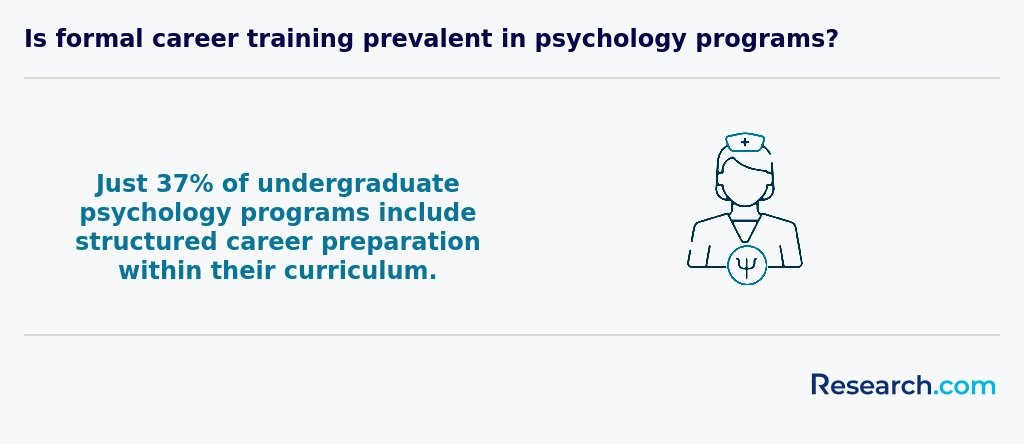
Psychology degree specializations Savannah students pursue reflect exciting and diverse paths that connect deeply with real-world challenges. Graduates from popular colleges, like Georgia Southern University - Armstrong Campus, often recount how focusing on Clinical Psychology enabled them to confidently support mental health clients through rigorous training and hands-on internships. For those drawn to the legal field, Forensic Psychology offers a thrilling blend of psychology and law, preparing students to consult on criminal cases and contribute meaningfully to justice systems.
Emerging trends suggest more students will explore Industrial-Organizational Psychology to help businesses foster healthier, more productive workplaces. Meanwhile, Child and Adolescent Psychology continues to captivate those passionate about nurturing young minds. These specialization options in Savannah psychology programs concentration options give students the chance to tailor their education to unique interests and career goals.
Some pioneers in the field are also taking advantage of online psychology doctoral programs to deepen their expertise and research capabilities beyond their local campus experience, paving the way for future innovations in health psychology and beyond.
Choosing the best psychology degree in Savannah increasingly means looking beyond traditional program labels like BA or BS to consider how schools integrate emerging trends such as digital mental health tools or community-based research. Graduates from local universities often recall the excitement of hands-on internships in Savannah's diverse clinical settings, where they applied neuropsychological concepts in real time. The growing emphasis on faculty expertise in cutting-edge areas like developmental psychology offers inspiring mentorship that shapes future-focused careers.
Affordability also plays an evolving role. Students exploring affordable psychology schools Savannah GA find value in programs balancing costs with access to rich resources, from lab technology to collaborative projects addressing local mental health challenges. Data on graduation rates and job placement encourage forward-thinking students to select programs with strong support networks encouraging career readiness. Those curious about long-term career paths can explore psychology careers tied to their degree choices, envisioning how their academic experience in Savannah can translate into meaningful professional success.
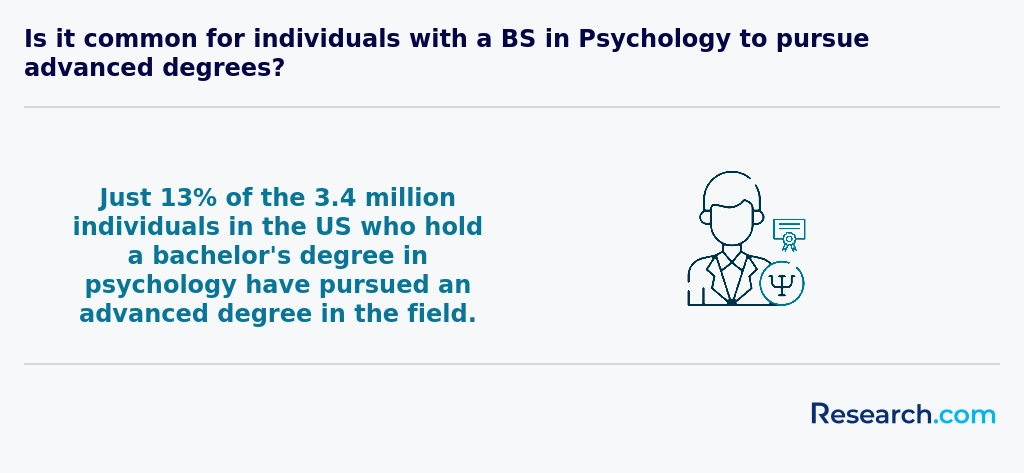
Graduates holding a psychology degree in Savannah are stepping into a world of expanding opportunities, shaped by a dynamic local economy and a rising emphasis on mental health. Many find themselves pursuing careers as licensed counselors or therapists, drawn by the city's growing demand for mental health services. These roles often require a master's or doctoral degree from recognized Savannah institutions, where students experience firsthand the supportive networks of local practitioners.
Others explore roles in social services or human services fields, engaging with community programs that assist vulnerable populations. Such positions offer graduates a profound sense of purpose while leveraging their training in real-world settings. Those intrigued by research and academia often join universities or centers in Savannah, contributing to emerging psychological studies that impact public health. These pathways reflect the diverse psychology career opportunities in Savannah.
Business sectors here, especially in tourism and logistics, increasingly seek experts in organizational behavior and consumer insights, presenting graduates with exciting roles beyond traditional psychology. For those interested in specialization, child and adolescent psychology job opportunities offer a promising future, combining passion with practical application. Across all paths, graduates frequently share pride and optimism, inspired by their studies at local colleges and the impact they foresee in Savannah's evolving job prospects for psychology graduates Savannah.

The job market for psychology degree graduates in Savannah is steadily expanding, fueled by the city's diverse healthcare and education sectors. Psychology degree job opportunities Savannah are particularly promising in mental health clinics, rehabilitation centers, and public schools, where graduates often find meaningful roles applying evidence-based treatments and culturally responsive care. Many graduates from popular local colleges describe a rewarding experience transitioning from campus internships to real-world positions, appreciating the community-focused approach their programs emphasize.
Employment outlook for psychology graduates Savannah reflects an 8% growth nationally for clinical and counseling psychology roles, with Savannah benefiting from its growing demand for mental health professionals. Graduates often leverage connections made at university career fairs to secure positions in local government agencies or private practices, and some pursue advanced licensure to enhance their prospects.
Additionally, students may explore substance abuse counseling job opportunities within the region's expanding support networks. This evolving landscape offers a sense of optimism, encouraging students to envision fulfilling careers that make a tangible impact on Savannah's communities.
2027 Best Psychology Degree Programs Ranking in Savannah
Investing in your education is a significant decision that can shape your future, and the Research.com team understands the importance of making informed choices. To assist prospective students in Savannah, we have meticulously crafted the "2027 Best Psychology Degree Programs Ranking in Savannah." Our commitment to quality, credibility, and accuracy is reflected in the extensive research and analysis conducted to compile this ranking.
We utilized the following reputable data sources to ensure a comprehensive evaluation of psychology programs:
By exploring this ranking, readers will gain valuable insights into the best psychology degree programs available in Savannah, helping them make informed and confident decisions about their educational paths. For more details on our methodology, please visit our Research.com methodology page.
# 1 position
South University-Savannah Online
Bachelor of Arts in Psychology

# 2 position
Savannah State University
Bachelor of Arts in Psychology

Frequently Asked Questions About psychology
Psychology degree students in Savannah can maximize their learning by engaging actively with both coursework and community resources. Enrolling in internships or practicum opportunities at local organizations, such as counseling centers or hospitals, provides practical experience essential for skill development. According to data from the Georgia Board of Examiners of Psychologists, hands-on experience enhances job placement rates by up to 25%.
Students should also take advantage of networking events hosted by nearby universities like Armstrong State University and Savannah State University, which offer specialized psychology programs. Participating in research projects under faculty supervision improves critical thinking and familiarity with empirical methods.
Utilizing Savannah's rich cultural diversity allows students to gain broader perspectives on psychological issues, fostering cultural competence-a key attribute for professionals in psychology.
Emerging niches in psychology reflect the evolving needs of society and advancements in research. In Savannah, areas such as neuropsychology and health psychology are gaining attention due to increased awareness of brain health and the connection between mental and physical well-being. Clinical neuropsychologists assess and treat cognitive impairments, while health psychologists focus on promoting healthy behaviors.
Another growing field is forensic psychology, where practitioners work within the legal system. This niche suits Savannah's expanding legal and correctional services. Additionally, industrial-organizational psychology is in demand, helping local businesses improve workplace productivity and employee satisfaction.
According to the Bureau of Labor Statistics, jobs in these specialized areas are expected to grow by 12% nationally through 2030, highlighting strong career prospects for students pursuing psychology degrees focused on these niches.
After completing a psychology degree in Savannah, preparing for the job market involves gaining practical experience and building professional connections. Internships or volunteer positions at local mental health clinics or social services agencies offer valuable hands-on skills. Savannah's growing healthcare sector increases opportunities in counseling and rehabilitation settings.
Networking with professionals through organizations like the Georgia Psychological Association can help identify job openings. Additionally, obtaining state licensure or certifications enhances employability, especially for clinical roles. Strong communication and research skills, often emphasized in Savannah psychology programs, remain essential in job applications and interviews.
According to the U.S. Bureau of Labor Statistics, psychology positions in Georgia are expected to grow by 8% through 2030, reflecting steady demand in the region.
Employers in Savannah seek psychology graduates with strong analytical and critical thinking skills. According to the Bureau of Labor Statistics, about 19% of psychology jobs in Georgia require the ability to interpret complex data and conduct research independently.
Effective communication is also essential. Graduates must explain psychological concepts clearly to clients and colleagues. The Savannah Workforce Development Council highlights that interpersonal skills increase job placement success by 15% locally.
Additionally, adaptability and cultural competence are key. Savannah's diverse population demands awareness of different backgrounds for effective counseling and community work. Employers value graduates trained in ethical decision-making and confidentiality management as outlined by the American Psychological Association.
Finding internships in Savannah relevant to a psychology degree involves connecting with local educational institutions and healthcare providers. Georgia Southern University, with its Armstrong Campus in Savannah, offers a psychology program that often facilitates internship placements through partnerships with community agencies.
Internships can typically be found at local mental health clinics, hospitals, and nonprofit organizations specializing in behavioral health. The Savannah Behavioral Health Center and Memorial Health University Medical Center are prominent sites offering practical experience for psychology students.
The Georgia Department of Behavioral Health and Developmental Disabilities also maintains listings of internship opportunities in the region. Applying early and networking through university career services significantly improves chances of securing a position.
Nationwide, about 60% of psychology students complete internships before graduating, and local Savannahians benefit from close ties between universities and community providers, supporting hands-on learning crucial for licensure and further career development.
A psychology degree in Savannah can significantly enhance career mobility and advancement prospects. According to the U.S. Bureau of Labor Statistics, jobs in psychology-related fields such as mental health counseling and social work are expected to grow by over 20% nationally through 2032, a trend reflected in Savannah's expanding healthcare and social services sectors.
Locally, employers value candidates with a psychology background, particularly in hospitals, schools, and community organizations. Holding a degree often qualifies individuals for roles with higher responsibility and better pay. For example, earning a master's or doctoral degree can lead to licensure opportunities as a clinical psychologist, which offers substantial career growth.
Additionally, several accredited Savannah institutions provide programs aligned with state licensure requirements. This alignment facilitates smoother entry into specialized fields, helping graduates quickly advance their careers within the region's competitive job market.
Studying for a psychology degree in Savannah equips students with skills applicable across multiple fields. Local programs emphasize interdisciplinary learning, combining psychology with areas like health sciences, social work, and education. This broad approach reflects the growing demand for professionals who understand human behavior in diverse contexts. For example, institutions in Savannah often partner with community organizations, providing real-world experience that crosses traditional disciplinary boundaries.
According to the Georgia Board of Examiners of Psychologists, Savannah's psychology graduates are increasingly working in integrated settings such as healthcare teams and school counseling. This trend highlights how regional education prepares students for collaborative roles beyond classic psychology careers.
Choosing between a thesis and a non-thesis psychology degree program in Savannah depends on your academic and career goals. A thesis program requires conducting original research and writing a detailed paper, which is ideal if you aim for doctoral studies or research careers. Non-thesis programs usually focus on coursework and practical experience, suitable for students planning to enter the workforce directly after graduation.
According to the University System of Georgia, many Savannah institutions offer both options, with thesis tracks typically lasting longer due to research commitments. Consider your interest in research, timeline, and career aspirations when deciding.
Students based in Savannah seeking to study psychology abroad have several pathways through US university programs offering international exchange opportunities. Many psychology programs encourage participation in study-abroad semesters or internships to gain global perspectives. For example, institutions like Armstrong State University, now part of Georgia Southern University, have historically provided partnerships with universities in Europe and Asia.
Additionally, students can explore programs accredited by the American Psychological Association (APA) that include abroad research experiences. The Council on International Educational Exchange (CIEE) reports that about 16% of US psychology undergraduates undertake study abroad, aiming to enhance cultural competence.
Financial aid and scholarships specifically supporting study abroad in psychology may be available through federal programs and university grants, helping Savannah students manage costs while gaining valuable international exposure.
Students pursuing psychology degrees in Savannah have access to several part-time job opportunities that complement their academic training. Positions such as mental health technician or behavioral health aide are commonly available in local hospitals and clinics, providing hands-on experience in patient care and mental health support. According to the Georgia Department of Labor, Savannah's growing healthcare sector increased related job openings by 7% over the past three years.
Additionally, roles in social services or research assistantships at institutions like the Armstrong State University Psychology Department offer practical exposure to data collection and analysis. Working in school counseling programs as teacher's aides or youth mentors also enhances interpersonal skills relevant to psychology careers.
These jobs not only build valuable skills but also often offer flexible hours suited for busy students.
Psychology students in Savannah benefit from diverse networking opportunities essential for their academic and professional growth. Local universities such as Armstrong State University and Savannah State University host psychology clubs and honor societies that foster peer connections and guest lectures from industry professionals. Students can attend events organized by the Georgia Psychological Association, which frequently holds conferences and workshops in the region.
Internships at Savannah's healthcare facilities and counseling centers also provide practical experience and networking with practicing psychologists. Additionally, Savannah's growing mental health sector encourages collaboration through community outreach programs, giving students a chance to build local contacts. These opportunities are vital for career development in psychology.
Alumni networks provide significant advantages to psychology degree students in Savannah. These networks connect current students with graduates who have established careers in psychology-related fields, offering mentorship and career guidance. According to the National Association of Colleges and Employers, 85% of jobs are filled through networking, highlighting the value of alumni connections. In Savannah, local universities often host alumni events and workshops specifically for psychology students, enhancing professional development and internship opportunities.
Additionally, alumni can offer insights into the Savannah job market, which has seen steady growth in mental health services. According to the U.S. Bureau of Labor Statistics, the Savannah metropolitan area posted a 6% increase in psychologist positions from 2020 to 2023. This makes alumni an invaluable resource for career advancement and employment.
Customizing a psychology degree program in Savannah allows students to align their education with specific career goals. Many local colleges offer flexible curricula, including electives focused on clinical, counseling, or industrial-organizational psychology. Savannah State University, for example, provides opportunities for research and internships that enhance practical experience.
Students can also choose to specialize through certificate programs or by selecting courses in related fields like social work or neuroscience. According to the Bureau of Labor Statistics, demand for psychologists is growing by 8% nationally, supporting career flexibility. Additionally, internships within Savannah's healthcare or educational settings help build local professional networks.
Psychology students in Savannah often face challenges balancing rigorous coursework with practical experience requirements. Many programs emphasize research methods and statistics, which can be difficult for students without a strong math background. According to the National Center for Education Statistics, retention rates for psychology majors nationwide fluctuate around 68%, partly due to these academic demands.
Additionally, access to local internships and clinical placements can be limited in Savannah, affecting hands-on learning opportunities. Students must frequently compete for placements within a smaller regional market compared to larger cities. This limited availability can delay graduation timelines and professional progress.
Financial constraints also pose obstacles, as psychology programs in Savannah may not offer extensive scholarships, forcing some students to juggle work alongside studies. Navigating licensure requirements in Georgia adds another layer of complexity for those aiming to become licensed practitioners after graduation.
With a psychology degree in Savannah, students can pursue several professional certifications to enhance their careers. One common certification is the Licensed Professional Counselor (LPC), which requires a master's degree and supervised clinical hours after graduation. LPCs can provide therapy and counseling services in various settings across Georgia.
Another certification option includes becoming a Certified Addiction Counselor (CAC), focusing on substance abuse treatment, which is in demand in the Savannah area. According to the Georgia Composite Board of Professional Counselors, these certifications require passing specific exams and completing continuing education.
For graduates interested in industrial-organizational psychology, the Society for Human Resource Management (SHRM) offers certifications that complement a psychology background.
Writing a winning application for a psychology program in Savannah starts with understanding what admissions committees value most. Emphasize your academic achievements, particularly in psychology and related sciences. Savannah State University, a key local institution, requires a minimum GPA of 2.5 for psychology majors, but aiming higher improves your chances significantly.
Personal statements are crucial. Discuss your passion for psychology and how studying in Savannah aligns with your career goals. Highlight any volunteer or research experience, especially if connected to mental health or community services in Savannah-both areas of growing local interest.
Letters of recommendation should come from professors or professionals familiar with your skills and dedication. Official test scores like the SAT or ACT might still be requested, so check each school's requirements carefully.
Finally, submit a clear, error-free application well before deadlines, as Savannah's programs can be competitive.
The global demand for psychology professionals continues to grow, driven by an increased focus on mental health worldwide. In the United States, including Savannah, psychology careers are valued for their adaptability across various sectors, such as healthcare, education, and business. According to the U.S. Bureau of Labor Statistics (2023), employment of psychologists is projected to grow 8% from 2021 to 2031, faster than the average for all occupations.
Psychology graduates in Savannah benefit from a strong local healthcare infrastructure, with opportunities in counseling, clinical psychology, and research. Internationally, psychology roles emphasize cultural competence and ethical practice, skills increasingly incorporated into U.S. university curricula to prepare students for global challenges.
Savannah's educational institutions often integrate global perspectives through study abroad programs and partnerships, enhancing graduates' readiness for diverse career paths. This global approach reflects the profession's expanding reach and evolving methodologies across different societies.
Gaining practical experience while studying for a psychology degree in Savannah is essential for building professional skills and enhancing job prospects. Many local institutions, such as Armstrong State University, offer internship programs that connect students with community mental health centers, hospitals, and social service agencies. These internships provide hands-on experience in various psychological settings.
Additionally, students can participate in research projects under faculty supervision, allowing them to apply theoretical knowledge in real-world scenarios. According to the Georgia Board of Psychology, practical training is a key component in preparing for licensure. Volunteering at local organizations like the Savannah Behavioral Health Center is another valuable option to develop skills and network in the field.
Choosing the right concentration within a psychology degree program in Savannah depends on your career goals and interests. Popular specializations include clinical, counseling, developmental, and industrial-organizational psychology. Each concentration prepares students for different paths, such as therapy, research, or workplace consulting. According to the National Center for Education Statistics, about 65% of psychology graduates in Georgia pursue clinical or counseling tracks, reflecting local demand.
Consider programs offered by Savannah State University and Armstrong State University, which provide various concentration options and internships. Also, evaluate faculty expertise and available resources to support your chosen field. Understanding licensure requirements in Georgia is crucial, as some concentrations require additional certifications.
- 2027 Best Psychology Degree Programs Ranking in Macon
- 2027 Best Psychology Degree Programs Ranking in Daytona Beach
- 2027 Best Psychology Degree Programs Ranking in Tallahassee
- 2027 Best Psychology Degree Programs Ranking in Atlanta
- 2027 Best Psychology Degree Programs Ranking in Montgomery
- 2027 Best Psychology Degree Programs Ranking in Birmingham
- 2027 Best Psychology Degree Programs Ranking in Boca Raton
- 2027 Best Psychology Degree Programs Ranking in Fort Lauderdale
- 2027 Best Psychology Degree Programs Ranking in Mobile
- 2027 Best Psychology Degree Programs Ranking in Miami
See What Experts Have To Say About Studying Psychology
Read our interview with Psychology experts

Elizabeth L. Jeglic Ph.D.
Psychology Expert
Professor of Psychology
City University of New York

Joann Farrell Quinn, Ph.D., MBA
Psychology Expert
Director at the College of Medicine Department of Medical Education
Morsani College of Medicine

Robin M. Kowalski. Ph.D.
Psychology Expert
Professor of Psychology
Clemson University

- How Psychology Students Can Get Clinical Experience Before Graduating | The Playful Psychologist https://www.theplayfulpsychologist.com/post/students-experience-how-to-get-the-experience-you-need-before-you-graduate
- Mental Health Challenges Faced by Psychology Students | The Healthcare Guys https://healthcareguys.com/2023/11/23/mental-health-challenges-faced-by-psychology-students/
- Study Psychology Abroad | Go Overseas https://www.gooverseas.com/study-abroad/psychology
- Georgia Psychology Schools, Colleges & Universities https://www.psychologycareercenter.org/georgia-psychology-schools.html
- Ontario Psychological Association - Networking and Community Resources https://www.psych.on.ca/become-a-member-(1)/member-services/networking-and-community-resources
- Society for the Teaching of Psychology https://teachpsych.org/page-1784686/8675326
- A Guide to Psychology Internships | Psychology Degree Guide https://psychologydegreeguide.org/resources/internships/
- Best Psychology Internships Abroad 2026 & 2027 | Intern Abroad HQ https://www.internhq.com/blog/best-psychology-internships-abroad/
- Study Psychology Abroad https://astarfuture.co.uk/study_psychology_abroad.html
- Best Types Of Online Psychology Degrees 2025 https://www.psychology.org/degrees/


