
2027 Most Popular Psychology Degree Programs Ranking in Champaign

Co-Founder and Chief Data Scientist
Choosing the right psychology degree program can feel overwhelming, especially in a vibrant college town like Champaign. This article introduces the 2027 Most Popular Psychology Degree Programs Ranking in Champaign, developed by the Research.com team of data scientists to help you make an informed decision.
By exploring this ranking, you'll discover programs that fit your goals and interests. A psychology degree opens doors to rewarding careers that positively impact others, making your educational journey both meaningful and exciting.
Key benefits of getting psychology degree in Champaign
- Psychology degree graduates can earn competitive salaries, such as $76,060 annually for Human Resources Specialists and $83,190 for Marketing Research Analysts, showing strong financial opportunities.
- Graduates from Champaign universities often explore diverse career paths like clinical research, childcare, or survey research, benefiting from hands-on experience and local industry connections.
- Online psychology degrees offer flexibility and convenience, allowing students to balance studies with work or family life, as seen with successful graduates from Champaign's popular online programs.
- 2027 Most Popular Psychology Degree Programs Ranking in Champaign
- What can I expect from psychology degree in Champaign?
- Where can I work with psychology degree in Champaign?
What can I expect from psychology degree in Champaign?
The average cost of pursuing a psychology degree in Champaign typically revolves around the tuition rates at the University of Illinois Urbana-Champaign (UIUC), the city's flagship institution. In 2023, in-state undergraduate students paid about $17,348 annually, while out-of-state students faced higher fees. Many psychology students find relief through financial aid options and research assistantships, which significantly reduce out-of-pocket expenses.
Graduates often recall their sophomore year as a turning point, when hands-on research projects and internships with local healthcare centers became both learning and networking opportunities. These experiences not only deepened their understanding but also built confidence in applying classroom theory to real-world scenarios.
By proactively seeking early involvement in research, students balance costs with valuable skills, preparing for competitive careers or graduate studies without overwhelming debt. The strong alumni network at UIUC further provides support in navigating job placements, making the investment in a Champaign psychology degree feel both manageable and rewarding.
Where can I work with psychology degree in Champaign?
Graduates with a psychology degree in Champaign often find rewarding careers by targeting local opportunities tied to well-known institutions like the University of Illinois at Urbana-Champaign. Many alumni secure roles in clinical or counseling positions directly within the university's psychology department, collaborating on research or community-based health programs. This hands-on experience is invaluable when applying for jobs that require both academic knowledge and practical skills.
Healthcare facilities such as Presence Covenant Medical Center and Carle Foundation Hospital actively hire licensed counselors and behavioral health specialists. Graduates benefit from pursuing licensure early, opening doors to mental health counseling or rehabilitation roles. Real graduates have shared how their internships at these hospitals led to full-time positions, fueling confidence in their professional growth.
Social service organizations also provide fulfilling work in Champaign, especially for those interested in case management or substance abuse counseling. Graduates often mention how volunteering with community outreach programs helped build essential people skills that are highly sought after by employers in social services.
Other paths include human resources or education, where psychology graduates apply their understanding of behavior to improve workplace dynamics or child development programs. Following these practical steps in leveraging local resources maximizes career readiness and satisfaction in Champaign's diverse job market.
Graduates with psychology degrees in Champaign commonly land roles where they can expect solid starting salaries. For example, those working as clinical research associates or survey researchers often earn around $62,370 per year, based on national data that aligns well with local job markets. Many University of Illinois Urbana-Champaign graduates note that such research positions offer valuable experience and steady income as a foundation for later career growth.
Others who pursue roles related to organizational behavior or counseling may move into Human Resources Specialist jobs, which have a mean annual wage of about $76,060. This pathway appeals to those who enjoy working with people and developing workplace solutions. Marketing research analyst roles, with higher mean wages near $83,190, also attract psychology graduates interested in consumer behavior and data analytics.
Younger alumni often highlight how internships and connections from Champaign's universities helped them to secure roles with competitive pay early on, reinforcing the advantage of combining solid education with practical experience. For those weighing their options, these salary figures provide realistic benchmarks for what to expect starting out in Champaign's psychology-related job market.
- The University of Illinois Urbana-Champaign offers Bachelor of Science and Bachelor of Arts degrees in psychology.
- The total cost for a four-year undergraduate psychology degree at UIUC is about $40,000 for in-state and $80,000 for out-of-state students.
- Entry-level psychology jobs in Champaign typically pay between $35,000 and $45,000 annually.
- Experienced professionals can earn median salaries of $60,000 to $80,000 in counseling, clinical, or organizational psychology.
- Graduate programs at UIUC can increase earning potential, often exceeding $90,000 in specialized fields.
If you're planning to earn a psychology degree in Champaign, expect about four years of full-time study for a bachelor's, typically at the University of Illinois Urbana-Champaign. Many graduates recall balancing 120 to 130 credit hours, spanning core courses like research methods and electives in developmental or cognitive psychology. This steady pace helps you stay on track without overwhelming your schedule.
For those moving on to a master's, add roughly two more years. Champaign's programs often include practical elements such as thesis projects or comprehensive exams, which students find both challenging and rewarding as they apply their learning.
Doctoral degrees here generally take between four and seven years post-bachelor's. Graduates often describe the intensive process of conducting research, completing internships, and writing dissertations as demanding but deeply fulfilling, especially at research-focused universities like UIUC.
Remember, part-time study or double majors can extend this timeline, but many Champaign students appreciate the flexibility and personal growth along the way.
As you plan your academic journey beyond undergraduate or master’s studies, exploring advanced psychology degrees such as a PsyD can be a game changer for your career. Advanced degrees not only refine your clinical expertise and research skills but also position you as a leader in various mental health and academic settings. Graduates who pursue these higher credentials often benefit from specialized training, increased earning potential, and expanded opportunities in coveted roles like clinical psychologist, neuropsychologist, or university professor. When considering a doctoral program, it’s essential to evaluate factors such as program accreditation, faculty expertise, research opportunities, and financing options. Many prospective students are turning to flexible options like online accredited psyd programs to balance work, personal commitments, and advanced education. These programs are designed to deliver rigorous academic training alongside practical experience, ensuring that graduates are well-equipped to contribute effectively to both clinical settings and research initiatives. In addition to traditional classroom and research experiences, advanced programs emphasize professional development through mentorship, internships, and networking opportunities with industry experts. By integrating these aspects, doctoral candidates can build both the technical skills and the soft skills necessary to excel in high-impact roles. This focused approach not only enhances career prospects but also prepares graduates to address complex mental health challenges in diverse communities.
Choosing between online and on-campus psychology degrees in Champaign comes down to your lifestyle and learning preferences. For example, graduates from the University of Illinois at Urbana-Champaign recall the value of daily face-to-face interaction with professors and peers, plus easy access to campus labs and counseling centers that enriched their hands-on learning experience. This structure helped them stay motivated and engaged.
On the other hand, online students appreciate the flexibility of completing coursework remotely, which is perfect for balancing work or family commitments. Some Champaign programs even offer online certificates or courses through UIUC, allowing self-driven students to progress at their own pace without the commute. However, online learners stress the importance of disciplined time management to avoid falling behind.
When it comes to clinical experience, on-campus programs in Champaign often provide smoother connections to local internships and supervised practicums. Online students might arrange virtual or local placements but need to be proactive in securing these opportunities.
Choosing a psychology degree program in Champaign, IL, can be a strategic decision for students looking to embark on a fulfilling career in psychology. With numerous popular psychology schools in the area, such as the University of Illinois at Urbana-Champaign, students can expect a high-quality education that prepares them for various career paths. The city's vibrant academic community, coupled with its relatively low cost of living, makes it an attractive location for students seeking a psychology degree. Furthermore, the presence of renowned institutions provides students with access to cutting-edge research facilities, internships, and job opportunities, enhancing their learning experience and career prospects. As a result, graduates from these programs often find themselves well-equipped to make a meaningful impact in their chosen fields, whether in mental health services, education, or industry.
The average cost of a psychology degree in Champaign mainly depends on whether you attend as an in-state or out-of-state student at the University of Illinois Urbana-Champaign (UIUC), the city's primary institution offering psychology programs. For in-state students, tuition and fees total around $16,004 annually, which offers a manageable entry point compared to out-of-state costs that can exceed $37,000 per year. Many graduates recall budgeting carefully for these costs, especially when factoring in housing and materials, which add several thousand dollars more each year.
Graduate students pursuing master's or doctoral psychology degrees at UIUC typically face tuition charged per credit hour, and costs vary considerably. In-state rates tend to be more affordable, while out-of-state fees might reach $1,700 per credit hour. This variability can make planning ahead essential. Graduate students often mention how research assistantships and fellowships made their advanced degrees financially feasible, offering valuable support beyond scholarships and grants specifically targeted at psychology students in Champaign.
Because the psychology degree tuition and fees Champaign students encounter can be complex and significant, exploring financial aid options early is crucial. Understanding this environment can help you navigate expenses effectively. For insight into career paths and financial planning after your degree, consider learning more about how to become a licensed counselor in Florida, which shares parallels with psychology career trajectories.
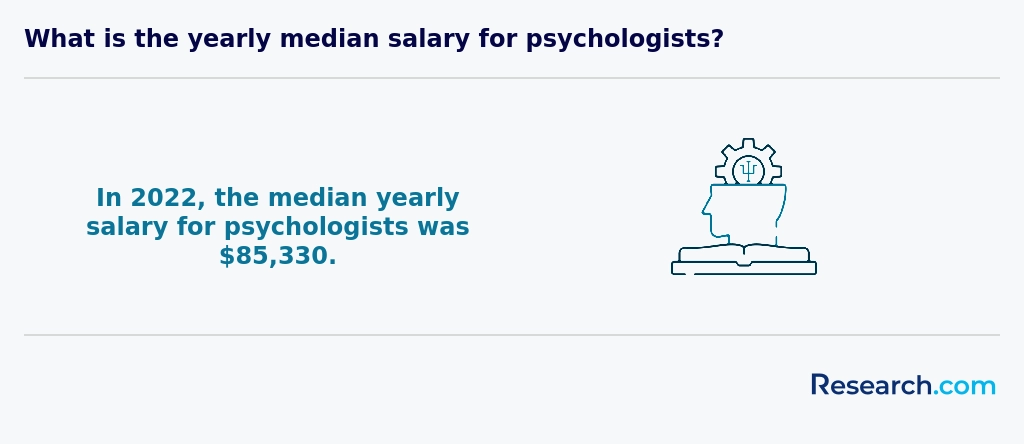
After completing your psychology degree in Champaign, IL, you must meet state licensure standards to practice professionally:
- Education: Earn a doctoral degree from an APA-accredited or regionally accredited program-consider the cheapest online psychology degree options that satisfy Illinois board requirements.
- Supervised Experience: Complete at least 2,000 hours of supervised postdoctoral practice under a licensed psychologist.
- Examinations: Pass the national EPPP (Examination for Professional Practice in Psychology) and the Illinois Jurisprudence Exam.
- License Application: Submit your application, official transcripts, and supervised practice verification to the Illinois Department of Financial and Professional Regulation (IDFPR).
- Continuing Education: Renew your license biennially with 40 hours of approved continuing education credits.
Check the IDFPR website for current fees and deadlines.
Psychology students in Champaign can rely on multiple financial aid sources to ease the cost of their degrees. Graduates from the University of Illinois Urbana-Champaign often highlight how completing the Free Application for Federal Student Aid (FAFSA) opened doors to Pell Grants, which cover up to $7,395 annually for those with financial need-no repayment required. This makes a tangible difference, especially when tuition ranges between $17,000 and $35,000.
State-level options like the Illinois Monetary Award Program (MAP) offer additional support, reducing tuition expenses at public colleges for Illinois residents. Many psychology students at UIUC benefit from institutional scholarships based on merit and need, some specifically targeting social sciences, making these awards feel very attainable after dedicated academic work.
Graduate students often secure teaching or research assistantships through the psychology department, gaining stipends or tuition waivers while gaining valuable experience. Plus, professional organizations such as the American Psychological Association provide private scholarships, helping aspiring researchers and clinicians fund their studies without added stress.
Finally, federal student loans remain a flexible option with relatively low-interest rates, letting students manage costs over time while they focus on advancing their psychology careers in Champaign.
Prospective students should begin their application at least six months before their intended start term. Each institution in Champaign, IL, follows its own schedule, but most programs share similar requirements and deadlines: • Required Materials – Official transcripts from all postsecondary institutions – Personal statement (500–750 words) outlining academic goals and career aspirations – 2–3 letters of recommendation from academic or professional references – Current résumé highlighting research, volunteer, or work experience – Standardized test scores (ACT/SAT), if required – Nonrefundable application fee (varies by institution) • Typical Timeline – Fall term: applications open August 1; priority deadline October 15; final deadline December 1 – Spring term: applications open February 1; priority deadline April 1; final deadline June 1 – Rolling admissions for select community colleges until August 1 for fall enrollment Tips for a competitive application: 1. Visit campus and attend virtual info sessions to meet faculty and current students. 2. Draft your personal statement early-tailor it to program strengths and mention specific faculty research interests. 3. Request recommendation letters at least eight weeks before deadlines to ensure thoughtful endorsements. 4. Verify receipt of all materials via your applicant portal two weeks before the deadline. For students interested in alternative pathways, explore how to pursue mental health careers even without a traditional psychology background by learning how to become therapist through non-degree routes.
To enroll in a psychology degree program in Champaign, start by securing a strong high school diploma or its equivalent, with solid skills in English, math, and science. Graduates from popular universities like the University of Illinois Urbana-Champaign often recall how this foundation helped them handle critical thinking and research projects confidently.
Next, prepare your official transcripts carefully, as admissions committees heavily weigh academic performance. Most psychology programs here expect a GPA between 2.5 and 3.0, but aim higher if you can to stand out. One graduate mentioned how maintaining a 3.5 GPA eased their path into competitive classes and research labs.
If you're applying as an undergraduate, check whether the schools require SAT or ACT scores. Many Champaign institutions have adopted test-optional policies, making this step less stressful for some.
Applicants to graduate programs must hold a bachelor's degree, preferably with psychology-related coursework and experience like internships or research. Letters of recommendation and a clear statement of purpose are crucial - graduates say these helped them showcase true passion and practical skills.
Lastly, expect to demonstrate readiness through prerequisite courses and possibly orientation or placement tests, ensuring you start your psychology journey well-prepared and confident.
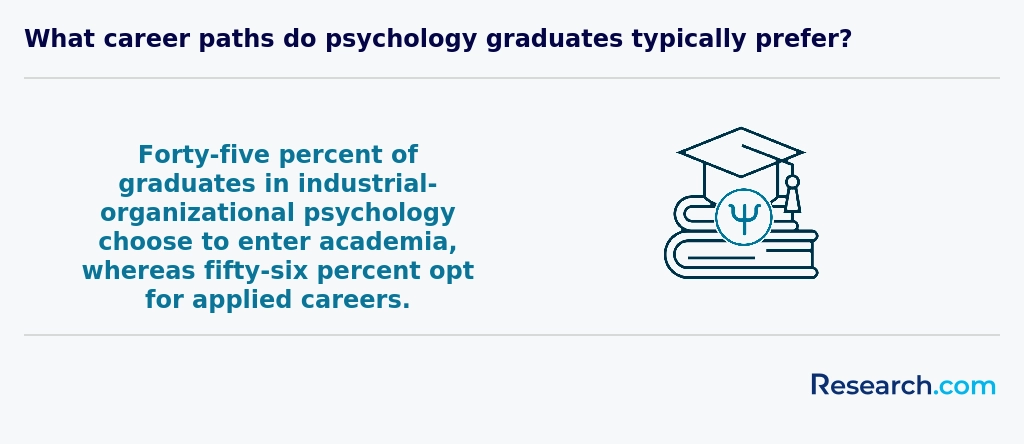
To practice as a licensed psychologist in Illinois, graduates must meet state-mandated education, experience, and examination standards.
- Education: Doctoral degree in psychology from an APA-accredited program (many students first complete an online psychology masters to meet prerequisites)
- Supervised Experience: Minimum of 3,000 postdoctoral supervised hours under a licensed psychologist
- Examinations: Passing the Examination for Professional Practice in Psychology (EPPP) and Illinois jurisprudence exam
- State Licensure: Apply to the Illinois Department of Financial and Professional Regulation (IDFPR) and submit official transcripts and exam scores
- Continuing Education: Complete at least 20 hours of approved continuing education every two years to renew licensure
Meeting these requirements ensures you’re qualified to offer psychological services and maintain professional standards in Champaign, IL.
If you're pursuing a psychology degree in Champaign, expect to start with foundational courses like Introduction to Psychology, which breaks down core concepts and theories essential for any psychology student. At popular local universities, graduates often recall how research methods and statistics courses gave them confidence in analyzing data and designing experiments-skills that prove invaluable in internships or lab work.
Developmental psychology classes help you understand real-world changes from childhood through adulthood, something graduates often describe as eye-opening when working with community programs in Champaign. Social psychology courses paint a clear picture of how people's behaviors shift in groups, which students find immediately relevant during group projects and campus activities.
Additional required courses typically include Biological Basis of Behavior, Cognitive Psychology, Abnormal Psychology, Personality Psychology, and Psychological Ethics. Alumni frequently highlight how engaging directly with these subjects at Champaign institutions prepared them for hands-on experiences like internships or research assistant roles, making the concepts feel practical and applicable day to day.
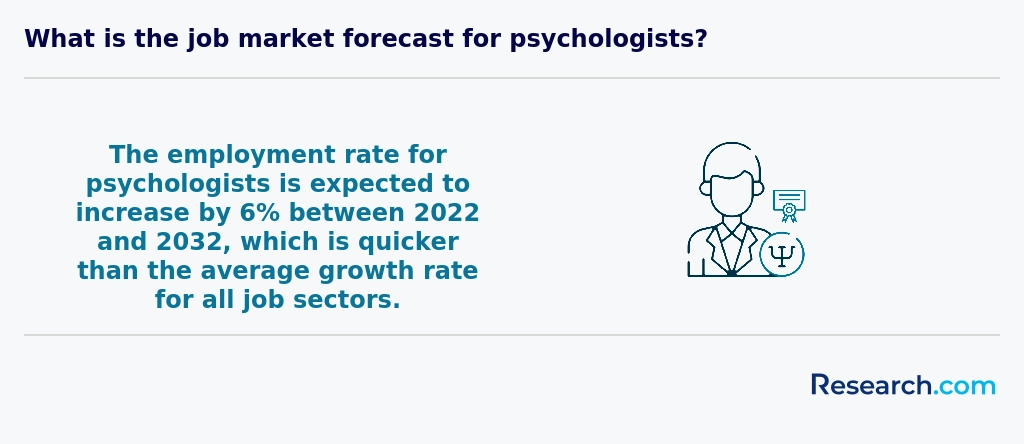
Psychology degrees in Champaign typically offer several specialized tracks that help tailor your education to your career goals. For instance, clinical psychology is a major focus at the University of Illinois Urbana-Champaign (UIUC), where graduates often highlight the value of hands-on internships diagnosing and treating mental health disorders in the local community.
Counseling psychology is another popular option, emphasizing practical skills for working as a licensed counselor or therapist. Many students find this specialization rewarding as it prepares them to support individuals through life stresses in Champaign's community-focused counseling centers.
Those drawn to research often pursue cognitive psychology, a specialization well-supported by UIUC's strong experimental labs. Graduates share their excitement about contributing to studies on memory and perception, making their degree concentrations among the best psychology concentrations Champaign programs offer.
Social and developmental psychology rounds out the common specializations, focusing on group dynamics and human growth across the lifespan. If your interests extend to social services or education, these tracks provide practical knowledge applicable in Champaign's diverse settings.
For students interested in related social fields, consider exploring an online social work degree accelerated, which complements psychological studies and community engagement goals.
Start by examining accredited programs in Champaign, such as those at the University of Illinois at Urbana-Champaign, known for their strong faculty and research focus. Graduates often highlight how accreditation by bodies like the APA gave their degrees credibility in the job market. Cost is equally vital; affordable psychology degrees Champaign Illinois typically align with in-state tuition rates around $13,500 annually, but students must factor in living expenses and fees. Many who graduated here found that careful budgeting made balancing education and life easier.
Next, consider your career goals by exploring programs that offer specializations matching your interests-whether clinical, developmental, or industrial-organizational psychology. Graduates emphasize that selecting a focused curriculum boosted their job readiness. Also, research the availability of local internships and research labs; hands-on opportunities in Champaign's community health services sharpen practical skills and expand networks essential for psychology careers.
Finally, seek programs featuring experienced faculty and robust student support. Those who thrived here attribute their success to mentorship and academic advising, which helped navigate demanding coursework and career planning effectively. By following these steps, you can choose the best psychology degree programs in Champaign suited to your aspirations.
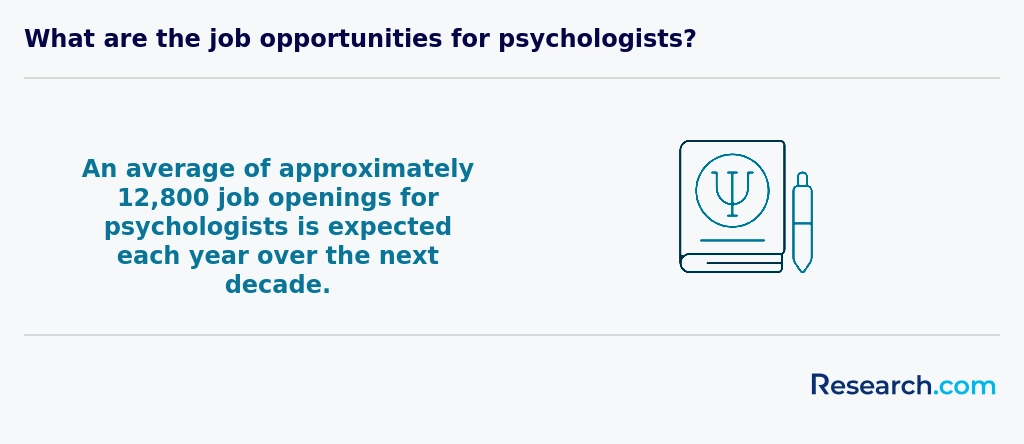
Graduates of psychology programs in Champaign often pursue diverse psychology careers in Champaign, such as case managers, mental health counselors, or social workers within local healthcare and community organizations. These professionals experience firsthand the rewarding feeling of supporting individuals facing mental health challenges or addiction. Those who continue their education at universities like the University of Illinois Urbana-Champaign find opportunities to become clinical psychologists or licensed counselors, which require advanced degrees and licensure but offer greater responsibility and impact.
Another promising avenue is research, where graduates work as assistants or coordinators on projects exploring cognitive neuroscience or developmental psychology. These roles, popular among students from Champaign colleges, build a solid foundation for doctoral studies or research scientist positions. For students considering economic aspects, exploring the online substance abuse counseling bachelor's cost can offer economical paths without sacrificing quality. Overall, job opportunities with psychology degree Champaign continue to expand in education, healthcare, and research fields, reflecting a stable and fulfilling career landscape.

The job market for psychology degree graduates in Champaign is encouraging, with steady growth expected in mental health and educational roles. Many psychology students from popular Illinois universities find internships and practicum opportunities locally, which boost their employability. Examples include roles like mental health counselor assistants and social services coordinators, often requiring a master's degree or specialized training. Graduates frequently start in entry-level positions with salaries near $45,000, moving up as they gain experience.
Employment prospects benefit from Champaign's strong network of healthcare facilities and schools, supported by the University of Illinois at Urbana-Champaign's well-regarded psychology programs. These institutions provide hands-on experience that makes graduates confident and ready for the field. When exploring psychology degree job opportunities in Champaign, it's helpful to consider in-state tuition costs and local demand for licensed clinical professionals.
Students aiming to understand local education options often review popular psychology schools in the area to match their career goals and financial considerations.
2027 Most Popular Psychology Degree Programs Ranking in Champaign
Investing in your education is a significant decision that can shape your future, and the Research.com team understands the importance of making informed choices. To assist prospective students in Champaign, we have meticulously crafted the "2027 Most Popular Psychology Degree Programs Ranking in Champaign." Our commitment to quality, credibility, and accuracy is reflected in the extensive research and analysis conducted to compile this ranking.
We utilized the following reputable data sources to ensure a comprehensive evaluation of psychology programs:
By exploring this ranking, readers will gain valuable insights into the most popular psychology degree programs available in Champaign, empowering them to make well-informed educational decisions. For more details on our methodology, please visit our Research.com methodology page.

Frequently Asked Questions About psychology
Psychology degree students in Champaign can enhance their learning by engaging actively with both coursework and community resources. The University of Illinois Urbana-Champaign, a leading institution in the area, offers numerous research opportunities through its Department of Psychology, where undergraduates often participate in studies alongside faculty. According to the university's website, nearly 70% of psychology undergraduates gain hands-on experience before graduation, which deepens understanding beyond textbooks.
Internships within local clinics or counseling centers also provide practical skills, complementing theoretical knowledge. Additionally, joining psychology-related student organizations fosters networking and professional growth. Utilizing campus resources like tutoring centers and academic workshops can improve study strategies and academic success. Staying informed about recent research via university libraries enhances critical thinking and keeps students current with evolving psychological science.
The psychology field continues to evolve with new niches gaining attention, particularly for students pursuing degrees in Champaign. Emerging areas such as neuropsychology focus on how brain function affects behavior and cognition, reflecting advances in brain imaging technology available at local research institutions. Another growing niche is health psychology, where professionals work on improving patient outcomes through behavioral interventions, a sector expected to grow by 13% nationally through 2032 according to the U.S. Bureau of Labor Statistics.
Additionally, industrial-organizational psychology is expanding as businesses seek to enhance workplace efficiency and employee well-being. Cyberpsychology, exploring the psychological impacts of digital technology and social media, is also gaining traction. Champaign's universities offer access to faculty specializing in these areas, making it a practical choice for students interested in these innovative fields.
After completing a psychology degree in Champaign, preparing for the job market involves several practical steps. First, gaining hands-on experience through internships or research assistant positions is crucial. Local organizations and the University of Illinois Urbana-Champaign offer opportunities to build valuable skills in clinical, counseling, or industrial psychology.
Networking also plays a key role. Joining professional groups like the Illinois Psychological Association can connect you with potential employers and mentors. According to the U.S. Bureau of Labor Statistics, psychology-related jobs in Illinois are expected to grow about 8% through 2032, underscoring the importance of early career planning.
Finally, consider pursuing relevant certifications or advanced degrees depending on your career goals, as many psychology roles require licensure or graduate study.
Employers in Champaign seek psychology graduates with strong critical thinking and research skills. These abilities are essential for analyzing data and understanding human behavior accurately. According to the Bureau of Labor Statistics, analytical skills remain a top priority in psychology-related roles nationwide, including Champaign.
Additionally, effective communication skills are highly valued. Graduates must convey complex psychological concepts clearly to clients, colleagues, and supervisors. Local employers often prefer candidates who demonstrate empathy and cultural competence, important in diverse community settings.
Technical proficiency with statistical software like SPSS or R is increasingly important, as Champaign-area employers rely on data-driven approaches. Time management and teamwork also rank high, reflecting the collaborative nature of many psychology roles in clinics, schools, and research centers.
Finding psychology internships in Champaign involves leveraging local university resources and community opportunities. The University of Illinois Urbana-Champaign (UIUC) hosts a psychology department that frequently posts internship openings on its career services portal. Students are encouraged to consult UIUC's psychology academic advisors who maintain updated lists of local clinical, research, and counseling internships.
Local hospitals, such as Carle Foundation Hospital, and mental health clinics offer practical experience for psychology students. Additionally, nonprofit organizations and educational institutions in Champaign often seek interns for behavioral health and developmental psychology projects.
Networking through psychology clubs and attending campus career fairs improves chances of securing relevant internships. According to the National Association of Colleges and Employers, approximately 65% of psychology students find positions through direct university contacts or networking.
In Champaign, earning a psychology degree significantly enhances career mobility and advancement opportunities. According to the U.S. Bureau of Labor Statistics, psychology-related jobs in Illinois are projected to grow by 11% from 2022 to 2032, faster than the national average, indicating increased demand for qualified professionals.
Graduates with psychology degrees can access diverse roles in healthcare, education, and corporate sectors, often gaining promotion potential due to their strong understanding of human behavior. Local employers such as Carle Foundation and Champaign Unit 4 School District value these skills highly.
Moreover, advanced psychology degrees often lead to higher salaries and leadership positions. The University of Illinois Urbana-Champaign, a key institution nearby, frequently reports above-average graduate employment rates in psychologically related fields.
Studying for a psychology degree in Champaign offers strong preparation for interdisciplinary roles by integrating coursework from related fields such as biology, sociology, and neuroscience. Universities in Champaign emphasize collaboration across departments, allowing students to develop skills applicable to healthcare, education, and social services.
Programs often include research opportunities examining human behavior within broader social and scientific contexts. According to the University of Illinois' College of Liberal Arts & Sciences, many psychology students engage in projects involving data analysis, cognitive science, and public health, enhancing versatility.
This approach equips graduates for diverse careers requiring understanding of complex human factors in multiple settings.
When choosing between a thesis and a non-thesis psychology degree program in Champaign, students should consider their career goals and learning preferences. Thesis programs focus on original research, ideal for those planning to pursue doctoral studies or research-based roles. Non-thesis options typically emphasize coursework and practical experience, suitable for students aiming for applied psychology careers or immediate workforce entry.
University of Illinois at Urbana-Champaign's psychology department offers both formats, reflecting national trends where about 60% of psychology master's students prefer thesis tracks. Thesis students usually invest more time in research, often contributing to publications or conferences.
Cost, duration, and faculty expertise are also important; thesis programs may take longer but provide deeper research skills.
Students based in Champaign who wish to study psychology abroad have several pathways through partnerships and exchange programs offered by local universities. The University of Illinois Urbana-Champaign (UIUC), a major institution in the area, maintains study abroad agreements with numerous universities worldwide, enabling psychology majors to spend a semester or year overseas.
These programs often include destinations in Europe, Asia, and Australia, where students can take psychology courses aligned with their degree requirements. According to UIUC's 2023 Study Abroad Office report, about 8% of psychology students participate in these opportunities, gaining international perspectives on mental health and research methodologies.
Moreover, students can explore third-party provider programs specializing in psychology study abroad experiences that offer internships and research projects. Financial aid and scholarships may be available to Champaign students to support these international studies.
Students pursuing psychology degrees in Champaign have access to various part-time job opportunities that complement their academic studies. Common roles include research assistant positions at the University of Illinois' psychology department, where students gain hands-on experience in experimental design and data analysis. According to the university's 2023 employment report, nearly 30% of psychology undergraduates engage in research roles during their studies.
Other relevant options include positions as mental health technician aides in local clinics or community service organizations such as the Counseling Center at Champaign Urbana Public Health District. These roles offer practical experience in client interaction and behavioral health assessment.
Employment in tutoring centers, particularly for psychology and statistics courses, is another valuable opportunity, helping students reinforce their knowledge while developing communication skills. Local hospitals and non-profits occasionally offer internships or volunteer positions related to behavioral health, providing insights into applied psychology in clinical settings.
Psychology students in Champaign benefit from numerous networking opportunities through local universities and professional organizations. The University of Illinois Urbana-Champaign (UIUC) plays a central role, offering access to events such as the Psychology Graduate Research Day, where students connect with faculty and peers. Additionally, UIUC's Psi Chi chapter provides networking and leadership experiences for psychology undergraduates and graduates.
Beyond campus, students can join the Illinois Psychological Association (IPA), which hosts conferences and local meetings fostering professional relationships. Internships in nearby clinics and research centers also enhance connections within the psychological community. These resources collectively support career development for psychology students in Champaign.
Alumni networks provide valuable support for psychology degree students in Champaign by connecting them with experienced graduates working in diverse psychology fields. These networks often facilitate mentorship, offering current students guidance on career paths and graduate school applications.
According to the University of Illinois Urbana-Champaign Career Center, psychology alumni actively participate in panel discussions and workshops, enhancing students' professional skills. Networking events organized by alumni groups can lead to internships and job opportunities in local clinics, hospitals, or research settings.
Research from the National Association of Colleges and Employers shows that students with robust alumni connections are 23% more likely to find relevant employment within six months of graduation. For psychology students specifically, these connections can be crucial in a competitive job market.
Customizing a psychology degree in Champaign to align with your career goals involves choosing specializations and electives that match your intended field. Many local universities offer options such as clinical psychology, cognitive neuroscience, or industrial-organizational psychology. Selecting internships or research opportunities within Champaign-area clinics or companies can provide practical experience and networking benefits.
Students can also tailor their coursework by combining psychology studies with related disciplines, such as education or business, to broaden career prospects. According to the National Center for Education Statistics, Champaign's universities typically allow flexible program structures, facilitating customized learning paths.
Engaging with faculty advisors early helps define a plan to meet both academic and professional objectives effectively.
Psychology students in Champaign encounter several common challenges during their studies. Balancing rigorous coursework with research projects is often demanding. According to the University of Illinois Urbana-Champaign's College of Liberal Arts & Sciences, many students report stress related to maintaining competitive GPAs while participating in hands-on lab work.
Access to internship placements can also be limited. Local mental health facilities have a growing number of applicants, making practical experience harder to secure. Additionally, financial constraints are notable, as tuition and living costs in Champaign rise gradually, impacting students reliant on scholarships or part-time jobs.
Finally, adapting to evolving psychology technologies and methodologies requires ongoing learning, presenting further academic pressure for students aiming to stay current within the field.
With a psychology degree in Champaign, you can pursue several professional certifications that enhance career opportunities. Common certifications include Licensed Professional Counselor (LPC) and Licensed Clinical Psychologist, both requiring graduate education and supervised experience. The Illinois Department of Financial and Professional Regulation oversees these licenses. Additionally, certifications like Certified Addiction Counselor (CAC) or Board Certified Behavior Analyst (BCBA) are available for those interested in specialized fields. Earning these credentials often improves job prospects within Champaign's healthcare and educational institutions. According to the Illinois Board of Professional Psychology, holders of these licenses have higher earning potential and greater professional recognition.
Applying to a psychology program in Champaign requires careful preparation. First, maintain a strong academic record, particularly in coursework like biology, statistics, and social sciences, which are foundational for psychology studies. Admissions often look for a minimum GPA around 3.0, but higher is recommended to stay competitive.
Next, craft a compelling personal statement that highlights your interest in psychology, relevant experiences, and your goals. Demonstrating knowledge of the specific program at the University of Illinois Urbana-Champaign can strengthen your application.
Letters of recommendation from faculty or professionals familiar with your work are also vital. They provide insight into your skills and commitment.
Finally, some programs may require GRE scores; check individual program requirements carefully. Staying organized and meeting all deadlines is crucial for success.
The psychology career field is recognized globally, with increasing demand for professionals in diverse areas such as clinical, counseling, and industrial-organizational psychology. In the United States, including Champaign, the Bureau of Labor Statistics projects a 8% growth in psychologist jobs from 2022 to 2032, faster than average for all occupations. This trend reflects a broader international emphasis on mental health and well-being.
Many countries share a focus on evidence-based practices and research skills, which are emphasized in U.S. psychology programs. Students in Champaign benefit from access to research facilities and clinical training opportunities, preparing them for global standards. According to the National Center for Education Statistics, psychology remains among the top five most popular majors in the U.S., signaling strong ongoing interest.
Global professional organizations encourage collaboration across borders, expanding career options for U.S. graduates. Students pursuing degrees in Champaign are thus well-positioned to engage in diverse psychology roles worldwide.
Gaining practical experience while studying psychology in Champaign is essential for strengthening your skills and improving job prospects. Many students participate in internships or research assistant roles, often available through the University of Illinois at Urbana-Champaign, which hosts notable psychology labs.
Local healthcare facilities and community organizations also offer volunteer opportunities relevant to mental health and counseling. These experiences provide hands-on learning, required by many psychology programs for graduation or licensure preparation.
Additionally, attending workshops and psychology department events helps students network with professionals and stay informed about the latest research trends.
Choosing the right concentration within a psychology degree program in Champaign involves evaluating your interests and career goals carefully. Psychology offers diverse fields such as clinical, cognitive, developmental, and industrial-organizational psychology. Each concentration prepares you for different career paths, from therapy and research to human resources or education. Local institutions like the University of Illinois Urbana-Champaign provide detailed program descriptions and faculty expertise, which can guide your decision. According to the Bureau of Labor Statistics, clinical and counseling psychology roles are expected to grow by 14% through 2032, highlighting a demand in Champaign's healthcare sector. Exploring internships and speaking with advisors can also clarify your fit within concentrations.
- 2027 Most Popular Psychology Degree Programs Ranking in Saint Louis
- 2027 Most Popular Psychology Degree Programs Ranking in Cincinnati
- 2027 Most Popular Psychology Degree Programs Ranking in Columbus
- 2027 Most Popular Psychology Degree Programs Ranking in Detroit
- 2027 Most Popular Psychology Degree Programs Ranking in Springfield
- 2027 Most Popular Psychology Degree Programs Ranking in Cleveland
- 2027 Most Popular Psychology Degree Programs Ranking in Saint Paul
- 2027 Most Popular Psychology Degree Programs Ranking in Minneapolis
- 2027 Most Popular Psychology Degree Programs Ranking in Lincoln
- 2027 Most Popular Psychology Degree Programs Ranking in Birmingham
See What Experts Have To Say About Studying Psychology
Read our interview with Psychology experts

Robin M. Kowalski. Ph.D.
Psychology Expert
Professor of Psychology
Clemson University

Joann Farrell Quinn, Ph.D., MBA
Psychology Expert
Director at the College of Medicine Department of Medical Education
Morsani College of Medicine

Elizabeth L. Jeglic Ph.D.
Psychology Expert
Professor of Psychology
City University of New York

- How Long Does it Take to Complete a Bachelor's in Psychology | University of Bridgeport https://www.bridgeport.edu/news/how-long-to-complete-bachelors-in-psychology/
- Psychology - SWPS University https://english.swps.pl/academics/warsaw/ba-programs/psychology
- Skills of a Psychology Major - Psychology Department https://wagner.edu/psychology/skills/
- Have You Found a Niche? https://www.apaservices.org/practice/business/marketing/building/niche
- Professional Networking For Psychologists | Psychology.org https://www.psychology.org/resources/professional-networking/
- Society for the Teaching of Psychology https://teachpsych.org/page-1784686/8675326
- Study Psychology Abroad https://astarfuture.co.uk/study_psychology_abroad.html
- Psychology Schools and Program Guide https://www.psychologydegree411.com/schools/
- A Guide to Psychology Internships | Psychology Degree Guide https://psychologydegreeguide.org/resources/internships/
- Psychology Placement Opportunities for Year 12 Students https://studymind.co.uk/ucas-guide/year-12-guide-to-gaining-psychology-work-experience/


