2027 Psychology Degree Recruiter Preference Report: What Employers Value Most in New Graduates

Co-Founder and Chief Data Scientist
Psychology hiring is shifting toward candidates who can prove applied experience, data literacy, ethical judgment, and client-facing readiness before the first interview. Current BLS projections show psychologist employment growing 7%, signaling steady demand but also stronger competition for qualified entry-level pipelines.
This guide is for psychology majors, recent graduates, and career changers comparing roles, credentials, and application strategies. You will learn what recruiters screen for, which technical skills and tools matter, how interviews are structured, and how to tailor resumes and profiles to earn more serious employer attention.
Key Things to Know About Recruiter Preferences in the Psychology Industry
- Recruiters usually treat a psychology degree as a strong baseline for assistant, research, case management, behavioral health, HR, and social service roles, but licensed psychologist and counseling roles generally require graduate education, supervised hours, and state-specific licensure.
- Employers increasingly value applied proof over coursework alone: internships, practicum work, crisis-line volunteering, research projects, case documentation experience, and comfort with EHRs, Excel, Qualtrics, SPSS, REDCap, or basic data analysis can separate otherwise similar applicants.
- Salary and demand vary sharply by role: BLS May 2024 data places the median wage for social and human service assistants at $44,240, mental health counselors at $59,190, and psychologists at $94,310, so entry-level candidates should match credentials to the role level they are targeting.
- Do Psychology jobs require a degree?
- What are the top qualities employers look for in Psychology graduates today?
Do Psychology jobs require a degree?
Most professional psychology roles do require formal education, but the level depends on whether the job is supportive, applied, research-focused, or licensed.
Recruiters read "psychology degree" differently for each role: for an entry-level behavioral health technician, it may show subject knowledge and commitment; for a clinical psychologist role, it is only the first step toward graduate training and licensure.
For new graduates, the smartest question is not simply "Is a degree required?" but "Which roles can I realistically apply for now, and which ones require more schooling?" The table below summarizes how recruiters commonly interpret credentials across psychology-related entry points:
| Target role | Typical recruiter expectation | Degree requirement pattern | Best fit for new graduates |
| Behavioral health technician | Patient support, observation, documentation, de-escalation readiness | High school diploma to bachelor's degree, depending on employer and setting | Strong fit if the candidate has crisis, caregiving, ABA, or mental health volunteer experience |
| Research assistant | Study coordination, data entry, literature review, participant communication | Bachelor's degree often preferred or required | Strong fit for graduates with lab, capstone, statistics, or survey experience |
| Case manager or social service coordinator | Client intake, referrals, documentation, community resource navigation | Bachelor's degree in psychology, social work, human services, or related field often preferred | Good fit for candidates with internships, service learning, or nonprofit experience |
| HR or people operations assistant | Interview coordination, employee support, assessment awareness, confidentiality | Bachelor's degree commonly preferred; psychology can be relevant | Good fit if paired with Excel, HRIS exposure, writing, and professionalism |
| Licensed counselor or psychologist | Clinical assessment, diagnosis, treatment planning, supervised practice | Graduate degree, supervised hours, exams, and state licensure generally required | Not an immediate bachelor's-level role, but a long-term path |
Alternative entry paths can work when the job is not legally restricted to licensed professionals. For example, candidates may enter behavioral support, human services, research operations, or workforce development through internships, volunteer work, certificates, and demonstrable software skills.
However, alternative credentials cannot replace licensure for jobs that involve independent diagnosis, psychotherapy, psychological testing, or clinical supervision.
Recruiters also compare psychology applicants against candidates from adjacent health and science programs. If you are still choosing an education path, it can help to understand how psychology differs from healthcare tracks such as LPN programs, which prepare students for regulated nursing duties rather than behavioral science or research-focused work.
Use this decision rule: pursue a bachelor's-level psychology job if you want immediate experience in human services, research, HR, education support, or behavioral health; pursue graduate school if your goal is counseling, clinical psychology, school psychology, neuropsychology, or independent practice.
What are the top qualities employers look for in Psychology graduates today?
Recruiters hiring psychology graduates look for more than empathy. They want candidates who can handle sensitive information, communicate with diverse clients or participants, document accurately, follow ethical boundaries, and remain calm under pressure. These qualities matter because many entry-level psychology roles involve vulnerable populations, confidential records, and high-stakes human interactions.
Current employer surveys across college hiring consistently rank communication, teamwork, critical thinking, and professionalism among the most valued early-career attributes. For psychology graduates, those general attributes become stronger when they are tied to concrete examples from internships, labs, practicum assignments, peer mentoring, resident advising, or community service.
The table below shows how recruiter-valued qualities translate into evidence a psychology applicant can present during screening:
| Employer-valued quality | Why recruiters care | Credible evidence recruiters recognize |
| Ethical judgment | Psychology-related roles often involve confidentiality, consent, and vulnerable clients | IRB training, HIPAA exposure, research ethics coursework, careful handling of participant data |
| Communication | Entry-level hires must write notes, explain resources, and collaborate with supervisors | Case notes, intake summaries, research presentations, peer-support experience |
| Emotional regulation | Behavioral health and service roles can involve distress, conflict, or crisis escalation | Crisis hotline work, residential life experience, clinical shadowing, de-escalation training |
| Analytical thinking | Research, HR, and program roles require interpreting data and patterns | Statistics projects, SPSS outputs, survey analysis, literature reviews |
| Cultural humility | Employers serve clients with different identities, languages, trauma histories, and barriers | Community-based projects, bilingual service, DEI training, inclusive program work |
To make these qualities persuasive, avoid listing them as unsupported soft skills. Recruiters respond better when candidates connect each quality to a result, setting, or responsibility.
- Replace "empathetic and hardworking" with "completed 120 internship hours supporting intake documentation and referral follow-up for a community mental health nonprofit."
- Replace "strong communicator" with "presented senior research findings to faculty and revised survey items after participant feedback."
- Replace "good under pressure" with "used supervisor-approved de-escalation steps while assisting residents during after-hours conflict situations."
Psychology also overlaps with wellness, human performance, and health behavior. Students comparing adjacent paths may find that best kinesiology programs emphasize movement science and physical performance, while psychology programs focus more on behavior, cognition, development, mental health, and research methods.
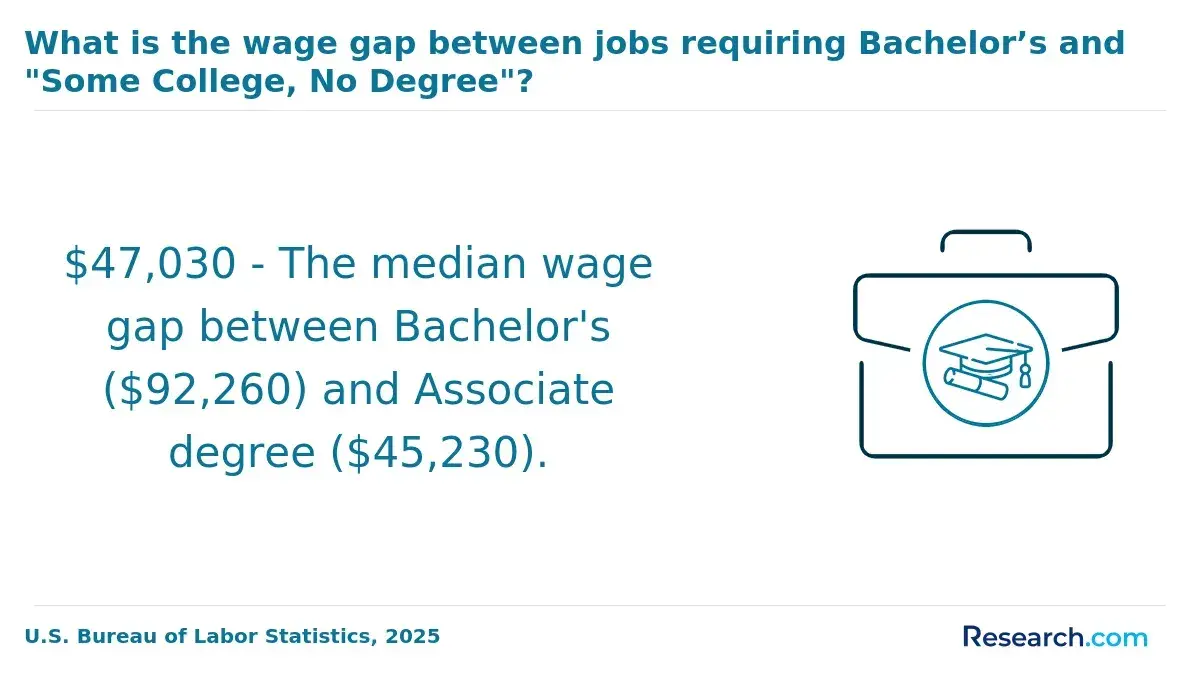
Technical skill expectations have increased because psychology graduates are being hired into data-supported, compliance-heavy, and documentation-driven workplaces. Even when the role is people-centered, employers want proof that a new hire can manage records, interpret basic data, write clearly, and use structured protocols.
For bachelor's-level roles, technical skills do not usually mean advanced programming. They usually mean the ability to collect, clean, organize, document, summarize, and protect information accurately. The table below clarifies which skills are most relevant by entry-level role type:
| Technical skill | Where it matters most | Recruiter signal |
| Research methods | Research assistant, lab coordinator, UX research assistant, program evaluation | Experience with study design, survey administration, informed consent, and literature review |
| Statistics and data interpretation | Research, HR analytics, nonprofit reporting, graduate school preparation | Ability to explain descriptive statistics, correlations, basic regression, and limitations |
| Case documentation | Behavioral health, social services, case management, residential programs | Clear, objective, timely notes that avoid unsupported clinical conclusions |
| Assessment literacy | HR, education support, research, clinical support under supervision | Understanding reliability, validity, standardized administration, and ethical limits |
| Privacy and compliance awareness | Healthcare, schools, nonprofits, research settings | Familiarity with confidentiality, HIPAA, FERPA, mandated reporting, or IRB concepts |
| Basic AI and automation awareness | Research operations, HR screening, documentation-heavy roles | Ability to use tools responsibly without violating privacy or submitting unverified work |
The most competitive candidates turn academic assignments into employer-readable evidence. A senior thesis, survey project, lab role, or program evaluation can become a portfolio item if it shows the question studied, method used, tool applied, ethical safeguards, and practical takeaway.
- For research roles, prepare a short sample that explains your hypothesis, sample, method, analysis tool, and conclusion in plain language.
- For behavioral health roles, prepare examples of objective observation, incident documentation, and referral coordination without sharing private client information.
- For HR or people operations roles, highlight interviewing, survey design, employee engagement projects, and confidentiality practices.
- For data-adjacent roles, show that you can clean a spreadsheet, summarize findings, and explain limitations without overstating causality.
Psychology graduates interested in stronger data pathways sometimes compare their options with computational science careers. A guide to bioinformatics major jobs can help clarify how data-heavy science roles differ from psychology research support, behavioral analytics, and human-centered research positions.
Specialized certifications are usually helpful but not universally required for entry-level psychology-related jobs. Recruiters view them as evidence of job readiness when the certification aligns with the role, but a certificate cannot replace a required degree, supervised clinical training, or state licensure.
The clearest return on certification comes when it removes a screening barrier. For example, some autism services employers prefer or require Registered Behavior Technician preparation for ABA support roles. Current BACB fee information lists an RBT application fee of $50 and an exam appointment fee of $45, although training costs vary and some employers provide or reimburse training. That makes the credential potentially useful for ABA-focused applicants, but less valuable for candidates targeting research, HR, or general case management.
The table below compares common psychology-adjacent certifications by recruiter value and use case:
| Certification or training | Best use case | Recruiter value | Important limitation |
| Registered Behavior Technician preparation | ABA therapy support, autism services, behavioral intervention roles | Strong for ABA employers that use structured behavior plans | Must work under supervision and does not qualify someone as a behavior analyst |
| Mental Health First Aid | Schools, nonprofits, residence life, community programs | Shows basic crisis awareness and referral readiness | Not a clinical credential or counseling license |
| CPR and First Aid | Residential treatment, youth programs, hospital support, community care | Often practical for roles involving direct client contact | Does not demonstrate psychology-specific competence |
| HIPAA or privacy training | Healthcare, behavioral health administration, research involving health data | Signals awareness of confidentiality and compliance expectations | Employer-specific training may still be required after hiring |
| Human subjects research training | Research assistant, lab coordinator, study recruitment roles | Strong signal for academic medical centers and university labs | Does not replace experience with actual study workflows |
A certification makes sense when it directly matches the job description, is recognized by employers in your target setting, and helps you perform tasks safely. It makes less sense when you are buying credentials to compensate for an unclear career target.
- Choose RBT-related preparation if you are applying to ABA, autism services, or behavioral technician roles.
- Choose human subjects research training if you are applying to labs, hospitals, or university research centers.
- Choose HIPAA or privacy training if you are applying to healthcare, behavioral health administration, or clinical research support.
- Delay expensive credentials if the job postings you want rarely mention them or if graduate school is your near-term priority.
For students comparing regulated healthcare credentials, psychology certificates should not be confused with professional clinical degrees. For instance, PharmD programs prepare graduates for pharmacist licensure, while psychology-related certificates typically support narrower entry-level duties unless paired with advanced psychology education and state requirements.
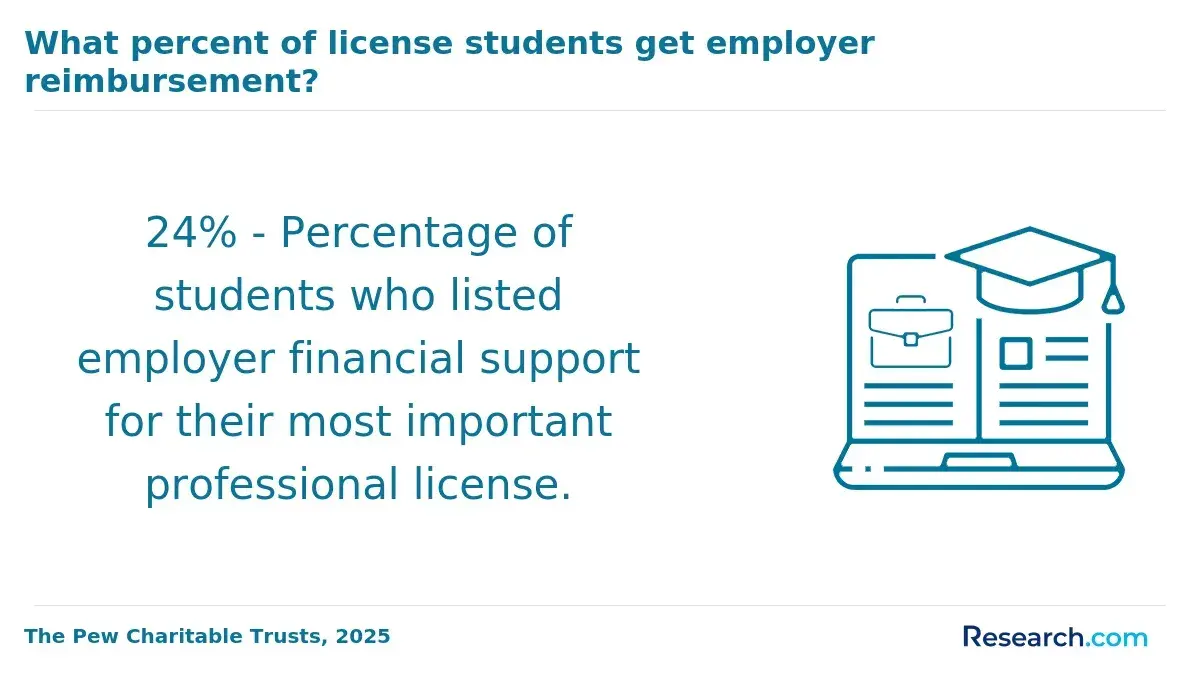
Recruiters consider GPA and honors, but they rarely outweigh relevant experience, references, communication quality, and role-specific skills. GPA is most important for research assistant roles, competitive graduate school pipelines, fellowships, and employers that use minimum academic screens. It is usually less decisive for behavioral health, case management, HR, and nonprofit support roles once the candidate can show maturity and applied experience.
A practical benchmark is that a strong GPA can help you get noticed, while a weak resume can still get rejected even with honors. Recruiters want to see whether academic strength translated into usable abilities such as statistical analysis, ethical research conduct, writing, observation, or program support.
The table below shows how recruiters commonly weigh academic credentials against other signals:
| Candidate signal | Typical recruiter weight | When it matters most | When it matters less |
| Overall GPA | Moderate | Research roles, graduate school-oriented employers, structured early-career programs | Direct service roles where experience and professionalism are stronger indicators |
| Major GPA | Moderate to strong | Applicants with uneven overall performance but strong psychology coursework | Roles focused on client support rather than academic analysis |
| Honors thesis | Strong for research | Lab roles, graduate school preparation, program evaluation | Jobs not requiring research design or data interpretation |
| Dean's list or honor society | Supplemental | Early screening when applicants have similar experience | When listed without projects, skills, or measurable responsibilities |
| Internship or practicum | Strong | Nearly all psychology-related entry-level roles | Less useful only if poorly described or unrelated to the target job |
If your GPA is strong, include it when it supports your target role. If your GPA is lower, do not lead with it unless an employer requires it. Instead, shift attention to evidence that predicts job performance.
- Use major GPA if it is stronger than overall GPA and accurately labeled.
- Place honors thesis work under a project or research section if it involved methods, analysis, or presentation.
- Emphasize internships, lab work, certifications, and tool proficiency when GPA is not your strongest asset.
- Never hide required academic information when an employer specifically requests transcripts or GPA.
Recruiters are generally more forgiving of a modest GPA when the applicant can explain growth, demonstrate reliability, and show recent performance in relevant settings. A concise explanation is acceptable in interviews, but the resume should focus on current readiness rather than excuses.
Psychology graduates are recruited across healthcare, education, government, research, nonprofit, HR, behavioral health, and community service settings. The strongest channel depends on the role: labs often recruit through faculty networks and university job boards, while behavioral health employers use high-volume job boards, campus recruiting, and local hiring events.
BLS May 2024 wage data places the median annual wage for mental health counselors at $59,190, but many bachelor's-level graduates enter adjacent support roles before qualifying for counselor licensure. This matters because recruiter channels differ by credential level: a bachelor's-level applicant should search for assistant, technician, coordinator, and support titles rather than licensed counselor titles.
The table below summarizes common recruitment channels and the kinds of psychology roles they usually support:
| Recruitment channel | Common employers | Typical entry-level titles | Best candidate fit |
| University career centers | Hospitals, nonprofits, school districts, research labs, HR departments | Research assistant, case aide, behavioral health technician, HR assistant | Students and recent graduates with internship or campus project experience |
| Faculty and lab networks | Universities, academic medical centers, research institutes | Lab assistant, study coordinator assistant, participant recruiter | Candidates with research methods, statistics, and IRB exposure |
| Hospital and behavioral health career sites | Health systems, psychiatric facilities, addiction treatment centers | Behavioral health technician, intake assistant, patient services coordinator | Candidates with documentation, privacy awareness, and direct service readiness |
| Government and nonprofit job boards | County agencies, child welfare organizations, community programs | Case aide, program assistant, family support worker | Candidates with service learning, volunteer work, and community resource knowledge |
| Corporate career sites | HR departments, employee assistance vendors, UX research teams | HR coordinator, people operations assistant, research operations assistant | Candidates who can connect psychology to workplace behavior, surveys, and analytics |
| Professional networking platforms | Recruiting agencies, startups, healthcare vendors, university labs | Recruiting coordinator, research assistant, client support specialist | Candidates with optimized profiles and clear role targets |
To improve response rates, align your outreach with how each employer hires. A generic application may disappear in an ATS, but a targeted application plus a short message to a lab manager, recruiter, alumni contact, or program director can help you become a more recognizable candidate:
- Build a list of 30 target employers by setting: healthcare, university research, nonprofit, education, government, HR, or behavioral health.
- Identify the exact entry-level titles those employers use instead of searching only for "psychology graduate."
- Apply through the formal portal, then send a brief, professional message referencing the role and one relevant qualification.
- Track applications, follow-up dates, job description keywords, and interview outcomes in a spreadsheet.
Recruitment can also be local. Community mental health centers, school districts, addiction treatment providers, and county agencies may hire continuously but move slowly. For these employers, patience, complete documentation, clean background checks, and strong references can matter as much as speed.
Entry-level psychology interviews usually combine behavioral questions, role-specific scenarios, writing or documentation samples, and ethical judgment checks. Recruiters use these formats to test whether the applicant can apply classroom knowledge responsibly in real workplaces.
Assessment formats vary by setting. Research employers may ask about statistics or study design, while behavioral health employers may ask how you would respond to an agitated client. HR employers may test professionalism, confidentiality, and communication.
The table below shows common interview formats and what employers are really evaluating:
| Assessment format | Common setting | What recruiters evaluate | Typical candidate mistake |
| Behavioral interview | All psychology-related roles | Past behavior, maturity, teamwork, communication | Giving vague answers without a specific situation or result |
| Case scenario | Behavioral health, case management, schools | Judgment, boundaries, escalation, safety awareness | Trying to diagnose or solve beyond the entry-level role |
| Research discussion | Labs, academic medical centers, UX research support | Methods knowledge, data interpretation, ethical awareness | Overstating findings or ignoring limitations |
| Writing sample | Case management, research, program coordination | Clarity, objectivity, organization, grammar | Using emotional or unsupported language in documentation |
| Excel or data task | Research, HR, nonprofit reporting | Basic organization, formulas, summaries, accuracy | Submitting messy files without labels or explanation |
| Panel interview | Hospitals, nonprofits, schools, government agencies | Professionalism with cross-functional teams | Addressing only the most senior person and ignoring others |
Preparation should be role-specific. Do not memorize generic answers; build a small bank of examples that prove you can handle real responsibilities:
- Prepare five STAR stories covering conflict, ethical judgment, teamwork, data or documentation, and learning from feedback.
- Practice one scenario answer that shows you would follow protocol, notify a supervisor, document objectively, and avoid acting outside your role.
- Review your statistics and methods coursework enough to explain a project clearly without jargon.
- Bring two thoughtful questions about supervision, training, caseload expectations, documentation systems, or research procedures.
The safest interview posture for entry-level psychology applicants is confident but bounded. Employers do not expect you to act like a licensed clinician; they expect you to know when to observe, document, ask for supervision, escalate safety concerns, and protect confidentiality.
Psychology-related roles involve trust, documentation, ethics, and vulnerable people, so recruiters screen carefully for professionalism. Many rejections happen before interviews because the application does not show role fit, contains avoidable errors, or raises concerns about judgment.
Common red flags are not always fatal, but they must be addressed with clarity and evidence. The table below separates screening problems from stronger alternatives:
| Recruiter red flag | Why it hurts the application | Better alternative |
| Generic resume for every role | Fails ATS keyword matching and does not show understanding of the job | Tailor the summary, skills, and experience bullets to the target title |
| Claims of clinical competence without credentials | Raises legal, ethical, and supervision concerns | Use accurate language such as "supported," "observed," "documented," or "assisted under supervision" |
| Unsupported soft skills | Forces recruiters to guess whether the candidate can perform | Connect qualities to internships, projects, client support, or research outcomes |
| Sloppy formatting or typos | Suggests weak documentation habits | Use consistent formatting and proofread documents before submitting |
| Unexplained employment gaps | Can create uncertainty about availability or reliability | Briefly frame the gap with education, caregiving, volunteering, training, or job search activity when appropriate |
| Ignoring required shifts or background checks | Shows poor fit for direct-care settings | Read job requirements carefully and confirm availability honestly |
| Overstating AI use or submitting AI-like answers | Raises concerns about authenticity and confidentiality | Use AI only for preparation and ensure final materials are accurate, personal, and verifiable |
Applicants can avoid most screening problems by auditing their materials before submitting. This is especially important because many employers use ATS filters before a human recruiter reviews the resume:
- Check that your resume includes the exact role title or closely related keywords when accurate.
- Remove phrases that imply independent diagnosis, therapy, or treatment planning unless you are properly licensed for that work.
- Use measurable experience where possible, such as internship hours, participant volume, reports prepared, or programs supported.
- Make sure every listed tool, certificate, and experience can be explained in an interview.
- Save documents as requested by the employer and keep file names professional.
The most damaging psychology application mistake is presenting ambition as authority. Recruiters like motivated candidates, but they reject applicants who appear unaware of boundaries, licensure limits, mandated reporting procedures, or confidentiality obligations.
A strong psychology resume should make the recruiter's decision easier within seconds. It should show the target role, relevant setting, applied experience, tools, documentation ability, ethical awareness, and measurable contributions. Online profiles should reinforce the same message rather than functioning as a general biography.
Because many employers use ATS and structured recruiter reviews, your resume should mirror the language of the job description while staying truthful. For example, if a posting asks for "case documentation," "client intake," and "crisis de-escalation," those terms should appear only if your experience supports them.
Use the following resume structure when applying for entry-level psychology-related roles:
- Start with a targeted headline such as "Psychology graduate focused on behavioral health support" or "Research assistant candidate with SPSS and Qualtrics experience."
- Write a short summary that names your target setting, strongest experience, and two to three relevant tools or competencies.
- Place education near the top if you are a recent graduate, especially if coursework, thesis work, or honors are relevant.
- Create separate sections for internships, research, projects, certifications, tools, and volunteer experience when they strengthen role fit.
- Rewrite experience bullets to begin with action verbs and end with evidence, such as population served, documents prepared, tools used, or outcomes supported.
- Match keywords to each application without copying entire job descriptions or adding skills you do not have.
The table below shows how to translate common student experience into recruiter-friendly resume language:
| Student experience | Weak resume framing | Stronger recruiter-ready framing |
| Psychology coursework | Took abnormal psychology and statistics | Completed coursework in abnormal psychology, research methods, and statistics with applied projects using survey data |
| Senior thesis | Wrote thesis on stress | Designed and presented an undergraduate research project examining stress and coping patterns using survey methodology |
| Volunteer hotline work | Helped people on calls | Provided supervised crisis-line support using active listening, documentation procedures, and referral protocols |
| Lab assistant role | Worked in a psychology lab | Assisted with participant scheduling, consent procedures, data entry, and literature review for a faculty-led study |
| Residential advisor role | Managed dorm issues | Supported student wellbeing through conflict mediation, incident documentation, policy enforcement, and resource referrals |
| Class data project | Used SPSS | Analyzed survey responses in SPSS and summarized descriptive findings in a written research report |
Your online profile should be consistent with your resume and easier to skim. Recruiters should quickly understand what roles you are pursuing and why your psychology background fits them.
- Use a profile headline that names your target direction, such as behavioral health, research, HR, case management, or program evaluation.
- Write an "About" section that mentions your degree, applied experience, tools, and populations or settings of interest.
- Add projects or publications when they show methods, writing, data analysis, or ethical research experience.
- Request recommendations from supervisors, faculty, or internship coordinators who can speak to reliability and professionalism.
- Keep public content professional, especially if applying to roles involving clients, patients, minors, or confidential information.
Before applying, compare your resume against the posting line by line. If the employer cannot see the connection between your psychology training and the job's actual duties, revise the application before submitting it.
Recruiters do not expect every psychology graduate to master every platform. They do expect applicants to understand the tools common to the role they are applying for. A candidate targeting a research assistant job should look different from one targeting behavioral health, HR, or case management.
The table below groups common tools by job context so graduates can prioritize what to learn instead of collecting random software names:
| Tool or software category | Examples employers may mention | Most relevant roles | Why it helps in screening |
| Survey and research platforms | Qualtrics, SurveyMonkey, REDCap | Research assistant, program evaluation, UX research assistant | Shows readiness to collect participant or client feedback systematically |
| Statistics tools | SPSS, R, Jamovi, JASP, Excel | Research, graduate school preparation, HR analytics support | Signals ability to analyze and explain data beyond classroom theory |
| Electronic health record systems | Epic, Cerner, TherapyNotes, SimplePractice, Credible | Behavioral health technician, intake assistant, case management support | Shows awareness of documentation workflows and privacy expectations |
| Productivity and collaboration tools | Microsoft 365, Google Workspace, Teams, Zoom, Slack | Nearly all entry-level roles | Supports hybrid work, scheduling, documentation, and team communication |
| Applicant and HR tools | Workday, UKG, BambooHR, Greenhouse | HR assistant, recruiter coordinator, people operations roles | Helps psychology graduates pivot into workplace behavior and talent functions |
| Data visualization and reporting | Excel charts, Tableau basics, Power BI basics | Program assistant, research coordinator, nonprofit reporting | Turns raw information into summaries supervisors can use |
If you are starting from scratch, master tools in the order most relevant to your target role. Recruiters value targeted competence more than a long list of tools you cannot discuss in an interview.
- Choose one target role family; behavioral health, research, HR, education support, case management, or UX research.
- Review 10 job descriptions and record the tools that appear repeatedly.
- Build one small project using one relevant tool, such as a Qualtrics survey, SPSS analysis, Excel dashboard, or mock case documentation template.
- Add only the tools you can explain with a real example, not tools you have merely opened once.
AI tools are changing expectations, especially in research support, resume screening, and documentation workflows. Use AI for drafting practice summaries, organizing study notes, or preparing interview answers, but never use it to fabricate experience, generate client notes from private information, or submit unverified claims as research findings.
Other Things You Should Know About Psychology
Salary depends heavily on role, state, employer, shift, and credential level. Bachelor's-level support roles often pay less than licensed clinical roles. Use BLS May 2024 medians as context, not promises: social and human service assistants were listed at $44,240, while psychologists were listed at $94,310.
Some research, HR, recruiting coordination, survey administration, and program support roles offer remote or hybrid options. Direct care, behavioral health technician, residential, school-based, and many case management roles usually require in-person work because they involve clients, facilities, or supervised services.
Yes, if you use the degree strategically. Psychology can lead to human services, research, HR, education support, healthcare administration, UX research support, and graduate study. The key is to add internships, tools, writing samples, and role-specific experience before graduation.
Advanced clinical practice usually takes several additional years because it may require a master's or doctoral degree, supervised clinical hours, licensing exams, and state approval. Entry-level support work can still be valuable because it helps candidates confirm career fit and build stronger graduate school or employer applications.
See What Experts Have To Say About Studying Psychology
Read our interview with Psychology experts

Robin M. Kowalski. Ph.D.
Psychology Expert
Professor of Psychology
Clemson University

Elizabeth L. Jeglic Ph.D.
Psychology Expert
Professor of Psychology
City University of New York

Joann Farrell Quinn, Ph.D., MBA
Psychology Expert
Director at the College of Medicine Department of Medical Education
Morsani College of Medicine

- Benefits of a Psychology Internship As a Graduate Student - Carlow University https://www.carlow.edu/benefits-of-a-graduate-psychology-internship/
- Psychology Career Center https://www.psychologydegree411.com/careers/
- Entry-Level Psychology Jobs - Choose From Many Career Opportunities https://www.tuw.edu/school-news/best-entry-level-psychology-jobs/
- What Can You Do With A Psychology Degree? | Psychology.org https://www.psychology.org/resources/alternative-careers-for-psychology-majors/
- Industrial/Organizational (I/O) Psychology https://nobaproject.com/modules/industrial-organizational-i-o-psychology
- What Is Industrial-Organizational Psychology? | University of Phoenix https://www.phoenix.edu/articles/psychology/what-is-industrial-organizational-psychology.html
- Internship or Research: Which Wins for Psychology Students? https://www.alleydog.com/student-advice/internship-vs-research-best-for-students.php
- What skills do you gain from studying psychology? https://www.law.ac.uk/resources/blog/what-skills-do-you-gain-from-studying-psychology/