2027 Psychology Degree Hiring Strength by State: Where Employers Need Graduates Most

Co-Founder and Chief Data Scientist
Choosing where to use a psychology degree can matter as much as choosing the degree itself. The U.S. Bureau of Labor Statistics reports a May 2024 median annual wage of $94,310 for psychologists and projects 7% employment growth from 2024 to 2034, with about 13,400 openings each year.
This guide is for psychology students, recent graduates, career changers, and professionals deciding whether to stay local or relocate. You will learn which states offer stronger hiring signals, better salary value, faster growth, and fewer hidden barriers before you commit to a job market.
Key Things You Should Know
- Psychology hiring strength is not the same as salary. The strongest states usually combine large healthcare and education systems, active behavioral health demand, and enough openings for entry-level, master's-level, and doctoral roles.
- BLS 2024 data places the national median annual wage for psychologists at $94,310, but state value depends heavily on housing, taxes, licensure rules, and whether the role is clinical, school-based, industrial-organizational, research, or human services.
- For new graduates, large markets such as California, New York, Texas, Florida, Pennsylvania, Illinois, and Massachusetts often provide more employer variety, while faster-growing Sun Belt and Mountain West states may offer better expansion opportunities but uneven licensing and supervision access.
- Which States Have the Strongest Demand for Psychology Graduates?
- Which States Offer the Highest Salaries for Psychology Professionals?
Which States Have the Strongest Demand for Psychology Graduates?
Psychology degree hiring strength measures how likely a state is to offer practical job opportunities for graduates. It is broader than the number of psychologists already employed.
A strong state market usually has several demand signals: many healthcare employers, large school districts, behavioral health funding, population growth, public-sector hiring, and industries that use psychological assessment, research, or people analytics.
Psychology graduates do not all compete for the same jobs. Bachelor's graduates often enter case management, behavioral health technician, research assistant, HR, social services, or probation-related roles.
Master's graduates may pursue counseling, school psychology, applied behavior analysis, research, or program management, depending on state rules. Doctoral graduates are more likely to qualify for licensed psychologist roles, assessment, clinical supervision, academic work, or specialized consulting.
The table below summarizes states that tend to show stronger psychology hiring signals based on BLS 2024 occupational employment patterns, large healthcare and education systems, population size, and employer diversity. Use it as a decision screen, not as a promise that every city in the state will have the same job market.
| State | Hiring strength signal | Best fit for psychology graduates | Main trade-off |
| California | Very large healthcare, education, public agency, and technology-adjacent employer base | Clinical, counseling, school psychology, research, UX research, people analytics | High cost of living and competitive metro markets |
| New York | Dense hospital systems, universities, schools, nonprofits, and public mental health employers | Clinical services, school psychology, research, social services, organizational roles | Licensure and employer expectations can be demanding |
| Texas | Large and growing population, expanding healthcare systems, and major urban job centers | Behavioral health, school-based roles, human services, HR, research support | Opportunities vary sharply between metro and rural regions |
| Florida | Population growth, healthcare demand, schools, aging-services employers, and telehealth activity | Counseling support, school psychology, geropsychology-related services, case management | Pay may not always offset housing costs in high-demand coastal markets |
| Pennsylvania | Strong university, hospital, public agency, and school system presence | Research assistant roles, clinical pathways, school services, nonprofit behavioral health | Growth may be steadier than faster-growing Sun Belt states |
| Illinois | Major Chicago-area hospital, education, consulting, and public-sector employment base | Clinical services, I-O psychology, HR analytics, counseling support, research | Competition can be higher in the largest metro areas |
| Massachusetts | High concentration of universities, hospitals, biotech, research, and behavioral health employers | Research, clinical psychology, neuropsychology pathways, academic and hospital roles | High housing costs and credential expectations |
For new graduates, the strongest state is often the one with the most entry points, not just the most prestigious employers. A bachelor's-level graduate may benefit more from a state with many community behavioral health agencies than from a state with a high concentration of doctoral psychologists but few entry-level openings.
A common mistake is reading a state's total employment number as a direct measure of easy hiring. Large states have more jobs, but they also attract more applicants. Before relocating, compare the number of relevant employers in your target city, supervision availability, licensing fit, and whether job postings accept your current degree level.
Which States Offer the Highest Salaries for Psychology Professionals?
Salary matters, but it should not be treated as the only measure of career strength. The BLS May 2024 median annual wage for psychologists was $94,310, but pay varies by specialization, employer, degree level, licensure, and state. Clinical psychologists, school psychologists, industrial-organizational psychologists, research scientists, and human services workers can have very different compensation patterns.
The highest nominal salaries are often found in states with high costs, complex healthcare systems, strong unionized public-sector roles, or specialized employer demand. The table below shows how to think about salary states by career value rather than headline pay alone.
| State or market type | Salary strength | Why pay can be higher | Best-fit psychology paths |
| California | High nominal salary potential | Large healthcare systems, public agencies, school districts, and specialized clinical markets | Licensed psychology, school psychology, neuropsychology, UX research, organizational consulting |
| New Jersey and New York metro markets | High salary potential in dense labor markets | High-cost metro areas, hospitals, schools, and private practice networks | Clinical, counseling, school, forensic, and organizational roles |
| Massachusetts | Strong salary and research-market alignment | Academic medicine, universities, hospitals, and research-intensive employers | Research, clinical training, hospital-based psychology, behavioral science |
| Washington and Oregon | Strong value for selected roles | Healthcare access needs, school services, technology-adjacent research, and behavioral health demand | Clinical, school, research, UX, community mental health |
| Texas and Georgia metros | Potentially strong salary-to-cost balance | Large employers, business growth, and expanding healthcare systems | Behavioral health, HR, I-O psychology, school services, applied research |
High salaries make the most sense when they come with career mobility. For example, a state with hospitals, school systems, correctional agencies, private practices, universities, and corporate employers gives psychology graduates more ways to move up or pivot if their first role is not ideal.
The biggest red flag is accepting a high posted salary without checking what it actually requires. Some higher-paying roles may require a doctorate, postdoctoral supervised hours, state licensure, bilingual ability, crisis-response experience, assessment training, or evening and weekend caseload expectations. A bachelor's or master's graduate should read the minimum qualifications carefully before using salary postings to judge a state's opportunity level.
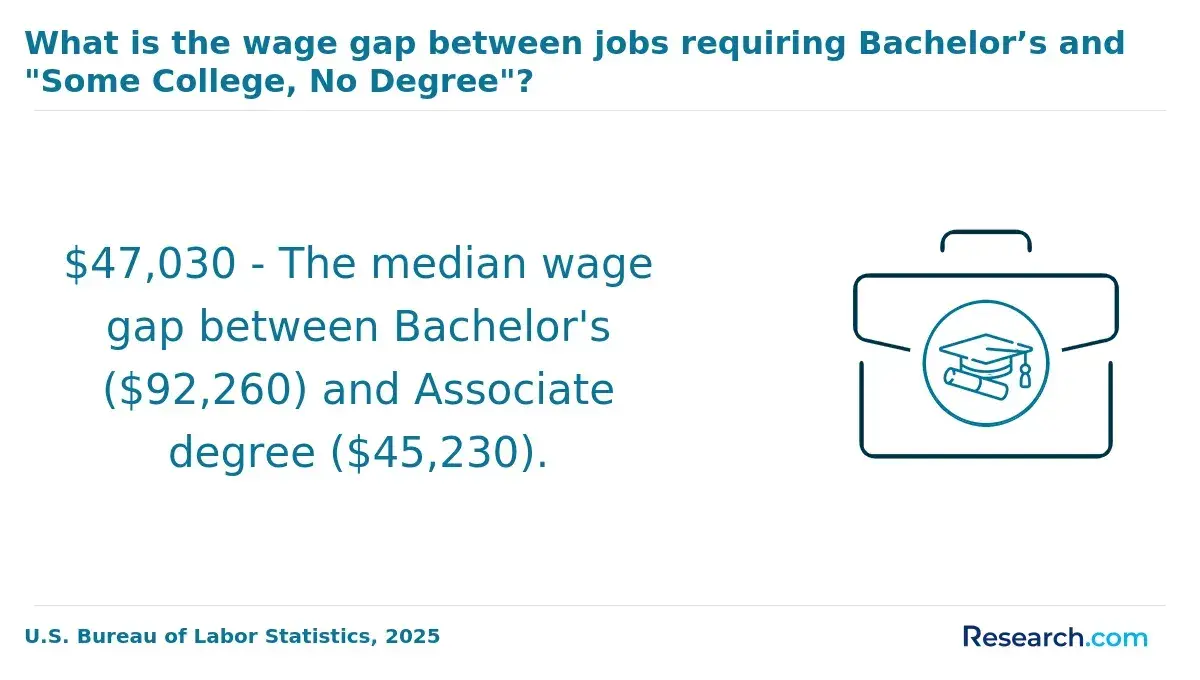
Fast job growth can create opportunity, but it does not always mean immediate job abundance. A smaller state can post strong growth because it starts from a smaller employment base, while a large state can add many jobs even with a moderate growth rate.
For psychology careers, the most useful growth signals are population growth, school enrollment needs, behavioral health funding, healthcare expansion, and employer adoption of mental health services.
BLS Employment Projections show psychologist employment growing 7% from 2024 to 2034. That faster-than-average national outlook is meaningful for students because it suggests psychology remains connected to durable needs in healthcare, education, assessment, and workplace behavior, but the best opportunities still depend on local employer mix.
The table below highlights state markets where growth-related signals can be especially relevant for psychology graduates. These are not guaranteed "best" states; they are places where expanding populations and services can support future demand.
| State | Growth signal | Psychology career areas likely to benefit | What to verify before moving |
| Texas | Large population growth and major metro expansion | School services, behavioral health, HR, organizational psychology, case management | Licensure path, supervision availability, and rural versus urban differences |
| Florida | Population growth and aging-services demand | Geropsychology-related services, counseling support, healthcare navigation, school roles | Local pay compared with housing and insurance costs |
| Arizona | Rapid metro growth and expanding healthcare needs | Community behavioral health, school psychology, crisis services, case management | Employer concentration outside Phoenix and Tucson |
| North Carolina | Growing healthcare, research, and university-linked markets | Research support, clinical pathways, school services, public health psychology | Degree requirements for counseling and school roles |
| Georgia | Atlanta-area employer diversity and regional healthcare growth | I-O psychology, HR, behavioral health, public agency roles, research support | Competition in the Atlanta metro and commute costs |
| Colorado | Growth in health services, education, and wellness-related employers | Clinical support, school psychology, integrated care, research and program evaluation | Housing costs and availability of supervised clinical roles |
Students should treat growth states as long-term opportunity markets. They can be especially attractive if you want to build experience in underserved areas, integrated care, schools, or community agencies. They may be less attractive if you need a very specific specialty immediately, such as forensic assessment, neuropsychology, or a university research lab in a niche area.
A common mistake is assuming "fast-growing" means "easy to enter." Growth can also create shortages of supervisors, crowded caseloads, and uneven training quality. If you are not yet independently licensed, the availability of approved supervision may be more important than the overall number of job postings.
Cost of living can turn a high salary into an average offer or make a moderate salary surprisingly competitive. Housing is usually the biggest difference, but transportation, taxes, childcare, insurance, and graduate loan payments also affect psychology career value. This matters because many psychology graduates begin in supervised, nonprofit, school, or entry-level roles before reaching higher-paying licensed or specialized positions.
BEA Regional Price Parities released in 2024 show that prices in the highest-cost U.S. jurisdictions can sit more than 15% above the national average, while several lower-cost states are more than 10% below it. For readers, the lesson is simple. Compare real purchasing power, not just posted salary.
The table below shows how affordability changes the practical value of psychology jobs across state types.
| State type | Examples | Career value pattern | Best for | Watch out for |
| High salary, high cost | California, New York, Massachusetts, Washington | Strong pay and employer networks, but housing can reduce take-home value | Specialized clinical, research, school, and corporate psychology paths | Rent, commute time, licensing fees, and graduate debt pressure |
| Moderate to strong salary, moderate cost | Texas, Georgia, North Carolina, Pennsylvania, Illinois | Often better balance between opportunity and affordability | New graduates, master's students, career changers, and early-career professionals | Metro-area variation and competition in popular cities |
| Lower cost, smaller market | Mississippi, Arkansas, West Virginia, Oklahoma, Iowa | Lower living costs can help, but specialized roles may be limited | Generalist human services, school roles, community mental health, public agencies | Fewer specialty employers and fewer graduate training sites |
| Fast-growing but increasingly expensive | Florida, Arizona, Colorado, Nevada | Demand may rise with population, but housing can change quickly | Behavioral health, schools, crisis services, integrated care | Salary growth may lag housing growth in some metros |
A practical way to compare offers is to calculate a "career value" score before relocating. Include base pay, benefits, rent, commute, supervision access, licensure costs, and advancement options. If a lower-paying state gives you approved supervision, lower rent, and a clear path to licensure, it may be a smarter early-career choice than a higher-paying state where you cannot progress.
The most common mistake is moving for salary alone. Psychology careers often compound over time through licensure, specialization, supervision, and employer networks. A state that helps you reach the next credential can be more valuable than one that simply offers the highest first-year paycheck.
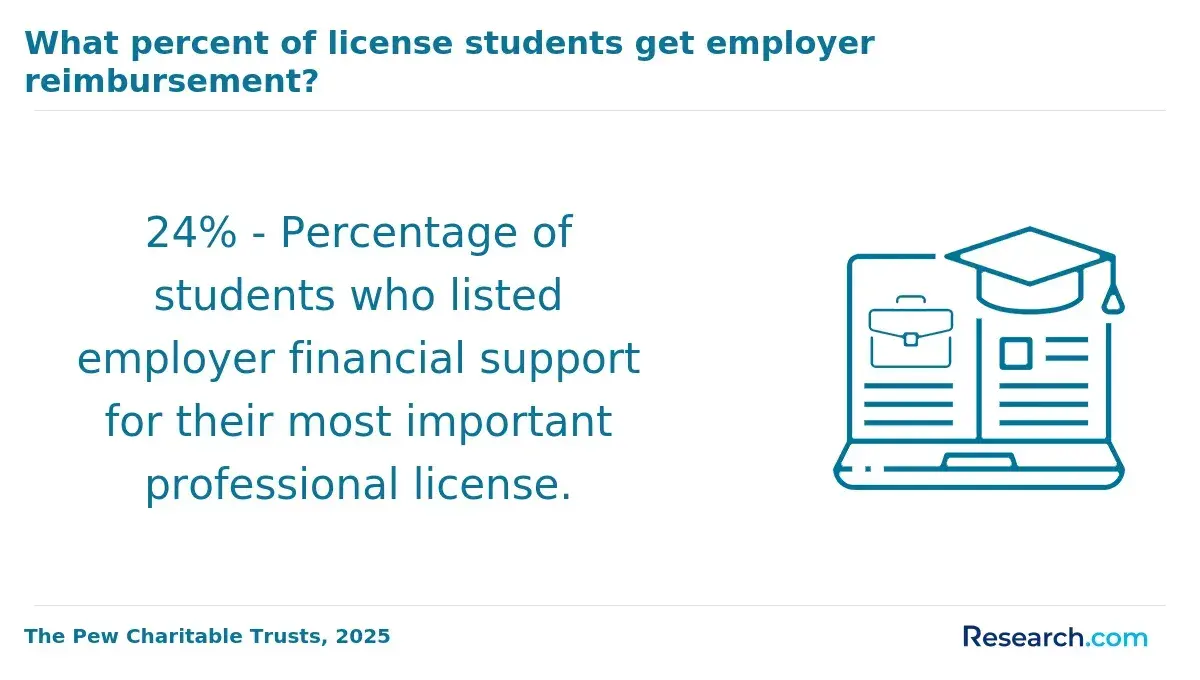
High-demand states attract more employers, but they also attract more applicants. Psychology graduates compete best when they can show both human-centered skill and measurable workplace value. Employers increasingly want candidates who can document outcomes, use digital tools, work across disciplines, and serve diverse populations.
The skills below are especially useful in states with dense healthcare, education, research, and corporate markets because they help graduates move beyond generic "psychology major" roles:
- Assessment literacy: Understanding screening tools, psychological testing basics, behavioral observation, and referral limits helps graduates support schools, clinics, and research teams without overstating their scope of practice.
- Data and research skills: Experience with survey design, statistics, qualitative coding, program evaluation, spreadsheets, and basic analytics can open doors in research labs, HR, public health, and UX research.
- Clinical documentation and compliance awareness: Familiarity with treatment notes, confidentiality, mandated reporting, HIPAA concepts, and ethical boundaries is valuable in behavioral health settings.
- Crisis and de-escalation skills: Training in trauma-informed communication, suicide-risk response protocols, and conflict management can strengthen applications for community mental health, schools, and corrections.
- Cultural and bilingual competence: States with large and diverse populations often need professionals who can communicate across language, culture, disability, and socioeconomic differences.
- Interdisciplinary teamwork: Psychology graduates who can work with nurses, physicians, teachers, social workers, occupational therapists, and case managers are better prepared for integrated care and school-based services.
Students interested in behavior, movement, rehabilitation, or wellness may also compare psychology with the best kinesiology programs, especially if they are deciding between mental health, human performance, therapy-adjacent, and health coaching pathways.
Technology is changing psychology work, but it is not replacing the need for trained judgment. AI tools may help with scheduling, documentation support, literature review, data coding, and pattern detection, but employers still need people who understand ethics, bias, confidentiality, crisis risk, and human behavior.
Graduates who combine empathy with evidence-based reasoning will usually be more competitive than those who rely only on general communication skills.
Licensing and certification rules can completely change your state-by-state options. A job title that is available with a master's degree in one state may require a different credential, supervised experience, exam, or school certification in another. This is especially important if you plan to relocate after graduation or complete an online program while living in a different state.
In general, independent practice as a licensed psychologist requires a doctoral degree, supervised experience, passing required exams, and approval from the state psychology board. Master's-level paths may lead to licensed professional counselor, licensed mental health counselor, marriage and family therapist, school psychologist, behavior analyst, or related credentials, but the exact titles and requirements vary.
Before choosing a state or accepting a role, use this sequence to avoid licensure surprises:
- Identify the exact job title you want, such as school psychologist, licensed psychologist, psychometrist, counselor, behavior analyst, research coordinator, or case manager.
- Check the state board or department that regulates that title, because psychology, counseling, education, and behavior analysis may be governed by different agencies.
- Confirm the required degree level, accreditation expectations, supervised hours, exams, background checks, and renewal rules.
- Ask employers whether the role provides approved supervision, because not every behavioral health job counts toward licensure.
- If you studied online or out of state, verify that your coursework meets the destination state's requirements before you move.
This licensure issue is not unique to psychology. Other health professions also vary by state and scope of practice; for example, students comparing clinical pathways may review PharmD programs to understand how doctoral training, licensing exams, and regulated practice differ across healthcare careers.
The most serious mistake is assuming that a degree automatically transfers into a license. Degrees, supervised hours, exams, and job titles are separate pieces of the credentialing process. If your career goal requires licensure, choose your school, internship, practicum, and state with that endpoint in mind.
Remote and hybrid work have expanded psychology-related opportunities, but they have not erased state differences. Many psychology graduates can find remote work in research coordination, survey operations, HR, employee experience, coaching support, program evaluation, academic administration, behavioral health intake, and telehealth operations. Licensed clinical care, however, is still shaped by state rules, payer policies, client location, and professional liability requirements.
For licensed psychologists, interstate practice may be possible in participating jurisdictions through mechanisms such as PSYPACT, but eligibility and participation must be verified before providing services across state lines.
For master's-level counselors, social-service workers, and school psychologists, rules can differ even more. A remote job listing may say "work from anywhere," but the fine print may restrict applicants to certain states.
Remote and hybrid work can help psychology graduates in three practical ways:
- It broadens entry-level options: Research, HR, academic support, and behavioral health administrative roles may be available outside the graduate's immediate city.
- It improves access to specialized employers: A graduate in a smaller market may work for a university, healthcare system, or consulting firm headquartered in another state if the role is nonclinical or legally permitted.
- It supports career testing: Hybrid roles can help graduates explore research, human services, operations, or people analytics before committing to graduate school or licensure.
Remote work is less helpful when your goal requires in-person supervised hours, school placements, psychological testing, crisis response, or hospital-based clinical training. In those cases, the local state market still matters because your professional development depends on where you can legally train, observe, assess, and receive supervision.
The best state for a psychology graduate depends on career stage. A bachelor's graduate may need employer variety and mentorship. A master's student may need licensure alignment and supervised hours. A doctoral graduate may prioritize specialty training, assessment opportunities, postdoctoral placements, salary, and professional networks.
Use the comparison below to organize your decision. It is designed to prevent the common mistake of choosing a state based on one attractive metric while ignoring the factors that shape long-term career progress.
| Decision factor | Why it matters | Stronger choice if your priority is opportunity | Stronger choice if your priority is stability |
| Number of relevant employers | More employers usually mean more entry points and lateral moves | Large metro states with hospitals, schools, agencies, universities, and companies | States with stable public-sector and school-system hiring |
| Licensure fit | Requirements can determine whether your degree leads to the job you want | States where your program and supervised hours align clearly | States where you already meet most requirements |
| Cost of living | Real value depends on rent, commute, taxes, and benefits | Moderate-cost growth markets | Lower-cost states with steady public and healthcare roles |
| Specialization match | Not all states support every psychology niche equally | Research, hospital, corporate, or forensic hubs | Generalist behavioral health, schools, and community agencies |
| Competition level | Popular markets can have more applicants per role | Large states with many openings and multiple sectors | Less saturated regions where employers need generalists |
A smart state comparison should follow a clear process rather than a quick salary search:
- Choose your target role first, because "psychology job" can mean anything from case manager to licensed psychologist to UX researcher.
- Filter states by whether your current or planned degree level qualifies you for that role.
- Compare at least three cities within each state, because statewide averages can hide major regional differences.
- Review job postings for repeated requirements such as licensure, bilingual ability, assessment experience, crisis training, or data skills.
- Estimate take-home value using salary, rent, benefits, commute, loan payments, and supervision or exam costs.
- Contact licensing boards, graduate programs, or employers before relocating if your role depends on supervised hours or certification.
If you are still deciding whether psychology is the right long-term field, compare it with adjacent data-heavy or health-science careers. For example, reviewing bioinformatics major jobs can help you decide whether you prefer human behavior and services or computational work tied to biology and healthcare data.
The best state for your psychology career is the one that matches your degree level, licensing plan, specialization, and financial reality. California, New York, Texas, Florida, Pennsylvania, Illinois, and Massachusetts often stand out because they combine large employer bases with multiple psychology-related sectors. However, they are not automatically the best choices for every graduate.
If you are a bachelor's graduate, prioritize states with many entry-level behavioral health, research, HR, nonprofit, and public-service roles. If you are pursuing licensure, prioritize states where your program, practicum, supervised hours, and exams align.
If you are interested in I-O psychology, UX research, or people analytics, prioritize large corporate and technology-adjacent metros. If you want school psychology, compare state education requirements and district hiring before focusing on salary.
Relocating makes the most sense when the destination state gives you something your current state cannot: approved supervision, a stronger specialty market, a better salary-to-cost balance, more employers, or a clearer advancement path. Staying local makes sense when you already have a network, affordable housing, a compatible licensure pathway, and access to internships or supervised roles.
The strongest decision is rarely "move to the highest-paying state." It is "choose the state where the next credential, job, and career step are most realistic." Psychology careers build through experience, trust, supervision, and specialization, so the right state should help you progress, not just impress you on paper.
Psychology hiring varies by industry because each employer type uses psychology differently. Hospitals may prioritize assessment and integrated behavioral health. Schools may need psychoeducational testing and intervention support.
Businesses may want employee selection, engagement, training, or organizational research. Public agencies may focus on crisis services, correctional mental health, child welfare, or disability services.
The table below connects state markets with common industry drivers. This helps you identify whether a state's demand matches the type of psychology work you actually want to do.
| Industry driver | States where this driver is often important | Common psychology-related roles | Degree level usually expected |
| Hospitals and integrated healthcare | California, New York, Massachusetts, Pennsylvania, Texas, North Carolina | Behavioral health specialist, psychometrist, clinical psychologist, care coordinator, research assistant | Bachelor's for support roles; master's or doctorate for clinical roles |
| K-12 schools and education systems | California, Texas, Florida, New York, Illinois, Arizona | School psychologist, intervention specialist, behavior support staff, assessment specialist | Specialist-level, master's, or doctorate depending on state |
| Community behavioral health and nonprofits | Florida, Texas, Pennsylvania, Ohio, Michigan, Arizona, Georgia | Case manager, crisis counselor, behavioral health technician, program coordinator | Bachelor's or master's depending on role and licensure |
| Corporate, consulting, and HR | Illinois, Texas, Georgia, New York, California, Washington | HR analyst, talent assessment associate, learning and development specialist, I-O psychology consultant | Bachelor's for HR entry roles; master's or doctorate for I-O roles |
| Universities and research centers | Massachusetts, California, Pennsylvania, North Carolina, New York, Maryland | Research coordinator, lab manager, behavioral scientist, data analyst, grant-funded project staff | Bachelor's to doctorate depending on responsibility |
| Corrections, courts, and public agencies | California, Texas, Florida, New York, Pennsylvania, Ohio | Forensic evaluator, probation support specialist, reentry program staff, correctional mental health clinician | Bachelor's for support roles; graduate credentials for clinical assessment |
Healthcare-heavy states can be attractive for psychology graduates who want stable employer demand, but they also reward interdisciplinary awareness. If you are comparing psychology with other patient-care paths, reviewing LPN programs can clarify how nursing-oriented roles differ from behavioral health and counseling support roles in training length, scope, and licensure.
The main decision point is whether you want direct service, assessment, research, organizational work, or a stepping-stone role before graduate school. A state with excellent hospital systems may be less useful if your goal is I-O psychology, while a corporate-heavy metro may be less useful if you need supervised clinical hours.
Other Things You Should Know About Psychology Degree Hiring
Large states such as California, New York, Texas, Florida, and Pennsylvania often show strong demand because they have many healthcare systems, schools, public agencies, universities, and behavioral health employers. The best state for you depends on your degree level and target role.
No. High salaries can be offset by housing, taxes, commute costs, licensing fees, and competition. A moderate-salary state with lower living costs and approved supervision may offer better early-career value.
Yes, but usually not as an independently licensed psychologist or therapist. Bachelor's graduates often work in case management, behavioral health support, research assistance, HR, social services, crisis services, or program coordination.
If your goal requires licensure, check the destination state's requirements before moving. Relocating before licensure can make sense if the state offers approved supervision, but it can create delays if your coursework or hours do not transfer cleanly.
See What Experts Have To Say About Studying Psychology
Read our interview with Psychology experts

Joann Farrell Quinn, Ph.D., MBA
Psychology Expert
Director at the College of Medicine Department of Medical Education
Morsani College of Medicine

Elizabeth L. Jeglic Ph.D.
Psychology Expert
Professor of Psychology
City University of New York

Catherine Caldwell-Harris, Ph.D.
Psychology Expert
Associate Professor of Psychology
Boston University

- Top 10 Highest Paying Jobs with Psychology Degree 2025 | Nexford University https://www.nexford.edu/insights/highest-paying-jobs-with-psychology-degree
- Shaping the Future of Work: How Business Psychology Drives Emerging Employment Trends https://nexteducationgroup.com/articles/shaping-the-future-of-work-how-business-psychology-drives-emerging-employment-trends/
- Psychologist Salary | Psychology Salary https://www.bestpsychologydegrees.com/psychologist-salaries/
- Top 5 Highest-Paying Psychology Careers - Rivier Academics https://www.rivier.edu/academics/online/resources/program-resources/top-5-highest-paying-psychology-careers-rivier-university/
- Changes in Occupational Psychology over the past 25 years - Impact Consulting https://workwithimpact.co.uk/news/changes-in-occupational-psychology-over-the-past-25-years/
- Fastest Growing Careers In Psychology | Psychology.org https://www.psychology.org/resources/fastest-growing-careers-in-psychology/
- PsychologyJobs.com - Browse Thousands of Psychology Jobs in the USA https://psychologyjobs.com/