
2027 Best Psychology Degree Programs Ranking in Azusa

Co-Founder and Chief Data Scientist
Choosing the right psychology degree program in Azusa can be challenging, but this article is here to help. We present the 2027 Best Psychology Degree Programs Ranking in Azusa, carefully created by the Research.com team of data scientists. This ranking is designed to guide you through the best options available, making your decision easier and more informed.
Exploring psychology can open doors to meaningful careers and personal growth. Reading this article will empower you to find a program that fits your goals and passions, setting you on a rewarding path.
Key benefits of getting psychology degree in Azusa
- Psychology degree graduates in Azusa can expect rewarding salaries in various roles, such as a Marketing Research Analyst earning around $83,190 annually or a Human Resources Specialist with an average wage of $76,060 per year.
- A psychology graduate from a local university in Azusa can pursue diverse career paths, including roles in clinical research, marketing, or child care, offering flexibility and growth opportunities.
- Online psychology degrees offer convenience and flexibility, allowing graduates in Azusa to balance education with personal commitments, often leading to equally valuable career prospects as traditional degrees.
- 2027 Best Psychology Degree Programs Ranking in Azusa
- What can I expect from psychology degree in Azusa?
- Where can I work with psychology degree in Azusa?
What can I expect from psychology degree in Azusa?
The average cost of obtaining a psychology degree in Azusa varies based on the institution and the level of study. For example, students attending Azusa Pacific University, the main local provider of psychology programs, often find that undergraduate tuition runs approximately $30,000 to $35,000 per year. Graduates from this university have shared that while the price feels significant, financial aid and scholarships helped ease the burden, making it manageable for committed students.
Community colleges nearby offer more affordable options for general education and prerequisites, often costing around $1,500 to $2,500 per semester. Many students start here to reduce overall expenses before transferring to a four-year university. These students appreciate the lower initial costs as a practical step toward earning their psychology degree.
Graduate psychology programs in Azusa come at a higher cost but are valued for preparing students for licensure and advanced careers. Some graduates mention that the investment paid off through internships in Los Angeles County, which provided strong professional connections and hands-on experience.
Where can I work with psychology degree in Azusa?
Graduates with psychology degrees from Azusa Pacific University or Citrus College find diverse employment opportunities in Azusa's growing job market. Many begin in mental health settings like counseling centers or hospitals, where they apply their training in real situations helping individuals overcome challenges. For example, recent grads often share how working as psychological assistants in local rehabilitation clinics helped them build confidence and hands-on skills.
Another common path is working in nearby schools, supporting students as counselors or psychological technicians. This is especially relevant as California schools prioritize mental health, boosting job availability. Azusa graduates often recount rewarding experiences collaborating with educators to create supportive environments for students.
Social service agencies and nonprofits in Azusa also seek psychology grads for case management and outreach roles, ideal for those who enjoy community involvement and applying counseling skills.
For students interested in business, nearby Los Angeles offers chances in human resources and marketing research, where analytical abilities gained in psychology programs prove valuable. Keep in mind, advanced degrees and licenses improve prospects, so consider pursuing further certification to unlock higher-level roles locally.
Graduates with a psychology degree from institutions like Azusa Pacific University often start their careers in roles such as human resources specialists, where the mean annual wage is about $76,060 according to the latest U.S. Bureau of Labor Statistics data. This can be a solid stepping stone, combining people skills with organizational insight, especially in Azusa's growing job market. For those interested in research, positions like marketing research analysts offer higher pay, with a mean annual wage near $83,190, reflecting the value of analytical expertise.
Entry-level jobs like clinical research associate or survey researcher typically pay around $62,370 annually, providing valuable experience for graduates aiming to specialize further. Meanwhile, childcare worker roles pay closer to $32,070 per year and might appeal to those seeking immediate work while pursuing advanced degrees.
Azusa psychology graduates often find these roles rewarding both financially and professionally, especially when combined with certifications or licensure. Aligning career steps with these salary expectations helps make informed decisions about continuing education or specialization to increase earning potential locally.
- Annual tuition for psychology programs in Azusa ranges from $6,000 to $10,000 at public schools and can exceed $20,000 at private institutions.
- Entry-level psychology graduates typically earn between $35,000 and $45,000, with advanced degree holders making over $70,000 annually.
- Job opportunities are available in mental health, education, social services, and research, with access to nearby metropolitan areas like Los Angeles expanding options.
- Licensing in California requires completing supervised hours and passing state exams to practice independently as a psychologist or counselor.
- Many local programs offer internships and practicum placements at clinics and community centers to provide practical experience.
Completing a psychology degree in Azusa typically takes about four years for an undergraduate program at local universities like Azusa Pacific University. Many students enjoy the structured path of earning around 120 semester units, covering courses in developmental psychology, cognitive processes, and research methods. For instance, graduates often share how this structured timeline balances well with part-time work or campus activities.
Those starting at community colleges nearby may take two years for an associate degree, then transfer credits toward a bachelor's, speeding up their progress. Graduate students at Azusa Pacific usually spend two to three years completing master's degrees, with some appreciating the flexibility for part-time study while working.
If you're aiming higher, doctoral degrees like PhD or PsyD can stretch from four to seven years due to intensive research and clinical hours. Many doctoral candidates find this period rewarding, as hands-on internships deepen their expertise and readiness for licensure.
Factors like full-time enrollment, transfer credits, and internship requirements shape exactly how long you'll need, so plan accordingly to keep your momentum strong.
As the field of psychology continues to diversify, exploring niche areas like sports psychology provides students with unique career prospects and practical applications of their skills. This emerging specialization bridges psychological theory with athletic performance, addressing topics such as mental toughness, performance anxiety, and team dynamics. Graduates interested in sports psychology often benefit from targeted internships, specialized workshops, and networking opportunities with professionals in the sports industry. A strong foundation in research methods combined with practical field experience is essential to meet sports psychology job requirements and excel in this competitive market. Additionally, mentorship from experienced practitioners and involvement in sports clinics or collegiate athletic programs can further enhance one’s expertise and employability in this dynamic sector. Embracing this specialization not only widens career options but also contributes to the broader understanding of how mental well-being influences athletic success.
Choosing between online and on-campus psychology degrees in Azusa often comes down to how you prefer to learn and manage your time. On-campus programs at places like Azusa Pacific University provide rich face-to-face interaction, allowing graduates to benefit from hands-on labs and internships. One graduate shared how directly collaborating with professors and peers helped sharpen their clinical skills and build a strong local network within Azusa's mental health community.
Conversely, online programs offer flexibility that appeals to working adults or those with families. Graduates from online options in nearby California institutions highlight the freedom to study asynchronously, fitting coursework around jobs or childcare. While you won't attend in-person labs, many find success through virtual discussions and local internship placements that meet California's supervised clinical hour requirements.
- Costs differ: on-campus study in Azusa can exceed $30,000 annually due to tuition and living expenses, whereas online students often save by avoiding commuting and campus fees.
- Learning style varies: on-campus students thrive on real-time engagement; online students must stay disciplined and proactive.
- Scheduling: online formats usually allow self-paced study, ideal for busy lifestyles.
Pragmatically, evaluate your daily routine and career goals to decide which format fits your life best while studying psychology in Azusa.
After earning a psychology degree in Azusa, CA, graduates must navigate state licensure and certification to practice professionally. California requires aspiring psychologists to complete the following: • Doctoral Degree and Supervised Experience: Candidates need a PsyD or PhD in Psychology from an APA-accredited program. Postdoctoral supervised hours totaling 3,000 under a licensed psychologist are mandatory, ensuring hands-on competence in assessment, diagnosis, and treatment. • Examination for Professional Practice in Psychology (EPPP): Administered by the Association of State and Provincial Psychology Boards, the EPPP evaluates foundational knowledge across eight content areas. Passing this national exam is a prerequisite for California licensure. • California Psychology Laws and Ethics Exam: In addition to the EPPP, applicants must pass the state’s jurisprudence exam, which tests knowledge of local statutes, ethical standards, and professional conduct guidelines. • Registration and Application: Submit official transcripts, verification of supervised experience, and exam results to the California Board of Psychology. Application fees and background checks must be completed before the board issues a license. • Continuing Education: Licensed psychologists in California must renew credentials every two years by completing 36 hours of approved continuing education, including at least six hours in ethics. While pursuing these credentials in California, students interested in comparing tuition affordability across states may find value in the Most Affordable Psychology Degree Programs Ranking in Montana, which highlights cost-effective options and scholarship opportunities to help plan a financially sustainable career path.
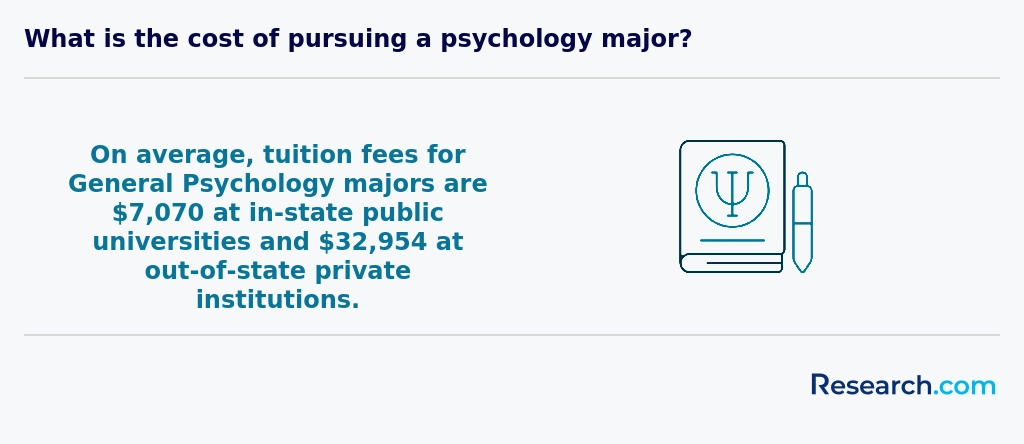
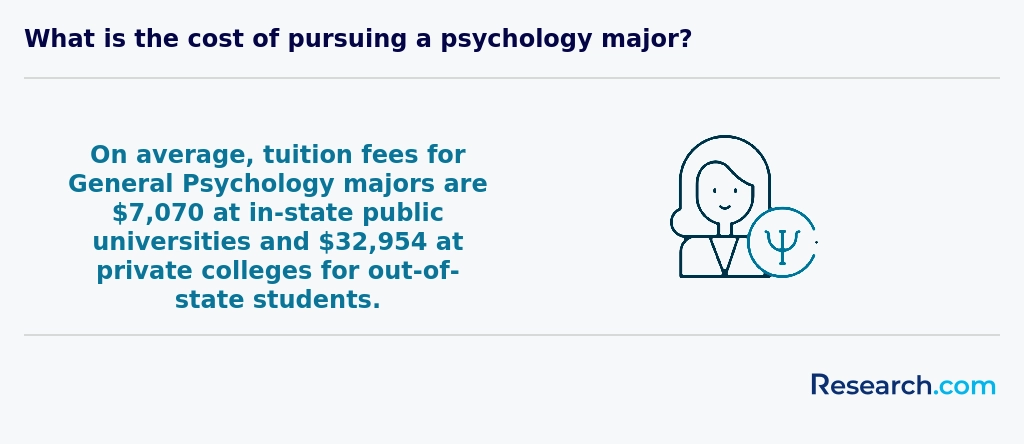
The average cost of a psychology degree in Azusa typically ranges around $44,458 for in-state students, making it a realistic target for many local residents planning their education. Graduates from Azusa Pacific University, a popular choice for psychology studies, often recall balancing tuition costs near $38,400 per year with practical budgeting strategies. Those attending institutions like Mt. San Antonio College benefit from much lower per-unit costs-around $46-allowing many to start their psychology degree affordably before transferring to a four-year university. This approach appeals to students eager to reduce the overall financial burden while still gaining essential coursework.
Psychology degree tuition and fees Azusa 2027 projections align with this moderate cost structure, but keep in mind additional expenses such as books, supplies, and living costs. Books alone can add another $1,200 to $1,500 yearly, and living expenses fluctuate widely depending on whether students live on or off campus. Many psychology students emphasize careful planning around these variables to manage their total investment effectively.
For those weighing advanced career options, understanding the differences in costs and outcomes between doctoral paths is crucial. Exploring the psyd vs phd salary debate can provide valuable insight when deciding which route fits both academic goals and financial plans in Azusa's psychology field.
Aspiring psychologists in California must satisfy specific licensure criteria set by the California Board of Psychology to practice independently and ethically. The path typically includes:
- Earning an APA- or CPA-accredited doctoral degree in psychology.
- Completing at least 3,000 hours of supervised professional experience (including predoctoral and postdoctoral practica) under a licensed psychologist’s oversight.
- Passing the national Examination for Professional Practice in Psychology (EPPP) to demonstrate mastery of core psychological principles.
- Successfully completing the California Psychology Law and Ethics Examination (CPLEE), which tests knowledge of state regulations and ethical standards.
- Submitting a formal application to the California Board of Psychology, including transcripts, supervisor verification, and background checks. Most candidates find that accumulating supervised hours and preparing for both EPPP and CPLEE requires careful planning-many programs integrate practicum placements to streamline this process. For those interested in adjacent careers such as counseling or therapy, our guide on how to become licensed therapist offers additional insights into certification pathways. Upon approval, psychologists receive a license number, which must be renewed biennially through continuing education credits. Understanding these requirements early helps students align their coursework, internships, and research projects with licensure goals, ensuring a seamless transition from academic study to professional practice.
Students pursuing psychology degrees in Azusa, such as those attending Azusa Pacific University or Mt. San Antonio College, can tap into several financial aid options to manage costs effectively. Many graduates recall starting with completing the FAFSA to qualify for federal aid programs like Pell Grants, which may cover up to $7,395 annually without repayment obligations. This step is vital to reduce loan dependency early in the education journey.
Local state aid programs are also a practical resource. For example, community college students in Azusa often benefit from the California College Promise Grant, which can waive up to $1,500 of enrollment fees, easing immediate budget concerns. At four-year institutions, students leverage Cal Grant A and B awards-sometimes worth as much as $12,570 per year-which help cover tuition and related expenses, an advantage celebrated by many graduates for significantly lowering out-of-pocket costs.
Scholarships focused on psychology majors provide additional income relief. Graduates frequently recommend applying to funds from local psychological associations or university departments, which typically range from $500 to several thousand dollars annually and reward strong academic performance or clear career goals.
Work-study programs create opportunities to earn income while gaining relevant experience. Many Azusa students balance part-time campus jobs, allowing them to fund books and personal expenses without overwhelming debt. Combining these aids thoughtfully makes pursuing psychology degrees in Azusa more achievable and financially manageable.
Becoming a licensed psychologist in California involves clear steps to move from degree completion to professional practice:
- Educational Foundation
- Earn a bachelor’s in psychology (4 years).
- Complete a doctoral degree (PhD or PsyD); many candidates also pursue a master’s-consider an online masters psychology program for added flexibility and affordability.
- Supervised Experience
- Accumulate at least 3,000 hours of supervised practice under a licensed psychologist, including both direct client contact and professional consultation.
- Examinations
- Pass the national Examination for Professional Practice in Psychology (EPPP).
- Pass the California Psychology Law and Ethics Exam (CPLEE).
- Licensing Application
- Submit academic transcripts, verification of supervised hours, and exam scores to the California Board of Psychology.
- Upon approval, receive your license to practice as a psychologist in California.
To enroll in a psychology degree program in Azusa, you first need a high school diploma or an equivalent credential like a GED. Many local students aiming for schools such as Azusa Pacific University find that having completed biology or social sciences in high school really boosts their readiness and confidence when starting their studies.
A solid GPA is important; most programs seek candidates with at least a 2.5 to 3.0 on a 4.0 scale. Graduates often recall that meeting this threshold helped them feel capable of managing psychology coursework. While some institutions may ask for SAT or ACT scores, many Azusa-area colleges have moved to test-optional policies, so strong scores are a plus but not a strict requirement.
For graduate psychology programs, having a bachelor's degree in psychology or a related discipline is essential. Successful applicants highlight the value of letters of recommendation and personal statements-they reflect genuine passion and experiences, which colleges in Azusa value highly. Showing research or volunteer work in psychology fields often makes candidates stand out and feel more connected to their future career paths.

For students seeking to pursue a psychology degree in Azusa, CA, without breaking the bank, exploring the most affordable options is crucial. One significant factor to consider is the cost of tuition, which can vary widely among institutions. Prospective students can benefit from researching schools that offer competitive pricing without compromising on the quality of education. Additionally, considering online programs or community colleges can provide significant savings. For instance, looking into the cheapest psychology school in California can be a strategic move, allowing students to allocate their resources more efficiently. By weighing the costs and benefits of various programs, students can make informed decisions that align with their financial situation and academic goals, ultimately paving the way for a successful and affordable educational journey in psychology.
When pursuing a psychology degree in Azusa, expect a carefully structured curriculum starting with core courses like Introduction to Psychology and Developmental Psychology. Graduates from Azusa Pacific University often recall how these foundational classes helped them grasp essential concepts such as human behavior and mental development in everyday contexts, which boosted their confidence early on.
Research methods and statistical analysis are also fundamental. Many students emphasize how mastering Research Methods in Psychology equipped them to design experiments and interpret data, skills vital for internships and future jobs. Hands-on labs and projects at Azusa's institutions provide concrete experience, making abstract theories more tangible.
Specialized topics form the next step, with courses like Biopsychology, Social Psychology, and Abnormal Psychology. Alumni frequently describe engaging discussions on brain-behavior links or exploring mental health disorders, which felt both challenging and rewarding. These classes prepare you for practical roles by offering real-world frameworks for understanding behavior.
Finally, practical opportunities such as internships with local clinics or nonprofit organizations in Azusa solidify learning by applying classroom theories to real cases, leaving students motivated about their career paths.

In Azusa, psychology degree specializations typically include clinical, counseling, developmental, and industrial-organizational psychology. Clinical psychology graduates from local colleges often share how rewarding it is to work directly with patients in hospitals or community settings, diagnosing and treating mental health conditions. Counseling psychology students emphasize the positive impact of helping individuals manage life transitions and stress, which makes this concentration popular among those drawn to guidance and wellness roles.
Developmental psychology is another option valued by students interested in the practical study of human growth from childhood through older age. Those who choose Azusa psychology program concentration options focused on industrial-organizational psychology often find success applying their knowledge to improve workplace dynamics, employee motivation, and productivity, which employers highly appreciate.
Emerging fields like forensic psychology or neuropsychology also attract students seeking niche careers. Practical experience in these areas often enhances employability. For those exploring related careers, resources about substance abuse counselor career paths provide further guidance.
To choose the best psychology degree in Azusa, start by identifying the degree level that fits your career goals, from bachelor's to graduate programs. Azusa Pacific University is a well-known choice offering comprehensive curricula and research opportunities. Graduates often highlight how access to local internships in mental health clinics helped them apply classroom learning to real-world situations, which boosted their confidence and employability.
Next, verify the program's accreditation through bodies like WASC to ensure quality education and smooth credit transfers if you decide to continue your studies elsewhere. Many affordable psychology colleges Azusa offer accredited programs, striking a balance between cost and quality.
Consider program resources such as faculty expertise and community connections. For example, students praise the mentorship from professors actively engaged in research or clinical practice. These experiences often lead to networking that opens doors after graduation.
Lastly, evaluate graduation and employment rates and explore career services. Programs with strong alumni networks enhance job placement success. For more guidance on finding the right program, check out best online psychology degrees available to students in Azusa.

Graduates with a psychology degree in Azusa have multiple career options that align well with local opportunities. Many who studied at Azusa Pacific University find themselves pursuing licensure as clinical or counseling psychologists, working in hospitals or private practices. These roles often require a master's or doctoral degree and licensure but offer rewarding, stable employment.
Others who are drawn to research pursue work in universities or government agencies, leveraging strong skills in statistics and methods. For those interested in job opportunities with psychology degree Azusa offers, industrial-organizational psychology is a pragmatic choice. Graduates often enter human resources or organizational development, benefiting from nearby Los Angeles's corporate scene. These roles improve workplace productivity and morale, making everyday work life better for many.
School psychology and forensic psychology are additional paths attracting Azusa graduates seeking meaningful work. Exploring highest salary psychology careers can help you plan accordingly, and considering local options makes this practical. Many students start by checking resources like highest salary psychology careers to align their goals with real-world outcomes.
The job market for psychology degree holders in Azusa offers steady opportunities, especially for those planning their careers pragmatically. Graduates from local colleges often begin in roles such as case management or social services before advancing to specialized clinical or counseling positions. Many find rewarding employment with nearby healthcare systems and community organizations. This positive career outlook reflects the increased demand driven by greater mental health awareness and expanded school-based services within Los Angeles County.
Students pursuing a psychology degree in Azusa benefit from practical pathways that include gaining supervised clinical experience to qualify for licensure like the Licensed Professional Clinical Counselor (LPCC). Graduates report that working closely with local healthcare providers enhances their employability. Understanding the Azusa career outlook for psychology graduates helps students balance education costs with expected salary ranges, which vary widely. For those seeking lower tuition costs, resources highlighting the cheapest psychology school in California are valuable tools to consider.
2027 Best Psychology Degree Programs Ranking in Azusa
Investing in your education is a significant decision that can shape your future, and the Research.com team understands the importance of making informed choices. To assist prospective students in Azusa, we have meticulously developed the "2027 Best Psychology Degree Programs Ranking in Azusa." Our dedication to quality, credibility, and accuracy is demonstrated through comprehensive research and analysis undertaken to create this ranking.
We utilized the following reputable data sources to ensure a thorough evaluation of psychology programs:
By exploring this ranking, readers will gain valuable insights into the best psychology degree programs available in Azusa, enabling them to make confident and well-informed decisions about their educational journey. For more details on our methodology, please visit our Research.com methodology page.

Frequently Asked Questions About psychology
Psychology degree students in Azusa can maximize their learning experience by engaging actively in both academic and practical opportunities. Azusa Pacific University, a well-known institution in the area, offers access to internships and research projects, which enhance applied knowledge. According to the American Psychological Association, students involved in hands-on research are 30% more likely to excel in graduate programs. Additionally, participating in local mental health organizations can provide real-world experience. Azusa's proximity to Los Angeles also opens avenues for networking and attending psychology conferences, helping students stay updated on field advancements while building professional relationships.
Emerging niches within the psychology field are expanding rapidly, reflecting societal changes and technological advances. In Azusa and nationwide, areas like neuropsychology and forensic psychology are gaining popularity among students. These niches focus on brain-behavior relationships and legal systems, respectively.
Another growing area is health psychology, which emphasizes mental health's impact on physical well-being. According to the U.S. Bureau of Labor Statistics, psychology jobs in specialized fields, including clinical and counseling psychology, are projected to grow 8% from 2021 to 2031, with local demand rising in cities like Azusa.
Additionally, industrial-organizational psychology, which applies psychological principles to workplace environments, is attracting interest due to evolving business practices. Students pursuing psychology degrees in Azusa can benefit from these trends, aligning education with expanding career opportunities.
After completing a psychology degree in Azusa, preparing for the job market involves several practical steps. First, gaining relevant experience through internships or volunteering with local mental health organizations can significantly boost employability. According to the U.S. Bureau of Labor Statistics, psychology-related jobs often require practical experience alongside academic qualifications.
Networking is also crucial. Joining professional associations like the California Psychological Association or attending local job fairs in Azusa enhances opportunities to connect with potential employers. Additionally, obtaining certifications in specialized areas such as counseling or behavioral analysis can provide an edge in a competitive market.
Building a strong resume highlighting both academic achievements and hands-on experience is essential. Many Azusa employers value transferable skills like communication, research, and data analysis. Lastly, considering further education such as a master's or doctoral degree can open doors to advanced careers in psychology.
Employers in Azusa highly value psychology degree graduates who demonstrate strong critical thinking and communication skills. These abilities enable graduates to analyze complex behaviors and effectively collaborate with clients and colleagues.
In addition, practical research skills, including data collection and statistical analysis, are essential. According to the U.S. Bureau of Labor Statistics, the demand for professionals proficient in applied psychology techniques is growing by 8% annually, reflecting a nationwide trend also relevant in Azusa.
Employers also look for emotional intelligence and cultural competence, as Azusa's diverse population requires sensitivity to different backgrounds. Time management and ethical decision-making complete the top skills sought in local psychology graduates.
Finding internships in Azusa relevant to a psychology degree often begins with exploring local colleges such as Azusa Pacific University, which partners with various healthcare providers and mental health organizations. These partnerships frequently offer internship opportunities focused on counseling, research, and clinical practice.
Students should also contact Azusa's community mental health centers, nonprofit organizations, and school districts, as these institutions commonly seek interns to support psychological services. The California Psychological Association recommends networking through professional events and using university career centers to discover openings.
Additionally, many internships require background checks and academic prerequisites, so early planning is crucial. National databases like the American Psychological Association's internship pages can supplement local searches, ensuring a broad range of opportunities in and around Azusa.
A psychology degree in Azusa can significantly enhance career mobility and advancement. Graduates often find opportunities in various sectors such as education, social services, healthcare, and business. According to the U.S. Bureau of Labor Statistics, employment in psychology-related fields is expected to grow 8% nationally from 2021 to 2031. Locally, Azusa's access to mental health clinics, schools, and community organizations provides practical environments for skill development.
Possessing a degree in psychology also opens doors to specialized roles like counseling or human resources. Many employers in the San Gabriel Valley value candidates with psychological expertise for leadership and management roles. Additionally, further certifications or graduate studies can lead to clinical licensure or higher administrative positions, improving long-term career prospects.
Studying for a psychology degree in Azusa offers students a strong foundation in both theory and practical skills essential for interdisciplinary roles. Programs in local institutions emphasize collaboration with fields like social work, education, and healthcare, reflecting the growing demand for professionals who can navigate complex, multifaceted environments.
Azusa-based psychology programs often include courses in research methods, counseling, and behavioral science, preparing students to apply psychological principles across various disciplines. According to the California Department of Education, interdisciplinary skills are increasingly valued in the job market, especially in health services and community programs.
Furthermore, local internships and partnerships with community agencies provide hands-on experience that bridges psychology with other fields, enhancing employability in roles such as case management or human resources.
When choosing between a thesis and a non-thesis psychology degree program in Azusa, consider your career goals and learning preferences. A thesis option typically requires original research and is ideal for students interested in academic or research careers. The process develops strong analytical and writing skills, valuable for doctoral studies.
Non-thesis programs often emphasize coursework and practical experience, suited for those aiming to enter clinical practice or the workforce more quickly. According to the California State University system, which serves many Azusa students, about 40% of psychology graduates pursue thesis tracks, reflecting interest in research opportunities.
Cost, program length, and faculty expertise in your area of interest are also key factors. Consult academic advisors in Azusa institutions to align your choice with long-term goals.
Students based in Azusa interested in studying psychology abroad have several viable pathways. Many choose to enroll in exchange programs or affiliated partnerships offered by their current US institutions, such as those connected with California State University, Los Angeles, which is popular among Azusa residents. These programs often allow transfer of credits, easing the transition.
Additionally, Azusa students can apply directly to international universities with strong psychology departments. Countries like the United Kingdom, Canada, and Australia are common destinations due to their English-language programs and streamlined visa processes.
The Council for Higher Education Accreditation highlights that international study enhances cultural competence-an asset for psychology careers.
Students pursuing psychology degrees in Azusa can find valuable part-time job opportunities that enhance their academic learning. Local clinics and counseling centers often hire interns or assistants, providing hands-on experience with mental health practices. Additionally, Azusa Pacific University and nearby colleges offer research assistant positions in psychology departments, allowing students to engage directly in psychological studies.
Community centers in Azusa sometimes seek volunteers for youth and senior programs, which helps students develop interpersonal skills important for psychologists. According to the U.S. Bureau of Labor Statistics, practical experience significantly improves employability in psychology fields. These roles complement classroom knowledge with real-world exposure.
Psychology students in Azusa benefit from various networking opportunities through local colleges and community resources. Azusa Pacific University, a key institution in the region, hosts regular events such as guest lectures, workshops, and psychology club meetings. These gatherings offer students valuable chances to connect with professionals and peers in the field.
The nearby Pasadena area expands networking possibilities, with psychology-related conferences and events often accessible to Azusa students. According to the California Psychological Association, over 25% of members are involved in mentorship programs, which Azusa students can join.
Internships at local mental health clinics and hospitals also help build professional contacts essential for future career advancement.
Alumni networks provide essential support for psychology degree students in Azusa by connecting them with professionals who have similar academic backgrounds. Such networks often facilitate mentorship opportunities, which can guide students through both academic challenges and career decisions. According to the National Association of Colleges and Employers, 80% of jobs are filled through networking, emphasizing the importance of these connections.
For psychology students, these networks help access internships and research positions in local clinics and organizations, such as those affiliated with Azusa Pacific University. Strong alumni relationships also increase chances of gaining employment in competitive fields like clinical or counseling psychology within California.
Additionally, alumni events and online platforms allow students to stay informed about industry trends, new research, and funding opportunities relevant to the psychology field. This ongoing engagement enhances both academic and professional development.
Customizing a psychology degree program in Azusa allows students to align their education with specific career goals. Many local institutions offer elective courses in areas such as clinical psychology, counseling, or industrial-organizational psychology, enabling focused study. Students can also pursue internships or research projects within nearby health centers or community organizations to gain practical experience.
Moreover, Azusa's proximity to larger metropolitan areas provides access to diverse practicum opportunities, enhancing skill development. Checking with program advisors about specialization tracks or certificate options helps tailor coursework effectively. According to the California Bureau of Labor Statistics, specialization can improve job prospects and earning potential in the regional psychology job market.
Psychology students in Azusa often encounter several notable challenges that affect their academic and professional progress. One common issue is the high competition for limited internship and practicum placements, crucial for gaining hands-on experience. According to the California Board of Psychology, the demand for supervised hours in facilities around Azusa has increased by nearly 15% over the past five years.
Additionally, many students find balancing coursework with part-time jobs difficult. Azusa's cost of living and tuition expenses contribute significantly to financial stress, impacting student performance.
Mental health concerns are also prevalent. The American Psychological Association reports that nearly 60% of psychology students nationwide, including those in Azusa, experience anxiety or depression during their studies.
With a psychology degree in Azusa, graduates can pursue a variety of professional certifications to enhance their careers. Common options include becoming a Licensed Professional Clinical Counselor (LPCC) or a Licensed Marriage and Family Therapist (LMFT), both requiring additional supervised experience and exams. The California Board of Behavioral Sciences oversees these licenses, which are highly recognized in the region.
Other certifications include Certified Alcohol and Drug Counselor (CADC) and Board Certified Behavior Analyst (BCBA), popular among those working in specialized or behavioral therapy roles. These certifications often require specific coursework alongside a degree.
Professional certifications can increase job opportunities and earning potential in Azusa's growing mental health field.
When applying for a psychology program in Azusa, a well-crafted application is essential to stand out. Start by highlighting your academic achievements, particularly in relevant courses like biology, statistics, and social sciences. Admissions committees look for a strong GPA, typically above 3.0, reflecting your ability to handle rigorous coursework.
Include a compelling personal statement that explains your passion for psychology and your career goals. Azusa programs often emphasize community involvement and research experience, so be sure to mention any internships or volunteer work related to mental health.
Letters of recommendation should come from professors or professionals familiar with your skills and dedication in psychology.
Standardized test scores, like the GRE, may still be required by some institutions; check each Azusa school's current policies on testing.
The global perspective on a psychology career increasingly values diverse expertise and cross-cultural competence. In the United States, including Azusa, demand for psychology professionals is expected to grow by 8% from 2022 to 2032, according to the U.S. Bureau of Labor Statistics. This reflects broader international trends emphasizing mental health awareness and evidence-based practice.
Azusa, part of Los Angeles County, benefits from local universities offering strong psychology programs that prepare students for global challenges. Graduates often work in clinical, counseling, research, or organizational psychology fields, aligning with international standards set by organizations such as the American Psychological Association (APA).
Understanding various cultural contexts and scientific advances is crucial for success in this career worldwide. Professionals with a U.S. psychology degree are well-positioned to collaborate internationally, thanks to rigorous training and recognition of U.S. qualifications abroad.
Gaining practical experience while studying for a psychology degree in Azusa is essential for applying theoretical knowledge and enhancing job prospects. Students can seek internships and volunteer positions at local clinics, schools, and mental health organizations. For example, Azusa Pacific University partners with community agencies where psychology majors gain hands-on training.
Many programs also encourage participation in research projects, often supervised by faculty members experienced in clinical or experimental psychology. These research opportunities allow students to develop critical skills in data collection and analysis.
Additionally, Azusa offers workshops and practicum placements that fulfill licensure requirements and expose students to real-world psychological work. According to data from the Bureau of Labor Statistics, practical experience significantly boosts employment chances in psychology careers nationwide, including California.
Choosing the right concentration within a psychology degree program in Azusa starts with understanding your career goals. Psychology offers diverse fields such as clinical, counseling, educational, and industrial-organizational psychology. Each concentration prepares you for different career paths and certifications.
Research local job market trends in Azusa and nearby Los Angeles County to see which psychology specialties are in demand. For example, clinical and counseling psychology roles are growing steadily, with the Bureau of Labor Statistics projecting a 14% national growth through 2032.
Consider available faculty expertise and program resources at Azusa-area schools, as these can impact your learning experience and networking opportunities.
Lastly, consult with academic advisors and review licensure requirements in California to align your concentration with future professional needs.
- 2027 Best Psychology Degree Programs Ranking in Claremont
- 2027 Best Psychology Degree Programs Ranking in Pasadena
- 2027 Best Psychology Degree Programs Ranking in Los Angeles
- 2027 Best Psychology Degree Programs Ranking in Irvine
- 2027 Best Psychology Degree Programs Ranking in La Jolla
- 2027 Best Psychology Degree Programs Ranking in Santa Barbara
- 2027 Best Psychology Degree Programs Ranking in San Diego
- 2027 Best Psychology Degree Programs Ranking in Riverside
- 2027 Best Psychology Degree Programs Ranking in Phoenix
- 2027 Best Psychology Degree Programs Ranking in San Francisco
See What Experts Have To Say About Studying Psychology
Read our interview with Psychology experts

Joann Farrell Quinn, Ph.D., MBA
Psychology Expert
Director at the College of Medicine Department of Medical Education
Morsani College of Medicine

Robin M. Kowalski. Ph.D.
Psychology Expert
Professor of Psychology
Clemson University

Catherine Caldwell-Harris, Ph.D.
Psychology Expert
Associate Professor of Psychology
Boston University

- What can I do with a psychology degree? https://www.hull.ac.uk/study/undergraduate/courses/psychology-bsc-hons/what-can-i-do-with-a-psychology-degree
- Careers With a Psychology Degree https://www.warnerpacific.edu/blog/careers-in-psychology/
- Study Psychology Abroad https://astarfuture.co.uk/study_psychology_abroad.html
- Call for papers https://www.hogrefe.com/us/journal/international-perspectives-in-psychology-research-practice-consultation
- Ontario Psychological Association - Networking and Community Resources https://www.psych.on.ca/become-a-member-(1)/member-services/networking-and-community-resources
- How To Find Psychology Internships https://www.psychology.org/resources/how-to-find-an-internship/
- Have You Found a Niche? https://www.apaservices.org/practice/business/marketing/building/niche
- Society for the Teaching of Psychology https://teachpsych.org/page-1784686/8675326
- Psychology Degree Requirements | University of Bridgeport https://www.bridgeport.edu/news/psychology-education-requirements/
- Psychology at Azusa Pacific University https://www.vaia.com/en-us/degrees/universities/azusa-pacific-university/psychology-at-azusa-pacific-university/





