2027 Best Psychology Degree Programs Ranking in Stony Brook

Co-Founder and Chief Data Scientist
Choosing the right psychology degree program is an important step for students in Stony Brook. This article introduces the 2027 Best Psychology Degree Programs Ranking in Stony Brook, created by the Research.com team of data scientists. The ranking helps you explore and compare programs based on reliable data, making your decision easier and smarter.
A psychology degree opens doors to understanding human behavior and pursuing meaningful careers. Reading this guide will give you confidence and clarity as you plan your future in this rewarding field.
Key benefits of getting psychology degree in Stony Brook
- Salary for psychology degree graduates: Graduates can expect competitive salaries in roles like Human Resources Specialist, earning a mean annual wage of $76,060, or Marketing Research Analyst with $83,190, showcasing strong earning potential.
- Career paths: A psychology graduate from Stony Brook University might explore diverse fields such as clinical research, survey research, or childcare, benefiting from flexible opportunities that align with their passion and skills.
- Online degree benefits: Completing a psychology degree online offers greater scheduling flexibility and accessibility, as seen in graduates from local programs, allowing you to balance studies with personal and professional commitments easily.
- 2027 Best Psychology Degree Programs Ranking in Stony Brook
- What can I expect from psychology degree in Stony Brook?
- Where can I work with psychology degree in Stony Brook?
What can I expect from psychology degree in Stony Brook?
The average cost of pursuing a psychology degree at Stony Brook University is quite reasonable, especially for in-state students. For the 2023-2024 academic year, in-state undergraduate tuition hovers around $10,410. This affordability means you can focus more on your studies and less on financial strain, which is a real relief for many who come from families like mine. Graduates often recall how this balance between cost and quality made their educational journey feel accessible and worthwhile.
Studying psychology at Stony Brook means engaging deeply with both theory and hands-on research, making every dollar spent feel like an investment in your future. Imagine spending afternoons collaborating with faculty on federally funded research or exploring clinical psychology in a program that's APA-accredited-opportunities that are priceless in preparing you for real-world careers.
Many alumni from established programs at Stony Brook appreciate how the university's competitive tuition opened doors to internships and networking within New York's professional psychology community, easing the transition from student to practitioner with confidence and pride.
Where can I work with psychology degree in Stony Brook?
Graduates with a psychology degree from institutions like Stony Brook University often find themselves welcomed into a variety of local career paths that feel both rewarding and impactful. Many begin their journeys in healthcare settings such as Stony Brook University Hospital, taking roles as counselors or mental health specialists where they witness firsthand the meaningful change in patients' lives. This connection to the community and the hospital's reputation for behavioral health services provides a confidence boost and a clear sense of purpose.
Others embrace educational roles, joining Long Island school districts as psychologists or counselors supporting student well-being. These graduates share how their work directly improves learning environments and helps young minds thrive, creating a daily sense of fulfillment.
Research careers also attract many, especially given Stony Brook's Research I status, offering chances to delve into developmental and clinical studies with federal funding support. Finally, some enjoy applying psychology in business for human resources or organizational development, appreciating how their skills enhance workplace culture and employee satisfaction.
Graduates holding psychology degrees from Stony Brook University often find that their earnings vary considerably based on the career path and level of experience they pursue. Many entry-level roles, such as clinical research associates, offer mean annual wages around $62,370, providing a solid foundation for those just starting. Others who shift toward human resources specialist positions enjoy median salaries near $76,060, reflecting growing responsibilities in organizational settings.
Those venturing into marketing research analysis, a field that leverages psychology principles in consumer behavior, report mean annual incomes of approximately $83,190. This is encouraging for graduates eager to blend psychology with business acumen.
It's common for psychology graduates to recall early jobs as childcare workers, earning about $32,070 per year, often while completing advanced studies at Stony Brook University. These experiences build empathy and real-world skills that deepen their expertise and enhance future earning prospects.
Choosing to develop specialized knowledge or acquire licensure can markedly increase salaries over time, as reflected in rising figures for clinical psychologists locally. Graduates appreciate how their education empowers them in varied roles, each offering rewarding professional and financial growth.
- Undergraduate tuition for in-state students is approximately $10,000 to $11,000 per year, while out-of-state students pay around $28,000 annually.
- Graduate psychology programs may cost more but often offer assistantships or fellowships to help with expenses.
- Bachelor's degree holders in psychology typically earn about $45,000 per year at entry-level positions in the local area.
- Advanced degree holders, including those with master's or doctorates, can expect salaries exceeding $70,000 annually after gaining experience.
- Employment opportunities exist in mental health counseling, behavioral research, and academic roles, supported by nearby health and education institutions.
- Access to research labs and clinical facilities provides practical experience that can improve job prospects after graduation.
Completing a psychology degree at Stony Brook University typically takes about four years for undergraduates enrolled full-time, a timeline many graduates find both challenging and rewarding. This period allows students to dive deeply into core psychology courses while exploring various subfields through electives.
Some students share that internships or research assistantships at Stony Brook's thriving psychology department extended their studies beyond the traditional four years, but these experiences often proved invaluable, enriching their understanding and boosting their confidence for future careers.
Graduate degrees naturally require a longer commitment. Master's programs usually span around two years, offering a focused path to specialization. Meanwhile, those pursuing a PhD often spend five to seven years balancing coursework, research, and dissertation work, embracing the challenges with persistence and an eagerness to contribute original insights to the field.
Understanding these timeframes helps students and families plan effectively, creating space for academic growth and meaningful personal development throughout the journey.
For students looking beyond an undergraduate psychology degree, exploring graduate studies can be a pivotal next step in your academic and professional journey. Advanced degrees such as the PsyD and PhD not only expand your expertise in specialized areas of psychology, but also open doors to higher-level career opportunities in clinical practice, research, and leadership roles. Many professionals have found that obtaining a graduate degree enhances their credentials and improves their prospects in competitive job markets, while also providing access to cutting-edge research and innovative therapy techniques. As you plan your future, consider the flexibility and breadth of graduate options available; for instance, you might explore online psyd programs that allow you to balance your studies with ongoing professional commitments. Embracing further education can lead to a rewarding career marked by continual learning, advanced expertise, and increased impact in the field of psychology.
Choosing between online and on-campus psychology degrees in Stony Brook often comes down to the kind of learning experience you crave. Graduates from Stony Brook University's on-campus program frequently recall the energizing moments spent in labs and clinics, where hands-on experiments and real-time discussions deepened their understanding. These face-to-face interactions foster a sense of community and foster spontaneous conversations with professors and peers, crucial for developing practical skills and professional connections.
By contrast, alumni from online programs value the flexibility to balance studies with work or family, completing coursework at their own pace. However, many mention the extra effort needed to arrange local internships or occasional campus visits, which can feel challenging but ultimately rewarding when they bring academic concepts to life.
Both paths demand accreditation and rigorous academics, but the social dynamics differ distinctly. The in-person atmosphere at Stony Brook encourages joining clubs and attending seminars that spark inspiration, while online students cultivate networking through virtual platforms, requiring proactive engagement and self-motivation.
Accreditation ensures your degree meets industry standards and qualifies you for professional practice. Key considerations:
- APA Approval: American Psychological Association accreditation is crucial for clinical and counseling tracks, affecting internship placements and exam eligibility.
- State Licensure Requirements: Review New York State Education Department criteria for exam-prep coursework, supervised hours, and application deadlines.
- Licensure Exam Pass Rates: Choose programs that publish pass rates for the EPPP (Examination for Professional Practice in Psychology) or state‐specific exams.
- Practicum and Internship Support: Verify that practicum opportunities align with licensure hour requirements and offer supervised, real-world experience.
- Flexible Master’s Pathways: For a blend of convenience and accreditation, explore masters in psychology online options that maintain rigorous standards.
The average cost of obtaining a psychology degree in Stony Brook reflects a balance between affordability and the quality of education offered by prominent institutions like Stony Brook University. For many students, the median total cost amounts to around $50,651, which encompasses tuition, fees, housing, and other essential expenses over the typical course duration. In contrast, those who qualify as in-state residents see a significantly reduced median total cost of approximately $10,931, making higher education in psychology more accessible to local students.
Graduates from Stony Brook often recall the mix of excitement and financial planning that comes with pursuing a specialized degree. Many highlight how understanding the total cost of psychology degree programs 2027 Stony Brook in advance allowed them to make informed decisions. For example, some recall choosing Stony Brook University precisely because the investment felt reasonable compared to the comprehensive academic and research opportunities available.
It's important to note that while tuition forms the core expense, additional costs like books, lab materials, and living expenses can meaningfully impact the overall budget. Several students mention balancing these costs while engaging deeply with hands-on experiences, which are crucial in the field of psychology. For those prospective students weighing their options or excited about specialty areas, exploring career prospects in related fields-such as substance abuse counseling-can be encouraging. Reliable projections on the substance abuse counseling job outlook further inspire confidence in long-term career viability.

Accelerated degree options help students enter the workforce sooner by condensing coursework, clinical hours, and research into a streamlined format. Key pathways include:
- Three-year bachelor’s tracks: Intensive course loads allow you to fulfill core requirements in less time.
- Combined B.A./M.S. programs: Earn both degrees in approximately five years to gain advanced qualifications.
- Summer and intersession terms: Short sessions fill gaps, reducing the overall time to graduation.
- Online accelerated formats: Flexible scheduling supports working professionals; explore accelerated psychology programs online to compare program lengths and costs.
Benefits include lower tuition costs, earlier career entry, and concentrated learning experiences.
Students pursuing a psychology degree at Stony Brook University often find meaningful financial support that lightens the burden of tuition and living costs. Federal aid through FAFSA opens doors to Pell Grants, subsidized and unsubsidized loans, and Federal Work-Study opportunities, carefully designed to meet students' diverse needs. Many undergraduates recall how these resources made balancing studies and expenses less stressful, allowing them to focus more on their passion for psychology.
New York's Tuition Assistance Program (TAP) is another vital lifeline for full-time residents, offering grants that significantly reduce out-of-pocket fees. Psychology majors at SUNY Stony Brook frequently share that TAP grants helped them afford additional costs such as textbooks and housing without losing sleep over finances.
Moreover, department-specific scholarships reward academic performance, research engagement, and community service. Graduate students often pursue teaching or research assistantships, gaining not only financial relief but invaluable experience that enriched their academic journey and career prospects in the psychology field.
Exploring all available aid sources early, like many successful Stony Brook graduates advise, stays key to thriving both financially and academically during psychology studies.
For students considering a psychology degree in Stony Brook, NY, one of the crucial factors to consider is the affordability of the program. Understanding the costs associated with pursuing a psychology degree can help students make informed decisions about their education. When evaluating the cost, it's essential to look beyond the tuition fees and consider other expenses such as textbooks, supplies, and living costs. Many students find that exploring options for financial aid, such as scholarships and grants, can significantly ease the financial burden. For those looking for the cheapest psychology school in New York, researching and comparing the costs of different institutions can be beneficial. Additionally, considering the potential return on investment, including future salary prospects and career growth opportunities, can provide a more comprehensive view of the affordability of a psychology degree in Stony Brook, NY.
Enrolling in a psychology degree program at Stony Brook calls for a solid academic foundation and genuine commitment. Graduates from popular institutions like Stony Brook University often recall how meeting core prerequisites-strong high school coursework in English, math, natural sciences, and social studies-helped them confidently navigate the demanding curriculum ahead. Many found that having completed introductory classes in biology, statistics, and basic psychology provided a clear edge, making advanced topics feel less overwhelming and far more engaging.
Undergraduates must also maintain competitive GPAs and, depending on the program, submit SAT or ACT scores, though some departments have embraced test-optional policies to broaden access. Insights shared by recent graduates highlight how these requirements not only prepare students academically but also foster a mindset geared toward research and critical thinking, crucial for success in Stony Brook's dynamic psychology environment.
For those pursuing graduate studies, prerequisites sharpen further. Holding a psychology-related bachelor's degree, achieving at least a 3.0 GPA, submitting GRE scores, and presenting research or clinical experience are standard. Many graduates emphasize how internships or volunteer work in psychological settings enriched their learning and reinforced their passion, offering a profound sense of purpose as they step into professional roles.

Psychology programs in Stony Brook, NY, must be accredited by recognized bodies-most notably the American Psychological Association (APA) at the graduate level or regional accreditors such as the Middle States Commission on Higher Education (MSCHE) for undergraduate degrees. APA accreditation ensures that the curriculum meets rigorous standards for coursework, supervised practicum hours, and faculty qualifications, which are essential for graduates who plan to pursue licensure as clinical psychologists or school psychologists in New York State. In New York, the Office of the Professions under the State Education Department requires at least 3,000 hours of supervised experience and successful completion of the Examination for Professional Practice in Psychology (EPPP) to grant licensure. Top programs at Stony Brook University and local institutions report EPPP first-time pass rates exceeding the national average of 75%, reflecting strong preparation. Prospective students should verify that their chosen program provides the necessary practicum placements-often in campus counseling centers or affiliated clinics-and that there is dedicated faculty mentorship during the licensure process. While APA accreditation is the gold standard for clinical practice, some aspiring mental health professionals explore alternative pathways. For guidance on non-traditional entry points, see our resource on how to become an online therapist without a degree. However, it’s important to recognize that most state boards, including New York’s, require a minimum master’s degree for independent licensure. Ensuring your program’s accreditation alignment with state requirements will safeguard your eligibility for licensure exams and professional practice.
Psychology degrees in Stony Brook offer a carefully crafted blend of foundational and specialized courses that many graduates find both challenging and rewarding. Typical classes include Introduction to Psychology, where students first encounter the core theories shaping the discipline, and Research Methods in Psychology, which equips them with essential skills in experimental design and data analysis-a crucial foundation for the practical work that follows.
At institutions like Stony Brook University, students regularly share how engaging with courses such as Biopsychology or Neuroscience brings to life the intricate connection between brain function and behavior. Others find Developmental Psychology fascinating as it traces the human experience from infancy through adulthood, allowing for deep empathy and understanding.
Social and Abnormal Psychology further enrich students' perspectives by exploring how social environments shape behavior and how mental health challenges are identified and treated. Many graduates reflect on how these courses prepared them compassionately and analytically for real-world situations, whether in clinical settings or research labs.
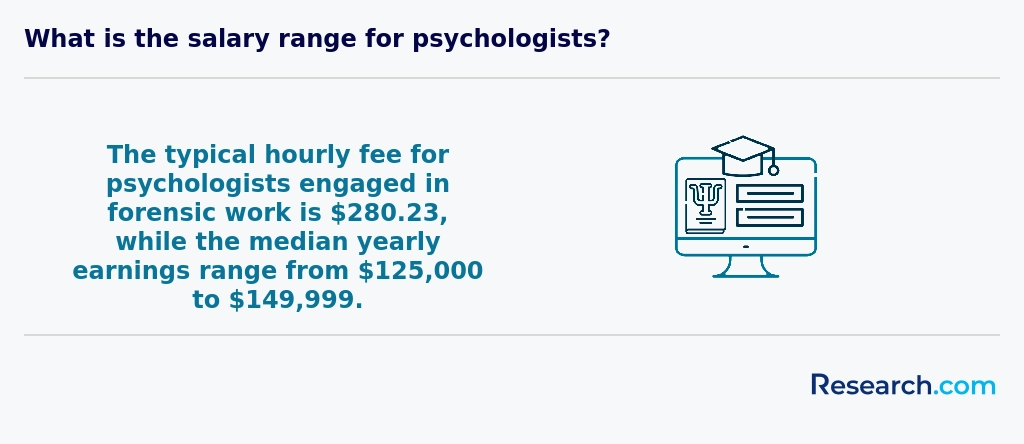
Students pursuing a psychology degree in Stony Brook find an enriching array of specializations tailored to their distinct interests and career aspirations. Many graduates from Stony Brook University reflect on how clinical psychology opened doors to fulfilling roles in therapy and mental health assessment, where practical experiences like internships built their confidence in real-world settings. This specialization remains essential for those eager to make a tangible impact on individual lives.
Others describe the intrigue of cognitive psychology, particularly at institutions known for cutting-edge research, where exploring mental processes such as memory and decision-making leads to academic or experimental careers. These experiences make psychology degree specializations in Stony Brook deeply rewarding, allowing students to engage directly with pioneering faculty and labs.
Moreover, developmental psychology resonates with students passionate about supporting growth across the lifespan, whether in education or healthcare. Additional specializations like social psychology, health psychology, and neuropsychology reflect the diverse interests accommodated in types of psychology programs in Stony Brook. For those considering flexible options, exploring an online psychology bachelor's degree can complement these paths with accessibility and depth.
Choosing the best psychology degree programs in Stony Brook means looking closely at what local universities like Stony Brook University offer in terms of research strengths and faculty expertise. Graduates often reflect on how aligning their interests with courses in cognitive neuroscience or behavioral psychology helped them stay motivated and engaged. Many found that understanding the specific curriculum made their learning experience richer and more meaningful.
Affordability also plays a key role. Several students sharing their journeys highlight how affordable psychology degrees Stony Brook NY made it possible to balance costs with quality education. Beyond tuition, considering financial aid options, scholarships, and assistantships offered by departments can ease the financial burden while providing valuable hands-on experience.
Program flexibility matters, too; students juggling work or family commitments appreciate part-time or online formats. And for those aiming to become licensed professionals, it's wise to research pathways like becoming a licensed professional counselor Arizona, ensuring their training meets certification requirements.

Graduates holding a psychology degree from institutions like Stony Brook University find a spectrum of rewarding career paths available to them, ranging from clinical roles to research and organizational positions. Many who pursue clinical psychology go on to become licensed practitioners, helping individuals navigate mental health challenges in hospitals or private practices. These clinicians often share the fulfillment of witnessing direct impacts on clients' lives, a testament to the value of the psychology degree career opportunities in Stony Brook.
Others channel their passion into research psychology, working within academia or government agencies where they analyze complex behavior patterns and mental processes. These roles at Stony Brook and beyond provide a stimulating environment for those eager to contribute to evolving psychological science. Many graduates also explore school psychology or industrial-organizational psychology, applying their training in schools or workplaces to promote well-being and productivity.
For those drawn to community impact, social services present meaningful options. Experience shows that combining a psychology background with psychiatric social work education requirements creates powerful avenues for advocacy and support in local healthcare agencies. Such roles illustrate the diversity of Stony Brook psychology graduate job prospects and highlight the broad relevance of this degree within and beyond New York's vibrant regions.
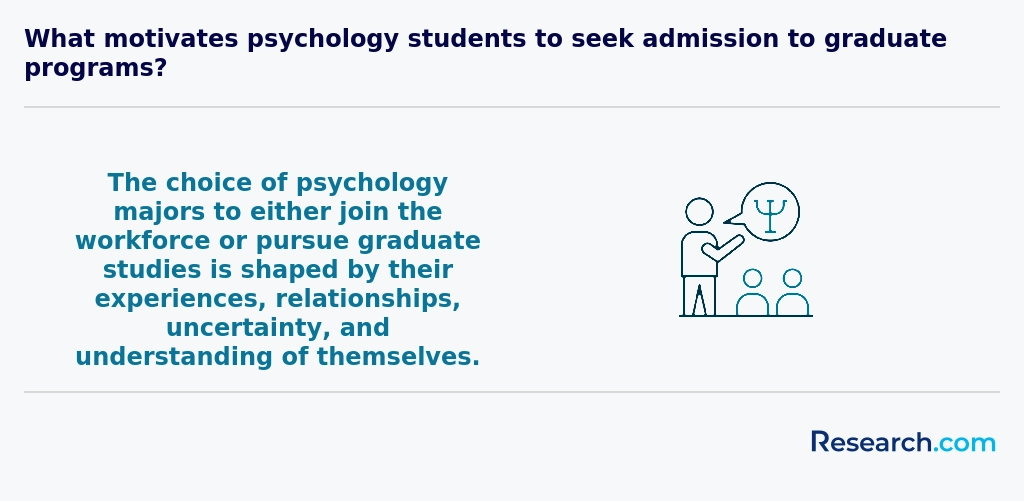
The job market for psychology degree holders in Stony Brook reflects a promising landscape, blending local demand with regional advantages. Graduates from institutions like Stony Brook University often find their skills sought after in various sectors such as mental health counseling, school psychology, and research roles at nearby hospitals. These opportunities highlight the strong Stony Brook psychology career opportunities fueled by the area's proximity to New York City and expansive healthcare networks.
Many graduates share how obtaining advanced degrees significantly improves their prospects, often leading to more fulfilling and better-paying roles requiring licensure. For example, clinical psychology master's degree holders have benefited from positions in community mental health clinics, earning competitive salaries that rise with experience.
Prospective students must also weigh education costs carefully. Compared to private institutions, public universities in New York offer more affordable tuition, often ranging between $10,000 and $15,000 for in-state students. Students looking for options might explore programs highlighted by the cheapest psychology school in New York, aligning financial planning with career goals while navigating the psychology degree job outlook in Stony Brook.
2027 Best Psychology Degree Programs Ranking in Stony Brook
Investing in your education is a significant decision that can shape your future, and the Research.com team understands the importance of making informed choices. To assist prospective students in Stony Brook, we have meticulously crafted the "2027 Best Psychology Degree Programs Ranking in Stony Brook." Our commitment to quality, credibility, and accuracy is reflected in the extensive research and analysis conducted to compile this ranking.
We utilized the following reputable data sources to ensure a comprehensive evaluation of psychology degree programs:
By exploring this ranking, readers will gain valuable insights into the best psychology degree programs available in Stony Brook, empowering them to make well-informed decisions about their educational paths. For more details on our methodology, please visit our Research.com methodology page.

Frequently Asked Questions About psychology
Psychology degree students in Stony Brook can maximize their learning by actively engaging with hands-on research opportunities. Stony Brook University offers access to multiple labs focusing on cognitive, social, and clinical psychology, allowing students to participate in ongoing studies. This practical experience complements theoretical coursework and enhances understanding.
Additionally, students should take advantage of internships within Long Island's diverse healthcare and community organizations, which provide real-world exposure to psychological practices. Networking with faculty members, who have been recognized nationally for their research contributions, is also valuable for mentorship and guidance.
Joining psychology-focused student organizations can facilitate peer learning and professional development in a supportive environment.
Emerging niches within the psychology field reflect the evolving societal and technological landscapes. In Stony Brook, growing attention is given to neuropsychology, where specialists study the brain's impact on behavior and cognition. This area aligns with Stony Brook University's strong research programs in neuroscience.
Another important niche is health psychology, which focuses on how psychological factors influence physical health. With increased chronic disease rates nationally, this specialty is gaining prominence.
Additionally, forensic psychology is expanding as legal systems demand greater expertise in mental health evaluation.
Environmental psychology, related to human interactions with surroundings, also shows promise reflecting broader sustainability interests.
These niches offer opportunities for students seeking innovative and applied psychology paths in the Stony Brook region.
Graduates with a psychology degree from Stony Brook University should focus on building practical experience to enhance employability. Internships and research assistant positions, often available through the university, can provide valuable hands-on skills.
Networking is crucial; joining professional organizations like the American Psychological Association (APA) and attending local events in New York State helps students connect with potential employers.
Developing specialized skills such as data analysis, counseling techniques, or familiarity with psychological assessment tools can increase job market competitiveness. According to the U.S. Bureau of Labor Statistics, employment of psychologists is projected to grow 8% through 2030.
Additionally, pursuing certifications or graduate studies may be necessary for many professional roles in psychology.
Employers hiring psychology graduates in Stony Brook prioritize several key skills reflecting the region's competitive job market. Critical thinking is essential, enabling graduates to analyze complex behavioral data and provide evidence-based solutions. According to the National Association of Colleges and Employers (NACE), 85% of employers value strong communication skills, both written and verbal, because psychology professionals frequently present findings and collaborate with multidisciplinary teams.
Data analysis proficiency, especially using software common in psychology research like SPSS or R, is increasingly demanded in local healthcare and research institutions. Furthermore, cultural competence and ethical judgment are critical, given the diverse Stony Brook population and strict ethical standards outlined by the American Psychological Association (APA).
Finally, practical experience through internships or research involvement boosts employability by demonstrating applied knowledge and problem-solving abilities.
Finding psychology internships in Stony Brook involves leveraging both university resources and local community connections. Stony Brook University's Psychology Department offers a dedicated internship office that assists students in securing placements within healthcare facilities, research labs, and mental health organizations in Suffolk County.
Students should explore partnerships with local hospitals like Stony Brook University Hospital, which provide clinical internships valuable for gaining hands-on experience. Additionally, research opportunities are often available through the university's research centers, where students can assist in ongoing psychology studies.
Networking through faculty advisors and attending psychology-focused career fairs hosted by the university enhances the chances of finding suitable internships. Exploring online platforms such as Handshake, widely used by Stony Brook students, can also connect candidates to relevant local psychology internships.
A psychology degree in Stony Brook can significantly enhance career mobility and advancement opportunities. The region's growing healthcare and social services sectors highly value psychological expertise, creating a strong job market. According to the New York State Department of Labor, employment for psychologists in the Long Island area, including Stony Brook, is projected to grow by 7% through 2030, faster than the national average.
Graduates with psychology degrees often find roles in counseling, human resources, education, and research, with advancement linked to continued education and licensure. Local universities and institutions support internships and networking, which are key to career growth in this competitive field.
Studying for a psychology degree in Stony Brook offers a strong foundation for interdisciplinary roles by integrating knowledge from neuroscience, biology, and social sciences. Stony Brook University's Department of Psychology emphasizes collaborative research, allowing students to work alongside experts in cognitive science and behavioral health.
According to U.S. News & World Report, Stony Brook ranks well for its research output, which enriches learning with current scientific methods. This approach equips students with skills applicable in healthcare, technology, and education sectors.
Moreover, coursework often includes statistics and data analysis, essential for roles requiring quantitative reasoning across disciplines.
When choosing between a thesis and a non-thesis psychology degree program in Stony Brook, consider your career goals carefully. Thesis programs typically require independent research, culminating in a written thesis, which is ideal for students planning to pursue doctoral studies or research careers. Non-thesis tracks focus more on coursework and practical skills, suiting those aiming for professional practice or immediate entry into the workforce.
Stony Brook University's Department of Psychology reports that about 40% of graduate psychology students opt for thesis options, reflecting strong research emphasis in the region. Additionally, thesis students often receive more opportunities for faculty collaboration, which can be advantageous for academic careers.
Funding and time commitment vary as well: thesis students may qualify for research assistantships, but projects extend program duration by several months. Non-thesis students might complete degrees faster but with fewer research credentials. Evaluate which path aligns with your strengths and ambitions before deciding.
Students based in Stony Brook pursuing psychology degrees have several opportunities to study abroad through their home institution and affiliated programs. Stony Brook University offers partnerships with universities in Europe, Asia, and Latin America, enabling psychology majors to complete coursework internationally while earning credits toward their degree. These programs often focus on cross-cultural psychology and research methods, providing valuable global perspectives.
The Academic Internship Program at Stony Brook also occasionally includes placements abroad for psychology students, allowing practical experience in diverse settings. According to the university's International Programs office, approximately 12% of psychology undergraduates participate in study abroad before graduation. This reflects a growing interest in global mental health studies, aligning with trends reported by the American Psychological Association in 2023.
Students pursuing psychology degrees in Stony Brook can benefit from various part-time job opportunities that enhance their academic experience. Many local healthcare facilities, including Stony Brook University Hospital, offer roles such as research assistants or patient care aides. These positions allow students to observe clinical practices and engage with psychological research.
Additionally, educational centers often seek tutors or mentor aides for students with learning or behavioral challenges. This work builds practical skills in communication and intervention.
According to data from the Bureau of Labor Statistics, psychology-related part-time jobs in healthcare and social assistance sectors are expected to grow by 10% nationwide, reflecting regional opportunities near Stony Brook.
Local nonprofits focusing on mental health services also provide internship and volunteer openings that complement classroom learning with community involvement.
Psychology students in Stony Brook have access to numerous networking opportunities that enhance their academic and professional growth. The Psychology Department at Stony Brook University often hosts guest lectures, workshops, and research symposiums, providing students direct contact with leading experts in the field.
Students can also join organizations like the Psi Chi International Honor Society in Psychology, which promotes networking through events and community service. Additionally, collaborations with nearby research centers, such as the Stony Brook University Hospital and the Institute for Social and Behavioral Sciences, offer internships and volunteering options that expand professional connections.
Local conferences and career fairs in the Long Island area further support psychology students in building valuable relationships with practitioners and potential employers.
Alumni networks offer significant advantages for psychology degree students in Stony Brook. Graduates often connect through organized events, mentoring programs, and online platforms, providing current students with career guidance and internship opportunities. According to Stony Brook University's career services, over 70% of psychology students report that alumni connections helped them secure internships or jobs.
Networking with alumni allows students to gain insights into various psychology fields, including clinical, cognitive, and developmental psychology. These relationships can also open doors to research collaborations, which are essential for graduate school applications and professional development.
Overall, alumni engagement is a valuable resource for building professional skills and expanding job prospects locally and nationally.
Students pursuing a psychology degree in Stony Brook have multiple options to tailor their studies to match career objectives. Many universities, including Stony Brook University, offer concentrations such as clinical psychology, cognitive neuroscience, or developmental psychology. Choosing a specialization allows students to focus on areas aligned with their professional goals.
Elective courses and research opportunities also play a key role in customization. Engaging in faculty-led projects or internships within the local community can provide hands-on experience relevant to specific careers.
Advisors typically assist in crafting a degree plan that meets both academic requirements and career aspirations, ensuring graduates are well-prepared for jobs or advanced studies.
Psychology students in Stony Brook often face several challenges during their academic journey. One common issue is managing the demanding coursework that covers complex topics like cognitive neuroscience and behavioral analysis. According to the American Psychological Association, rigorous curricula can increase stress levels among undergraduate learners nationwide. Additionally, students at Stony Brook may find balancing research opportunities and part-time jobs difficult, as the university encourages hands-on experiences in labs and clinical settings.
Another challenge involves securing internships, which are essential for practical training but can be highly competitive locally. Mental health concerns are also prevalent; a 2023 survey by the Stony Brook Counseling Center indicated about 40% of psychology students reported feeling overwhelmed at some point during their studies.
With a psychology degree in Stony Brook, graduates can pursue several professional certifications to enhance their careers. Common certifications include Licensed Mental Health Counselor (LMHC) and Licensed Clinical Social Worker (LCSW), which require graduate education plus supervised clinical hours. For those interested in testing and assessment, the National Certified Counselor (NCC) credential is available through the National Board for Certified Counselors.
Additionally, graduates can work toward becoming a Licensed Psychologist by fulfilling state-specific requirements, typically involving a doctorate, supervised experience, and passing the Examination for Professional Practice in Psychology (EPPP).
The New York State Office of the Professions offers detailed information on licenses relevant to psychology professionals within the Stony Brook area.
To write a winning application for a psychology program in Stony Brook, start by highlighting your academic achievements clearly. Aim for a strong GPA, as Stony Brook University's Psychology Department is competitive, with an average admitted GPA around 3.6. Include any relevant research experience or internships, as these demonstrate practical knowledge and commitment to the field.
Craft a compelling personal statement that explains your passion for psychology and your career goals. Be specific about why you chose Stony Brook, referencing its faculty expertise and research opportunities in areas like cognitive and clinical psychology.
Obtain strong letters of recommendation from professors or supervisors familiar with your work. These should emphasize your analytical skills and dedication.
Finally, prepare for any interviews or supplementary materials as required by the application, showing professionalism and readiness to contribute to the program.
Psychology careers are increasingly valued worldwide for their role in understanding human behavior and improving mental health. In the United States, including Stony Brook, psychology professionals benefit from a growing job market. According to the Bureau of Labor Statistics, employment of psychologists is projected to grow 8% from 2021 to 2031, a rate faster than average for all occupations.
Globally, there is rising demand for psychology expertise in healthcare, education, and business sectors. Internationally trained psychologists often seek accreditation to practice in the US, which underscores the importance of accredited psychology programs such as those offered by Stony Brook University.
Stony Brook's psychology degrees provide strong research training, reflecting global scientific standards. Students are prepared for diverse careers, supported by the New York State Department of Labor's data showing steady regional growth in mental health services. This trend aligns with broader global attention to mental health awareness.
Gaining practical experience while studying psychology in Stony Brook is essential for applying theoretical knowledge. Many students engage in internships offered through university partnerships with local hospitals, mental health clinics, and research centers. For example, Stony Brook University's Psychology Department often facilitates placements where students can assist with clinical assessments or participate in behavioral research.
Additionally, students can join faculty-led research projects, gaining hands-on experience with experimental design and data analysis. According to the National Survey of Student Engagement, about 40% of psychology students at research universities nationwide participate in research projects before graduation.
Volunteer opportunities at community organizations also provide valuable exposure to diverse populations and psychological services.
Choosing the right concentration within a psychology degree program in Stony Brook requires careful consideration of your career goals and interests. Stony Brook University offers several specialized tracks, such as cognitive neuroscience, developmental psychology, and clinical psychology. According to the university's 2023 undergraduate catalog, students can tailor their studies to focus on research, applied practice, or interdisciplinary approaches.
It is helpful to review course offerings and faculty expertise at Stony Brook, as the department is known for its strong research in brain-behavior relationships. You might also consider internship and lab opportunities available locally to gain practical experience.
Consulting academic advisors and current students can provide insights into the demands and outcomes of each concentration. Additionally, analyzing job market trends in New York State and nationally can help align your specialization with employment prospects.
- 2027 Best Psychology Degree Programs Ranking in New Haven
- 2027 Best Psychology Degree Programs Ranking in New York
- 2027 Best Psychology Degree Programs Ranking in Springfield
- 2027 Best Psychology Degree Programs Ranking in Amherst
- 2027 Best Psychology Degree Programs Ranking in Worcester
- 2027 Best Psychology Degree Programs Ranking in Albany
- 2027 Best Psychology Degree Programs Ranking in Cambridge
- 2027 Best Psychology Degree Programs Ranking in Boston
- 2027 Best Psychology Degree Programs Ranking in Baltimore
- 2027 Best Psychology Degree Programs Ranking in Washington
See What Experts Have To Say About Studying Psychology
Read our interview with Psychology experts

Joann Farrell Quinn, Ph.D., MBA
Psychology Expert
Director at the College of Medicine Department of Medical Education
Morsani College of Medicine

Robin M. Kowalski. Ph.D.
Psychology Expert
Professor of Psychology
Clemson University

Elizabeth L. Jeglic Ph.D.
Psychology Expert
Professor of Psychology
City University of New York

- Psychology - SWPS University https://english.swps.pl/academics/warsaw/ba-programs/psychology
- Ontario Psychological Association - Networking and Community Resources https://www.psych.on.ca/become-a-member-(1)/member-services/networking-and-community-resources
- MA in Psychology at Stony Brook University | YMGrad https://ymgrad.com/stony-brook-university-suny/ma-in-psychology
- Psychology Online Degree Pathway https://www.learndirect.com/course/psychology-online-degree
- Why Get a Psychology Degree Online? | University of Bridgeport https://www.bridgeport.edu/news/reasons-to-get-your-psychology-degree-online/
- What Certifications Can I Get With A Bachelor's In Psychology? https://www.psychology.org/resources/certification-skills-for-psychology-major-resumes/
- PHD in Clinical Psychology at Stony Brook University : Admission 2025-26, Requirements & Fees https://yocket.com/universities/state-university-of-new-york-at-stony-brook/clinical-psychology-79431
- How to help students cope with mental health challenges https://www.eaie.org/resource/help-students-cope-mental-health-challenges.html
- Know more about thesis vs non- thesis: what is the difference? https://studyfans.com/en/blogs/816
- New Students | Department of Psychology https://www.aldacenter.org/commcms/psychology/undergraduate/new-students.php