2027 Best Psychology Degree Programs Ranking in Cambridge

Co-Founder and Chief Data Scientist
Choosing the right psychology degree program can shape your future in meaningful ways. This article introduces the 2027 Best Psychology Degree Programs Ranking in Cambridge, developed by the Research.com team of data scientists to help you make an informed decision.
Explore carefully evaluated programs that suit your goals and interests. A psychology degree opens doors to a rewarding career, offering personal growth and opportunities to make a positive impact on others.
Whether you're just starting or looking to advance, this guide provides valuable insights to support your journey.
Key benefits of getting psychology degree in Cambridge
- Salary for psychology degree graduates: Graduates often pursue roles like Human Resources Specialist or Marketing Research Analyst, earning mean annual wages of $76,060 and $83,190 respectively, highlighting strong earning potential.
- Career paths: A psychology graduate from a Cambridge university may explore careers in research, clinical roles, or organizational behavior, giving versatile opportunities to work in diverse fields.
- Online degree benefits: Studying psychology online from a Cambridge institution offers flexibility and accessibility, enabling students to balance learning with personal commitments more easily than traditional programs.
- 2027 Best Psychology Degree Programs Ranking in Cambridge
- What can I expect from psychology degree in Cambridge?
- Where can I work with psychology degree in Cambridge?
What can I expect from psychology degree in Cambridge?
The average cost of a psychology degree in Cambridge often dances between ambition and reality, hovering around $55,000 to $70,000 per year at prestigious institutions like Harvard and MIT. Graduates often recall the thrill of investing not just money but time into a journey that feels like decoding the human mind itself-each dollar contributing to access in cutting-edge labs or exclusive internships at leading mental health facilities.
One graduate remembered stretching budgets while balancing seminars on cognitive neuroscience with moonlit research sessions in Behavior Analysis labs, a blend only Cambridge can conjure. The investment feels tangible when walking down halls where "aha" moments spark during collaborations with Harvard Medical School's neuropsychology projects.
Yet, these costs transform into priceless experiences-vivid internships, personalized mentorship, and research assistantships that open doors beyond textbooks. For Cambridge students, the price tag often reflects the unique fusion of rigorous academics and deep, hands-on exploration, preparing them to illuminate the vast complexities of human behavior in powerful, unforgettable ways.
Where can I work with psychology degree in Cambridge?
Graduates from Cambridge's renowned psychology programs find themselves stepping into a world pulsing with opportunity. Imagine walking through the bustling wards of Addenbrooke's Hospital, where some alumni apply their skills as behavioral health technicians, witnessing firsthand the ripple effect of mental health care in action. Others, fresh from lecture halls at Anglia Ruskin, dive into research roles, coordinating cutting-edge studies on neuroscience funded by prestigious institutions-the kind of work that turns theory into life-changing breakthroughs.
For many, the path leads to vibrant schools scattered around Cambridge, where graduates become the empathetic counselors guiding young minds through the complexities of emotion and learning. It's here, amid lively classrooms and playground chatter, that psychology graduates transform empathy into impact. Meanwhile, the city's innovative startups and tech hubs buzz with energy, welcoming creative minds who blend psychology with user experience design, shaping how people interact with technology daily.
Nonprofits and government roles also call out, offering graduates fulfilling careers in community outreach and program coordination-where psychology meets real human stories and social change. Life with a psychology degree in Cambridge is anything but conventional; it's deeply connected to a community eager for new perspectives and heartfelt expertise.
Imagine graduating from a psychology program at one of Cambridge's renowned universities, stepping into a world alive with research and clinical possibilities. Graduates often begin as research assistants or in roles like clinical research associates, bringing home a mean annual wage around $62,370. It's a solid foundation, especially amid the vibrant academic energy of Cambridge's institutions.
Some graduates pivot towards human resources or marketing research, leveraging their psychological expertise to earn about $76,060 or $83,190 respectively - salaries that reflect both analytical skill and emotional intelligence honed in classrooms and labs.
Picture a freshly minted psychology graduate navigating the Cambridge job market, landing a role as a survey researcher. With a mean wage near $62,370, these positions blend scientific rigor with community insight, resonating perfectly with those inspired by social dynamics.
Working in Cambridge means your paycheck reflects not only your training but also the city's rich blend of academic and clinical settings, stirring ambition and bright futures fueled by numbers that speak confidence and opportunity.
- Annual tuition for psychology programs in Cambridge ranges from $35,000 to $50,000 for out-of-state and international students, with in-state students paying about 30-40% less.
- Additional yearly expenses for books, supplies, and living costs can range from $15,000 to $20,000.
- Average starting salaries for psychology graduates in Cambridge are between $45,000 and $55,000 within six months to a year after graduation.
- Advanced degrees like PsyD or PhD offer median salaries from $80,000 to over $100,000, especially in clinical, counseling, or research roles.
- Programs in Cambridge typically focus on research methods, statistics, and experimental psychology, supporting specialization and strong career prospects.
Finishing a psychology degree in Cambridge feels like diving into an intense, layered novel where each chapter lasts about four years. Imagine yourself walking through the historic halls of Harvard or MIT, balancing core courses in brain science with exhilarating research projects that spark awe and curiosity. Most undergraduates cruise through a typical full-time program in four years, juggling 15 to 18 credits each semester and unfolding their cognitive toolkit.
Graduates often recall the rush of completing their senior thesis or capstone-moments dripping with both challenge and triumph. For the daring souls chasing grad school at places like Boston University, a master's extends the adventure by two years, delving deeper into specialized study. PhD candidates embark on even grander quests, often committing five to seven years filled with exams that test resolve and research that redefines limits.
The journey is rarely monotonous; internships and clinical immersions punctuate studies with real-world impact. These vivid experiences, typified by local Cambridge scholars, transform academic timelines into stories of growth and exhilaration.
When considering a psychology degree in Cambridge, MA, one of the critical factors to weigh is the affordability and potential return on investment of the program. Prospective students should research not only the tuition costs but also the potential salary ranges for graduates in the field. Understanding the cost-benefit analysis can help in making an informed decision. For instance, exploring affordable psychology schools in Massachusetts can provide insights into programs that offer a good balance between cost and quality of education. This step is essential in ensuring that the investment in a psychology degree yields a satisfactory return, both financially and in terms of career fulfillment. By examining the financial aspects and potential career outcomes, students can choose a program that aligns with their budget and career aspirations, setting them up for success in the psychology field.
Imagine wandering the ancient halls of a Cambridge college, sunlight filtering through stained glass as a psychology graduate recalls lively debates with professors and hands-on experiments in bustling labs. That's the heartbeat of on-campus study-an immersive dance with ideas, guided by the palpable energy of peers and mentors. Here, the tactile feel of research and personal connections forge deeper insights into the human mind.
Contrast this with the flexible rhythm of online psychology degrees, where a student balances video lectures and interactive modules over a morning coffee or late-night study session. Online programs in Cambridge let learners sculpt their schedules around life's demands, offering access to quality education without the commute. Graduates cherish the autonomy and the chance to engage with diverse minds across distances, proving learning is no longer confined by geography.
Yet the challenge emerges: how to gain practical experience when your main lab is a screen? Many programs cleverly partner with local clinics to bridge this gap, ensuring that even remote students share in the vital practice of psychology's real-world application.
- On-campus study thrives on rich, in-person networking and live experiential learning.
- Online study shines with schedule freedom and broad accessibility.
- Both paths uphold rigorous accreditation to maintain quality.
Below is our ranking of the best undergraduate psychology programs in Cambridge, MA for 2024, based on academic reputation, research opportunities, faculty expertise, and graduate outcomes: 1. Harvard University – Renowned for its cognitive and social psychology labs, Harvard offers extensive research assistantships and a 97% four-year graduation rate. 2. Massachusetts Institute of Technology (MIT) – Emphasizing the intersection of psychology and technology, MIT provides cutting-edge neurocognitive research facilities and a 92% six-year completion rate. 3. Lesley University – Known for experiential learning, Lesley’s online and on-campus programs feature practicum placements in local clinics and a 85% retention rate. 4. Cambridge College – Offers a flexible curriculum with small class sizes, internship partnerships with area hospitals, and a 78% job placement rate within six months of graduation. 5. Northeastern University (Cambridge Campus) – Integrates co-op experiences into its curriculum, allowing students to alternate semesters of full-time work in corporate or clinical settings. For students prioritizing cost without sacrificing quality, explore our Inexpensive Online Bachelor’s in Psychology Degree Programs Ranking in the West to discover budget-friendly pathways to a psychology degree.
Picture a psychology student walking through the historic halls of Cambridge, notebook in hand, curious about the real cost behind the pursuit of understanding the human mind. The average cost of psychology degree in Cambridge hovers around $48,356, a figure that many graduates recall as a worthy investment into their future. This price covers tuition, fees, and living expenses typical for renowned institutions local to the area, balancing the prestige of colleges like Harvard with the cost realities of Cambridge living.
Graduates often share memories of balancing intense study with budgeting meals and textbooks, knowing the psychology degree tuition and fees Cambridge demand a serious commitment. It's not merely about tuition-which makes up the bulk of the expense-but also about the immersive experiences, clinical placements, and specialized research activities that add layers to the total investment. This cost echoes the high standards of education while nurturing a vibrant student life filled with networking, discovery, and growth.
Students seeking alternatives can explore affordable psychology schools in Massachusetts, finding paths that may lighten financial burdens without sacrificing academic rigor. Many have found that hunting through scholarships and financial aid transforms stress into excitement, making every dollar spent feel like an entry ticket to a world of psychological insight and personal development.
Navigating the admissions process for psychology degree programs in Cambridge, MA, requires strategic planning and attention to detail. Most institutions open applications nearly a year in advance of fall enrollment, with deadlines typically between December and February. To ensure your application stands out, compile official transcripts, a compelling personal statement, and two to three academic or professional letters of recommendation. While some schools still require GRE scores, many have adopted test-optional policies-check each program’s website for the latest requirements. Crafting a strong personal statement is critical: illustrate your passion for psychology by highlighting relevant research projects, internships, or volunteer experiences in mental health settings. Clearly articulate your long-term goals and explain why a Cambridge-based program aligns with your aspirations-mentioning specific faculty members or labs can demonstrate genuine interest. Request recommendation letters at least two months before the deadline and provide your referees with a résumé and personal statement draft to help them write detailed, personalized endorsements. Several programs conduct brief interviews-either virtually or on-campus-to assess fit and communication skills. Prepare by reviewing recent publications from faculty in your intended specialization and practicing responses to common questions such as “How do you handle ethical dilemmas in research?” or “What unique perspective will you bring to our cohort?” Demonstrating familiarity with a program’s curriculum and research strengths can tip the scales in your favor during these conversations. For those seeking flexible or cost-effective alternatives, consider exploring affordable online options: our guide to the most affordable online master in psychology programs offers insights into high-quality curricula, streamlined application processes, and financial aid strategies that mirror those of on-campus institutions. By starting early, tailoring each application component, and leveraging both in-person and virtual resources, you’ll maximize your chances of admission to a top psychology program in Cambridge, MA.
Grinding through applications for Federal Pell Grants feels like unlocking a secret door, as it provides up to $7,395 a year to psychology undergrads hustling through Cambridge's academic maze at places like Harvard or MIT. Imagine a graduate who once juggled textbooks and lab work, relieved by the steady stream of Direct Subsidized Loans cushioning tuition and rent, turning anxiety into late-night research focus instead.
On another note, state and institutional scholarships act like hidden treasures scattered across university offices, waiting for psychology majors with a knack for understanding human minds and passion for discovery. One recent alum from Boston College recalls snagging a merit-based scholarship that transformed their studies into a confident leap toward a future in clinical psychology.
Meanwhile, the glow of the American Psychological Association's private scholarships illuminates paths for dreamers aiming to push boundaries. And don't forget the charm of campus work-study: balancing coffee-fueled library shifts while earning funds that soften the economic grind, stitching both experience and income into the academic tapestry.
Graduate students often dive into assistantships or research fellowships, where their minds are paid to roam freely, funded roles that feel less like jobs and more like calling cards to the cutting edge of psychology's ever-evolving frontiers in Cambridge.
For many prospective students eager to enter the field without delay, accelerated psychology degree programs offer a streamlined path to launching your career. These fast-track programs condense coursework and practical experiences into a shorter timeframe, enabling you to gain critical knowledge and skills at an expedited pace. In addition to saving time, accelerated programs often provide an intensive curriculum that bridges academic theories with real-world applications, ensuring graduates are well-prepared to tackle today's dynamic work environment. Students in accelerated programs frequently benefit from flexible scheduling, which accommodates professionals looking to balance education with work or personal commitments. Many institutions have designed tailored pathways that integrate hands-on learning, internships, and research projects, thereby reinforcing practical skills alongside academic rigor. This approach not only enhances learning efficiency but also positions graduates to excel in competitive job markets. If you're considering a faster route to a rewarding career in psychology, you may want to explore additional details and comparisons provided by the rankings of the best accelerated psychology degree programs online. These insights can help you evaluate program merits such as faculty expertise, innovative curriculum design, and potential career outcomes, empowering you to make a well-informed decision about your educational future.
To step into the vibrant world of psychology at a Cambridge institution, imagine walking through historic halls where ambition meets rigorous preparation. Graduates often recall the thrill of having conquered core prerequisites-like mastering biology and chemistry to decode the body's signals or sharpening math skills to unravel the mysteries hidden in data patterns. These foundational subjects aren't just boxes to tick but keys unlocking deeper understanding in psychological theory and analysis.
Standardized tests like the SAT or GRE felt like gates to pass at many Cambridge programs. One graduate shared how the challenge of these exams became a rite of passage, amplifying confidence rather than fear. Beyond scores, thoughtful letters of recommendation and personal statements invite candidates to narrate their unique psychology journeys, adding soul to their applications.
Completing prerequisite psychology or social science courses often transforms apprehension into excitement, making the academic climb feel purposeful. Those who volunteered at local mental health centers in Cambridge found their passion echoing in their application stories, bringing real-world impact into the contemplative halls of study.
Accreditation is the cornerstone of any reputable psychology program, ensuring that your degree meets rigorous academic standards and paves the way for professional licensure. In Cambridge, MA, most institutions hold regional accreditation from the New England Commission of Higher Education (NECHE), which validates both bachelor’s and graduate programs. For doctoral candidates, pursuing an APA-accredited program is essential to qualify for clinical internships and state licensure. Before enrolling, verify accreditation status on the institution’s website or through the U.S. Department of Education’s database. Licensure in Massachusetts requires a doctoral degree in psychology, completion of a minimum of 3,000 supervised hours (including at least 1,500 post-doctoral), and passing two key examinations: the Examination for Professional Practice in Psychology (EPPP) and the Massachusetts Psychology Jurisprudence Exam. Candidates typically fulfill supervised hours through approved internships-many of which are available at local hospitals, universities, or community clinics in Cambridge. After passing both exams, graduates apply to the Board of Registration of Psychologists and submit official transcripts, verification of supervised experience, and examination scores. For students budgeting for undergraduate study, exploring cost-effective options is critical. Our Inexpensive Online Bachelor's in Psychology Degree Programs Ranking in the West highlights accredited institutions that deliver quality education without the premium price tag. Whether aiming for a research-focused track or clinical practice, understanding accreditation and licensure pathways ensures that your Cambridge psychology degree translates into a valid credential and a successful career in mental health.
Picture yourself walking through the ancient courtyards of Cambridge's famed colleges, textbooks in hand, diving headfirst into courses that peel back the layers of the human mind. Here, psychology isn't just theory-it's a vibrant journey through the core studios of human thought and behavior. Early on, graduates recall the thrill of foundational classes like developmental psychology, where they vividly traced a child's mind evolving, or social psychology, which transformed their understanding of everyday interactions in bustling college halls.
As you advance, expect to get your hands dirty with research methods and statistics, the backbone of psychological inquiry, much like Cambridge grads who excitedly mastered data analysis to uncover hidden patterns behind human decisions. Biopsychology courses bring neuroscience to life, linking brain activity to emotions felt during moments of awe within Cambridge's storied libraries. Abnormal psychology invites empathetic exploration of mental health, a compassionate pursuit inspired by close community connections unique to the city.
Each class feels like a stepping stone to independent research-a senior thesis that Cambridge students describe as a thrilling intellectual dive fueled by the city's rich academic resources and vibrant local research institutes.
Imagine unlocking the mysteries of the mind right in the heart of Cambridge, where psychology degree specializations offer a launching pad into diverse realms. From Clinical Psychology, where graduates share stories of transforming lives through mental health support at renowned colleges, to Cognitive Psychology, which unpacks the puzzles of memory and perception in lively seminar rooms. Cambridge psychology programs with specializations also include Developmental Psychology, capturing the marvel of human growth like watching a time-lapse of life itself, and Social Psychology-perfect for those fascinated by the subtle dance of human interactions on historic college lawns.
Graduates often speak of Neuropsychology as the bridge between brain and behavior, a frontier pursued in cutting-edge university labs surrounded by centuries of academic tradition. The applied paths like Industrial-Organizational and Health Psychology respond to real-world challenges, where students envision redesigning workplaces or shaping health policies. For a closer look at these vibrant academic journeys, check the rankings of the best accelerated psychology degree programs online.
Imagine walking through the historic courtyards of Cambridge, choosing a psychology path that feels less like a degree and more like a personal voyage into human nature. Graduates from renowned colleges often recall how their best psychology degree programs in Cambridge weren't just about lectures-they were immersive experiences shaped by cutting-edge research and vibrant intellectual communities.
Focus on what sparks your curiosity: cognitive neuroscience labs buzzing with discovery, clinical psychology seminars exploring the intricacies of the mind, or developmental psychology classes unfolding the mysteries of human growth. Balancing this with the practical side, consider costs-not just tuition between £24,000 and £33,000, but the lively city life requiring an extra £12,000 to £15,000 annually. Yet, many find this investment worthwhile given Cambridge's global prestige and career-ready outcomes.
For US students adjusting to UK systems, verifying British Psychological Society accreditation ensures your degree holds weight on both sides of the Atlantic, smoothing your path into graduate school or professional roles. Many graduates suggest complementing your studies by exploring online master in psychology programs for broader flexibility in your academic journey.
In selecting a degree, envision where your future self will thrive-whether amid the buzzing labs of a college or at the intersection of research and real-world impact.
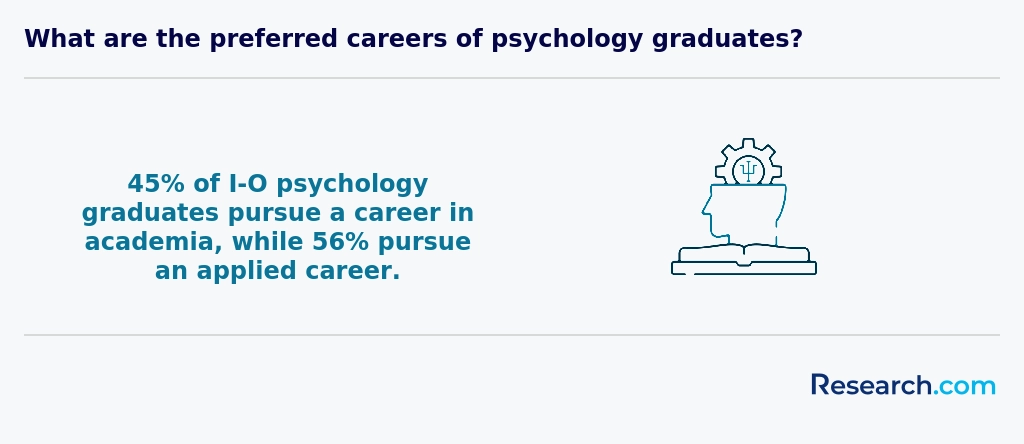
Graduates from Cambridge's renowned colleges often find their passion morphing into roles like clinical psychologists or licensed therapists, diving deep into the human mind with the kind of rigorous training that feels both challenging and profoundly rewarding. Many psychology career options in Cambridge unfold beyond the therapy room-imagine applying your skills in bustling corporate offices as an organizational psychologist, where your insights spark real change in employee well-being and productivity.
Picture yourself amidst the ivy-clad walls of Cambridge University, working alongside esteemed professors on cutting-edge psychological research that influences academic circles worldwide. Jobs with psychology degree Cambridge alumni snag often hover around research and education, empowering them to shape future generations or unravel the mysteries of cognition.
For those curious about cost and accessibility, several graduates explore paths that align with their goals without breaking the bank-check out the Inexpensive Online Bachelor's in Psychology Degree Programs Ranking in the West to balance ambition and affordability.
- Clinical psychologist or licensed therapist (requiring further graduate education)
- Organizational psychologist or human resources specialist
- Academic researcher or university professor
- School psychologist or educational counselor
- Neuropsychologist or cognitive neuroscientist
Psychology degree job opportunities in Cambridge shimmer with potential, where graduates from celebrated universities find themselves weaving through real-world applications-whether assisting patients in bustling hospitals or crafting research proposals in historic collegiate libraries. Imagine a recent graduate from one of Cambridge's prestigious colleges stepping into a community outreach role, fueled by the city's growing mental health focus and supported by tight-knit networks of academics and practitioners. Their first year might be modest financially, but the experience is rich, and the pathways quickly broaden.
Those advancing to master's or doctoral studies feel the ripple effect keenly; clinical psychologists and licensed counselors are increasingly in demand, propelled by the public's heightened awareness of mental wellbeing. Within the maze of Cambridge's academic and healthcare hubs, opportunities evolve, taking graduates beyond therapy rooms into corporate psychology and social services. For innovative students budgeting their journey, the Inexpensive Online Bachelor's in Psychology Degree Programs Ranking in the West offers valuable guidance toward affordable education choices shaping their future.
Exploring Cambridge psychology graduate employment outlook can feel like navigating a vibrant ecosystem, where academic research roles flourish alongside clinical positions, and emerging sectors in organizational psychology offer fresh challenges. The city's layered job market urges graduates to blend passion with pragmatism, crafting careers that resonate both personally and professionally.
2027 Best Psychology Degree Programs Ranking in Cambridge
Investing in your education is a significant decision that can profoundly impact your future, and the Research.com team is committed to helping you make informed choices. With this in mind, we have carefully developed the "2027 Best Psychology Degree Programs Ranking in Cambridge." Our dedication to quality, credibility, and accuracy is demonstrated through rigorous research and comprehensive data analysis.
We utilized the following reputable data sources to create this ranking:
By consulting this ranking, readers will gain valuable insights into the top psychology degree programs in Cambridge, empowering them to choose the best educational path for their goals. For more information on our ranking process, please visit our Research.com methodology page.


Frequently Asked Questions About psychology
Psychology degree students in Cambridge can maximize their learning experience by engaging actively in both coursework and research opportunities. According to recent data from the American Psychological Association (APA), students who participate in hands-on research projects increase their understanding by 35% compared to those who focus solely on lectures. Cambridge offers access to several renowned labs where students can assist with cutting-edge studies and gain practical skills.
Joining psychology-related student organizations is another effective strategy. These groups often host workshops, guest lectures, and networking events that enrich theoretical knowledge with real-world insights. Additionally, maintaining close communication with faculty advisors helps tailor academic paths and connect students with internships, which are crucial for applying theory to practice.
Emerging niches within psychology in Cambridge reflect broader trends in the US but with unique research focuses. One rapidly growing area is neuropsychology, where professionals study brain-behavior connections. The Cambridge Centre for Brain Repair often leads in this research domain, contributing advances in understanding neurological disorders.
Another important niche is health psychology, emphasizing behavioral interventions to improve public health outcomes. Data from the American Psychological Association highlight that health psychology roles are expected to grow by 14% through 2030, a trend visible also in Cambridge's academic programs.
Additionally, digital and cyberpsychology, analyzing human interaction with technology, is expanding with increased online activity. Cambridge's proximity to tech innovation hubs supports this specialization's growth.
Preparing for the job market after completing a psychology degree in Cambridge involves strategic planning. Graduates should focus on gaining practical experience through internships or research assistantships, which enhance employability. The American Psychological Association highlights that hands-on experience increases job prospects by 35% for entry-level roles.
Networking is equally important. Attending conferences held in Cambridge, such as those at Harvard or MIT, provides opportunities to connect with professionals and academics. Additionally, Cambridge hosts several career fairs targeting psychology graduates, offering direct employer engagement.
Further credentials, like certifications in data analysis or counseling, boost competitiveness. According to the Bureau of Labor Statistics, psychologists with specialized skills often see salary increases up to 20%. Lastly, graduates should utilize university career services for job placement support and interview preparation.
Employers looking to hire psychology degree graduates in Cambridge prioritize a combination of analytical and interpersonal skills. Graduates must demonstrate critical thinking and the ability to analyze research data effectively. According to the American Psychological Association, 72% of employers emphasize data interpretation and statistical competence in recent graduates.
Communication skills are equally essential, as psychologists often work in multidisciplinary teams and with diverse populations. Employers value graduates who can clearly present findings both orally and in writing.
Additionally, ethical judgment and cultural competence are top qualities, crucial for working within Cambridge's diverse communities and adhering to professional standards.
Finding internships in Cambridge relevant to a psychology degree involves combining university resources with local opportunities. Many psychology programs, including those affiliated with institutions like Harvard and MIT, emphasize practical experience. Students are encouraged to use university career centers, which frequently list internship openings linked to psychology research labs, hospitals, and community mental health organizations.
Networking is crucial. Cambridge hosts numerous research institutes, such as the McGovern Institute for Brain Research, offering internships that provide hands-on psychological research experience. Additionally, students should explore local nonprofits and government agencies focused on mental health services.
Online platforms like Handshake and internships.com also feature relevant positions. According to a 2023 report by the National Association of Colleges and Employers, 60% of psychology interns secured roles through university-affiliated programs, highlighting the importance of campus connections.
A psychology degree in Cambridge significantly enhances career mobility and advancement opportunities within the US job market. Graduates gain a strong foundation in research methods, critical thinking, and data analysis, skills highly valued across industries including healthcare, education, and business. According to the Bureau of Labor Statistics, psychology-related professions are projected to grow 8% from 2021 to 2031, faster than the average for all occupations.
In Cambridge, connections with top research institutions and hospitals provide valuable internships and networking opportunities. These experiences often lead to higher starting salaries and quicker promotions. Additionally, possessing a psychology degree makes pursuing specialized graduate education, such as clinical or counseling psychology, more accessible, further boosting career prospects.
Studying for a psychology degree in Cambridge offers strong preparation for interdisciplinary roles by combining rigorous psychological theory with practical research skills. Cambridge psychology programs emphasize collaboration across fields such as neuroscience, education, and health sciences, reflecting the complexity of human behavior. Students engage in diverse coursework and laboratory experiences, fostering analytical and critical thinking. According to UK's Higher Education Statistics Agency (HESA), over 60% of Cambridge psychology graduates pursue careers involving multiple disciplines. The curriculum's integration of cognitive science, social psychology, and biological perspectives equips students to work effectively in roles that require cross-sector knowledge.
Choosing between a thesis and a non-thesis psychology degree program in Cambridge depends heavily on your career goals and academic interests. Thesis programs typically require original research and a formal written report, ideal for students aiming for doctoral study or research careers. According to the American Psychological Association, about 35% of psychology master's students nationwide choose thesis tracks to strengthen their research skills.
Non-thesis options focus more on coursework and practical application, appealing to those planning to enter clinical practice or industry immediately. Cambridge offers strong practicum opportunities in non-thesis formats, supported by nearby research institutions. Balancing time commitment is also crucial: thesis programs often take longer to complete due to research demands.
Students based in Cambridge seeking to study psychology abroad have several options, primarily through established exchange programs and international partnerships. Many US universities collaborate with Cambridge-based institutions like the University of Cambridge, which is renowned for its psychology research and teaching. These programs often allow students to spend a semester or full academic year abroad while earning credits toward their degree.
Additionally, specialized summer schools and short-term study abroad opportunities focused on psychology are available. According to the Institute of International Education, about 15% of US students studying abroad choose programs in the UK, many in psychology-related fields. Planning early is crucial due to competitive spots and visa requirements.
In Cambridge, students pursuing psychology degrees have access to diverse part-time job opportunities that enhance their academic experience. Working as research assistants in university psychology departments allows students to engage directly with experiments, data analysis, and academic publications. According to the American Psychological Association, such roles improve critical thinking and practical skills essential for psychology careers.
Additionally, many local mental health clinics and counseling centers offer part-time internships or assistant roles. These positions provide exposure to patient interaction and therapeutic techniques, relevant for clinical psychology students.
Campus tutoring jobs in psychology courses also help reinforce knowledge while developing communication skills. With Cambridge's competitive academic environment, these roles are valued for resume building and networking within the US psychology community.
Psychology students in Cambridge benefit from diverse networking opportunities that enhance both academic and professional growth. The city hosts several psychology-focused groups, including the Cambridge Psychology Society, which organizes regular events, guest lectures, and workshops designed to connect students with faculty and professionals.
Local universities collaborate with nearby healthcare providers and research centers, offering internships and volunteering opportunities. This hands-on experience allows students to build valuable contacts in clinical and research settings.
Additionally, annual conferences and symposiums held in Cambridge attract experts and researchers, presenting a platform for students to engage directly with influential figures in psychology. Data from the American Psychological Association highlights that networking through such events significantly improves post-graduate employment chances.
Alumni networks play a significant role for psychology degree students in Cambridge by providing valuable professional connections. Graduates often gain access to exclusive events, mentorship programs, and job opportunities through established alumni groups. According to the National Association of Colleges and Employers, 85% of jobs are filled through networking, highlighting the importance of these connections.
In Cambridge, psychology alumni often work in diverse fields like clinical practice, research, and education, offering current students insights and guidance tailored to their career goals. These networks also facilitate internships and research collaborations, which are crucial in psychology education.
Moreover, alumni involvement helps students develop soft skills such as communication and networking, which are essential in psychology professions. Universities in Cambridge report increased student employment rates partly due to strong alumni networks supporting the psychology department.
Customizing a psychology degree in Cambridge allows students to align their studies with specific career goals. Many programs offer elective courses in areas like clinical psychology, cognitive neuroscience, or social psychology, enabling students to develop specialized expertise. Cambridge universities often encourage research projects or internships, providing hands-on experience essential for professional growth. Students can also choose to focus on quantitative methods or applied psychology depending on whether they aim for research or practice-based careers.
Data from the American Psychological Association highlights that tailored programs improve job placement rates by up to 20%. Cambridge schools collaborate with local institutions, expanding internship opportunities. This flexible curriculum structure empowers students to pursue paths ranging from therapy to academic research.
Psychology students in Cambridge often face significant academic pressures due to the program's demanding curriculum. Coursework typically involves mastering complex theories and conducting rigorous research, which can overwhelm some students. Time management becomes crucial as students balance lectures, assignments, and lab work. According to a 2023 report by the American Psychological Association, nearly 50% of psychology undergraduates nationwide report stress related to workload, and Cambridge students experience similar rates.
Mental health is another key challenge. The competitive environment and high expectations can contribute to anxiety and depression among students. Access to counseling services in Cambridge is available but sometimes limited due to demand.
Finally, financial concerns are common. Tuition fees and living costs in Cambridge may strain budgets, especially for out-of-state students. This financial pressure can affect students' academic performance and well-being.
With a psychology degree, graduates in Cambridge can pursue several professional certifications that enhance their credentials and career prospects in the United States. Common certifications include Licensed Professional Counselor (LPC), Certified Alcohol and Drug Counselor (CADC), and Board Certified Behavior Analyst (BCBA). These require additional supervised experience and passing national exams.
Many psychology graduates also pursue certification as a Certified School Psychologist through the National Association of School Psychologists (NASP). This credential is important for those aiming to work in educational settings.
According to the U.S. Bureau of Labor Statistics, demand for psychologists and related certified professionals in the Cambridge area is projected to grow by 8% through 2030, reflecting a strong local job market.
To write a winning application for a psychology program in Cambridge, start by demonstrating a strong academic record, especially in relevant subjects like biology, math, and psychology. Cambridge psychology programs often look for applicants with high GPAs and competitive standardized test scores. Incorporate clear, specific reasons for your interest in the field and how the program aligns with your career goals.
Highlight any research experience, internships, or relevant extracurricular activities, as practical exposure is highly valued. According to the Association for Psychological Science, applicants with research backgrounds have a 25% higher acceptance rate.
Lastly, craft a concise, compelling personal statement that reflects your motivation and unique perspective. Make sure to proofread thoroughly to avoid errors.
Psychology careers have a broad global appeal, with the United States leading in research and applied fields. In the US, psychology is a diverse discipline, encompassing clinical work, research, and industrial applications. According to the Bureau of Labor Statistics, employment for psychologists is projected to grow 8% from 2021 to 2031, reflecting steady demand.
For Cambridge students, understanding the US system helps frame global opportunities. US institutions emphasize degrees that combine theory and practice, often requiring a doctoral degree for clinical roles. Cambridge graduates pursuing careers in the US may need to meet specific licensing criteria, varying by state.
The global perspective shows that psychology expertise is transferable internationally but often requires additional certification. Staying informed about such requirements is essential for Cambridge students considering careers abroad.
Gaining practical experience while studying psychology in Cambridge is vital for applying theoretical knowledge. Many degree programs in the US encourage internships or research assistant roles, which allow students to work alongside experienced psychologists and contribute to ongoing studies. According to the American Psychological Association, over 70% of psychology students secure internships before graduation, enhancing their practical skills and employability.
Students in Cambridge can also participate in community-based programs, offering volunteer opportunities in mental health clinics or counseling centers. Such experiences provide exposure to real-world psychological practice and improve communication skills with diverse populations.
Furthermore, university labs in Cambridge often recruit undergraduates to support experiments, giving hands-on involvement with data collection and analysis. These opportunities develop technical competencies essential for future careers in psychology.
Choosing the right concentration within a psychology degree program in Cambridge involves understanding your interests and career goals. Psychology offers various specializations such as clinical, cognitive, developmental, and social psychology. Research from the American Psychological Association (APA) suggests that students focusing on clinical psychology may find more job opportunities, with a 14% growth rate projected through 2031.
Consider which courses and faculty expertise align with your passion. Cambridge programs often highlight strengths in neuroscience and experimental psychology, useful for careers in research or therapy. Additionally, assess practical training options like internships or lab work offered by local institutions.
Finally, reviewing job placement rates and alumni success in specific concentrations can provide valuable insight. Local resources such as Cambridge-based counseling centers and research labs offer meaningful real-world experience to support your chosen path.
- 2027 Best Psychology Degree Programs Ranking in Boston
- 2027 Best Psychology Degree Programs Ranking in Worcester
- 2027 Best Psychology Degree Programs Ranking in Amherst
- 2027 Best Psychology Degree Programs Ranking in Springfield
- 2027 Best Psychology Degree Programs Ranking in New Haven
- 2027 Best Psychology Degree Programs Ranking in Albany
- 2027 Best Psychology Degree Programs Ranking in New York
- 2027 Best Psychology Degree Programs Ranking in Baltimore
- 2027 Best Psychology Degree Programs Ranking in Washington
- 2027 Best Psychology Degree Programs Ranking in Detroit
See What Experts Have To Say About Studying Psychology
Read our interview with Psychology experts

Catherine Caldwell-Harris, Ph.D.
Psychology Expert
Associate Professor of Psychology
Boston University

Joann Farrell Quinn, Ph.D., MBA
Psychology Expert
Director at the College of Medicine Department of Medical Education
Morsani College of Medicine

Elizabeth L. Jeglic Ph.D.
Psychology Expert
Professor of Psychology
City University of New York

- Finance https://www.cambridgesu.co.uk/advice/information/finance/
- Why Get a Psychology Degree Online? | University of Bridgeport https://www.bridgeport.edu/news/reasons-to-get-your-psychology-degree-online/
- Sample letters in psychology https://www.mystudies.com/en-in/human-and-social-sciences/psychology/letter-model/
- Study Psychology Abroad | Go Overseas https://www.gooverseas.com/study-abroad/psychology
- What Certifications Can I Get With A Bachelor's In Psychology? https://www.psychology.org/resources/certification-skills-for-psychology-major-resumes/
- Cambridge Psychology Entry Requirements | UniAdmissions https://www.uniadmissions.co.uk/application-guides/cambridge-psychology-entry-requirements/
- Psychology - SWPS University https://english.swps.pl/academics/warsaw/ba-programs/psychology
- Find Your Perfect UK Psychology Degree https://gcrdhub.com/find-your-perfect-uk-psychology-degree-your-step-by-step-guide-to-applying/
- Psychology Bachelor of Arts https://www.cambridgecollege.edu/academics/degrees-certificates/bachelors-degrees/psychology
- Psychology at Cambridge: Student Experience & Course Insights https://theredpen.in/blog/what-is-it-like-to-study-psychology-at-the-university-of-cambridge/