
2027 Most Affordable Psychology Degree Programs Ranking in the USA Territories

Co-Founder and Chief Data Scientist
Choosing the right psychology degree program can shape your future and open doors to meaningful careers. For students in the USA Territories, finding affordable options that deliver quality education is key.
This article presents the 2027 Most Affordable Psychology Degree Programs Ranking in the USA Territories, developed by the Research.com team of data scientists. It's designed to help you make an informed choice by highlighting cost-effective programs worth considering.
Exploring these affordable psychology degrees can bring you closer to your goals, empowering you to impact lives while managing your budget wisely.
Key benefits of getting psychology degree in the USA Territories
- Psychology graduates in the USA Territories can earn competitive salaries in roles such as Marketing Research Analyst with a mean annual wage of $83,190 or Human Resources Specialist earning about $76,060 annually, offering financial stability and rewarding career options.
- Many psychology graduates pursue diverse career paths, including clinical research, marketing analysis, or childcare, reflecting the versatile skills gained from their degree at institutions like the University of Puerto Rico.
- Completing a psychology degree online, such as through the University of Guam's virtual program, provides flexible scheduling and accessibility, allowing students to balance work and study while gaining the same valuable credentials as traditional graduates.
- 2027 Most Affordable Psychology Degree Programs Ranking in the USA Territories
- What can I expect from psychology degree in the USA Territories?
- Where can I work with psychology degree in the USA Territories?
What can I expect from psychology degree in the USA Territories?
The average cost of a psychology degree in the USA Territories tends to be more affordable compared to many states on the mainland, which is encouraging for students seeking quality education without immense financial strain. For instance, graduates from the University of Puerto Rico often recall managing tuition fees that are significantly lower than typical mainland rates, making it easier to focus on their studies and engage deeply with courses in cognitive and developmental psychology. This financial accessibility fosters a sense of relief and motivation for many aspiring psychologists.
Students at the University of Guam and the University of the Virgin Islands describe how this cost-effectiveness allows them to invest time in culturally relevant research and community projects, which enrich their educational experience beyond textbooks. Looking ahead, these institutions might expand partnerships with mainland universities, enhancing financial aid options and offering hybrid degree pathways that blend local focus with broader clinical licensure preparation. This evolving landscape gives future students optimism about pursuing advanced psychology education while balancing budgets effectively.
Where can I work with psychology degree in the USA Territories?
Graduates with psychology degrees from institutions like the University of Puerto Rico or the University of Guam find expanding career paths shaping the future of mental health across the USA Territories. Many begin working in healthcare settings-hospitals and community clinics-where their skills in counseling and clinical psychology meet urgent, evolving local needs, especially as territories rebuild after natural disasters. These roles offer rewarding, hands-on experiences supporting individuals and families, fostering a strong sense of purpose.
Educational roles also attract recent psychology grads, who join schools or universities to provide culturally informed counseling and student support. In places like American Samoa, graduates appreciate applying developmental psychology within diverse communities, making a direct impact on youth wellbeing and academic success.
Future psychologists are increasingly drawn to government services and research projects that address territorial public health challenges. Working with local agencies, they contribute to innovative programs in mental health outreach and crisis intervention, often seeing firsthand the meaningful change their efforts bring to communities. These evolving opportunities encourage graduates to envision impactful careers rooted in their unique island environments.
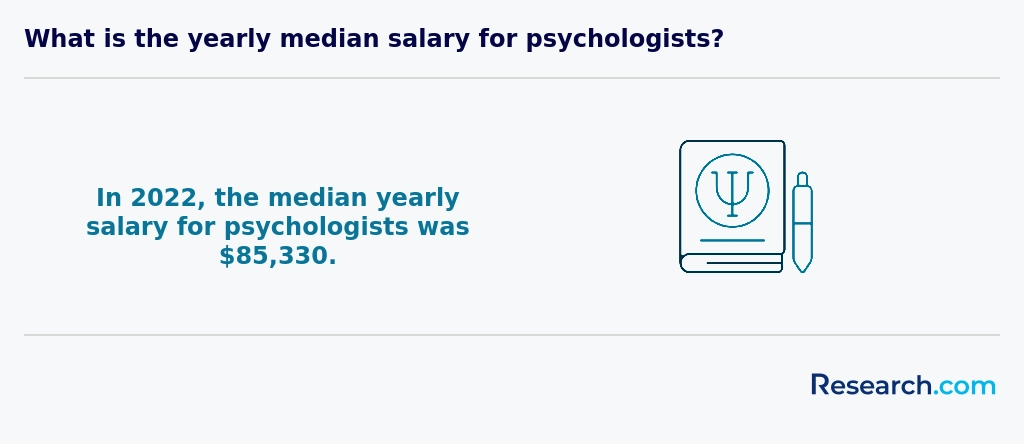
Graduates with psychology degrees from institutions like the University of Puerto Rico often find themselves earning between $30,000 and $83,000 annually, depending on their chosen career path and level of education. Entry-level positions, such as Childcare Worker roles, typically offer mean annual wages around $32,070, providing a solid foundation for recent graduates starting out in the territories.
More specialized careers aligned with psychology, like Clinical Research Associates or Survey Researchers, show promising median salaries near $62,370 per year. For those pursuing Human Resources Specialist roles, mean wages rise further to approximately $76,060, reflecting the value of psychological expertise in organizational settings.
Marketing Research Analysts, who utilize psychological principles to understand consumer behavior, command some of the highest average wages-about $83,190 annually-which can be encouraging for students aiming to combine psychology with business.
Graduates recall the rewarding feeling of applying their knowledge in local hospitals and schools, noting how their skills open doors even where private sector options are limited. Many are optimistic about expanding opportunities as healthcare and educational infrastructure grow in the territories, potentially raising future salary prospects.
These experiences highlight that while salaries in the USA Territories may currently be lower than on the mainland, the relative cost of living combined with emerging job markets makes a psychology degree a hopeful investment for career-minded students.
- The USA Territories include Puerto Rico, Guam, the U.S. Virgin Islands, American Samoa, and the Northern Mariana Islands.
- Tuition at public universities in Puerto Rico ranges from $3,000 to $6,000 annually for in-state residents, with private schools generally costing more.
- Entry-level psychology salaries range from $30,000 to $40,000, while experienced professionals may earn between $50,000 and $60,000.
- Job opportunities are mainly in clinical counseling, social services, education, and government but the market is smaller than on the mainland.
- Licensure usually requires a master's or doctoral degree, supervised hours, and passing standardized exams recognized across U.S. jurisdictions.
Completing a psychology degree in the USA Territories typically mirrors the mainland timeline, with most undergraduates finishing in about four years at institutions like the University of Guam or the University of the Virgin Islands. Graduates often share how the close-knit campus communities and smaller class sizes create a supportive environment, helping them stay motivated throughout their studies.
For those pursuing advanced degrees, timelines extend naturally-master's programs add roughly two years, while doctoral degrees can span from four to seven years depending on the specialization and required research. Many students appreciate the flexibility gained through partnerships between local colleges and mainland universities, allowing them to take online courses when needed.
Some graduates highlight how hybrid learning models have enabled them to balance work, family, and studies, making the journey feel more manageable. Access to local internships and research opportunities, although sometimes limited, often sparks enthusiasm and shapes career clarity earlier than expected.
Looking ahead, expanding online offerings and strengthened university collaborations may shorten degree completion times, making a psychology education in the Territories even more accessible and rewarding for future students.
Graduates from psychology programs in the USA Territories often describe the difference between online and on-campus study as a choice between immersive community and flexible independence. On-campus programs at institutions like the University of Guam provide hands-on opportunities-such as supervised practicums in local clinics-allowing students to build strong, face-to-face connections with professors and peers while accessing campus resources like counseling centers.
Conversely, online graduates from colleges serving the U.S. Virgin Islands highlight the freedom to balance studies with family life or remote work, thanks to digital platforms that bring lectures and discussions directly to their devices. This flexibility can be life-changing for those living in geographically isolated areas where commutes to campus are challenging.
Looking forward, hybrid models combining the best of both worlds might thrive, offering real-time virtual labs alongside occasional in-person workshops. As online platforms evolve, future psychology students in the USA Territories could expect affordable tuition with rich, interactive experiences tailored to their unique needs and locations.
The average cost of a psychology degree in the USA Territories typically centers around a median total of $18,569, with in-state students often paying significantly less-about $5,986 on average. Graduates from institutions like the University of Puerto Rico or the University of Guam frequently share how these more affordable psychology degree programs total cost allowed them to pursue their passion without the heavy financial burdens common on the mainland. Many describe feeling relief and motivation knowing their investment remained manageable, helping them focus fully on academic and professional growth.
Studying psychology in the USA Territories often means benefiting from localized funding and institutional resources that keep expenses competitive. For example, a student attending a public university in Puerto Rico might find tuition rates well below mainland averages, making it easier to budget for additional costs like textbooks and living expenses. Still, out-of-state students or those from other territories may encounter higher fees, emphasizing the importance of confirming residency status early. This affordability factor often encourages students to stay connected to their communities while completing their education.
Future trends may bring increased scholarships and federal aid, enhancing accessibility further. Many students take advantage of Title IV federal aid, easing the path toward degree completion. As the demand for affordable education increases, institutions could expand programs to include more flexible or hybrid learning options. Those intent on minimizing educational debt might explore the social and financial advantages of these territories before deciding on psychology as a career, weighing their investment carefully and seeking the most profitable major options alongside their studies.
Students pursuing psychology degrees in the USA Territories often find financial aid that not only lessens their economic burden but also opens doors to future opportunities. Graduates from the University of Puerto Rico frequently share how Pell Grants, which can offer up to $7,395 annually, provided crucial support during their studies, helping them focus on coursework instead of financial stress.
Federal loans like Direct Subsidized and Unsubsidized Loans are common lifelines, allowing students in Guam and other territories to access graduate programs with manageable repayment plans, making advanced psychology careers seem more attainable. One graduate recalls how local scholarships from their institution, funded by both government and private donors, made pursuing specialized psychology research possible without overwhelming debt.
Looking ahead, the Guam Higher Education Scholarship Program's role in supporting residents attending island or mainland universities highlights a growing trend of community-driven aid. Students across territories increasingly benefit from external awards by organizations such as the APA, which fuel their passion for research and clinical practice focused on underserved populations.
These evolving financial aid options not only ease access but inspire optimism and determination among psychology students throughout the territories.
After completing a psychology degree in the USA Territories, you’ll need to meet each territory’s licensing standards before practicing clinically. While specifics vary, most boards require:
- Graduation from an accredited psychology program
- Completion of a supervised internship or practicum (usually 1,500–2,000 hours)
- Passing the Examination for Professional Practice in Psychology (EPPP)
- Fulfillment of any territory-specific jurisprudence or ethics exam
- Submission of your application and official transcripts to the local psychology board
Renewals often involve continuing education credits every 1–2 years. For those aiming to fast-track clinical training, consider exploring psyd programs online that meet accreditation and licensure prerequisites.
Students aiming to enroll in psychology degree programs in the USA Territories will typically need a high school diploma or GED, with a strong foundation in English, math, natural sciences, and social studies. Graduates from universities like the University of Puerto Rico often recall how emphasizing these subjects helped them feel confident during their applications and early coursework.
Many programs request standardized test scores like the SAT or ACT, though some schools are adopting test-optional policies to increase accessibility. A psychology student at the University of Puerto Rico shared that submitting their scores, even when optional, boosted their sense of preparedness and encouraged a positive start to their academic journey.
Additional prerequisites often include official transcripts, recommendation letters, personal statements highlighting genuine interest in psychology, and proof of residency or citizenship within the territories. For graduate degrees, holding a relevant bachelor's degree with a competitive GPA-usually around 3.0-is standard, alongside specific prerequisite courses.
With ongoing adaptations in admission criteria and affordable tuition compared to the mainland, future students in territories like Guam or the U.S. Virgin Islands will likely find even more supportive and flexible pathways to pursue psychology degrees.
Psychology degree programs in the USA Territories, such as those at the University of Puerto Rico, typically include courses that blend foundational knowledge with practical insights. Graduates often share how courses like Introduction to Psychology opened their eyes to the science behind human behavior, making everyday interactions feel more meaningful.
Core subjects usually consist of Research Methods and Statistics, Biological Psychology, and Developmental Psychology, which together provide a well-rounded understanding of both theory and application. Students from Territorials campuses often describe how hands-on research projects helped them connect theories to real community issues, deepening their engagement with the material.
Electives in areas like forensic or health psychology allow students to tailor their studies to emerging needs, reflecting trends toward mental health awareness in local populations. Social Psychology classes frequently inspire students as they witness how cultural dynamics unique to the Territories influence individual behavior and group interactions.
Looking ahead, these programs are expected to further incorporate technology and cross-disciplinary approaches, preparing students for diverse roles while maintaining a strong connection to the cultural context they know best.
In the USA Territories, psychology degree specializations blend classic disciplines like clinical, counseling, developmental, and educational psychology with emerging fields tailored to local cultural dynamics. Graduates from universities in Puerto Rico or Guam often highlight how clinical psychology prepares them to meet the urgent mental health needs unique to their communities, fostering a deep sense of purpose and connection. Developmental psychology programs frequently explore cultural factors influencing growth, offering students a more personalized understanding of human behavior that resonates with their own diverse backgrounds.
Students passionate about community impact find multicultural or community psychology especially rewarding, as it equips them to support indigenous populations with culturally sensitive methods. Educational psychology remains a steadfast option, with specialists contributing to enhanced school environments and special education programs across the territories. These affordable psychology major options in USA Territories attract many who value practical training alongside theory, ensuring readiness for local professional demands.
Looking ahead, the integration of technology and online learning may further expand access, enabling ambitious students to explore accelerated paths like 2-year phd programs online that complement their territorial studies and career goals.
Choosing the best psychology degree in the USA Territories means looking beyond just reputation to how programs fit your unique lifestyle and goals. Graduates from popular colleges in the region often share how flexible, part-time, or online options allowed them to balance study with family or work. These practical features are vital for territorial students who may need tailored schedules. Prioritizing accredited programs also ensures your degree holds value for licensure and employment locally and beyond. Looking ahead, psychology programs increasingly embed culturally relevant fieldwork, preparing students to address the specific community needs of the Territories, which many alumni find both rewarding and motivating.
Cost remains a real concern, but some institutions offer in-state tuition or financial aid specific to residents, making affordable psychology degree programs in USA Territories more accessible than ever. Considering future job markets, psychology graduates often enter social services or education sectors, where local connections matter greatly. For students curious about career returns, exploring what are the highest paying trades can spark ideas on combining psychology skills with other in-demand fields.

Psychology graduates in the USA Territories find a rich landscape of career paths, buoyed by growing demand in community mental health services. Many graduates from popular institutions like the University of Puerto Rico experience rewarding roles as licensed therapists, helping address rising mental health awareness locally. This rise in opportunity reflects broader job prospects for psychology graduates in USA Territories, where positions in school psychology and educational support services are expanding to meet the needs of diverse student populations.
Others pursue fulfilling careers in research or healthcare administration, often collaborating with mainland universities to explore culturally relevant psychological studies that improve public health outcomes. These graduates often describe their work as meaningful and impactful within their communities, which strengthens their connection to the region.
Affordability at local universities encourages more students to enroll in psychology programs, making professional success feel achievable and inspiring. Those interested in advanced studies can explore psyd programs online that accommodate their unique needs while building valuable expertise to serve the USA Territories.
- Mental Health Counselor
- School Psychologist
- Research Assistant
- Healthcare Administrator
- Social Services Coordinator
The job market for psychology degree holders in the USA Territories presents unique opportunities closely tied to local community needs. Graduates from popular universities and colleges in Puerto Rico, Guam, and the U.S. Virgin Islands often find rewarding roles in school psychology or community mental health services, where their impact feels immediate and meaningful. Many report a strong sense of fulfillment working within smaller populations, helping to build mental health awareness and support systems from the ground up.
Psychology degree job opportunities USA Territories are shaped by limited but growing demand, with emerging telepsychology options expanding possibilities beyond geographic boundaries. Graduates frequently emphasize how affordability and cultural familiarity at these institutions enhance their education and prepare them to address territorial-specific challenges, such as funding constraints or licensing variations.
Those pursuing careers locally appreciate the realistic pathway from degree to meaningful public health roles, while ambitious candidates weigh remote employment to access wider markets. For students eager to balance community ties with broad professional growth, exploring options like the anchors part-time Ph.D. in economics can provide valuable flexibility in a competitive but evolving employment outlook for psychology graduates in USA Territories.
2027 Most Affordable Psychology Degree Programs Ranking in the USA Territories
Investing in your education is a significant decision that can shape your future, and the Research.com team fully recognizes the importance of making well-informed choices. To support prospective students seeking affordable psychology degree programs in USA territories, we have carefully developed the "2027 Most Affordable Psychology Degree Programs Ranking in the USA Territories." Our dedication to quality, credibility, and accuracy is demonstrated through thorough research and analysis underpinning this ranking.
We utilized the following reputable data sources to ensure a comprehensive and reliable evaluation:
By exploring this ranking, readers will gain valuable insights into affordable psychology degree options, enabling them to make confident educational decisions that align with their goals and budgets. For a deeper understanding of how this ranking was constructed, please visit our Research.com methodology page.

# 3 position
Pontifical Catholic University of Puerto Rico-Ponce
Bachelor of Arts in Psychology
# 4 position
Pontifical Catholic University of Puerto Rico-Ponce
Doctor of Philosophy in Clinical Psychology
# 5 position
Pontifical Catholic University of Puerto Rico-Ponce
Master of Arts in Psychology

# 11 position
Inter American University of Puerto Rico-San German
Master of Arts in Counseling Psychology


# 19 position
Universidad Ana G. Mendez-Gurabo Campus
Master of Arts in Psychology
# 20 position
Universidad Ana G. Mendez-Gurabo Campus
Bachelor of Science in Psychology
Frequently Asked Questions About psychology
Psychology degree students in the USA Territories can enhance their learning by actively engaging in both academic and practical experiences. Since opportunities in territories like Puerto Rico and Guam are growing, students should seek internships or volunteer roles in local health centers or schools to apply psychological theories in real settings. According to the National Center for Education Statistics, these experiences improve understanding and employability.
Utilizing online resources from accredited U.S. institutions can supplement limited local course offerings. Joining regional psychology associations also helps build professional networks. Finally, staying informed about licensure requirements specific to each territory ensures relevant training and career readiness.
Psychology is evolving rapidly, with new specialties gaining attention in the USA Territories. One emerging niche is telepsychology, driven by increased internet access and the need for remote mental health services in regions like Puerto Rico and Guam. This area allows psychologists to provide counseling and therapy through digital platforms, improving accessibility.
Another growing field is cultural and community psychology, focusing on the unique social and cultural dynamics of island populations. Professionals in this niche address mental health disparities linked to language, identity, and historical context, as highlighted by data from the National Institute of Mental Health.
Additionally, health psychology is expanding, concentrating on the link between mental health and chronic illnesses common in the Territories, such as diabetes and heart disease. This integration supports holistic patient care.
Graduates holding psychology degrees in the USA Territories face unique job market challenges due to limited local positions and licensing requirements. To prepare effectively, it is essential to complete internships or practicum experiences during study, ideally within community agencies or healthcare settings.
Networking with local professionals and joining organizations such as the American Psychological Association's divisions can provide valuable connections and updates on employment trends. Many graduates pursue licensure as a Licensed Psychologist or Licensed Professional Counselor, which requires passing exams and supervised hours, per each territory's regulation.
Additionally, considering online or mainland U.S. opportunities may expand job possibilities, as local job growth in psychology is more modest compared to states. Data from the Bureau of Labor Statistics emphasizes that psychology roles in territories often require flexibility in licensure and specialization.
Employers in the USA Territories seek psychology graduates with strong critical thinking and communication skills. These abilities are essential for analyzing behavioral data and effectively interacting with clients or colleagues. According to the American Psychological Association, cultural competence is vital due to the region's diverse populations, helping professionals address unique community needs sensitively.
Research skills are also highly valued, enabling graduates to contribute to evidence-based practices. Familiarity with data analysis software and ethical standards is commonly required. Additionally, employers appreciate adaptability and problem-solving capabilities, which support roles in various settings like schools, healthcare, or social services.
Being bilingual or multilingual can provide a significant advantage in the USA Territories, enhancing service accessibility. These competencies collectively prepare graduates to meet workforce demands and promote mental health effectively across these communities.
Finding internships relevant to a psychology degree in the USA Territories involves leveraging local resources and educational institutions. Students should start by contacting the psychology departments of colleges such as the University of Guam or the University of the Virgin Islands, as these often have established relationships with community organizations and clinics.
Internship opportunities frequently arise within mental health agencies, hospitals, social service providers, and public health departments. According to the U.S. Bureau of Labor Statistics, these sectors offer valuable hands-on experiences vital for psychology students. Networking through campus career centers and regional professional groups can also uncover more placements.
Additionally, students can explore internships listed on national platforms like the Psi Chi Internship Program, which sometimes include remote or territory-based options. Early planning and direct communication with supervisors increase chances of securing relevant internships critical for practical training and licensure preparation.
A psychology degree in the USA Territories can significantly enhance career mobility and advancement within various sectors, including healthcare, education, social services, and business. Many employers in these regions value formal qualifications in psychology, especially for roles involving counseling, behavioral analysis, and community support. According to the U.S. Bureau of Labor Statistics, employment of psychologists is projected to grow nationally by 8% from 2021 to 2031, a trend likely to impact the Territories as well.
Locally, degree holders often qualify for professional licensure, which unlocks higher-level job opportunities and salary potential. Additionally, psychology graduates possess transferable skills such as critical thinking, communication, and research abilities, which support advancement into management or specialized positions. Institutions in the Territories are increasingly aligning programs with U.S. accreditation standards, improving graduates' competitive edge both locally and on the mainland.
Studying for a psychology degree in the USA Territories equips students with skills that are valuable across multiple disciplines. Programs typically emphasize research methods, critical thinking, and applied psychology, fostering versatile abilities suited for healthcare, education, social services, and business sectors. Because these territories often have smaller, close-knit academic communities, students gain practical experience by collaborating in diverse roles alongside professionals in medicine, social work, and public health.
Institutions follow U.S. accreditation standards, ensuring curriculum quality and recognition nationwide. According to the National Center for Education Statistics, psychology graduates from these regions show strong employment rates in interdisciplinary fields, reflecting their broad, applicable training.
Choosing between a thesis and a non-thesis psychology degree program in the USA Territories depends largely on your career goals. A thesis program emphasizes research skills, preparing students for roles in academic or clinical research. It typically requires completion of an original study and defense, which can extend the time to graduate.
Non-thesis programs focus more on coursework and practical application, ideal for students aiming for direct practice or administrative roles in psychology. These programs often allow earlier graduation and may include internships.
According to the U.S. Department of Education, programs in territories like Puerto Rico and Guam follow similar structures to mainland institutions but may have fewer options. Prospective students should also consider faculty expertise and available resources when deciding.
Students based in the USA Territories seeking psychology degrees abroad have several pathways within the US higher education system. Many choose to enroll in accredited online programs offered by mainland US universities, allowing them to study remotely without relocating. Institutions like the University of Puerto Rico provide strong psychology curricula recognized across the US. Additionally, students may apply to regional US campuses or mainland universities that admit residents of territories, often qualifying for in-state or reduced tuition rates.
It is important to verify program accreditation through the American Psychological Association or regional accreditors, as this impacts licensure eligibility. According to the US Department of Education, approximately 15% of students from territories pursue full degree programs online to overcome geographic and financial barriers.
Financial aid and scholarships specifically for territorial residents are limited but available through federal Title IV programs when affiliated with accredited US institutions.
Part-time job opportunities in the USA Territories that complement psychology degree education often include roles in community health centers, social service agencies, and educational settings. Students can serve as behavioral health aides or mental health support workers, gaining valuable hands-on experience with diverse populations. According to the U.S. Bureau of Labor Statistics, psychology-related roles in territories like Puerto Rico and Guam are growing steadily, reflecting a rising demand for mental health services.
Positions such as research assistants in local universities or clinics also align well with academic goals, providing practical insights into psychological studies. Additionally, crisis hotline volunteers offer important exposure to counseling techniques and client communication.
These part-time jobs not only enhance resumes but also build essential skills for future licensure and employment in psychology fields within the territories.
Psychology students in the USA Territories have various networking opportunities through local universities and professional organizations. Institutions such as the University of Puerto Rico and the University of Guam often host conferences, workshops, and seminars that connect students with faculty, alumni, and regional psychologists. These events facilitate collaboration and mentorship important for career development.
Additionally, students can engage with branches of national associations like the American Psychological Association (APA), which supports members in territories through regional divisions. Such affiliations provide access to internships and research projects aligned with mainland standards.
Community-based programs in the territories also offer practical experiences where students meet professionals working in diverse cultural settings, enhancing their career prospects.
Alumni networks in the USA Territories play a significant role in supporting psychology degree students. These networks connect current students with graduates who have professional experience in psychology, offering mentorship and career advice. According to the American Psychological Association, such connections increase students' chances of securing internships and job placements by 30% compared to students without access to alumni support.
Moreover, alumni often share information about local job openings and research opportunities in territories like Puerto Rico and Guam, which have unique psychological health needs. This localized insight helps students navigate the regional job market more effectively.
Engaging with alumni networks also promotes collaborative research projects and continuous learning, essential for psychology professionals. This ongoing relationship benefits students aiming to build strong professional reputations within the USA Territories' psychology community.
Customizing a psychology degree program in the USA Territories allows students to focus on areas that align closely with their career goals. Many accredited institutions offer elective courses in specialties like clinical psychology, counseling, or educational psychology. Students can also gain relevant experience through internships or practicum placements within local healthcare facilities or community organizations, which is important for licensure.
The University of Puerto Rico, for example, provides diverse research opportunities and specializations tailored to regional mental health needs, supported by data from the American Psychological Association. Utilizing such local resources helps students address specific community issues while preparing for licensure in the Territories.
Psychology students in the USA Territories often face distinct challenges compared to those on the mainland. Limited local access to accredited psychology programs is a significant hurdle, with many students needing to enroll online or relocate for in-person study. According to the American Psychological Association, the availability of doctoral-level programs in these regions is scarce, which affects career opportunities in clinical psychology.
Financial constraints also impact students disproportionately. Federal financial aid formulas do not always reflect the unique costs of studying in territories such as Puerto Rico or Guam. Additionally, internship placements, which are essential for licensure, can be scarce locally, forcing students to seek opportunities off-island.
Language diversity and cultural differences require students to adapt their training to varied populations. These factors make access to specialized supervision and mentorship more complex compared to mainland settings, influencing the quality of practical experiences available.
With a psychology degree in the USA Territories, students can pursue several professional certifications to enhance their career opportunities. Common certifications include becoming a Licensed Professional Counselor (LPC) or a Licensed Mental Health Counselor (LMHC), which require additional supervised hours and passing licensing exams specific to each territory.
Psychology graduates may also obtain certification as a Certified Alcohol and Drug Counselor (CADC), a credential valuable in addiction treatment roles. For advanced practice, becoming a Licensed Psychologist involves earning a doctoral degree and fulfilling state or territorial licensing requirements.
Other certifications include behavioral analyst credentials, such as the Board Certified Behavior Analyst (BCBA), which are increasingly recognized in the territories for services related to autism and developmental disorders (source: Association for Behavior Analysis International).
Applying for a psychology program in the USA Territories requires careful preparation to stand out. First, ensure your academic record is strong; many programs expect a minimum GPA of 3.0. Highlight relevant coursework and any psychology-related experience. Personal statements are crucial-clearly express your motivation and understanding of psychology's role in local communities.
Letters of recommendation should come from professors or professionals familiar with your skills and work ethic. Standardized tests like the GRE may be required, so prepare thoroughly.
Research local institutions accredited by recognized bodies such as the Middle States Commission on Higher Education to confirm your application's validity.
Psychology careers in the USA Territories align closely with trends seen throughout the United States. Graduates often pursue roles in mental health services, education, and research. According to the U.S. Bureau of Labor Statistics, the demand for psychologists is expected to grow by 8% from 2022 to 2032 nationwide, reflecting a global focus on mental health awareness.
In the territories, psychology programs typically follow U.S. accreditation standards, allowing graduates to work across states and territories with proper licensure. Local cultural diversity enhances the appeal of psychologists trained in these regions, as they bring unique insights into multicultural populations.
Furthermore, international psychology organizations recognize U.S.-based degrees, providing graduates with opportunities for collaboration and further study worldwide.
Gaining practical experience while studying psychology in the USA Territories is essential for career readiness. Many institutions in these regions offer internships and supervised fieldwork as part of their curriculum. For example, the University of Guam provides internship opportunities within local healthcare and social service agencies, allowing students to apply psychological theories in real-world settings.
Students can also seek volunteer roles in community mental health centers across the territories. According to the U.S. Bureau of Labor Statistics, hands-on experience greatly improves employment prospects for psychology graduates. Additionally, some programs may include research assistant positions, which help students develop critical skills in data collection and analysis.
Choosing the right concentration within a psychology degree program in the USA Territories involves considering your career goals and local job market demands. Common concentrations include clinical, counseling, educational, and industrial-organizational psychology. For example, in Puerto Rico, clinical psychology is in high demand due to increasing mental health awareness, as reported by the Puerto Rico Health Department.
Research available programs and verify their accreditation through the United States Department of Education or the Council for Higher Education Accreditation (CHEA). Accredited programs ensure recognized credentials.
Additionally, evaluate if programs offer internships or practicum opportunities within the Territories, which are crucial for hands-on experience and licensure eligibility. Consulting local professional psychology associations can also provide insights into in-demand specializations.
See What Experts Have To Say About Studying Psychology
Read our interview with Psychology experts

Joann Farrell Quinn, Ph.D., MBA
Psychology Expert
Director at the College of Medicine Department of Medical Education
Morsani College of Medicine

Robin M. Kowalski. Ph.D.
Psychology Expert
Professor of Psychology
Clemson University

Elizabeth L. Jeglic Ph.D.
Psychology Expert
Professor of Psychology
City University of New York

- Study Psychology in USA https://www.collabinternational.com/study-psychology-in-usa
- A Guide to Psychology Internships | Psychology Degree Guide https://psychologydegreeguide.org/resources/internships/
- How Psychology Students Can Get Clinical Experience Before Graduating | The Playful Psychologist https://www.theplayfulpsychologist.com/post/students-experience-how-to-get-the-experience-you-need-before-you-graduate
- Benefits of Studying Psychology Abroad https://www.semesteratsea.org/psychology-study-abroad/
- Sample letters in psychology https://www.mystudies.com/en-in/human-and-social-sciences/psychology/letter-model/
- What can I do with a psychology degree? https://www.hull.ac.uk/study/undergraduate/courses/psychology-bsc-hons/what-can-i-do-with-a-psychology-degree
- Psychology https://www.ualberta.ca/en/undergraduate-programs/bachelor-of-arts-psychology.html
- Scholarships and financial aid for students - SWPS University https://english.swps.pl/programs/apply-for-scholarships/scholarships-financial-aid
- Community Psychology in Global Perspective http://siba-ese.unisalento.it/index.php/cpgp
- Professional Networking For Psychologists | Psychology.org https://www.psychology.org/resources/professional-networking/


