
2027 Best Psychology Degree Programs Ranking in Missoula

Co-Founder and Chief Data Scientist
Choosing the right psychology degree program in Missoula can feel overwhelming. This article presents the 2027 Best Psychology Degree Programs Ranking in Missoula, created by the Research.com team of data scientists. Their careful analysis helps you discover which programs stand out for quality and career potential.
By exploring this ranking, you'll gain confidence in making an informed decision about your education. A psychology degree opens doors to meaningful work, personal growth, and impactful connections. Dive in to find the best fit for your goals and start your rewarding journey today.
Key benefits of getting psychology degree in Missoula
- Salary for psychology degree graduates: Graduates can earn competitive wages, such as Clinical Research Associates making about $62,370 annually and Marketing Research Analysts earning around $83,190 per year in Missoula.
- Career paths: A psychology graduate from the University of Montana in Missoula can explore roles like Human Resources Specialist or Survey Researcher, enjoying diverse job options and steady growth opportunities.
- Online degree benefits: Earning a psychology degree online offers flexibility and convenience, perfect for balancing work and study while gaining the same valuable skills as traditional campus programs.
- 2027 Best Psychology Degree Programs Ranking in Missoula
- What can I expect from psychology degree in Missoula?
- Where can I work with psychology degree in Missoula?
What can I expect from psychology degree in Missoula?
Imagine stepping into the University of Montana campus, where the average cost of pursuing a psychology degree sways around $8,000 per year for in-state students, making it a genuinely accessible investment in your future. Graduates often recall balancing tight budgets while diving into hands-on research, internships, and lively classes. Out-of-state students, meanwhile, prepare for a higher tuition bill, closer to $27,000 annually, but often find scholarships and local internships easing their financial load.
Picture yourself collaborating on community mental health projects in Missoula's cozy clinics, knowing the cost you're paying not only unlocks textbooks but real-world experience with compassionate professionals. Graduates cherish how smaller class sizes mean professors truly see you, transforming that tuition into mentorship-priceless in the journey to becoming a licensed psychologist.
The balance between affordable tuition and immersive practicum here turns the expense of a Missoula psychology degree into a doorway, not a barrier, to a rewarding career helping others.
Where can I work with psychology degree in Missoula?
Imagine stepping out of the University of Montana proud and ready, diploma in hand, only to find the thriving mental health clinics of Missoula eager for your skills. Graduates often land roles in cozy counseling centers where they weave empathy into therapy, helping folks from all walks of life navigate their inner struggles. It's not just the clinical side-many find themselves as school counselors or research assistants right on campus, shaping minds while offering support to students balancing their own challenges.
Picture collaborating with the City-County Health Department, crafting programs that impact public health or battling substance abuse, all while feeling the pulse of Missoula's close-knit community. Some graduates dive into research projects, exploring behavioral health mysteries alongside professors, fueled by curiosity and a passion for discovery.
Whether stepping into social services, education, or research, psychology grads here experience a career path as vibrant and varied as Missoula itself-where every day feels like a chance to make a real difference.
Imagine graduating from the University of Montana with a psychology degree and stepping into Missoula's local job market. You could land a role as a Human Resources Specialist, earning around $76,060 a year, blending your understanding of human behavior with organizational needs. Or, perhaps the path of a Marketing Research Analyst fascinates you, where your analytical skills pay off at about $83,190 annually, helping businesses decode consumer minds.
Some graduates find themselves drawn to more research-intensive jobs, like Clinical Research Associates or Survey Researchers, both offering mean wages near $62,370. Picture working alongside university research teams tackling mental health studies, contributing to groundbreaking insights right in your college town.
Missoula's warm community vibe and opportunities allow new graduates to grow, with salaries reflecting local cost of living. The psychology degree here isn't just a certificate; it's your key to real-world roles that pay well and feel meaningful.
- The University of Montana in Missoula offers undergraduate and graduate psychology degrees with research and applied tracks.
- In-state tuition for a bachelor's degree is about $8,500 per year, while out-of-state tuition is around $27,000 annually.
- Entry-level psychology jobs in Missoula typically pay between $40,000 and $45,000 per year.
- Advanced degree holders can earn salaries from $70,000 to $90,000 depending on their specialization and employer.
- Psychology employment in Montana is expected to grow by about 10% over the next decade.
In Missoula, diving into a psychology degree often feels like embarking on a four-year voyage at the University of Montana, where dedicated graduates recall balancing lively lectures with late-night study marathons. Picture juggling core psychology classes alongside those welcomed electives, sprinkled with hands-on research or eye-opening internships. This mix sometimes nudges the timeline beyond four years, but students cherish the richer experience and clearer career path it brings.
For those seeking to sharpen their expertise, the master's programs stretch the journey to about two or three years, weaving coursework and thesis creation into an immersive academic tapestry. Imagine the thrill of crafting original research that could change perspectives.
Doctoral aspirants embrace a longer narrative-five to seven transformative years unraveling complex theories and clinical secrets under Missoula's skies. Graduates in these programs often speak of the deep satisfaction that comes with blending intensive study and meaningful practice.
Financial realities gently shape these timelines too, as annual tuition hovers around $7,000 to $9,000 for locals, influencing choices between full-time enthusiasm and part-time persistence.
When choosing a psychology program, one crucial aspect to consider is affordability. Prospective students often find themselves weighing the costs of tuition, living expenses, and additional fees against the potential benefits of their desired degree. The cost of attending a psychology program can vary significantly, with factors such as location, institution type, and degree level all playing a role. For those looking to pursue a psychology degree in Montana, exploring options for an affordable psychology school in Montana can be a strategic move. By considering affordability alongside other factors such as program reputation, accreditation, and career support services, students can make informed decisions that align with their financial situation and career aspirations.
Imagine juggling a psychology degree while hiking the Bitterroot Mountains-online programs in Missoula let you do just that, weaving studies into a life lived outdoors. Graduates from the University of Montana's online program recall mornings spent with video lectures before hitting the trails, savoring flexibility that bends around seasonal jobs and family rhythms. Yet, some feel the subtle ache of missing hallway chatter and spontaneous debates.
Contrast that with the pulse of on-campus life, where psychology students at Montana's flagship university dive into intense seminars and collaborative labs. The energy of face-to-face mentorship and late-night study sessions at Mansfield Library fuels a different kind of inspiration, creating bonds as deep as the Clark Fork River.
Cost whispers its own narrative: online learners dodge campus fees and pricey Missoula housing, while on-campus peers invest in immersive experiences and close-knit networking. Both paths-virtual or physical-carry the promise of accredited degrees, recognized by local employers and graduate schools, each fitting distinct personalities like bespoke cognitive maps.
Start planning at least a year in advance:
- Summer (June–August): Research Missoula programs, review prerequisites, and attend virtual or campus info sessions.
- Early Fall (September–October): Gather transcripts, request two to three letters of recommendation, and draft your personal statement.
- November 1: Submit applications to meet common Fall deadlines; complete FAFSA for financial aid.
- December–January: Interview with faculty or visit campuses; compare acceptance offers and financial aid packages.
- February–March: Confirm enrollment, secure housing, and register for orientation.
Tips for a standout application:
- Showcase relevant experience: internships, volunteer work, or research projects demonstrate commitment.
- Highlight academic strengths: emphasize coursework in statistics, biology, or introductory psychology.
Planning early ensures you meet deadlines and present a compelling application. For flexible study options that accelerate degree completion, explore a fast track psychology degree online.
Students diving into the journey of earning a psychology degree in Missoula often find that the average cost hovers around an accessible figure, with median in-state tuition and fees landing near $8,552. Imagine walking the hallways of the University of Montana, where many graduates recall the manageable cost as a breath of fresh mountain air against the backdrop of their academic aspirations. This pricing allows for a blend of high-quality education without breaking the bank, making the dream of understanding the human mind feel that much closer.
One common experience among psychology students in Missoula is balancing costs while engaging deeply with research projects, internships, and specialized coursework - all vital steps toward a fulfilling career. The psychology degree tuition and fees Missoula offers strike a practical balance that lets students focus on mastering psychological theories and methods without the looming stress of exorbitant expenses. Out-of-state students, though facing higher costs, benefit from a competitive total median near $49,125, which remains reasonable compared to other regions.
Such affordability encourages a vibrant student community, where many feel empowered to explore their passions fully. For those seeking options beyond Montana, especially folks comparing regional costs, consulting reputable florida psychology colleges can provide helpful perspective. In fact, exploring such resources like reputable florida psychology colleges can open doors to financial strategies while keeping eyes on the goal.

For students eager to explore niche career paths within psychology, sports psychology offers a dynamic intersection between the study of human behavior and athletic performance. This specialized field not only demands a solid foundation in general psychology but also emphasizes the development of skills that enable professionals to help athletes enhance mental resilience, manage performance anxiety, and set realistic goals. Graduates interested in this area can benefit from tailored internships and mentorship programs that bridge theory with real-world practice. Moreover, as the field continues to grow, many organizations actively seek candidates for a sports psychology job, providing ample opportunities for those who combine academic expertise with a passion for sports. Emphasizing both research and applied strategies, sports psychology careers involve collaboration with coaching staff and athletic trainers, ensuring that graduates are well-equipped to foster environments where both mental and physical well-being are prioritized. This emerging specialty not only enhances career prospects but also contributes significantly to the evolving landscape of psychological interventions in sports.
Imagine walking the halls of the University of Montana in Missoula, where budding psychologists find financial lifelines woven into their academic journey. Federal Pell Grants, shining like unexpected gifts, relieve the pressure of tuition that hovers near $8,000 for in-state students. These grants, which require no repayment, become a beacon of hope for those balancing passion with finances.
Picture a graduate recalling how FAFSA unlocked loans-subsidized for undergraduates, sparing interest while in school, and unsubsidized or Grad PLUS loans for graduate scholars eager to dive deeper into psychology's mysteries. State-level aid, like Montana State Grants, act as supportive whispers, stacking up to $1,500 to soothe the burden.
On-campus, work-study roles double as both paycheck and resume-builder, allowing students to engage with psychologically aligned tasks while funding their dreams. Institutional scholarships at UM often reward grit and academic brilliance, sometimes tailored for clinical or counseling specialties, sparking pride and motivation.
Finally, external scholarships from groups like the American Psychological Association transform dedication into dollars, fueling Brains & Hearts alike in this vibrant Missoula academic landscape.
After earning your psychology degree in Missoula, MT, understanding the licensure and certification journey is essential to unlocking clinical and counseling roles. Most entry-level positions, such as Licensed Professional Counselor (LPC) or Marriage and Family Therapist (MFT), require:
- A master’s degree in counseling or psychology from an APA-accredited program
- Completion of 2,000–4,000 supervised clinical hours
- Passing the Examination for Professional Practice in Psychology (EPPP) or relevant state exam Step 1: Graduate Education While a bachelor’s degree provides foundational knowledge, licensure boards typically mandate a graduate degree in counseling or clinical psychology. If you’re weighing undergraduate majors, see our detailed guide on do you need a bachelor’s in psychology to become a therapist for alternative pathways. Step 2: Supervised Experience Plan your practicum and internship hours early. Institutions like the University of Montana partner with local clinics, ensuring you accrue at least 1,500 practicum hours. Post-graduation, state boards often require an additional 1,000–2,000 supervised hours under a licensed supervisor. Step 3: Examination and Application Register for and pass the EPPP or state-specific exam. Gather your official transcripts, supervisor attestations, and application fees. Submit these to the Montana Board of Psychologists within 6–8 weeks before your intended practice start date. Continuing Education & Specialization Most licensures require annual continuing education units (CEUs). Consider certifications in areas such as trauma-informed care or child psychology to enhance employability. By mapping out each step-degree, hours, exam, and CEUs-you’ll navigate the pathway to becoming a fully licensed psychology professional.
Imagine stepping onto the vibrant campus of the University of Montana in Missoula, where your passion for psychology begins its journey. To enroll in this dynamic program, you first need a high school diploma or GED-a gateway ensuring you have the essential tools like reading and math. Graduates recall how mastering Algebra II and biology in high school shaped their confidence to dive into complex psychological theories.
Picture yourself discussing philosophies of mind with classmates who've all crossed the hurdle of a decent GPA, usually around 2.5 to 3.0, proving perseverance and readiness. Some remember the extra push of submitting SAT or ACT scores, even though Missoula's top programs sometimes flex on those requirements.
For the ambitious heading toward graduate studies, the narrative shifts-holding a bachelor's in psychology or a related field becomes your ticket. Alumni describe the thrill of building research skills and gaining hands-on experience in Montana's mental health centers, creating a rich foundation for future success.
After graduating with a psychology degree in Missoula, MT, aspiring professionals must follow state licensing steps to practice clinically:
- Accredited Degree: Hold a graduate degree (MA, MS, PsyD or PhD) from an APA-accredited program.
- Supervised Experience: Complete at least 2,000 post-graduate supervised hours under a licensed psychologist.
- Examination: Pass the Examination for Professional Practice in Psychology (EPPP) with a score that meets Montana Board standards.
- State Application: Submit official transcripts, EPPP results, and supervised-hours verification to the Montana Board of Psychologists.
- Continuing Education: Earn 30 board-approved CE credits every two years to maintain licensure.
For those aiming to fast-track foundational coursework, an accelerated psychology degree online can provide core psychology classes in a condensed timeframe.
In Missoula, psychology students at schools like the University of Montana dive headfirst into courses that feel like unlocking the mind's secret codes. From the very first steps, their journey begins with Introduction to Psychology, a gateway class where they explore everything from social quirks at a coffee shop to the biological rhythms ticking under their skin.
Graduates often recall how Research Methods and Statistics in Psychology transformed their approach-imagine shifting from casual guessing about friends' moods to analyzing data like a detective solving a mystery.
Courses like Cognitive Psychology and Biological Psychology take you deeper, explaining why your heart races before a test and how memory picks and chooses what to store. Students find themselves fascinated by Developmental Psychology, watching how behavior morphs from toddler tantrums to adult decision-making.
- Introduction to Psychology
- Research Methods and Statistics in Psychology
- Cognitive Psychology
- Biological Psychology
- Developmental Psychology
- Social Psychology
- Psychological Assessment and Testing
- Abnormal Psychology
- Clinical Psychology
Many say Social Psychology felt like a real-world lab, observing interactions on campus to decode human connection. Psychological Assessment and Testing sharpened their analytical eye, essential for anyone interested in clinical or counseling roles. The vast terrain of Abnormal and Clinical Psychology courses enables students to empathize and understand mental health complexities firsthand, preparing them for true impact in their careers.
In Missoula, psychology degree specializations weave a fascinating tapestry where clinical psychology stands out like a lighthouse for those drawn to healing minds in hospitals or counseling centers. Graduates from the University of Montana often recall their first encounters with psychological assessment-moments charged with empathy and discovery, fueling their passion for mental health care.
Missoula psychology program concentration options also open doors to developmental psychology, inviting students to dive into the mysteries of human growth from cradle to elder years. Imagine shaping early childhood programs that brighten futures or researching the cognitive dance of aging-this is the kind of impact graduates cherish deeply.
Other trails lead to cognitive psychology, where minds explore learning and decision-making like secret gardens waiting to be decoded. Industrial-organizational psychology adds its own spark; campus stories brim with excitement about improving real workplaces, boosting happiness and productivity through science. Many find joy blending fields-some even embark on unique journeys via online clinical psychology programs, tailoring their studies toward personal, vibrant career dreams.
Picture yourself diving into the vibrant psychology scene at the University of Montana, where graduates often rave about hands-on research in cognitive psychology labs that bring textbook theories to life. Choosing among the best psychology degree programs in Missoula means scouting for that perfect blend of flexible learning-many local colleges now offer hybrid and online options to juggle work, family, and study with ease.
Affordability rides shotgun on this journey. With annual tuition near $8,000 for in-state students, the University of Montana stands out against pricier private options. Affordable psychology degrees Missoula MT are not mere myths; they're the reality empowering students to chase dreams without crushing debt.
Consider how graduates cherish programs that intertwine rigorous academics with real-world internships in Missoula's clinics and hospitals, unlocking essential pathways to licensure. Those aiming at clinical work keep an eye on accreditation and licensing, often consulting the Wyoming counselor licensing board to navigate their career leap smoothly.
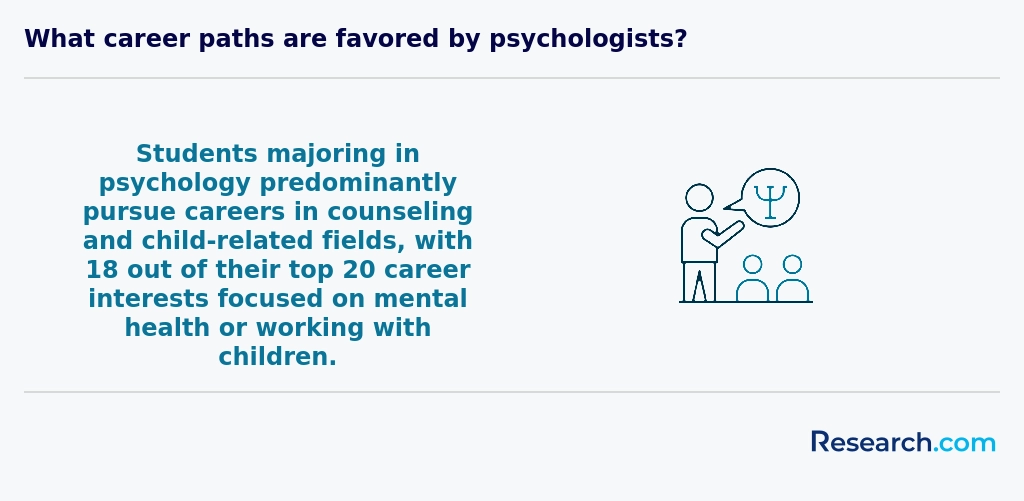
Graduates with a psychology degree in Missoula find themselves at the crossroads of possibility, where career paths ripple into diverse landscapes. Imagine supporting individuals as a clinical or counseling psychologist, where graduates from the University of Montana bring empathy and science together to mend minds and transform lives-reflecting the city's growing demand for mental health counselors. Some peers choose to navigate the halls of local schools, becoming school psychologists who decode learning struggles and build brighter futures for students amid Missoula's welcoming communities. Others dive into the intellectual currents of academia and research, joining professors and analysts shaping cognitive and developmental insights within Montana's universities, energized by a vibrant research environment.
Exploring industrial-organizational psychology is another pathway, where graduates optimize workplace energy and morale, echoing the real-world relevance of their studies in Missoula's evolving job market. These varied roles highlight the broad spectrum of psychology degree careers in Missoula, offering graduates a fulfilling mosaic of opportunities rooted in local needs and innovative thinking.
Choosing to pursue a psychology degree here also means investing wisely: many opt for an affordable psychology school in Montana, making advanced education attainable while planting the seeds for these promising career journeys.

The psychology degree job outlook Missoula offers a compelling blend of steady growth and heartfelt purpose. Graduates from local institutions like the University of Montana often describe a rewarding rhythm: working in community clinics where every conversation feels like a small victory, or joining substance abuse programs that transform lives in real time. These roles don't just pay the bills; they forge meaningful connections in a city craving mental health champions.
Missoula psychology career opportunities extend beyond traditional paths. Many find themselves recruited by public schools eager for skilled counselors who understand local challenges, or stepping into veteran-focused services where empathy meets expertise. The affordability of studying psychology here-around $8,000 per year for in-state students-makes it a magnet for those ready to invest in their future without overwhelming debt.
Even as salary numbers in Montana trail national figures, graduates report a strong sense of belonging and impact that rivals big-city hustle. For students dreaming of a sports psychology job or more specialized roles, Missoula's growing mental health network offers fertile ground to start and flourish.
2027 Best Psychology Degree Programs Ranking in Missoula
Investing in your education is a significant decision that can shape your future, and the Research.com team understands the importance of making informed choices. To assist prospective students in Missoula, we have meticulously crafted the "2027 Best Psychology Degree Programs Ranking in Missoula." Our commitment to quality, credibility, and accuracy is reflected in the extensive research and analysis conducted to compile this ranking.
We utilized the following reputable data sources to ensure a comprehensive evaluation of psychology programs:
By exploring this ranking, readers will gain valuable insights into the best psychology degree programs available in Missoula, helping them make informed decisions about their educational paths. For more details on our methodology, please visit our Research.com methodology page.

Frequently Asked Questions About psychology
Psychology degree students in Missoula can maximize their learning experience by engaging deeply with both academic and practical opportunities offered locally. The University of Montana, the main institution in Missoula offering psychology programs, encourages participation in research labs and community internships, which are crucial for applying theoretical knowledge. According to the university's 2023 data, over 60% of psychology undergraduates participate in experiential learning, enhancing their skills and employability.
Students should also take advantage of Missoula's mental health services and nonprofit organizations for volunteer work, gaining real-world insights. Networking with faculty members and attending psychology-related events within the community further enrich learning and professional growth.
The field of psychology is constantly evolving, with several emerging niches gaining attention across the United States, including Missoula. One growing area is neuropsychology, which focuses on understanding brain-behavior relationships and is increasingly important due to advances in brain imaging technology. Another promising niche is health psychology, addressing how mental health affects physical well-being, relevant given rising chronic illness rates.
Additionally, ecological psychology is gaining traction, particularly in regions like Montana, where environmental concerns intersect with mental health. Cyberpsychology, the study of human interaction with technology, also shows rapid growth due to digital lifestyle changes. According to the Bureau of Labor Statistics, demand for specialized psychologists is expected to grow 14% through 2032, reflecting these trends nationwide, including in Missoula.
After completing a psychology degree in Missoula, preparing for the job market involves several key steps. Graduates should seek internships and volunteer opportunities with local organizations such as the University of Montana's counseling centers or community mental health agencies. Practical experience is highly valued by employers.
Networking is another important aspect; joining local chapters of professional bodies like the Montana Psychological Association can help connect with potential employers. According to the U.S. Bureau of Labor Statistics, employment for psychology-related roles in Montana is expected to grow by about 8% from 2021 to 2031, indicating a steady demand.
Enhancing skills through certifications, such as in behavioral analysis or counseling techniques, can improve job prospects. Finally, many positions require graduate education or licensure, so planning for higher studies or credentials is advisable.
Employers hiring psychology degree graduates in Missoula prioritize strong communication skills, both verbal and written. These abilities are essential for effective client interactions and teamwork in clinical and research settings. Analytical skills are also highly valued, as interpreting data and applying psychological theories are crucial tasks.
Another key skill is cultural competence, reflecting Missoula's diverse population and the need for graduates to work sensitively with various groups. According to the Bureau of Labor Statistics, critical thinking and ethical judgment remain top attributes employers seek nationwide, including in Montana.
Lastly, familiarity with technology-such as data analysis software and electronic health records-is becoming increasingly important in the local job market.
Finding internships in Missoula relevant to a psychology degree involves leveraging local educational and professional resources. The University of Montana, located in Missoula, offers internship programs through its Department of Psychology, connecting students to community mental health centers, hospitals, and research labs. According to the university's career services, over 60% of psychology students secure internships locally before graduation.
Additionally, organizations such as Western Montana Mental Health and the Missoula Veterans Affairs Medical Center provide opportunities for hands-on experience in clinical and counseling settings. Networking through Missoula's nonprofit sector can also be beneficial. Utilizing platforms like Handshake and local job boards focused on Missoula is recommended to find updated internship listings.
In Missoula, holding a psychology degree can significantly impact career mobility and advancement opportunities. According to the U.S. Bureau of Labor Statistics, jobs in psychology and related mental health fields are projected to grow by 8% nationally from 2021 to 2031, slightly above the average for all occupations. In Missoula, the presence of health services and educational institutions creates demand for qualified psychology graduates.
Graduates with a bachelor's degree often start in entry-level roles such as case management or social services, while advanced degrees open doors to licensed clinical positions, counseling, or research roles. Local employers value practical experience combined with credentials.
Additionally, earning a psychology degree from accredited Montana institutions boosts networking with regional professionals, which helps with career advancement in Missoula's close-knit job market. Licensing requirements such as the Licensed Clinical Professional Counselor (LCPC) also encourage continuing education, further enhancing mobility.
Studying for a psychology degree in Missoula equips students with skills valuable across multiple fields. Local universities emphasize interdisciplinary learning, combining psychology with areas like healthcare, social work, and education.
Students gain hands-on experience through internships and community partnerships. For instance, the University of Montana offers programs linking psychology with environmental science and public health, reflecting regional needs. This fosters versatile problem-solving and collaboration skills.
According to the Bureau of Labor Statistics, jobs requiring both psychology and additional expertise, such as counseling or program management, grow steadily in Montana. Graduates from Missoula's programs are thus well-positioned to meet this demand by integrating knowledge from various disciplines.
Choosing between a thesis and a non-thesis psychology degree program in Missoula depends on your career goals and learning preferences. Thesis programs involve conducting original research and writing a detailed paper, which can be beneficial if you plan to pursue a PhD or a research-focused career. Non-thesis options usually emphasize coursework and practical experience, appealing to students aiming for professional practice or licensure as counselors or therapists.
In Missoula, the University of Montana offers both options, with thesis students often having access to research funding and faculty mentorship. According to the National Center for Education Statistics, thesis programs may take longer to complete due to research commitments.
Consider your long-term plans, workload capacity, and interest in research when making your choice.
Students based in Missoula interested in studying psychology abroad have several options through partnerships and exchange programs offered by the University of Montana, the city's primary higher education institution. The University of Montana's Department of Psychology supports study abroad initiatives in countries like the United Kingdom, Australia, and Germany, allowing students to earn credits toward their psychology degree while experiencing different cultural perspectives on mental health.
Participation in these programs typically requires maintaining good academic standing and planning ahead, as psychology courses must align with degree requirements. Costs vary, but financial aid and scholarships are often available to help with expenses.
The university's International Programs office provides guidance and resources, including health and safety information, facilitating a smoother transition for psychology students interested in global study opportunities.
Students pursuing psychology degrees in Missoula can find various part-time job opportunities that complement their academic studies. Common roles include research assistants at the University of Montana, where students gain hands-on experience with data collection and psychological experiments. According to the University of Montana's psychology department, such roles often provide hourly wages around $12 to $15, enhancing both skills and resumes.
Additionally, local mental health clinics and nonprofit organizations in Missoula sometimes offer part-time positions as behavioral health aides or peer support specialists. These jobs expose students to client interaction and therapeutic practices.
Another popular option is tutoring psychology courses for underclassmen or assisting in campus counseling centers, which helps deepen subject knowledge while developing communication skills.
Psychology students in Missoula benefit from a range of networking opportunities that enhance their academic and professional growth. The University of Montana, the city's main higher education institution, hosts regular events such as guest lectures and psychology club meetings, which allow students to connect with faculty and visiting professionals. According to the university's 2023 career outcomes report, nearly 60% of psychology graduates had engaged in internships or research collaborations during their studies, highlighting the practical networking access available.
Local organizations like the Montana Psychological Association provide additional chances for students to attend conferences and workshops. These events facilitate relationships with practitioners and researchers statewide. Furthermore, Missoula's community mental health centers often offer volunteer positions, giving students hands-on experience and professional contacts. Such opportunities are critical for students preparing for graduate school or careers in clinical, counseling, or research psychology.
Alumni networks provide valuable support to psychology degree students in Missoula by offering mentorship and career connections. Graduates often share internship opportunities and local job leads, helping current students navigate the competitive job market. According to the University of Montana's Career Services, 68% of psychology students secure positions through alumni referrals within six months of graduation.
These networks also facilitate professional development events such as workshops and panels, promoting continuous learning. Through connections in local mental health clinics and research institutions, students gain practical experience important for licensure and employment.
In sum, strong alumni communities enhance educational and career outcomes for psychology students in the Missoula area.
Customizing a psychology degree program in Missoula allows students to align their education with specific career goals. Local institutions often offer various concentrations such as clinical, counseling, or industrial-organizational psychology. Students can choose electives, participate in internships, or engage in research projects that reflect their interests.
The University of Montana, based in Missoula, provides options for hands-on experience through community partnerships and supervised practicums. This practical exposure is essential for licensure and employment in many psychology fields.
Advisors typically assist students in tailoring courses to include relevant skills like data analysis, ethics, or developmental psychology, enhancing job market readiness.
Psychology students in Missoula often face challenges balancing rigorous coursework with practical experience requirements. Many programs, such as those at the University of Montana, emphasize both theoretical studies and hands-on internships, which can be time-consuming and competitive to secure.
Financial pressures also affect students, with average undergraduate tuition around $8,588 per year for in-state students at public universities in Montana, according to the National Center for Education Statistics. This cost may lead some to work part-time, impacting study time.
Mental health demands are notable too, as students face stress from academic workload and future career uncertainty-a nationwide concern supported by APA reports.
With a psychology degree in Missoula, graduates can pursue several professional certifications to enhance their careers. Common options include becoming a Licensed Professional Counselor (LPC) or Licensed Clinical Social Worker (LCSW), both requiring additional supervised experience and passing state exams.
Another well-regarded certification is the Certified Alcohol and Drug Counselor (CADC), which suits those interested in substance abuse treatment. Missoula's growing healthcare sector offers opportunities for these roles, supported by Montana Board of Behavioral Health statistics.
For those focused on behavior analysis, the Board Certified Behavior Analyst (BCBA) credential is available, requiring a master's degree in psychology or related fields and supervised practical hours.
These certifications often increase employability and salary prospects, with the U.S. Bureau of Labor Statistics projecting 8% job growth for psychologists by 2031, higher than average for social sciences.
Writing a winning application for a psychology program in Missoula begins with demonstrating strong academic credentials. Most programs, including those at the University of Montana, require a minimum GPA of 3.0, with higher averages increasing your chances. Highlight relevant coursework in psychology, statistics, and research methods to show your preparedness.
Personal statements are crucial; clearly explain your interest in psychology and how studying in Missoula fits your career goals. Referencing local faculty research or community psychology initiatives can strengthen your case.
Additionally, secure solid letters of recommendation from professors familiar with your academic or research skills. Including research experience or internships related to behavioral health can set you apart.
Many psychology programs in Missoula value applicants with clear goals and community engagement, reflecting local emphasis on mental health services reported by the Montana Department of Labor and Industry.
Psychology careers in Missoula reflect broader global trends emphasizing interdisciplinary skills and cultural competence. As mental health awareness rises worldwide, professionals with psychology degrees are increasingly valued in diverse settings, from clinical practice to research and education. The U.S. Bureau of Labor Statistics projects a 8% growth in psychologist employment nationally by 2031, a promising outlook for Missoula students.
Graduates in Missoula benefit from regional collaborations, including Montana State University's research initiatives, which align with international standards. Global perspectives highlight the importance of ethical practice and evidence-based approaches, skills emphasized in U.S. psychology programs. Understanding cross-cultural psychological issues is also vital, as psychology careers increasingly address global mental health challenges.
These global and national expectations illustrate psychology's expanding role, offering Missoula students opportunities to impact diverse populations.
Gaining practical experience while studying psychology in Missoula is essential for career readiness. Many local institutions, including the University of Montana, offer internship and practicum opportunities connected to counseling centers, schools, and healthcare providers. These placements allow students to apply theory in real-world settings under supervision.
Additionally, volunteer positions in community mental health organizations are common and valued experiences. According to the University of Montana's Psychology Department, nearly 70% of psychology students complete internships before graduation, enhancing their resumes.
Participating in research projects led by faculty members also builds practical skills in data collection and analysis, which are crucial for many psychology careers.
Choosing the right concentration within a psychology degree program in Missoula involves understanding your career goals and interests. Common concentrations include clinical, counseling, developmental, and industrial-organizational psychology. Each path prepares students for different roles, from therapy to research or human resources.
In Missoula, the University of Montana is a primary institution offering psychology degrees, with options to specialize in areas like behavioral neuroscience or clinical psychology. According to the National Center for Education Statistics, programs here provide access to experienced faculty and research opportunities that align with these concentrations.
Consider the local job market in Missoula as well; mental health services and education sectors often seek clinical and counseling psychologists. Observing your strengths and future settings will help determine the ideal specialization.
- 2027 Best Psychology Degree Programs Ranking in Boulder
- 2027 Best Psychology Degree Programs Ranking in Denver
- 2027 Best Psychology Degree Programs Ranking in San Francisco
- 2027 Best Psychology Degree Programs Ranking in Claremont
- 2027 Best Psychology Degree Programs Ranking in Pasadena
- 2027 Best Psychology Degree Programs Ranking in Santa Barbara
- 2027 Best Psychology Degree Programs Ranking in Los Angeles
- 2027 Best Psychology Degree Programs Ranking in Riverside
- 2027 Best Psychology Degree Programs Ranking in Irvine
- 2027 Best Psychology Degree Programs Ranking in Phoenix
See What Experts Have To Say About Studying Psychology
Read our interview with Psychology experts

Robin M. Kowalski. Ph.D.
Psychology Expert
Professor of Psychology
Clemson University

Joann Farrell Quinn, Ph.D., MBA
Psychology Expert
Director at the College of Medicine Department of Medical Education
Morsani College of Medicine

Elizabeth L. Jeglic Ph.D.
Psychology Expert
Professor of Psychology
City University of New York

- Job Opportunities https://masponline.us/job-opportunities/
- How Long Does It Take to Get a Psychology Degree? | Psychology Degree Guide https://psychologydegreeguide.org/resources/psychology-degree-timeline/
- Alumni Perspectives - Meet Our FPN Alumni https://www.aanmelder.nl/alumni-perspectives-june-2023
- Society for the Teaching of Psychology https://teachpsych.org/page-1784686/8675326
- How Psychology Students Can Get Clinical Experience Before Graduating | The Playful Psychologist https://www.theplayfulpsychologist.com/post/students-experience-how-to-get-the-experience-you-need-before-you-graduate
- Common mental health challenges faced by university students https://www.problemshared.net/resources/mental-health-at-university
- Study Psychology Abroad https://astarfuture.co.uk/study_psychology_abroad.html
- Financial Aid For Psychology Students | Psychology.org https://www.psychology.org/resources/financial-aid/
- Study Psychology Abroad | Go Overseas https://www.gooverseas.com/study-abroad/psychology
- Financial Aid for Psychology Students https://www.onlinepsychologydegrees.com/financial-aid/


