2027 Easiest Online Bachelor's in Psychology Degree Programs Ranking in Oregon

Co-Founder and Chief Data Scientist
If you're considering pursuing a psychology degree in Oregon, this article is made just for you. It introduces the 2027 Easiest Online Bachelor's in Psychology Degree Programs Ranking in Oregon, created by the Research.com team of data scientists.
This ranking helps you quickly identify the most accessible and reputable online psychology programs available, making your decision easier and more informed.
A psychology degree opens doors to meaningful career paths while deepening your understanding of human behavior. Reading this guide will empower you to take the next step toward your future with confidence.
Key benefits of getting online psychology degree in Oregon
- Graduates with an online psychology degree in Oregon can expect rewarding salaries, such as $62,370 annually for Clinical Research Associates and Survey Researchers, or $83,190 for Marketing Research Analysts, offering strong financial motivation.
- Career paths from Oregon schools often include roles in human resources, marketing research, and clinical studies, reflecting diverse opportunities beyond traditional therapy roles.
- Online degrees provide flexible schedules and accessible learning, allowing students to balance work and life while achieving quality education from respected Oregon institutions like Oregon State University Ecampus.
- 2027 Easiest Online Bachelor's in Psychology Degree Programs Ranking in Oregon
- What can I expect from online psychology degree in Oregon?
- Where can I work with online psychology degree in Oregon?
What can I expect from online psychology degree in Oregon?
The average cost of an online psychology degree in Oregon typically ranges from $20,000 to $40,000 for bachelor's programs, varying by institution and credit load. Graduates from Oregon State University and Portland State University often share how the investment felt balanced against the quality of education and the flexibility offered, allowing them to work while studying. One graduate mentioned stretching finances wisely by leveraging financial aid and employer tuition assistance, which softened the financial pressure considerably.
Many students appreciate that paying for an Oregon-based online program often includes access to accredited coursework and state-relevant content, ensuring their degree holds weight locally. The affordability compared to traditional on-campus programs brings relief, especially for those juggling family and jobs.
It's worth considering that some programs also factor in minimal fees for occasional proctored exams or optional campus visits, but these costs rarely upset budgets. Overall, the reasonable pricing coupled with strong academic standards in Oregon's online psychology degrees delivers value that resonates deeply with those aiming for lasting career growth in mental health fields.
Where can I work with online psychology degree in Oregon?
Graduates from online psychology programs offered by institutions like Oregon State University or the University of Portland often find rewarding roles in human services and community support. Many begin their careers as behavioral health technicians or case managers, working with state healthcare agencies or nonprofits where their skills make a real difference in people's lives. One graduate shared how assisting families through complex social challenges brought a deep sense of purpose and fulfillment.
Other alumni have stepped into educational settings, supporting special education initiatives or behavior intervention teams within Oregon's public schools. These roles enable them to influence young lives positively without requiring an advanced license, offering steady employment amid a growing need for developmental psychology expertise.
Additionally, psychology degrees open doors in business areas such as human resources and marketing, especially in Portland's evolving tech and health sectors. Graduates often express enthusiasm about applying psychological principles to real-world business problems, fueling innovation and growth in active startup environments.
For those aiming to become licensed counselors or psychologists, earning an online bachelor's in Oregon is a vital first step. It provides a foundation for graduate studies, supervised experience, and professional licensure, allowing graduates to gradually progress toward deeply impactful clinical roles.
Graduates with an online psychology degree in Oregon often find salaries tied closely to their chosen career paths. For example, those moving into roles like Human Resources Specialist can expect a mean annual wage around $76,060, while Marketing Research Analysts earn approximately $83,190 yearly. These figures come from real-world data and highlight the valuable opportunities after studying psychology at institutions such as Portland State University or the University of Oregon.
Many graduates start in roles like Clinical Research Associate or Survey Researcher, where the annual mean wage typically falls near $62,370. These positions offer a practical stepping stone toward specialized mental health careers, all while earning a solid living. Childcare Worker roles, often a path for those just beginning, come with a mean salary of about $32,070 but provide meaningful, hands-on experience in developmental psychology.
Students who pursued their degrees online from these respected Oregon universities shared how gaining fieldwork experience alongside flexible study options lifted their confidence, preparing them for rewarding roles with competitive pay. This blend of academic rigor and local job market demands ensures graduates feel optimistic about their financial futures in psychology-related careers within Oregon.
- Tuition for online bachelor's in psychology in Oregon ranges from $8,000 to $15,000 per year, with public schools generally more affordable than private ones.
- Additional costs may include books and technology fees, but online programs often save money on commuting and housing.
- Employment for psychologists in Oregon is projected to grow by about 8% over the next decade, matching national growth rates.
- Starting salaries for psychology graduates average between $45,000 and $55,000 annually, with advanced degrees and experience increasing earnings to over $75,000.
- Licensure as a psychologist in Oregon requires graduate education, supervised experience, and passing state exams, though a bachelor's degree supports entry-level roles.
Completing an online psychology degree in Oregon usually takes around four years for most students pursuing a bachelor's. Graduates from institutions like Portland State University often share how balancing coursework with work and family made this timeline feel both challenging and rewarding. The flexibility to go part-time helped many maintain steady progress without overwhelming their daily lives.
Some motivated students at Oregon State University take advantage of accelerated programs, finishing their degree in as few as two to three years by taking heavier course loads or leveraging summer sessions. This faster pace often brings a strong sense of accomplishment, though it requires careful time management and dedication.
For those seeking a master's degree online, the timeframe usually spans one to two years of full-time study. Doctoral psychology programs in Oregon, while less often fully online, demand four to seven years including residencies or practicum work, giving students a deep immersive experience that blends theory with real-world practice.
Many graduates highlight that using transfer credits from community colleges significantly shortened their path, making education more accessible and affordable. These flexible options reflect Oregon's supportive approach to online psychology education.
Graduates from programs at institutions like Portland State University often reflect on how their learning experience differed based on format. Online psychology degrees in Oregon provide the freedom to balance study with work or family life, making it possible to engage fully without relocating or commuting. This flexibility is especially valued by those managing busy schedules, as they can access lectures and materials anytime, often from the comfort of their own home.
Conversely, graduates from University of Oregon highlight the richness of on-campus engagement, where face-to-face interactions spark spontaneous debates and build lasting professional networks. Access to labs and counseling centers on campus adds tangible value to their education, allowing hands-on practice that feels immediate and immersive.
For many students, choosing the right path hinges on personal circumstances-online programs at schools like Oregon State University offer tailored internships nearby to supplement virtual learning, whereas traditional students might enjoy direct access to campus resources. Both routes cultivate strong discipline and deep understanding, but the choice comes down to how you envision your daily life while earning your degree.
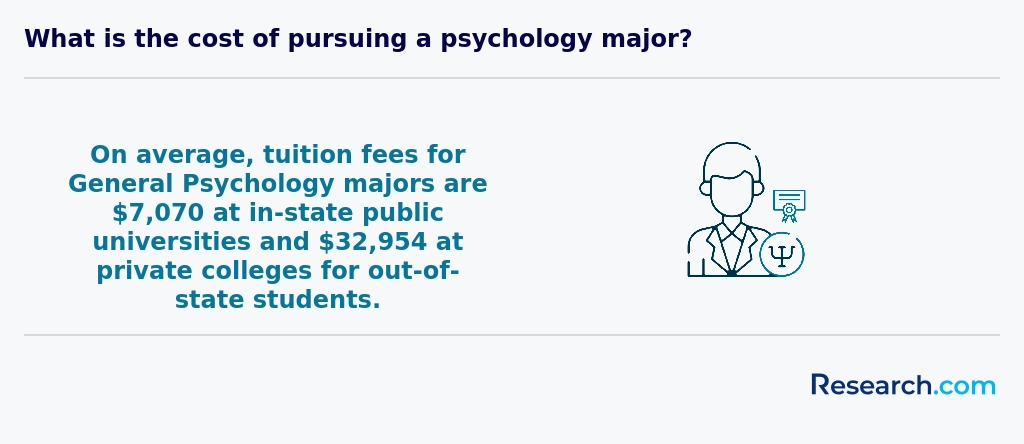
The average cost of an online psychology degree in Oregon varies notably between institutions and residency status. Graduates from public universities such as Oregon State University and Portland State University often reflect on manageable expenses, with in-state tuition ranging from $7,000 to $12,000 annually. This affordability allows students to feel confident about pursuing their education without overwhelming financial strain. On the other hand, out-of-state students typically face tuition fees between $20,000 and $30,000 per year, which can require more careful financial planning but still represents a worthwhile investment for many who choose Oregon's respected programs.
Private online psychology degrees in Oregon present a different experience. Some graduates recall the higher tuition costs-ranging from $25,000 to $40,000-but also emphasize the value of scholarships and grants that often ease the financial burden. These financial aid opportunities, paired with the strong academic reputations of these private institutions, make them a viable option for those seeking personalized education environments or specialized resources.
When considering the total expense, students often remember covering additional fees for technology and course materials, essentials for a successful online learning journey. These ancillary costs add to the overall budget but are usually well worth the convenience and accessibility offered by online programs. Those searching for an affordable online bachelor's in psychology Oregon residents can pursue benefit from state-specific grants and federal aid, significantly reducing the true cost of attendance.
For many, choosing psychology reflects a deep personal calling, and the investment in studying through Oregon's online programs aligns with rewarding career paths for introverts that offer meaningful connections and growth opportunities.
Students pursuing an online psychology degree in Oregon often find relief through a mix of federal and state financial aid options tailored to their needs. For example, many graduates from institutions like Portland State University remember how the Pell Grant, which can cover up to $7,395 annually without repayment, eased their tuition worries during challenging times.
Federal student loans also play a role, with subsidized loans being preferred since they don't accrue interest while studying, helping students focus more clearly on their coursework. At the same time, the Oregon Opportunity Grant offers state-level assistance up to $4,750 annually, providing significant support for undergraduates attending colleges such as Oregon State University.
Beyond these, institutional scholarships at Oregon universities can meaningfully reduce expenses, with some dedicated specifically to psychology students or online learners. Graduates often highlight how employer tuition assistance programs further alleviated financial pressure, enabling them to balance work and study while investing in their futures.
To enroll in an online psychology degree program in Oregon, you'll need a high school diploma or GED, serving as the essential foundation before stepping into college-level work. Graduates from well-known institutions like Portland State University often recall how completing core high school subjects-English, math, and social sciences-made the dense psychology texts and critical thinking exercises far more approachable. These prerequisites aren't just checkboxes; they're stepping stones to building confidence and readiness.
Transfer students remember the importance of submitting official transcripts and meeting GPA thresholds, usually between 2.0 and 3.0, which reflect an institution's commitment to academic standards. While standardized tests such as the SAT or ACT are sometimes required, many Oregon colleges have embraced test-optional policies, easing stress for applicants and promoting inclusivity.
International students often highlight the value of demonstrating English proficiency through TOEFL or IELTS scores, ensuring they can engage fully with the coursework and discussions, even in the online format. This careful preparation helps foster a supportive learning environment where diverse perspectives enrich psychology studies.
Beyond academics, applicants often share how personal statements and letters of recommendation provide a meaningful chance to express their passion for psychology, making the admission process feel more personal and encouraging.

Online psychology degree programs in Oregon commonly include courses that build a deep and practical understanding of human behavior. Graduates from institutions such as Portland State University and the University of Oregon often recall how courses like Introduction to Psychology laid the groundwork, helping them grasp core concepts that felt immediately relevant to everyday interactions. These foundational classes open the door to more specialized subjects.
Developmental Psychology courses, for instance, connect theory to real life by exploring how people grow and change at different life stages, which many students find particularly meaningful when applied to family dynamics or community work. Research Methods and Statistics equip learners with tools to critically analyze data, skills praised by graduates who later engage in evidence-based careers.
Biological and Social Psychology courses bring fresh insights on how brain functions and social influences shape behavior-topics that spark curiosity and a sense of discovery among Oregon students. Electives like forensic or health psychology empower students to align studies with personal passions, enhancing motivation and satisfaction throughout their online journey.
Students pursuing an online psychology degree in Oregon often find a rich array of specializations tailored to diverse interests and career paths. Graduates from popular institutions like Portland State University or the University of Oregon reflect on their choices with enthusiasm, emphasizing tracks such as clinical psychology, which prepares them for hands-on roles in mental health settings-a sector notably growing within Oregon's job market. Others appreciate the industrial-organizational psychology focus, which equips them to influence workplace culture and leadership dynamics in corporate environments.
Those interested in research frequently gravitate toward cognitive-behavioral psychology, enjoying the challenge of studying learning and memory within Oregon's innovative academic communities. Child and adolescent psychology specialization draws heartfelt commitment from students passionate about contributing to youth well-being, a priority aligned with Oregon's community health efforts. Health psychology also attracts students intrigued by the interplay between mental and physical wellness, a field gaining momentum in the state.
Exploring these varied concentrations, many find the flexibility and affordability of Oregon online bachelor's psychology concentrations ideal, often discovering their fit through the best accelerated online degree programs for working adults, which balance rigorous academics with life's other demands.
Choosing the best online psychology degree programs Oregon offers means prioritizing accreditation and curriculum flexibility. Graduates from well-known public universities in Oregon often praise programs accredited by the Northwest Commission on Colleges and Universities, highlighting how this recognition eased their path to licensure and employment. Balancing asynchronous coursework with life commitments allowed them to remain engaged and motivated throughout their studies. Many found that programs blending core topics like abnormal psychology with electives tailored to personal interests-such as counseling or industrial-organizational psychology-helped them feel both confident and prepared.
Cost is another critical consideration. Several students from Oregon public institutions shared relief at affordable online psychology bachelor's Oregon options, typically charging between $250 and $400 per credit hour. These costs proved manageable with financial aid and sometimes outweighed by career benefits. Thoughtfully comparing tuition expenses with job outlooks and starting wages improved their peace of mind. For those seeking faster credentials or alternative learning pathways, exploring 6 month certificate programs that pay well added practical insight into achievable career steps.
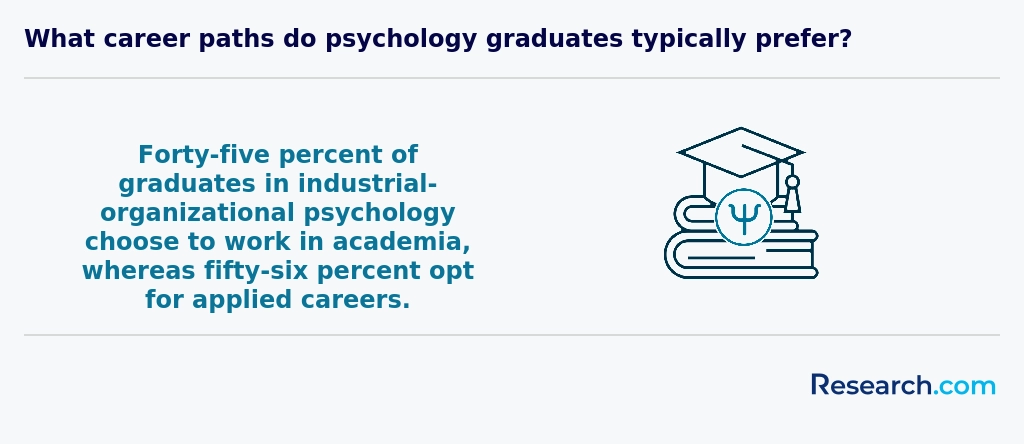
Graduates with an online psychology degree in Oregon often find rewarding career paths that align closely with their passions and skills. Many begin by securing roles such as case managers or rehabilitation specialists, contributing meaningfully within community mental health organizations. For example, a graduate from Portland State University recalled the fulfillment felt while supporting individuals through challenges related to mental health and substance abuse, underscoring the real-world impact of these positions. These entry-level roles serve as important stepping stones towards advanced study or licensed practice.
Others pursue opportunities in research assistance or public health roles, where Oregon's diverse agencies value the analytical and interpersonal skills honed through psychology programs. Graduates from the University of Oregon have shared insights about their involvement in child welfare initiatives and criminal justice reform, demonstrating how versatile a psychology degree can be in addressing community needs.
Exploring psychology degree job opportunities Oregon-wide also reveals avenues in educational settings, such as school counseling or industrial-organizational psychology, which focus on workforce behavior. For those weighing affordability alongside career potential, reviewing the best 6-month online associate degree programs can provide guidance on initial steps in higher education planning.
The job market for those with an online psychology degree in Oregon remains promising, especially for graduates from well-known institutions such as Portland State University and the University of Oregon. Many graduates share that starting careers in mental health clinics or school counseling positions feels rewarding, as they contribute directly to community well-being. These entry-level roles often provide the foundation needed to pursue licensure and higher-paying clinical positions.
Oregon's emphasis on integrating mental health services into primary care has expanded job prospects, supporting careers in healthcare settings and government social services. Graduates appreciate how their training prepares them for diverse roles, from research institutions to private practice. While salaries average around $92,000 annually, advancing education and licensure boosts earning potential significantly.
Those exploring an online psychology degree in Oregon should consider options for affordable education, including competitive tuition online programs. For example, pursuing an accelerated associate degree before transferring to a bachelor's program can be a smart financial step, making psychology career opportunities in Oregon more accessible and fulfilling.
2027 Easiest Online Bachelor's in Psychology Degree Programs Ranking in Oregon
Investing in your education is a significant decision that can shape your future, and the Research.com team understands the importance of making informed choices. To assist prospective students in Oregon, we have meticulously developed the "2027 Easiest Online Bachelor's in Psychology Degree Programs Ranking in Oregon." Our commitment to quality, credibility, and accuracy is demonstrated through rigorous research and analysis performed to create this ranking.
We utilized the following reputable data sources to ensure a comprehensive evaluation of online psychology programs:
By exploring this ranking, readers will gain valuable insights into accessible and credible online psychology degree options in Oregon, empowering them to make well-informed educational decisions. For more information on how this ranking was created, please visit our Research.com methodology page.


Frequently Asked Questions About psychology
Students pursuing online psychology degrees in Oregon can enhance their learning by actively engaging with course materials and participating in virtual discussions. Online platforms often offer recorded lectures and interactive assignments that help reinforce concepts. Time management is crucial, particularly as Oregon's online psychology programs align with standard U.S. accreditation, requiring consistent study habits to meet rigorous academic standards.
Connecting with faculty through scheduled virtual office hours allows students to clarify complex topics. Oregon's Psychology Board supports licensure pathways that online degrees can prepare for, encouraging students to seek programs with practical components such as internships or practicum opportunities.
Utilizing resources from local professional bodies, like the Oregon Psychological Association, helps students stay updated on regional trends and research. According to the National Center for Education Statistics, Oregon's online bachelor's programs in psychology have seen steady growth, underscoring the importance of proactive learning strategies to succeed in this expanding field.
Emerging niches within psychology reflect evolving societal needs and technological advances. In Oregon, areas like neuropsychology, health psychology, and technology-assisted therapy are gaining prominence. According to the Oregon Employment Department, demand for neuropsychologists, who study brain-behavior relationships, is expected to grow by 12% over the next decade.
Health psychology, focusing on how behavior affects well-being, aligns with Oregon's emphasis on holistic health. Additionally, digital mental health, including teletherapy and app-based interventions, is expanding rapidly due to increased access and acceptance of online care.
These specialties offer practical career paths for students pursuing online psychology degrees in Oregon, responding to both local and national trends.
After earning an online psychology degree in Oregon, preparing for the job market requires strategic steps. First, gaining relevant experience through internships or volunteer roles within Oregon's mental health agencies enhances employability. The Oregon Employment Department reports a 7% growth in psychologist jobs through 2030, signaling rising demand in clinical and counseling roles.
Second, obtaining state licensure is crucial for many psychology careers. Graduates should verify licensing requirements with the Oregon Board of Psychology, which typically includes graduate education, supervised hours, and passing exams.
Networking with local professional organizations such as the Oregon Psychological Association can help build connections and find job openings.
Finally, tailoring resumes to highlight online learning achievements and flexible skills can attract employers in educational, healthcare, and social service sectors. Oregon's focus on behavioral health means strong skills in evidence-based practices are valuable.
Employers in Oregon highly value psychology graduates who demonstrate strong critical thinking and communication skills. These abilities are essential for analyzing complex behavioral data and effectively interacting with clients or teams. According to the Oregon Employment Department, interpersonal skills remain a top requirement in the psychology job market, especially for roles in counseling and social services.
Additionally, knowledge of research methods and statistics is crucial. Graduates who can design studies, analyze data, and interpret results are preferred in both clinical and organizational settings. Familiarity with ethical standards in psychology also ranks prominently as employers seek professionals committed to responsible practice.
Finally, adaptability and cultural competence are increasingly important in Oregon's diverse communities, helping graduates address various client needs with sensitivity and professionalism.
Finding internships relevant to a psychology degree in Oregon involves several practical steps. First, students should explore partnerships between their online program and local mental health organizations, hospitals, or clinics, as these institutions often offer internships. Oregon's Department of Human Services provides resources listing approved internship sites in psychology-related fields.
Another useful approach is to check with professional bodies such as the Oregon Psychological Association, which sometimes post internship and volunteer opportunities. Additionally, using platforms like Handshake or the university's career services can connect students with open positions.
It is important to ensure the internship meets licensure requirements if the goal is to become a licensed psychologist in Oregon. State rules require specific supervised hours, so confirming eligibility with the Oregon Board of Psychology is advisable before committing.
Obtaining an online psychology degree in Oregon can significantly enhance career mobility and advancement opportunities. Psychology is a growing field in the state, with the Oregon Employment Department projecting a 12% increase in psychology-related jobs between 2020 and 2030. This growth opens doors to roles in counseling, social work, and human services.
Online degrees offer flexibility for working professionals seeking promotions or career changes without interrupting their employment.
Employers often recognize accredited online programs, particularly those aligned with regional accreditation standards, giving graduates a competitive edge.
Higher degrees in psychology typically correspond with higher salaries in Oregon, where the average psychologist income exceeds $90,000 annually according to the U.S. Bureau of Labor Statistics.
Studying for a psychology degree online in Oregon offers a strong foundation for interdisciplinary roles by integrating knowledge from diverse fields. Oregon universities emphasize coursework in behavioral sciences, research methods, and applied psychology, which align with health care, social services, and education sectors. According to Oregon's Higher Education Coordinating Commission, programs often include collaboration opportunities with fields like social work, criminal justice, and public health.
Students gain skills in data analysis, critical thinking, and ethical decision-making, preparing them to work in teams across professions. The state's growing mental health workforce, projected to increase by 15% through 2030 (Oregon Employment Department), creates demand for professionals with interdisciplinary expertise.
When choosing between a thesis and a non-thesis psychology degree program in Oregon, consider your career goals carefully. Thesis programs require original research and are ideal if you aim for graduate studies or research roles. Non-thesis programs focus on coursework and practical skills, suiting students targeting immediate employment in counseling or human services.
Oregon universities offering online psychology degrees often provide both tracks. According to the National Center for Education Statistics, about 30% of psychology graduates in Oregon pursue research-oriented careers, highlighting the relevance of thesis options. Costs and time commitments also differ, with thesis tracks usually taking longer.
It's important to review each program's curriculum and support services before deciding.
Students based in Oregon seeking to study psychology abroad online have several pathways. Many accredited U.S. institutions offer fully online psychology bachelor's degrees, allowing seamless study from Oregon while engaging with global perspectives. However, if looking specifically at international universities, Oregon students must verify program accreditation and transferability of credits to ensure future career and licensure goals are met.
The Oregon Office of Degree Authorization advises confirming whether foreign degrees align with U.S. Department of Education standards. Additionally, some universities abroad provide joint or dual degree options partnered with U.S. schools, facilitating smoother credential recognition.
Though precise Oregon-specific statistics on studying psychology abroad are limited, trends show increasing enrollment in online psychology courses, with over 2,000 Oregon students currently pursuing psychology degrees online, per NCES data.
In all cases, students should carefully review program curricula and state licensure requirements, especially for clinical psychology careers, which Oregon's Psychology Board tightly regulates.
Students pursuing an online psychology degree in Oregon can benefit from part-time jobs that build practical skills. Roles such as behavioral health technician or mental health aide are common and often available through community health centers and clinics. These positions provide direct experience with clients under supervision, enhancing understanding of psychological concepts.
Research assistantships at Oregon universities offer opportunities to assist in data collection and analysis, closely aligning with academic training. According to the Oregon Employment Department, psychology-related jobs are projected to grow by 7% through 2030, reflecting state demand.
Additionally, jobs in social service agencies or crisis hotline support complement coursework and improve communication skills critical for psychologists.
Online psychology students in Oregon have several networking opportunities despite the distance learning format. Many universities offer virtual career fairs and online workshops that connect students with practitioners and alumni across the state. For example, Oregon State University's psychology program provides access to a dedicated online alumni network.
Students can also join professional organizations like the Oregon Psychological Association, which hosts conferences and regional meetings that accommodate remote participation. These events help students engage with licensed psychologists and faculty experts.
Additionally, Oregon's proximity to a growing mental health workforce means students often find local internships or volunteer roles, enhancing practical connections alongside their online studies.
Alumni networks provide valuable support for online psychology degree students in Oregon by connecting them with graduates who have navigated similar educational paths and career landscapes. These networks offer mentorship opportunities, helping students gain insights into local job markets and professional requirements, especially important given Oregon's specific licensing guidelines for psychology careers.
Membership in an active alumni network can increase access to internships and job openings in Oregon's healthcare and social service sectors, where demand for psychology professionals has grown. According to the Oregon Employment Department, psychology-related roles are projected to grow by 10% through 2030, highlighting the importance of strong professional connections.
Furthermore, alumni communities often provide ongoing educational resources and workshops, which help online students stay current with industry standards and research developments relevant to Oregon's diverse populations.
Customizing an online psychology degree in Oregon allows students to align their education with specific career goals. Many programs offer electives and concentration areas such as clinical psychology, developmental psychology, or counseling. Choosing relevant courses helps build expertise tailored to your interests.
Oregon's institutions often provide options for internships or practicum experiences, giving practical skills and local professional connections. Online students can select these to gain hands-on experience in settings like healthcare or social services.
Advising services available at Oregon universities assist students in planning a curriculum that matches workforce demands. According to the Oregon Employment Department, psychology-related jobs are expected to grow 20% by 2030, encouraging specialized skills development.
Students should research programs accredited by the American Psychological Association (APA) or regionally accredited to ensure quality education that meets licensing standards.
Online psychology students in Oregon often face several challenges unique to remote learning and the state's educational environment. One common difficulty is balancing coursework with work or family responsibilities, as online programs require strong time-management skills. Additionally, accessing local internships or practicum placements can be challenging, given that hands-on experience is crucial for psychology degrees and not all sites may accommodate online students.
Technical issues also arise, such as inconsistent internet access in rural areas of Oregon, which impacts participation in live classes or research projects. According to the Oregon Office of Economic Analysis, about 15% of households in rural counties lack reliable internet.
Finally, some students report limited opportunities for peer interaction and networking, essential for professional growth in psychology careers. These factors combined can affect student retention and success rates in online psychology programs.
With an online psychology degree in Oregon, you can pursue several professional certifications that enhance your career opportunities. Many graduates aim for credentials such as the Certified Alcohol and Drug Counselor (CADC) or the Registered Psychologist credential granted by the Oregon Board of Psychology. These certifications often require additional supervised experience and passing relevant exams.
Other options include becoming a Licensed Professional Counselor (LPC), which usually requires a master's degree and specific post-degree hours but can be a path after a bachelor's degree if further education is pursued. Certifications like the National Certified Counselor (NCC) can also complement an online bachelor's degree.
According to the Oregon Health Authority and the National Board for Certified Counselors, licenses and certifications significantly improve job prospects and salary potential in Oregon's mental health field.
To write a winning application for an online psychology program in Oregon, start by clearly demonstrating your passion for psychology through your personal statement. Highlight any relevant experience, such as volunteer work, internships, or prior coursework. Oregon's universities often emphasize a strong academic record, so ensure your transcripts reflect solid performance, particularly in psychology and related social sciences.
Including letters of recommendation from professors or professionals familiar with your skills can significantly strengthen your application. According to the Oregon Office of University Coordination, competitive applicants often present a GPA of 3.0 or higher. Additionally, tailor your application to the specific online program's mission and values to show genuine interest.
Be mindful of application deadlines and provide all required documents, such as test scores or proof of residency, if applicable. Demonstrating clear career goals related to psychology roles within Oregon's growing mental health sector can also be advantageous.
Psychology careers have a broad global relevance, reflecting diverse cultural and societal needs. In the U.S., including Oregon, psychology professionals focus on mental health, research, and applied sciences, roles increasingly valued worldwide. According to the U.S. Bureau of Labor Statistics, employment for psychologists is expected to grow 8% from 2022 to 2032, driven by rising awareness of mental health issues.
Oregon offers numerous opportunities for psychology graduates, including licensure as a Licensed Professional Clinical Counselor or Licensed Psychologist. These credentials are recognized internationally, aiding career mobility.
Worldwide, psychology adapts to local challenges, but core skills like assessment and therapy remain essential. For Oregon students, online degrees provide flexible access to this expanding global field.
Gaining practical experience while studying for an online psychology degree in Oregon is vital for building skills and improving job prospects. Many Oregon institutions encourage students to complete internships or practicum placements with local mental health agencies, schools, or research centers. These opportunities provide hands-on experience in counseling, assessment, or research under supervision.
The Oregon Psychological Association and state universities often list accredited internship programs where students can earn credit. According to the Oregon Higher Education Coordinating Commission, about 60% of psychology undergraduates participate in experiential learning, which employers highly value.
Additionally, volunteer work in community organizations or hospitals throughout Oregon can supplement online study and connect students with professionals in the field.
When choosing a concentration within an online psychology degree program in Oregon, start by considering your career goals. Oregon's job market for psychologists favors specializations like clinical, counseling, and school psychology, which align with state licensure requirements overseen by the Oregon Board of Psychology.
Review program offerings carefully, as concentrations differ in focus and required courses. For example, clinical psychology prepares students for licensure and mental health careers, while industrial-organizational psychology targets workplace behavior analysis.
Consider the curriculum's balance of theory and practice, especially since Oregon requires supervised experience hours for licensure. Look for programs that support internship placements in the state.
Finally, check state employment trends from the Oregon Employment Department, which reports a steady 4% growth in psychology jobs through 2030, especially in healthcare settings. This data can guide your concentration choice to match market demand.
- 2027 Easiest Online Bachelor's in Psychology Degree Programs Ranking in Washington
- 2027 Easiest Online Bachelor's in Psychology Degree Programs Ranking in California
- 2027 Easiest Online Bachelor's in Psychology Degree Programs Ranking in Arizona
- 2027 Easiest Online Bachelor's in Psychology Degree Programs Ranking in Colorado
- 2027 Easiest Online Bachelor's in Psychology Degree Programs Ranking in Kansas
- 2027 Easiest Online Bachelor's in Psychology Degree Programs Ranking in Texas
- 2027 Easiest Online Bachelor's in Psychology Degree Programs Ranking in Minnesota
- 2027 Easiest Online Bachelor's in Psychology Degree Programs Ranking in Iowa
- 2027 Easiest Online Bachelor's in Psychology Degree Programs Ranking in Missouri
- 2027 Easiest Online Bachelor's in Psychology Degree Programs Ranking in Louisiana
See What Experts Have To Say About Studying Psychology
Read our interview with Psychology experts

Robin M. Kowalski. Ph.D.
Psychology Expert
Professor of Psychology
Clemson University

Elizabeth L. Jeglic Ph.D.
Psychology Expert
Professor of Psychology
City University of New York

Catherine Caldwell-Harris, Ph.D.
Psychology Expert
Associate Professor of Psychology
Boston University

- Professional Networking For Psychologists https://www.psychology.org/resources/professional-networking/
- Online Psychology Degrees https://www.phoenix.edu/online-psychology-degrees.html
- Networking and Community Resources https://www.psych.on.ca/become-a-member-(1)/member-services/networking-and-community-resources
- Incorporating Career Exploration and Skill Development ... https://teachpsych.org/page-1784686/8675326
- Alumni Perspectives - Meet Our FPN Alumni https://www.aanmelder.nl/alumni-perspectives-june-2023
- Online Psychology Degree Salary by Career Path https://www.collegetransitions.com/blog/online-psychology-degree-salary-by-career-path/
- Online BA/BS and Master's Psychology Degree https://sou.edu/academics/psychology/programs/
- Grants | Oregon Student Aid https://www.oregonstudentaid.gov/grants/
- Alumni Network - https://efpsa.org/alumni-network/
- How to Change Your Career from Psychology to UX Design https://ixdf.org/literature/article/how-to-change-your-career-from-psychology-to-ux-design