
2027 Most Affordable Online Psychology Degree Programs Ranking in Virginia

Co-Founder and Chief Data Scientist
Choosing the right psychology degree program can feel overwhelming, especially when balancing quality and affordability. To help students in Virginia navigate this important decision, the Research.com team of data scientists created the 2027 Most Affordable Online Psychology Degree Programs Ranking in Virginia.
This article breaks down the best online options that combine cost-effectiveness with academic excellence.
By exploring these programs, you'll gain clarity on which degrees align with your goals and budget, empowering you to take the next step confidently toward a rewarding psychology career.
Key benefits of getting online psychology degree in Virginia
- Psychology degree graduates in Virginia can look forward to rewarding salaries, such as a Human Resources Specialist earning around $76,060 annually or a Marketing Research Analyst making about $83,190 per year.
- A psychology degree opens doors to diverse careers including roles like Clinical Research Associate or Survey Researcher, reflecting the versatile opportunities available to graduates of well-known Virginia universities.
- Online psychology degrees offer flexibility and convenience, allowing students to balance studies with life commitments while benefiting from the same respected credentials as traditional programs at popular Virginia institutions.
- 2027 Most Affordable Online Psychology Degree Programs Ranking in Virginia
- What can I expect from online psychology degree in Virginia?
- Where can I work with online psychology degree in Virginia?
What can I expect from online psychology degree in Virginia?
The average cost of an online psychology degree in Virginia typically ranges depending on the institution and program structure, but most students find that tuition falls between $15,000 and $30,000 for a full bachelor's degree. Graduates from well-known Virginia universities often recall balancing costs with flexible payment plans, scholarships, or employer tuition assistance, making the investment feel manageable and worthwhile.
Many students appreciate that these programs, such as those offered by institutions in Richmond or Charlottesville, provide not only affordability but also strong academic value. Online learners frequently highlight the affordability combined with high-quality instruction and access to experienced faculty as a key factor in their decision. This financial feasibility lets them pursue their passion for psychology without sacrificing their financial security or professional obligations.
One graduate shared how the pricing allowed them to maintain part-time work while studying, avoiding overwhelming debt and enabling a steady path toward licensure and career advancement. Knowing the program aligns with Virginia's licensing requirements reassured them that the cost was a wise investment in their professional future.
Where can I work with online psychology degree in Virginia?
Graduates with an online psychology degree from institutions like George Mason University or Virginia Commonwealth University often find themselves stepping confidently into roles within human services, social work, and behavioral health support across Virginia. Many share how their studies prepared them to contribute meaningfully at hospitals, mental health clinics, and nonprofit organizations, helping individuals and communities cope and grow.
Those pursuing advanced degrees discover opportunities as licensed counselors, psychologists, or therapists, frequently working in private clinics or community mental health centers around Richmond or Northern Virginia. One graduate highlighted the rewarding challenge of providing therapy in a busy hospital system, emphasizing how their online training equipped them with both practical skills and empathy.
Others have carved fulfilling careers in school settings or government agencies, where they apply knowledge gained in online courses to support youth development or correctional facility programs. Each path reflects a blend of licensure requirements and real-world experience, making the journey both rigorous and deeply satisfying for those passionate about psychology's impact in Virginia.
Graduates from online psychology programs in Virginia, such as those offered by popular institutions like Virginia Commonwealth University or George Mason University, often find rewarding job opportunities in roles aligned with their training. For example, those stepping into Human Resources Specialist positions can expect an average annual salary near $76,060, reflecting a solid entry into organizational settings where psychological insights are valued.
Others may pursue careers as Marketing Research Analysts, benefitting from an average wage of about $83,190 annually. This role suits psychology graduates interested in data interpretation and consumer behavior, offering a dynamic pathway to apply their skills in business environments around Northern Virginia's vibrant metro area.
For graduates drawn to direct research roles, jobs like Clinical Research Associate or Survey Researcher both present mean salaries of roughly $62,370 per year. These positions often support medical or social science studies, providing meaningful ways to contribute to advancing knowledge.
While wages vary with experience and licensing, these figures highlight how an online psychology degree in Virginia can lead to fulfilling careers with competitive earnings, especially when combined with state licensure or additional certifications.
- Virginia offers accredited online psychology programs at undergraduate and graduate levels, important for licensure and employment.
- Annual tuition for online bachelor's programs ranges from $7,000 to $15,000, while master's programs cost between $10,000 and $25,000, excluding additional fees.
- Entry-level psychology graduates with a bachelor's degree earn about $45,000 to $55,000 annually; those with advanced degrees can make $70,000 to $90,000 depending on specialization.
- Employment for psychologists in Virginia is projected to grow by 6% over the next decade, reflecting steady demand for mental health services.
- Licensure requires an accredited degree, supervised clinical experience, passing exams, and Virginia allows licensure by endorsement for out-of-state licensed psychologists.
Completing an online psychology degree in Virginia can vary widely based on your personal pace and program choice. Many graduates from institutions like Old Dominion University and Liberty University share that full-time undergraduates often finish their Bachelor of Arts or Science in about four years, juggling roughly 120 to 128 credit hours. This timeline feels manageable and rewarding, especially when balancing family or work commitments.
For part-time students, the journey extends, sometimes up to six years or more, but this flexibility allows for steady progress without overwhelming stress. Some accelerated programs offer a refreshing boost, letting students with prior credits wrap up in as little as two and a half years, a path praised by those eager to enter the workforce more quickly.
Graduate degrees bring another layer. Many find that online master's degrees take about two to three years-enough time to deepen knowledge while managing other life roles. Doctoral students often embrace a longer dedication, say four to seven years, valuing the rich research and internship experiences that shape their professional identity. This thoughtful pacing helps maintain passion for psychology while preparing students for Virginia's growing demand for skilled professionals.
Embarking on an online psychology degree journey can be both exciting and challenging. To ensure your success, consider implementing effective time management strategies, seeking out additional academic resources, and networking with peers and faculty virtually. Establish a dedicated study space, create a structured schedule, and utilize digital tools for organizing coursework and deadlines. Regularly engage with instructors by asking questions and participating in online forums to deepen your understanding of complex topics. Additionally, explore opportunities for advanced learning, such as accelerated psychology masters programs, which can help propel your career with cutting-edge insights and skills. Balancing work, personal life, and studies is key-remember, persistence and proactive communication with support services can make all the difference. Stay informed, be adaptive, and seek guidance from mentors who have paved the way before you.
Graduates from Virginia universities like George Mason or James Madison often reflect on how online psychology programs offered them the freedom to balance studies with personal and work commitments. The flexibility to access lectures anytime proved invaluable, especially for those with family or jobs. Yet, many recall that this format demanded a strong sense of self-discipline and motivation, as the absence of physical classrooms meant less spontaneous interaction.
On the other hand, those who pursued traditional on-campus degrees at institutions such as the University of Virginia cherish the face-to-face connections with professors and peers. They found that these direct interactions fostered a deeper engagement, creating a supportive environment to wrestle with complex theories and practical applications.
In Virginia, the clinical training component also shapes experiences. For online students, arranging local internships aligned with state licensing rules posed challenges but also opened doors to diverse community placements. Meanwhile, on-campus students typically benefited from university-affiliated clinics, providing structure and proximity to supervisors.
Ultimately, the choice reflects personal priorities: whether the convenience of remote learning or the immersive campus atmosphere feels more enriching, each path offers unique rewards tailored to Virginia's educational landscape.
Choosing an accredited online psychology program is crucial for both educational quality and your ability to obtain licensure in Virginia. Accredited programs meet strict standards set by bodies like the American Psychological Association (APA) and the Council for Higher Education Accreditation (CHEA), ensuring that your degree will be recognized by employers and licensing boards. To become a licensed psychologist or counselor in Virginia, graduates must:
- Complete a degree from an APA-accredited institution or an equivalent regional accreditor.
- Accumulate supervised clinical hours-typically 3,000 post-doctoral hours for psychology licensure or 3,400 hours for professional counseling.
- Pass required exams, such as the Examination for Professional Practice in Psychology (EPPP) or the National Counselor Examination (NCE). Before enrolling, verify your program’s accreditation status on the VA State Board of Psychology website and confirm that internship or practicum placements meet state supervision guidelines. Accreditation not only impacts your licensure eligibility but also influences financial aid opportunities and the transferability of credits. For a broader perspective on cost-effective, accredited programs, consider exploring our Affordable Psychology Degree Programs Ranking in Connecticut, which highlights similarly vetted online options that uphold rigorous accreditation and licensure pathways.
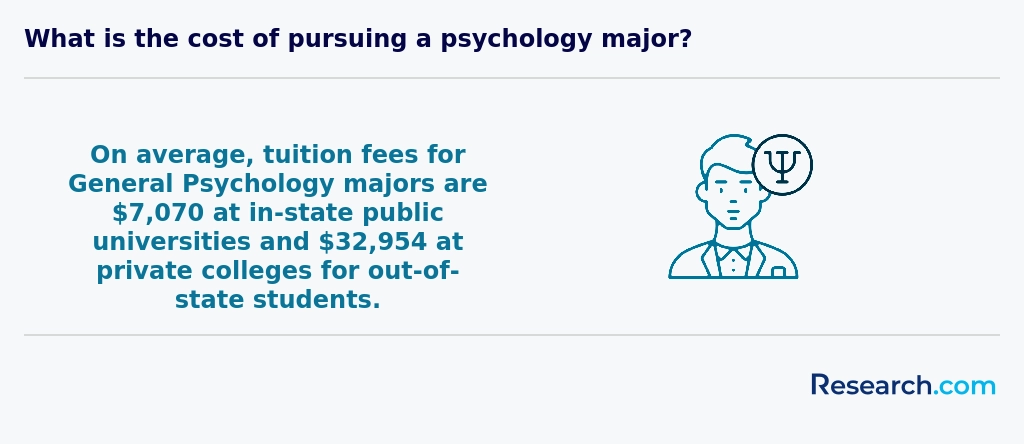
The average cost of online psychology degree Virginia generally centers around $43,800 for in-state students, while out-of-state learners often encounter a slightly higher total near $48,840. Graduates from well-known institutions such as James Madison University or George Mason University have shared how managing tuition alongside technology fees and course materials can feel challenging, yet rewarding. Many students find that leveraging in-state tuition benefits significantly eases financial pressure when attending Virginia's public universities, allowing them to invest more energy in their studies and personal growth.
Reflecting on the experiences of those who pursued online psychology programs, it's clear that affordability goes beyond just sticker price. Scholarships, employer tuition reimbursement, and financial aid prove vital in making these degrees accessible. For example, students have praised programs like those at the University of Virginia for their competitive rates compared to traditional on-campus options and the availability of transfer credits from the Virginia Community College System to reduce total expenses.
When considering affordable online psychology programs in Virginia, it's wise to explore all support resources and to compare specific costs directly from the universities. Checking trusted education portals or exploring the cheapest psychology programs in Virginia can uncover hidden savings. This proactive approach helps students balance cost with a meaningful educational journey that prepares them well for their future careers.
To get the most out of your online psychology degree program in Virginia, it's essential to consider several factors that can enhance your learning experience and career prospects. One crucial aspect is understanding the cheapest psychology programs in Virginia, which can help you make an informed decision about your education. Additionally, exploring various specializations, such as clinical psychology or counseling, can provide you with a deeper understanding of your interests and career goals. By optimizing your online psychology degree experience, you can set yourself up for success in a field that is both rewarding and in demand.
Students pursuing online psychology degrees in Virginia often find financial aid options that significantly ease the burden of tuition. Graduates from programs at universities like George Mason University or Virginia Commonwealth University frequently recall how federal Pell Grants and Stafford Loans secured through FAFSA paved the way for their academic journey. The need-based Pell Grant, with awards up to $7,395, relieves many students from hefty loan debts, allowing them to focus on their studies.
State-specific support, such as the Virginia Tuition Assistance Grant (VTAG), also plays a crucial role for those attending private institutions, while public college students benefit from varied state scholarships. Many online psychology students highlight the value of institutional aid tailored specifically for psychology majors-ranging from merit-based scholarships to work-study opportunities at their schools.
Professional groups, like the Virginia Psychological Association, often provide additional scholarships or internship funding. Meanwhile, for working professionals balancing education and career, employer tuition reimbursement-common in healthcare and social services-offers both financial support and encouragement to advance in psychology.
Ensuring your online psychology degree program is accredited by the American Psychological Association (APA) and recognized by the Southern Association of Colleges and Schools Commission on Colleges (SACSCOC) is the first step toward professional licensure in Virginia. APA accreditation guarantees that your curriculum meets rigorous standards for scientific training, clinical practice, and research methodology, while regional accreditation through SACSCOC validates the overall quality and transferability of your credits. After graduating from an APA-accredited program, aspiring psychologists in Virginia must complete 3,000 supervised experience hours under a licensed psychologist, as required by the Virginia Board of Psychology. Candidates then apply to sit for the Examination for Professional Practice in Psychology (EPPP), administered by the Association of State and Provincial Psychology Boards (ASPPB). Passing the EPPP, along with a jurisprudence exam on Virginia’s laws and ethical standards, is mandatory for licensure. Additionally, those interested in specialized credentials-such as Board Certified Behavior Analysts-often explore the most affordable bcba online programs to fulfill coursework requirements in behavior analysis. Once licensed, psychologists in Virginia must complete 40 hours of continuing education every two years, including ethics and cultural competency modules. Maintaining active licensure ensures you stay current with emerging research, advanced clinical techniques, and state regulations-solidifying your expertise and enhancing your career prospects across clinical, educational, and organizational settings.
Enrolling in an online psychology degree in Virginia often begins with meeting clear academic prerequisites that set the foundation for success. Graduates from institutions like James Madison University recall how a solid high school diploma paired with coursework in English, math, and science made the transition into their online bachelor's programs smoother and more rewarding.
Many schools, including George Mason University, have made standardized tests optional, which relieved stress for applicants while emphasizing academic readiness demonstrated through GPA and prior coursework. This flexibility reflects a more personalized admissions approach.
At the graduate level, students describe the importance of holding a relevant bachelor's degree, often in psychology, alongside a strong GPA and thoughtful letters of recommendation. These requirements ensure readiness to thrive in advanced studies and research-focused environments.
Practical considerations, such as completing prerequisite courses in statistics or research methods, resonate with students who found these classes vital for their confidence and competence once fully enrolled in online psychology programs throughout Virginia.
Earning your online psychology degree is a critical first step, but licensure is essential to practice professionally in Virginia. The Commonwealth offers two primary paths: licensed psychologist (Psy.D./Ph.D.) and licensed professional counselor (LPC). Below is a concise roadmap to ensure you meet all requirements: 1. Education and Accreditation - Psychologist: Complete an APA-accredited doctoral program (Psy.D. or Ph.D.) with a minimum of 5,750 hours of supervised practicum and internship. - LPC: Hold a master’s degree in counseling or a closely related field from a regionally accredited institution, with at least 60 semester hours including specified coursework (e.g., ethics, appraisal, group counseling). 2. Supervised Experience - Psychologist: Accumulate 1,500 post-doctoral supervised hours under a board-approved supervisor. - LPC: Document 3,400 hours of supervised clinical experience over a minimum of 24 months, including at least 100 hours of direct supervision. 3. Examinations - Psychologist: Pass the Examination for Professional Practice in Psychology (EPPP) administered by the Association of State and Provincial Psychology Boards (ASPPB). - LPC: Successfully complete both the National Counselor Examination (NCE) and the Virginia Jurisprudence Exam. 4. Application and Fees - Submit official transcripts, verification of supervised hours, examination scores, and a completed application to the Virginia Board of Psychology or the Virginia Board of Counseling. - Pay the licensure fee (psychologist: $250; LPC: $150) and a separate jurisprudence fee. 5. Continuing Education - Psychologists and LPCs must complete 20 hours of approved continuing education every two years, including at least three hours in ethics. Navigating licensure can be complex, but planning early-ideally during your degree program-will streamline the process. Additionally, if you’re comparing affordable options in neighboring states, you can explore our Affordable Psychology Degree Programs Ranking in Connecticut for further guidance.
Graduates from popular Virginia universities often recall the balance between foundational knowledge and practical skills in their online psychology studies. Core courses such as Introduction to Psychology offer a clear lens into human behavior, helping students relate textbook theories to real-life situations like understanding family dynamics or workplace interactions.
Research Methods and Statistics stand out as challenging yet rewarding, equipping learners with the tools to rigorously analyze data and design experiments-skills highly valued in Virginia's research-driven academic environment.
Courses like Developmental and Abnormal Psychology invite students to see the world through diverse human experiences, enriching empathy and clinical awareness. At institutions like James Madison University or Virginia Commonwealth University, students appreciate how Abnormal Psychology brings complex mental health topics into practical focus, enhancing their readiness for counseling roles.
Electives in cognitive psychology or biopsychology deepen understanding of brain-behavior connections, often sparking a passion for neuroscience research that graduates carry forward into advanced studies. These carefully chosen courses reflect Virginia programs' commitment to preparing students for both professional success and personal growth.
Online psychology degree specializations in Virginia offer a rich array of paths tailored to diverse interests and career goals. Graduates from well-known institutions like James Madison University and George Mason University often speak of the rewarding journey through clinical psychology, where they learn hands-on skills in mental health assessment and therapy that prepare them for real-world challenges in hospitals or private practice.
Other students find fulfillment in counseling psychology, a specialization that equips them with compassionate approaches to supporting individuals facing personal struggles. Those drawn to workplace dynamics benefit from industrial-organizational psychology, a field respected for its lucrative job prospects and impactful work improving employee well-being in organizations.
Virginia affordable psychology degree concentrations also include developmental, forensic, health, and social psychology, each opening doors to unique professional settings. For those eager to advance rapidly, many turn to accelerated psychology masters programs offered online by Virginia universities, blending flexibility with thorough training tailored to state licensure standards.
Choosing the best online psychology degrees Virginia offers means looking beyond convenience and focusing on quality. Graduates from respected universities like those in Virginia emphasize the importance of attending an accredited program that aligns with state licensure requirements. Many found that programs incorporating flexible online coursework but maintaining rigorous practicum standards prepared them well for real-world challenges.
Another key aspect is curriculum relevance. Some students discovered their passion when exposed to specialized fields such as clinical or industrial-organizational psychology within established Virginia colleges' online offerings. This tailored approach ensures the knowledge gained is practical and valuable for future careers.
Affordability also plays a large role for students balancing budgets. Exploring options at public institutions or reviewing the most affordable bcba online programs helped many manage costs without sacrificing quality. This thoughtful compromise often eased financial stress while maintaining educational rigor.
Faculty expertise and support prove vital, too. Graduates frequently recall how accessible professors and dedicated advising made their journey smoother and more fulfilling. Ensuring strong student services complements the academic experience and fosters confidence throughout the program.
Graduates with an online psychology degree in Virginia find diverse career paths that match their passions and education level. Many begin with entry-level roles like case management assistants or psychiatric technicians, gaining grounding experience while considering further study. Those pursuing advanced licensure often aim for doctoral programs at well-regarded institutions such as James Madison University or the University of Virginia. These graduates take pride in becoming licensed clinical, counseling, or school psychologists, roles that deeply impact individual lives and communities.
Beyond traditional clinical roles, careers expand into behavioral health counseling, including substance abuse specialties, industrial-organizational psychology that enhances workplace productivity, and research assistant positions in Virginia's vibrant academic and private sectors. Graduates from popular programs often reflect on how practical experiences in local hospitals or community mental health centers have enriched their understanding and fueled their commitment. For students curious about options, exploring the Affordable Psychology Degree Programs Ranking in Connecticut can offer insights into cost-effective pathways.
Such psychology job opportunities in Virginia motivate many to embrace lifelong learning and contribute meaningfully. The state's growing healthcare landscape and collaborative employer programs further encourage professionals to thrive in meaningful, fulfilling roles.
The online psychology degree job outlook Virginia offers is optimistic, marked by steady employment growth fueled by increasing public awareness of mental health. Graduates from popular Virginia institutions like George Mason University and Liberty University often find themselves well-prepared to enter varied roles such as clinical psychology or school counseling. Many share relief and encouragement upon realizing that the state's licensure requirements, including accredited coursework and supervised clinical hours, align well with their online study paths.
Virginia's diverse job market includes hospitals, schools, government agencies, and private practices, providing graduates with multiple avenues to apply their skills. Salaries averaging around $83,000 annually reflect the state's competitive environment, especially in metropolitan hubs like Northern Virginia and Richmond. Students frequently express confidence finding positions where their education directly impacts community mental health efforts.
For those exploring cost-effective education options, online programs often reduce expenses without sacrificing quality. Considering this balance has been a common theme among graduates admiring the value of enrollment. To explore related opportunities and financial considerations, prospective students might find value in reviewing quick online degrees that pay well.
Virginia psychology degree employment opportunities encourage hopeful graduates to embrace a career with meaningful impact and job security.
2027 Most Affordable Online Psychology Degree Programs Ranking in Virginia
Investing in your education is a significant decision that can shape your future, and the Research.com team understands the importance of making informed choices. To assist prospective students in Virginia, we have meticulously crafted the "2027 Most Affordable Online Psychology Degree Programs Ranking in Virginia." Our commitment to quality, credibility, and accuracy is reflected in the extensive research and analysis conducted to compile this ranking.
We utilized the following reputable data sources to ensure a comprehensive evaluation of psychology degree programs:
By exploring this ranking, readers will gain valuable insights into the most affordable and credible online psychology degree options available in Virginia, enabling them to make well-informed decisions about their educational investments. For more details on our methodology, please visit our Research.com methodology page.


# 4 position
Mary Baldwin University
Bachelor of Psychology




Frequently Asked Questions About psychology
Online psychology degree students in Virginia can enhance their learning by actively engaging with digital resources and faculty. Virginia's higher education institutions, such as James Madison University and Virginia Tech, often provide virtual office hours and discussion boards, which are vital for interaction. Regularly participating in these increases understanding and retention of course material.
Additionally, students should take advantage of internships and practicum opportunities within Virginia's diverse mental health agencies to gain practical experience. According to the Virginia Department of Behavioral Health and Developmental Services, hands-on training is crucial for developing clinical skills.
Lastly, joining professional psychology organizations, such as the Virginia Psychological Association, offers networking and up-to-date industry insights beneficial for career development.
The field of psychology is expanding with several emerging niches gaining attention, especially for students pursuing online psychology degrees in Virginia. One growing area is forensic psychology, which combines legal systems and psychological principles to assist in criminal cases. According to the Virginia Department of Criminal Justice, demand for forensic experts is increasing state-wide.
Another niche is health psychology, focusing on how behavior impacts physical health. The Virginia Department of Health notes a rising need for professionals assisting with mental health integration in healthcare settings.
Additionally, industrial-organizational psychology is rapidly developing as companies seek experts to improve workplace productivity and employee wellbeing.
These niches offer promising career paths for psychology graduates in Virginia's evolving job market.
After completing an online psychology degree in Virginia, preparing for the job market involves several strategic steps. Start by gaining relevant experience through internships or volunteer opportunities. Virginia offers numerous mental health organizations and community centers that welcome psychology students for hands-on training. Networking is essential; joining professional groups like the Virginia Psychological Association can open doors to job leads and mentorship.
Consider obtaining state licensure if you plan to become a licensed psychologist or counselor. The Virginia Board of Psychology provides specific licensing requirements, including supervised hours and exams. Additionally, keep updated with emerging trends in psychology fields such as behavioral health and substance abuse treatment, which are growing areas in Virginia's job market.
Strengthening your resume with certifications like CPR or trauma-informed care also improves your employability. Lastly, utilize Virginia's career services and job portals focused on healthcare to find suitable openings. According to the U.S. Bureau of Labor Statistics, employment for psychologists in Virginia is projected to grow by 8% through 2030, reflecting steady opportunity in the region.
Employers in Virginia highly value psychology graduates who demonstrate strong critical thinking and analytical skills. These abilities are essential for interpreting research data and applying psychological theories effectively.
Communication skills, both written and verbal, are crucial, as professionals often collaborate with clients and other healthcare providers. According to the Virginia Employment Commission, interpersonal skills can significantly impact a psychologist's success in clinical and counseling roles.
Additionally, familiarity with ethical standards and confidentiality practices is expected. Virginia's psychology board emphasizes these competencies to ensure compliance with state regulations.
Graduates skilled in using psychological assessment tools and data management software are increasingly in demand, reflecting the growing integration of technology in the field.
Finding psychology internships in Virginia requires strategic planning and utilizing local resources tailored to the field. Start by exploring university career centers, which often have partnerships with hospitals, mental health clinics, and research institutions offering psychology-focused placements.
The Virginia Department of Behavioral Health and Developmental Services provides listings of internship opportunities across the state. Networking through professional organizations such as the Virginia Psychological Association can also connect students with licensed psychologists and agencies offering supervised internships.
Many internships in Virginia are competitive and may require background checks or supervision by credentialed professionals. According to the Bureau of Labor Statistics, Virginia's mental health services are growing, increasing the availability of practical training sites for psychology students.
Online students should communicate proactively with their program advisors to ensure internship placements meet licensure requirements in Virginia.
In Virginia, earning an online psychology degree can significantly enhance career mobility and advancement opportunities. The state's growing demand for mental health professionals, projected to increase by 16% through 2030 according to the Virginia Employment Commission, creates a favorable job market. Graduates with online psychology degrees qualify for various roles, including behavioral health technicians, counselors, and case managers. Additionally, many employers in Virginia recognize accredited online degrees, facilitating promotions and salary increases.
Online programs also provide flexibility, enabling professionals already working in related fields to gain credentials without interrupting their careers. This adaptability supports continuous skill development, important for meeting Virginia's licensure and certification standards in psychology-related professions.
Studying for an online psychology degree in Virginia offers a strong foundation for interdisciplinary roles, blending core psychological theories with practical skills relevant across fields. Virginia's programs often emphasize research methods, data analysis, and human behavior, which are valuable in healthcare, education, and business sectors.
Many Virginia universities incorporate coursework that intersects with sociology, neuroscience, and public health, encouraging students to apply psychological principles in diverse professional settings. According to the Virginia Department of Education, graduates with psychology degrees often pursue careers requiring collaboration with social workers, counselors, and medical professionals.
Additionally, online programs in Virginia provide flexibility to engage with emerging topics such as behavioral health technology and organizational psychology, preparing students for evolving interdisciplinary job markets.
When choosing between a thesis and a non-thesis psychology degree program in Virginia, consider your career goals first. A thesis option usually suits those interested in research or pursuing a doctorate. It requires conducting original research and writing a formal paper, which builds skills valuable in academic or clinical psychology fields.
Non-thesis programs often focus on practical skills and coursework, appealing to students aiming for applied psychology roles or immediate employment. According to the Virginia Department of Education, about 40% of online psychology graduates seek research careers, while 60% enter applied settings.
Cost and time investment also differ; thesis paths may take longer due to research demands. Reviewing each Virginia institution's curriculum and faculty expertise helps inform your choice.
Students based in Virginia who wish to study psychology abroad face limited direct options through traditional online degree programs, as most U.S. institutions offering online psychology degrees focus on domestic accreditation and delivery. However, some universities in Virginia have partnerships with international institutions that allow study-abroad experiences or joint degrees. For example, Old Dominion University and George Mason University emphasize global psychology perspectives in their curricula, sometimes incorporating international research collaborations.
For fully remote study with an international focus, students may explore online programs accredited in the United States but featuring courses on global psychology topics. According to the Virginia Higher Education Opportunity Act data (2023), more than 40% of online psychology students in Virginia are interested in international applications alongside local certifications.
In summary, while direct online psychology degrees from foreign universities available to Virginia residents are rare, students can gain global expertise through bilateral programs or international course modules within accredited U.S. programs.
In Virginia, part-time jobs such as mental health technician, behavioral health aide, and research assistant strongly complement psychology degree studies. These roles provide practical experience that aligns with theoretical knowledge acquired in online programs.
According to the Virginia Employment Commission, mental health technicians earn an average hourly wage of about $15, which is valuable for students seeking flexible work schedules. Many healthcare facilities and universities in Virginia, such as the University of Virginia's Psychology Department, offer internships or assistant positions suitable for part-time employment.
Research assistant positions help students develop data collection and analysis skills, which are critical in psychology careers.
Online psychology students in Virginia have access to a variety of networking opportunities through their institutions and regional organizations. Many universities offering online programs provide virtual career fairs, webinars, and discussion groups that connect students with alumni and local professionals. For example, the Virginia Psychological Association offers memberships and events that foster networking among students and practitioners statewide.
Additionally, students may engage in internships or practicum experiences within Virginia's diverse mental health community, which supports practical networking. According to the Bureau of Labor Statistics, Virginia employed over 13,000 psychologists in 2023, indicating strong regional connections and job prospects. These opportunities help build professional relationships essential for future career development.
Alumni networks provide valuable support to online psychology degree students in Virginia. These networks create opportunities for mentorship, connecting current students with graduates experienced in the psychology field. This guidance can improve career readiness and job placement, which is crucial as psychology-related employment in Virginia is projected to grow by 9% from 2021 to 2031, according to the U.S. Bureau of Labor Statistics.
Furthermore, alumni connections help students access job openings, internships, and continuing education resources. In a field reliant on professional relationships, these networks offer a vital competitive advantage. Several Virginia universities emphasize strong alumni relations to support students during and after their online studies.
In Virginia, many online psychology degree programs offer flexible curricula that allow students to tailor their studies according to career goals. You can often choose concentrations such as clinical psychology, counseling, or industrial-organizational psychology. Elective courses let you explore specific interests or develop skills aligned with professions like social work or human resources.
Virginia's higher education institutions frequently collaborate with local employers to ensure relevant practicum or internship opportunities. This practical experience is vital for licensure and employment. According to the Virginia Department of Education, about 65% of psychology graduates engage in internships during their programs, enhancing their job readiness.
Additionally, some programs allow transfer credits from prior coursework, reducing time and cost. Academic advisors play a key role in coordinating your personalized study plan, helping align your degree with Virginia's licensing requirements and job market demands.
Online psychology students in Virginia often face challenges related to maintaining motivation and managing time effectively. Without regular in-person interaction, some students feel isolated, which can impact their engagement with coursework. According to the Virginia Department of Education, about 30% of online learners report difficulties staying connected with instructors and peers.
Access to reliable technology and stable internet is another common barrier, especially in rural areas where broadband availability is limited. This can disrupt participation in live lectures or completing assignments on time.
Additionally, navigating state licensure requirements for psychology professionals in Virginia requires careful planning, as clinical training often mandates in-person internships or supervised hours that may be hard to organize remotely.
With an online psychology degree in Virginia, you can pursue various professional certifications to enhance your career. Many graduates aim for licensure as a Licensed Psychological Associate (LPA) or Licensed Professional Counselor (LPC) in Virginia, both of which require specific graduate education and supervised experience.
Additionally, certifications like Certified Alcohol and Drug Counselor (CADC) are accessible and valuable for those focusing on substance abuse fields. The Virginia Board of Psychology provides detailed requirements and guidelines for these credentials.
These certifications improve job prospects in schools, healthcare, and private practice. According to the Virginia Department of Health Professions, psychology-related jobs are expected to grow by 14% through 2030.
When applying to an online psychology program in Virginia, it is essential to clearly demonstrate your academic readiness and passion for the field. Start by carefully reviewing each school's admission requirements, as many programs prioritize applicants with a strong background in psychology or related social sciences. Including official transcripts and a competitive GPA-generally 3.0 or higher-can strengthen your application.
Craft a compelling personal statement explaining your interest in psychology, your career goals, and why you chose an online program in Virginia. Highlight any relevant experience, such as internships, research, or volunteer work.
Strong letters of recommendation from professors or supervisors who know your skills and motivation are vital.
According to the Virginia Department of Education, emphasizing your understanding of local mental health issues or community needs can also distinguish your application.
Psychology careers in Virginia reflect a growing global interest in mental health professions. The U.S. Bureau of Labor Statistics (BLS) projects a 14% growth in psychologist jobs nationally from 2022 to 2032, exceeding average job growth. Virginia's demand aligns with this trend due to increased awareness and funding for mental health services.
Internationally, psychology is valued for addressing diverse social and cultural issues, though licensing and education standards vary widely. In the U.S., including Virginia, obtaining a state license often requires a doctoral degree and supervised experience, making online psychology degrees a flexible option for many students.
Virginia's universities offering online psychology degrees generally follow standards set by the American Psychological Association, ensuring rigorous training consistent with global practices.
Gaining practical experience while pursuing an online psychology degree in Virginia is possible through several approaches. Many online programs encourage students to complete supervised internships or fieldwork locally. These experiences provide hands-on skills in clinical, counseling, or research settings.
Virginia's universities often partner with healthcare facilities, schools, and community organizations to help students find placements. The Virginia Department of Behavioral Health and Developmental Services offers resources that can support psychology students seeking practical experience.
Additionally, students can engage in virtual research projects or assistantships under faculty guidance. This combination of local internships and remote research builds valuable professional skills needed for licensure and career advancement.
Choosing the right concentration within an online psychology degree program in Virginia begins with understanding your career goals. Psychology offers various specializations such as clinical, counseling, industrial-organizational, and forensic psychology, each with distinct career paths and licensing requirements. For example, clinical and counseling psychology often require state licensure, which Virginia regulates through its Board of Psychology.
Research the demand for psychologists in Virginia's job market; the Bureau of Labor Statistics reports higher growth rates for clinical and counseling psychologists compared to other specialties.
Consider program accreditation and faculty expertise to ensure quality education aligned with your concentration. Exploring the curriculum and practicum opportunities is also crucial, especially for applied fields.
- 2027 Most Affordable Online Psychology Degree Programs Ranking in Pennsylvania
- 2027 Most Affordable Online Psychology Degree Programs Ranking in New York
- 2027 Most Affordable Online Psychology Degree Programs Ranking in Florida
- 2027 Most Affordable Online Psychology Degree Programs Ranking in Alabama
- 2027 Most Affordable Online Psychology Degree Programs Ranking in Missouri
- 2027 Most Affordable Online Psychology Degree Programs Ranking in Kansas
- 2027 Most Affordable Online Psychology Degree Programs Ranking in Texas
- 2027 Most Affordable Psychology Degree Programs Ranking in West Virginia
- 2027 Most Affordable Psychology Degree Programs Ranking in North Carolina
- 2027 Most Affordable Psychology Degree Programs Ranking in Tennessee
See What Experts Have To Say About Studying Psychology
Read our interview with Psychology experts

Elizabeth L. Jeglic Ph.D.
Psychology Expert
Professor of Psychology
City University of New York

Catherine Caldwell-Harris, Ph.D.
Psychology Expert
Associate Professor of Psychology
Boston University

Robin M. Kowalski. Ph.D.
Psychology Expert
Professor of Psychology
Clemson University

- To Address Shortage, University of Virginia Will Train ... https://edprepmatters.aacte.org/to-address-shortage-university-of-virginia-will-train-school-psychologists/
- Professional Networking For Psychologists https://www.psychology.org/resources/professional-networking/
- Alumni Network - https://efpsa.org/alumni-network/
- Most Popular Online Psychology Degrees in Virginia https://www.onlineu.com/degrees/psychology/virginia
- Psychology Schools and Careers in Virginia https://www.onlinepsychologydegrees.com/states/virginia/
- Networking and Community Resources https://www.psych.on.ca/become-a-member-(1)/member-services/networking-and-community-resources
- Alumni Perspectives - Meet Our FPN Alumni https://www.aanmelder.nl/alumni-perspectives-june-2023
- Bachelor of Arts in Psychology | Batten University Online https://online.batten.edu/undergraduate/bachelor-of-arts-psychology
- Online Psychology Degrees https://www.phoenix.edu/online-psychology-degrees.html
- Online Psychology Degree Salary by Career Path https://www.collegetransitions.com/blog/online-psychology-degree-salary-by-career-path/


