
2027 Most Valuable Psychology Degree Programs Ranking in Wichita

Co-Founder and Chief Data Scientist
Choosing the right psychology degree program in Wichita can feel overwhelming. This article introduces the 2027 Most Valuable Psychology Degree Programs Ranking in Wichita, developed by the Research.com team of data scientists to guide students like you toward the best options.
By exploring this ranking, you'll gain insights that make your decision easier and more confident. A psychology degree opens doors to rewarding careers that truly make a difference, and understanding your options is the first step.
We hope this information encourages and supports your educational journey.
Key benefits of getting psychology degree in Wichita
- Psychology degree graduates in Wichita can earn competitive salaries, such as a Human Resources Specialist making around $76,060 annually or a Marketing Research Analyst earning about $83,190 per year, offering financial stability and rewarding opportunities.
- A graduate from Wichita State University with a psychology degree can explore diverse careers, including clinical research, marketing analysis, or childcare, all paths that value understanding human behavior and offer meaningful work.
- Completing a psychology degree online from a recognized Wichita institution allows for flexible scheduling and balancing life commitments, empowering students to advance their education comfortably while gaining practical skills.
- 2027 Most Valuable Psychology Degree Programs Ranking in Wichita
- What can I expect from psychology degree in Wichita?
- Where can I work with psychology degree in Wichita?
What can I expect from psychology degree in Wichita?
Many psychology students in Wichita find the journey to earning their degree both exciting and affordable compared to other cities. At Wichita State University, for example, in-state undergraduates typically pay around $8,400 per year in tuition (2023-2024 rates). This cost reflects a balanced investment towards gaining a solid foundation in psychology without overwhelming debt.
Graduates often recall how this investment unlocked opportunities to dive into engaging research projects and hands-on internships right in their backyard. Imagine spending a semester conducting cognitive psychology experiments or counseling simulations, all while connecting with supportive faculty who truly care about your growth. The manageable tuition fees paired with available scholarships and assistantships make this pursuit accessible and rewarding.
Students appreciate how local programs blend classroom learning with real-world experience, making the tuition feel like a gateway to a vibrant career and community impact. This combination of cost and quality leaves many feeling motivated and ready to embark on their professional paths with confidence.
Where can I work with psychology degree in Wichita?
Graduates from Wichita's universities, like Wichita State University, often find themselves stepping into dynamic roles that bring psychology to life. Imagine working in bustling counseling centers or hospitals, where you support individuals navigating mental health challenges-this is a common path for many psychology grads here. The city's vibrant healthcare sector, with places like Via Christi Health, is eager for licensed psychologists and counselors, providing a rewarding environment to apply your knowledge.
Others venture into local schools, joining Wichita Public Schools as school psychologists or guidance counselors. These roles offer the chance to make a lasting impact on students' lives, blending academic support with emotional guidance. The sense of fulfillment from helping young minds thrive is a top reason grads cherish these opportunities.
Some graduates discover exciting work in social services, collaborating with organizations such as COMCARE of Sedgwick County. Here, you can design treatment plans and connect deeply with community needs, making each day feel meaningful.
Finally, there are adventurous paths in business settings or research roles linked to Wichita's universities, where psychology meets human resources or market research-perfect for those who enjoy exploring diverse professional landscapes.
Graduates from Wichita institutions such as Wichita State University often dive into exciting roles where their psychology degree pays off quite nicely. For example, those stepping into healthcare or education might find themselves earning around $32,070 annually as childcare workers-a solid start as they build experience.
Others curious about research or corporate environments discover opportunities as clinical research associates or survey researchers. These roles offer an inviting salary of about $62,370 per year, reflecting specialized skills learned during their studies.
If you're drawn to analyzing human behavior within business contexts, working as a marketing research analyst in Wichita could be rewarding. Graduates have reported earnings near $83,190, revealing how a psychology degree can open doors beyond traditional clinical settings.
Leaping into human resources also proves promising, with mean salaries reaching $76,060. Graduates relish the chance to shape workplace dynamics while earning competitive pay in a city like Wichita, where community and career growth go hand in hand.
- Wichita State University offers accredited bachelor's and graduate psychology degrees, with an average in-state bachelor's cost of about $25,000 as of 2027.
- Out-of-state students usually pay roughly double the in-state tuition fees for psychology programs at WSU.
- Entry-level psychologists in Wichita earn between $45,000 and $55,000 annually, with experienced professionals making $65,000 to $85,000 depending on their role.
- Licensing as a clinical psychologist in Kansas generally requires a doctoral degree, leading many students to pursue advanced studies beyond a bachelor's or master's.
- Psychology programs in Wichita emphasize research, theory, and practical experience, often requiring internships or fieldwork in local healthcare or community settings.
- Financial aid and scholarships for psychology students are available through local institutions and state programs, so early planning is recommended to reduce education costs.
If you're diving into a psychology degree in Wichita, expect an exciting journey that unfolds over distinct stages. Most undergraduates enjoy a vibrant four-year experience, balancing core psychology courses and electives at places like Wichita State University. Graduates often describe this time as a blend of discovery and steady growth, where foundational theories come alive through hands-on research and lively campus discussions.
For those seeking deeper insight, pursuing a master's degree typically adds two to three years of focused study-think of it as a thrilling exploration of specialized fields where you can craft your own research or practical projects. Many master's students cherish this period for the close mentorship and sharper skill-building it offers.
Venturing into a doctoral degree means dedicating five to seven years beyond your bachelor's, embracing rigorous coursework, research, and clinical practice. Doctoral candidates near Wichita find this extensive commitment rewarding, often connecting with local communities through internships that bring theory vividly into real-world impact.
Throughout this span, students often juggle work and family, making the timeline personal yet richly fulfilling-each step in Wichita's psychology programs shapes a unique story of growth and discovery.
Choosing a psychology program in Wichita, KS that meets rigorous accreditation and licensing standards is essential for ensuring your degree is recognized by employers and state boards. Regional accreditation by the Higher Learning Commission (HLC) guarantees that institutions like Wichita State University and Newman University maintain high academic quality and transferable credits. On top of regional approval, programmatic accreditation from the American Psychological Association (APA) is critical for clinical and counseling psychology tracks-students should verify that their chosen school holds APA accreditation to avoid barriers in licensure and internship placement. After graduation, aspiring licensed psychologists in Kansas must complete a minimum of 3,000 supervised clinical hours under the oversight of a board-approved supervisor. These hours typically include 1,500 pre-doctoral practicum and internship experiences, followed by 1,500 post-doctoral supervised practice. Candidates must also pass the Examination for Professional Practice in Psychology (EPPP), administered by the Association of State and Provincial Psychology Boards (ASPPB), and meet the Kansas Behavioral Sciences Regulatory Board’s jurisprudence requirements. For those considering doctoral pathways, selecting a program with APA-accredited curricula can streamline your licensure journey. Many students explore psyd online apa accredited options to balance flexibility with accreditation standards. These online PsyD programs often incorporate synchronous practicum placements in local Wichita clinics, ensuring you accumulate supervised hours while earning your degree remotely. Finally, graduates must submit proof of supervised hours, official transcripts, and exam results to the Kansas board to obtain licensure. Staying informed about continuing education requirements-30 hours every two years-will keep your license active and support lifelong learning in specialized fields such as forensic or health psychology. By prioritizing accredited programs and understanding licensure protocols, Wichita students can confidently navigate their path to becoming practicing psychologists.
Choosing between an online or on-campus psychology degree in Wichita is like picking your own adventure path. Imagine attending Wichita State University, where on-campus students thrive on lively classroom debates and hands-on research projects, feeling the energy of face-to-face connections with professors and peers. This direct interaction often fuels a strong sense of community and immediate feedback, making the learning process feel vibrant and personal.
Now picture yourself enrolled in the University of Kansas's online program, where flexibility reigns. Graduates often recall the freedom of logging in from anywhere, juggling work or family while studying at their own pace-no commuting means more time for life's other journeys. Yet, they also share how clinical tracks required them to engage in occasional in-person practicum, blending convenience with essential real-world experience.
Both routes offer fulfilling psychology paths, but the choice hinges on how you want to balance your daily rhythm, connections, and hands-on practice in Wichita's unique academic landscape.
When considering a psychology degree in Wichita, KS, it's essential to be aware of the various resources available that can enhance your educational experience. For instance, understanding the most valuable psychology schools in Kansas can provide insights into the quality of education and potential career outcomes. By exploring options such as valuable psychology schools in Kansas, you can make informed decisions about your academic path. This includes looking into accreditation, curriculum, faculty expertise, and internship opportunities, all of which play a critical role in shaping your knowledge and skills in psychology. Additionally, leveraging financial aid, scholarships, and graduate assistantships can help mitigate the costs associated with pursuing a psychology degree, making it more accessible and affordable. Ultimately, optimizing your psychology education with the right resources can significantly impact your ability to secure fulfilling career opportunities and contribute meaningfully to the field of psychology.
The average cost of a psychology degree in Wichita offers an inviting balance between quality education and affordability. Many public universities here typically charge around $9,684 for in-state students to complete their degree, a figure that many graduates recall with relief after experiencing the rewarding campus life at Wichita's well-regarded institutions. Imagine walking through classrooms filled with engaging lectures on human behavior, while knowing the tuition remains accessible compared to pricier private schools.
For those exploring the average cost of psychology degree in Wichita, this affordability opens doors to a variety of enriching experiences-from participating in research studies to working closely with professors passionate about applied psychology. Alumni often describe their time studying psychology as a thrilling journey, fueled by curiosity and practical learning without the crushing burden of overwhelming debt.
Wichita's education scene boasts institutions where students find supportive financial aid options that ease the way. Many mention relying on merit scholarships and grants to supplement tuition and fees, helping them stay focused on their studies rather than financial stress. For a deeper dive into programs, some students look to valuable psychology schools in Kansas, where the blend of cost and quality is carefully evaluated.
Online Doctorate Degrees in Psychology are rapidly becoming a preferred option for professionals aiming to advance their careers with flexibility and specialized expertise. These programs offer a unique blend of rigorous research, innovative pedagogy, and the convenience of studying remotely-all of which enable students to focus on niche areas such as neuropsychology, clinical assessment, or therapeutic interventions. Graduates gain not only theoretical knowledge but also practical skills through virtual labs, interactive case studies, and collaborative projects that simulate real-world scenarios. This blend of flexible learning and advanced research paves the way for high-level roles in academic, clinical, and corporate settings. For example, if you’re curious about potential career outcomes, explore what are some jobs you can get with online doctorate degree in psychology. Ultimately, these emerging programs are designed to meet the evolving demands of the mental health field while offering professionals the opportunity to balance their work-life commitments with continued learning and professional growth.
Imagine stepping into Wichita State University, eager to dive into your psychology studies, knowing that federal financial aid could ease your journey. Many psychology students here eagerly complete the FAFSA, unlocking Pell Grants that can cover up to $7,395 a year-free money that feels like a breath of fresh air for those balancing tuition and living costs. Graduates often share how these grants lightened their financial load, allowing them to focus on ambitious research projects instead of debt worries.
State support adds another layer of opportunity. The Kansas Comprehensive Grant is a treasured resource for students showing financial need and academic promise, turning the dream of studying psychology at Wichita's public institutions into an attainable reality.
Some students tell stories of discovering scholarships through the Wichita Psychological Association, which fuel their passion with merit-based awards, while federal and state work-study roles offer hands-on experience along with a steady paycheck.
Flexible payment plans and tuition reductions for part-time or online classes create paths as unique as each student's journey, keeping hope vibrant and the future bright.
When evaluating the ROI of a psychology degree in Wichita, KS, it’s essential to compare total program costs against projected earnings and payback periods. On average, in-state students incur $28,280 in tuition over four years, while out-of-state attendees face $33,467 annually. With starting salaries ranging from $29,570 (Childcare Worker) to $73,080 (Human Resources Specialist), graduates can expect a median annual income of $53,000. Key ROI metrics:
- Average debt at graduation: $23,000
- Average starting salary: $53,000
- Estimated payback period (debt ÷ (salary × 0.10)): 4.3 years
- Ten-year net earnings after debt service: ~$455,000 To optimize ROI:
- Prioritize in-state public institutions or online programs to reduce tuition.
- Leverage scholarships and federal aid; 89% of psychology students receive funding.
- Consider programs with high internship placement rates to secure competitive salaries quickly. For students seeking even lower-cost pathways, explore the Most Affordable Psychology Degree Programs Ranking in West Virginia to compare tuition savings and maximize long-term value.
Diving into psychology studies in Wichita means gearing up with some key prerequisites that open the door to this fascinating world. Graduates from Wichita State University often share how their journey started with meeting academic essentials like holding a high school diploma or GED, paired with a solid GPA around 2.5 to 3.0. Imagine stepping onto a vibrant campus, confident that your efforts in English, math, and science courses have paved the way for your passion in psychology.
Some students recall the suspense around standardized tests like the SAT or ACT-though many local schools now offer test-optional routes, making the adventure more accessible for diverse learners. For those chasing graduate degrees, stories highlight the importance of earning a bachelor's in psychology or related fields with at least a 3.0 GPA, alongside submitting thoughtful GRE scores and recommendation letters.
Envision yourself tackling foundational classes in biology, statistics, and research methods-like explorers building the essential toolkit for understanding the human mind deeply, preparing for thrilling discoveries ahead at Wichita's psychology programs.

Accreditation by the American Psychological Association (APA) or regional agencies is essential for meeting Kansas licensure criteria; unaccredited degrees can delay professional eligibility.
Verify program credentials:
- APA or regional accreditation recognized by the Kansas Behavioral Sciences Regulatory Board (BSRB)
- Inclusion of supervised practicum hours (1,500–2,000 for doctoral tracks)
Kansas licensure steps:
- Graduate from an APA-accredited doctoral program.
- Complete required supervised hours under a licensed psychologist.
- Pass the Examination for Professional Practice in Psychology (EPPP).
- Apply to the Kansas BSRB with transcripts, exam scores, and fees.
For flexibility, consider online psychology programs that meet these standards.
Diving into a psychology degree in Wichita means exploring courses that unlock the mysteries of human behavior right on your local campus. At Wichita State University, for example, graduates often recall the excitement of their first course: introduction to psychology, where diverse theories come alive through engaging discussions and real-world examples.
Biological bases of behavior is another staple, connecting the dots between brain functions and actions-imagine studying how your nervous system reacts during a thrilling baseball game at a nearby stadium. Developmental and social psychology courses help students understand people's growth and social dynamics, making every coffee shop conversation suddenly fascinating.
Hands-on learners appreciate the research methods and statistics classes, building skills to design experiments and analyze data critical for evidence-based practice. Many graduates treasure their internship experiences too, placing theory into practice in counseling or organizational settings across Wichita.
Electives like industrial-organizational psychology reflect the vibrant local job market, inviting students to tailor their education to careers that feel both meaningful and achievable in their hometown.
In Wichita, psychology degree specializations open doors to exciting and fulfilling career paths tailored to individual passions. Students at popular colleges here often dive into clinical psychology, where they learn to diagnose and treat complex mental health issues, making a direct impact on people's lives. Others find joy in counseling psychology, helping classmates and community members navigate life's challenges with empathy and insight.
For those curious about human growth, developmental psychology offers a deep dive into life stages from childhood to old age-perfect for students eager to support families or schools across Wichita. The best psychology concentration options Wichita offers also include forensic psychology, where graduates thrill at applying their knowledge to criminal justice scenarios, often inspired by real cases studied locally.
Industrial-organizational psychology is a favorite among students fascinated by workplace dynamics and improving job satisfaction in Wichita's diverse economy. Meanwhile, educational psychology grabs the attention of those passionate about enhancing learning experiences for children in neighborhood schools. To explore more about what you can pursue after graduation, discover what are some jobs you can get with online doctorate degree in psychology.
Diving into the adventure of choosing the best psychology degree programs in Wichita means looking beyond just course titles-it's about finding a pathway that fits your unique journey. Graduates from Wichita State University often recall how the blend of strong faculty guidance and hands-on internships made their learning come alive, preparing them to thrive in real-world clinical or counseling roles. Meanwhile, those from Newman University celebrate the smaller class sizes that fostered personal connections and tailored support, making it easier to explore specialized interests without feeling lost in the crowd.
Affordability plays a crucial role in this quest. For many, affordable psychology colleges Wichita KS offer a chance to pursue a rigorous education without the burden of overwhelming debt. Remember, tuition of around $8,300 annually at public institutions is just one part of the equation-living expenses and materials add up too, but many students find local scholarships or financial aid that make it manageable.
Don't overlook flexibility: some fellow explorers found that programs with hybrid or online elements allowed them to juggle work and studies seamlessly. If you're curious about advanced clinical training, you might also check out specialized options like psyd online apa accredited programs that complement your Wichita study experience.
Graduates embarking on psychology career opportunities in Wichita find exciting and diverse paths awaiting them. Licensed psychologists and counselors with advanced degrees often join hospitals, community centers, or private practices, directly impacting mental health services. Many graduates from Wichita State University share how their education opened doors to fulfilling roles in counseling and clinical work, fueled by the city's growing focus on accessible mental health care.
For those with a bachelor's degree, the adventure continues in case management or psychiatric technician roles, contributing to crisis intervention or youth services within Wichita's vibrant nonprofit landscape. Job prospects here blend meaningful work with hands-on experience, ideal for those passionate about human behavior and social support.
Other graduates dive into psychology research and data analysis, collaborating on studies at local institutions or government agencies. These roles offer a blend of curiosity and impact, unlocking deeper understanding of community behaviors. To explore cost-effective options for these paths, students often consult resources like the Most Affordable Psychology Degree Programs Ranking in West Virginia.
The psychology job opportunities in Wichita open doors across healthcare, education, and government sectors, creating an adventurous path for graduates eager to make an impact. Graduates from local institutions like Wichita State University often land roles in hospitals or school districts, applying their skills in environments rich with real challenges and meaningful human connections. Imagine supporting students as a school psychologist or collaborating with healthcare teams on mental health programs-these are daily realities in Wichita's vibrant community.
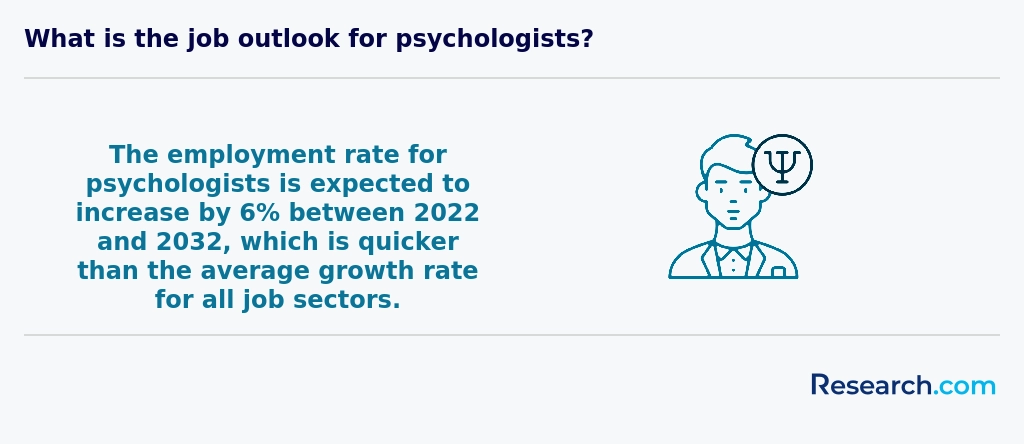
Employment outlook here mirrors a steady growth of about 8% over the next decade, fueled by increasing awareness and expanded mental health services. Salary-wise, a median around $75,000 provides room for comfort in Wichita's affordable living, making it an appealing place for new psychology professionals to build their careers and lifestyles.
Many find their journey enhanced by hands-on internships and practicums offered in the city, providing crucial experience and networks. Students contemplating their studies can even weigh options like the best 6 month associate degree programs to accelerate entry into this fulfilling field.
2027 Most Valuable Psychology Degree Programs Ranking in Wichita
Investing in your education is a significant decision that can shape your future, and the Research.com team understands the importance of making informed choices. To assist prospective students in Wichita, we have meticulously crafted the "2027 Most Valuable Psychology Degree Programs Ranking in Wichita." Our commitment to quality, credibility, and accuracy is reflected in the extensive research and analysis conducted to compile this ranking.
We utilized the following reputable data sources to ensure a comprehensive evaluation of psychology programs:
By exploring this ranking, readers will gain valuable insights into the most valuable psychology degree programs in Wichita, helping them make confident and informed decisions about their educational paths. For more details on our methodology, please visit our Research.com methodology page.


Frequently Asked Questions About psychology
Psychology degree students in Wichita can maximize their learning by engaging actively in internships and research opportunities offered through local universities such as Wichita State University. Practical experience is essential for deepening theoretical knowledge and improving job prospects.
Networking with faculty and local professionals through events and psychology clubs also enhances learning by providing mentorship and real-world insights. Additionally, students should take advantage of Wichita's diverse community to apply cultural competence in psychological practice.
Using resources like the Kansas Psychological Association can connect students to up-to-date industry developments and certification information valuable for career planning.
The field of psychology is evolving rapidly, and emerging niches offer unique opportunities for Wichita students pursuing psychology degrees. One growing area is health psychology, which focuses on how mental, physical, and social factors affect well-being. Another niche gaining attention is industrial-organizational psychology, where specialists improve workplace productivity and employee satisfaction. Additionally, neuropsychology, which studies brain-behavior relationships, is expanding thanks to advancements in neuroscience. Wichita's local universities are increasingly incorporating these specialties into their programs to meet rising demand. According to the U.S. Bureau of Labor Statistics, employment in fields like neuropsychology is expected to grow by 13% through 2032 nationwide, reflecting these trends locally.
Preparing for the job market after earning a psychology degree in Wichita involves strategic planning and practical experience. Wichita is home to several healthcare and social services employers, which makes internships vital in gaining relevant skills. According to the U.S. Bureau of Labor Statistics, the demand for psychologists and mental health professionals in Kansas is projected to grow by 8% from 2022 to 2032, emphasizing local job opportunities.
Students should pursue internships or volunteer positions in hospitals, schools, or counseling centers to build professional networks. Additionally, obtaining certifications such as Certified Alcohol and Drug Counselor (CADC) can increase employability in Wichita's expanding behavioral health sector.
Strong communication and data analysis skills are essential. Graduates might also consider continuing education or graduate degrees to specialize and improve job prospects in this competitive market.
Employers in Wichita prioritize several key skills when hiring psychology degree graduates. Strong critical thinking is essential, enabling graduates to analyze complex behavioral data and develop effective interventions.
Communication skills also rank highly, as psychologists must clearly convey findings to clients and colleagues. Additionally, employers seek proficiency in research methods and data analysis, reflecting the scientific nature of psychology careers. According to the U.S. Bureau of Labor Statistics, skills in statistics and psychological assessment are critical.
Wichita employers further value adaptability and cultural competence because of the city's growing diversity. This allows graduates to work effectively with varied populations, a necessity highlighted by local healthcare reports.
Finally, ethical judgment and confidentiality are fundamental skills emphasized in both accreditation standards and professional practice within the region.
Finding internships in Wichita relevant to a psychology degree involves exploring local opportunities in healthcare, education, and social services. Many students connect with universities such as Wichita State, which offer internship placement support and partnerships with local clinics and organizations. The Kansas Psychological Association provides resources and listings for psychology-related internships statewide. Additionally, applying through platforms like Handshake or the Kansas Department of Labor's website can reveal openings in mental health agencies or community centers.
Networking with local professionals and attending Wichita psychology-related events or workshops increases chances of landing quality internships. Early applications are crucial, as competitive internships often fill quickly.
A psychology degree in Wichita can significantly enhance career mobility and advancement opportunities. According to the U.S. Bureau of Labor Statistics, employment for psychologists is projected to grow 8% nationally through 2031, reflecting steady demand. In Wichita, this growth aligns with expanding healthcare and educational services, where psychologists often serve. The degree provides foundational knowledge and credentials required for roles in mental health counseling, human resources, and social services.
Graduates with psychology degrees in Wichita often find increased access to supervisory or specialized positions, especially when combined with advanced certifications or licenses. Local employers value candidates skilled in research, assessment, and intervention strategies. Additionally, Wichita's growing focus on behavioral health creates pathways for career progression in clinical and organizational settings.
Studying for a psychology degree in Wichita equips students with vital skills for interdisciplinary roles by emphasizing collaboration across various fields such as healthcare, education, and social services. Local programs integrate coursework in neuroscience, counseling, and behavioral science, preparing graduates to work effectively on diverse teams. According to the Kansas Board of Regents, Wichita institutions offer internships that connect students with professionals in business and public health sectors, enhancing practical experience.
Many Wichita psychology degrees include training in data analysis and research methods, which supports roles in policy making or organizational development. These programs also promote understanding of cultural and community concerns relevant to Wichita's population.
When choosing between a thesis and a non-thesis psychology degree program in Wichita, consider your career goals and learning preferences. Thesis programs typically require conducting original research and writing a formal paper, which is ideal if you plan to pursue a PhD or research career. Non-thesis options focus more on coursework and practical skills, suiting those aiming for immediate employment in applied psychology roles.
Wichita State University, the main provider of psychology graduate programs in the area, offers both paths. Data from the U.S. Department of Education indicates about 40% of Wichita's psychology graduate students opt for thesis tracks, reflecting the city's growing demand for research professionals.
Evaluate faculty expertise, research facilities, and available mentorship when deciding. Also, consider your ability to commit time to research since thesis programs typically extend program length by six months to a year.
Students based in Wichita who want to study psychology abroad have several options through U.S. universities' international partnerships and study abroad programs. Wichita State University (WSU) offers various exchange opportunities with European and Asian universities, allowing psychology majors to gain global perspectives.
Nationally, psychology remains one of the most popular majors for study abroad, with over 15% of U.S. study abroad students in 2022 listing psychology or related social sciences as their focus, according to the Institute of International Education.
Wichita students can also participate in summer abroad courses or internships in countries such as the UK, Australia, and Spain, which often count toward their psychology degree requirements.
Careful planning with academic advisors ensures that credits earned abroad transfer back to Wichita institutions, making international study feasible and beneficial.
Students pursuing psychology degrees in Wichita can enhance their education by engaging in part-time jobs related to mental health and social services. Common roles include behavioral health technician, psychiatric aide, or peer support specialist. These positions provide practical experience working with diverse populations and apply psychological concepts in real settings.
Local healthcare providers like Via Christi Health and Wesley Medical Center often hire part-time staff for mental health departments, giving students relevant exposure. Additionally, community organizations focused on counseling and rehabilitation may offer internships or paid roles suitable for psychology students.
According to the U.S. Bureau of Labor Statistics, employment in mental health support roles is expected to grow by 11% through 2032, indicating expanding opportunities in Wichita's healthcare sector.
Psychology students in Wichita have access to diverse networking opportunities through local universities like Wichita State University. These institutions often host student organizations such as the Psi Chi Honor Society, which connects aspiring psychologists with peers and professionals. Networking events, guest lectures, and psychology conferences in the Wichita area provide further chances to meet industry experts and faculty.
Additionally, students can engage with community psychology centers and healthcare facilities for internships and volunteer work. The Kansas Psychological Association offers memberships and events that help students build professional relationships across the state. These combined resources enhance career development in psychology within Wichita.
Alumni networks play a crucial role for psychology degree students in Wichita by providing valuable connections within the local mental health and academic communities. These networks often offer mentoring opportunities that help students navigate internships and job placements. According to the Wichita State University Alumni Association, graduates who engage with alumni have a 20% higher chance of securing relevant positions within one year after graduation.
Moreover, alumni connections can grant access to exclusive workshops, lectures, and research collaborations. In Wichita's competitive psychology job market, such resources are essential for professional growth and staying updated with industry trends.
Customizing a psychology degree program in Wichita involves selecting courses and experiences that align with your professional goals. Many local institutions offer electives in areas such as clinical, counseling, or industrial-organizational psychology, allowing students to specialize early. Wichita State University, for example, provides opportunities for independent study and research projects tailored to individual interests.
Internships or practicum placements are essential for gaining practical experience. In Wichita, partnerships with healthcare providers and community organizations enable psychology students to build relevant skills. According to the Bureau of Labor Statistics, focusing on specialties can improve job prospects in the region.
Additionally, pursuing certifications or dual degrees related to mental health or social work can enhance your credentials. Academic advisors in Wichita's colleges can help design a pathway that supports licensure requirements specific to Kansas.
Psychology students in Wichita often face challenges common to many U.S. higher education settings, such as balancing coursework and practical experience. Students must meet rigorous academic standards while completing required internships or practicum hours, which can be demanding alongside part-time jobs or family responsibilities.
Access to quality clinical placements in Wichita can be competitive, due to a limited number of local mental health facilities partnering with universities. According to the latest Kansas Board of Regents data, about 60% of psychology students report difficulty securing timely internships, which are crucial for hands-on learning and licensure preparation.
Financial stress is also significant. Tuition and living costs in Wichita are relatively moderate, but students often rely on scholarships or federal aid, as reported by the National Center for Education Statistics.
With a psychology degree in Wichita, graduates can pursue several professional certifications to enhance their careers. Common options include becoming a Licensed Professional Counselor (LPC) or Licensed Specialist Clinical Social Worker (LSCSW), which require completing supervised clinical hours and passing state exams. Additionally, certifications like Certified Behavior Analyst (CBA) are valuable for those interested in applied behavior analysis, especially in education or rehabilitation settings.
According to the Kansas Behavioral Sciences Regulatory Board, these certifications ensure practitioners meet professional standards and improve employment prospects. Local Wichita institutions, such as Wichita State University, support students aiming for these credentials through specialized programs.
To write a winning application for a psychology program in Wichita, start by researching local universities such as Wichita State University, which offers accredited psychology degrees. Tailor your personal statement to highlight your passion for psychology and any relevant experiences, such as internships or volunteer work in mental health settings common in Wichita. Admissions committees look for candidates who demonstrate critical thinking, empathy, and a commitment to the field. Include clear career goals and explain how the program aligns with them. Remember to provide strong letters of recommendation, ideally from professors or supervisors familiar with your academic or professional abilities.
Standardized test scores like the GRE may be required; check individual program websites for current requirements, as these vary. According to the American Psychological Association, Wichita area programs emphasize research skills and community engagement, so emphasize these elements in your application materials. Proofreading your essays carefully to avoid errors is essential to present a polished and professional submission.
Psychology careers hold significant global relevance, with the U.S. leading advanced research and clinical practice. In Wichita, psychology degree programs align with nationwide trends, emphasizing evidence-based approaches and multicultural competence. According to the U.S. Bureau of Labor Statistics (2023), employment for psychologists is projected to grow 8% nationally through 2031, reflecting increasing demand worldwide.
International perspectives influence curricula, preparing students for diverse populations and global mental health challenges. Wichita's programs often integrate these elements, reflecting the global shift toward interdisciplinary and culturally informed psychology.
Graduates in Wichita gain skills applicable in various settings, from healthcare to education, benefiting from recognized standards set by bodies such as the American Psychological Association.
Gaining practical experience while studying for a psychology degree in Wichita is essential for building skills and enhancing employability. Many local universities, such as Wichita State University, offer internship programs in collaboration with community mental health centers and hospitals. These opportunities allow students to work under supervision, applying classroom knowledge to real-world situations.
Students can also participate in research projects led by faculty, gaining hands-on experience in data collection and analysis. According to the Bureau of Labor Statistics, practical experiences improve job prospects in psychology fields by nearly 20%.
Volunteer positions at clinics, schools, or non-profits provide additional ways to engage directly with clients and develop interpersonal skills important for psychology careers.
Choosing the right concentration within a psychology degree program in Wichita involves evaluating your career goals and interests. Popular concentrations include clinical, counseling, developmental, and industrial-organizational psychology. Each offers distinct career paths, from therapy to human resources management.
Consider the local job market as well. According to the U.S. Bureau of Labor Statistics, Wichita's demand for clinical and counseling psychologists is growing faster than average, reflecting regional healthcare needs. Research local employers and institutions to see which specializations they value most.
Also, review program curricula closely. Some Wichita universities offer hands-on practicum experiences in mental health clinics or schools, which can be critical for gaining practical skills. Speaking with academic advisors and current students can provide insight into program strengths and concentration focuses.
- 2027 Most Valuable Psychology Degree Programs Ranking in Tulsa
- 2027 Most Valuable Psychology Degree Programs Ranking in Lincoln
- 2027 Most Valuable Psychology Degree Programs Ranking in Springfield
- 2027 Most Valuable Psychology Degree Programs Ranking in Saint Louis
- 2027 Most Valuable Psychology Degree Programs Ranking in Denver
- 2027 Most Valuable Psychology Degree Programs Ranking in Boulder
- 2027 Most Valuable Psychology Degree Programs Ranking in Minneapolis
- 2027 Most Valuable Psychology Degree Programs Ranking in Saint Paul
- 2027 Most Valuable Psychology Degree Programs Ranking in Baton Rouge
- 2027 Most Valuable Psychology Degree Programs Ranking in Hattiesburg
See What Experts Have To Say About Studying Psychology
Read our interview with Psychology experts

Elizabeth L. Jeglic Ph.D.
Psychology Expert
Professor of Psychology
City University of New York

Robin M. Kowalski. Ph.D.
Psychology Expert
Professor of Psychology
Clemson University

Joann Farrell Quinn, Ph.D., MBA
Psychology Expert
Director at the College of Medicine Department of Medical Education
Morsani College of Medicine

- Call for papers https://www.hogrefe.com/us/journal/international-perspectives-in-psychology-research-practice-consultation
- Psychology https://newmanu.edu/academics/psychology-wichita
- Study Psychology Abroad https://astarfuture.co.uk/study_psychology_abroad.html
- Professional Networking For Psychologists | Psychology.org https://www.psychology.org/resources/professional-networking/
- Alumni Perspectives - Meet Our FPN Alumni https://www.aanmelder.nl/alumni-perspectives-june-2023
- Psychology - SWPS University https://english.swps.pl/academics/warsaw/ba-programs/psychology
- Wichita State University https://mastersinpsychologyguide.com/schools/wichita-state-university/
- Sample letters in psychology https://www.mystudies.com/en-in/human-and-social-sciences/psychology/letter-model/
- Have You Found a Niche? https://www.apaservices.org/practice/business/marketing/building/niche
- Know more about thesis vs non- thesis: what is the difference? https://studyfans.com/en/blogs/816


