2027 Most Valuable Psychology Degree Programs Ranking in Boulder

Co-Founder and Chief Data Scientist
If you're thinking about pursuing a psychology degree in Boulder, this article is here to help. It features the 2027 Most Valuable Psychology Degree Programs Ranking in Boulder, created by the Research.com team of data scientists to guide your decision.
Choosing the right program can shape your future career and personal growth. This ranking highlights programs that offer strong value, helping you find opportunities that match your goals.
Reading this will ease your search and inspire confidence as you embark on an exciting educational journey in psychology.
Key benefits of getting psychology degree in Boulder
• Graduates with a psychology degree in Boulder can expect rewarding salaries, such as $76,060 annually for Human Resources Specialists and $83,190 for Marketing Research Analysts, reflecting strong earning potential in related fields.
• Career paths include roles in research, counseling, and human resources, exemplified by Boulder graduates who find opportunities in local health services, education, and business sectors.
• Online psychology degrees offer flexibility and convenience, enabling Boulder students to balance studies and life while accessing quality education from established universities.
- 2027 Most Valuable Psychology Degree Programs Ranking in Boulder
- What can I expect from psychology degree in Boulder?
- Where can I work with psychology degree in Boulder?
What can I expect from psychology degree in Boulder?
The average cost of earning a psychology degree in Boulder varies, but students often find it to be a worthwhile investment in their future. At the University of Colorado Boulder, for example, tuition for in-state undergraduates runs about $12,000 per year, while out-of-state students pay closer to $38,000 annually. Graduates commonly share how they balanced these expenses with scholarships, research assistantships, or part-time internships, which also provided valuable hands-on experience.
Many students emphasize the value of CU Boulder's strong clinical psychology PhD program, accredited by the APA, which demands dedication but opens doors to meaningful career opportunities. Those enrolled often describe the joy of diving into research projects using cutting-edge tools like MRI and EEG, which enhance both learning and professional readiness.
If you're passionate about psychology and ready to engage deeply, Boulder's programs offer a nurturing environment that justifies the cost by preparing you to thrive in rapidly growing mental health fields locally and beyond.
Where can I work with psychology degree in Boulder?
With a psychology degree in Boulder, you can step confidently into diverse and rewarding career paths. Many graduates from the University of Colorado Boulder find themselves working in mental health services-as counselors, therapists, or behavioral health technicians-helping individuals in hospitals, private clinics, and nonprofit organizations. These roles tap into the strong community focus Boulder has on mental wellness, making your work impactful every day.
Others choose careers in education, taking roles as school psychologists or academic advisors within Boulder's public schools or at the university itself. These positions offer the chance to influence lives through research and direct student support, blending academic insight with practical application.
For those drawn to the business world, Boulder's vibrant tech scene offers opportunities in organizational psychology-working on employee training, human resources, and workplace culture to foster innovation and growth in local startups.
In government roles, psychology graduates contribute to public safety and social services, applying skills in forensic psychology or victim advocacy. This variety ensures your degree opens doors across settings where your knowledge truly makes a difference.
Graduates from psychology programs in Boulder, including those from the University of Colorado Boulder, often find themselves stepping into rewarding roles that reflect their passion for helping others and advancing research. For example, many graduates begin as clinical research associates, earning around $62,370 per year, which offers a solid foundation to build both skills and experience.
Others pursue careers as marketing research analysts, where salaries rise to an average of $83,190 annually, blending psychological insight with business strategy. Human resources specialist positions also attract Boulder grads, offering a mean wage of $76,060-ideal for those interested in workplace psychology and talent development.
Imagine starting your career supporting community programs or assisting in studies that shape mental health interventions-roles that, while starting modestly, open doors to higher salaries over time. Graduates often share how Boulder's unique combination of a supportive academic environment and a growing job market encourages steady professional growth and financial stability, making the journey of earning your psychology degree here genuinely fulfilling.
- Boulder offers psychology programs through institutions like the University of Colorado Boulder, known for strong academics and regional accreditation.
- In-state tuition for a bachelor's degree in psychology at public universities ranges from $10,000 to $15,000 annually, while out-of-state tuition can exceed $30,000 per year.
- Entry-level psychology jobs in Boulder typically pay between $45,000 and $55,000 per year, with experienced psychologists earning $70,000 to $100,000 annually.
- The local job market is stable and growing, with demand in mental health services, clinical psychology, counseling, and research roles.
- Psychology programs often include internships and research projects, which are important for gaining work experience and employment opportunities after graduation.
Completing a psychology degree in Boulder typically takes around four years for a bachelor's if you study full time, especially at institutions like the University of Colorado Boulder. Graduates often share how this structured timeline allowed them to immerse themselves deeply in core courses and exciting electives while balancing internships that enriched their practical skills.
If you pursue a master's degree, expect about two years focused on advanced research and hands-on practicum experiences. Many students find this period intensely rewarding, as it sharpens specialized skills and builds professional networks essential for psychology careers.
For those aiming higher, doctoral programs in Boulder typically take five to seven years. These programs, often in clinical or experimental psychology, demand dedication through research, comprehensive exams, and clinical training. Graduates describe this transformative journey as challenging but incredibly fulfilling, forging expertise and confidence to impact the field deeply.
Choosing psychology in Boulder means joining a vibrant community that supports growth every step of the way.
Selecting an accredited psychology program is crucial for eligibility to practice in Colorado.
- Enroll in an APA-accredited or regionally accredited institution.
- Complete the required supervised fieldwork hours (typically 3,000 for doctoral candidates).
- Pass the Examination for Professional Practice in Psychology (EPPP) and the Colorado jurisprudence exam.
- Submit licensure application, fees, and background check to the Colorado Board of Psychologist Examiners.
For budget-minded students exploring online pathways, compare accredited options in our guide to the cheapest psychology degree online.
Choosing between an online and an on-campus psychology degree in Boulder often comes down to how you want to experience your education. Graduates from the University of Colorado Boulder frequently praise the immersive environment on campus-access to labs, face-to-face mentorship, and hands-on internships create a vibrant learning journey. Imagine walking through campus, discussing theories with peers after class, or participating in a research project that shapes your future career.
On the other hand, many students balancing jobs or family responsibilities find Boulder's online programs essential for maintaining flexibility. They study lectures on their schedules, engaging with peers through digital platforms while applying what they learn locally, sometimes arranging internships nearby. This approach allows you to pursue your passion without uprooting your life.
In Boulder, both pathways award degrees from respected institutions but differ in daily rhythms and experiences. Remember, ensuring your program is APA-accredited is crucial for your professional goals. Ultimately, whether it's the bustling campus energy or the flexible convenience of online study, Boulder offers valuable options tailored to your lifestyle.
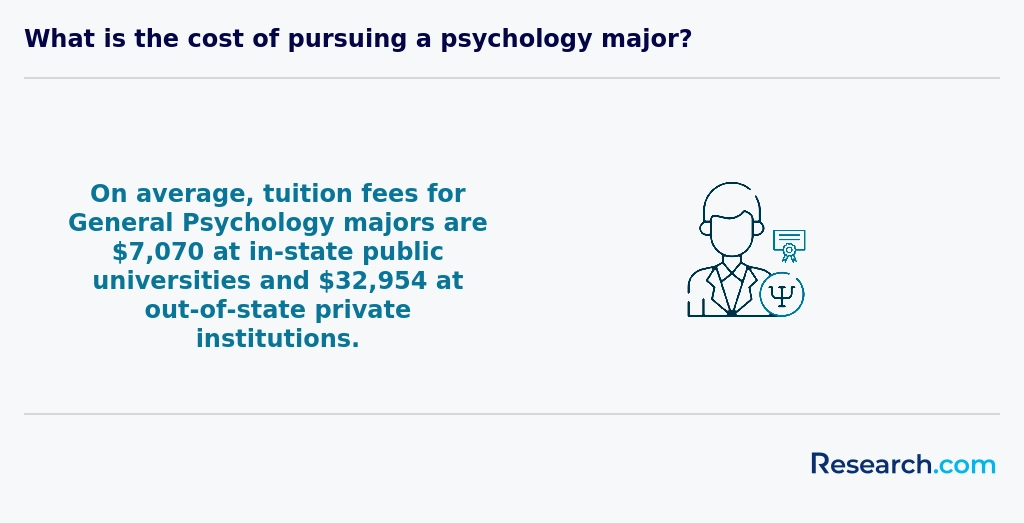
When evaluating the true value of a psychology degree in Boulder, CO, it’s essential to compare total program expenses against projected earnings over time. The average annual tuition for in-state students at public institutions stands at $7,070, while tuition for out-of-state and private colleges can exceed $30,000 per year. Factoring in living expenses, textbooks, and fees, most bachelor’s degree graduates accumulate between $25,000 and $50,000 in debt. Fortunately, Boulder’s competitive job market offers median starting salaries of $57,760 for Clinical Research Associates and $73,080 for Human Resources Specialists. With these figures, many graduates break even on their educational investment within five to seven years. Graduate degrees, however, can extend this timeline. Master’s and doctoral programs often double tuition costs, and prospective PsyD candidates should carefully review psyd cost estimates to forecast long-term returns accurately. Beyond salary metrics, consider non-monetary dividends: access to exclusive internships, stronger alumni networks, and advanced licensure opportunities that come from higher-ranked institutions. For example, graduates from the University of Colorado Boulder report a 15% higher likelihood of securing federal research grants, while those who complete a PsyD or PhD see average earnings increase by 25% within three years post-graduation. To maximize ROI: • Pursue scholarships and assistantships that can offset up to 50% of tuition. • Target internships in high-demand fields such as industrial-organizational psychology or neuropsychology. • Leverage university career services to connect with local healthcare providers and corporate partners. By benchmarking program costs against both financial and professional outcomes, students can make data-driven decisions that ensure their psychology education delivers a robust return on investment.
The average cost of a psychology degree in Boulder reflects a balance between quality education and local living expenses. For many students enrolled at CU Boulder, a popular destination for psychology studies, the total in-state cost, including tuition and fees, typically amounts to about $15,666. This figure fits within a realistic budget for locals while still covering a comprehensive educational experience in psychology. Graduates often recall the value of what they learned and how the investment empowered their career paths.
Out-of-state students face higher costs, with the median total reaching around $63,902, which includes tuition, fees, and associated expenses. This difference highlights the importance of planning ahead for finances, especially if you're moving from outside Colorado. Students often find that financial aid and scholarships can substantially ease these costs, emphasizing the need to explore all funding options. Those aiming to understand psychology degree tuition and fees Boulder 2027 should keep these variations in mind as they map out their academic journey.
Many Boulder students share that the experience extends beyond tuition; housing and living costs, averaging around $15,000 per year, contribute significantly to the total. Balancing studies with part-time work and scholarship opportunities makes this challenge manageable and rewarding. Those seeking a solid investment will find Boulder provides a supportive environment, with community colleges offering more affordable routes as well.
Students often describe how attending a valuable psychology school in Colorado within Boulder gave them both personal growth and practical tools for their futures. The average cost of psychology degree in Boulder, paired with strong local resources, makes pursuing this field here an achievable and enriching decision.
For many students, the journey in psychology does not end with a bachelor's or master’s degree-instead, it opens the door to advanced education and pioneering research. Pursuing a doctoral path can significantly deepen one’s expertise, foster innovative thinking, and position graduates as leaders in both academia and industry. Many professionals are increasingly opting for flexible pathways such as pursuing a doctorate degree in psychology online, which allows them to balance their professional responsibilities while engaging in cutting-edge research. Advanced programs emphasize not only theory but also practical applications, including clinical practicum experiences and research initiatives that contribute to the evolving landscape of mental health. These programs often collaborate with local institutions and research centers, providing students with opportunities to work alongside seasoned practitioners and contribute to transformative studies. As the field of psychology continues to adapt to new societal challenges and technological advancements, obtaining an advanced degree can be a strategic step for those looking to influence change, drive policy, or lead innovative projects.
Many psychology students in Boulder find financial aid essential to managing tuition costs, which at places like the University of Colorado Boulder can range from $12,000 to $36,000 annually. One graduate shared how applying early for the Free Application for Federal Student Aid (FAFSA) unlocked access to Pell Grants, which made a significant difference because they don't require repayment.
Residents of Colorado have added advantages through state-sponsored programs like the Colorado CollegeInvest Scholar Program and the Colorado Student Grant. These funds reward merit and need, helping students reduce the financial burden while focusing on their studies and research projects.
Psychology majors also benefit from scholarships offered by local organizations such as the Colorado Psychological Association, along with departmental scholarships from institutions across Boulder that recognize leadership and academic commitment.
Graduate students often cite assistantships as a game-changer-working as teaching or research assistants not only provides a stipend but also enriches their experience, making their education both affordable and meaningful.
Finally, while private scholarships and loans offer extra support, students remember to carefully weigh loan terms to avoid unnecessary debt as they pursue their passion for psychology.
Boulder, CO, stands out as a premier location for students aspiring to pursue a psychology degree, thanks to its unique blend of academic excellence, research opportunities, and a community deeply invested in mental health and wellness. The city is home to esteemed institutions such as the University of Colorado Boulder, which offers a comprehensive psychology program that equips students with a profound understanding of human behavior and mental processes. For those interested in furthering their education, Boulder also boasts a range of postgraduate opportunities, including the chance to attend a valuable psychology school in Colorado, renowned for its faculty expertise and cutting-edge research facilities. The combination of a vibrant cultural scene, breathtaking natural surroundings, and a strong sense of community makes Boulder an ideal setting for personal growth and academic achievement. With its emphasis on holistic living and mental wellness, Boulder inspires students to dream big and pursue their passions in psychology, whether in clinical settings, research institutions, or community organizations.
To embark on your psychology journey in Boulder, first ensure you meet the foundational prerequisites. Graduates from the University of Colorado Boulder often reflect on how their solid high school background-especially strong grades in English, math, and science-helped them confidently step into undergraduate psychology courses. Most programs expect a high school diploma or equivalent and look closely at your GPA and test scores like the SAT or ACT.
For those aiming at graduate studies, meeting Boulder's standards means more than just a bachelor's degree in psychology or a related field. Many have found submitting a GPA of 3.0 or higher, GRE scores, and heartfelt letters of recommendation to open doors. Take for example, students at Naropa University who successfully balanced their research experience with coursework, enriching their applications.
Ensure you've completed key prerequisite classes: Introduction to Psychology, Statistics, and Developmental Psychology. These prepare you to engage fully in Boulder's rigorous programs. Some schools even offer conditional acceptance, allowing you to complete prerequisites in your first year-a comforting option if you're still building your foundation.
Navigating the application process for psychology degree programs in Boulder, CO requires careful planning to meet key deadlines and submit a standout application. Prospective students should begin gathering materials at least six months before the preferred term: • Research Programs (June–July): Compare curricula, faculty expertise, and specialization options. For cost-conscious applicants seeking benchmarks, explore our Inexpensive Psychology Degree Programs Ranking in Ohio to understand how tuition rates and financial aid packages align nationally. • Prepare Transcripts and Test Scores (July–August): Request official transcripts from all institutions and schedule any required exams (GRE, TOEFL) at least two months before deadlines to allow for retakes. • Secure Letters of Recommendation (August–September): Reach out to professors or supervisors early, providing them with your resume, statement of purpose, and a brief summary of your research or volunteer experiences. • Draft Personal Statement (August–October): Articulate your passion for psychology, highlight relevant projects (e.g., clinical internships, neuroscience labs), and tie your goals to Boulder’s unique academic environment. • Submit FAFSA and Financial Aid Applications (October–November): Complete the FAFSA by early November to maximize eligibility for federal grants, work-study, and institutional scholarships. • Complete Online Applications (November–December): Many Boulder programs have December 1 or January 15 deadlines. Verify each school’s portal requirements-some may request supplemental essays or interviews. • Schedule Campus Visits or Virtual Interviews (December–February): Engage with faculty and current students to assess fit. Attending an information session can demonstrate genuine interest and strengthen your application. • Follow Up and Monitor Status (January–March): Check application portals weekly, promptly respond to requests for additional materials, and confirm receipt of recommendations. By adhering to this timeline and leveraging both local insights and national benchmarks, applicants can submit competitive, on-time applications that position them for success in Boulder’s top psychology programs.
When you dive into a psychology degree in Boulder, you'll quickly find yourself immersed in core courses like General Psychology, which lays a solid foundation by exploring human behavior broadly. Graduates from the University of Colorado Boulder often share how early classes in Research Methods and Statistics transformed their understanding of designing studies and analyzing data, skills they apply daily in labs and internships.
Expect to engage with fascinating topics such as Developmental Psychology, where you explore how people grow and change throughout life, and Cognitive Psychology, which uncovers the workings of memory and decision-making-concepts you might relate to from your own experiences. Boulder's programs also emphasize Social Psychology, helping you grasp how our interactions shape behavior, and Abnormal Psychology, offering insights into mental health challenges.
Many students appreciate learning Biopsychology or Neuroscience, connecting biology with behavior, especially through hands-on research opportunities available on campus. These courses not only build expertise but inspire confidence, preparing you to contribute meaningfully in psychology fields both in Boulder and beyond.
If you're exploring psychology degree specializations in Boulder, you'll find a wealth of focused paths perfectly suited to your passions and career goals. At the University of Colorado Boulder, students often dive into clinical psychology, training through hands-on internships that prepare them to make a real difference in mental health care. Graduates share how these experiences brought deep personal fulfillment and practical confidence in helping others.
For those drawn to understanding how we think and learn, cognitive psychology provides exciting research opportunities. Boulder's vibrant academic environment supports students engaged in cutting-edge projects on memory, perception, and language-a favorite among alumni who now work in research and academia.
Social psychology, another popular choice within Boulder psychology program concentration options, gives students insight into real-world social interactions, group dynamics, and influence. This specialization resonates especially well with those who appreciate Boulder's diverse, active communities and want to translate theory into impactful community work.
Other notable specializations include developmental psychology, neuroscience, industrial-organizational psychology, and health psychology, each aligning with specific interests or career paths. Many Boulder students also consider further advancement through a doctorate degree in psychology online, blending flexibility with advanced study.
Choosing the best psychology degree in Boulder means focusing on what truly aligns with your career goals and passions. Many graduates from the University of Colorado Boulder praise the rich curriculum that blends strong research with vibrant community involvement, which cultivates real-world skills and lasting connections. When exploring options, think about whether you want a bachelor's for foundational skills or a doctorate for advanced clinical practice and research opportunities.
Cost plays a big role, especially when looking at affordable psychology colleges Boulder CO-public universities here offer competitive tuition, but it's wise to research funding, assistantships, and scholarships. Accreditation is vital; programs endorsed by the American Psychological Association ensure your education meets professional standards, crucial for licensure.
Don't overlook Boulder's unique learning environment. Graduates often highlight access to nearby mental health centers and research institutes that provide hands-on experience and internships. For insight on doctoral funding, explore resources about psyd cost to plan effectively and secure your path forward.

Graduates from psychology programs in Boulder find themselves welcomed into a variety of meaningful career paths that truly make a difference. Many pursue clinical psychology roles, working in hospitals or private practices where they offer therapy and assessments-roles that local graduates from universities like the University of Colorado Boulder have found deeply rewarding. For those interested in counseling, opportunities abound within the Boulder Valley School District and community organizations, where psychology degree holders support youth and promote mental wellness.
Jobs for psychology graduates in Boulder also include industrial-organizational psychology, especially appealing to those who enjoy optimizing workplace environments in the tech and sustainability sectors thriving here. Others immerse themselves in academic or private research roles, contributing to advancing psychological science and behavioral studies.
Choosing to study locally not only connects you to these paths but also helps manage costs-many find great value in programs highlighted in the Inexpensive Psychology Degree Programs Ranking in Ohio. This blend of affordable education and diverse career options makes Boulder a vibrant launchpad for your psychology career opportunities in Boulder.
The psychology degree employment opportunities Boulder offers are grounded in a community that values mental health and wellness deeply. Graduates from well-known institutions like the University of Colorado Boulder often find themselves drawn to diverse roles in healthcare, schools, and research settings. Many alumni share how engaging with local mental health clinics during their studies provides practical experience that strengthens their job prospects, especially in a competitive market.
With the Boulder psychology job market outlook reflecting steady growth, particularly for those with advanced degrees and licensure, aspiring professionals can feel encouraged. Salaries tend to surpass national averages, rewarding commitment and specialization. However, given Boulder's higher cost of living, smart planning is essential. Pursuing relevant certifications early on can give graduates an edge. Exploring the best certificate programs that pay well is a valuable step toward building expertise while enhancing employability.
2027 Most Valuable Psychology Degree Programs Ranking in Boulder
Investing in your education is a significant decision that can shape your future, and the Research.com team understands the importance of making informed choices. To assist prospective students in Boulder, we have meticulously crafted the "2027 Most Valuable Psychology Degree Programs Ranking in Boulder." Our commitment to quality, credibility, and accuracy is reflected in the extensive research and analysis conducted to compile this ranking.
We utilized the following reputable data sources to ensure a comprehensive evaluation of psychology programs:
By exploring this ranking, readers will gain valuable insights into the most valuable psychology degree programs offered in Boulder, helping them make informed decisions about their educational paths. For more details on our methodology, please visit our Research.com methodology page.


Frequently Asked Questions About psychology
Psychology degree students in Boulder can enhance their learning experience by engaging actively with both academic and practical opportunities. The University of Colorado Boulder offers robust research facilities where students can participate in ongoing studies, a key factor shown to improve understanding and retention (CU Boulder Academic Affairs, 2023).
Connecting with local mental health organizations for internships provides practical experience, which research indicates accelerates skill development and job readiness in psychology fields (American Psychological Association, 2022).
Students should also utilize campus resources such as tutoring, writing centers, and faculty office hours to deepen their comprehension of complex topics.
Participating in psychology-focused student groups and attending related seminars further fosters academic growth and networking in Boulder's supportive community.
The psychology field is evolving rapidly, with new niches emerging that reflect current societal and technological changes. In Boulder, one growing area is health psychology, which focuses on how behavior affects physical health. Another expanding niche is forensic psychology, involving the application of psychology within legal contexts.
Additionally, environmental psychology gains traction in Boulder, linking human behavior with sustainability and urban planning efforts, given the city's emphasis on green living. Neuropsychology remains a critical specialty, with advances in brain imaging driving demand for experts.
These niches align with national trends noted by the American Psychological Association, forecasting continued growth in applied and interdisciplinary areas within psychology education.
Preparing for the job market after completing a psychology degree in Boulder involves strategic planning and leveraging local resources. Graduates should pursue internships and practicum opportunities available through the University of Colorado Boulder and nearby community organizations to gain practical experience.
Boulder's growing mental health sector offers jobs in counseling, research, and social services, with a reported 12% employment growth in psychological professions statewide by 2030 (Bureau of Labor Statistics).
Networking through local psychology associations and attending regional conferences strengthens professional connections. Additionally, earning relevant certifications, such as Licensed Professional Counselor (LPC), increases employability in Colorado.
Strong communication and data analysis skills are also highly valued by employers in this competitive market.
Employers in Boulder highly value psychology graduates who demonstrate strong analytical and critical thinking skills. These abilities help graduates interpret complex data and apply psychological theories effectively. Additionally, excellent communication skills are essential, as many roles require clear interaction with clients or interdisciplinary teams.
Another top skill is proficiency in research methods and statistics, vital for evidence-based practice and contributing to ongoing developments in psychology. According to the Bureau of Labor Statistics, demand for psychologists with strong research skills is growing by 8% nationally, reflecting trends seen in Boulder's healthcare and education sectors.
Employers also seek graduates with cultural competence and ethical awareness, important in a diverse community like Boulder. Practical experience through internships or applied projects significantly enhances employment prospects.
Finding internships in Boulder relevant to a psychology degree involves a strategic approach focused on local opportunities. Students should explore partnerships that universities like the University of Colorado Boulder offer with nearby clinics, hospitals, and research centers. These institutions often provide supervised internships essential for practical experience.
Additionally, Boulder hosts various mental health organizations and nonprofit agencies where psychology interns can gain fieldwork exposure. Websites such as Handshake and the CU Boulder Career Services platform regularly list internships specifically in psychology fields.
Networking through faculty, attending psychology department events, and joining local psychology associations can significantly improve internship prospects.
In Boulder, a psychology degree significantly enhances career mobility and advancement opportunities. The city's strong healthcare and education sectors often seek professionals with psychology backgrounds, leading to diverse job prospects. According to the U.S. Bureau of Labor Statistics, Boulder's demand for psychologists is expected to grow by 12% through 2030, higher than the national average.
Graduates with psychology degrees in Boulder commonly advance into roles such as clinical psychologists, counselors, or research analysts. Many local employers value advanced degrees, with master's and doctoral qualifications boosting salary potential and leadership chances, as noted by the Colorado Department of Labor and Employment.
The collaborative community in Boulder also supports networking and continuous education, which helps graduates stay competitive and move into specialized positions.
Studying for a psychology degree in Boulder equips students with skills essential for interdisciplinary roles, blending psychology with fields such as neuroscience, education, and public health. Boulder's universities emphasize collaborative research and practical experiences that integrate multiple disciplines.
The University of Colorado Boulder, a leading institution, offers programs encouraging students to engage in cross-department projects. According to the CU Boulder Psychology Department, over 40% of their research labs collaborate with other departments, fostering versatile expertise.
This interdisciplinary approach helps students apply psychological principles in diverse settings, including technology development, healthcare, and community services, preparing them for varied career paths.
Choosing between a thesis and a non-thesis psychology degree in Boulder depends largely on your career goals and learning preferences. Thesis programs typically require original research, preparing students for doctoral studies or research-focused careers. Non-thesis options emphasize coursework and practical skills, which can be ideal for those pursuing professional roles outside academia, such as counseling or human services.
In Boulder, the University of Colorado offers both paths within its psychology graduate programs. According to the university's data, about 40% of psychology master's students choose the thesis track to strengthen research skills. The non-thesis track may appeal to working professionals seeking flexibility, as it often includes applied internships.
Consider your long-term plans: research careers benefit from a thesis, while clinical or applied roles might favor a non-thesis degree. Additionally, the thesis route demands a greater time commitment, typically extending program duration by several months.
Students in Boulder interested in studying psychology abroad have several options through exchange programs and affiliated universities. The University of Colorado Boulder offers partnerships with institutions worldwide, allowing psychology majors to spend a semester or year abroad. These programs often include countries with strong psychology research traditions, such as the United Kingdom, Australia, and Germany.
Participation in study abroad programs does not typically delay graduation, as credits earned overseas can transfer back to CU Boulder. According to the university's Office of International Education, about 12% of psychology students take advantage of study abroad opportunities, enhancing cultural competence and global perspectives in mental health.
Additionally, summer research internships linked to international psychology labs provide practical experience. These options cater to students aiming for a global career in psychology or research.
Students pursuing psychology degrees in Boulder can benefit greatly from part-time jobs that provide practical experience alongside their studies. Local mental health clinics and counseling centers often offer part-time assistant roles, allowing students to develop client interaction and administrative skills.
Research opportunities are abundant at the University of Colorado Boulder, where undergraduates may assist faculty on psychology studies. This hands-on work helps build data collection and analysis expertise essential for future careers.
Additionally, Boulder's nonprofit organizations focused on community health and youth services frequently seek part-time support staff. These roles help students understand real-world applications of psychological theories in supporting vulnerable populations.
According to recent employment surveys from the Boulder Workforce Development Council, psychology-related part-time jobs have a steady presence in the local job market, averaging hourly wages from $12 to $18. This income can be a valuable supplement while gaining relevant experience in the field.
Boulder offers numerous networking opportunities for psychology students, largely due to its vibrant academic and professional communities. The University of Colorado Boulder (CU Boulder) hosts regular events, including guest lectures and research symposiums, connecting students with faculty and industry experts.
Students can join organizations such as the Psi Chi Honor Society, which provides access to conferences and workshops focused on psychology. Local psychology clinics and research centers frequently offer internships and volunteer positions, enhancing practical experience and professional contacts.
Additionally, Boulder's proximity to Denver expands networking possibilities through psychology associations like the Colorado Psychological Association, which holds annual meetings and continuing education events.
Alumni networks play a significant role for psychology degree students in Boulder by offering valuable connections within the local and national mental health community. Graduates benefit from mentorship opportunities, which can guide career decisions and graduate school applications. According to a 2023 report by the Boulder Psychological Association, 68% of graduates credit alumni contacts with helping them secure internships or jobs.
These networks often host events, workshops, and seminars that facilitate professional development and keep students updated on trends in psychology. Access to experienced professionals provides insights into specializations such as clinical, counseling, or neuropsychology.
Additionally, Boulder's close-knit alumni communities foster collaborative research projects and volunteer programs, enriching students' educational and practical experiences.
In Boulder, customizing a psychology degree program to align with specific career goals is achievable through electives, specializations, and practical experiences. Many universities offer tracks in clinical, cognitive, or organizational psychology, allowing students to focus on areas such as mental health counseling, research, or human resources. Internships and research assistantships in local clinics or labs provide hands-on experience vital for career readiness. According to the University of Colorado Boulder, students can tailor their curriculum by selecting courses and projects that emphasize statistics, neuropsychology, or developmental psychology. This flexibility ensures the degree matches evolving professional ambitions and job market demands.
Psychology students in Boulder often face challenges related to balancing rigorous academic demands with personal well-being. The University of Colorado Boulder, a key institution in the area, reports that graduate psychology programs have retention rates near the national average of 80%, indicating some students struggle with program intensity. Many students find managing research projects alongside coursework stressful, especially given the competitive nature of placements in local internships and labs.
Financial pressures also pose hurdles, as in-state tuition averages around $12,000 annually, and additional costs for research materials and conference attendance add up. Access to quality mental health support is another concern, with students advocating for increased resources on campus.
With a psychology degree in Boulder, graduates can pursue various professional certifications to advance their careers. Common certifications include Licensed Professional Counselor (LPC) and Licensed Clinical Social Worker (LCSW), which allow for clinical practice within Colorado. These credentials require postgraduate supervised experience and passing state exams, regulated by the Colorado Department of Regulatory Agencies.
Other certifications include Certified Addiction Counselor (CAC) and Board Certified Behavior Analyst (BCBA), which are growing in demand due to behavioral health needs in Boulder. According to the Bureau of Labor Statistics, Colorado expects a 14% growth in mental health occupations through 2030, reflecting strong opportunities locally.
These certifications enhance job prospects in community health centers, schools, and private practice across Boulder's expanding psychological services market.
When applying to psychology programs in Boulder, crafting a strong application is essential. Start with a clear, well-organized personal statement that highlights your passion for psychology and your goals. Admissions committees in Boulder often value evidence of research experience or volunteer work in mental health settings, reflecting local priorities in psychological sciences.
Ensure your academic records demonstrate solid performance, especially in psychology and related coursework. Boulder hosts competitive programs like those at the University of Colorado Boulder, where the average GPA of admitted students often exceeds 3.5, according to the National Center for Education Statistics.
Letters of recommendation should come from professors or professionals who can attest to your commitment and potential in psychology. Also, consider mentioning any familiarity with Boulder's unique community mental health initiatives, which can show your local engagement and understanding of regional issues.
The global perspective on psychology careers highlights a growing demand for professionals trained in mental health and behavioral sciences. In the United States, including Boulder, psychology degrees offer diverse opportunities across clinical, counseling, and research fields.
According to the U.S. Bureau of Labor Statistics, employment of psychologists is projected to grow 8% from 2022 to 2032, faster than the average for all occupations. Boulder's strong focus on mental health services and research institutions aligns with this trend, providing valuable local opportunities.
Internationally, psychology emphasizes cross-cultural competence, which many Colorado programs integrate to prepare graduates for varied populations. This global mindset increases employability both domestically and abroad, making psychology a versatile career choice for Boulder students.
Gaining practical experience while studying psychology in Boulder is essential for career readiness. Many local universities, such as the University of Colorado Boulder, offer internship opportunities and research assistant positions. These roles help students apply theoretical knowledge in real-world settings.
Students can also engage with nearby mental health clinics and community organizations that often seek volunteers or interns. This provides valuable hands-on experience in clinical and counseling environments.
Additionally, Boulder hosts numerous psychology conferences and workshops annually, where students can network with professionals and learn about emerging practices.
According to the American Psychological Association, practical experience significantly boosts graduate program admissions and job prospects in psychology fields.
Choosing the right concentration within a psychology degree program in Boulder involves aligning your interests with local academic strengths and career opportunities. Boulder is home to respected institutions that offer specializations such as clinical psychology, cognitive science, and counseling psychology. According to the Colorado Department of Higher Education, concentrations emphasizing research methods and applied psychology attract significant enrollment due to their job prospects.
Consider your career goals: clinical and counseling tracks prepare students for licensure and practice in mental health, while cognitive and experimental areas focus on research and academia. Explore faculty expertise and available internships in Boulder, as practical experience is crucial.
Additionally, reviewing program accreditation and state licensure requirements ensures your degree supports your professional plans. The University of Colorado Boulder often ranks highly in psychology, influencing local trends and opportunities.
- 2027 Most Valuable Psychology Degree Programs Ranking in Denver
- 2027 Most Valuable Psychology Degree Programs Ranking in Lincoln
- 2027 Most Valuable Psychology Degree Programs Ranking in Tulsa
- 2027 Most Valuable Psychology Degree Programs Ranking in Phoenix
- 2027 Most Valuable Psychology Degree Programs Ranking in Springfield
- 2027 Most Valuable Psychology Degree Programs Ranking in Minneapolis
- 2027 Most Valuable Psychology Degree Programs Ranking in Saint Paul
- 2027 Most Valuable Psychology Degree Programs Ranking in Riverside
- 2027 Most Valuable Psychology Degree Programs Ranking in Saint Louis
- 2027 Most Valuable Psychology Degree Programs Ranking in Irvine
See What Experts Have To Say About Studying Psychology
Read our interview with Psychology experts

Robin M. Kowalski. Ph.D.
Psychology Expert
Professor of Psychology
Clemson University

Elizabeth L. Jeglic Ph.D.
Psychology Expert
Professor of Psychology
City University of New York

Joann Farrell Quinn, Ph.D., MBA
Psychology Expert
Director at the College of Medicine Department of Medical Education
Morsani College of Medicine

- Best Types Of Online Psychology Degrees 2025 https://www.psychology.org/degrees/
- Community Psychology in Global Perspective http://siba-ese.unisalento.it/index.php/cpgp
- Psychology Online Degree Pathway https://www.learndirect.com/course/psychology-online-degree
- How to help students cope with mental health challenges https://www.eaie.org/resource/help-students-cope-mental-health-challenges.html
- Society for the Teaching of Psychology https://teachpsych.org/page-1784686/8675326
- Have You Found a Niche? https://www.apaservices.org/practice/business/marketing/building/niche
- Alumni Perspectives - Meet Our FPN Alumni https://www.aanmelder.nl/alumni-perspectives-june-2023
- Study Psychology Abroad | Go Overseas https://www.gooverseas.com/study-abroad/psychology
- Psychology - SWPS University https://english.swps.pl/academics/warsaw/ba-programs/psychology
- Alumni Network - https://efpsa.org/alumni-network/