
2027 Most Valuable Psychology Degree Programs Ranking in Missoula

Co-Founder and Chief Data Scientist
Choosing the right psychology degree program can shape your future and open doors to rewarding career opportunities. This article introduces the 2027 Most Valuable Psychology Degree Programs Ranking in Missoula, developed by the Research.com team of data scientists.
Our goal is to help you make an informed decision by showcasing programs that offer real value for your investment of time and effort. Whether you're passionate about understanding human behavior or aiming for a meaningful career, this ranking highlights options worth considering.
Explore your possibilities and take a confident step toward achieving your goals in psychology.
Key benefits of getting psychology degree in Missoula
- Salary for psychology degree graduates: Graduates can expect competitive salaries in roles such as Clinical Research Associate and Survey Researcher, earning around $62,370 annually, or higher earnings like $83,190 as a Marketing Research Analyst.
- Career paths: A Missoula graduate might explore diverse opportunities including human resources, marketing research, or clinical studies, reflecting the versatility of a psychology degree.
- Online degree benefits: Pursuing a psychology degree online from Missoula institutions offers flexible scheduling and the ability to balance work or family commitments while gaining valuable skills.
- 2027 Most Valuable Psychology Degree Programs Ranking in Missoula
- What can I expect from psychology degree in Missoula?
- Where can I work with psychology degree in Missoula?
What can I expect from psychology degree in Missoula?
The average cost of a psychology degree in Missoula, particularly at the University of Montana, tends to be more affordable than many larger city universities, making it an attractive choice for students focused on mental health careers. Graduates often mention that while tuition covers a solid foundation in psychological theories and research methods, the true value emerges from hands-on internships and faculty mentorships, which enrich their learning without significantly increasing personal expenses.
Many psychology students find that investing in experiential learning through local healthcare partnerships in Missoula enhances their skills and employability without the burden of costly out-of-state fees. They recall spending hours in community clinics or research labs, feeling motivated by the tangible impact of their work. Such practical exposure complements classroom knowledge and often opens doors to licensure preparation and specialized graduate studies at competitive tuition rates.
Looking ahead, as mental health awareness grows, Missoula could see an increase in scholarship opportunities and state support, potentially lowering overall costs. This evolving landscape suggests a promising financial outlook for psychology students willing to build their careers in the region's supportive academic environment.
Where can I work with psychology degree in Missoula?
Graduates with a psychology degree in Missoula often find exciting career paths opening up in mental health, education, social services, and research. For example, those who studied at the University of Montana frequently secure roles at local healthcare centers like Community Medical Center or St. Patrick Hospital, working as counselors or behavioral specialists. These positions build on their academic knowledge while offering meaningful, face-to-face impact in their communities.
Many recent graduates describe starting as paraprofessionals or support staff within Missoula County Public Schools, where they support students' emotional well-being. This hands-on experience often sparks enthusiasm for pursuing further certification as school counselors or educational psychologists.
Others engage with social service agencies such as Missoula Aging Services, finding fulfillment in crisis intervention or case management roles. Psychology students from local colleges enjoy the chance to work on research initiatives at the University of Montana, gaining practical skills that prepare them for graduate study or innovative behavioral health projects evolving in Missoula's expanding economy.
Graduates with a psychology degree from universities in Missoula often find varied salary opportunities depending on their chosen career paths. Those stepping into roles like Human Resources Specialist can expect mean annual wages near $76,060, reflecting their ability to apply psychological principles in business settings. Marketing Research Analysts, another common route, earn around $83,190 annually, combining analytical skills with consumer behavior insights.
Others venture into research-focused positions such as Clinical Research Associates or Survey Researchers, earning about $62,370 yearly. These roles offer hands-on experience in designing studies and interpreting human behavior, which can be especially rewarding for those who enjoyed their academic research projects in college. Meanwhile, graduates considering roles like Childcare Workers may see salaries near $32,070 but often report high job satisfaction from making a tangible impact in community settings.
Many graduates from Missoula's psychology programs feel optimistic about the future, appreciating the region's growing healthcare and social services sectors. Continuing education and licensure can significantly boost earning potential, making psychology a promising field for those eager to blend science with real-world applications.
- The University of Montana in Missoula offers bachelor's, master's, and doctoral degrees in psychology with research and internship opportunities.
- In-state undergraduate tuition is about $8,700 per year, while out-of-state students pay around $28,300 annually.
- Master's programs typically cost between $15,000 and $25,000 per year depending on residency and program length.
- Entry-level psychology jobs in Missoula pay between $40,000 and $50,000 per year, with experienced professionals earning $65,000 to $75,000 annually.
- There is a projected 20% growth in mental health counselor jobs in Montana over the next decade.
- Licensure for clinical psychologists requires a doctoral degree, supervised experience, and passing a professional exam.
Completing a psychology degree in Missoula generally matches the typical timeline across the country, with most undergraduates finishing in about four years. At the University of Montana, many graduates share how the structured curriculum helps them stay on track, balancing general education with core and elective psychology courses. Picture a student diving deep into developmental psychology while managing part-time work; they often find themselves extending studies to five years, yet embracing the experience with enthusiasm.
Graduate psychology students in Missoula, especially those at UM, experience varied timeframes-master's programs take roughly 2 to 3 years, while doctoral paths can stretch from 5 to 7 years. Many graduates appreciate how these timelines accommodate intensive research, internships, and clinical practice, blending rigorous academics with real-world growth.
Looking ahead, evolving program designs and flexible scheduling may further personalize degree lengths, empowering Missoula students to tailor their educational journeys without sacrificing quality or ambition.
Missoula’s vibrant campus environment extends far beyond the classroom, providing psychology students with a wealth of academic, social, and wellness-focused support services. At the University of Montana and other local institutions, dedicated student success centers offer one-on-one tutoring, writing assistance, and research workshops tailored to psychology majors. Career services host regular job fairs and internship panels, connecting students with local mental health clinics, human resources departments, and nonprofit agencies. For cost-conscious learners comparing regional options, you can also explore our Low Cost Psychology Degree Programs Ranking in Nevada to evaluate affordability benchmarks. Campus counseling centers provide confidential mental health support, group therapy sessions, and stress-management workshops-essential resources for students balancing rigorous coursework with personal well-being. Psychology clubs and honor societies organize guest lectures, research symposiums, and community outreach events, fostering peer networking and hands-on experience. Additionally, student organizations collaborate with local schools and social service agencies, enabling volunteers to gain practical skills in child development, crisis intervention, and advocacy. Key student support services include:
- Academic Success Center: Subject-specific tutoring, study groups, and statistical software training
- Career & Internship Services: Resume reviews, mock interviews, and partnerships with regional employers
- Campus Counseling & Psychological Services: Individual counseling, drop-in support, and mindfulness programs
- Psychology Student Association: Monthly research showcases, peer mentoring, and guest speaker series
- Community Engagement Hub: Volunteer placements in nonprofits, schools, and public health initiatives By leveraging these campus resources, psychology students in Missoula can cultivate professional skills, maintain personal wellness, and build a supportive network-ensuring a well-rounded and successful educational journey.
Graduates from the University of Montana often reflect on how their on-campus psychology experience offered rich face-to-face interactions and hands-on learning, like participating in local internships or lab work directly tied to Missoula's healthcare community. This traditional setting cultivates strong personal connections with professors and peers, which many describe as motivating and confidence-building.
In contrast, online learners appreciate the flexibility to balance studies with work or family, accessing lectures asynchronously at any hour. One graduate shared how this allowed them to engage deeply with developmental psychology courses while managing a busy schedule, emphasizing the personal growth that comes from self-paced learning.
Looking ahead, hybrid models may combine these strengths-providing Missoula students both interactive, practical opportunities and the adaptability of remote study. Virtual reality labs or local community partnerships could enhance the immersive experience online, making remote study feel as connected as being on campus.
Both paths offer distinct, rewarding experiences tailored to different lifestyles, signaling a future where psychology education in Missoula evolves with student needs.
Choosing an APA-accredited program is essential for students who plan to pursue state licensure as a psychologist. In Missoula, institutions like the University of Montana hold accreditation from the American Psychological Association, ensuring that coursework, practicum experiences, and faculty credentials meet rigorous national standards. Accreditation not only validates the quality of instruction but also streamlines the licensure process by satisfying core education requirements set by state psychology boards. Most licensure pathways require completion of 2,000–4,000 supervised clinical hours, passing the Examination for Professional Practice in Psychology (EPPP), and fulfilling any state-specific jurisprudence exams. To support this journey, accredited programs in Missoula incorporate structured practicum placements, on-site supervision by licensed psychologists, and dedicated exam-prep workshops. Students benefit from mock oral exams, study groups led by faculty, and access to licensed alumni mentors who share real-world insights. For those seeking an accelerated route or broader qualifications, students may consider enrolling in dual degree programs in clinical psychology, which combine a master’s and PsyD curriculum and embed licensure requirements into an integrated roadmap. Such combined tracks often reduce total credit hours and consolidate practicum hours, enabling candidates to enter the workforce sooner while maintaining the highest standards of clinical competence. By prioritizing accredited curricula, robust supervision frameworks, and comprehensive exam support, Missoula’s psychology programs equip graduates with the credentials and confidence needed to meet licensure criteria and excel in diverse professional settings.
The average cost of a psychology degree in Missoula currently hovers around $49,125 for the full program, with in-state students benefiting from significantly lower expenses near $8,552 annually. Graduates from the University of Montana, the key institution for psychology studies here, often reflect on how manageable these costs made their pursuit of an advanced career in psychology more attainable. Many students appreciate the blend of affordable tuition and a supportive academic environment that encourages exploration and growth within the field.
Missoula psychology degree tuition and fees encapsulate not only tuition but also other necessary expenses like student fees, books, and living costs, which can add several thousand dollars annually. While these costs might seem substantial, many find that scholarships, assistantships, and fellowships-especially available in graduate programs-help reduce the financial burden. One graduate recalls balancing their studies with work-study opportunities, which were crucial in sustaining their passion for psychology without overwhelming debt.
The evolving trends in tuition suggest that future students may see more flexible pricing models and increased financial aid options. Combining these opportunities with the personal fulfillment that comes from understanding human behavior promises a rewarding educational investment. For those interested in how psychological concepts intertwine with broader societal progress, exploring topics akin to social justice meaning during their studies adds additional value to their degree experience.

Becoming a licensed psychologist or counselor in Montana involves clear steps:
- Complete a master’s (for counselor roles) or doctoral degree in psychology from an accredited institution.
- Accumulate supervised clinical hours (usually 3,000 post-degree hours under a licensed professional).
- Pass the Examination for Professional Practice in Psychology (EPPP) and, if applicable, a state jurisprudence exam.
- Submit a license application and verification of supervised hours to the Montana Board of Psychologists.
- Fulfill continuing education requirements (typically 30 hours every two years) to maintain licensure.
Aspiring marriage and family therapists may opt for an online masters in marriage and family therapy that meets Montana licensure criteria.
Psychology students in Missoula often find financial aid opportunities vital to their academic success, especially at institutions like the University of Montana. Many graduates recall how Pell Grants provided essential support, covering thousands of dollars yearly, which eased the pressure of tuition costs ranging from $7,000 to $12,000 for undergraduates. The access to federal student loans with manageable interest rates and Work-Study programs allowed students to balance earning income and gaining relevant experience on campus, making their education feel more attainable and rewarding.
Looking ahead, evolving scholarship programs at the University of Montana and state-funded initiatives may increasingly prioritize students committed to community mental health-a growing sector in Missoula. Graduates often describe how private scholarships from psychological associations and local foundations recognized their dedication, boosting confidence and opening doors to internships. With financial aid landscapes adapting, future psychology students in Missoula can anticipate more tailored funding sources that align closely with applied psychology careers and emerging social science fields.
Pursuing a psychology degree in Missoula, MT, offers a unique blend of academic rigor, practical experience, and stunning natural surroundings, making it an attractive choice for students. The city's vibrant community and the University of Montana's strong psychology program provide an ideal setting for students to explore various aspects of human behavior and mental processes. For those considering other locations, it's worth comparing the opportunities available in Missoula to those in other states, such as exploring the valuable psychology school in Montana, which can provide insights into the best programs and career paths in the region. By understanding the local job market, cost of living, and available specializations, students can make informed decisions about their educational journey and future careers in psychology.
Students aiming to enroll in psychology degree programs in Missoula often start by meeting clear academic prerequisites. Graduates from the University of Montana recall how a strong foundation in biology, statistics, and social sciences paved the way for their success, making challenging courses feel achievable and even exciting. Many future students are embracing emerging trends where experiential learning-like volunteering or internships-becomes a crucial component of applications, reflecting evolving expectations.
Looking ahead, prospective enrollees might find Missoula institutions increasingly emphasizing holistic profiles, including demonstrated passion for psychology beyond grades. Applicants who engage in community mental health projects or research opportunities gain a competitive edge and firsthand insight into the field's impact.
Graduate psychology programs in Missoula typically expect a bachelor's degree with relevant coursework and solid GPA, but forward-thinking schools could place more weight on research experience and innovative personal statements, reflecting real-world capabilities.
Overall, the path to studying psychology in Missoula is both accessible and inspirational, encouraging students to blend academic rigor with meaningful personal growth.
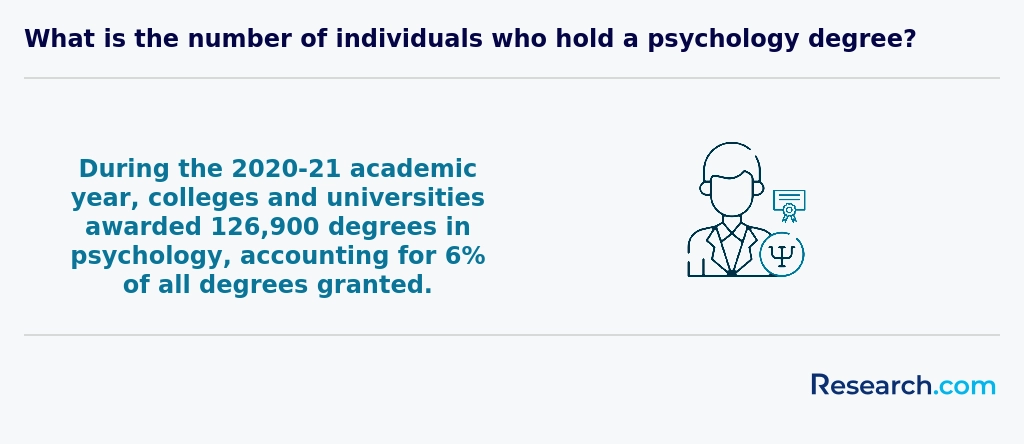
Missoula, MT, offers not only top-tier psychology programs but also a vibrant campus life that enriches the overall educational journey. Students benefit from a supportive community through active student organizations, mentorship programs, and extracurricular activities that create lasting networks. On campus, psychology departments frequently host seminars, research symposiums, and guest lectures, allowing students to connect theoretical knowledge with real-world applications. Many institutions in Missoula emphasize mental health and well-being by offering dedicated counseling services and academic support centers for ongoing personal and professional development. Moreover, aside from traditional on-campus experiences, prospective students can explore flexible learning options that blend rigorous academics with remote convenience. For those considering online studies, you might want to check out what are the most affordable online psychology degree programs, ensuring that quality education is accessible regardless of location. This combination of robust academic support and a thriving campus culture positions Missoula as an ideal destination for students aiming to build a successful career in psychology while enjoying a well-rounded college experience.
Students pursuing psychology degrees in Missoula typically engage with a dynamic mix of courses designed to reveal the complexities of human behavior and the mind. Core classes like Introduction to Psychology and Developmental Psychology lay the groundwork, helping students understand everything from childhood growth to adult behavior.
Programs at popular local institutions blend theory with practical application. For example, graduates often describe immersive experiences in Biopsychology or Neuropsychology labs, where the connection between brain activity and decision-making becomes vivid through hands-on experiments. Social Psychology classes frequently spark engaging debates about group dynamics, mirroring real-life interactions in Missoula's diverse communities.
Research Methods and Statistics are more than just academic hurdles; students report these courses fuel confidence in designing studies and interpreting data, essential for future roles as counselors or researchers. Many Missoula colleges also offer electives in clinical or forensic psychology, allowing personalization of the learning journey-graduates often emphasize how these options create excitement about specializing and making meaningful impacts in mental health fields.

Psychology degree specializations in Missoula reflect a dynamic blend of traditional and emerging interests tailored to real-world applications. Graduates from popular universities like the University of Montana often share how clinical psychology prepares them to confidently support mental health in community settings, combining theory with hands-on therapy and assessment experience. Others focus on cognitive psychology, where the excitement of unraveling memory and decision-making processes drives their research passions.
Missoula psychology program concentration options are growing to include industrial-organizational psychology, responding to local employers' needs for improved workplace wellness and productivity. Students appreciate this specialization's practical impact on leadership development and its encouraging job outlook. Social psychology also attracts those eager to influence social behaviors and community programs, blending research with meaningful social engagement.
Looking ahead, interdisciplinary paths could expand, incorporating tech-driven behavioral analysis or health-centered approaches. Understanding the doctorate degree meaning may further inspire students to pursue advanced roles in these evolving fields.
Choosing the best psychology degree in Missoula means looking beyond traditional factors and imagining how your education can evolve with emerging trends. Graduates from the University of Montana often describe how hands-on research opportunities and community-focused internships helped them feel confident stepping into their careers. Consider programs that combine rigorous coursework with real-world fieldwork-this blend enriches learning and builds connections with local mental health providers. For those balancing cost and quality, affordable psychology degrees in Missoula can be found by exploring in-state tuition rates and additional fees, especially since practical experience may add to expenses.
Think about how a program's curriculum aligns with future career paths, including clinical, research, or teaching roles. Students who prioritized programs with strong advising and career counseling say it made job searching less daunting. If you want to fast-track career growth, checking out options like fastest accelerated MSW degrees can offer inspiration, even if pursuing psychology.

Graduates holding a psychology degree in Missoula often discover a variety of promising career paths that align with local community needs and emerging mental health priorities. Many find rewarding roles in clinical psychology within hospitals or behavioral health clinics, where the expansion of facilities like the Community Medical Center reflects growing demand. Others pursue counseling careers, working with clients facing mental health challenges-roles highly sought after as Montana emphasizes improving rural mental health services. Students from the University of Montana frequently share how their education equips them to address real-world issues, enhancing their confidence and passion for the field.
Jobs for psychology degree holders in Missoula also extend into education, with school and educational psychologists supporting student development in local K-12 systems. Some graduates engage with social service agencies or human resources, contributing to tangible community outcomes. For those interested in academic careers, opportunities at Missoula's universities enable research and teaching possibilities. Those curious about requirements for psychologist in michigan may find this a useful comparison as they consider licensure pathways broadly in their careers.
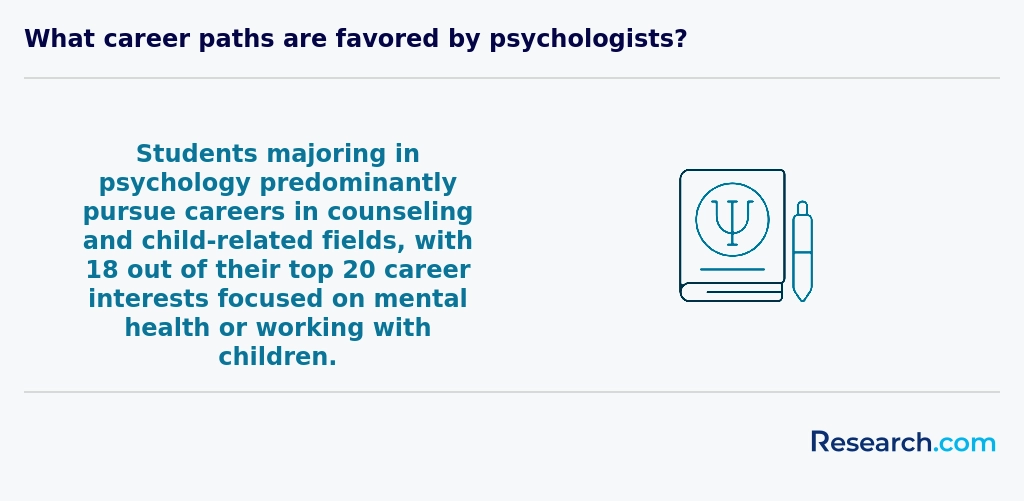
The job market for psychology degree holders in Missoula is gradually expanding, driven by demand from healthcare providers, schools, and social service organizations. Graduates from well-known local institutions often find rewarding roles in clinical counseling, school psychology, and rehabilitation counseling. Many report feeling fulfilled by contributing to diverse community mental health needs, especially in smaller rural areas around Missoula.
Students at the University of Montana, a popular choice for psychology degrees here, benefit from tuition rates that are more affordable than many national averages, letting them focus on gaining practical experience that enhances their career prospects. The steady demand in Missoula for professionals in clinical and counseling psychology fields aligns well with projections of growth nationwide. Entry-level salaries may be modest but usually increase with specialization and experience.
Those interested should also consider licensure pathways, as advanced degrees and supervised work are required for many roles. Exploring specific regional requirements like the Georgia psychologist license verification can provide useful insights. For students researching psychology degree job outlook Missoula offers a landscape rich with emerging possibilities supported by academic and community institutions.
Career opportunities for psychology graduates Missoula continue to diversify, allowing graduates to pursue research roles at local universities or to engage directly with public and nonprofit sectors. This evolving environment encourages graduates to tailor their paths to meet dynamic, real-world challenges effectively.
2027 Most Valuable Psychology Degree Programs Ranking in Missoula
Investing in your education is a significant decision that can shape your future, and the Research.com team understands the importance of making informed choices. To assist prospective students in Missoula, we have meticulously developed the "2027 Most Valuable Psychology Degree Programs Ranking in Missoula." Our commitment to quality, credibility, and accuracy is demonstrated through the thorough research and analysis undertaken to create this ranking.
We utilized the following reputable data sources to ensure a comprehensive evaluation of psychology degree programs:
By reviewing this ranking, readers will gain valuable insights into the most valuable psychology programs available in Missoula, empowering them to make well-informed decisions about their educational journey. For more information on how this ranking was created, please visit our Research.com methodology page.

Frequently Asked Questions About psychology
Psychology students in Missoula can enhance their learning experience by actively engaging with hands-on opportunities such as internships and research projects. The University of Montana offers several community-based programs that allow students to apply theoretical knowledge in real-world settings. According to the National Center for Education Statistics, participation in experiential learning increases retention and job readiness by up to 40%.
Joining local psychology clubs and attending seminars hosted by professional organizations can also broaden students' perspectives and networking connections. Utilizing campus resources like tutoring and counseling centers supports academic success. Missoula's mental health initiatives provide unique practicum placements, which benefit students aiming for clinical psychology careers.
The psychology field is evolving rapidly, with several emerging niches gaining attention in recent years. In Missoula and across the US, areas such as neuropsychology, health psychology, and forensic psychology are expanding due to growing demand for specialized knowledge. Neuropsychology focuses on brain-behavior relationships, crucial for understanding neurological disorders.
Health psychology examines how psychological factors affect physical health and recovery, a field growing alongside preventative healthcare initiatives. Forensic psychology integrates psychological principles with legal systems, aiding criminal investigations and courtroom decisions.
According to the American Psychological Association, these specialties are expected to grow faster than the average for all occupations through 2030.
Preparing for the job market after completing a psychology degree in Missoula involves gaining practical experience alongside academic credentials. Internships and volunteer opportunities at local healthcare facilities or counseling centers provide valuable hands-on skills and networking connections. According to the Bureau of Labor Statistics, psychology-related jobs in Montana are projected to grow by 8% from 2020 to 2030, slightly below the national average but steady.
Graduates should also consider obtaining relevant certifications, such as Certified Alcohol and Drug Counselor (CADC), to increase employability in specialized fields prevalent in Montana. Joining professional associations like the Montana Psychological Association helps with job leads and professional development.
Employers in Missoula who hire psychology degree graduates prioritize strong communication skills. Graduates must effectively convey complex psychological concepts to clients and colleagues, which is essential in therapy, counseling, and research roles. Analytical skills also rank highly, as professionals are expected to interpret data accurately and apply evidence-based methods.
Interpersonal skills are critical, particularly for roles involving client interaction. Missoula's growing healthcare sector values empathy and cultural sensitivity, helping psychologists engage diverse populations. According to recent local workforce surveys, about 68% of employers emphasize adaptability, reflecting the dynamic nature of behavioral health fields.
Finally, technical proficiency in research methodologies and psychological assessment tools is frequently requested. Mastery of software like SPSS or R enhances employability in both clinical and academic settings.
Finding psychology internships in Missoula involves exploring local universities, healthcare providers, and community organizations. The University of Montana, with its Department of Psychology, offers resources and connections to assist students in securing internships that comply with degree requirements. Many psychology students gain experience through placements at Missoula's mental health clinics, rehabilitation centers, and nonprofit organizations focused on behavioral health.
Networking through university career services and attending local psychology or counseling conferences can also open internship opportunities. According to the National Association of Colleges and Employers, approximately 60% of psychology-related internships in Montana are connected to healthcare or social service agencies.
Students should also check listings on state and local government websites for internships related to public health psychology. Early application and professional communication are essential, as these positions tend to be competitive.
A psychology degree in Missoula can significantly enhance career mobility and advancement opportunities. The demand for mental health professionals, counselors, and human services workers in Missoula is projected to grow by 15% from 2022 to 2032, according to the U.S. Bureau of Labor Statistics. Graduates with a psychology background often find roles in healthcare facilities, educational institutions, and social service agencies throughout the region.
Further, earning advanced psychology credentials can open doors to licensure as clinical psychologists or counselors, positions that typically offer higher salaries and leadership responsibilities. Local employers, including Missoula's healthcare providers, value graduates who combine academic knowledge with practical skills.
Studying for a psychology degree in Missoula equips students with skills applicable across multiple disciplines, reflecting the increasingly interdisciplinary nature of healthcare and social services. Programs often emphasize collaboration, critical thinking, and research methods that intersect with fields such as education, healthcare, and social work. The University of Montana, a key institution in Missoula, offers courses that integrate psychological principles with neuroscience, public health, and counseling. This approach helps students adapt to roles requiring comprehensive understanding of human behavior in diverse settings.
According to the U.S. Bureau of Labor Statistics, psychology-related jobs in interdisciplinary sectors are expected to grow by 8% nationally through 2031, highlighting demand for such versatile training. Missoula's academic environment supports internships and community partnerships, enhancing practical experience essential for interdisciplinary careers.
When choosing between a thesis and a non-thesis psychology degree program in Missoula, consider your career goals carefully. Thesis programs require original research and are preferred if you plan to pursue a PhD or a research-oriented career. Non-thesis programs usually focus on coursework and practical experience, fitting students aiming for professional roles like counseling or social work.
In Missoula, the University of Montana offers both options, with thesis students often receiving more opportunities for assistantships and research funding. According to the National Center for Education Statistics, thesis tracks may take slightly longer to complete but provide stronger preparation for academia.
Ultimately, weigh your interest in research, time commitment, and future plans before deciding.
Students based in Missoula seeking to study psychology abroad have several pathways through partnerships and exchange programs offered by the University of Montana. UM supports study-abroad opportunities in countries where psychology programs align with U.S. accreditation standards, such as the UK, Canada, and Australia. These programs typically last a semester or full academic year, allowing students to transfer credits back to Missoula.
According to the University of Montana's study abroad office, over 200 students annually participate in international exchanges, with a growing number pursuing psychology courses. While formal psychology degree completions abroad require careful planning, students benefit from coursework exposure to diverse psychological theories and practices.
Financial aid and scholarships available for study abroad through UM can reduce costs, making global education more accessible. For Missoula-based students, these programs offer an excellent chance to gain unique perspectives within the psychology field, enhancing their academic and professional development.
Students pursuing psychology degrees in Missoula can benefit from part-time jobs that offer practical experience relevant to their studies. Local healthcare facilities, such as the Community Medical Center, often seek mental health aides or patient advocates, which helps develop interpersonal and clinical skills. Additionally, positions at university counseling centers provide exposure to counseling practices and administrative tasks.
Research assistant roles at the University of Montana's Department of Psychology are valuable for gaining firsthand experience with experimental design and data analysis. According to the Bureau of Labor Statistics, jobs in social and human services in Montana are expected to grow by 11% through 2030, reflecting increasing opportunities for psychology students in community support roles.
Psychology students in Missoula have access to several valuable networking opportunities through local universities and professional organizations. The University of Montana, the primary institution offering psychology degrees in the area, hosts regular psychology club meetings and guest lectures that connect students with faculty and alumni working in various psychology fields.
Students can also join regional chapters of national organizations like the American Psychological Association. These groups often organize conferences and workshops within Montana, providing networking spots with practicing psychologists and researchers.
Internship placements and community partnerships with mental health centers in Missoula further expand students' professional contacts, enhancing career prospects after graduation.
Alumni networks play a significant role in supporting psychology degree students in Missoula by providing valuable connections within both academic and professional communities. Graduates from the University of Montana's psychology programs often form active alumni groups that facilitate mentorship, internship opportunities, and career advice.
According to the University of Montana Alumni Association, over 70% of recent psychology graduates report benefiting from contacts made through these networks during their job searches. This connection can be crucial in a competitive field like psychology, where internships and practical experience strongly influence career advancement.
Additionally, alumni networks help students stay informed about local job openings in Missoula's mental health services and research institutions. They often organize events and workshops that enhance professional skills, helping students transition smoothly from education to employment.
Customizing a psychology degree in Missoula typically involves selecting courses and specializations that align with your specific career goals. Many universities offer elective classes in areas such as clinical psychology, counseling, and organizational psychology. Combining these with internships or research projects available locally can deepen practical experience.
For example, the University of Montana provides options to focus on behavioral neuroscience or developmental psychology, which can support future paths in healthcare or education.
Additionally, students might pursue certifications or dual majors to enhance credentials. Connecting with academic advisors helps tailor programs effectively.
Local employment data from the U.S. Bureau of Labor Statistics indicates a steady demand for trained psychologists in Missoula, emphasizing the value of aligning studies with regional job markets.
Psychology students in Missoula commonly face challenges related to balancing academic demands and practical experience. The University of Montana, a key institution in the area, reports that students often struggle to find sufficient internship opportunities to meet graduation requirements, as local clinical placements can be limited compared to larger metropolitan areas.
Another typical challenge is managing coursework in research methods and statistics, which many students find difficult due to the technical nature of these subjects. According to a 2023 survey by the National Center for Education Statistics, about 37% of psychology undergraduates nationwide encounter difficulties with research components, a trend reflected in Missoula as well.
Additionally, financial constraints pose a common concern. While tuition costs at in-state public universities like the University of Montana are relatively affordable, students still face expenses related to textbooks, lab fees, and certifications required for advanced psychology training. Limited local job opportunities for part-time work can exacerbate this issue.
With a psychology degree in Missoula, graduates can pursue several professional certifications that enhance their career prospects. One common path is becoming a Licensed Professional Counselor (LPC), which requires a master's degree, supervised hours, and passing a state exam managed by the Montana Board of Behavioral Health. Another option is certification as a Certified Alcohol and Drug Counselor (CADC), valuable given Montana's focus on addressing substance abuse issues.
For those interested in school settings, certification as a Licensed School Psychologist is available through the Montana Office of Public Instruction. Nationally recognized credentials like the Board Certified Behavior Analyst (BCBA) can also complement a psychology degree, especially for careers in behavioral therapy.
To write a winning application for a psychology program in Missoula, start with a clear, well-organized personal statement. Focus on your interest in psychology and how Missoula's academic environment fits your goals. Programs like the University of Montana emphasize research experience, so highlight any relevant internships or projects.
Include strong letters of recommendation from professors or employers familiar with your work in psychology or related fields. Also, maintain a competitive GPA; the University of Montana's psychology graduates typically have averages above 3.2.
Standardized tests are less commonly required but check specific program prerequisites. Lastly, tailor your application to reflect understanding of local mental health issues, an important focus in Missoula's community health research.
The global outlook on psychology careers reflects growing demand for mental health professionals, including those trained in the U.S. education system. According to the U.S. Bureau of Labor Statistics, psychology job growth nationally is projected at 8% from 2022 to 2032, faster than average for all occupations. Within Missoula, the University of Montana offers psychology programs aligning with this trend, preparing graduates for diverse roles worldwide.
Internationally, psychology careers emphasize cultural competence and research across varied populations. Many U.S.-trained psychologists contribute to global health initiatives by applying evidence-based practices developed domestically. Students in Missoula benefit from exposure to these global standards through academic collaborations and local research projects.
For those pursuing a psychology degree in Missoula, understanding global perspectives means recognizing the increasing integration of mental health care in public policy, education, and community services worldwide. This broad approach enhances career opportunities both in the U.S. and abroad.
Students pursuing a psychology degree in Missoula have several ways to gain practical experience during their studies. Many local universities, such as the University of Montana, offer internship programs that place students in community mental health centers, hospitals, and research labs. These internships provide hands-on experience essential for developing clinical and research skills.
Additionally, volunteering opportunities at organizations like the Missoula Aging Services and local counseling centers allow students to observe and assist professionals in real-world settings. According to the Bureau of Labor Statistics, gaining such experiential learning can significantly enhance employment prospects after graduation.
Engaging in faculty-led research projects is another practical route, offering a chance to apply psychological theories while contributing to new studies. The proximity to diverse health services in Missoula supports rich practical learning environments for psychology students.
Choosing the right concentration within a psychology degree program in Missoula involves understanding both your career goals and the local job market. Concentrations such as clinical, counseling, or organizational psychology offer different paths, with clinical psychology often leading to licensing as a therapist or psychologist. Missoula's growing health services sector increases demand for mental health professionals, especially in counseling and clinical roles.
Consider the curriculum offered by the University of Montana, which tailors some concentrations to community health needs. Reviewing course content, internship opportunities, and faculty expertise can help you select a focus aligned with your interests and local opportunities. Licensing requirements vary by concentration, so check Montana state regulations early in your decision process.
- 2027 Most Valuable Psychology Degree Programs Ranking in Portland
- 2027 Most Valuable Psychology Degree Programs Ranking in Eugene
- 2027 Most Valuable Psychology Degree Programs Ranking in Boulder
- 2027 Most Valuable Psychology Degree Programs Ranking in Denver
- 2027 Most Valuable Psychology Degree Programs Ranking in San Francisco
- 2027 Most Valuable Psychology Degree Programs Ranking in Santa Barbara
- 2027 Most Valuable Psychology Degree Programs Ranking in Los Angeles
- 2027 Most Valuable Psychology Degree Programs Ranking in Riverside
- 2027 Most Valuable Psychology Degree Programs Ranking in Irvine
- 2027 Most Valuable Psychology Degree Programs Ranking in Phoenix
See What Experts Have To Say About Studying Psychology
Read our interview with Psychology experts

Robin M. Kowalski. Ph.D.
Psychology Expert
Professor of Psychology
Clemson University

Catherine Caldwell-Harris, Ph.D.
Psychology Expert
Associate Professor of Psychology
Boston University

Elizabeth L. Jeglic Ph.D.
Psychology Expert
Professor of Psychology
City University of New York

- Psychology - SWPS University https://english.swps.pl/academics/warsaw/ba-programs/psychology
- Professional Networking For Psychologists | Psychology.org https://www.psychology.org/resources/professional-networking/
- Study Psychology Abroad https://astarfuture.co.uk/study_psychology_abroad.html
- Sample letters in psychology https://www.mystudies.com/en-in/human-and-social-sciences/psychology/letter-model/
- How to help students cope with mental health challenges https://www.eaie.org/resource/help-students-cope-mental-health-challenges.html
- Society for the Teaching of Psychology https://teachpsych.org/page-1784686/8675326
- How Long Does It Take to Get a Psychology Degree? | Psychology Degree Guide https://psychologydegreeguide.org/resources/psychology-degree-timeline/
- Have You Found a Niche? https://www.apaservices.org/practice/business/marketing/building/niche
- Alumni Perspectives - Meet Our FPN Alumni https://www.aanmelder.nl/alumni-perspectives-june-2023
- Call for papers https://www.hogrefe.com/us/journal/international-perspectives-in-psychology-research-practice-consultation


