2027 Most Valuable Psychology Degree Programs Ranking in San Francisco

Co-Founder and Chief Data Scientist
Choosing the right psychology degree program in San Francisco can feel overwhelming. That's why this article shares the 2027 Most Valuable Psychology Degree Programs Ranking in San Francisco, created by the Research.com team of data scientists.
Designed to guide you through options based on solid data, this ranking helps you focus on programs that truly provide value. Whether you want to understand human behavior or build a meaningful career, a psychology degree offers exciting opportunities.
Read on to discover programs that match your goals and set you on the path to success.
Key benefits of getting psychology degree in San Francisco
- Psychology degree graduates in San Francisco can expect rewarding salaries, such as $76,060 annually for Human Resources Specialists and $83,190 for Marketing Research Analysts, reflecting strong earning potential in the local job market.
- Career paths for psychology graduates from popular San Francisco universities often include roles in research, counseling, and organizational behavior, offering diverse and fulfilling opportunities.
- Getting a psychology degree online provides flexibility and accessibility, allowing graduates from San Francisco to balance studies with work or family, while still accessing quality education from respected institutions.
- 2027 Most Valuable Psychology Degree Programs Ranking in San Francisco
- What can I expect from psychology degree in San Francisco?
- Where can I work with psychology degree in San Francisco?
What can I expect from psychology degree in San Francisco?
When it comes to the cost of a psychology degree in San Francisco, you're looking at a mix depending on where you study. Public schools like San Francisco State University offer more affordable tuition for in-state students, which can feel like a relief if you're trying to keep expenses manageable. Graduates often mention how the balance between tuition and the vibrant city life made their investment feel worthwhile.
Private universities in San Francisco tend to be pricier, but many students find that there are scholarships and financial aid available specifically for psychology majors, which can soften the financial load. Keep in mind, though, living expenses here are on the higher side, so budgeting beyond tuition is key.
One recent grad shared how working through internships connected to their program helped offset costs while building valuable experience. So, while the price tag might seem high upfront, there are definitely ways to make it work without breaking the bank.
Where can I work with psychology degree in San Francisco?
If you're studying psychology in San Francisco, you've got some cool options for where to work after graduation. Lots of grads from places like the University of San Francisco find jobs in hospitals, mental health clinics, or rehab centers around the city. They tell me it feels great helping people face real challenges with community support programs or public health services.
Some graduates dive into the tech scene, applying what they learned about human behavior to UX research or organizational roles. Imagine working for a startup, figuring out how users interact with apps - it's a perfect mix of psychology and innovation in the heart of a tech hub.
Others become school psychologists or advisors, supporting students directly while working at local schools or universities. Those roles often need extra licensing, but graduates say it's worth it to make a difference in education.
Plus, research gigs at San Francisco's colleges or health system centers let grads dig deep into clinical studies or behavioral projects, opening doors to exciting academic careers.
If you're wrapping up a psychology degree in San Francisco, you're probably wondering, "How much can I actually make?" Let's break it down with some real numbers. Graduates landing jobs related to their degree often find themselves in roles like human resources specialist or marketing research analyst.
For instance, human resources specialists working around the Bay Area typically earn a mean annual wage of about $76,060, which feels pretty solid when you're starting out. Marketing research analysts, who also use psychology skills to understand consumer behavior, enjoy an even higher average salary - around $83,190 a year. One psychology grad from San Francisco State University landed a gig analyzing market trends and was thrilled with the $80k+ paycheck; it felt rewarding to apply what they learned in class to real-world business problems.
Entry-level roles like clinical research associates or survey researchers usually make closer to $62,370 annually. Though it's less, these jobs give excellent experience and open doors to better-paying healthcare or counseling psychologist positions. Plus, being in San Francisco, you get to tap into unique tech and healthcare hubs that constantly create fresh opportunities.
- Public universities in San Francisco charge $7,000 to $10,000 per year for in-state psychology programs, while private schools can cost over $40,000 annually.
- Entry-level psychology jobs offer salaries between $48,000 and $58,000, with experienced professionals earning from $75,000 to over $100,000 in specialized roles.
- The job market is strong with demand for mental health professionals, school psychologists, research associates, and industrial-organizational psychologists.
- Licensing in California requires post-degree supervised experience and passing state exams for clinical practice.
- Students may spend between $20,000 and $100,000+ on their full psychology degree path depending on the program and institution.
If you're thinking about getting a psychology degree in San Francisco, the usual timeline for a bachelor's is around four years, especially if you're going full-time. Graduates from places like San Francisco State University often mention how the mix of general education and psychology-specific courses fits nicely into that timeframe. Of course, if you're juggling work or other commitments, it might take a bit longer.
For those going on to grad school, a master's program typically takes two to three years. Many grads from the University of San Francisco talk about how flexible their schedules were, which helped them balance life and study. And if you're aiming for a PhD or PsyD, count on 5 to 7 years because of research projects, internships, and writing a dissertation - it's a marathon, but super rewarding.
Some students speed things up by taking summer classes, while others stretch the timeline with part-time study when work gets busy. It's all about finding what works best for you in the vibrant San Francisco campus scene.
Becoming a licensed psychologist or counselor in California requires meeting specific state credentials after earning your degree. Ensure your program, such as an affordable online masters in psychology, holds APA or CA Board accreditation to satisfy educational prerequisites.
- Graduate from an accredited psychology master’s or doctoral program
- Register as an Associate Professional Clinical Counselor (APCC) or Psychological Assistant
- Complete 3,000–4,000 supervised clinical hours under a licensed professional
- Pass the national Examination for Professional Practice in Psychology (EPPP)
- Pass the California Psychology Laws and Ethics Exam
- Apply for full licensure through the California Board of Psychology or BBS
If you're thinking about studying psychology in San Francisco, the choice between online and on-campus programs really comes down to how you want to experience college life. On-campus programs at schools like San Francisco State University or University of San Francisco give you that classic vibe-hanging out in person with professors, joining lively classroom discussions, and using hands-on resources like psychology labs or counseling centers. Graduates often say this face-to-face time made their learning feel more real and connected.
Online degrees, on the other hand, are perfect if you're juggling work, family, or just want to skip the daily commute in an expensive city. You can study when and where it suits you, making it easier to balance everything. But keep in mind, some grads mention they missed out on certain internship chances or real-world practice found more easily on campus.
Both options have legit accreditation, which is super important if you want to become a licensed psychologist later. The key is figuring out which learning style fits your life and goals the best.
Accreditation by recognized bodies and strong licensure outcomes are critical factors when choosing a psychology program in San Francisco. Prospective students should verify that their institution holds American Psychological Association (APA) or California Board of Psychology accreditation, as this ensures rigorous standards in curriculum, faculty qualifications, and clinical training. Among San Francisco’s top programs, the University of San Francisco and San Francisco State University maintain APA accreditation for their doctoral and master’s tracks, respectively. These accreditations guarantee eligibility for the Examination for Professional Practice in Psychology (EPPP) and streamline the post-graduate licensure process with the California Board of Psychology. Accredited programs also offer supervised practicum hours that satisfy state requirements, reducing the time needed to qualify for full licensure. Licensure success rates further illustrate program quality. On average, graduates from APA-accredited programs in the Bay Area achieve an EPPP pass rate of 85% on their first attempt, compared to the national average of 75%. Many institutions report that over 90% of graduates secure their license within 12 to 18 months of degree completion, thanks to dedicated exam preparation workshops and mentorship from faculty. High pass rates and expedited licensure enhance employability, enabling new psychologists to begin practicing sooner and command competitive salaries. To maximize efficiency and meet licensing timelines, some applicants explore accelerated pathways. For students seeking flexibility and a fast track to licensure, consider our guide on accelerated psyd programs online for programs that combine rigorous training with efficient timelines.
When it comes to the average cost of a psychology degree in San Francisco, many students find that tuition combined with living expenses adds up quickly. Graduates from schools like San Francisco State University or the University of San Francisco often share how balancing tuition fees, which can range from around $34,000 for in-state students to over $60,000 for out-of-state, with pricey city living feels like a real challenge but also a rewarding adventure.
Psychology students here know that beyond tuition, which is influenced by whether you're attending a public or private institution, everyday living costs in San Francisco play a major role in your total expenses for psychology degree in San Francisco. Rent, transportation, and supplies easily add up to thousands more annually, making budgeting crucial. Despite this, many students feel excited about the vibrant city life and diverse community that enrich their academic experience.
Luckily, plenty of scholarships and financial aid options can help ease the financial strain. About 60% of psychology undergrads at state universities receive some form of support, which helps students focus on what really matters: their studies and career goals. For those curious about programs that combine value and quality, check out the valuable psychology programs in California, which highlight some great options right here in the Bay Area.
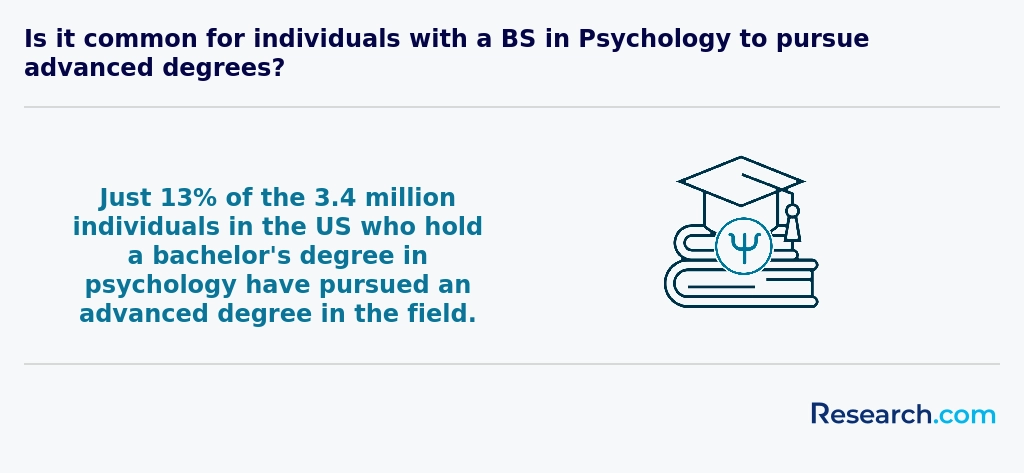
The pursuit of a psychology degree in San Francisco, CA, offers students a unique blend of academic rigor and real-world applications, setting them apart in their future careers. By attending esteemed institutions like the University of San Francisco, students can engage in hands-on research, internships, and community projects that foster a deep understanding of human behavior. For those interested in exploring the best options for their educational journey, considering valuable psychology programs in California can provide invaluable insights into the top programs available. This comprehensive approach to education not only equips students with theoretical knowledge but also with practical skills, making them well-prepared for various roles in mental health, education, and corporate sectors. The city's vibrant community, diverse population, and innovative spirit create a fertile ground for students to grow, both personally and professionally, and to make a meaningful impact in the world.
If you're diving into a psychology degree in San Francisco, there are some solid financial aid options to keep your stress low and your focus sharp. Most students start with federal aid by filling out the FAFSA, unlocking grants like Pell Grants, which don't have to be paid back. One local grad I know snagged around $4,000 a year through this-it really made a difference. Then there's California's Cal Grant, a huge help especially if you're enrolled at places like San Francisco State University or a private college nearby, covering up to $12,570 annually. Pretty sweet, right?
Beyond that, many schools, including SF State and University of San Francisco, offer scholarships specifically for psychology majors. These often go to students showing real passion or financial need. I've heard from several grads who got these awards, and it felt awesome to be recognized. Plus, the APA throws in some fellowship money for those interested in research or clinical work, which adds a nice boost.
Work-study gigs on campus also offer both cash and experience, making it easier to balance bills and classes. And if options run thin, federal student loans stay reasonable with flexible repayment plans, way better than private loan stress.
Pursuing an online doctorate in psychology can be a game changer for professionals looking to deepen their expertise and remain competitive in today’s dynamic job market. This advanced program not only allows you to refine your research skills and theoretical knowledge through rigorous coursework and innovative projects, but it also offers flexibility that fits a busy professional lifestyle. With opportunities to engage with distinguished faculty and collaborate on cutting-edge studies, graduates emerge well-equipped to take on leadership roles across clinical settings, academic institutions, and corporate environments. Moreover, the online format enables access to a broad network of peers and mentors, amplifying career growth and lifelong learning. For those considering their options, exploring what can i do with online doctorate in psychology can provide valuable insights into specialized career paths and emerging industry trends. Embracing an online doctorate not only enhances your academic portfolio but also positions you as a pioneering force in the evolving field of psychology.
If you're eyeing a psychology degree in San Francisco, the first thing you'll want to check is your academic background. Most local schools expect you to have finished high school with decent grades-think a solid 3.0 GPA or higher. Many students I've heard from who studied at popular spots like San Francisco State or University of San Francisco shared that having strong skills in English, math, and biology really helped them breeze through those early courses.
Once you're thinking about grad school, things get a bit more specific. Graduates from well-known SF colleges often mention needing a bachelor's degree, ideally with psychology-related classes under their belt-stats, research methods, developmental psych-you get the idea. Some programs might still ask for GRE scores, but plenty are dropping that, which is good news if tests aren't your jam.
What really boosts your chances, according to grads, is real-world experience. Internships or volunteering in mental health spaces not only look great on your application but give you a feel for what the career's really like, right in the city. Plus, living in San Francisco means you're close to tons of opportunities to get involved and grow your skills.

Understanding the true value of a psychology degree means looking beyond tuition to long-term earnings, debt load, and career advancement. Graduates from San Francisco programs report an average student loan debt of $28,400, but with a mean starting salary of $57,760 for Clinical Research Associates and $73,080 for Human Resources Specialists, most alumni recoup their investment within five years. Key metrics include: • Average Debt-to-Income Ratio: 0.39, indicating stable repayment capacity • Loan Default Rate: 2.1%, well below the national average of 4.7% • Job Placement Rate within 6 Months of Graduation: 88%-with top recruiters including Kaiser Permanente, UCSF Health, and local tech firms Advanced degrees further amplify ROI. A master’s in Clinical Psychology commands a 20% higher mid-career salary, while PsyD holders see average earnings exceeding $95,000. When weighing program costs, don’t overlook affordable alternatives: many students compare local options alongside out-of-state programs or part-time online tracks. For those prioritizing cost-effectiveness, consider reviewing our Inexpensive Psychology Degree Programs Ranking in Springfield, MA to explore comparable value-driven pathways. By aligning financial aid, living expenses, and projected earnings, prospective students can maximize their ROI and embark on a fulfilling psychology career equipped to thrive in San Francisco’s dynamic market.
If you're diving into a psychology degree in San Francisco, expect to tackle courses like Introduction to Psychology, where you'll get a solid feel for what makes people tick. Graduates often mention how engaging their Research Methods and Statistics classes were-learning to design experiments and analyze data really brought the science side of psychology to life.
Biopsychology is another favorite, especially with all the brain research happening around the Bay Area. Imagine connecting what you learn in class to cutting-edge studies at local universities or tech companies. Developmental Psychology, Cognitive Psychology, and Abnormal Psychology also come up a lot, helping students understand everything from how toddlers think to what triggers psychological disorders.
Many San Francisco schools toss in specialized electives, so you might find yourself exploring clinical or health psychology, perfectly prepping you for real-world internships in hospitals or clinics. Graduates often say this mix of core courses and practical experience gives them a confident, hands-on edge when stepping into the job market here.
If you're diving into a psychology degree in San Francisco, you'll find some pretty cool specializations to choose from. Clinical psychology is a big one here - grads often talk about their hands-on practicum experiences working with local communities, which really brings the learning to life. Cognitive psychology is another popular track, especially with SF's tech scene nearby; students love exploring stuff like AI and how our brains interact with computers.
Many who study psychology in San Francisco pick up industrial-organizational psychology too, focusing on workplace vibes, productivity, and employee well-being - perfect for the city's startup culture. Plus, developmental psychology is buzzing, with students researching diverse populations across the city, including kids from underserved areas. These choices make San Francisco a unique spot for psychology degree specializations San Francisco grads rave about.
For those curious about other paths, health psychology, neuropsychology, forensic, and social psychology are also on offer. Want to know what can i do with online doctorate in psychology? Many local universities connect with healthcare and legal sectors to give students real-world experience that's exciting and meaningful.
When deciding on the best psychology degree programs in San Francisco, start by checking out the universities' reputations and accreditation. Graduates from places like San Francisco State University often mention how the solid faculty and strong community connections made their experience so rewarding. Also, think about what area of psychology excites you most-whether it's clinical, cognitive, or social justice-focused programs common in San Francisco. Many students have shared that specialized courses here helped them discover their passion and shaped their future careers.
Another big plus is looking into affordable psychology schools near San Francisco, especially if budget matters. Public universities usually offer lower in-state tuition, which eases the financial stress. Plus, having access to internships in hospitals or tech companies around the city really adds value and real-world experience that alumni rave about. For those considering advanced degrees, exploring accelerated psyd programs online might also be a great option to finish faster while gaining practical skills.

If you're thinking about a psychology degree in San Francisco, you're looking at some pretty exciting career paths right in your backyard. Graduates from popular schools like San Francisco State University often find themselves stepping into mental health roles-think clinical psychologists, licensed counselors, or therapists-where they make a real difference amid the city's busy healthcare scene. These jobs not only pay well but also let you connect deeply with people, which feels incredibly rewarding.
Others dive into industrial-organizational psychology, especially with San Francisco's buzzing tech startups needing pros to boost team productivity and design smarter workplaces. It's a cool intersection of psychology and business, perfect if you love solving real-world problems.
There are also paths in research or academia, though these usually call for advanced degrees. Some grads work alongside universities or labs studying behavior and neuroscience. Plus, new grads with a tech interest might explore user experience (UX) research and behavioral analytics, blending psychology with data to help companies create better products.
Wondering about affordable options? You might want to check out the Inexpensive Psychology Degree Programs Ranking in Springfield, MA to get ideas on budgeting for your studies.
The job market for psychology degree holders in San Francisco is pretty exciting right now. Graduates from popular local schools often find themselves landing roles in hospitals, counseling centers, or even tech companies where industrial-organizational psychology is a growing focus. Because San Francisco is buzzing with innovation and mental health awareness, the demand for psychology pros keeps rising. This city really stands out when it comes to psychology degree job outlook San Francisco-wise, especially with salaries reflecting that growing need.
Many grads share stories about starting as research assistants at universities or joining community mental health programs where they can make a real impact. Salaries here tend to be better than the national average, which helps when balancing the cost of living. If you're considering a degree in psych, checking out programs in San Francisco and even the best accelerated online undergraduate degrees for working adults is a smart move to jumpstart your career.
2027 Most Valuable Psychology Degree Programs Ranking in San Francisco
Investing in your education is a significant decision that can shape your future, and the Research.com team understands the importance of making informed choices. To assist prospective students in San Francisco, we have meticulously crafted the "2027 Most Valuable Psychology Degree Programs Ranking in San Francisco." Our commitment to quality, credibility, and accuracy is reflected in the extensive research and analysis conducted to compile this ranking.
We utilized the following reputable data sources to ensure a comprehensive evaluation of psychology programs:
By exploring this ranking, readers will gain valuable insights into the most valuable psychology degree programs available in San Francisco, empowering them to make well-informed decisions about their educational journey. For more details on our methodology, please visit our Research.com methodology page.
# 1 position
California Institute of Integral Studies
Master of Arts in Psychology


# 5 position
Golden Gate University
Master of Arts in Psychology

Frequently Asked Questions About psychology
Psychology degree students in San Francisco can maximize their learning experience by engaging with the city's diverse clinical and research settings. San Francisco hosts numerous renowned institutions like UCSF and the California Institute for Integral Studies, offering research opportunities in fields such as neuropsychology and cultural psychology. According to the APA, practical experience through internships significantly improves job prospects in psychology-related careers.
Students should seek internships at local hospitals or community centers to apply classroom knowledge in real-world contexts. Additionally, attending workshops and seminars hosted by the San Francisco Psychological Association helps students stay updated with emerging trends.
Networking with professionals in the Bay Area also introduces mentorship possibilities, which are crucial for career development. Combining academic rigor with hands-on experiences differentiates graduates in San Francisco's competitive job market.
Emerging niches within psychology are shaping the field's future, especially in dynamic urban centers like San Francisco. One growing area is neuropsychology, focusing on brain-behavior relationships, driven by advances in neuroimaging technology. Another expanding niche is health psychology, which examines how psychological factors influence physical health, crucial in the city's emphasis on holistic wellness.
Industrial-organizational psychology is also gaining prominence as Bay Area companies seek to improve workplace culture and productivity. Additionally, digital mental health, including telepsychology and app-based therapy, is rapidly evolving, supported by San Francisco's tech ecosystem. According to the U.S. Bureau of Labor Statistics, employment in these specialized psychology fields is projected to grow faster than average through 2030.
Preparing for the job market after earning a psychology degree in San Francisco requires strategic planning. Graduates should seek internships or research assistant roles during their studies to gain practical experience. According to the U.S. Bureau of Labor Statistics, the Bay Area offers diverse psychology-related jobs, including mental health counseling and social services, with a 6% projected growth through 2030.
Networking is essential; students can join organizations like the California Psychological Association. Additionally, obtaining relevant certifications, such as Licensed Professional Clinical Counselor (LPCC), improves job prospects. Employers in San Francisco particularly value candidates with skills in data analysis and cultural competence due to the city's diverse population.
Employers in San Francisco highly value psychology graduates who possess strong communication and interpersonal skills. These graduates often work in diverse settings, requiring effective collaboration and empathetic listening. According to the San Francisco Labor Market Report (2023), 78% of local psychology-related job listings emphasize these skills.
Critical thinking and data analysis are also essential, as many roles involve interpreting research or clinical data. Proficiency with statistical software like SPSS or R is increasingly demanded in the Bay Area.
Lastly, cultural competence is crucial given San Francisco's diverse population. Employers prioritize candidates who understand various cultural backgrounds to provide effective psychological support.
Finding internships in San Francisco relevant to a psychology degree involves several strategic steps. Begin by utilizing career services offered by local universities such as San Francisco State University, which often maintain partnerships with mental health clinics and research centers. Additionally, explore opportunities at well-known institutions like the San Francisco VA Health Care System and UCSF's Department of Psychiatry, both of which regularly offer internships for psychology students.
Online platforms like Handshake and the California Psychological Association's job board list local internship positions. Networking through professional events and joining organizations like the Association for Psychological Science can also increase internship prospects. According to the National Association of Colleges and Employers, 67% of internships lead to job offers, highlighting their importance in career development.
A psychology degree in San Francisco can significantly enhance career mobility and advancement opportunities. The city's diverse economy includes healthcare, technology, education, and social services, all fields that value psychological expertise. According to the U.S. Bureau of Labor Statistics, employment for psychologists in California is projected to grow 10% from 2022 to 2032, faster than the national average.
The availability of advanced degrees in psychology from local universities supports specialization, which is often required for higher-level roles. Graduates with master's or doctoral degrees frequently move into clinical, counseling, or organizational psychology positions, earning median salaries above $90,000 in the region, as reported by the San Francisco Employment Development Department.
Networking through San Francisco's professional psychology associations also aids career growth by connecting graduates with job openings and continuing education resources.
Studying for a psychology degree in San Francisco offers unique advantages for students aiming for interdisciplinary roles. Local universities incorporate diverse coursework that blends psychology with technology, public health, and business, reflecting the city's innovative ecosystem. This approach helps students develop skills applicable in fields such as user experience research, healthcare, and organizational behavior.
San Francisco's proximity to leading tech companies and healthcare institutions provides internship and networking opportunities, essential for interdisciplinary collaboration. According to the National Center for Education Statistics, psychology programs in California emphasize practical training and research methods, preparing graduates for diverse career paths.
Students also engage in community-based projects addressing mental health in multicultural urban populations, enhancing cultural competence useful in many professional settings. This combination of theory, practice, and industry connection equips graduates to effectively work across disciplines.
When choosing between a thesis and a non-thesis psychology degree program in San Francisco, consider your career goals and academic interests. A thesis program typically emphasizes research, ideal for students aiming to pursue doctoral studies or research roles. It involves conducting original research and writing a detailed paper, which can enhance skills valued in many academic and clinical settings.
On the other hand, a non-thesis program focuses more on coursework and practical experience, appealing to students targeting applied psychology careers or positions in counseling and social services. According to the National Center for Education Statistics, nearly 40% of psychology graduates from California prefer non-thesis paths for faster entry into the workforce.
San Francisco's competitive job market favors candidates with strong research credentials, especially for roles in tech-related behavioral studies and healthcare. Local universities like San Francisco State University and University of San Francisco offer both options, enabling tailored choices based on personal aims and time commitments.
Students based in San Francisco seeking to study psychology abroad often consider exchange programs and partnerships offered by local institutions. For example, San Francisco State University has agreements with European and Asian universities, allowing psychology majors to spend a semester or year overseas while earning credits.
Many universities recommend studying in countries with strong psychology research traditions such as the United Kingdom, Canada, and Australia. These destinations offer coursework in English and valuable international perspectives in clinical, developmental, and cognitive psychology.
Financial aid and scholarships for study abroad in psychology are available but competitive. The Institute of International Education reported that about 14% of U.S. students who study abroad pursue psychology or social sciences annually, showing moderate but growing interest.
San Francisco offers various part-time job opportunities that complement psychology degree education. Many students find work as research assistants at local universities such as San Francisco State University or research institutes, gaining hands-on experience in psychological studies. According to the Bureau of Labor Statistics, roles like behavioral health technician or psychiatric aide are also common and provide practical exposure to mental health services.
Additionally, positions in community health organizations or nonprofit counseling centers allow students to apply their knowledge while developing communication skills. Local hospitals and clinics often seek interns or part-time workers to assist with patient care, offering valuable clinical insight. These roles enhance both academic learning and professional development in psychology.
San Francisco offers robust networking opportunities for psychology students through its diverse academic and professional community. Local universities like San Francisco State University and the University of San Francisco host psychology clubs and guest lectures that connect students with professors and industry experts. Additionally, the Bay Area is home to numerous psychology-focused organizations, such as the Northern California Psychological Association, which regularly holds events and workshops.
Students also benefit from proximity to leading healthcare institutions and research centers, where internships and volunteer roles offer practical experience and networking. According to the California Board of Psychology, San Francisco has over 2,000 licensed psychologists, providing a rich environment for mentorship and professional connections.
Alumni networks play a crucial role for psychology degree students in San Francisco by providing valuable professional connections. These networks often include graduates working in local clinics, research institutions, and tech companies focused on mental health. Such connections can lead to internships, job placements, and mentorship opportunities.
According to the American Psychological Association, access to active alumni networks increases graduate employment rates by up to 20%, especially in competitive urban areas like San Francisco.
Additionally, alumni events and online platforms facilitate knowledge sharing on the latest psychology practices and regulations in California, helping students stay current in their field.
Customizing a psychology degree program in San Francisco involves selecting courses and specializations that align with your career goals. Many universities in the city offer diverse tracks like clinical, cognitive, or industrial-organizational psychology. For example, San Francisco State University provides flexibility through electives and research opportunities, allowing students to tailor their studies.
Internships and practicum experiences within San Francisco's extensive network of hospitals, clinics, and tech companies can enhance practical skills. According to the California Employment Development Department, psychology-related jobs in the Bay Area are expected to grow 10% by 2030, emphasizing the importance of focused training.
Advisors at local institutions also help map your academic path around licensure requirements or advanced study if aiming for roles such as licensed therapist or school psychologist.
Psychology students in San Francisco often face considerable financial challenges. According to the College Board, the average annual cost of tuition and fees for public universities in California exceeds $14,000, with private institutions costing significantly more. Many students must balance part-time jobs with demanding coursework to manage expenses.
Access to qualified internships can also be competitive due to the city's high concentration of psychology programs. Students frequently report difficulty securing placements that offer both relevant experience and flexible hours.
Mental health demands are another concern. Psychology students, who study emotional and cognitive disorders, sometimes experience heightened stress themselves. Studies from the American Psychological Association highlight increased anxiety levels among graduate students nationwide, which is reflected locally.
With a psychology degree in San Francisco, graduates can pursue several professional certifications to enhance their career options. One common path is becoming a Licensed Psychologist, which requires further graduate study, supervised hours, and passing the Examination for Professional Practice in Psychology (EPPP). For those interested in counseling, the Licensed Professional Clinical Counselor (LPCC) credential is available through the California Board of Behavioral Sciences, requiring a master's degree and clinical experience.
Other options include certification as a Certified Alcohol and Drug Counselor (CADC), widely recognized in California's mental health field. Additionally, board certifications in neuropsychology or school psychology offer specialized credentials. According to the California Board of Psychology, San Francisco has seen a 15% growth in licensed psychologists over recent years, highlighting demand in the area.
Applying for a psychology program in San Francisco requires careful preparation and attention to detail. Start by researching local universities such as San Francisco State University, which offers accredited psychology programs recognized by the American Psychological Association (APA). Admissions committees often look for a strong academic record, so highlight your GPA and relevant coursework.
Next, focus on crafting a clear personal statement. Emphasize your motivation, career goals, and any experience in psychology-related research or volunteering. San Francisco's competitive programs prefer applicants who demonstrate community engagement and cultural competence, reflecting the city's diverse population.
Letters of recommendation should come from professors or supervisors familiar with your academic abilities. Finally, ensure your application is complete and submitted by deadlines, as timely submissions positively influence admission chances.
Globally, psychology careers are valued for their contributions to mental health, education, and organizational development. In the United States, including San Francisco, psychology professionals are in growing demand, with the Bureau of Labor Statistics projecting a 8% job growth for psychologists through 2031. This reflects a global trend towards recognizing mental health as a key component of well-being.
San Francisco's diverse population and thriving tech industry create unique opportunities for applied psychology, such as user experience research and clinical services. Many psychology programs emphasize international standards and ethical practices, preparing graduates for work both locally and abroad.
Internationally trained psychologists often seek licensure in California, which requires specific exam completions and supervised hours, ensuring consistent global-quality care within US borders. This blend of global perspectives and local practice makes San Francisco a dynamic place to start a psychology career.
Gaining practical experience while studying for a psychology degree in San Francisco is vital for building skills and enhancing employability. Many universities, including San Francisco State University, offer internships and practicum opportunities that connect students with local mental health clinics, nonprofit organizations, and research centers.
The city's rich network of hospitals and community health agencies, such as the San Francisco Department of Public Health, provides numerous placements for students seeking hands-on experience.
Additionally, joining psychology research labs at universities allows students to assist in studies, deepening their understanding of psychological methods and data analysis.
According to the California Board of Psychology, practical training is essential for licensure and future employment, making internships and supervised experiences critical.
Choosing the right concentration within a psychology degree in San Francisco depends on your interests and career goals. Popular areas include clinical psychology, counseling, cognitive neuroscience, and industrial-organizational psychology. The city's diverse community and strong healthcare and tech sectors offer unique opportunities for specialization.
Research from the American Psychological Association highlights that concentrations with practical training, like clinical or counseling psychology, often lead to higher employment rates after graduation. San Francisco's healthcare market is expected to grow by 15% by 2030, creating demand for mental health professionals.
Consider programs that provide internships or partnerships with local hospitals and tech companies, which can enhance your practical experience in the Bay Area. Reviewing faculty expertise and available research labs also helps guide your decision.
- 2027 Most Valuable Psychology Degree Programs Ranking in Santa Barbara
- 2027 Most Valuable Psychology Degree Programs Ranking in Los Angeles
- 2027 Most Valuable Psychology Degree Programs Ranking in Irvine
- 2027 Most Valuable Psychology Degree Programs Ranking in Eugene
- 2027 Most Valuable Psychology Degree Programs Ranking in La Jolla
- 2027 Most Valuable Psychology Degree Programs Ranking in Riverside
- 2027 Most Valuable Psychology Degree Programs Ranking in San Diego
- 2027 Most Valuable Psychology Degree Programs Ranking in Portland
- 2027 Most Valuable Psychology Degree Programs Ranking in Phoenix
- 2027 Most Valuable Psychology Degree Programs Ranking in Boulder
See What Experts Have To Say About Studying Psychology
Read our interview with Psychology experts

Joann Farrell Quinn, Ph.D., MBA
Psychology Expert
Director at the College of Medicine Department of Medical Education
Morsani College of Medicine

Elizabeth L. Jeglic Ph.D.
Psychology Expert
Professor of Psychology
City University of New York

Robin M. Kowalski. Ph.D.
Psychology Expert
Professor of Psychology
Clemson University

- Society for the Teaching of Psychology https://teachpsych.org/page-1784686/8675326
- What Can You Do With a Psychology Degree? Careers, Paths, and What to Study https://www.griffith.ie/knowledge/what-can-you-do-with-a-psychology-degree-careers-paths-and-what-to-study
- What can I do with a psychology degree? https://www.hull.ac.uk/study/undergraduate/courses/psychology-bsc-hons/what-can-i-do-with-a-psychology-degree
- Sample letters in psychology https://www.mystudies.com/en-in/human-and-social-sciences/psychology/letter-model/
- Have You Found a Niche? https://www.apaservices.org/practice/business/marketing/building/niche
- How to help students cope with mental health challenges https://www.eaie.org/resource/help-students-cope-mental-health-challenges.html
- Why Get a Psychology Degree Online? | University of Bridgeport https://www.bridgeport.edu/news/reasons-to-get-your-psychology-degree-online/
- Best Types Of Online Psychology Degrees 2025 https://www.psychology.org/degrees/
- Psychology - SWPS University https://english.swps.pl/academics/warsaw/ba-programs/psychology
- Study Psychology Abroad | Go Overseas https://www.gooverseas.com/study-abroad/psychology