
2027 Most Affordable Psychology Degree Programs Ranking in South Dakota

Co-Founder and Chief Data Scientist
Finding the right psychology degree program in South Dakota can feel overwhelming, especially when budget is a priority. This article introduces the 2027 Most Affordable Psychology Degree Programs Ranking in South Dakota, created by the Research.com team of data scientists to guide students in making thoughtful decisions.
By exploring this ranking, you'll discover programs that balance quality and cost, helping you invest wisely in your education. Pursuing a psychology degree opens doors to rewarding careers focused on understanding and helping others.
Take the first step with confidence, knowing you have reliable information at your fingertips.
Key benefits of getting psychology degree in South Dakota
- Psychology degree graduates in South Dakota can pursue roles such as Human Resources Specialist with a mean annual wage of $76,060, Marketing Research Analyst earning around $83,190, or Clinical Research Associate with an average salary of $62,370, offering solid financial opportunities.
- Career paths for psychology graduates include roles in research, counseling, and organizational behavior, as shown by graduates from the University of South Dakota who find rewarding jobs in diverse fields.
- Obtaining a psychology degree online from institutions like Dakota State University allows flexible learning schedules and saves commuting time, making it easier for working students to balance education and life.
- 2027 Most Affordable Psychology Degree Programs Ranking in South Dakota
- What can I expect from psychology degree in South Dakota?
- Where can I work with psychology degree in South Dakota?
What can I expect from psychology degree in South Dakota?
If you're looking at the cost of a psychology degree in South Dakota, you'll be happy to know it's usually more affordable than in many other states. Graduates from places like South Dakota State University or the University of South Dakota often mention how the lower tuition helped them avoid massive student debt and focus more on their studies. Public universities here tend to keep tuition reasonable-often less than the national average-which makes chasing a psychology degree feel a bit lighter on the wallet.
One graduate recalled juggling part-time work and classes without stressing too much about tuition fees, thanks to scholarship options and financial aid offered by these schools. This means you can concentrate on gaining real-world experience too, like internships at local mental health centers, without constantly worrying about how to cover massive bills. So, if cost weighs on your mind when considering psychology studies, South Dakota's balance of quality education and affordability can be a huge relief.
Where can I work with psychology degree in South Dakota?
If you're studying psychology in South Dakota, you've got plenty of cool places to work once you graduate. Many grads from South Dakota State University or the University of South Dakota jump right into mental health care jobs-think counseling at community centers or working with behavioral health programs through local agencies. It's rewarding work because you get to see real progress in people's lives.
Some graduates find themselves working in schools as counselors or school psychologists, helping students tackle challenges and succeed. Imagine supporting kids every day and making a difference in their education and well-being.
Nonprofits and social service agencies are hotspots too. You might assist with addiction recovery programs or work in child welfare-your job directly impacting the community around you. Plus, business areas like HR are growing too, where psychology grads help companies improve teamwork and productivity.
Licensed psychologists often end up in private practices or hospitals, which many graduates from South Dakota universities see as an inspiring goal after advanced study. The variety here is awesome-there's something for every passion!
Wondering how much you can make with a psychology degree in South Dakota? Well, if you start right after graduation, many find themselves in roles like human resources specialist, pulling in around $76,060 a year. That's pretty solid for someone fresh out of college, say from places like South Dakota State University or the University of South Dakota.
If you lean towards research, jobs like marketing research analyst offer an even sweeter paycheck-about $83,190 annually. Graduates who get involved with clinical research might expect around $62,370, which is still decent as you build experience and skills.
Some recent grads mention how working locally in Sioux Falls helped them land these roles quicker; the city's growing job market really boosts chances. Plus, knowing that child care workers make about $32,070 or survey researchers $62,370 helps frame what entry-level gigs can offer.
Overall, whether you stick to HR, research, or clinical support, a psychology degree in South Dakota lays a nice foundation for a rewarding, steadily paying career.
- Psychology degrees in South Dakota are offered by public and private institutions, including the University of South Dakota and South Dakota State University.
- Annual tuition for in-state public universities ranges from about $8,000 to $10,000, while private institutions cost between $15,000 and $20,000 per year.
- Entry-level psychology graduates in South Dakota earn an average salary between $45,000 and $50,000 annually.
- Experienced clinical psychologists and specialists can earn salaries of $70,000 or more per year.
- Job growth is moderate, with strong opportunities in mental health counseling, social work, and behavioral therapy.
- Licensure as a clinical psychologist requires graduate education and supervised clinical experience as regulated by the state's Board of Psychology.
Getting your psychology degree in South Dakota usually takes about four years if you're studying full-time, just like most places in the U.S. Students at schools like South Dakota State University or the University of South Dakota often find that their programs fit nicely into this timeline. Many grads say the smaller class sizes and friendly campus vibes make sticking to the schedule easier and even enjoyable.
But life happens! Some students juggle part-time classes, internships, or research gigs that stretch the timeline a bit. It's not uncommon for people to take around 4.5 years, especially if they're balancing work and school.
If you're thinking bigger and aiming for a master's or doctoral degree, add a couple more years. Master's students typically spend two extra years after their bachelor's, while doctoral programs can run anywhere from 5 to 7 years depending on research demands.
Overall, most folks find that studying psychology in South Dakota feels pretty doable, with plenty of support and a pace that fits real life.
When selecting an affordable psychology degree program in South Dakota, accreditation is your first indicator of quality and eligibility for state licensure. Regionally accredited institutions meet rigorous academic standards, but for psychology majors, programmatic accreditation by the American Psychological Association (APA) or the National Association of School Psychologists (NASP) can be critical-especially if you plan to pursue clinical practice. Accredited programs ensure your coursework, supervised practicum hours, and research experience align with South Dakota’s licensing board requirements. South Dakota’s Board of Psychology mandates a minimum of a master’s degree in psychology (from an APA-accredited program for clinical practice), 1,600 hours of supervised post-graduate experience, and a passing score on the Examination for Professional Practice in Psychology (EPPP). Graduates from non-APA programs may need to complete additional coursework or supervised hours, potentially increasing time to licensure and overall costs. Always verify a program’s accreditation status through the U.S. Department of Education’s database and confirm with your chosen institution. Financially, accredited programs often qualify for federal aid, scholarships, and competitive assistantships-resources that can offset tuition and fees. For students comparing regionally affordable options, it’s also helpful to review the Low Cost Psychology Degree Programs Ranking in Washington, which highlights how neighboring states structure affordable, accredited curricula. By prioritizing accredited programs, you safeguard your investment: ensuring access to licensure, higher earning potential, and seamless transfer of credits should you choose to pursue doctoral studies or interstate licensure in the future.
If you're thinking about a psychology degree in South Dakota, the biggest difference between online and on-campus programs really comes down to how you learn and interact. For example, students at the University of South Dakota love the buzz of campus life-being face-to-face with professors, joining study groups, and even doing hands-on lab work. It's great for those who want that real college vibe and easy access to campus resources like counseling centers or research labs.
On the flip side, graduates from South Dakota State University's online program often mention how flexible it is to fit classes around work or family. They appreciate not having to commute or pay for housing, which can save a lot. Plus, all their lectures and assignments are online, so they can study wherever they want. While online learners might miss some in-person practicum options, many still get solid regional accreditation that keeps doors open, especially if they want to pursue licensure in clinical psychology.
When deciding on a psychology program in South Dakota, prospective students should consider several factors to ensure they find the best fit for their academic and career goals. One crucial step is to research the available programs, including their specializations, course offerings, and faculty expertise. For instance, students interested in clinical psychology may want to explore programs that offer hands-on training and internships in mental health settings. Additionally, considering the cost of tuition and the potential return on investment is essential, as it can impact one's financial stability after graduation. To find the top psychology school in south dakota, students can utilize online resources and rankings that provide comprehensive information on psychology programs in the state. By carefully evaluating these factors and exploring available resources, students can make informed decisions about their education and set themselves up for success in their future careers.
If you're wondering about the average cost of a psychology degree in South Dakota, it's helpful to look at some real numbers. On average, the total cost for most students lands around $24,812, but if you're a resident of South Dakota, you're typically looking at about $9,365 for the whole program. This makes pursuing an affordable psychology degree program in South Dakota a realistic goal, especially when compared to pricier options elsewhere.
Take graduates from places like South Dakota State University or the University of South Dakota, for example. Many of them recall how manageable the costs felt, especially after factoring in scholarships and state-based tuition assistance programs. They often mention feeling relieved that their expenses didn't skyrocket, making it easier to focus on their studies and internships without overwhelming debt.
If you're considering a psychology degree, keep in mind that tuition isn't the whole story. Graduates often share how extra fees, textbooks, and living costs added a bit more to their budget, but budgeting carefully helped keep things under control. And if you want to explore which schools stand out, check out the top psychology school in south dakota to see where you might fit in best.

As you complete your psychology degree, understanding South Dakota’s licensure requirements is essential for practicing legally and advancing your career. Most counseling and clinical roles require: 1. Educational Qualifications - A minimum of a master’s degree in psychology or a related field from an accredited institution. Many students strengthen their credentials through affordable psychology masters programs that cover advanced theory, ethical practice, and specialized techniques. 2. Supervised Experience - South Dakota mandates 3,000 hours of supervised post-master’s clinical experience. This typically involves at least two years of supervised practice under a licensed psychologist or counselor. 3. Examination Requirements - The Examination for Professional Practice in Psychology (EPPP) is required for psychologist licensure. Counseling psychologists also sit for the National Counselor Examination (NCE) or the National Clinical Mental Health Counseling Examination (NCMHCE). 4. State Application and Fees - Submit transcripts, proof of supervised hours, and exam scores to the South Dakota Board of Examiners of Psychologists or the Board of Examiners in Counseling. Application fees range from $150 to $300, with renewal every two years. 5. Continuing Education - Licensees must complete 20 hours of continuing education (CE) biennially, including ethics and cultural competence coursework. Workshops, webinars, and state-approved conferences ensure you stay current with emerging research and best practices. By planning early-selecting accredited programs, tracking supervised hours, and budgeting for exam fees-you can streamline the path from graduation to licensed practice in South Dakota.
If you're thinking about earning a psychology degree in South Dakota, you'll be glad to know there's plenty of financial aid to help with the costs. Many students at places like South Dakota State University or the University of South Dakota rely on federal aid, especially the FAFSA application, which opens the door to things like the Pell Grant. Imagine getting up to $7,395 a year that you don't have to pay back-that's a real relief when tuition is around $8,000 to $10,000 annually.
On top of that, South Dakota offers some cool state-specific scholarships. The Opportunity Scholarship is great if you've got good grades, and the Need-Based Grant supports students who might need a little extra help. Students I've talked to say these can make a big difference, especially combined with university scholarships targeted to psychology majors.
Also, many students take advantage of work-study programs, which let you work part-time on campus-maybe assisting in a psychology lab or counseling center-while earning money and gaining experience. It's a smart way to balance school and work without drowning in debt.
While South Dakota’s affordable psychology degree programs offer a comprehensive pathway to a successful career in mental health, many prospective students and professionals are increasingly interested in alternative routes. These alternatives can be particularly appealing for those facing financial constraints or seeking faster entry into the field. Aspiring therapists may consider diploma programs, certification courses, or specialized training that emphasize practical skills and real-world experience over a traditional four-year degree. For example, some institutions and mentors have outlined clear steps on how to become therapist without degree, offering a viable option for those eager to start their careers sooner. In these non-traditional pathways, candidates often focus on targeted areas such as counseling techniques, crisis intervention, and community mental health-all of which are critical skills in today’s dynamic work environment. Additionally, gaining hands-on experience through internships, volunteer work, or part-time roles in mental health settings can greatly enhance one’s credibility and readiness to serve diverse populations. This alternative approach not only broadens the spectrum of career opportunities but also aligns with the modern emphasis on continuous learning and professional development. As the mental health sector continues to evolve, exploring these non-degree routes can provide a flexible and efficient means to enter a fulfilling therapy career while maintaining competitive skills in the marketplace.
If you're thinking about diving into a psychology degree in South Dakota, the basics start with having your high school diploma or something like a GED. Most students who I've heard from, especially those at South Dakota State University or the University of South Dakota, mention how they had to take core classes like English, math, and science before they could fully jump into psychology. It's kind of like building a strong foundation so you're ready for the mix of science and people-focused stuff that psychology brings.
Standardized tests like the SAT or ACT often come into play, but some programs are pretty chill about this and might not require them. Graduates often say that getting good letters of recommendation and writing a personal statement really helped them stand out when applying. For those moving into grad school, having a bachelor's degree with some psychology and stats classes under their belt is super important, and a GPA around 3.0 is usually the goal.
Plus, many students I know found that internships or volunteering at mental health places not only boosted their applications but also made their studies feel super real and rewarding.
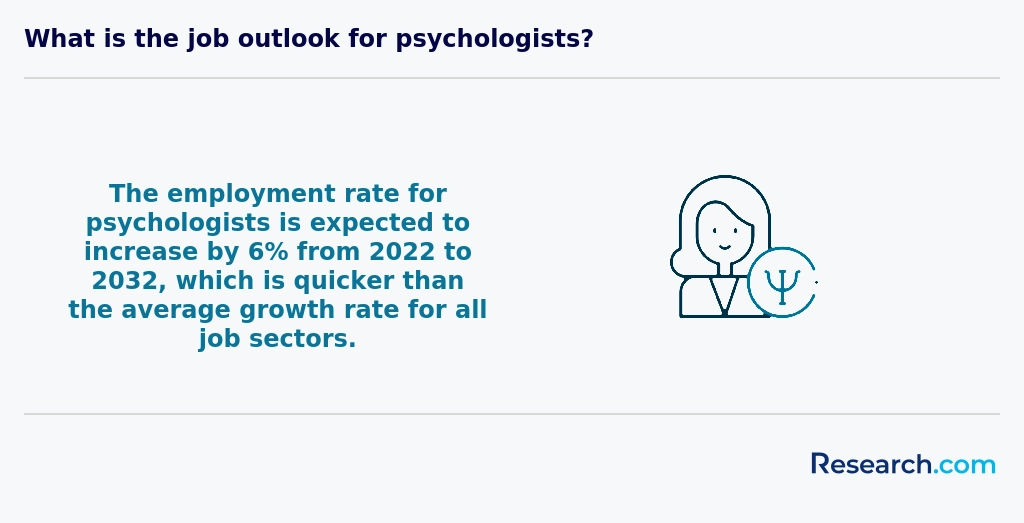
Investing in a psychology degree requires balancing tuition costs against potential earnings, and South Dakota’s affordable programs often deliver one of the best returns on investment (ROI) in the region. On average, in-state tuition at public colleges sits around $7,070 per year, while graduates report mean starting salaries between $50,000 and $73,000 depending on their chosen career path. By comparing total cost of attendance-including tuition, fees, and living expenses-to entry-level wages, students can estimate a payback period of roughly 3–5 years for bachelor’s degree holders, and slightly longer for those pursuing advanced degrees. Several factors influence ROI calculations: • Debt Load: South Dakota students typically graduate with lower average debt (around $20,000 for a bachelor’s) compared to the national average, thanks to generous state grants and scholarships. • Salary Trajectory: Career fields such as human resources and clinical research offer median salaries of $73,080 and $57,760 respectively, accelerating debt repayment. • Program Duration: Shorter completion times-two years for associate, four years for bachelor’s-reduce living costs and opportunity costs, significantly improving ROI. Prospective students should also explore regional affordability benchmarks. While South Dakota’s programs rank highly, those comparing options in neighboring states may consult the Low Cost Psychology Degree Programs Ranking in Washington for a broader perspective on how tuition, financial aid, and post-graduation earnings stack up across the Pacific Northwest. By conducting a side-by-side ROI analysis, applicants can make data-driven decisions that maximize both educational value and long-term financial well-being.
If you're diving into a psychology degree in South Dakota, expect courses that cover all the core areas of human behavior and mental processes. At popular schools around the state, students often jump right into subjects like Introduction to Psychology, which breaks down the basics and gives you a solid foundation for everything else.
Graduates often recall how fascinating courses like Developmental Psychology helped them see how people change from babies to adults, making the science feel really real. Abnormal Psychology gets you looking at different mental health conditions, which many find eye-opening and super relevant.
Other classes you'll tackle include Social Psychology, which explores why people act the way they do in groups, and Cognitive Psychology, which dives into how we think and remember things-perfect for understanding everyday decisions you and your friends make.
South Dakota colleges often blend these with hands-on experiences in labs and community projects, so you're not just stuck in a lecture hall. Lots of students love getting that real-world practice alongside courses like Biological Psychology and Research Methods, making the learning stick and sparking excitement about future careers.
If you're studying psychology in South Dakota, you'll find plenty of cool specializations to choose from that fit real-world jobs around here. Many students at places like the University of South Dakota or South Dakota State University end up in clinical psychology, helping folks manage mental health issues in local hospitals or community clinics. Others lean toward counseling psychology, learning how to support people through tough emotional times-something really appreciated in smaller towns.
Some graduates dive into school psychology, working directly with kids and teens in South Dakota schools to address learning and behavioral challenges. Industrial-organizational psychology is another popular choice, especially with local businesses eager to boost employee morale and productivity. There's also developmental psychology, great for those curious about how people grow from childhood through old age, and health psychology, focusing on the connection between mind and body.
Many students mention how these South Dakota psychology career focus areas give them hands-on experience, which makes stepping into their careers feel a lot more doable and exciting. If you're wondering how to get started or explore options, check out how to become therapist without degree for some practical tips.
Choosing the best psychology degree in South Dakota comes down to figuring out what fits your goals and lifestyle. Graduates from places like South Dakota State University often mention how important it was to pick a program that matched their career plans-whether that meant aiming for a doctorate to become a licensed clinical psychologist or starting with a master's for counseling roles. The best psychology colleges in South Dakota typically have regional accreditation and, for doctoral paths, APA approval, which really matters if you want to be licensed here.
Cost is a big deal too-public universities in South Dakota usually charge around $9,000 a year for in-state students, which is a nice bonus for saving money compared to other states. Some grads say looking into affordable psychology degree programs South Dakota wide helped them avoid sticker shock. Plus, if you want to keep working while studying, schools offering online or hybrid courses, like some psychology masters programs, make balancing things easier.

If you're diving into a psychology degree in South Dakota, you're stepping into a world full of career possibilities. Graduates from schools like South Dakota State University often find themselves thriving in roles like licensed psychologists or counselors, especially because the state values hands-on experience and proper licensing. Imagine working in a local hospital or private practice, helping people navigate their mental health every day-that's a very real and rewarding path here.
Many grads also land jobs in social work or as mental health counselors, roles growing in demand thanks to the state's focus on community support. You might find yourself working in a community center or even in school settings, making a difference where it counts most. For those interested in the business world, companies in South Dakota are keen on hiring psychology graduates for roles in human resources or market research, where understanding behavior can seriously boost workplace vibes or customer insights. If you want to explore affordable programs as you plan your journey, check out this Low Cost Psychology Degree Programs Ranking in Washington for some inspiration.
It's easy to see why so many students love the variety of psychology career opportunities in South Dakota. Whether you're into counseling, social work, or business side roles, the state offers a supportive environment that helps you grow and succeed.
The psychology job opportunities in South Dakota are pretty encouraging, especially if you're studying at popular schools like South Dakota State University or the University of South Dakota. Graduates often land roles in hospitals, schools, or local counseling centers, where their skills are genuinely needed. Many find satisfying work in rural areas where mental health support is scarce, helping kids and families in ways that really make a difference.
With the state's growing focus on mental health, counseling psychologists and school psychologists are in demand, reflecting a positive outlook for those finishing their degrees. Some grads share how starting as psychological assistants or case managers helped them gain experience before moving up to licensed clinical roles. The median salary, around $72,000, matches well with the lower living costs here, making life comfortable.
Tuition for in-state students tends to be affordable, between $7,000 and $10,000 a year, which is a big plus compared to pricier options elsewhere. For those looking for flexible study paths, pursuing an online associate degree in 6 months can be a smart start while keeping options open.
South Dakota psychology degree employment outlook is generally steady, with growth close to the national average, making it a solid choice for students wanting to build a meaningful career close to home.
2027 Most Affordable Psychology Degree Programs Ranking in South Dakota
Investing in your education is a significant decision that can shape your future, and the Research.com team understands the importance of making informed choices. To assist prospective students in South Dakota, we have meticulously crafted the "2027 Most Affordable Psychology Degree Programs Ranking in South Dakota." Our commitment to quality, credibility, and accuracy is reflected in the extensive research and analysis conducted to compile this ranking.
We utilized the following reputable data sources to ensure a comprehensive evaluation of psychology degree programs:
By exploring this ranking, readers will gain valuable insights into the most affordable psychology degree options in South Dakota, empowering them to make well-informed decisions about their educational paths. For more details on our methodology, please visit our Research.com methodology page.





Frequently Asked Questions About psychology
Psychology degree students in South Dakota can maximize their learning experience by engaging deeply in both academic and practical opportunities. South Dakota universities often emphasize experiential learning through internships and research projects, which help students apply classroom knowledge in real-world settings.
Students should seek placements in local mental health clinics or community organizations, as these experiences provide valuable insights into diverse populations within the state. According to the South Dakota Board of Psychology, hands-on training is critical for licensure and professional development.
Additionally, joining psychology clubs and attending state conferences can enhance networking and exposure to current research trends. Leveraging resources such as university counseling centers and faculty mentorship further strengthens learning outcomes.
Emerging niches within the psychology field reflect evolving societal and technological changes, offering new career opportunities for students in South Dakota. One growing area is neuropsychology, which focuses on brain-behavior relationships and is increasingly important due to rising concerns about brain injuries and dementia. Another niche is health psychology, addressing how mental health impacts physical illness, a field expanding with the state's aging population.
Industrial-organizational psychology is also gaining traction, helping businesses improve employee well-being and productivity. Additionally, South Dakota's rural communities highlight the need for telepsychology, providing remote mental health support where services are limited. According to the Bureau of Labor Statistics, psychology-related jobs in the Midwest are expected to grow about 8% through 2031, reflecting these trends.
After completing a psychology degree in South Dakota, preparing for the job market requires strategic steps. Start by gaining practical experience through internships or volunteering in local mental health clinics, hospitals, or social service agencies. According to the U.S. Bureau of Labor Statistics, South Dakota's employment for psychologists is expected to grow slightly faster than the national average, emphasizing the importance of hands-on experience.
Networking is also vital. Attend state psychology association meetings such as the South Dakota Psychological Association to connect with professionals and learn about job openings. Additionally, consider pursuing licensure if aiming for clinical positions; South Dakota requires specific supervised hours and passing the Examination for Professional Practice in Psychology (EPPP).
Enhancing skills with certifications in specialties like behavioral analysis or counseling can increase employability. Lastly, focus on strong resume writing and interview skills tailored to South Dakota's healthcare and educational sectors.
Employers in South Dakota seek psychology graduates with strong analytical skills to interpret behavioral data accurately. Communication abilities are essential, as professionals must explain findings clearly to clients and colleagues. Problem-solving aptitude is also highly valued to develop effective treatment plans or interventions based on psychological theories.
In addition, employers emphasize cultural competence, recognizing South Dakota's diverse populations, including Native American communities. According to the U.S. Bureau of Labor Statistics, professionals with interpersonal skills outperform others in healthcare settings statewide. Practical experience through internships or research is another critical asset.
Overall, adaptability and ethical judgment remain crucial, guiding graduates' decisions within legal and professional frameworks specific to South Dakota's psychology field.
Finding internships in South Dakota relevant to a psychology degree involves several strategic steps. Many universities, including South Dakota State University and the University of South Dakota, offer career services that help connect students with local clinical, counseling, and research internships. These opportunities often come from partnerships with healthcare providers, schools, and community agencies.
The South Dakota Psychological Association also provides resources and networking events that can guide students toward internship placements. Additionally, platforms like Handshake and Indeed list local internship openings for psychology students.
According to data from the Bureau of Labor Statistics, psychology-related jobs in South Dakota are expected to grow moderately, increasing internship availability.
A psychology degree in South Dakota can significantly enhance career mobility and advancement opportunities. Graduates with a bachelor's or higher degree in psychology often find roles in healthcare, education, social services, and business sectors. According to the U.S. Bureau of Labor Statistics, South Dakota's employment of psychologists is projected to grow by 8% from 2022 to 2032, reflecting regional demand.
Advanced degrees, such as a master's or doctorate, are usually required for clinical and counseling positions, which offer higher salaries and leadership roles. Skills gained from psychology programs-like critical thinking and understanding human behavior-are valued across many professions in the state.
Additionally, South Dakota offers licensure for psychologists through the Board of Examiners of Psychologists, which supports career growth by enabling graduates to practice independently and in specialized fields. Networking opportunities within local professional organizations also aid in career advancement.
Studying for a psychology degree in South Dakota offers strong preparation for interdisciplinary roles by integrating diverse fields such as sociology, education, and health sciences. Programs in the state emphasize applied learning, critical thinking, and research skills necessary for collaboration across various professional environments.
South Dakota universities often include courses that link psychology with public health, social work, and counseling, supporting students who aim to work in multifaceted teams. This approach mirrors national workforce trends where psychologists contribute to healthcare, education, and business sectors.
The South Dakota Department of Education reports growing demand for qualified psychology professionals capable of interdisciplinary work, which underscores the value of these programs. Additionally, local internships and community partnerships provide practical experience, enhancing readiness for complex roles.
Choosing between a thesis and a non-thesis psychology degree program in South Dakota depends on your career goals and learning preferences. A thesis program requires conducting original research and writing a detailed paper, which is ideal if you plan to pursue doctoral studies or careers in research. Non-thesis programs often focus more on coursework and practicums, suited for those aiming to enter applied psychology roles quickly.
South Dakota universities like the University of South Dakota offer both options. According to the National Center for Education Statistics, around 40% of psychology graduate students in the state choose thesis tracks, reflecting strong research emphasis.
Consider time commitment and faculty mentorship availability, as thesis programs typically demand more direct supervision.
Students based in South Dakota interested in studying psychology abroad have several pathways through exchange and study abroad programs offered by their home institutions. Many universities in South Dakota, such as South Dakota State University and the University of South Dakota, maintain partnerships with foreign universities, allowing psychology students to spend a semester or year overseas while earning credits towards their degree.
Additionally, students may participate in faculty-led trips or independent study programs focusing on global psychological practices. This international experience can broaden understanding of cultural influences on behavior and mental health.
While specific national statistics for South Dakota psychology international enrollment are limited, the Institute of International Education reports that U.S. psychology students studying abroad represent a growing segment of participants, with study opportunities in Europe and Asia being especially popular. South Dakota students often benefit from these trends through institutional programs.
Students pursuing psychology degrees in South Dakota can benefit from various part-time job opportunities that complement their academic goals. Common roles include research assistant positions at universities like South Dakota State University, where students gain hands-on experience in psychological studies. Additionally, many healthcare facilities and counseling centers in Sioux Falls and Rapid City offer part-time roles as mental health technician aides or behavioral health assistants. These jobs provide practical exposure to client interaction and therapeutic settings, reinforcing classroom knowledge.
According to the South Dakota Department of Labor, healthcare support occupations, which include many psychology-related roles, are expected to grow by 13% from 2020 to 2030, signaling positive job prospects for students.
Psychology students in South Dakota have several valuable networking opportunities through university-affiliated organizations and statewide professional groups. For example, institutions like the University of South Dakota host Psi Chi chapters, offering students a platform to connect with peers, faculty, and practicing psychologists. According to the South Dakota Psychological Association, the state's professional body, students can attend conferences and workshops to meet licensed professionals and explore internship possibilities.
Many South Dakota colleges also collaborate with local clinics and healthcare providers to facilitate experiential learning and professional networking. These connections can be crucial for career development, especially in a state where psychology services are growing but still limited compared to national averages. Networking events often focus on rural mental health and allied psychology fields, reflecting the state's needs and offering niche opportunities for students.
Alumni networks provide valuable benefits for psychology degree students in South Dakota by offering professional connections and mentorship opportunities. Graduates from institutions such as the University of South Dakota often engage actively to support current students. These connections can lead to internships, research collaboration, and job placements within the state's mental health field.
South Dakota's psychology alumni frequently work in both clinical and research settings, contributing to a diverse professional network. According to the South Dakota Board of Psychology, many licensed professionals received referrals or career guidance through alumni contacts. This network strengthens access to local career resources and helps students navigate licensure requirements after graduation.
Engaging with alumni also allows students to learn about emerging trends and regional industry needs, enhancing their preparedness for the state's job market.
Customizing a psychology degree program in South Dakota involves selecting courses and experiences that align with your specific career goals. Many universities, such as South Dakota State University and the University of South Dakota, offer elective options in areas like clinical psychology, counseling, or industrial-organizational psychology. By choosing relevant electives, you can focus your expertise on fields with strong local demand.
Internships and research opportunities also help tailor your education. South Dakota's growing behavioral health sector provides hands-on training through partnerships with community clinics and organizations. According to the South Dakota Department of Labor, careers in psychology-related fields are projected to grow about 8% through 2030, emphasizing the value of practical experience.
Additionally, some programs offer certificate tracks or minors that further customize your study plan. Working closely with academic advisors ensures your course load supports licensure requirements for your intended profession, such as becoming a licensed professional counselor or psychologist in South Dakota.
Psychology students in South Dakota often face the challenge of limited local research opportunities compared to larger states. With fewer universities offering specialized programs, gaining diverse clinical experience can be difficult. According to the South Dakota Board of Psychology, the state has a relatively low number of licensed psychologists, which may affect internship placements.
Financial constraints are another concern. Although South Dakota offers some affordable tuition rates, students may find funding for graduate psychology degrees limited. The National Center for Education Statistics reports average in-state tuition around $9,000 annually, which is lower than the national average but still significant.
Lastly, balancing coursework with supervised clinical hours required for licensure can be demanding, especially in rural areas where placement options are scarce.
With a psychology degree in South Dakota, graduates can pursue several professional certifications to enhance their careers. One common path is earning licensure as a Licensed Psychologist, which requires a doctoral degree and supervised experience, regulated by the South Dakota Board of Psychology. Individuals can also become Licensed Professional Counselors (LPCs) by completing a master's program and passing the National Counselor Examination. Certifications like Certified Alcohol and Drug Counselor (CADC) are available for those focusing on substance abuse treatment. According to the U.S. Bureau of Labor Statistics, South Dakota's mental health sector has grown 7% over the past decade, increasing demand for credentialed professionals.
To write a winning application for a psychology program in South Dakota, start by carefully reviewing each school's specific admission requirements. Most universities require a strong academic record, especially in biology, statistics, and psychology-related courses.
Highlight any relevant experience such as internships, volunteer work, or research projects in your personal statement. South Dakota's universities, like South Dakota State University, value applicants who demonstrate clear career goals and understanding of psychology.
Strong letters of recommendation from professors or professionals familiar with your academic abilities are essential. Additionally, maintain a competitive GPA-South Dakota's psychology programs often admit students with GPAs above 3.0.
Finally, prepare thoroughly for any entrance tests or interviews and ensure all application materials are submitted before deadlines. According to the South Dakota Board of Regents, timely and complete applications improve admission chances significantly.
Psychology is a growing field worldwide, with increasing demand for trained professionals. In the United States, including South Dakota, psychology careers offer diverse opportunities in clinical, counseling, and research roles. Globally, the field emphasizes cultural competence and adapting practices to different populations, which is important for students considering international work or collaboration.
South Dakota's psychology programs prepare students for these global challenges by integrating evidence-based practices and offering internship opportunities. According to the U.S. Bureau of Labor Statistics, the employment of psychologists is projected to grow 8% nationally from 2022 to 2032, reflecting a steady global interest in mental health.
Understanding global trends, such as telepsychology and multicultural counseling, is increasingly important for students planning their careers locally and beyond. This aligns with South Dakota institutions' focus on training adaptable psychology professionals.
Gaining practical experience while pursuing a psychology degree in South Dakota is crucial for developing professional skills. Many universities, including South Dakota State University and the University of South Dakota, offer opportunities such as internships and research assistantships. These positions allow students to work directly with faculty on ongoing studies or gain experience in clinical and community settings.
Additionally, students can seek volunteer positions at local mental health clinics and hospitals, where they assist professionals and observe psychological practices firsthand. The South Dakota Psychological Association also connects students with mentoring and practicum opportunities within the state.
Engaging in these activities not only enriches learning but also enhances employability after graduation.
Choosing the right concentration within a psychology degree program in South Dakota involves assessing both personal interests and local career opportunities. Many universities in South Dakota offer concentrations such as clinical, counseling, developmental, or industrial-organizational psychology. Students should research labor market trends; for example, clinical and counseling psychologists are among the fastest-growing occupations in the state, according to the South Dakota Department of Labor and Regulation.
Consider your long-term goals: if you want to work in healthcare, clinical psychology might be best; if you prefer business settings, industrial-organizational could fit. Reviewing curriculum specifics and faculty expertise at schools like South Dakota State University or the University of South Dakota can guide your decision. Practical experience options, such as internships and research opportunities, are also important to evaluate when choosing a specialization.
- 2027 Most Affordable Psychology Degree Programs Ranking in Montana
- 2027 Most Affordable Psychology Degree Programs Ranking in Wisconsin
- 2027 Most Affordable Psychology Degree Programs Ranking in Texas
- 2027 Most Affordable Psychology Degree Programs Ranking in Tennessee
- 2027 Most Affordable Psychology Degree Programs Ranking in Mississippi
- 2027 Most Affordable Psychology Degree Programs Ranking in West Virginia
- 2027 Most Affordable Psychology Degree Programs Ranking in North Carolina
- 2027 Most Affordable Psychology Degree Programs Ranking in South Carolina
- 2027 Most Affordable Psychology Degree Programs Ranking in Virginia
- 2027 Most Affordable Psychology Degree Programs Ranking in Pennsylvania
See What Experts Have To Say About Studying Psychology
Read our interview with Psychology experts

Catherine Caldwell-Harris, Ph.D.
Psychology Expert
Associate Professor of Psychology
Boston University

Elizabeth L. Jeglic Ph.D.
Psychology Expert
Professor of Psychology
City University of New York

Joann Farrell Quinn, Ph.D., MBA
Psychology Expert
Director at the College of Medicine Department of Medical Education
Morsani College of Medicine

- How To Become A Psychologist In South Dakota https://www.psychology.org/online-degrees/south-dakota/
- Psychology - SWPS University https://english.swps.pl/academics/warsaw/ba-programs/psychology
- Psychology Online Degree Pathway https://www.learndirect.com/course/psychology-online-degree
- What can I do with a psychology degree? https://www.hull.ac.uk/study/undergraduate/courses/psychology-bsc-hons/what-can-i-do-with-a-psychology-degree
- Sample letters in psychology https://www.mystudies.com/en-in/human-and-social-sciences/psychology/letter-model/
- Why Get a Psychology Degree Online? | University of Bridgeport https://www.bridgeport.edu/news/reasons-to-get-your-psychology-degree-online/
- Alumni Network - https://efpsa.org/alumni-network/
- Society for the Teaching of Psychology https://teachpsych.org/page-1784686/8675326
- Mental Health Challenges Faced by Psychology Students | The Healthcare Guys https://healthcareguys.com/2023/11/23/mental-health-challenges-faced-by-psychology-students/
- Know more about thesis vs non- thesis: what is the difference? https://studyfans.com/en/blogs/816


