
2027 Most Valuable Psychology Degree Programs Ranking in Las Vegas

Co-Founder and Chief Data Scientist
Choosing the right psychology degree program can feel overwhelming, especially with so many options in Las Vegas. This article introduces the 2027 Most Valuable Psychology Degree Programs Ranking in Las Vegas, carefully crafted by the Research.com team of data scientists to guide you in making an informed decision.
By exploring this ranking, you'll discover programs that offer great value, helping you build a fulfilling and meaningful career in psychology. Whether you're starting your education or considering a change, this resource aims to support your goals with clear, trusted insights.
Key benefits of getting psychology degree in Las Vegas
- Salary for psychology degree graduates: Careers such as Human Resources Specialist offer a mean annual wage of $76,060, while Marketing Research Analysts earn about $83,190, showing rewarding income possibilities for graduates.
- Potential career paths: A psychology graduate from the University of Nevada, Las Vegas often finds diverse roles in counseling, research, or corporate sectors, opening doors to meaningful and impactful work.
- Benefits of an online degree: Earning a psychology degree online from a respected Las Vegas institution provides flexibility and convenience, allowing students to balance studies with personal and professional life without sacrificing learning quality.
- 2027 Most Valuable Psychology Degree Programs Ranking in Las Vegas
- What can I expect from psychology degree in Las Vegas?
- Where can I work with psychology degree in Las Vegas?
What can I expect from psychology degree in Las Vegas?
The average cost of pursuing a psychology degree in Las Vegas, especially at respected institutions like the University of Nevada, Las Vegas (UNLV), is around $9,400 per year for residents. Many graduates have found this tuition surprisingly affordable compared to other parts of the country, which helped ease their financial worries while focusing on their studies. Attending a local university not only makes earning your degree more accessible but also allows you to immerse yourself in the vibrant Las Vegas community, where you can connect with local mental health organizations through internships or practicums.
Students often share how this manageable cost combined with hands-on experiences in hospitals or schools made their education feel both valuable and practical. Scholarships and financial aid options available at these institutions further reduce financial pressure. By choosing psychology programs here, you're investing wisely into your future career without the heavy burden of overwhelming debt, allowing you to fully embrace your passion for understanding human behavior and making a difference in your community.
Where can I work with psychology degree in Las Vegas?
With a psychology degree in Las Vegas, you can unlock diverse career paths tailored to the city's unique opportunities. Many graduates from places like the University of Nevada, Las Vegas, find fulfillment working in clinical settings, such as hospitals and outpatient centers, where they help people navigate mental health challenges firsthand. Imagine collaborating with multidisciplinary teams at the Clark County Department of Behavioral Health-this hands-on experience creates a rewarding environment for growth and impact.
Others thrive in education, joining the Clark County School District as school psychologists or behavioral specialists, supporting students' well-being every day. For those drawn to the business world, Las Vegas' booming hospitality sector opens doors to roles in organizational psychology, where improving employee morale and customer experience fuels the city's dynamic economy.
Many recent graduates feel inspired by research opportunities at UNLV, contributing to advancements in behavioral science. Remember, some specialized careers require advanced degrees and licensure, but starting in these varied roles gives you a strong foundation to build a meaningful future in psychology right here in Las Vegas.
Graduates with a psychology degree from institutions like the University of Nevada, Las Vegas often find promising salary opportunities across several rewarding roles. For example, those stepping into Human Resources Specialist positions can anticipate a mean annual wage of about $76,060, making this path both stable and financially encouraging.
Many psychology graduates also explore careers in marketing research, where the mean annual wage reaches approximately $83,190 in Las Vegas. These roles tap into analytical skills developed during study and offer exciting work environments for those who enjoy blending psychology with business insights.
Entry-level graduates working as Clinical Research Associates or Survey Researchers typically earn salaries near $62,370 per year. Others starting in supportive roles, such as Childcare Workers, might initially see mean wages around $32,070. These figures grow as experience and education deepen, reflecting the dynamic nature of psychology careers in the region.
Several graduates recall how engaging with Las Vegas's vibrant healthcare sector and community services helped them build a strong professional network, providing both personal fulfillment and increasing their earning potential over time.
- Community colleges in Las Vegas charge approximately $4,000 to $6,000 per year for in-state psychology degrees, while four-year universities range from $8,000 to $15,000 annually.
- Private institutions often have tuition fees above $20,000 per year for psychology degrees.
- Entry-level psychology jobs like behavioral health technicians offer starting salaries around $35,000 to $45,000 annually.
- Advanced degrees in clinical psychology or counseling can lead to salaries around $60,000 within a few years after graduation.
- Experienced psychology professionals typically earn between $75,000 and $90,000 per year in Las Vegas.
- Las Vegas has growing mental health job openings supported by public and private sector investments and offers internship options through hospitals and social service agencies.
Completing a psychology degree in Las Vegas typically takes dedication and a clear sense of purpose. Most students pursuing a bachelor's degree at popular local institutions like the University of Nevada, Las Vegas, spend about four years immersed in courses covering everything from developmental psychology to behavioral research. Some motivated graduates manage to accelerate their studies, finishing in three years by taking heavier course loads, though this path requires strong discipline and time management.
For those eager to deepen their expertise, master's programs usually take around two years. Graduates often recall balancing their studies with part-time work or internships-especially in counseling or clinical settings-gaining invaluable real-world experience that enriches their learning.
Doctoral aspirants face a longer journey, typically adding four to seven years beyond the bachelor's. Even with fewer doctoral programs directly in Las Vegas, many find rewarding opportunities for internships and supervised training locally, which boosts confidence and professional readiness.
Ultimately, full-time enrollment, program requirements like practicums, and personal commitments shape each student's timeline, making the journey uniquely their own.
Studying psychology in Las Vegas is about more than just attending classes-it’s an immersive experience that blends academic rigor with real-world cultural vibrancy. Students thrive in settings where modern facilities meet dynamic campus life, offering ample opportunities for both personal and professional growth. Beyond the lecture halls, learners can participate in various clubs and organizations, attend guest lectures by distinguished professionals, and engage in community outreach projects that reflect the city’s diverse spirit. Many institutions in Las Vegas emphasize extracurricular activities that support hands-on learning and networking. For example, students often report that campus events such as career fairs, research symposiums, and psychological workshops help them build valuable connections that extend well beyond graduation. Whether you prefer engaging in lively campus debates or exploring the unique cultural scene of Las Vegas on weekends, the vibrant student life enhances your overall educational journey. Moreover, for those considering a flexible option, many universities offer robust online learning platforms that mirror the comprehensive on-campus experience. Explore our list of cheapest psychology degree online programs, which provide thoughtfully designed virtual classrooms and interactive sessions that give you the best of both worlds. This blend of academic excellence, networking opportunities, and flexible learning environments creates a nurturing atmosphere for future psychology professionals in Las Vegas.
Choosing between online and on-campus psychology degrees in Las Vegas often comes down to your lifestyle and learning preferences. Graduates from the University of Nevada, Las Vegas (UNLV) often recall how face-to-face classes allowed them to engage deeply through lively discussions and group projects, boosting their confidence and fostering strong connections with professors and peers.
On-campus students benefit from hands-on experiences, such as internships at local clinical sites or community organizations, which are invaluable for psychology training and career preparation. These practical opportunities, common in Las Vegas colleges, can be harder to replicate fully in online programs.
Conversely, online psychology degrees offer remarkable flexibility, perfect for those balancing work, family, or avoiding the city's busy traffic. Graduates share that virtual classrooms and recorded lectures helped them stay on track without sacrificing other commitments, although some programs still require occasional campus visits for practical training.
Both routes have merit; it's about aligning your study style with your goals and the unique opportunities Las Vegas psychology programs provide.
To practice professionally in Nevada, psychology graduates must satisfy state board mandates covering education, exams, and supervised experience:
- Education: Hold a doctoral degree (Ph.D. or Psy.D.) from an APA-accredited program (master’s level graduates pursue LPCC licensure).
- Examinations: Pass the EPPP (Examination for Professional Practice in Psychology) and Nevada’s jurisprudence exam (or NCMHCE for LPCC candidates).
- Supervised Experience: Complete 1,500 post-doctoral supervised hours for psychologists (3,000 for LPCC).
- Application & Fees: Submit transcripts, exam scores, supervision logs and pay licensing fees to the Nevada State Board of Psychological Examiners.
- Continuing Education: Meet biennial CE requirements (40 hours every two years or 20 hours per year).
For cost-conscious students, programs like the cheapest psychology degree online can meet Nevada’s educational standards without excessive tuition.
Understanding the average cost of a psychology degree in Las Vegas helps you plan your educational journey with confidence. For many students attending popular institutions like the University of Nevada, Las Vegas, the median in-state total cost hovers around $9,748, making it a more affordable pathway to earning your degree locally. Many graduates recall how this accessible pricing allowed them to focus on their studies without overwhelming financial stress, enhancing their overall college experience.
Out-of-state students often encounter higher expenses, with a median total cost near $42,129, reflecting tuition, fees, and living costs. Yet even these costs are met with optimism, as students engage in vibrant campus life and specialization opportunities that highlight the value of their investment. The psychology degree expenses Las Vegas 2027 are expected to reflect similar patterns as institutions maintain competitive pricing.
Living costs in Las Vegas also play a role, with students budgeting roughly $15,000 annually for housing and daily needs. Many graduates mention how choosing to live modestly in shared accommodations helped them keep expenses manageable while immersing themselves in hands-on research and community opportunities at UNLV.
Careful consideration of residency status, institution choice, and program length can greatly affect your total expenditure. Those navigating financial planning for a psychology career may find it helpful to explore resources like South Carolina psychology licensure requirements as part of their broader strategy to understand timeframes and related costs that extend beyond tuition alone.

Choosing a psychology degree program in Las Vegas, NV that meets accreditation standards and licensure requirements is critical for your professional journey. Most clinical and counseling psychology roles require graduation from an American Psychological Association (APA)–accredited doctoral program or a Council for Accreditation of Counseling and Related Educational Programs (CACREP)–accredited master’s program. For school psychologists, National Association of School Psychologists (NASP) accreditation ensures your curriculum aligns with state licensure benchmarks. In Nevada, licensure as a psychologist involves: • Earning a degree from an APA-accredited doctoral program (PhD or PsyD) or completing an APA-recognized internship. • Accumulating 3,000 hours of supervised professional experience, including at least 1,500 post-doctoral hours, under a licensed psychologist. • Passing the Examination for Professional Practice in Psychology (EPPP) and Nevada’s jurisprudence exam. • Submitting an application to the Nevada Board of Psychological Examiners and completing fingerprinting and background checks. For those aiming to streamline this process, consider integrated pathways like dual degree psychology programs that bundle master’s and PsyD curricula into a cohesive, APA-aligned track. These combined programs can reduce total credit hours, condense supervised practicum requirements, and offer direct mentorship from accredited faculty, ensuring you meet both academic and state board standards efficiently. Before enrolling, verify each institution’s accreditation status on the APA, CACREP, or NASP directories and consult Nevada’s Board of Psychological Examiners website for the latest licensure updates. Aligning your degree with these recognized standards accelerates your path to independent practice and enhances your credibility in competitive mental health, school, and research settings.
When pursuing a psychology degree in Las Vegas, understanding your financial aid options can transform your educational journey from daunting to empowering. At institutions like the University of Nevada, Las Vegas (UNLV), students often rely on the Free Application for Federal Student Aid (FAFSA) to unlock vital support such as federal grants, loans, and work-study programs. Many psychology undergraduates benefit from the Pell Grant, which in 2024-2025 can provide up to $7,395-an amount that covers a significant part of tuition at public colleges here.
State aid through the Nevada State Grant Program also plays a key role, helping students reduce costs with grants tailored for those enrolled at Nevada schools. Returning graduates of Las Vegas's psychology programs often highlight the competitive scholarships from the American Psychological Association or local foundations, which fuel their academic and research ambitions.
- Merit-based scholarships available at colleges offer additional relief based on GPA or leadership, motivating students to excel beyond the classroom.
- Flexible federal student loans with manageable interest rates around 5.5% give psychology majors the freedom to focus on their learning and future careers.
Moreover, many psychology students working in healthcare or social services find that employer tuition assistance bridges financial gaps, reinforcing their commitment to both work and study. These combined avenues make earning your psychology degree in Las Vegas not just a possibility-but a promising reality.
To further enrich your educational experience and career prospects in psychology, it's essential to explore additional resources and opportunities. Considering the diverse range of specializations and career paths available, students can benefit from accessing a wide array of academic and professional networks. For those looking to expand their knowledge and skills, researching institutions that offer valuable psychology schools in Nevada can provide insights into high-quality programs that cater to individual interests and career aspirations. By leveraging these resources, aspiring psychologists can make informed decisions about their educational journey, ultimately enhancing their chances of success in the competitive and rewarding field of psychology.
To enroll in a psychology degree program in Las Vegas, you need a high school diploma or GED at minimum, laying the foundation for your journey. Graduates from local colleges like the College of Southern Nevada often recall how focusing on science, math, and English in their high school years made the transition smoother and gave them confidence when starting their psychology courses. Admissions typically ask for official transcripts and sometimes standardized test scores like the SAT or ACT, though many schools now offer test-optional paths, easing pressure on applicants.
Undergraduates in Las Vegas usually start with prerequisite courses such as introductory biology, statistics, and basic psychology. These classes sharpen critical thinking skills that previous students have found invaluable, especially at UNLV, where professors encourage applying theory to everyday life. For those looking to go further, graduate programs expect a completed bachelor's degree with a decent GPA and often appreciate relevant research or work experience, helping applicants stand out and feel prepared for advanced study.
Las Vegas psychology programs offer a wealth of hands-on research and internship opportunities that enhance both academic learning and career readiness. Students at UNLV can join research labs such as the Cognitive Neuroscience Lab or the Social Psychology Research Group, where they collaborate with faculty on projects ranging from addiction studies to consumer behavior. Nevada State College provides access to applied research through partnerships with local mental health clinics and community agencies, allowing undergraduates to contribute to grant-funded initiatives and co-author conference presentations. Internships are another cornerstone of practical training. Psychology majors frequently intern at The Mental Health Center of Southern Nevada, local school districts, and corporate HR departments in the hospitality industry. These placements not only develop clinical and organizational skills but also expand professional networks, often leading to job offers before graduation. To secure competitive placements, students are encouraged to attend the annual Psychology Career Fair and utilize the Career Development Center’s counseling and resume workshops. Building on these experiences, many students supplement their resume by exploring affordable alternatives in other regions. For insights on cost-effective programs and how they integrate experiential learning, review the Cheapest Psychology Degree Programs Ranking in Massachusetts, which highlights programs emphasizing internships and research at minimal cost. By engaging in these robust research and internship pathways, Las Vegas psychology students gain the practical expertise and professional confidence needed to excel in diverse career settings.
When you dive into a psychology degree in Las Vegas, you'll encounter courses that build a deep understanding of the mind and behavior. At universities like UNLV, students often start with General Psychology, which lays the groundwork by exploring key theories and research methods-essential knowledge for anyone passionate about human nature.
Courses like Developmental Psychology paint vivid pictures of how we change across our lives, helping you connect theory to real people you meet every day. Many graduates recall how studying Biopsychology opened their eyes to the fascinating link between brain function and behavior, bringing science to life.
In social settings on campus or Las Vegas community centers, Social Psychology teaches you how individual actions are shaped by others, a skill vital for future counselors or healthcare workers. You'll also tackle Abnormal Psychology and Ethics in Psychology, preparing you to handle sensitive cases with empathy and professionalism. These courses, paired with hands-on practicum opportunities in local agencies, transform textbook ideas into meaningful real-world impact.
When pursuing a psychology degree in Las Vegas, students encounter specializations designed to prepare them for diverse and rewarding careers. Popular tracks include clinical psychology, where graduates often find fulfillment helping individuals navigate mental health challenges through evidence-based therapies. Counseling psychology is another path, perfect for those passionate about supporting others through life's stresses, frequently working in schools or community centers. Industrial-organizational psychology appeals to students interested in optimizing workplace dynamics, a growing focus in Las Vegas's bustling business environment. Forensic psychology offers a unique blend of law and psychology, ideal for those drawn to criminal justice roles.
Graduates from universities like UNLV highlight how these specializations align with local workforce needs, making their education feel immediately relevant. Exploring psychology degree specializations in Las Vegas means you can tailor your study based on real-world applications, whether it's conducting research or preparing for hands-on roles. For those inspired by helping others, there are paths leading to substance use counseling careers that provide deep personal meaning and community impact.
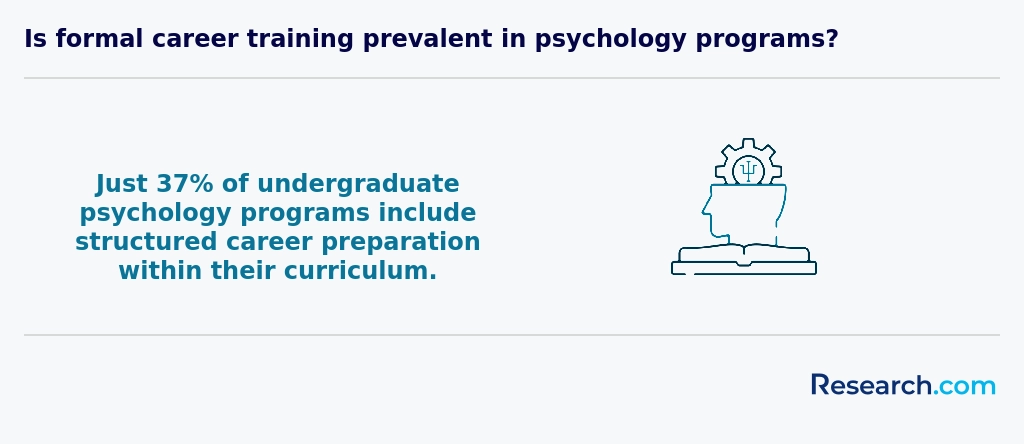
Choosing the best psychology degree in Las Vegas means focusing on programs that offer accredited, high-quality education combined with real-world experience. Graduates from UNLV often share how the university's specialized tracks, whether clinical psychology or cognitive neuroscience, helped them discover their unique passions while gaining hands-on internships that built confidence and skills. Finding affordable psychology colleges Las Vegas, like UNLV, can also ease financial stress-its in-state tuition at around $8,500 annually makes this accessible without compromising education quality.
Look closely at curriculum flexibility and the chance to engage with faculty actively researching areas that excite you. Many students thrive when mentored by experts involved in community-based projects, where classroom theory meets genuine practice. For those considering different paths, such as counseling or applied behavioral studies, comparing programs is vital.
And if you're curious about how this compares outside Nevada, exploring a psychology bachelor's degree in Minnesota might illuminate new opportunities and deepen your perspective.
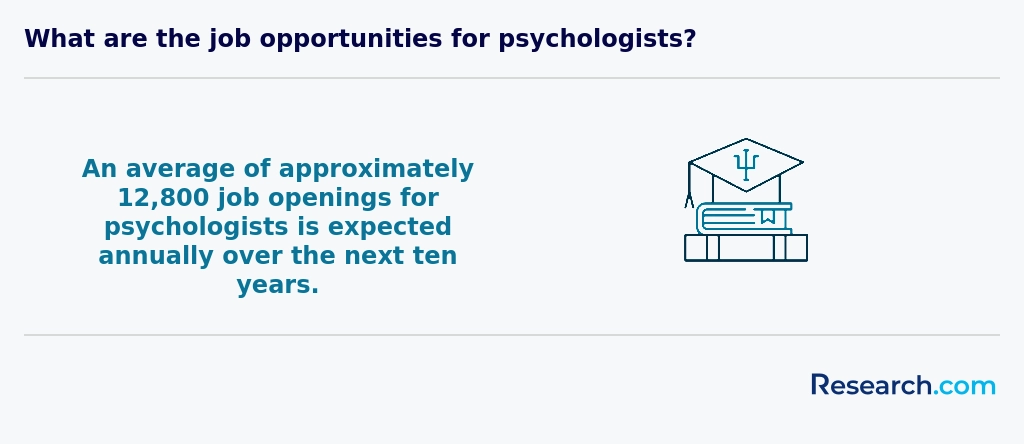
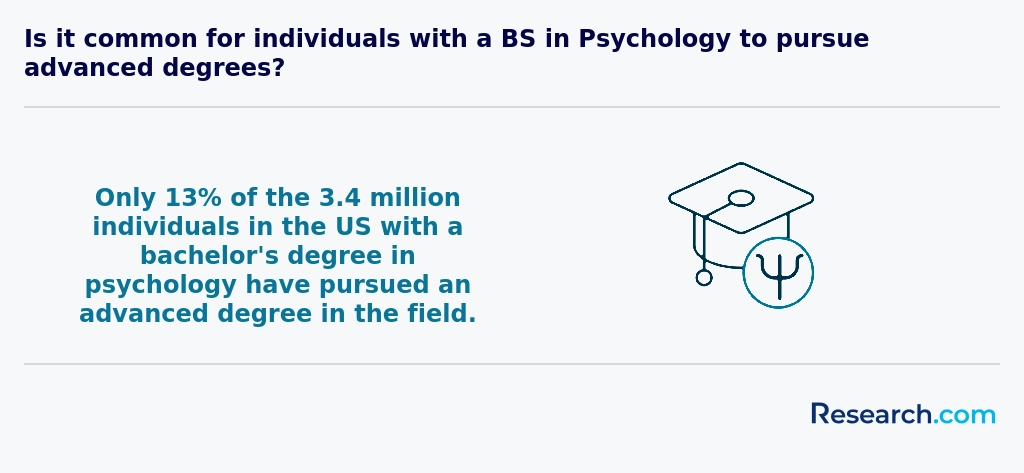
Graduates pursuing psychology careers in Las Vegas find a vibrant job market waiting to embrace their skills. Many alumni from local institutions like the University of Nevada, Las Vegas, take on roles as licensed psychologists or counselors, providing much-needed mental health support across hospitals, clinics, and private practices in the city. These roles often require advanced degrees and state licensure, but the personal fulfillment of helping others is tremendous.
Others dive into educational psychology, becoming school psychologists who contribute to student wellness in Clark County schools, blending psychology with real-world impact. Some graduates leverage their psychology degree into human resources or organizational development positions, helping local businesses and the bustling hospitality sector enhance employee motivation and customer experiences. Those interested in understanding consumer behavior might explore market research roles, applying psychological principles to analyze decision-making.
Social work and case management also offer rich, rewarding career paths, supporting vulnerable populations in collaboration with nonprofits and government programs. For students exploring alternatives, programs like michigan online industrial-organizational psychology can provide additional specialized training, expanding opportunities well beyond Las Vegas psychology degree job opportunities.
- Clinical psychologist or counselor
- School psychologist or educational specialist
- Human resources or organizational development professional
- Market research analyst
- Social worker or case manager
The psychology career opportunities in Las Vegas are promising, especially for graduates from local institutions like the University of Nevada, Las Vegas (UNLV). Many recent graduates find themselves excited by the city's growing demand for mental health professionals in hospitals, schools, and private practices. For example, one graduate shared how their internship at a local counseling center opened doors to a clinical role soon after. The Las Vegas psychology job market outlook reflects a steady growth fueled by community needs and rising mental health awareness. While starting salaries for bachelor-level roles like behavioral health technicians range from $35,000 to $50,000, licensed clinical psychologists can earn approximately $90,000 annually. Graduates also benefit from studying at some of the valuable psychology schools in Nevada, which offer affordable tuition and strong community ties. These connections often lead to internships and job opportunities that bring positive, real-life impact to the community.
2027 Most Valuable Psychology Degree Programs Ranking in Las Vegas
Investing in your education is a significant decision that can shape your future, and the Research.com team understands the importance of making informed choices. To assist prospective students in Las Vegas, we have meticulously crafted the "2027 Most Valuable Psychology Degree Programs Ranking in Las Vegas." Our commitment to quality, credibility, and accuracy is reflected in the extensive research and analysis conducted to compile this ranking.
We utilized the following reputable data sources to ensure a comprehensive evaluation of psychology programs:
By exploring this ranking, readers will gain valuable insights into the most valuable psychology degree programs available in Las Vegas, helping them make informed decisions about their educational paths. For more details on our methodology, please visit our Research.com methodology page.

Frequently Asked Questions About psychology
Psychology degree students in Las Vegas can enhance their education by actively engaging in both academic and practical experiences. Many local institutions offer internship opportunities within the city's diverse healthcare and social services sectors, allowing students to apply classroom knowledge to real-world settings.
Joining psychology-related student organizations or clubs can also foster networking and skill-building. Additionally, students should leverage resources such as tutoring centers and academic advising to strengthen their theoretical understanding.
According to the U.S. Bureau of Labor Statistics, collaboration with professionals in Las Vegas's growing mental health field can improve job prospects and deepen learning.
Participating in research projects, when available, offers valuable hands-on experience and exposure to current psychological studies.
The field of psychology is rapidly evolving, with new niches emerging to meet contemporary societal needs. In Las Vegas, students pursuing psychology degrees can explore growing areas such as neuropsychology, which focuses on brain-behavior relationships, and forensic psychology, which applies psychological principles to legal settings. Another notable niche is health psychology, addressing mental health concerns linked to chronic illnesses, particularly relevant given Nevada's rising chronic disease rates according to the CDC.
Additionally, industrial-organizational psychology is gaining traction as businesses seek experts to improve workplace productivity and employee well-being. These specialized paths increase career opportunities for psychology graduates in Las Vegas's diverse economy and community services sector.
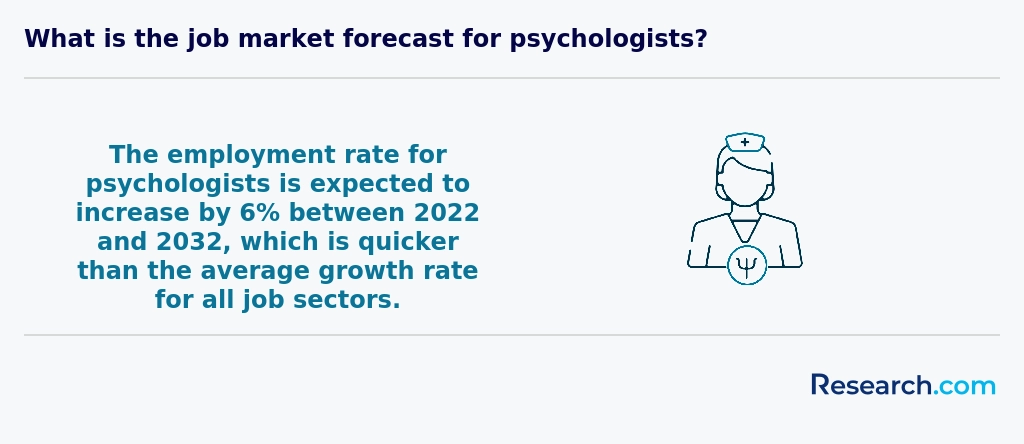
Preparing for the job market after earning a psychology degree in Las Vegas involves strategic planning and gaining relevant experience. Psychology graduates should consider internships or volunteer work at local mental health clinics, hospitals, or schools to build practical skills. According to the Bureau of Labor Statistics (BLS), demand for psychologists in Nevada is projected to grow about 12% through 2030, slightly above the national average, reflecting expanding opportunities in healthcare and education sectors.
Networking through Las Vegas-based professional organizations, such as the Nevada Psychological Association, can connect graduates with job leads. Pursuing certification or licenses-like becoming a Licensed Psychological Associate-enhances employability. Additionally, strong communication and data analysis skills remain vital in this competitive market.
Employers in Las Vegas seeking psychology degree graduates prioritize strong communication skills. Effective verbal and written communication is essential for roles in clinical, counseling, and organizational psychology. Graduates must also demonstrate critical thinking and problem-solving abilities to analyze behavior and apply psychological principles.
Interpersonal skills are highly valued, enabling graduates to work well with diverse populations and collaborate within teams. According to the U.S. Bureau of Labor Statistics, demand for psychology professionals in Nevada is expected to grow by 12% from 2022 to 2032, emphasizing adaptability and continuous learning as key skills.
Additionally, employers look for proficiency in research methods and data analysis, essential for evidence-based practice. Familiarity with ethical standards and cultural competency is also crucial in addressing the community's needs in Las Vegas.
Finding internships in Las Vegas related to a psychology degree involves several practical steps backed by local opportunities. Many psychology students target clinical settings, hospitals, and community mental health centers like the UMC Behavioral Health or the Nevada Psychiatric Association for internships. Universities such as the University of Nevada, Las Vegas (UNLV) often have partnerships connecting students to local providers.
To maximize your chances, leverage your school's career services and psychology department, which frequently share internship listings. Websites like the Nevada Psychological Association also offer resources and networking opportunities specific to the region.
The U.S. Bureau of Labor Statistics notes that internships and supervised hours are critical for licensure in Nevada, emphasizing the importance of relevant experience during your degree. Starting early increases your ability to secure competitive placements in this growing market.
A psychology degree in Las Vegas can significantly enhance career mobility and advancement opportunities. The Las Vegas job market for psychology professionals is growing, with the Nevada Department of Employment, Training and Rehabilitation projecting a 12% increase in mental health-related roles by 2030. Graduates with a bachelor's degree may find entry-level positions in social services or human resources, while advanced degrees offer access to clinical roles requiring licensure.
Employers in Las Vegas increasingly value candidates with strong psychological knowledge for roles in healthcare, education, and business sectors. Higher-level degrees, such as master's or doctorates, particularly improve prospects for leadership roles or specialized fields like counseling or neuropsychology. Licensed psychologists in Nevada earn a median salary of about $85,000 annually, reflecting the economic benefit of advanced education in this field, according to the U.S. Bureau of Labor Statistics.
Studying for a psychology degree in Las Vegas equips students with skills valuable across multiple fields, such as healthcare, business, and education. Local programs emphasize applied learning and collaboration, reflecting the region's growing demand for professionals able to work in diverse settings. For example, Nevada's workforce data shows a steady increase in jobs requiring interdisciplinary knowledge related to mental health and human behavior.
Courses often incorporate elements from sociology, neuroscience, and counseling, enabling graduates to approach problems from different angles. Through internships and partnerships with local hospitals and community centers, students gain practical experience that prepares them for roles beyond traditional psychology careers.
According to the U.S. Bureau of Labor Statistics, Las Vegas has seen a 12% growth in mental health and social service jobs, highlighting the need for versatile professionals.
When choosing between a thesis and a non-thesis psychology degree program in Las Vegas, consider your career goals first. Thesis programs usually suit students who want to pursue research or continue to a PhD. They involve writing a substantial research paper under faculty supervision. Non-thesis programs focus more on coursework and practical skills, appealing to those aiming for professional practice or immediate entry into the workforce.
Las Vegas institutions offering psychology programs, like the University of Nevada, Las Vegas (UNLV), report that about 40% of psychology graduate students opt for thesis tracks, reflecting strong research opportunities available locally.
Additionally, thesis tracks may take longer to complete. Non-thesis programs can be finished more quickly, typically within two years. Financial aid and assistantships are often linked to thesis study, so investigate these locally.
Students in Las Vegas interested in studying psychology abroad have several pathways to consider within the US higher education framework. Many universities in Las Vegas, such as the University of Nevada, Las Vegas (UNLV), offer robust psychology programs with opportunities for study abroad through exchange partnerships. These programs enable students to take psychology courses in countries like the UK, Canada, or Australia while earning credits toward their degrees.
Additionally, students can apply directly to international institutions recognized by US accreditation bodies for psychology degrees. It is essential to ensure that the foreign program aligns with American Psychological Association (APA) accreditation standards if licensure is a future goal.
Financial aid and scholarships specifically for study abroad experiences in psychology are increasingly available, often coordinated through home institutions. The Institute of International Education reports that about 12% of US psychology students participate in study abroad programs, reflecting growing interest in global perspectives.
Students pursuing psychology degrees in Las Vegas have access to several part-time job opportunities that complement their academic training. Positions such as behavioral health technician, research assistant, or mental health aide are commonly available in local hospitals and counseling centers. According to the Nevada Department of Employment, these roles provide practical experience in patient interaction and data collection, which are valuable skills for psychology students.
Las Vegas also hosts numerous nonprofit organizations and community centers that offer internships or part-time roles focused on social services and crisis intervention. These jobs help students develop counseling and case management skills.
Additionally, the city's growing health sector includes opportunities in addiction rehabilitation facilities and youth programs, which are closely related to psychology career paths.
Psychology students in Las Vegas benefit from several strong networking opportunities that support their academic and professional growth. Local universities such as the University of Nevada, Las Vegas (UNLV) host psychology clubs and events where students meet peers and faculty members, fostering valuable connections. Additionally, the Nevada Psychological Association offers student memberships, enabling access to conferences, workshops, and mentorship programs tailored to emerging professionals in the field.
Las Vegas also has numerous healthcare and counseling centers that welcome psychology interns and volunteers, providing real-world experience and networking with practitioners. These connections can lead to job opportunities in a city where mental health services demand is steadily growing.
Alumni networks play a vital role for psychology degree students in Las Vegas by providing valuable professional connections. These networks often include graduates working in local mental health clinics, hospitals, and research centers, helping new students find internships and job placements.
According to the Nevada Department of Employment, strong professional connections can increase job placement rates by up to 20% in the psychology field. Alumni also offer mentorship, sharing insights about licensure requirements and career pathways specific to Nevada, including the licensing process overseen by the Nevada Board of Psychological Examiners.
Such networks facilitate access to exclusive events, workshops, and continuing education opportunities essential for psychology professionals in Las Vegas.
Customizing a psychology degree program in Las Vegas allows students to align their education with specific career goals. Many institutions, like the University of Nevada, Las Vegas (UNLV), offer flexible course selections including concentrations in clinical, counseling, or forensic psychology. This flexibility helps tailor learning to future roles.
Students can also pursue internships or research opportunities within local organizations, gaining relevant practical experience. According to the Bureau of Labor Statistics, psychology-related jobs in Nevada are expected to grow by 9% through 2030, reinforcing the value of specialized training.
Advisors often work with students to select electives that best support licensure requirements and professional interests.
Psychology students in Las Vegas often face several challenges unique to the local education and job market. One common issue is balancing coursework with the city's bustling entertainment industry, which can demand students' time for part-time jobs. According to the National Center for Education Statistics, many students report stress due to financial pressures and limited access to affordable mental health resources on campus.
Additionally, access to quality internships is competitive. Las Vegas has fewer research-focused institutions compared to larger metropolitan areas, limiting practical experiences vital for psychology careers. Scheduling around night classes and internships adds complexity.
With a psychology degree, graduates in Las Vegas can pursue several professional certifications to enhance their careers. Common certifications include Licensed Psychological Associate (LPA) and Licensed Clinical Professional Counselor (LCPC), which require additional supervised hours and passing state exams through the Nevada Board of Psychological Examiners.
Others may consider credentials like Certified Addiction Counselor (CAC), reflecting the city's focus on behavioral health services. According to the Nevada Department of Health, demand for licensed counselors in Las Vegas grew by 8% from 2019 to 2023.
National certifications such as the National Certified Counselor (NCC) are also valuable and recognized in Nevada. These credentials open doors to clinical and counseling roles across various settings.
Writing a winning application for a psychology program in Las Vegas requires careful attention to academic background and clear communication of your goals. Most psychology programs in the area, including those at the University of Nevada, Las Vegas (UNLV), seek applicants with a strong GPA, typically above 3.0. Highlight relevant coursework and any research or volunteer experience related to psychology.
Craft a compelling personal statement that explains why you want to study psychology specifically in Las Vegas, considering the city's unique cultural and community context. Demonstrating awareness of local mental health challenges can strengthen your application.
Letters of recommendation from professors or professionals familiar with your work are highly valued. Also, prepare for any required standardized tests like the GRE, though some programs are moving away from this requirement.
Psychology careers in the United States often reflect global trends, emphasizing research, clinical practice, and community health. While the U.S. holds a leading role in psychological research, with institutions like the American Psychological Association supporting over 122,000 members, careers also depend on regional opportunities. In Las Vegas, the demand for mental health professionals is growing, consistent with national projections expecting a 8% increase in psychologist employment from 2020 to 2030 (U.S. Bureau of Labor Statistics). This aligns with worldwide recognition of the need for mental health services, especially in urban centers.
Globally, psychology is increasingly interdisciplinary, involving neuroscience, technology, and cultural studies. However, U.S. licensure requirements remain critical, with states like Nevada mandating a doctorate and supervised hours for clinical work. For students in Las Vegas, understanding these local regulations is key to a successful career.
Gaining practical experience while studying psychology in Las Vegas is essential for building skills and improving job prospects. Many local institutions, including University of Nevada, Las Vegas (UNLV), offer internship programs that connect students with healthcare facilities, schools, and community organizations.
Students can also participate in research assistantships, often available through psychology departments, allowing hands-on involvement with ongoing studies. Some may find opportunities at UNLV's Center for Autism Spectrum Disorders or mental health clinics in the region.
Volunteering with nonprofits such as the Nevada Psychological Association enhances real-world exposure. According to the Bureau of Labor Statistics, practical experience can increase employability by up to 20% in psychology fields.
Choosing the right concentration within a psychology degree program in Las Vegas involves understanding both your career goals and the local job market. Popular concentrations include clinical, counseling, and industrial-organizational psychology, each suited to different professional paths. In Las Vegas, the demand for clinical psychologists is growing, with the Nevada Department of Employment projecting a 14% increase in related jobs through 2030.
Consider programs that offer strong practicum opportunities at local hospitals or community centers, as hands-on experience is vital. Review faculty expertise and graduate outcomes, which vary by institution. Research from the Bureau of Labor Statistics and Nevada's Department of Employment can further guide your decision-making.
- 2027 Most Valuable Psychology Degree Programs Ranking in Riverside
- 2027 Most Valuable Psychology Degree Programs Ranking in Los Angeles
- 2027 Most Valuable Psychology Degree Programs Ranking in Irvine
- 2027 Most Valuable Psychology Degree Programs Ranking in Phoenix
- 2027 Most Valuable Psychology Degree Programs Ranking in La Jolla
- 2027 Most Valuable Psychology Degree Programs Ranking in San Diego
- 2027 Most Valuable Psychology Degree Programs Ranking in Santa Barbara
- 2027 Most Valuable Psychology Degree Programs Ranking in San Francisco
- 2027 Most Valuable Psychology Degree Programs Ranking in Boulder
- 2027 Most Valuable Psychology Degree Programs Ranking in Denver
See What Experts Have To Say About Studying Psychology
Read our interview with Psychology experts

Robin M. Kowalski. Ph.D.
Psychology Expert
Professor of Psychology
Clemson University

Joann Farrell Quinn, Ph.D., MBA
Psychology Expert
Director at the College of Medicine Department of Medical Education
Morsani College of Medicine

Elizabeth L. Jeglic Ph.D.
Psychology Expert
Professor of Psychology
City University of New York

- Nevada Psychology Schools | Psychology Degree Guide https://psychologydegreeguide.org/state/nevada/
- Psychology Placement Opportunities for Year 12 Students https://studymind.co.uk/ucas-guide/year-12-guide-to-gaining-psychology-work-experience/
- Mental Health Challenges Faced by Psychology Students | The Healthcare Guys https://healthcareguys.com/2023/11/23/mental-health-challenges-faced-by-psychology-students/
- Financial Aid For Psychology Students | Psychology.org https://www.psychology.org/resources/financial-aid/
- How to help students cope with mental health challenges https://www.eaie.org/resource/help-students-cope-mental-health-challenges.html
- University of Nevada-Las Vegas https://mastersinpsychologyguide.com/schools/university-nevada-las-vegas/
- Alumni Perspectives - Meet Our FPN Alumni https://www.aanmelder.nl/alumni-perspectives-june-2023
- Know more about thesis vs non- thesis: what is the difference? https://studyfans.com/en/blogs/816
- Psychology Online Degree Pathway https://www.learndirect.com/course/psychology-online-degree
- Psychology Program https://www.csn.edu/schools/school-of-education-behavioral-and-social-science/department-of-human-behavior/psychology-program


