
2027 Best Psychology Degree Programs Ranking in Nashville

Co-Founder and Chief Data Scientist
Choosing the right psychology degree program in Nashville can feel overwhelming. This article presents the 2027 Best Psychology Degree Programs Ranking in Nashville, created by the Research.com team of data scientists. It's designed to help you make a well-informed decision about which programs truly stand out.
Exploring these top-ranked options can open doors to exciting career paths and personal growth. Whether you're passionate about understanding human behavior or pursuing a fulfilling profession, this guide highlights opportunities worth considering on your educational journey.
Key benefits of getting psychology degree in Nashville
- Salary for psychology degree graduates: Jobs like Human Resources Specialist and Marketing Research Analyst offer attractive salaries, with mean annual wages of $76,060 and $83,190 respectively, making these careers financially rewarding in Nashville.
- Potential career paths: Graduates from popular Nashville universities often pursue diverse roles such as Clinical Research Associates or Survey Researchers, enjoying fulfilling work and steady growth opportunities in psychology-related fields.
- Benefits of online degrees: Earning a psychology degree online through a local university allows flexible scheduling and faster completion, helping students balance work and life while advancing their careers confidently.
- 2027 Best Psychology Degree Programs Ranking in Nashville
- What can I expect from psychology degree in Nashville?
- Where can I work with psychology degree in Nashville?
What can I expect from psychology degree in Nashville?
The average cost of pursuing a psychology degree in Nashville varies depending on the institution, but students often find a balance between quality education and financial investment. At Vanderbilt University, for example, tuition is higher but reflects its status as a nationally ranked research institution with extensive resources and opportunities. Graduates from Vanderbilt often recall the invaluable access they had to cutting-edge labs and research projects, experiences that deeply enriched their education.
Belmont University offers a somewhat more affordable option without compromising hands-on learning, particularly in counseling and clinical psychology. Many students appreciate how Belmont's pricing aligns with strong career preparation, especially as the tuition investment feels worthwhile when stepping into Nashville's active mental health community.
When planning your budget, consider that public and private institutions in Nashville typically range from moderate to above-average tuition fees nationally. Scholarships, financial aid, and part-time internships within the city's clinics can significantly ease costs, making the dream of a psychology degree more achievable.
Where can I work with psychology degree in Nashville?
With a psychology degree earned at renowned Nashville institutions like Vanderbilt University or Tennessee State University, graduates find themselves stepping into a dynamic job market full of meaningful opportunities. Many begin their careers in healthcare settings-as mental health counselors or behavioral health specialists-helping patients in hospitals and clinics, where the demand is growing consistently. One recent graduate shared how working in a local clinic allowed them to blend academic knowledge with real-world empathy, making a tangible difference in people's lives.
Others take their skills into education, becoming school counselors or academic advisors in Nashville's public schools or community colleges. These roles tap into the heart of psychology, supporting students' emotional and academic growth daily.
Some graduates find rewarding paths in Nashville's corporate sector, applying psychology to human resources or organizational development, boosting workplace morale and productivity. Graduates working in nonprofit agencies express deep fulfillment, contributing to programs that aid families, address homelessness, or support addiction recovery.
Remember, while some roles require advanced degrees and licensure, many entry-level positions offer a rewarding start right after a bachelor's or master's, fostering career growth in a city that values your expertise.
Graduates from psychology programs at institutions like Vanderbilt University and Belmont University in Nashville can anticipate diverse career paths with encouraging earning potential. For example, many find roles as Human Resources Specialists, where the average annual wage is about $76,060. This job leverages psychological principles in workforce management, rewarding graduates with practical, stable income early in their careers.
Others step into research-oriented positions, such as Marketing Research Analysts, earning around $83,190 annually in Nashville. These roles tap into psychology's analytical side, offering exciting opportunities to influence business strategies through data interpretation.
Entry-level positions, such as Clinical Research Associates or Survey Researchers, typically offer salaries near $62,370. Graduates appreciate how these positions provide valuable experience while steadily building their professional profiles.
Many psychology graduates relate to starting modestly but gaining confidence as they apply their education in real-world settings. This steady progression, combined with Nashville's supportive professional community, encourages them to envision rewarding careers that blend passion with financial growth.
- Nashville offers bachelor's, master's, and doctoral psychology degrees at multiple institutions.
- Annual tuition ranges from $9,000 to $12,000 for in-state students at public universities and can exceed $25,000 at private schools.
- Starting salaries for psychology graduates in Nashville are about $45,000 to $50,000 annually, with experienced professionals earning $70,000 or more.
- Demand is growing for mental health counselors, therapists, and psychologists due to healthcare and education sector expansion.
- Clinical practice requires supervised hours and passing exams through the Tennessee Board of Examiners in Psychology.
Completing a psychology degree in Nashville varies depending on the level you pursue, but understanding the timeline helps you set realistic goals. Most graduates start with a bachelor's degree, which takes about four years full-time, just like at Vanderbilt University or Tennessee State University. Picture yourself attending classes, engaging in discussions on cognitive or social psychology, and steadily earning roughly 120 credit hours while building a strong foundation for your future.
If you're aiming for a master's, expect to invest two to three more years, often around 30 to 60 credit hours beyond your bachelor's. Many Nashville students at colleges like Lipscomb University find this period deeply rewarding as they specialize and connect theory with hands-on experience through internships.
Doctoral degrees demand the longest commitment-typically 4 to 7 years. Graduates from Vanderbilt's clinical psychology doctoral program describe this time as intense but transformative, combining research, exams, and clinical work that shapes them into experts ready to impact communities.
Remember, part-time study or summer courses can shift these timelines, making the journey flexible to fit your life. The key is embracing the process and staying motivated throughout your unique path.
When exploring psychology degree programs in Nashville, TN, affordability is a crucial factor for many students. Prospective students should consider the cost of tuition, fees, and living expenses, as well as the potential return on investment in terms of career opportunities and salary potential. To find affordable options, students can research institutions that offer competitive pricing, financial aid, and scholarships. For instance, students can look into affordable psychology programs in Tennessee to compare costs and find programs that fit their budget.
Choosing between online and on-campus psychology degrees in Nashville often comes down to your personal rhythm and goals. Imagine attending Vanderbilt University, where on-campus students thrive on face-to-face discussions, hands-on lab work, and immediate feedback from professors. These direct interactions help build confidence, especially in clinical settings, and many graduates recall how lively seminars and group projects sparked their passion for psychology.
On the other hand, online programs offer the flexibility that suits busy lives. Graduates balancing work or family rave about the convenience of virtual classes, letting them study at their own pace without giving up commitments. Tennessee State University students pursuing online options often share how they accessed rich digital resources while managing internships locally, bridging theory with real-world experience.
Both paths have their unique challenges and joys. On-campus life provides structured schedules and community support, while online learning demands self-discipline but rewards with adaptability. Reflect on your lifestyle to choose the environment where you'll thrive, knowing Nashville's opportunities await in either format.
Nashville’s vibrant atmosphere not only fosters academic excellence but also enriches the overall student experience. Beyond rigorous coursework and research opportunities, students enjoy a lively campus culture that includes active student organizations, engaging community events, and diverse cultural attractions intrinsic to the Music City. Many institutions offer modern facilities, collaborative study spaces, and counseling centers that support mental health and wellbeing, ensuring a balanced approach to education. Campus events-from career fairs and alumni networking sessions to local community outreach-offer students a chance to build lasting relationships and gain practical experience early on. For those looking to blend their academic pursuits with flexible learning, exploring rankings of the best accelerated psychology degree programs online can provide insights into programs that offer a unique balance between structured campus life and flexible online studies. This integrated environment not only boosts academic achievement but also prepares students for dynamic careers within psychology and beyond.
The average cost of a psychology degree in Nashville typically totals around $42,472 for both in-state and out-of-state students, with in-state costs slightly lower at approximately $35,936. Graduates from local institutions such as Tennessee State University or Lipscomb University often recall managing these expenses alongside living costs. This balance between tuition and everyday needs shapes the overall financial experience of earning a psychology degree in this vibrant city.
Many psychology students in Nashville find that understanding these costs early helps them plan effectively. Tuition and fees form a significant portion of the expense, but they also budget for textbooks, lab fees, and campus resources. Living in Nashville, with housing and transportation costs estimated between $12,000 and $15,000 annually, adds to the financial picture. This combination means that students are often motivated to seek out scholarships or work part-time, creating valuable real-world skills alongside their studies.
Exploring options such as financial aid and grants can ease the burden and empower students to focus on their education and personal growth. Those drawn to psychology programs at Nashville's colleges frequently share how careful budgeting and utilizing resources make their journey rewarding. To discover a range of options, it's helpful to check the affordable psychology programs in Tennessee, which can provide guidance suited to your goals and finances.
Understanding the average cost of psychology degree tuition and fees Nashville fosters confidence and a clearer outlook on educational investment. This insight encourages aspiring psychologists to embrace their path with optimism and resilience, knowing they are investing in a meaningful future helping others.
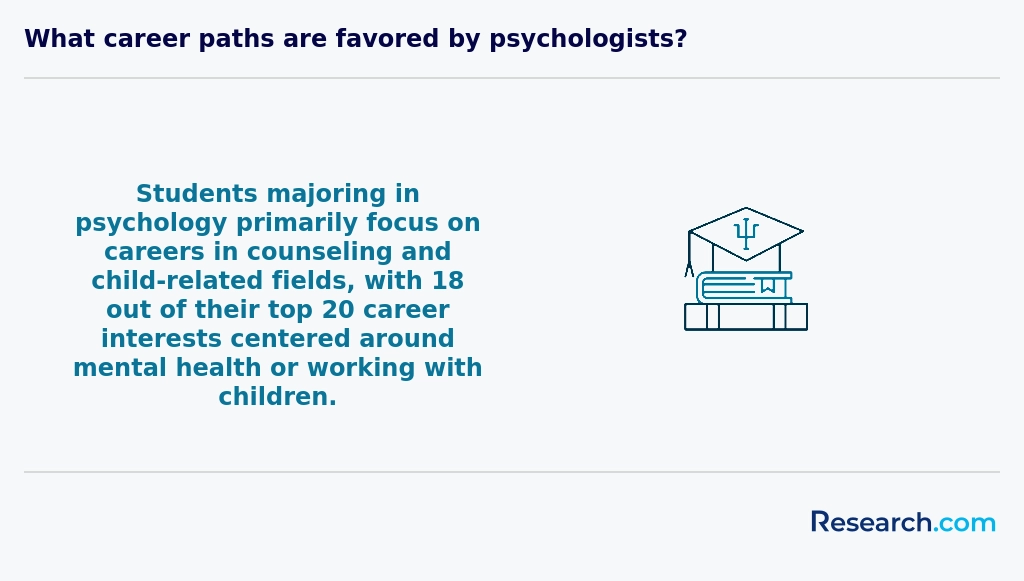
For cost-conscious students seeking high-quality education without the premium price tag, it’s worth exploring programs outside Tennessee’s major hubs. While Nashville offers prestigious degrees, comparing tuition rates and living expenses in other states can significantly reduce your overall investment. One notable resource is our Low Cost Psychology Degree Programs Ranking in Ohio, highlighting schools where in-state tuition can be as low as $5,000 per year and overall living costs remain below national averages. Beyond Ohio, consider factors such as financial aid availability, institutional scholarships, and online learning options that further lower expenses. Many low-cost programs also provide robust clinical placements and research opportunities, ensuring you don’t sacrifice educational quality for affordability. By evaluating both program reputation and total cost of attendance-including fees, housing, and materials-you’ll be equipped to choose a degree path that aligns with your academic goals and financial realities. Ultimately, broadening your search to include regional and online programs can uncover hidden gems that balance affordability with strong student support, accredited curriculum, and positive career outcomes. This strategic approach not only maximizes return on investment but also empowers you to pursue psychology studies without incurring excessive debt.
When pursuing a psychology degree in Nashville, tapping into financial aid can truly ease the journey. Many graduates from Vanderbilt University share how completing the FAFSA opened doors to federal Pell Grants, offering crucial relief without the worry of repayment. These grants, based on financial need, effectively lower expenses, making education feel within reach.
State-specific support like the Tennessee HOPE Scholarship stands out for residents. At Tennessee State University, students often celebrate this award, which can cover up to $4,500 annually, directly offsetting tuition costs. Likewise, the Tennessee Student Assistance Award helps those who demonstrate financial need, providing another layer of support.
Beyond government aid, private scholarships from organizations like the American Psychological Association offer targeted help, especially benefiting underrepresented students. Many Nashville schools also have institutional funds and assistantships. Graduates recall how institutional aid combined with work-study roles in campus counseling centers gave them hands-on experience while easing financial strain.
These varied opportunities create a support network that turns the challenge of funding into a manageable and encouraging part of your psychology education in Nashville.
Investing in a psychology degree in Nashville, TN, involves more than tuition figures-it’s about weighing upfront costs against projected career earnings and long-term growth. On average, a bachelor’s degree from an in-state public institution costs around $28,280 over four years, while out-of-state private programs can exceed $130,000. With entry-level salaries for Human Resources Specialists averaging $73,080 per year and Clinical Research Associates at $57,760, the typical payback period for a psychology degree in Nashville ranges from 3.5 to 5 years, depending on specialization and employment sector. Beyond the initial salary, advanced degrees often accelerate earnings. Graduates who pursue a master’s or doctoral path can see median salaries climb above $85,000 annually in roles such as licensed counselors, clinical psychologists, or organizational consultants. This upswing shortens the ROI horizon to as little as 2–3 years post-graduation. When factoring in employer-sponsored tuition reimbursement and graduate assistantships, the net cost of advanced study may decrease by up to 40%, significantly boosting overall ROI. Prospective students seeking to minimize financial burden without sacrificing quality may explore highly affordable programs elsewhere to benchmark value. For a comparative look at cost-effective options and to gauge how Nashville’s investment stacks up, consult our Low Cost Psychology Degree Programs Ranking in Ohio. This resource highlights institutions where low tuition and robust outcomes converge, offering actionable insights into maximizing return on investment in psychology education. Ultimately, a thorough ROI analysis should account for scholarships, living expenses, and earning potential across various roles. By mapping tuition against projected salaries and career advancement opportunities, Nashville students can make data-driven decisions that align financial investment with professional aspirations.
To enroll in a psychology degree in Nashville, you'll need to show a strong academic foundation and genuine passion. For undergraduates, that means coming in with a high school diploma or GED, plus solid grades in core subjects like biology and social sciences. Many students at schools like Vanderbilt University or Lipscomb University often share how their commitment to science classes really set them apart during admissions. While standardized tests used to be crucial, many Nashville colleges now allow you to apply without them, making it easier to focus on your true strengths.
Graduate programs expect you to have completed a bachelor's degree-preferably in psychology or a related field-with about a 3.0 GPA or higher. You'll also need to prepare a thoughtful statement of purpose and secure strong letters of recommendation, reflecting your dedication and experience. Many graduates recall how highlighting relevant research or work experience truly boosted their applications and helped them feel ready to tackle advanced studies in psychology here in Nashville.
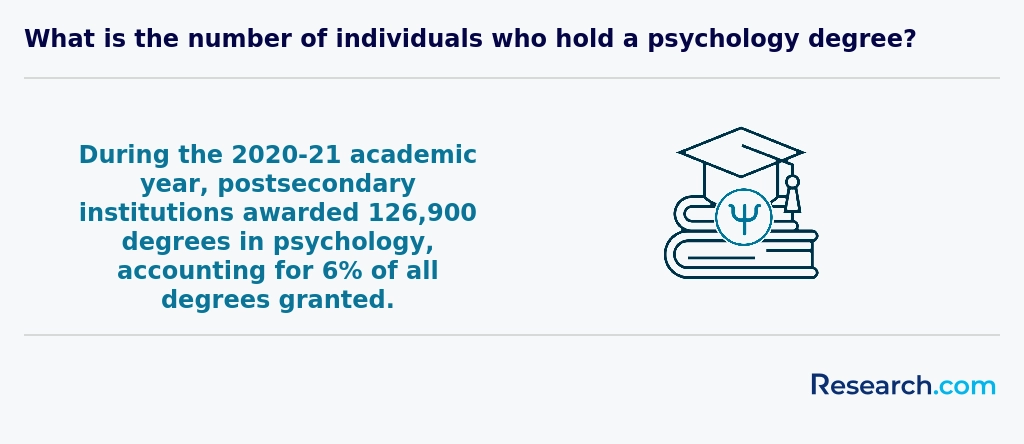
Hands-on training is a cornerstone of elite psychology degree programs in Nashville, TN, ensuring students graduate with both theoretical knowledge and real-world experience. Institutions like Vanderbilt University and Tennessee State University partner with local hospitals, mental health clinics, school districts, and non-profit organizations to place students in supervised practicums and internships. These placements typically span 100–300 hours and cover clinical assessment, counseling techniques, program evaluation, and community outreach. Many programs require students to complete multiple practicum rotations, exposing them to diverse populations-from pediatric and adolescent clients in school psychology settings to adults in community mental health centers. Supervising professionals guide students through case documentation, ethical decision-making, and interdisciplinary teamwork, fostering skills employers value highly. In addition, dedicated internship coordinators help match students with sites that align with their specialization interests, whether in forensic psychology, industrial-organizational psychology, or health psychology. For those seeking greater flexibility, select online graduate programs psychology offer hybrid models that combine remote coursework with in-person practicum placements at Nashville’s leading service providers. This approach allows working professionals to balance job responsibilities while securing essential field experience. By integrating rigorous academic instruction with supervised practical training, Nashville’s psychology programs equip graduates to hit the ground running in clinical, educational, corporate, and research roles.
When you enroll in a psychology degree program in Nashville, expect to dive into courses that build your understanding of human behavior step by step. Graduates from institutions like Tennessee State University often highlight how starting with General Psychology made complex theories approachable and sparked their passion for the field.
Core classes typically include Developmental Psychology, where you explore growth from infancy to old age-imagine understanding your own family dynamics with new insight. Cognitive Psychology offers eye-opening perspectives on how memory and problem-solving work, useful for everyday challenges.
Many students find Biological Psychology especially fascinating, as it reveals the brain processes behind our actions, linking scientific research directly to personal experience. Abnormal Psychology often brings empathy to life by studying mental health disorders, preparing you to support others with compassion.
Social Psychology courses help you see the powerful effects of group influences, something graduates from Lipscomb University have said transformed how they navigate relationships both socially and professionally.
Electives like Clinical Psychology or Counseling Techniques let you tailor your education, making each step feel meaningful and relevant to your future goals here in Nashville.
When exploring psychology degree specializations Nashville universities offer, you'll find paths that light the way toward impactful careers. Clinical psychology remains a cornerstone, equipping graduates with skills to address mental health needs-an area that's ever-growing in demand across Tennessee. Many students from Vanderbilt University share how hands-on training in therapy and assessments empowered them to gain confidence and licensure readiness.
Counseling psychology is another vibrant specialization, where students learn to support individuals navigating emotional and social challenges. Local grads often find rewarding roles in Nashville's schools and community centers, making a real difference every day. For those curious about the mind's workings, cognitive and behavioral psychology specializations bring research to life, especially at Tennessee State University, where experimental study is deeply encouraged.
Industrial-organizational psychology blends psychology with business, benefiting Nashville's booming corporate scene by helping improve workplace culture and productivity. Some students also pursue forensic psychology, preparing for roles within the legal system. By focusing on these diverse tracks, you tap into Nashville's rich academic environment and community needs-the perfect blend for motivated learners. For guidance on program choices, consider checking rankings of the best accelerated psychology degree programs online to find what fits your goals best.
Choosing from the best psychology degree programs in Nashville means focusing on programs that offer robust accreditation, hands-on experience, and faculty expertise tailored to your career goals. Graduates from Nashville universities often highlight how clinical psychology programs with American Psychological Association (APA) accreditation helped them smoothly transition into licensure and professional roles. Consider the program's ties to local hospitals and mental health clinics, where many students gain invaluable internships that build confidence and refine practical skills.
Cost is another crucial factor; Nashville hosts affordable psychology colleges Nashville, with public schools offering tuition near $10,000 annually for in-state students, while private colleges may be pricier but offer scholarships. One student's journey was transformed by discovering flexible course schedules and choosing part-time options that balanced work and study. Exploring faculty research aligned with your passions can deepen engagement and open doors to mentoring-keys to thriving in this field.
For those balancing busy lives, exploring online graduate programs psychology offers additional flexibility. Graduates often emphasize how networking through alumni connections at Nashville institutions supported their career growth, making thoughtful choices essential for a rewarding psychology education.
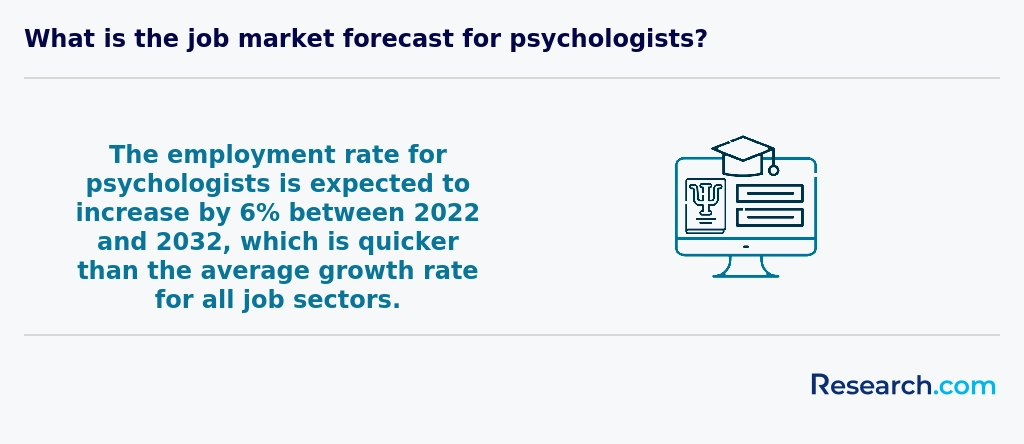
Graduates with a psychology degree in Nashville find a variety of career paths that truly make a difference in their communities. Many pursue licensure as clinical psychologists, working in hospitals or private practices to help people overcome mental health challenges. Graduates from Vanderbilt or Tennessee State University often share how rewarding it is to apply their training directly where it counts.
Others choose to become school psychologists, supporting students through behavioral and emotional challenges in Nashville's public and private schools. This pathway is strengthened by Tennessee's certification process, which opens doors for those holding master's or specialist degrees. The range of jobs with psychology degree in Nashville also includes industrial-organizational psychology, where professionals enhance workplace environments in the city's booming healthcare and tech sectors.
Research roles, especially at local universities, offer exciting opportunities to contribute new knowledge in cognitive and social psychology. Many graduates also adapt their skills to social work or counseling, appreciating the flexibility their degree provides. For cost-conscious students, exploring Low Cost Psychology Degree Programs Ranking in Ohio can offer practical guidance when planning their educational journey.
The psychology degree job outlook Nashville offers is bright, with growing opportunities fueled by the city's expanding healthcare and counseling sectors. Graduates from local universities often find rewarding roles in hospitals, community health centers, and private practices, contributing to mental wellness initiatives across the region. For example, many who studied at renowned Nashville colleges share how internships and hands-on counseling experiences helped launch their careers ahead of graduation.
Employment opportunities for psychology graduates Nashville are diverse, including positions as counselors, clinical psychologists, or social workers. Entry-level salaries typically start around $45,000, with licensed psychologists earning approximately $70,000 annually. This reflects a solid middle ground compared to larger metros but brings the benefit of a welcoming community and ample chances to make a genuine impact. Students balancing tuition costs, which range widely from $9,000 to $30,000 annually, can boost their prospects by pursuing certifications or a masters degree online 1 year. This blend of education and practical skills positions them well in Nashville's competitive job market.
2027 Best Psychology Degree Programs Ranking in Nashville
Investing in your education is a significant decision that can shape your future, and the Research.com team understands the importance of making informed choices. To assist prospective students in Nashville, we have meticulously developed the "2027 Best Psychology Degree Programs Ranking in Nashville." Our commitment to quality, credibility, and accuracy is demonstrated through rigorous research and thorough analysis in compiling this ranking.
We utilized the following reputable data sources to ensure a comprehensive evaluation of psychology programs:
By exploring this ranking, readers will gain valuable insights into the top psychology degree programs available in Nashville, empowering them to make well-informed decisions about their educational journey. For more information on how the ranking was created, please visit our Research.com methodology page.


Frequently Asked Questions About psychology
Psychology degree students in Nashville can maximize their learning experience by engaging deeply with both coursework and practical opportunities. Local universities, such as Vanderbilt University and Tennessee State University, offer robust research programs where students can participate in studies, enhancing applied knowledge.
Internships in Nashville's diverse healthcare and social service sectors provide vital hands-on experience. According to the Tennessee Higher Education Commission, psychology-related internships have grown by 15% over the past five years, reflecting expanding professional opportunities.
Joining academic clubs and attending workshops hosted by the Tennessee Psychological Association can also improve understanding of current trends and networking skills. Additionally, students should consider using local libraries and online databases to stay current on psychological research relevant to Tennessee communities.
The psychology field is evolving rapidly, with new specialized areas gaining attention. In Nashville, emerging niches include neuropsychology, which studies brain-behavior relationships and is growing due to advances in brain imaging. Another expanding area is health psychology, focusing on how mental factors affect physical health, important in Nashville's robust healthcare sector.
Industrial-organizational psychology is also on the rise, helping local businesses improve employee well-being and productivity. Moreover, forensic psychology continues to grow, supported by Nashville's strong legal community. These niches offer diverse career paths and reflect broader national trends documented by the American Psychological Association.
Students pursuing psychology degrees in Nashville should consider these fields, as they match regional job market demands and research opportunities.
After completing a psychology degree in Nashville, preparing for the job market requires strategic steps. Graduates should seek internships or practicum opportunities, often available through local healthcare providers or university partnerships, to gain practical experience. Networking is essential; attending events hosted by the Tennessee Psychological Association or local campus career fairs can connect students with professionals.
The Bureau of Labor Statistics projects a 8% growth rate for psychologist roles nationwide through 2031, with Tennessee showing steady demand in mental health services. Enhancing skills like data analysis and familiarity with psychological assessment tools increases employability. Additionally, consider obtaining relevant certifications or pursuing graduate studies for specialized roles.
Employers in Nashville highly value psychology graduates who demonstrate strong communication skills. Clear, empathetic communication is essential for working with clients and multidisciplinary teams. Critical thinking is another key skill, enabling graduates to analyze complex behavioral data and apply research effectively. Additionally, employers seek proficiency in evidence-based practices, as Nashville's clinics and social service agencies often use interventions validated by recent studies.
Data from the Tennessee Department of Labor shows that demand for psychology roles emphasizing assessment and counseling skills has grown by 5% annually. Graduates with cultural competence and adaptability are favored, reflecting Nashville's diverse population and evolving mental health needs. Technical skills with software for data analysis, such as SPSS or R, also boost a candidate's employment prospects.
Finding internships in Nashville for psychology students involves leveraging local universities, healthcare facilities, and mental health organizations. Institutions like Vanderbilt University and Tennessee State University often have established internship programs through their psychology departments. Connecting with career services at these schools can provide access to exclusive internship listings and networking events.
Health systems such as the Vanderbilt Psychiatric Hospital and local counseling centers routinely offer practicum and internship opportunities. Additionally, organizations like the Tennessee Psychological Association provide resources and listings specifically tailored to psychology students.
Students should actively attend local psychology conferences and join professional groups to build connections and learn about openings. According to the Bureau of Labor Statistics, internships improve job prospects by 20% in mental health fields, highlighting their importance for career advancement.
Obtaining a psychology degree in Nashville significantly enhances career mobility and advancement opportunities within the region's growing healthcare and social services sectors. Local employers, including counseling centers, hospitals, and schools, increasingly seek candidates with formal education in psychology. According to the U.S. Bureau of Labor Statistics, Nashville's demand for psychologists and related mental health professionals is projected to grow by 14% through 2030, surpassing the national average.
Graduates with bachelor's or advanced degrees in psychology often qualify for diverse roles such as behavioral specialists, research assistants, or licensed counselors. Higher degrees, like master's or doctorates, generally open paths to clinical positions and leadership roles in organizations.
Moreover, professional licensing in Tennessee requires specific educational credentials, making degree completion essential for career progression in clinical settings. Institutions in Nashville also provide networking opportunities that facilitate career growth and transitions within the psychology field.
Studying for a psychology degree in Nashville equips students with skills applicable to various interdisciplinary roles across healthcare, education, and social services. Programs often include coursework in research methods, statistics, and behavioral sciences, fostering analytical and critical thinking abilities valued in sectors like public health and human resources.
The city's educational institutions benefit from Nashville's growing healthcare industry, enabling practical experiences through internships and collaborations with organizations like Vanderbilt University Medical Center. According to the Bureau of Labor Statistics, interdisciplinary positions in psychology-related fields are expected to grow 8% nationally by 2032, reflecting strong demand for versatile professionals.
Additionally, Nashville's diverse population offers students unique insights into cultural and social factors influencing mental health, which is crucial for roles requiring cross-disciplinary communication and teamwork.
Choosing between a thesis and a non-thesis psychology degree program in Nashville depends largely on your career goals and academic interests. Thesis programs require conducting original research and writing a detailed project, which prepares students for doctoral studies or research-intensive roles. In Nashville, institutions like Vanderbilt University emphasize strong research components, making thesis options attractive for those aiming at academia or clinical research careers.
Non-thesis programs focus more on coursework and practical skills, suitable for students interested in applied psychology roles or immediate employment after graduation. According to the National Center for Education Statistics, about 40% of psychology master's students nationwide select non-thesis tracks for faster degree completion.
Consider also your mentor availability and financial resources, as thesis projects often demand more time and funding. Local resources like the Tennessee Psychological Association can offer guidance on program choices tailored to Nashville's job market.
Students in Nashville seeking psychology degrees with an international focus often explore study abroad programs through local universities. Institutions like Vanderbilt University and Tennessee State University provide established partnerships with universities in Europe, Asia, and Latin America. These partnerships facilitate semester-long exchanges or summer programs centered on psychology, allowing students to gain cross-cultural perspectives.
The U.S. Department of Education notes that nearly 10% of undergraduates nationwide participate in study abroad, enhancing their academic and professional profiles. For psychology students, exposure to varied mental health systems and research methodologies abroad can provide invaluable experience. Nashville's universities typically support financial aid and scholarships for such opportunities, making international study more accessible.
Advisors at Nashville colleges recommend early planning due to application deadlines and visa requirements. Students interested should consult their university's study abroad office to explore tailored psychology programs aligned with American Psychological Association standards.
In Nashville, students pursuing psychology degrees can find several part-time job opportunities that align well with their academic goals. Positions such as behavioral health technician or research assistant offer practical experience alongside coursework. These roles provide direct exposure to mental health settings or ongoing psychological studies, helping students apply classroom knowledge.
Additionally, local nonprofit organizations often seek volunteers or part-time staff for mental health outreach programs. Internships at counseling centers or hospitals like Vanderbilt University Medical Center also allow hands-on learning.
According to the Bureau of Labor Statistics, healthcare support roles in Tennessee are projected to grow by 16% from 2022 to 2032, enhancing job prospects for psychology students.
Nashville offers a variety of valuable networking opportunities for psychology students. Local universities like Vanderbilt and Tennessee State host psychology clubs and events that connect students with faculty and professionals in the field. These institutions also collaborate with organizations such as the Tennessee Psychological Association, which holds conferences and workshops regularly.
Students can engage with local hospitals, clinics, and research centers providing internships or volunteer roles. The city's growing healthcare industry supports over 900 psychology-related jobs, according to the Bureau of Labor Statistics (2023). Attending local seminars and joining professional groups can significantly enhance career prospects in psychology.
Alumni networks play a vital role for psychology degree students in Nashville by providing valuable connections within the local mental health community. These networks allow current students to access mentorship opportunities, internships, and job placements more easily. According to the National Association of Colleges and Employers, students who engage with alumni networks have a 20% higher chance of obtaining relevant employment after graduation.
In Nashville, where healthcare and counseling services are rapidly growing, alumni connections offer insights into industry trends and specialization areas. Schools like Vanderbilt University actively support alumni engagement, enhancing students' professional growth in psychology fields.
Customizing a psychology degree in Nashville involves selecting courses and specializations that align with your career goals. Many local institutions offer concentrations such as clinical, counseling, or industrial-organizational psychology. For example, Vanderbilt University provides options to focus on research or applied psychology, allowing you to tailor your education based on whether you aim to work in therapy, research, or business settings.
Internships and practicum experiences in Nashville's diverse psychology community are key for hands-on learning. Local hospitals and agencies often partner with universities to help students gain practical skills relevant to their aspirations. According to the Tennessee Department of Labor, the demand for licensed psychologists in Nashville is expected to grow by 14% through 2029, emphasizing the importance of strategic specialization.
Additionally, you can customize your degree by choosing electives that build complementary skills such as data analysis or behavioral neuroscience, which enhance employability in various psychology careers. Evening or online classes also help accommodate working students aiming to advance professionally while studying.
Psychology students in Nashville frequently encounter several challenges, often related to balancing academic demands with financial pressures. According to the National Center for Education Statistics, the average undergraduate debt in Tennessee exceeds $28,000, which can impact students' well-being and focus. Additionally, securing quality internships is competitive, as local mental health organizations and hospitals have limited openings relative to demand.
Coursework intensity is another common difficulty, especially in research methods and statistics, which are crucial for psychology majors. Many students also report stress managing part-time work alongside studies. These challenges reflect broader trends in U.S. psychology education but are often heightened by Nashville's rising living costs and growing student population.
With a psychology degree in Nashville, graduates can pursue various professional certifications to enhance their career prospects. Common certifications include becoming a Licensed Professional Counselor (LPC), which requires a master's degree, supervised experience, and passing a state exam. Nashville, under Tennessee's licensing board, supports this path, aligning with national standards.
Additionally, graduates might seek certification as a Certified Alcohol and Drug Counselor (CADC), especially useful given Nashville's expanding behavioral health services. The National Board for Certified Counselors also offers the National Certified Counselor (NCC) credential, which can be valuable for those pursuing clinical or counseling roles.
These certifications often necessitate continuing education, ensuring professionals stay up-to-date with best practices.
To write a winning application for a psychology program in Nashville, start by researching each school's specific admission requirements. Many programs, including those at Vanderbilt University and Tennessee State University, value a solid undergraduate GPA, usually above 3.0. Highlight relevant coursework and research experience to demonstrate your commitment to psychology.
Strong letters of recommendation from professors or professionals in psychology can significantly improve your chances. Personal statements should clearly explain your career goals, motivation, and how the program's strengths align with your interests.
Participation in psychology-related internships or volunteering within the Nashville community adds valuable experience. Finally, preparing thoroughly for the GRE, when required, increases competitiveness, as average scores for accepted students typically range in the 150-160 verbal and quantitative sections.
The global perspective on a psychology career often highlights the growing demand for mental health professionals across many countries. In the United States, including cities like Nashville, the Bureau of Labor Statistics projects a 8% growth in psychology jobs from 2021 to 2031, reflecting increased awareness of mental health needs. Nashville, known for its healthcare industry, offers unique opportunities in clinical, counseling, and industrial-organizational psychology.
Internationally, psychology careers vary by regulatory standards and cultural attitudes, but the U.S. system remains influential in research and practice. Graduates in Nashville benefit from strong university programs accredited by the American Psychological Association, a critical factor recognized worldwide.
Gaining practical experience while studying psychology in Nashville is essential for building skills and enhancing your resume. Many universities in the area, such as Tennessee State University and Belmont University, offer internships or field placements through partnerships with local hospitals, schools, and mental health clinics.
Students can also volunteer at organizations like the Nashville Crisis Center or Youth Villages, gaining exposure to real-world psychological services. According to the American Psychological Association, hands-on experience improves employment prospects after graduation.
Additionally, some programs encourage participation in research projects under faculty supervision, providing valuable laboratory or clinical research opportunities.
This blend of internship, volunteer, and research options equips students with practical insights while completing their degree in Nashville.
Choosing the right concentration within a psychology degree program in Nashville involves understanding your career goals and interests. Common concentrations include clinical, counseling, developmental, and industrial-organizational psychology. Each offers distinct career paths and research opportunities.
Consider the local job market in Nashville, where healthcare and counseling services are expanding, increasing demand for clinical and counseling psychologists according to the Tennessee Department of Labor. Research local program offerings at institutions like Vanderbilt University and Tennessee State University, as course availability varies.
Evaluate which concentration best aligns with your skills and passion, and consult academic advisors to understand licensing requirements relevant to Tennessee.
- 2027 Best Psychology Degree Programs Ranking in Louisville
- 2027 Best Psychology Degree Programs Ranking in Birmingham
- 2027 Best Psychology Degree Programs Ranking in Atlanta
- 2027 Best Psychology Degree Programs Ranking in Indianapolis
- 2027 Best Psychology Degree Programs Ranking in Saint Louis
- 2027 Best Psychology Degree Programs Ranking in Montgomery
- 2027 Best Psychology Degree Programs Ranking in Macon
- 2027 Best Psychology Degree Programs Ranking in Fort Wayne
- 2027 Best Psychology Degree Programs Ranking in Hattiesburg
- 2027 Best Psychology Degree Programs Ranking in Springfield
See What Experts Have To Say About Studying Psychology
Read our interview with Psychology experts

Robin M. Kowalski. Ph.D.
Psychology Expert
Professor of Psychology
Clemson University

Elizabeth L. Jeglic Ph.D.
Psychology Expert
Professor of Psychology
City University of New York

Joann Farrell Quinn, Ph.D., MBA
Psychology Expert
Director at the College of Medicine Department of Medical Education
Morsani College of Medicine

- Sample letters in psychology https://www.mystudies.com/en-in/human-and-social-sciences/psychology/letter-model/
- Tennessee Psychology Schools | Psychology Degree Guide https://psychologydegreeguide.org/state/tennessee/
- Why Get a Psychology Degree Online? | University of Bridgeport https://www.bridgeport.edu/news/reasons-to-get-your-psychology-degree-online/
- Call for papers https://www.hogrefe.com/us/journal/international-perspectives-in-psychology-research-practice-consultation
- What Certifications Can I Get With A Bachelor's In Psychology? https://www.psychology.org/resources/certification-skills-for-psychology-major-resumes/
- Society for the Teaching of Psychology https://teachpsych.org/page-1784686/8675326
- How to Choose a Psychology Concentration | Touro University Worldwide https://www.tuw.edu/psychology/choose-psychology-concentration/
- Alumni Perspectives - Meet Our FPN Alumni https://www.aanmelder.nl/alumni-perspectives-june-2023
- Associate Degree in Psychology - Nashville State CC https://www.nscc.edu/academics/programs/psychology.php
- Study Psychology Abroad | Go Overseas https://www.gooverseas.com/study-abroad/psychology



