2027 Most Affordable Psychology Degree Programs Ranking in Los Angeles

Co-Founder and Chief Data Scientist
Choosing the right psychology degree program in Los Angeles can feel overwhelming. To help, the Research.com team of data scientists created the 2027 Most Affordable Psychology Degree Programs Ranking in Los Angeles. This ranking highlights quality programs that won't break the bank, making your decision easier and more confident.
Whether you're starting fresh or advancing your career, this article offers valuable insights to find programs that fit your goals and budget. A psychology degree opens doors to understanding people and making a difference-let's explore the best options together.
Key benefits of getting psychology degree in Los Angeles
- Salary for psychology degree graduates: Roles like Human Resources Specialists earn a mean annual wage of $76,060, while Marketing Research Analysts make about $83,190, showing strong earning potential in diverse fields.
- Career paths: A psychology graduate from UCLA might explore careers ranging from Clinical Research Associate to Survey Researcher, offering exciting opportunities in healthcare, research, and business.
- Benefits of online degrees: Earning a psychology degree online from a university like CSU Los Angeles provides flexible learning options, making it easier to balance work and study while gaining the same valuable skills as traditional programs.
- 2027 Most Affordable Psychology Degree Programs Ranking in Los Angeles
- What can I expect from psychology degree in Los Angeles?
- Where can I work with psychology degree in Los Angeles?
What can I expect from psychology degree in Los Angeles?
Paying for a psychology degree in Los Angeles paints a contrasting picture: imagine walking through the vibrant campus of California State University, Los Angeles, where in-state students cheerfully invest around $6,000 to $7,500 each year to build a strong foundation in psychology. Meanwhile, just a short drive away, private university graduates recall the hefty but rewarding price tag of $40,000 to $60,000 annually, a worthwhile plunge into immersive research and tight-knit mentorship.
Graduates often describe balancing this financial journey with passion, fueled by internships in bustling L.A. clinics or community projects that sharpen skills and illuminate new career paths. Many find scholarships and financial aid like treasure chests opening doors they once thought distant. The city's dynamic setting transforms the cost into an investment against a backdrop of cultural richness and growing professional demand.
Each dollar spent in L.A.'s diverse academic landscape is a step closer to joining a thriving psychologist community shaped by local innovation and opportunity, proving that here, education's price is as varied and exciting as the city itself.
Where can I work with psychology degree in Los Angeles?
Graduates with psychology degrees from iconic LA institutions like UCLA and USC often find themselves woven into the city's vibrant health tapestry-whether as mental health counselors in bustling hospitals or as behavioral therapists in community clinics. Imagine navigating the halls of the Los Angeles County Department of Mental Health, where your skills translate into real-world impact, shaping lives one counseling session at a time.
Others step into classrooms as school psychologists, supporting students throughout LA Unified School District. Picture walking into a lively charter school, using your expertise to unlock a child's potential amid diverse learning styles and backgrounds, a daily reminder of why you chose psychology.
Then there are those drawn to LA's dynamic business scene-industrial-organizational psychologists tapping into human behavior to spark innovation in startups or multinational firms. Or researchers at USC diving into urban mental health studies, fueled by a city teeming with stories waiting to be uncovered.
Nonprofits and government agencies call, too, offering opportunities for advocacy and program coordination that connect psychology graduates closely with the rhythms of LA's communities, blending passion and purpose in every step.
Graduates clutching a psychology degree from vibrant Los Angeles campuses often step into roles like Human Resources Specialists with a mean annual wage of about $76,060. Imagine yourself navigating the dynamic HR world at a bustling LA firm, where your understanding of human behavior turns office chaos into harmony.
Others find their calling as Marketing Research Analysts, drawing on psychological insights to decode consumer minds, earning around $83,190 annually. Picture yourself at a Hollywood startup, crafting campaigns that captivate audiences because you know what truly moves people.
Some grads dive into Clinical Research Associate positions, where the mean salary hovers near $62,370. This role marries science and compassion-perhaps at a nearby university hospital-testing new treatments that can change lives amid LA's diverse population.
Even roles like Survey Researchers offer earnings in the same ballpark, $62,370, perfect for those who love turning raw data into powerful stories that influence real policy locally.
For those drawn to work with the youngest Angelenos, Childcare Worker roles start closer to $32,070, offering a meaningful start in community-centered environments near campus.
Los Angeles' unique blend of culture, opportunity, and a flourishing psychology scene means that your degree isn't just paper-it's a passport to a rewarding career shaped by the city's pulse.
- Tuition for a bachelor's degree in psychology at public universities in Los Angeles ranges from $6,000 to $8,000 per year for in-state students.
- Private universities like the University of Southern California charge over $50,000 annually for psychology programs.
- Early-career salaries for psychology graduates with a bachelor's degree are typically between $40,000 and $50,000 per year.
- Advanced degree holders such as licensed clinical psychologists can earn $70,000 to $100,000 annually in the Los Angeles area.
- Employment for clinical, counseling, and school psychologists in California is projected to grow by about 14% over the next ten years.
- Many psychology programs in Los Angeles are accredited by recognized bodies like the American Psychological Association (APA).
Four years is the magic number for many who dive into a Bachelor's in psychology at places like UCLA or California State University, Los Angeles. Imagine juggling core psychology classes while navigating bustling campus life and the city's vibrant energy-graduates often describe it as an intense yet rewarding dance of growth and discovery.
Some take detours: working part-time, caring for family, or soaking in internships, stretching the journey beyond that four-year horizon but enriching their learning mosaic. Graduate dreams at Loyola Marymount or Pepperdine stretch this timeline to two or three years, deepening knowledge like an artist perfecting their masterpiece.
Then there are those who chase a PhD or PsyD, embarking on a grand five-to-seven-year expedition, weaving clinical training, research breakthroughs, and dissertation triumphs into their personal stories of perseverance and passion.
Through every phase, Los Angeles students embrace the vibrant cityscape as their backdrop-fueling ambition and turning the challenge into an inspiring adventure.
Accelerated online psychology programs can shorten the time to a bachelor’s degree, with some allowing completion in as few as 2–2.5 years. These programs can be appealing for transfer students, working adults, and highly motivated learners who want to move into the workforce or graduate school faster.
Benefits may include:
- Reduced tuition and fees by shortening program length
- Flexible scheduling to balance work, family, and studies
- Fast-track entry into the workforce or graduate school
However, faster does not always mean easier. Accelerated programs often require heavier weekly reading, writing, exams, and discussion deadlines. Students should be realistic about workload, especially if they are working full time or caring for family members.
Before enrolling, compare:
- Accreditation and transfer credit policies
- Weekly course load and program intensity
- Availability of practicum or internship placements
- Whether courses are asynchronous, synchronous, or hybrid
- How the program supports advising, tutoring, and career planning
For students who prioritize speed and affordability, reviewing the fastest online psychology degree options can help identify programs that match their timeline while still meeting academic and career expectations.
Imagine choosing between sipping coffee in a bustling UCLA campus café, animatedly debating Freud's theories with classmates, or settling into your own cozy nook at home while juggling a work shift and coursework. That's the core difference for psychology students in Los Angeles: the tactile buzz of on-campus life versus the flexible rhythm of online learning.
Graduates from California State University campuses often recall the energizing pulse of in-person group projects and instant feedback from professors, moments impossible to replicate through a screen. Meanwhile, online learners appreciate the freedom to pause lectures for a breath or tailor study times around family needs, embracing convenience without sacrificing accredited rigor.
- On-campus programs: vibrant interaction, immersive labs, and easy access to internships right in the heart of LA.
- Online paths: adaptable pacing, fewer fees, but a quest to secure local practical placements on your own.
In Los Angeles, with its sprawling cityscape, the choice often boils down to whether you thrive on the dynamic campus energy of Loyola Marymount or prefer carving your own unique study sanctuary from afar.
An online master’s in psychology can help working adults, career changers, and recent graduates deepen their knowledge without relocating or pausing full-time work. These programs are often built around flexible coursework, which can make them more practical for students balancing employment, family responsibilities, or internship schedules.
The value of an online master’s depends on your career goal. Some programs are designed for research, applied psychology, human services leadership, organizational psychology, or preparation for doctoral study. Others may not lead directly to independent clinical practice. Before enrolling, confirm whether the curriculum, practicum requirements, accreditation, and state authorization align with the credential you want.
Students comparing careers with online masters in psychology should look closely at three questions:
- Does the degree match the job requirement? Some psychology-related roles require a master’s degree, while licensed psychologist roles require doctoral training and state licensure.
- Are supervised experiences available? Online coursework may be flexible, but field placements, internships, or practicums can still require in-person participation.
- Is the program respected by employers or doctoral programs? Accreditation, faculty expertise, research opportunities, and graduate outcomes can matter as much as convenience.
For many students, an online master’s is best viewed as a career accelerator or bridge to a more specialized path. It can strengthen analytical, research, assessment, and communication skills, but students should avoid assuming that every online psychology master’s program leads to the same licensing or employment outcome.
Imagine stepping into a bustling campus in Los Angeles, the sun warming your ambition as you pursue a psychology degree. The average cost? It settles around $69,654, a figure shaped by the blend of in-state affordability and the higher tuition fees for out-of-state students. For many, enrolling at spots like California State University, Los Angeles means embracing a more approachable investment, with total expenses closer to $35,672 for residents. Graduates recall the excitement of affordable quality education alongside hands-on learning experiences, making their journey feel both attainable and rewarding.
Yet, when the path leads to private universities such as the University of Southern California or Pepperdine University, the price tag climbs, but so does access to deeper networks and advanced resources that can fuel future careers. Balancing dreams with costs is a known dance, especially for students eyeing those acclaimed programs. The quest to find affordable psychology degree programs Los Angeles offers is often a story of careful research, personal sacrifice, and strategic financial aid decisions.
Many students navigating these costs tap into scholarships, financial aid, and assistantships to turn daunting numbers into manageable realities. Curious about the most affordable psychology programs in California? They stand as bright beacons, guiding hopefuls through the investment maze with promise and proven support systems.

Becoming a licensed psychologist in California requires more than earning a psychology degree. Students who want to practice independently in Los Angeles must complete doctoral-level education, supervised professional experience, state-required examinations, and ongoing continuing education.
The typical path starts with a doctoral degree in psychology from a program recognized by the California Board of Psychology. Many students compare APA-accredited options, including online psyd programs accredited by apa, because accreditation can affect training quality, internship competitiveness, and future licensure planning.
After doctoral study, candidates complete a minimum of 3,000 hours of supervised professional experience under a licensed psychologist. These hours typically include clinical assessment, intervention, documentation, ethics, treatment planning, and supervised work with clients or patients. Students should track requirements carefully because incomplete documentation can delay licensure.
Candidates must also pass the Examination for Professional Practice in Psychology (EPPP) and the California Psychology Law and Ethics Examination (CPLEE). The EPPP assesses broad psychological knowledge, while the CPLEE focuses on California-specific legal and ethical standards. After meeting education, supervised experience, and examination requirements, applicants submit documentation to the California Board of Psychology.
Licensure does not end the learning process. California requires 36 hours of continuing education every two years, including required topics such as ethics and cultural competence. Students planning for this career should confirm current requirements directly with the California Board of Psychology, because rules can change and individual circumstances may affect eligibility.
Imagine a psychology student at UCLA watching the sunset after a long day in class, their worries about tuition eased by a hefty Cal Grant that covers much of their fees. Many Los Angeles students dive into financial aid pools like the federal Pell Grants, which can sprinkle up to $7,395 annually onto their education costs, like a welcome rain in the California sun.
Others at California State University campuses lean on Direct Subsidized Loans, a safety net whispering manageable repayments once they land their first psychology job. Grad students unlock Graduate PLUS Loans, a secret door for those pushing deeper into minds and theories beyond typical limits.
Then there's the thrill of campus scholarships-those little victories where the university recognizes passion as much as grades, offering funding that feels like a nod from an old friend. The work-study programs? They're more than paychecks; they're real-world labs where psychology students apply what they learn while earning.
It's this patchwork of aid, from federal grants to local college scholarships, weaving a safety net beneath LA's aspiring psychology majors.
Accreditation and licensure requirements should be part of your school search from the beginning, especially if you plan to become a licensed psychologist, school psychologist, counselor, or therapist. Not every psychology degree leads to the same professional credential, and not every program is designed for licensure.
For students comparing affordable graduate options, broader regional lists such as the Low Cost Online Master’s in Psychology Degree Programs Ranking in the West can be useful. However, cost should never be the only factor. You also need to verify whether the program meets California’s education and supervised training expectations for your intended role.
California licensure steps
- Complete an APA-accredited degree or equivalent from a regionally accredited institution.
- Accumulate 3,000 hours of supervised professional experience under a licensed psychologist or psychological assistant, as mandated by the California Board of Psychology.
- Pass the EPPP, a national exam, followed by California’s Supplemental Examination to demonstrate knowledge of state laws and ethical standards.
- Apply for licensure with the California Board of Psychology, submitting official transcripts, supervisor verifications, and exam scores.
- Maintain your license through biennial renewal and 36 hours of continuing education, covering topics such as ethics, child abuse assessment, and cultural competence.
Students should also distinguish between institutional accreditation, programmatic accreditation, and state approval. Regional accreditation applies to the college or university. APA accreditation applies to specific psychology programs, most often at the doctoral level. State licensing boards determine whether your education and supervised experience satisfy professional requirements. Checking all three can prevent expensive mistakes.
Diving into a psychology degree in Los Angeles feels like stepping into a vibrant mosaic of knowledge and opportunity, but first, you need the right pieces to start the puzzle. Imagine a recent graduate from UCLA reminiscing about juggling her high school science classes with her passion for understanding human behavior-no strict psychology classes required, but a knack for biology or social sciences definitely gave her a head start.
Across campuses like CSULA or Los Angeles City College, hopeful students showed up with GEDs or diplomas, ready to tackle English, math, and science prerequisites. A few brought SAT or ACT scores, though many found doors opening wide without them, thanks to evolving test-optional policies that make access easier for diverse minds.
Graduate hopefuls carry the torch further: a bachelor's degree, usually in psychology or social sciences, polished by coursework in statistics and research methods. Their application packets brim with heartfelt personal statements and glowing letters of recommendation, brimming with stories of late-night study sessions or early morning volunteer work that sparked real passion.
Los Angeles is a strong setting for psychology students because it combines major universities, diverse communities, healthcare systems, school districts, research centers, nonprofits, and corporate employers in one large labor market. That mix can be useful for students who want exposure to clinical services, community mental health, education, human resources, research, or applied behavioral work.
Affordability is still a central concern. Students comparing Los Angeles programs often start by looking at broader statewide options, including the most affordable psychology programs in California, before narrowing their list to local schools. This can help you understand whether a Los Angeles program is competitively priced or whether another California option offers better value.
A psychology degree in Los Angeles may be especially appealing if you want access to:
- Diverse field experiences: The city’s population gives students exposure to different cultures, languages, age groups, socioeconomic backgrounds, and community needs.
- Internship and practicum options: Healthcare providers, schools, social service agencies, research labs, and nonprofits may offer relevant experience for students at different degree levels.
- Graduate school pathways: Students aiming for counseling, clinical psychology, school psychology, research, or related advanced fields can use undergraduate work to build a stronger application.
- Applied career options: Psychology training can support roles in human resources, marketing research, case management, behavioral support, program coordination, and research assistance.
The trade-off is cost of living. Even when tuition is affordable, housing, transportation, books, fees, and unpaid or low-paid internship hours can affect the total price of the degree. A strong program choice should balance academic quality, accreditation, field opportunities, graduation timeline, and net cost after aid.
Diving into a psychology degree in Los Angeles feels like unlocking the human mind with every class you attend at renowned places like UCLA or Loyola Marymount University. Picture starting with Introduction to Psychology, where you first explore how memories form or why emotions surge during a Lakers game. Then you move deeper, absorbing Developmental Psychology, imagining the changing minds of diverse Angelenos from toddlerhood through golden years in Venice Beach.
Graduates often recall hands-on moments dissecting bizarre behaviors in Abnormal Psychology-think analyzing real case studies of community mental health struggles in Echo Park. Courses in Research Methods and Statistical Analysis equip you like a scientist navigating the vast data of LA's cultural mosaic, honing skills to design experiments or decode therapy outcomes.
The curriculum embraces cultural nuances through Social Psychology, where you explore how LA's melting pot of communities shapes identity and behavior. Electives such as forensic or industrial-organizational psychology let students create a personalized path reflecting their unique ambitions amidst the city's endless opportunity.
Psychology degree specializations in Los Angeles span a vibrant spectrum, from the intense pulse of clinical psychology-where graduates find satisfaction helping angels of the unseen mind-to the steady calm of counseling psychology, guiding folks through life's maze with empathy honed in bustling LA neighborhoods. Students at renowned universities often share how diving into educational psychology transformed their perspective, especially working alongside Los Angeles Unified School District to unlock the mysteries of how children learn in vibrant classrooms.
Industrial-organizational psychology here feels energized by LA's sprawling business landscape, propelling graduates into roles where they shape workplace cultures in entertainment studios or tech startups. Los Angeles also houses fascinating niche tracks like forensic and neuropsychology, each inviting curious minds to decode human behavior in unique urban contexts. Exploring these types of psychology programs in Los Angeles, many grads often celebrate the city's rich blend of theory and applied practice, which fosters career-ready confidence. For those imagining pathways beyond campus, exploring careers with online masters in psychology opens doors to further growth within this diverse field.
Imagine navigating the vibrant streets of Los Angeles while chasing a psychology degree that feels tailor-made for your ambitions. Graduates from popular universities often recall balancing the city's high living costs by hunting for affordable psychology degree programs Los Angeles offers, without sacrificing quality. It's not just about tuition; immersing yourself in programs with strong regional accreditation or APA recognition means stepping into a world where faculty expertise and real-world research align perfectly with your passion, whether that's clinical work or cognitive psychology.
One graduate described how hybrid and online classes allowed her to juggle day jobs and internships, making the intense LA lifestyle manageable. For those aiming higher, exploring online psyd programs accredited by apa can open doors to advanced, flexible learning without uprooting your California life. Dive into local colleges renowned for career services and internship placements-these connections transform classroom theories into real job offers and thrilling LA industry experiences.
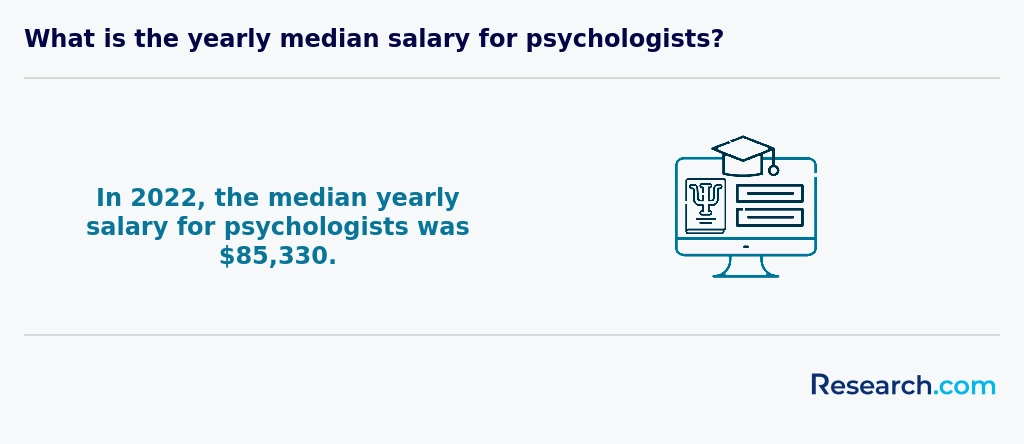
Imagine walking the bustling corridors of UCLA or USC, where graduates of psychology degrees in Los Angeles are crafting vibrant careers that ripple through the city's diverse neighborhoods. Some dive into clinical psychology, transforming hospital rooms and private practices into sanctuaries of healing, navigating licensure hurdles set by the California Board of Psychology. Others weave their way into counseling psychology, becoming the voices of hope in LA's multicultural tapestry through roles as LPCCs or LMFTs. The pulse of the entertainment and corporate worlds calls industrial-organizational psychologists, who decode workplace dynamics for giants of the city, starting with promising salaries that rise swiftly.
Graduates chasing academic research relish mentorship and innovation within renowned psychology departments, while forensic psychologists take on adrenaline-charged cases, lending expertise to the criminal justice system. For those mapping out their journey, understanding the mix of tuition and living costs stretches from public institutions to pricier private options; many have found guidance in the Low Cost Online Master's in Psychology Degree Programs Ranking in the West as a smart compass. These psychology careers in Los Angeles blend science with heart, offering fulfilling, dynamic paths for today's grads.
Los Angeles is a playground for job opportunities with psychology degree Los Angeles holders-each path an invitation to explore human potential amidst the city's vibrant rhythm.
Los Angeles pulses with opportunity for those armed with a psychology degree, where the city's unique blend of cultures and booming population opens doors across hospitals, schools, and even the glitz of the entertainment industry. Graduates from institutions like UCLA or USC often share stories of stepping into roles as clinical psychologists or counselors, shaping mental health care in communities hungry for bilingual expertise. The demand here reflects a vibrant landscape where psychological services stretch beyond traditional boundaries, finding homes in corporate consulting or government agencies. If you're pondering psychology degree job opportunities in Los Angeles, imagine supporting diverse populations while earning wages around $106,000 a year on average-higher than many other metro areas.
Many psychology graduates highlight the balance of challenge and reward; some began as research assistants but swiftly moved toward licensed positions after completing California's rigorous exam and supervised experience. This evolving ecosystem encourages creative career paths-there's even a rising need for professionals who understand human behavior within media and tech companies. For those weighing costs, public universities offer tuition from $7,000 to $15,000 annually, making California a fertile ground for growth.
For those craving a quicker entry, checking out 6-month certificate courses that lead to high paying careers can provide a sharp pivot or additional skills, speeding up your journey. The employment outlook for psychology graduates Los Angeles is bright, fueled by expanding mental health services and increasing public awareness, painting a promising picture for future psychologists here.
2027 Most Affordable Psychology Degree Programs Ranking in Los Angeles
Investing in your education is a significant decision that can influence your future, and the Research.com team recognizes the importance of making well-informed choices. To support prospective students in Los Angeles, we have carefully developed the "2027 Most Affordable Psychology Degree Programs Ranking in Los Angeles." Our dedication to quality, credibility, and accuracy is demonstrated through extensive research and detailed analysis in compiling this ranking.
We utilized the following reputable data sources to ensure a thorough evaluation of psychology degree programs:
By exploring this ranking, readers will gain valuable insights into affordable psychology programs in Los Angeles, empowering them to make informed educational decisions. For more information on how this ranking was created, please visit our Research.com methodology page.


# 6 position
The Chicago School at Los Angeles
Master of Science in Psychology

# 7 position
The Chicago School at Los Angeles
Doctor of Psychology in Clinical Psychology
# 8 position
The Chicago School at Los Angeles
Bachelor of Psy.D. Clinical Psychology

Frequently Asked Questions About psychology
Psychology degree students in Los Angeles can maximize their learning by engaging actively in the city's diverse academic and practical resources. Many local universities, such as UCLA and Cal State LA, offer access to renowned research facilities and internships that provide valuable hands-on experience. According to the American Psychological Association, experiential learning improves retention and skill development significantly.
Networking with faculty and participating in community-based research projects can deepen understanding of psychological theories in real-world contexts. Additionally, students benefit from attending local psychology conferences and workshops to stay updated on current trends and evidence-based practices.
Utilizing Los Angeles's rich cultural diversity allows students to study varied psychological phenomena and develop cultural competence, an essential skill in the field. Combining coursework with practical exposure can enhance both academic success and career readiness in psychology.
The field of psychology in Los Angeles is expanding into several emerging niches. One growing area is neuropsychology, which explores the relationship between brain function and behavior. With advances in brain imaging technologies, opportunities in this specialty are rising rapidly.
Another important niche is sports psychology, reflecting Los Angeles's robust sports industry. Professionals help athletes boost performance and mental resilience.
Additionally, health psychology is gaining attention due to increased public interest in holistic wellness and chronic illness management. The Kaiser Family Foundation reports a steady rise in demand for health psychology services across California.
Lastly, technology-driven subfields like digital mental health and telepsychology are becoming popular, further supported by California's emphasis on telehealth innovation.
After completing a psychology degree in Los Angeles, preparing for the job market involves strategic steps. Start by gaining practical experience through internships or volunteer work, which are often available at local hospitals, schools, and counseling centers. These opportunities help build valuable skills and professional connections.
Licensure is essential for many psychology careers in California. Graduates should familiarize themselves with the California Board of Psychology's requirements, including supervised hours and examinations. According to the California Employment Development Department, the demand for psychologists in the Los Angeles area is expected to grow by 14% through 2030, highlighting the importance of relevant credentials.
Networking with local professional associations such as the Los Angeles Psychological Association can provide access to job leads and continuing education. Additionally, developing strong communication and research skills increases employability across various psychology roles in clinical, educational, and corporate settings.
Employers in Los Angeles value psychology graduates who demonstrate strong critical thinking and analytical skills. These abilities help interpret complex data and conduct effective research, essential for evidence-based practice. According to the Bureau of Labor Statistics, psychology-related jobs in California are projected to grow 14% from 2020 to 2030, highlighting the need for adaptable, knowledgeable professionals.
Communication skills, both verbal and written, are highly sought after. Graduates must clearly explain psychological concepts to diverse audiences, from clients to interdisciplinary teams. Additionally, cultural competence is crucial in Los Angeles' diverse population, enabling psychologists to provide inclusive care.
Technical skills, such as proficiency with statistical software like SPSS and data analysis, are increasingly important for research and clinical roles. Finally, strong ethical judgment aligns with California's rigorous licensing standards, shaping trustworthy practitioners.
Finding psychology internships in Los Angeles involves targeted research and networking within local institutions. Many universities, such as UCLA and California State University, Long Beach, have dedicated internship offices that connect students to opportunities in clinical, counseling, and research settings.
Local hospitals, community mental health centers, and nonprofit organizations also frequently offer internships for psychology students. The Los Angeles County Department of Mental Health is a notable resource, providing internships that help develop practical skills.
Online platforms like Handshake and the California Psychological Association's job board specifically list internships relevant to psychology degrees in the region. Networking through professional psychology conferences or local chapters can add valuable contacts. About 70% of Los Angeles psychology students secure internships through university partnerships, underscoring the importance of academic connections.
A psychology degree in Los Angeles significantly enhances career mobility and advancement opportunities. The city's diverse economy supports various roles in clinical, counseling, and industrial-organizational psychology. According to the U.S. Bureau of Labor Statistics, employment for psychologists in California is projected to grow 14% from 2022 to 2032, faster than the national average. This growth is particularly strong in metropolitan areas like Los Angeles.
Graduates with advanced degrees often find better salaries and leadership roles in hospitals, schools, and private practices. Licensing requirements in California also create a clear pathway for career progression, as earning a doctoral degree and supervised experience are essential for clinical practice.
Networking in Los Angeles' psychology community, including universities and professional organizations, further supports upward mobility and job changes within mental health and research sectors.
Studying for a psychology degree in Los Angeles equips students with skills that extend beyond traditional psychology roles. Programs often emphasize interdisciplinary learning, integrating knowledge from neuroscience, social work, education, and health sciences. This prepares graduates for careers in diverse fields such as human resources, public health, and counseling.
Los Angeles universities collaborate with local industries and healthcare organizations, offering practical experiences through internships and research projects. According to the American Psychological Association, interdisciplinary approaches improve graduates' adaptability in multi-sector environments, which is vital in a diverse city like Los Angeles with its varied population and cultural landscape.
Students also benefit from exposure to community-based programs addressing mental health, education, and social justice, enabling a broader understanding of human behavior in complex real-world settings.
Choosing between a thesis and a non-thesis psychology degree program in Los Angeles depends on your career goals and interests. Thesis programs generally require conducting original research and writing a detailed paper, which is valuable if you plan to pursue a PhD or work in research. According to the National Center for Education Statistics, about 40% of master's psychology students select thesis options nationwide, reflecting readiness for advanced academic work.
Non-thesis programs focus more on coursework and practical skills, targeting those aiming for professional roles in counseling or applied psychology. Local universities such as UCLA and USC offer both paths, so it's important to evaluate program requirements, time commitment, and available faculty expertise.
Additionally, thesis students may receive more opportunities for assistantships or research funding, which can help offset costs. Prospective students should consult academic advisors and review program details carefully before deciding.
Students based in Los Angeles who wish to study psychology abroad have various options supported by their home institutions. Many Los Angeles universities, such as the University of Southern California and UCLA, offer exchange programs with overseas universities, allowing students to earn credits toward their psychology degrees while experiencing international education.
Additionally, study-abroad programs affiliated with the Institute of International Education indicate that around 2% of all US psychology students participate in global study experiences annually. These programs often include destinations in Europe, Asia, and Australia, providing exposure to diverse psychological theories and practices.
Financial aid and scholarships specifically for study abroad may be available through university partnerships and organizations like the Benjamin A. Gilman International Scholarship Program, which supports U.S. undergraduates of limited financial means.
Students pursuing psychology degrees in Los Angeles have several part-time job options that can enhance their education. Working as a research assistant at institutions like UCLA or USC allows hands-on experience with psychological studies and data analysis. These roles help develop critical skills in experimental design and statistical software.
Another popular job is becoming a mental health technician or aide in local clinics or hospitals. These positions provide exposure to patient care and mental health treatment procedures, complementing classroom learning.
Additionally, tutoring psychology undergraduates or volunteering for community counseling centers offers practical communication skills valuable in psychology careers. The Bureau of Labor Statistics notes healthcare support jobs in California are projected to grow 15% through 2032, indicating steady opportunities for psychology-related roles in Los Angeles.
Psychology students in Los Angeles benefit from numerous networking opportunities that support career growth and academic development. The city is home to several prominent universities offering psychology programs, including UCLA and USC, which regularly host guest lectures, conferences, and workshops led by leading professionals. These events provide direct access to experts and potential mentors in the field.
Students can also engage with local chapters of national organizations such as the American Psychological Association (APA). These groups often organize networking events, internships, and volunteer opportunities.
Furthermore, Los Angeles boasts a large and diverse mental health community, enabling students to connect with practitioners and researchers across various specialties.
Alumni networks play a significant role in supporting psychology degree students in Los Angeles. These networks provide access to mentorship from graduates who understand the local job market and professional expectations. According to the American Psychological Association, strong alumni connections can improve employment prospects by up to 20% in competitive fields such as clinical and counseling psychology.
In Los Angeles, where the psychology field is diverse and expanding, alumni networks offer valuable internship and research opportunities within hospitals, schools, and private practices. They also facilitate attendance at local conferences and workshops, fostering continuous professional development.
Furthermore, alumni networks often share job vacancies exclusive to their members, increasing chances of securing roles in top psychology institutions around the city.
Customizing a psychology degree program in Los Angeles allows students to align their education with specific career aspirations. Many universities and colleges in the area offer specialized tracks such as clinical, counseling, industrial-organizational, or forensic psychology. Choosing electives and practicum placements relevant to these areas helps tailor the program. For example, the California State University system provides options to focus on research methods or multicultural counseling to meet diverse career paths.
Additionally, LA's rich network of hospitals, clinics, and research centers offers internship opportunities that enrich practical experience. According to the American Psychological Association, internships are critical for professional development and licensure preparation. Online and part-time options further enhance flexibility for working students seeking to balance education with employment.
Psychology students in Los Angeles often face significant challenges related to the high cost of living and education costs. According to the US Bureau of Labor Statistics, tuition fees for public universities in California average over $7,000 per year, but combined with housing and transport, expenses rise quickly. This financial burden causes stress and can affect academic performance.
Another common challenge is gaining practical experience. Los Angeles offers many internship opportunities, but competition is fierce due to a high number of students pursuing psychology degrees. According to the California Psychological Association, students frequently report difficulties securing supervised clinical hours required for licensing.
Additionally, balancing studies with part-time jobs is tough, especially given the demanding coursework in research methods and psychological theory. Time management and mental health pressures are frequent concerns noted by students surveyed in the Los Angeles higher education system.
With a psychology degree in Los Angeles, graduates can pursue various professional certifications to enhance their careers. Common certifications include becoming a Licensed Professional Clinical Counselor (LPCC) or Licensed Marriage and Family Therapist (LMFT), both regulated by California's Board of Behavioral Sciences. These licenses require completing supervised clinical hours and passing state exams.
Other options include Certified Alcohol and Drug Counselor (CADC) certification, which supports roles in substance abuse treatment programs common in LA's healthcare system. For research-oriented professionals, certifications like Certified Psychological Assistant can be valuable, preparing for doctoral licensure.
The California Employment Development Department reports that psychological services jobs in Los Angeles County are expected to grow by about 11% through 2028, underscoring the value of these certifications.
To write a winning application for a psychology program in Los Angeles, start by demonstrating a strong academic record with relevant coursework in psychology and related sciences. Most programs look for applicants with a GPA of 3.0 or higher, though more competitive schools may require above 3.5. Including research experience or internships at local institutions, such as UCLA's Psychology Department or the Los Angeles County Department of Mental Health, can strongly boost your profile. Carefully tailor your personal statement to explain your motivation for studying psychology and your career goals, addressing why you chose a Los Angeles program. Letters of recommendation from professors familiar with your work are essential.
According to the American Psychological Association, showing familiarity with current trends in clinical and counseling psychology in California will enhance your application. Additionally, meeting all application deadlines, including submitting GRE scores if required (some LA universities have recently removed this requirement), and providing clear documentation of your background will improve your chances. Lastly, consider community involvement or volunteer work related to mental health, as these experiences reflect well on applicants interested in psychology's practical impact in diverse urban settings like Los Angeles.
Psychology careers in Los Angeles reflect broader global trends where mental health awareness is increasing. According to the U.S. Bureau of Labor Statistics, employment for psychologists is projected to grow 8% from 2022 to 2032, faster than average. This growth mirrors global demands for qualified mental health professionals.
Los Angeles, with its diverse population and numerous universities, offers unique opportunities to study multicultural psychology and community mental health. The city's mental health initiatives align with worldwide priorities, emphasizing both clinical practice and research.
Graduates often work in healthcare, education, or corporate sectors, echoing global psychology career paths. With growing telehealth services, professionals in Los Angeles can connect with clients globally, expanding traditional local careers into international realms.
Gaining practical experience while studying for a psychology degree in Los Angeles is essential for career readiness. Many universities offer internship opportunities with local hospitals, mental health clinics, and community organizations. For example, the California State University system encourages students to complete supervised internships, which can enhance learning and resume strength.
Additionally, Los Angeles hosts numerous research centers where students can assist faculty projects, gaining hands-on exposure. Volunteering at non-profits or participating in campus counseling centers also provides valuable experience.
According to the Bureau of Labor Statistics, applied skills significantly improve job prospects in psychology throughout California, highlighting the importance of real-world training during study.
Choosing the right concentration within a psychology degree program in Los Angeles requires understanding your career goals and interests. Psychology programs often offer areas like clinical, counseling, industrial-organizational, or developmental psychology. Each focuses on different skills and job markets.
Los Angeles is home to diverse populations and industries, including entertainment and healthcare, influencing demand for specialties like forensic and health psychology. According to the Bureau of Labor Statistics, clinical and counseling psychology jobs are projected to grow by 17% in California through 2030, highlighting strong opportunities.
Research local universities' faculty expertise, available internships, and licensing requirements in California to ensure alignment with your long-term plans.
- 2027 Most Affordable Psychology Degree Programs Ranking in Pasadena
- 2027 Most Affordable Psychology Degree Programs Ranking in Claremont
- 2027 Most Affordable Psychology Degree Programs Ranking in Irvine
- 2027 Most Affordable Psychology Degree Programs Ranking in Santa Barbara
- 2027 Most Affordable Psychology Degree Programs Ranking in La Jolla
- 2027 Most Affordable Psychology Degree Programs Ranking in San Diego
- 2027 Most Affordable Psychology Degree Programs Ranking in Riverside
- 2027 Most Affordable Psychology Degree Programs Ranking in San Francisco
- 2027 Most Affordable Psychology Degree Programs Ranking in Phoenix
- 2027 Most Affordable Psychology Degree Programs Ranking in Boulder
See What Experts Have To Say About Studying Psychology
Read our interview with Psychology experts

Joann Farrell Quinn, Ph.D., MBA
Psychology Expert
Director at the College of Medicine Department of Medical Education
Morsani College of Medicine

Elizabeth L. Jeglic Ph.D.
Psychology Expert
Professor of Psychology
City University of New York

Catherine Caldwell-Harris, Ph.D.
Psychology Expert
Associate Professor of Psychology
Boston University

- 11 Top Psychology Bachelor's Programs in California - Psychology California https://psychologyca.org/bachelors-programs/
- Scholarships For Psychology Majors (2025) https://www.psychology.org/scholarships/
- California Psychology Schools | Psychology Degree Guide https://psychologydegreeguide.org/state/california/
- Psychology (AS) https://www.lasc.edu/academics/aos/psychology
- Ontario Psychological Association - Networking and Community Resources https://www.psych.on.ca/become-a-member-(1)/member-services/networking-and-community-resources
- Psychology https://www.lacc.edu/academics/aos/psychology
- Know more about thesis vs non- thesis: what is the difference? https://studyfans.com/en/blogs/816
- Call for papers https://www.hogrefe.com/us/journal/international-perspectives-in-psychology-research-practice-consultation
- Alumni Perspectives - Meet Our FPN Alumni https://www.aanmelder.nl/alumni-perspectives-june-2023
- How to help students cope with mental health challenges https://www.eaie.org/resource/help-students-cope-mental-health-challenges.html