
2027 Best Psychology Degree Programs Ranking in Kingston

Co-Founder and Chief Data Scientist
Choosing the right psychology degree program in Kingston can feel overwhelming. This article presents the 2027 Best Psychology Degree Programs Ranking in Kingston, crafted by the Research.com team of data scientists to guide you through the top options available.
Understanding which programs offer quality education and valuable experiences helps you make a confident decision for your future. Reading this ranking will inspire you to pursue a fulfilling path in psychology, opening doors to meaningful careers and personal growth.
Key benefits of getting psychology degree in Kingston
- Salary for psychology degree graduates: Graduates in Kingston can expect competitive salaries, such as Clinical Research Associates earning a mean annual wage of $62,370 and Marketing Research Analysts averaging $83,190, reflecting strong financial potential in this field.
- Career paths: A psychology graduate from a popular Kingston college may explore diverse roles like Human Resources Specialist or Survey Researcher, both offering meaningful work and solid pay with mean wages around $76,060 and $62,370 respectively.
- Online degree benefits: Earning a psychology degree online in Kingston offers flexibility and accessibility, allowing students to balance work and study more easily while gaining credentials that employers value equally to traditional degrees.
- 2027 Best Psychology Degree Programs Ranking in Kingston
- What can I expect from psychology degree in Kingston?
- Where can I work with psychology degree in Kingston?
What can I expect from psychology degree in Kingston?
The average cost of pursuing a psychology degree in Kingston aligns with typical tuition rates found at comparable private and public universities across the United States. Graduates from well-known institutions in Kingston often report tuition expenses that range from moderate to high but emphasize the value they received through comprehensive coursework and hands-on learning opportunities. For many students, the investment includes fees for access to advanced labs, research seminars, and community-based internships that contribute to a robust educational experience.
Several students recall the encouragement to engage in local health service partnerships, which often alleviate costs through applied placements or paid research assistant positions. Financial aid packages are commonly available, reducing the financial burden and allowing students to focus on their studies and professional growth.
Ultimately, while costs may vary by program and level, psychology students in Kingston find that the expense reflects the quality and depth of their training, with graduates expressing satisfaction in their preparedness for careers in mental health, counseling, and research.
Where can I work with psychology degree in Kingston?
Psychology graduates in Kingston find diverse employment opportunities across multiple sectors, reflecting the versatility of their degree. Many secure positions in healthcare facilities, such as those affiliated with Kingston Health Sciences Centre, where they contribute as clinical psychologists, counselors, or mental health support specialists. Graduates often describe fulfillment in helping patients navigate mental health challenges, applying skills honed during their studies at institutions like Queen's University.
Educational roles are another common pathway. Graduates frequently work as school psychologists within local public and private schools, supporting students facing learning difficulties or behavioral issues. Colleges and universities in Kingston also employ graduates for research assistantships or academic posts, allowing them to remain engaged with cutting-edge psychological research.
Social services in Kingston offer meaningful careers, with graduates helping vulnerable groups through nonprofits and government programs, fostering strong community connections. In the business sector, psychology grads leverage their knowledge in human resources, organizational development, or market research, enhancing workplace culture and consumer insights.
These graduates often report a rewarding sense of purpose, drawn from real-world impact made possible by their Kingston psychology education.
Graduates holding psychology degrees from Kingston's well-regarded institutions, such as Queen's University, often find entry into roles aligned with their training at competitive salary levels. For instance, psychology graduates entering human resources specialist positions in the area can anticipate mean annual wages around $76,060, reflecting steady demand in this sector.
Those moving into marketing research analyst roles, leveraging their analytical and behavioral insight skills, may expect mean earnings near $83,190 annually. This is particularly encouraging for Kingston graduates applying psychological principles in business and consumer research environments.
Clinical research associate roles, which frequently attract psychology graduates focused on health sciences, offer mean annual wages near $62,370. Graduates sharing experiences from Kingston colleges highlight the rewarding balance of intellectually engaging work and competitive compensation in this position.
Childcare workers with psychology backgrounds typically earn around $32,070 per year, providing an impactful pathway into developmental and educational settings around Kingston. Survey researchers also report mean salaries close to $62,370, demonstrating viable career options for graduates with strong research and analytical competencies.
Overall, Kingston psychology graduates appreciate positive career prospects with salaries reflecting national benchmarks, supported by local opportunities in healthcare, education, and business sectors. Their success stories emphasize both the meaningful nature of their work and financial stability in the region.
- Tuition for a bachelor's degree in psychology in Kingston ranges from $10,000 to $18,000 per year at public institutions and over $25,000 at private colleges.
- Entry-level salaries for psychology graduates start between $40,000 and $50,000 annually, with median salaries rising to about $75,000 after gaining experience or advanced degrees.
- Jobs in counseling, clinical psychology, and social services are expected to grow more than 20% over the next decade in the region.
- Students have access to internships and practical experience through local healthcare providers, educational institutions, and research facilities.
- Certification and licensing usually require supervised hours and passing state exams, which vary by field.
- Many programs include interdisciplinary studies in neuroscience, social work, or education to increase career flexibility.
Completing a psychology degree in Kingston typically requires about four years of full-time study, aligning with standard U.S. higher education timelines. Students at local institutions like SUNY Ulster often find this duration sufficient to cover foundational coursework, electives, and general education.
For some, balancing work or personal commitments leads to part-time enrollment, extending the program to five or six years. Graduates who have taken this path often appreciate the flexibility, even if it stretches the timeline slightly. A few highly motivated students pursue accelerated options, finishing in as little as three years, though these programs demand intense dedication.
Those aiming for advanced psychology degrees face varied timelines: master's programs in Kingston generally take 1.5 to 3 years, while doctoral degrees span 4 to 7 years depending on research requirements. Many students appreciate the ability to tailor their studies to personal and financial circumstances, ensuring steady progress.
The experience of Kingston psychology students reflects a balance between academic rigor and personal growth, fostering confidence and readiness for future careers.
Ensuring your psychology degree comes from an accredited institution is the first critical step toward professional practice in Rhode Island. Regional accreditation by bodies such as the New England Commission of Higher Education (NECHE) validates overall academic quality, while program‐level accreditation-most notably from the American Psychological Association (APA)-signals that your curriculum meets national standards for clinical and counseling psychology. Most licensure tracks in RI require:
- A doctoral degree (PhD or PsyD) from an APA‐accredited program, or for certain counseling roles, a master’s from a CACREP‐accredited institution.
- Completion of a minimum of 3,000 supervised post‐doctoral hours and a supervised internship of at least 1,500 hours.
- Passing the Examination for Professional Practice in Psychology (EPPP) and a state jurisprudence exam.
- Submission of official transcripts and verification of supervised experience to the Rhode Island Board of Psychology Examiners. For master’s‐level graduates seeking licensure as Licensed Mental Health Counselors (LMHCs) or Licensed Psychological Associates (LPAs), understanding accreditation is equally vital. Many students pursuing flexibility opt for an online format-if you’re comparing options, check out this list of Inexpensive Online Master’s in Psychology Degree Programs that hold the necessary regional and programmatic credentials. Before you apply: 1. Verify APA or CACREP accreditation on the program website. 2. Confirm that practicum and internship placements align with Rhode Island Board requirements. 3. Budget for application fees, EPPP prep courses, and licensing costs. 4. Contact alumni or faculty advisors to discuss licensure outcomes and career support services. By prioritizing accredited programs and understanding the licensure pathway in Kingston, RI, you’ll streamline your journey from student to licensed psychology professional.
Psychology students in Kingston face distinct differences between online and on-campus degree programs that strongly influence their educational experience. Graduates from on-campus programs at institutions like Queen's University often emphasize the value of direct faculty interaction and access to research labs, which enhances practical skills through hands-on activities and clinical observations. This immersive setting fosters rich networking opportunities within the Kingston academic community, helping students build relationships critical for future careers.
Conversely, graduates from online psychology programs highlight the convenience and flexibility that enable them to balance work and family responsibilities while pursuing their degree. Colleges offering online options in Kingston leverage virtual classrooms and discussion forums to maintain engagement, though students must independently secure local internships to meet practicum requirements. These flexible structures resonate deeply with those seeking to advance professionally without relocating or sacrificing personal commitments.
Cost factors in Kingston reflect national trends, with online programs sometimes providing financial relief by reducing campus facility fees. Both formats prepare students thoroughly, but the choice depends largely on personal circumstances and learning preferences.
Psychology programs in Kingston, RI, strongly emphasize hands-on learning through internships and practicum placements, which not only fulfill degree requirements but also build professional networks. Students typically complete 100–300 hours of supervised fieldwork in settings such as the University of Rhode Island’s Counseling Center, Bradley Hospital’s Child and Adolescent Unit, or local school districts. These real-world experiences allow you to apply assessment techniques, facilitate group therapies, and conduct behavioral observations under licensed psychologists. Many local agencies and nonprofit organizations also offer specialized placements. For example, the Women’s Resource Center and local community mental health clinics recruit interns to support outreach programs, intake assessments, and psychoeducational workshops. Some positions even transition directly into child and adolescent psychology jobs, enabling graduates to continue working with youth populations they served during training. To maximize the value of these opportunities:
- Begin your search during your sophomore year by consulting your program’s field coordinator.
- Prepare a professional resume and cover letter highlighting relevant coursework (e.g., developmental or abnormal psychology).
- Attend department-sponsored networking events where alumni and local supervisors share placement openings. By strategically selecting practicum sites that align with your career goals, you’ll graduate not only with academic credentials but also with the confidence and professional references essential for your first psychology role.
The average cost of a psychology degree in Kingston reflects a distinct difference between in-state and out-of-state students, with median total costs around $16,942 and $51,284 respectively. Graduates from local universities often recall balancing rigorous academics with part-time work or scholarships to manage these expenses, finding the investment meaningful given the quality of education available. For example, those attending popular colleges in Kingston value the strong faculty support and research opportunities that enrich their learning experience, making the financial commitment worthwhile.
Studying psychology here means considering not only tuition but also additional costs like books, course materials, and lab fees. Many students who have completed their degrees emphasize how these expenses can accumulate, but also how financial aid and scholarships specific to psychology students helped ease the burden. Living in Kingston further offers benefits such as access to in-state tuition rates for New York residents, which substantially reduces staying costs.
Understanding the broader financial commitment is crucial when assessing the average cost of psychology degree in Kingston. Graduates often mention how careful planning transformed their educational journey into an enriching personal and professional growth experience. For prospective students weighing graduate options, exploring programs in depth and comparing details like the psyd vs phd in psychology accredited programs can also clarify investment returns and future career pathways.

Obtaining licensure in Rhode Island is essential for practicing psychology or counseling and ensuring professional credibility.
- Earn an accredited degree:
- Master’s in counseling for Licensed Professional Counselors (LPC)
- Doctoral degree (PhD or PsyD) for licensed psychologists
- Complete supervised clinical hours:
- LPC candidates: 2,000–3,000 hours under an approved supervisor
- Psychologist candidates: 1,500–2,000 internship hours
- Pass the required exam:
- National Counselor Examination (NCE) or NCMHCE for LPCs
- Examination for Professional Practice in Psychology (EPPP) for psychologists
- Apply to the RI Department of Health:
- Submit official transcripts, verification of supervised hours, exam scores and application fee
- Maintain and renew your license:
- Complete 30–40 continuing education units (CEUs) every renewal cycle
Aspiring marriage and family therapists can explore best online mft programs counseling to fulfill academic and practicum requirements.
Psychology students at universities such as SUNY Ulster and Kingston's main campuses frequently access a variety of financial aid options to manage tuition costs, which often range between $10,000 and $35,000 annually. Many rely on federal aid like Pell Grants, awarded based on financial need without repayment obligations. Completing the FAFSA early is essential, as it unlocks eligibility for these funds as well as the Federal Work-Study program, allowing students to earn through part-time campus employment.
State programs, notably New York's Tuition Assistance Program (TAP), provide significant relief, especially for in-state students attending accredited institutions. Local scholarships and grants, sometimes tailored specifically for psychology majors focusing on clinical or counseling fields, supplement these resources. Graduates recall how university-based awards, blending academic merit and financial need, greatly eased their financial burden.
Graduate students often secure teaching or research assistantships at Kingston-area colleges, enjoying tuition remission plus stipends in exchange for academic support roles. Additionally, private scholarships from professional psychology associations bolster available aid, inspiring students to persist confidently through their studies and research commitments.
To make an informed decision when selecting a psychology program in Kingston, RI, it's essential to consider several factors, including the program's accreditation, curriculum, and available specializations. Prospective students should explore the affordable psychology programs in rhode island to find the best fit for their academic and career goals. Looking into the program's reputation, faculty expertise, and internship opportunities can also provide valuable insights. Additionally, considering the program's format, whether traditional or online, can help students choose a program that aligns with their learning style and schedule. By weighing these factors, students can find a psychology program in Kingston, RI, that prepares them for a successful and fulfilling career in psychology.
Enrolling in a psychology degree program in Kingston requires meeting specific academic and personal prerequisites that ensure students are equipped for the demands of the field. Graduates from renowned institutions in the city recall the importance of having a high school diploma or GED, accompanied by strong performance in core subjects like biology, statistics, and English. These academic foundations are crucial for success in the coursework and research components typical of Kingston's psychology programs.
Standardized test scores such as the SAT or ACT often play a role in the admissions process, although some local colleges have adopted test-optional policies. Successful applicants typically present competitive scores when required, strengthening their applications.
- High school diploma or GED
- Strong academic performance in science and math subjects
- Satisfactory SAT or ACT scores, if required
- Letters of recommendation
- Personal statement or essay outlining interest and goals in psychology
Personal elements also weigh heavily in admissions decisions. Alumni emphasize that letters of recommendation from teachers who understand their motivation and a compelling personal statement describing their passion for psychology significantly enhance their applications. Many programs in Kingston also value interviews or evidence of practical experience, such as internships or volunteer work, which demonstrate commitment and readiness for advanced study.

Child psychology is a dynamic field that focuses on understanding the mental, emotional, and social development of children, offering invaluable opportunities for professionals passionate about early intervention and long-term well-being. This specialization equips students with targeted skills needed to assess, treat, and support young individuals through evidence-based practices and innovative therapeutic techniques. Many programs now incorporate dedicated modules on child development, behavioral disorders, and family dynamics, ensuring that graduates are well-prepared to excel in clinical and school settings. Moreover, real-world experiences through internships and practicum placements foster essential hands-on learning, bridging theory with practical application. For more insights into the academic path and specialized training required in this field, consider exploring child psychologist education. Ultimately, pursuing a career in child psychology not only fulfills the growing need for specialized mental health services but also empowers practitioners to make a profound, positive impact on the lives of children and their families.
Psychology degree programs in Kingston typically offer a comprehensive curriculum covering both foundational and specialized courses. Graduates from well-regarded local institutions often highlight the value of core classes such as Introduction to Psychology, where they first engage with broad psychological theories and principles that illuminate everyday human behavior.
Students frequently recall how courses like Research Methods in Psychology sharpen their analytical skills through hands-on experiments and data analysis, preparing them for real-world research or advanced study. Biological and Cognitive Psychology classes deepen their understanding of brain functions and mental processes, often enriched by practical examples from campus labs or local internships.
Many find Developmental and Social Psychology particularly relatable, as these subjects explain behaviors relevant to their own communities in Kingston. The inclusion of Abnormal Psychology helps students build empathy and awareness by exploring mental health challenges firsthand, often discussed through case studies at popular colleges.
Additionally, programs emphasize applied skills with courses in Psychological Assessment, Statistics, and Ethics, fostering professional readiness. Graduates often express confidence in their ability to navigate both research settings and ethical dilemmas, thanks to comprehensive offerings at Kingston universities that align with APA standards.

Psychology degree specializations in Kingston offer diverse pathways tailored to various professional interests. Popular concentrations include clinical psychology, where graduates engage in diagnosing and treating mental health disorders, often sharing how hands-on hospital practicum experiences shaped their confidence and skills. Counseling psychology is another key focus, emphasizing emotional and vocational support, with students frequently highlighting the rewarding nature of helping individuals navigate life challenges during internships at local community centers.
Developmental psychology, concentrating on human growth across the lifespan, allows students in Kingston's programs to observe real-world cognitive and social development stages, enriching their understanding through research and fieldwork. Forensic psychology blends psychological principles with legal systems, preparing students for roles in law enforcement or court settings, a specialization praised by many graduates for its dynamic and impactful career opportunities.
Beyond these, industrial-organizational and health psychology offer specialized knowledge on workplace behavior and the psychological factors affecting physical health. Prospective students should also explore the options at popular institutions, and those interested can learn more about various pathways at online psychology schools Ohio. These Kingston psychology program concentration options help students align academic goals with career ambitions.
Choosing the best psychology degree programs in Kingston requires careful evaluation of accreditation, curriculum, and real-world opportunities. Graduates from Kingston's popular colleges often recall how programs accredited by established bodies, such as the American Psychological Association, provided them with a clear pathway to licensure and graduate studies, enhancing their professional prospects. Affordability plays a key role; many students weigh the benefits of tuition costs against potential financial aid, especially considering the trends in affordable psychology degrees Kingston 2027. Flexible formats, including part-time or online options, are highly valued by those balancing work and study.
Graduates frequently highlight the importance of local internships and research placements within Kingston's healthcare and community organizations, which not only build skills but also foster a sense of accomplishment. Exploring student support services like academic advising is another factor that contributes to a positive, supportive academic journey. For further insight into psychology programs, prospective students may compare psychology major programs in Michigan through this psychology major programs in Michigan resource.
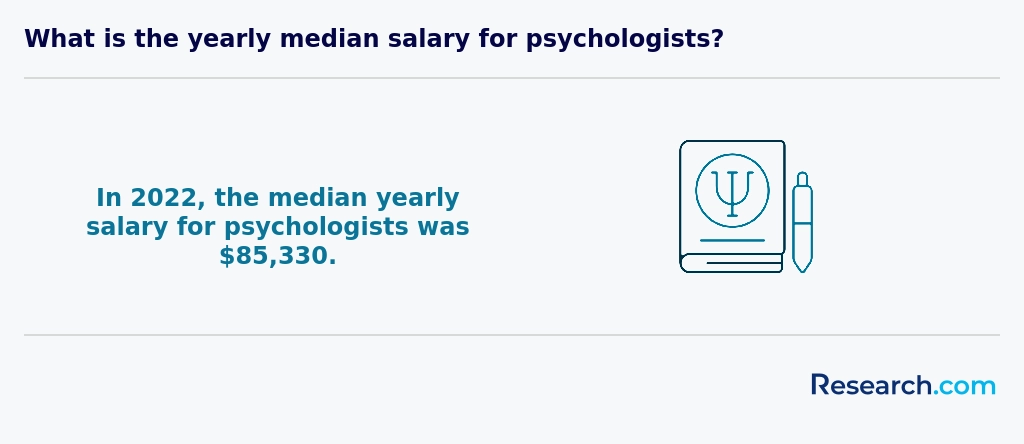
Psychology degree graduates in Kingston have diverse career paths available, reflecting the field's wide applicability. Many pursue clinical roles such as licensed psychologists, which require graduate study and proper licensure, often following accredited programs. Graduates from popular institutions in Kingston have found rewarding employment in clinical, counseling, and school psychologist positions within local healthcare and educational settings, benefiting from strong regional demand and proximity to urban centers with competitive wages.
Other graduates leverage their skills in social work, behavioral therapy, or case management, contributing to community agencies that emphasize human behavior and communication. These roles offer stability with growing opportunities throughout the New York metropolitan area. Recent graduates with a passion for research have secured roles in university labs and government agencies near Kingston, applying cognitive and mental health expertise cultivated during their studies.
Business applications of a psychology degree also attract Kingston graduates to fields like human resources and marketing. Understanding consumer and employee behavior has proven invaluable in local companies. Those interested in clinical licensure often seek programs with LPC program accreditation to ensure quality training. These varied options highlight the broad spectrum of jobs with psychology degree Kingston offers.
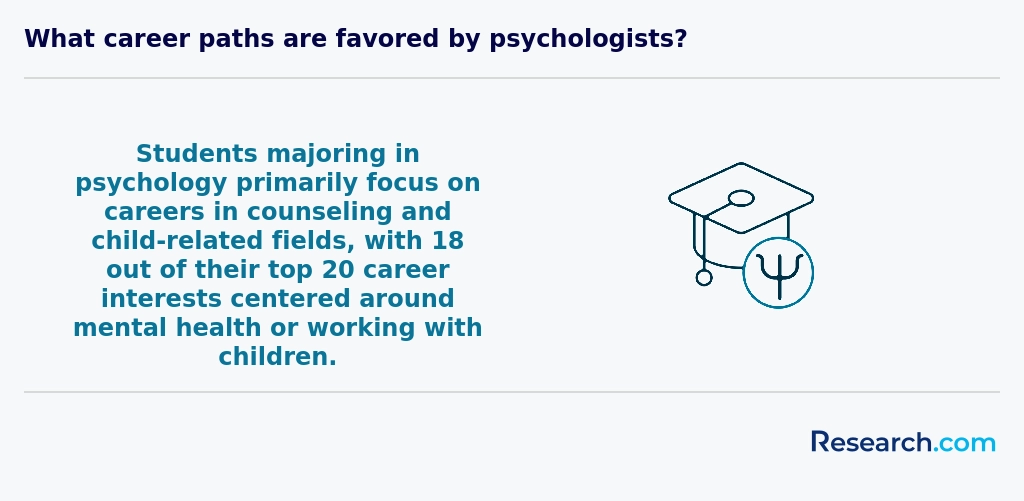
The psychology degree job opportunities in Kingston are characterized by steady growth and promising demand, especially given the city's proximity to major hubs like New York City and Albany. Graduates from institutions such as Ulster County Community College and Marist College often find rewarding roles in clinical settings, schools, and private practices, where mental health awareness continues to expand. Many alumni share positive experiences of securing positions where they apply specialized knowledge in child and adolescent psychology, benefiting from the region's focus on holistic community care.
While competition remains significant, particularly for entry-level roles requiring master's or doctoral qualifications, the Kingston psychology graduate employment outlook remains optimistic. Salaries in the area closely mirror state figures, with some adjustments based on employer type and local economy. Students must weigh tuition costs against these outcomes, an important factor echoed by those pursuing advanced training. For tailored financial insight, prospective students may explore florida psychology degreesalary information, which highlights common trends in psychology education expenses.
2027 Best Psychology Degree Programs Ranking in Kingston
Investing in your education is a significant decision that can profoundly impact your future, and the Research.com team is fully aware of the importance of making well-informed choices. To support prospective students in Kingston, we have carefully developed the "2027 Best Psychology Degree Programs Ranking in Kingston." Our dedication to quality, credibility, and accuracy is evident through the thorough research and analysis undertaken to produce this ranking.
We utilized the following reputable data sources to ensure a comprehensive evaluation of psychology programs:
By examining this ranking, readers will receive valuable insights into the top psychology degree programs in Kingston, enabling informed decisions to guide their educational endeavors. For a detailed explanation of our approach, please visit our Research.com methodology page.

Frequently Asked Questions About psychology
Psychology degree students in Kingston can maximize their learning experience by actively engaging in both coursework and practical opportunities. Participating in local internships or research projects helps apply theoretical knowledge in real-world settings. According to the American Psychological Association, experiential learning boosts retention and skill development significantly. Networking with faculty and attending psychology-related seminars in Kingston's academic community also exposes students to current research and career paths.
Students should utilize campus resources such as tutoring centers and counseling services to support their academic and personal growth. Forming study groups is another effective strategy, improving understanding through peer discussion. Kingston's growing focus on mental health provides ample opportunities to gain experience relevant to community needs.
The psychology field is expanding into several emerging niches that attract students in Kingston and beyond. One rapidly growing area is neuropsychology, which studies how brain function affects behavior. According to the American Psychological Association, neuropsychology jobs are expected to grow 19% by 2030, faster than the average for all occupations.
Another promising niche is health psychology, focusing on how mental health influences physical well-being. The demand for professionals in this area is rising due to increasing awareness of holistic health care.
Additionally, forensic psychology is gaining attention as Kingston's legal system integrates more psychological expertise, creating new career paths for graduates.
After completing a psychology degree in Kingston, preparing for the job market involves several key steps. Graduates should seek internships or volunteer roles locally to gain practical experience and strengthen their resumes. According to the U.S. Bureau of Labor Statistics, applied psychology fields expect a 8% growth from 2022 to 2032, underlining increasing demand.
Networking through Kingston-area professional groups and university alumni associations can open job opportunities. Additionally, many employers prefer candidates with certifications such as CPR or behavioral analysis credentials. Graduate studies or specialized training often enhance employability, especially for clinical roles.
Developing strong communication and data analysis skills is also critical for success in psychology careers.
Employers in Kingston seeking psychology degree graduates emphasize strong analytical and communication skills. Graduates must demonstrate the ability to interpret data accurately and convey complex concepts clearly to diverse audiences. According to the U.S. Bureau of Labor Statistics, effective interpersonal skills rank highly for roles in clinical and counseling psychology.
Additionally, critical thinking and problem-solving abilities are vital, as they enable graduates to develop evidence-based interventions. Familiarity with research methods and ethical considerations often distinguishes candidates in a competitive job market. Local Kingston employers also value adaptability and teamwork, reflecting the collaborative nature of many psychological services.
Finding psychology internships in Kingston involves several practical steps that align with US higher education practices. Students should start by contacting the psychology departments at local universities, such as Kingston University, where faculty often maintain connections with healthcare facilities and community organizations.
Many internships are offered through partnerships with clinics, schools, and nonprofit agencies specializing in mental health. According to the American Psychological Association, securing a supervised internship is critical for licensure and gaining hands-on experience.
Utilize online platforms like Handshake or university career centers to find updated listings. Networking through professors and professional psychology associations can also uncover opportunities.
A psychology degree in Kingston offers significant advantages for career mobility and advancement within the local job market. Graduates often find opportunities in healthcare, education, and social services, sectors that value psychological expertise. According to the U.S. Bureau of Labor Statistics, psychology-related occupations in the Kingston metropolitan area are projected to grow approximately 6% from 2022 to 2032, slightly above the national average.
Holding a degree in psychology can open doors to specialized roles such as behavioral analysts, counselors, and human resource specialists. Further, many employers in Kingston prioritize candidates with practical experience gained through internships and research projects during their studies. These experiences enhance employability and promotion potential.
Moreover, advanced degrees or certifications in psychology often lead to higher salary brackets and leadership positions. Data from the National Center for Education Statistics shows that psychology graduates who pursue master's or doctoral programs see increased job prospects and greater career flexibility within Kingston's expanding mental health sector.
Studying for a psychology degree in Kingston equips students with skills that transcend traditional boundaries, preparing them for interdisciplinary roles across multiple fields. Programs often integrate coursework from neuroscience, sociology, and healthcare, reflecting the growth of combined expertise demanded in workplaces. According to the American Psychological Association, over 30% of psychology graduates pursue careers in fields like social work, education, and business, which require interdisciplinary knowledge.
Kingston's institutions emphasize research methods and critical thinking, enabling graduates to collaborate effectively with professionals in law, public health, and technology. The city's proximity to various healthcare facilities and community organizations also offers practical experiences that enhance cross-disciplinary communication skills.
When choosing between a thesis and a non-thesis psychology degree program in Kingston, students should first consider their career goals. Thesis programs often suit those aiming for research or doctoral studies, as they require conducting original research and writing a comprehensive thesis. In contrast, non-thesis programs usually focus on coursework and practical training, ideal for students seeking professional practice or immediate employment.
According to recent data from the Canadian Psychological Association, about 60% of Kingston's psychology graduates from thesis programs pursue further academic work. Local universities, such as Queen's University, offer both tracks with distinct requirements reflecting these aims. Evaluating personal interests and future plans is essential in making this choice.
Students based in Kingston interested in studying psychology abroad have a variety of options within the US higher education system. Many American universities offer accredited psychology programs that welcome international students, providing diverse specializations from clinical to cognitive psychology. According to the American Psychological Association (APA), over 1,200 institutions nationally provide undergraduate psychology degrees, with top programs often featuring research opportunities and internships.
Kingston students can explore study-abroad partnerships between local institutions and US universities, gaining exposure to different teaching methods and research environments. Financial aid, scholarships, and exchange programs often support these opportunities. Popular destinations include universities on the US East Coast, offering strong psychology faculties and resources.
Careful consideration of program accreditation and curriculum quality is essential to ensure credits transfer smoothly and degrees meet professional standards recognized both in Kingston and the US. Consultation with academic advisors or education consultants can help tailor programs to individual career goals.
Students pursuing a psychology degree in Kingston have several part-time job options that complement their studies. Working as a research assistant at local universities or clinics offers hands-on experience with data collection and analysis, crucial skills in psychology. According to Kingston University's career services, about 30% of psychology students find such roles each year.
Another opportunity lies in mental health support roles, such as helpline workers or peer counselors, which provide practical exposure to counseling techniques and client interaction. These positions often welcome part-time workers eager to develop communication skills.
Additionally, positions in educational settings, such as tutoring psychology or related subjects, help reinforce academic concepts while building teaching abilities relevant to future careers.
Psychology students in Kingston benefit from a variety of networking opportunities that enhance their academic and professional growth. Local universities and colleges often organize guest lectures, workshops, and career fairs connecting students with practicing psychologists and industry experts. According to the Kingston Psychological Association, regular events foster collaboration between students and professionals in mental health fields.
Students can also join campus psychology clubs or honor societies, which provide peer support and access to mentoring programs. Additionally, Kingston hosts annual psychology conferences where students can present research and meet regional scholars.
Internships with local clinics and counseling centers offer another practical way to build professional networks while gaining hands-on experience.
Alumni networks play a significant role in supporting psychology degree students in Kingston. These networks connect current students with graduates who have successfully entered various psychology fields across the United States. According to the Council for Graduate Schools, 75% of graduate students find jobs through alumni referrals or networking opportunities.
In Kingston, psychology programs often emphasize maintaining active alumni associations. These groups provide mentorship, internship leads, and career advice tailored to the specific challenges in psychological sciences.
Such connections can help students navigate licensure requirements in psychology, an important step in most US states. Additionally, alumni events foster collaboration and research partnerships, enhancing academic and professional growth.
Customizing a psychology degree program in Kingston to match your career goals involves selecting electives and specializations aligned with your interests. Many institutions offer tracks such as clinical psychology, counseling, or industrial-organizational psychology, allowing students to tailor their studies.
Internship opportunities within Kingston's local mental health services provide practical experience, which is essential for career readiness. According to the American Psychological Association, hands-on training can increase employment prospects by up to 30%.
Students should also explore research projects or honors programs, which can sharpen skills and enhance graduate school applications or job opportunities in the region.
Advising services in Kingston-based universities typically support personalized academic planning, ensuring coursework fits professional ambitions.
Psychology students in Kingston commonly face several challenges throughout their studies. One major issue is balancing rigorous coursework with practical experience requirements, such as internships and lab work, which can be time-consuming. According to data from the American Psychological Association, nearly 65% of undergraduate students report stress related to managing academic and experiential learning demands.
Another challenge is understanding complex research methods and statistics, which are essential for success in this field. Many students find these subjects difficult, impacting their overall academic performance. Additionally, competition for limited internship placements in Kingston's mental health facilities can add pressure.
Financial strain is also reported, as many students juggle tuition costs while pursuing unpaid or low-paid internship opportunities essential for degree completion and licensure.
With a psychology degree, graduates in Kingston can pursue several professional certifications to enhance their careers. Common certifications include the Licensed Professional Counselor (LPC), which often requires a master's degree and supervised clinical hours. Another option is the Certified Addiction Counselor (CAC), popular for those focusing on substance abuse treatment.
For advanced practice, becoming a Licensed Psychologist involves earning a doctoral degree and passing the Examination for Professional Practice in Psychology (EPPP). Additionally, certification as a Board Certified Behavior Analyst (BCBA) is available for those specializing in behavioral therapy, requiring specific coursework and supervised fieldwork.
To write a winning application for a psychology program in Kingston, start by thoroughly researching the universities available, such as Queen's University, known for its robust psychology curriculum. Tailor your personal statement to highlight your genuine interest in psychology, referencing specific faculty research or campus resources relevant to Kingston's academic environment.
Ensure your academic records reflect strong performance in science and math, as these are often prerequisites. Additionally, include any relevant volunteer or work experience to demonstrate practical engagement with psychological concepts.
According to the National Center for Education Statistics, psychology is among the top five most popular majors in Canada, making competition notably strong in the Kingston region.
Finally, secure strong letters of recommendation from teachers or professionals familiar with your academic abilities and character. Proofread carefully to present a clear, polished application.
A psychology career offers diverse opportunities worldwide, with the United States being a significant leader in the field. In Kingston and beyond, psychology graduates can enter areas like clinical work, research, education, and organizational consulting. According to the U.S. Bureau of Labor Statistics (2023), psychology-related jobs are expected to grow 6% from 2021 to 2031, faster than the average for all occupations.
Kingston residents pursuing psychology degrees benefit from nearby accredited programs that emphasize applied skills and research. Graduates can find employment not only locally but also in global health agencies, schools, or private practice. Licensing requirements vary by state but generally involve passing the Examination for Professional Practice in Psychology.
International standards and global recognition of U.S. psychology credentials often facilitate cross-border career mobility, making a degree from Kingston a valuable asset for those interested in global perspectives.
Students pursuing a psychology degree in Kingston can gain practical experience through several avenues. Many local universities offer internship programs partnering with mental health clinics, schools, and community organizations. These internships provide hands-on learning essential for applying classroom theories.
Additionally, research assistant positions are often available to undergraduates, allowing them to contribute to ongoing studies while developing valuable skills in data collection and analysis. According to the American Psychological Association, nearly 65% of psychology undergraduates participate in such research opportunities nationwide.
Volunteering in counseling centers or support groups in Kingston also enhances practical knowledge and prepares students for future careers in psychology.
Choosing the right concentration within a psychology degree program in Kingston begins with understanding your career goals and interests. Psychology offers diverse specializations, such as clinical, counseling, developmental, or forensic psychology. Each concentration prepares students for different professional paths. For example, clinical psychology in Kingston is popular due to strong local demand for mental health services, as reported by the Kingston Health Department in 2023.
Research local employers and internship opportunities to see which areas have robust growth. Kingston's universities often provide detailed program descriptions and career outcomes data, which can guide your decision. Consider also the faculty expertise and research facilities available for each area.
Understanding admission requirements and future licensing prerequisites in your chosen concentration is crucial, particularly for clinical or counseling psychology, which require state licensure. Exploring current Kingston job market trends, such as reports from the U.S. Bureau of Labor Statistics, can also help prioritize concentrations with strong employment prospects locally.
- 2027 Best Psychology Degree Programs Ranking in Worcester
- 2027 Best Psychology Degree Programs Ranking in Cambridge
- 2027 Best Psychology Degree Programs Ranking in Boston
- 2027 Best Psychology Degree Programs Ranking in Springfield
- 2027 Best Psychology Degree Programs Ranking in New Haven
- 2027 Best Psychology Degree Programs Ranking in Amherst
- 2027 Best Psychology Degree Programs Ranking in New York
- 2027 Best Psychology Degree Programs Ranking in Albany
- 2027 Best Psychology Degree Programs Ranking in Baltimore
- 2027 Best Psychology Degree Programs Ranking in Washington
See What Experts Have To Say About Studying Psychology
Read our interview with Psychology experts

Joann Farrell Quinn, Ph.D., MBA
Psychology Expert
Director at the College of Medicine Department of Medical Education
Morsani College of Medicine

Robin M. Kowalski. Ph.D.
Psychology Expert
Professor of Psychology
Clemson University

Catherine Caldwell-Harris, Ph.D.
Psychology Expert
Associate Professor of Psychology
Boston University

- Your Guide to Psychology Degree Entry Requirements https://www.stonebridge.uk.com/blog/distance-learning/entry-requirements-psychology-degree-or/
- How to help students cope with mental health challenges https://www.eaie.org/resource/help-students-cope-mental-health-challenges.html
- BSc (Hons) Psychology at Kingston University | Course Options https://courseoptions.com/uk/course/kingston-uni/bsc-hons-psychology-kingston-uni
- A Guide to Psychology Internships | Psychology Degree Guide https://psychologydegreeguide.org/resources/internships/
- School of Psychology https://kingston-university.us/index.php
- Society for the Teaching of Psychology https://teachpsych.org/page-1784686/8675326
- Study Psychology Abroad https://astarfuture.co.uk/study_psychology_abroad.html
- How To Find Psychology Internships https://www.psychology.org/resources/how-to-find-an-internship/
- Mental Health Challenges Faced by Psychology Students | The Healthcare Guys https://healthcareguys.com/2023/11/23/mental-health-challenges-faced-by-psychology-students/
- Sample letters in psychology https://www.mystudies.com/en-in/human-and-social-sciences/psychology/letter-model/


