
2027 Best Psychology Degree Programs Ranking in Washington

Co-Founder and Chief Data Scientist
Choosing the right psychology degree program can feel overwhelming, especially in Washington's diverse academic landscape. This article introduces the 2027 Best Psychology Degree Programs Ranking in Washington, created by the Research.com team of data scientists. It is designed to help you make an informed decision by highlighting top programs tailored to your goals.
Investing in a psychology degree opens doors to meaningful careers and personal growth. Reading this article will guide you in finding a program that fits your aspirations, making your educational journey rewarding and exciting.
Key benefits of getting psychology degree in Washington
- Psychology degree graduates in Washington can expect rewarding salaries, such as a Marketing Research Analyst earning about $83,190 annually and a Human Resources Specialist making around $76,060 per year, reflecting strong financial potential.
- Graduates from the University of Washington find diverse career paths in clinical research, marketing analysis, or human resources, offering exciting opportunities to apply their knowledge in various impactful fields.
- Online psychology degrees from Washington State University provide flexible learning schedules, allowing students to balance work and study while gaining valuable skills and credentials from a respected institution.
- 2027 Best Psychology Degree Programs Ranking in Washington
- What can I expect from psychology degree in Washington?
- Where can I work with psychology degree in Washington?
What can I expect from psychology degree in Washington?
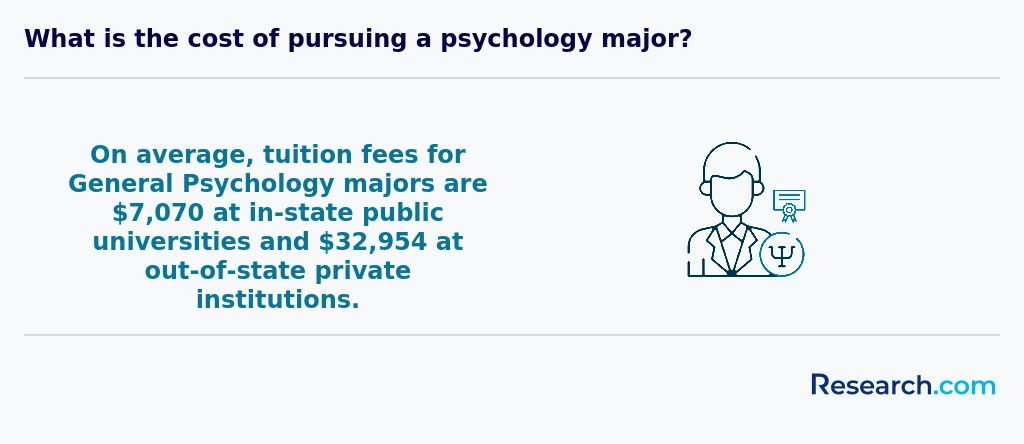
The average cost of pursuing a psychology degree in Washington varies, but in-state tuition at well-known public universities, like the University of Washington, runs around $12,000 per year for undergraduates as of 2023. Many graduates share how this investment felt manageable due to the availability of financial aid and scholarships tailored to psychology students, which often ease the financial burden significantly.
Students at institutions such as Washington State University or Seattle University find that the cost not only covers coursework but opens doors to invaluable experiences like internships and lab work. These practical opportunities enrich their education far beyond textbooks and lectures, fostering confidence in their chosen path.
When considering programs, it's essential to weigh tuition costs against the support services offered-things like career advising and hands-on research projects that prepare you for real-world roles in psychology. Graduates often reflect on how these programs were well worth their cost, given the strong foundation they gained for professional licensure and clinical practice.
Where can I work with psychology degree in Washington?
With a psychology degree from institutions like the University of Washington or Washington State University, you'll find yourself stepping into a vibrant landscape of career opportunities in Washington. Graduates often thrive as mental health counselors or behavioral specialists, especially in mental health clinics and rehabilitation centers, where growth is strong and the work feels deeply rewarding.
Many alumni share how working in Seattle's hospitals or VA medical centers allowed them to apply their skills directly in patient care, providing therapy and evaluations that truly make a difference. Others find fulfilling roles in education, serving as school psychologists in dynamic school districts like Seattle Public Schools, where they support student well-being and learning.
Government agencies and social service organizations offer meaningful chances to help vulnerable communities, while research roles at top universities let graduates dive into groundbreaking psychological studies. For those drawn to private sector jobs, Seattle's tech and business firms eagerly seek psychology experts for human resources, marketing, and UX research, blending science with innovation.
Graduates with a psychology degree in Washington can expect a variety of salary prospects depending on their chosen career paths and level of education. For example, those stepping into roles like Human Resources Specialist often see mean annual wages around $76,060, leveraging their understanding of human behavior in corporate settings. Marketing Research Analyst positions offer slightly higher rewards, with mean yearly earnings near $83,190, especially appealing to graduates from universities like the University of Washington who combine psychology with data analysis skills.
Many recent graduates start in clinical research roles, such as Clinical Research Associates or Survey Researchers, both averaging about $62,370 annually. These roles provide hands-on experience in healthcare or social research environments, often found near Seattle's vibrant medical research community. Childcare Worker roles, with mean wages around $32,070, attract those passionate about early development, commonly pursued by those who studied psychology at colleges like Seattle Pacific University.
Washington's diverse job market means your psychology degree could open doors to fulfilling careers in multiple industries, each offering competitive salaries. The key is to match your passion with the right specialization and location to maximize your earning potential and personal satisfaction.
- Tuition for a bachelor's in psychology at public universities in Washington ranges from $9,000 to $12,000 per year for in-state students, while private schools often charge over $35,000 annually.
- Programs in Washington focus on both theory and practical experience, offering internships and research opportunities.
- Entry-level psychology jobs in Washington pay around $50,000 annually, with licensed psychologists earning between $80,000 and $110,000 per year.
- The job market for psychology professionals is growing about 14% over the next decade due to high demand in healthcare and social services.
- A doctoral degree is required for independent psychology practice, but many counseling and behavioral health roles accept a master's degree.
Completing a psychology degree in Washington is a rewarding journey that varies by your chosen path. For example, many graduates from the University of Washington find that earning a bachelor's degree takes about four years of full-time study, balancing general education with core psychology courses. This timeline allows you to build a strong foundation without feeling rushed.
Those who pursue a master's degree, say at Western Washington University, often spend an additional two to three years deepening their expertise through specialized coursework and research. This phase feels like a meaningful step forward, where you start shaping your career goals in fields like clinical or counseling psychology.
Doctoral programs in Washington, embraced by students at institutions like Seattle Pacific University, typically require five to seven years. This includes rigorous coursework, internships, and vital supervised hours needed for licensure, making the process intense but incredibly fulfilling. Many describe this period as challenging yet deeply transformative, preparing them to make a real difference in their communities.
Choosing an APA-accredited program is the first step toward a career as a licensed psychologist in Washington, DC. The American Psychological Association (APA) sets rigorous standards for curriculum, faculty qualifications, and practicum requirements. Prospective students should verify both regional accreditation (Middle States Commission on Higher Education) and discipline-specific accreditation by APA to ensure eligibility for licensure. After graduation, candidates must complete supervised clinical hours and pass national and DC-specific exams: • EPPP (Examination for Professional Practice in Psychology): A national standardized test required by most states. • DC Jurisprudence Exam: Covers local regulations, ethics, and the DC Board of Psychology’s rules. • Supervised Experience: At least 2,000 post-doctoral hours under a licensed psychologist, including direct client contact and case supervision. Continuing education is mandatory to maintain licensure. Licensed psychologists in DC must complete 30 hours of approved CE every two years, with at least 3 hours devoted to ethics. For those exploring cost-effective programs beyond DC, consider our Inexpensive Psychology Degree Programs Ranking in Hattiesburg, MS to compare accreditation and affordability.
Choosing between an online or on-campus psychology degree in Washington often comes down to how you want to learn and live your daily life. Graduates from the University of Washington often recall how face-to-face classes and campus resources like research labs helped them build strong connections and get hands-on experience through local internships. This immersive environment fosters a sense of community and professional growth that energizes many students.
On the other hand, graduates of Central Washington University's online program frequently share how the flexible schedule allowed them to balance work, family, and studies without sacrificing quality. Online platforms let you pace yourself with asynchronous lectures, perfect if your life is busy or unpredictable.
Whether you thrive in-person or online, understanding the practical nature of training is crucial. On-campus students can more easily access supervised clinical experiences, which are essential for licensure, while online students often arrange local placements on their own. Some hybrid programs cleverly combine the best of both worlds, offering strong flexibility with in-person pragmatics to deepen your real-life skills.
Graduates of psychology programs in Washington, DC often report strong returns on investment, balancing tuition costs against early-career earnings and long-term professional growth. A recent alumni survey found that within five years of graduation, 67% of bachelor’s degree holders surpassed their cumulative debt through salaries in roles such as Human Resources Specialist and Clinical Research Associate. With average starting salaries ranging from $57,000 to $73,000, many alumni recoup tuition expenses in under four years, making a psychology degree in DC a financially sound choice. Beyond salary metrics, the true ROI includes access to DC’s extensive professional networks. Alumni frequently secure federal agency internships, nonprofit partnerships, and research fellowships at institutions like the National Institutes of Health. These connections accelerate career advancement, leading to leadership roles in organizational psychology, policy advising, and clinical practice. One graduate noted that mentorship opportunities at George Washington University helped her transition to a six-figure role in industrial-organizational consulting within seven years of graduation. To maximize return on investment, prospective students should consider financial planning strategies such as accelerated payment plans and targeted scholarships. Washington, DC institutions often offer need-based grants that can cut out-of-pocket expenses by up to 40%. Additionally, graduates pursuing specialized certifications-such as board-certified behavior analysts or licensed professional counselors-report an average salary increase of 15% within two years of credentialing. For those weighing the cost against alternative markets, exploring more affordable programs can enhance ROI further. For example, our Inexpensive Psychology Degree Programs Ranking in Hattiesburg, MS highlights options where tuition is 30–50% lower than DC averages, while still delivering strong post-graduation outcomes.
For students pursuing a psychology degree in Washington, the average cost can be a decisive factor in planning your academic journey. Typically, the median total cost for completing a psychology degree in Washington stands around $77,794, with in-state students paying roughly $58,378. Graduates from well-known universities in the state often share how careful budgeting and using available financial resources helped them manage these expenses without compromising their educational goals.
Living in vibrant cities such as Seattle or Tacoma can add notable expenses, especially in housing and daily costs, which many psychology students account for while budgeting. The total expenses for psychology degree Washington state students include tuition, books, fees, and these living costs, making it essential to plan early and seek support through financial aid or scholarships. Many students testify that scholarships aimed specifically at psychology or social sciences significantly eased their financial burden, allowing them to focus on their passion without constant financial stress.
If you're exploring options beyond Washington, it's helpful to compare costs and explore alternatives such as the cheapest psychology programs in district of columbia. Staying informed and proactive about all costs related to your education will empower you to navigate your path confidently and embrace the rewarding journey ahead as a psychology student.
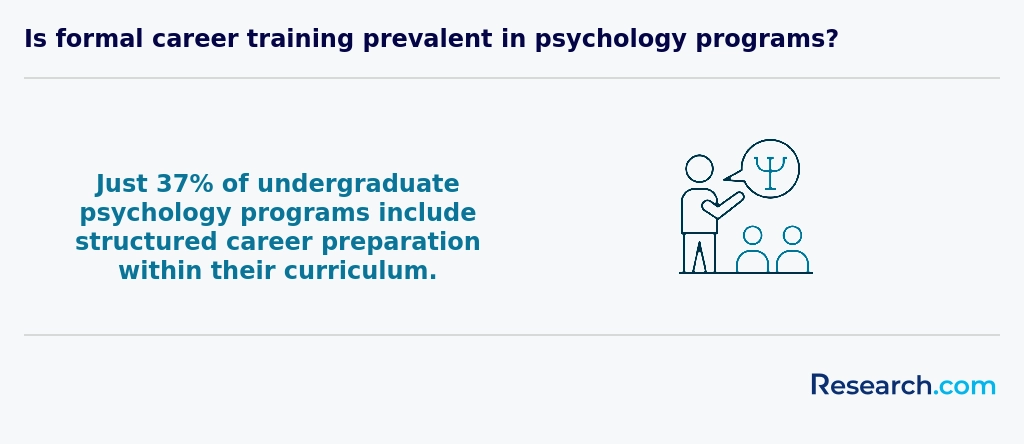
Pursuing a psychology degree in Washington, DC, can be a significant investment, but there are options available for those looking to manage costs. For students seeking affordable alternatives, exploring cheapest psychology programs in district of columbia can be a prudent step. Many institutions in the area offer competitive pricing, scholarships, and financial aid to help make a psychology education more accessible. By considering factors such as tuition fees, living expenses, and potential financial assistance, aspiring psychologists can find a program that fits their budget and sets them on the path to a rewarding career in psychology. Additionally, some universities offer online or part-time programs, which can provide flexibility and help reduce costs associated with traditional on-campus study. Ultimately, understanding the affordability options available can empower students to make informed decisions about their educational investments and future careers in psychology.
Many psychology students in Washington find relief through federal aid by completing the FAFSA, unlocking access to grants like the Pell Grant, which can cover thousands annually. Imagine attending the University of Washington, balancing studies with a federal work-study job on campus-earning money while gaining valuable experience in mental health services.
State aid, such as the Washington College Grant, is a game-changer for residents. Graduates from Central Washington University often share how this grant eased financial worries by covering much or even all of their tuition, making their dream of a psychology degree attainable without overwhelming debt.
Don't overlook scholarships from universities or professional groups. For example, students at Seattle Pacific University frequently tap into merit-based scholarships or those offered by the American Psychological Association, which supports graduate research and fellowship opportunities.
Community foundations and local health employers also offer tuition assistance, especially if you're committed to working in mental health after graduation. Connecting with your school's financial aid office early can unlock these invaluable resources and keep your goals within reach.
Embarking on a professional psychology career in Washington, DC requires more than just earning a degree; it demands navigating a clear path to licensure and certification. In DC, candidates must first complete a doctoral degree in psychology from an APA-accredited program and accrue at least 1,750 hours of supervised professional experience-divided between predoctoral and postdoctoral internships-before applying to the DC Board of Psychology. Once supervised hours are verified, applicants must pass the Examination for Professional Practice in Psychology (EPPP) and the DC jurisprudence exam, demonstrating both clinical competency and knowledge of local regulations. For those interested in specialized practice, such as behavior analysis, obtaining Board Certified Behavior Analyst (BCBA) credentials can open doors to clinical and educational settings. Students exploring this route may consider the most affordable bcba online programs, which provide foundational coursework and supervised practicum hours designed to meet the Behavior Analyst Certification Board’s requirements. Completing a BCBA program not only enhances one’s expertise in applied behavior analysis but also complements a psychology background by equipping practitioners to design effective behavior intervention plans. Beyond initial licensure, Washington, DC mandates ongoing professional development; licensed psychologists must complete 40 continuing education hours every two years, including six hours in ethics. These requirements ensure that practitioners stay current with emerging research, therapeutic modalities, and ethical standards-solidifying public trust and enhancing the overall quality of mental health services in the region.
When aiming to enroll in a psychology degree in Washington, the journey begins with solid academic preparation. Graduates from well-regarded state universities often recall how completing high school courses in biology, chemistry, and statistics gave them a confident foundation. These subjects are frequently expected or highly recommended, helping you grasp essential concepts before diving deeper into psychology.
Many programs, especially at public universities, still consider SAT or ACT scores, although some schools are moving to test-optional policies, reflecting a welcoming flexibility. Imagine a student at a popular Washington university feeling encouraged by this shift, opening doors that might have seemed daunting before. Staying on top of each institution's specific requirements is crucial.
For those pursuing graduate studies, having completed extensive psychology coursework during your undergraduate years-including statistics and research methods-is a common prerequisite. Graduate hopefuls also benefit from gaining relevant experience, like volunteering in clinical settings or assisting with research, which makes their applications resonate more deeply with admissions committees.
Finally, keep in mind that Washington's public universities often offer transfer pathways from community colleges, providing a supportive and affordable route that many successful students have taken to meet prerequisites without overwhelming costs.
As the field of psychology continues to evolve, prospective students must not only consider current program offerings but also keep an eye on emerging trends and success strategies that pave the way for long-term career fulfillment. Today’s academic landscape is shifting toward increased integration of technology in research, innovative teaching methods, and an emphasis on real-world problem solving. For instance, students who embrace digital tools for research and online collaboration are finding that they can expand their network beyond traditional classroom boundaries. This proactive approach is essential as employers increasingly value adaptability and technological fluency. In addition, students who strategically plan their education by aligning coursework with future industry trends tend to see greater advancement in their careers. Developing expertise in areas such as neuropsychology or behavioral analytics can set one apart in competitive job markets. Another critical strategy involves leveraging flexible learning opportunities; for example, enrolling in a fast accelerated masters of psychology online degree program can allow students to fast-track their studies while balancing work or personal commitments. By staying informed about technological innovations, seeking mentorship from successful alumni, and continuously honing soft skills such as critical thinking and communication, students can position themselves as future leaders in psychology. Embracing these trends not only enhances the academic experience but also prepares graduates to respond to the dynamic needs of the mental health field over the coming years.
When you dive into a psychology degree in Washington, you'll quickly find yourself exploring a rich mix of courses designed to build a solid foundation. At universities like the University of Washington or Seattle University, students often start with General Psychology, giving them a broad overview of key theories and research methods. Graduates frequently share how this course opens their eyes to the vast field they're entering, sparking excitement for what's ahead.
Courses like Biological Psychology connect the dots between brain function and behavior, making complex ideas tangible-as if you're uncovering the secrets of your own mind. Cognitive and Developmental Psychology help students relate classroom knowledge to real people's experiences, from childhood growth to aging.
Washington programs emphasize practical learning through Clinical or Counseling Psychology classes, often paired with internships. Graduates often reflect on how these experiences boosted their confidence and fueled their passion for helping others in the community.
Social Psychology and Research Methods round out studies, preparing you to understand group dynamics and conduct meaningful research-skills that local mental health and social service sectors highly value.
Psychology degree specializations in Washington offer vibrant pathways to match your passions and career ambitions. Many graduates from universities like the University of Washington find themselves drawn to clinical psychology, where they learn to evaluate and treat mental health conditions with compassion and skill. Others at Western Washington University thrive in counseling psychology, gaining tools to support individuals through life's challenges in community settings.
For those inspired by science, experimental or research psychology provides rigorous training in data analysis and research design, often with hands-on opportunities at research-focused institutions. Industrial-organizational psychology stands out as a dynamic option for students eager to transform workplaces and improve employee wellbeing-something graduates of Seattle's universities cite as particularly rewarding.
Exploring the best psychology majors in Washington state also means discovering specialties like child and adolescent psychology or forensic psychology, allowing you to focus on unique populations. Many students deepen their expertise by pursuing certificates or electives. For flexible learners, consider looking into a fast accelerated masters of psychology online degree program that suits your schedule and goals.
Choosing the best psychology degree programs in Washington begins with looking at the school's accreditation and how well its curriculum matches your career dreams. Graduates from the University of Washington, for instance, often share how the program's emphasis on research and hands-on clinical experience prepared them deeply for real-world challenges. If your goal is to become a licensed psychologist or counselor, prioritize programs that include essential practicum hours and internships, which are crucial for licensure in the state.
Many students find that balancing costs with quality is key. Public universities and community colleges in Washington offer affordable psychology colleges Washington state students appreciate for in-state tuition rates, but private schools provide unique resources and networking opportunities. Also, exploring options with online or hybrid formats can make your studies manageable if you have other commitments. Some students benefit from financial aid or specialized grants, so keep those in mind as you plan ahead.
Don't overlook how programs support your future licensing and certifications. Schools like Seattle University provide excellent faculty guidance and diverse research opportunities, helping you develop expertise in areas you're passionate about. For those searching for flexible, budget-friendly paths, you might check out the most affordable bcba online programs to complement your psychology training with valuable behavior analysis skills.
If you're pursuing a psychology degree in Washington, you have vibrant career paths ready to explore. Many graduates find themselves drawn to clinical roles, becoming licensed psychologists or counselors after earning doctoral degrees and completing state licensure. Washington's growing need for mental health professionals means hospitals, private practices, and community centers eagerly seek experts passionate about making a difference. This demand creates inspiring opportunities for those ready to support mental health across the state.
Jobs with psychology degree Washington state also include human resources and organizational development roles, especially in tech-centric cities like Seattle. Graduates often leverage their understanding of human behavior to enhance workplace well-being and productivity, blending psychology with business savvy for a rewarding career. Others choose educational routes, working as school counselors or educational psychologists in Washington's public schools, using their expertise to support student growth and overcome challenges.
Research opportunities abound at institutions like the University of Washington, where graduates engage in innovative projects shaping the future of psychology. For students concerned about costs, programs vary widely; you might find helpful guidance in the Inexpensive Psychology Degree Programs Ranking in Hattiesburg, MS to manage tuition wisely. These diverse options ensure that your investment in a psychology degree aligns with meaningful, fulfilling careers here in Washington.
The psychology job outlook in Washington offers exciting promise for graduates, with employment expected to grow faster than the national average. Graduates from well-known institutions like the University of Washington often find rewarding roles in clinical, counseling, and school psychology, supporting the state's expanding focus on mental health. Many enjoy fulfilling careers in Seattle's diverse healthcare settings or educational systems, where the demand for skilled professionals is strong.
Employment opportunities for psychology graduates Washington-wide extend beyond traditional pathways. Increasingly, psychologists are welcomed into government agencies and private practices, while the growing tech industry creates unique roles in organizational psychology. Washington State University graduates frequently share optimistic stories about using their skills to improve workplace dynamics or develop innovative mental health programs.
If you're exploring your education options, consider that public universities in Washington offer reasonable tuition rates, typically between $9,000 and $12,000 annually. For those looking to jumpstart their careers quickly, it may be worth exploring the top 6-month associate degree programs online as a stepping stone toward a psychology degree and the many opportunities ahead.
2027 Best Psychology Degree Programs Ranking in Washington
Investing in your education is a significant decision that can impact your future, and the Research.com team is deeply committed to helping you make informed choices. To support students interested in psychology, we have carefully developed the "2027 Best Psychology Degree Programs Ranking in Washington." Our dedication to quality, credibility, and accuracy is demonstrated through thorough research and analysis behind this ranking. We utilized the following reputable data sources to ensure a comprehensive evaluation of psychology programs:
By consulting this ranking, readers will gain valuable insights into the top psychology degree programs in Washington, enabling them to confidently choose the educational path that best fits their goals. For more information on how this ranking was created, please visit our Research.com methodology page.


Frequently Asked Questions About psychology
Psychology degree students in Washington can maximize their learning experience by engaging in practical opportunities such as internships or research assistant positions. The state hosts universities like the University of Washington, where psychology programs emphasize both theory and hands-on learning.
Participating in community-based programs or volunteering with mental health organizations can deepen understanding and provide real-world application of classroom concepts. According to the Washington Student Achievement Council, students involved in experiential learning demonstrate higher retention rates and develop critical professional skills.
Additionally, leveraging resources such as academic advising and joining psychology clubs or honor societies can enhance networking and academic support. Staying updated on the latest psychological research through access to university libraries also contributes significantly to mastering course material.
The psychology field in Washington is expanding into several emerging niches that reflect modern societal needs and scientific advancements. One growing area is neuropsychology, which combines psychology and neuroscience to study brain-behavior relationships. Washington's strong research institutions support this trend, offering specialized training.
Another promising niche is health psychology, focusing on how psychological factors influence physical health and chronic illness management. This field aligns with increased healthcare demands statewide.
Ecopsychology is also gaining attention in Washington, linking environmental issues with mental health, an area relevant given the state's emphasis on sustainability.
Lastly, technology-based psychology, including telepsychology and AI applications, is rapidly evolving, responding to digital transformation in mental health services.
To prepare for the job market after completing a psychology degree in Washington, students should focus on gaining relevant experience through internships or volunteer positions. The state offers various opportunities in healthcare, social services, and education sectors, which are key employers of psychology graduates. Building professional networks by joining organizations like the Washington Psychological Association can also enhance job prospects.
Further, obtaining certifications related to mental health or counseling may increase employability. According to the U.S. Bureau of Labor Statistics, psychology-related jobs in Washington are projected to grow by 10% through 2030, highlighting the importance of practical skills alongside academic credentials.
Employers in Washington increasingly value psychology degree graduates who demonstrate strong research and analytical skills. According to the Washington Workforce Training and Education Coordinating Board, data interpretation and the ability to apply statistical methods are crucial for roles in clinical and counseling psychology.
Communication skills are also essential. Graduates must effectively convey complex psychological concepts to diverse populations, including clients and multidisciplinary teams. The U.S. Bureau of Labor Statistics highlights that interpersonal skills improve job performance in this field.
Additionally, employers look for proficiency in ethical decision-making, cultural competence, and familiarity with evidence-based practices, all vital in Washington's diverse communities and healthcare settings. These skills increase employability in both public and private sectors.
Finding psychology internships in Washington requires a proactive approach. Start by contacting your university's career services, as many schools partner with local clinics, hospitals, and mental health organizations. Washington hosts several renowned institutions like the University of Washington, which often offers internship listings tailored for psychology students.
The Washington State Psychological Association (WSPA) provides resources and networking opportunities, helping students connect with licensed professionals who offer internship placements. Additionally, check government and nonprofit websites; for example, the Washington State Department of Health and community mental health centers frequently offer internship programs.
National databases such as the American Psychological Association's internship directory also list opportunities in Washington, with over 100 APA-accredited sites statewide, increasing chances for practical experience.
Obtaining a psychology degree in Washington significantly enhances career mobility and advancement opportunities. According to the U.S. Bureau of Labor Statistics, employment for psychologists in Washington is projected to grow 12% from 2020 to 2030, faster than the national average. This growth reflects expanding demand in healthcare, education, and business sectors.
The degree opens pathways from entry-level roles to advanced clinical, research, or counseling positions. Licensed psychologists in Washington typically need a doctoral degree and supervised experience, which enhances job prospects and earning potential.
Moreover, employers in Washington often value graduates familiar with state-specific mental health regulations, boosting competitiveness in the local job market. Overall, a psychology degree offers a broad foundation to adapt and progress within evolving career landscapes.
Studying for a psychology degree in Washington offers a strong foundation for interdisciplinary roles by emphasizing collaboration across fields such as healthcare, education, and business. Many universities integrate courses in neuroscience, social sciences, and data analysis to develop versatile skills.
Washington's proximity to major research institutions and healthcare organizations provides students access to internships that foster teamwork with professionals from varied disciplines. According to the National Center for Education Statistics, Washington awards over 2,000 psychology bachelor's degrees annually, reflecting robust program availability.
This diverse educational approach equips graduates to contribute effectively in settings like mental health agencies, schools, and corporate environments.
Choosing between a thesis and a non-thesis psychology degree program in Washington depends largely on your career goals and interests. A thesis program emphasizes research, requiring original data collection and analysis, which is ideal if you plan to pursue a doctoral degree or a research career. The non-thesis option focuses more on coursework and practical skills, suitable for students aiming for applied roles such as counseling or human services.
Washington hosts multiple accredited universities offering both paths, including the University of Washington, which reports that about 40% of its psychology master's students opt for thesis tracks. The decision also affects program length, with thesis routes often taking longer due to research commitments.
Consulting program advisors and reviewing faculty expertise can help match your interests with the appropriate track. State licensure requirements should also be considered, as applied professions may favor non-thesis programs with practicum components. Reliable data on graduation outcomes can be found through the National Center for Education Statistics or specific Washington university websites.
Students based in Washington seeking to study psychology abroad have multiple pathways to consider. Many universities in Washington, such as the University of Washington, offer exchange programs with partner institutions across Europe, Asia, and Australia. These programs typically last one semester to one academic year and provide exposure to international psychological research and practices.
Additionally, Washington students can pursue online psychology degrees from accredited foreign universities, combining global curricula with local flexibility. According to NAFSA data, approximately 3,000 Washington residents study abroad annually, with psychology being among the popular majors.
Financial aid and scholarships specifically for education abroad often support psychology students, making these opportunities more accessible.
Part-time job opportunities in Washington that complement psychology degree education are diverse and practical. Common roles include research assistant positions at universities such as the University of Washington, where students can gain hands-on experience with psychological studies and data analysis.
Other options involve working as a behavioral technician or aide in clinics, supporting mental health professionals with patient care. These roles help students apply theory to real-world settings and develop essential interpersonal skills.
Additionally, many students find part-time work in crisis hotlines or community outreach programs, which strengthens communication and empathy.
According to the Washington State Employment Security Department, mental health support occupations in the state are projected to grow 15% through 2030, increasing opportunities.
Psychology students in Washington benefit from various networking opportunities through universities, professional organizations, and community events. Many colleges, such as the University of Washington and Seattle University, offer psychology clubs and honor societies that connect students with peers and faculty. These connections help build professional relationships early in academic careers.
Statewide, the Washington Psychological Association hosts conferences and workshops, providing valuable interaction with licensed psychologists and researchers. Such events encourage mentorships and job leads.
Additionally, internship programs in nearby hospitals and counseling centers often include networking components, boosting students' chances of employment after graduation. According to the U.S. Bureau of Labor Statistics, Washington's growing demand for clinical psychologists highlights the importance of early professional networking.
Alumni networks play a significant role in supporting psychology degree students in Washington by providing access to professional connections and job opportunities. Graduates from Washington universities such as the University of Washington benefit from strong alumni groups that often share career advice and internship leads.
According to the National Association of Colleges and Employers, students involved in alumni networks are 61% more likely to secure employment within six months after graduation. In Washington, where psychology-related roles grow steadily, these networks connect students with experienced practitioners across clinical, counseling, and research settings.
Moreover, alumni frequently organize workshops, mentoring programs, and local events, helping students build both practical skills and professional confidence during their studies.
Customizing a psychology degree program in Washington can significantly enhance your career readiness. Many universities offer elective courses allowing you to specialize in areas such as clinical, counseling, or industrial-organizational psychology. For example, the University of Washington provides options to focus on research or applied psychology, tailoring studies to your goals.
Furthermore, students can gain practical experience through internships or research projects offered by institutions in the state. According to the National Center for Education Statistics (NCES), about 65% of psychology graduates in Washington engage in applied learning opportunities, which improve job prospects.
Choosing a program with flexible scheduling or part-time options can also help if you are balancing work or family commitments. Lastly, consider programs that emphasize licensure preparation if you aim to become a licensed psychologist in Washington, as state requirements include supervised hours and specialized coursework.
Psychology students in Washington face several common challenges during their academic journey. One primary difficulty is managing the rigorous coursework, which often includes advanced statistics, research methods, and various psychology subfields. According to the Washington State Board for Community and Technical Colleges, around 40% of psychology students find the quantitative components especially demanding.
Additionally, gaining practical experience through internships or supervised clinical hours can be competitive, as many students vie for limited placements in healthcare facilities and counseling centers. The Washington State Department of Health notes that licensure requirements involve accumulating substantial supervised hours, which can delay graduation timelines.
Financial strain is also a concern, with tuition and living costs in cities like Seattle being relatively high compared to many U.S. regions. Balancing part-time work with academic responsibilities adds pressure. Mental health challenges among psychology students themselves are rising, as reported by the American Psychological Association, making support services essential. Overall, these hurdles require strong time management and resilience.
With a psychology degree in Washington, graduates can pursue various professional certifications to enhance their career opportunities. One prominent certification is becoming a Licensed Mental Health Counselor (LMHC), which requires passing the National Clinical Mental Health Counseling Examination and completing supervised clinical hours. Another key credential is the Licensed Psychologist license, often requiring a doctoral degree plus state-approved exams.
Additionally, Washington offers certification as a Certified Alcohol and Drug Counselor (CADC), appealing to those interested in substance abuse treatment. Credentials like the Board Certified Behavior Analyst (BCBA) are also available for applied behavior analysis specialties. These certifications can significantly boost employability and earning potential in the state. Data from the Washington State Department of Health shows growing demand in these fields through 2030.
Applying to psychology programs in Washington requires a clear, well-organized approach. Start by researching schools carefully, emphasizing those accredited by the American Psychological Association (APA), such as universities like the University of Washington. Admissions committees value applicants who demonstrate strong academic performance, especially in psychology-related coursework, with many programs expecting a minimum GPA of 3.0.
Highlight relevant experience in your application, including any research, internships, or volunteer work in mental health settings. Washington state has numerous opportunities in diverse clinical and counseling environments, which applicants should showcase to reflect practical knowledge.
Personal statements should articulate your career goals and how the program fits your aspirations clearly and concisely. Include standardized test scores like the GRE if required, noting that some Washington schools have recently made them optional due to shifting admissions policies.
References from professors or professionals familiar with your academic or experiential background are crucial. According to the National Center for Education Statistics, psychology remains one of Washington's most popular majors, making competition high. Thus, a thorough, honest, and focused application is essential to stand out.
Psychology careers in Washington benefit from a global demand for mental health professionals, driven by increasing awareness of psychological well-being. In the United States, including Washington, the Bureau of Labor Statistics projects a 8% growth in psychologists' employment between 2022 and 2032, reflecting strong opportunities.
Globally, psychology professionals are valued for diverse roles, from clinical practice to research and organizational consulting. Washington's universities align with international standards, preparing graduates to work in multicultural and global contexts.
International collaboration in psychological research is common, with Washington-based programs often emphasizing cross-cultural competence. This skill is vital as mental health challenges and approaches vary worldwide.
Gaining practical experience while studying for a psychology degree in Washington is essential for career readiness. Many universities in Washington offer internship programs connected with local clinics, hospitals, and community organizations, allowing students to apply classroom knowledge in real-world settings.
Students can also participate in research assistantships, which are commonly available in psychology departments. These roles help develop skills in data collection and analysis under faculty supervision. For example, the University of Washington's psychology program emphasizes research opportunities for undergraduates.
Additionally, volunteering at mental health facilities or social service agencies in Washington provides valuable exposure to client interactions and psychological assessment practices. Washington state's Department of Social and Health Services supports internships that build professional experience.
Maintaining active involvement in these practical opportunities can significantly enhance employability after graduation.
Choosing the right concentration within a psychology degree program in Washington involves considering your career goals and interests. Common concentrations include clinical, counseling, developmental, and industrial-organizational psychology. Each focuses on different aspects of human behavior and workplace dynamics.
Research local job market trends; for instance, the Washington Employment Security Department reports a growing demand for clinical psychologists and counselors. Selecting a concentration aligned with these trends can improve employment prospects.
Additionally, examine program offerings at Washington institutions like the University of Washington or Washington State University to find concentrations that match your interests. Accreditation and faculty expertise are important factors to ensure quality education and licensure eligibility.
Many students also consider concentrations that offer pathways to licensure, such as clinical psychology, which typically requires supervised experience and passing state exams.
- 2027 Best Psychology Degree Programs Ranking in Baltimore
- 2027 Best Psychology Degree Programs Ranking in New York
- 2027 Best Psychology Degree Programs Ranking in New Haven
- 2027 Best Psychology Degree Programs Ranking in Albany
- 2027 Best Psychology Degree Programs Ranking in Springfield
- 2027 Best Psychology Degree Programs Ranking in Amherst
- 2027 Best Psychology Degree Programs Ranking in Worcester
- 2027 Best Psychology Degree Programs Ranking in Cambridge
- 2027 Best Psychology Degree Programs Ranking in Boston
- 2027 Best Psychology Degree Programs Ranking in Detroit
See What Experts Have To Say About Studying Psychology
Read our interview with Psychology experts

Elizabeth L. Jeglic Ph.D.
Psychology Expert
Professor of Psychology
City University of New York

Robin M. Kowalski. Ph.D.
Psychology Expert
Professor of Psychology
Clemson University

Joann Farrell Quinn, Ph.D., MBA
Psychology Expert
Director at the College of Medicine Department of Medical Education
Morsani College of Medicine

- A Guide to Psychology Internships | Psychology Degree Guide https://psychologydegreeguide.org/resources/internships/
- How to help students cope with mental health challenges https://www.eaie.org/resource/help-students-cope-mental-health-challenges.html
- Psychology Online Degree Pathway https://www.learndirect.com/course/psychology-online-degree
- Psychology - SWPS University https://english.swps.pl/academics/warsaw/ba-programs/psychology
- Study Psychology Abroad | Go Overseas https://www.gooverseas.com/study-abroad/psychology
- Study Psychology Abroad https://astarfuture.co.uk/study_psychology_abroad.html
- Psychology - School of Interdisciplinary Arts & Sciences https://www.uwb.edu/ias/undergraduate/majors/psychology
- Community Psychology in Global Perspective http://siba-ese.unisalento.it/index.php/cpgp
- Know more about thesis vs non- thesis: what is the difference? https://studyfans.com/en/blogs/816
- Psychology Degree Requirements | University of Bridgeport https://www.bridgeport.edu/news/psychology-education-requirements/





