
2027 Most Affordable Psychology Degree Programs Ranking in San Francisco

Co-Founder and Chief Data Scientist
Are you considering pursuing a psychology degree in San Francisco without breaking the bank? This article introduces the 2027 Most Affordable Psychology Degree Programs Ranking in San Francisco, developed by the Research.com team of data scientists. It's designed to help students like you make informed decisions about where to study psychology.
Exploring affordable programs means more opportunities to focus on your passion and career goals. A psychology degree can open doors to meaningful work and personal growth. Dive in to discover options that fit your budget and aspirations.
Key benefits of getting psychology degree in San Francisco
- Salary benefits: Psychology graduates in San Francisco can earn competitive wages, such as Clinical Research Associates with a mean annual salary of $62,370 and Marketing Research Analysts earning around $83,190 a year. These figures highlight strong earning potential in various psychology-related fields.
- Career paths: Graduates often find fulfilling roles in mental health services, counseling, and research, leveraging their degree to make a positive impact locally. For example, a psychology graduate from a well-known San Francisco university may work in community support or corporate wellness programs.
- Online degree advantages: Earning a psychology degree online from a recognized San Francisco institution offers flexibility to balance work and study, often reducing costs and allowing personalized pacing. This option empowers students to gain skills efficiently without compromising other life commitments.
- 2027 Most Affordable Psychology Degree Programs Ranking in San Francisco
- What can I expect from psychology degree in San Francisco?
- Where can I work with psychology degree in San Francisco?
What can I expect from psychology degree in San Francisco?
The average cost of earning a psychology degree in San Francisco varies depending on the institution and residency status, but many students find that public universities like San Francisco State University offer more affordable tuition for in-state residents, making high-quality education accessible. Graduates often recall balancing this investment with rewarding practicum experiences in local hospitals and community agencies, where real-world learning transforms theory into meaningful impact.
Many students pursuing graduate degrees, especially at institutions such as the University of San Francisco, recognize that although tuition may be higher, the hands-on clinical training and extensive internship opportunities truly enrich their career paths. Scholarships and financial aid tailored to psychology students have helped many manage costs, allowing them to focus on their passion for understanding human behavior and contributing to mental wellness in a vibrant, diverse city.
Ultimately, the personal growth, practical skills, and career prospects gained often outweigh financial concerns, inspiring students to embrace their educational journey fully and confidently in San Francisco's dynamic academic environment.
Where can I work with psychology degree in San Francisco?
Graduates with a psychology degree in San Francisco enjoy a wide array of rewarding career paths enriched by the city's dynamic mental health and business scenes. Many find fulfillment working in hospitals, clinics, and community centers, where their skills actively improve lives every day. For example, alumni from UCSF often share how their hands-on experience in behavioral health programs opened doors to impactful clinical roles that make a real difference.
Others thrive in social service agencies that support vulnerable groups such as children and seniors. Graduates feel proud contributing to nonprofit initiatives like those led by the San Francisco Mental Health Board, helping design programs that truly empower communities.
School districts also seek psychology graduates to foster student well-being, creating environments where young people can flourish. Career paths extend further into San Francisco's vibrant tech and corporate sectors, where expertise in human behavior drives innovation in workforce engagement and market research.
Research opportunities at institutions like UCSF inspire graduates passionate about advancing psychological science, making San Francisco a nurturing ground for ambitious minds eager to shape the future of mental health.
Graduates with psychology degrees from San Francisco universities often find themselves stepping into fulfilling roles with promising salaries. Entry-level positions such as research coordinators or clinical research associates typically earn around $62,370 annually, which offers a strong foundation to build upon in the city's vibrant mental health and research sectors.
Many graduates from well-regarded institutions in San Francisco share stories of progressing into roles like marketing research analysts or human resources specialists, where the mean annual salaries can reach $83,190 and $76,060 respectively. These positions blend psychology knowledge with real-world business applications, creating exciting opportunities to impact organizations and communities.
Imagine starting your career contributing to innovative behavioral research or driving HR initiatives at a thriving tech company downtown. With experience, the possibilities to grow both personally and financially are vast, especially in a city that values the unique perspectives that psychology graduates bring.
- Annual tuition for in-state psychology students in San Francisco ranges from $7,000 to $12,000 at public universities and can exceed $20,000 at private schools.
- Living expenses in San Francisco are high, with rent and daily costs significantly increasing the total cost of education.
- Entry-level psychology salaries in the area start at about $50,000 yearly, above the national average for similar roles.
- Experienced professionals with advanced degrees can earn around $80,000 or more annually.
- The job market for psychologists in the San Francisco Bay Area is growing faster than the national average, especially for licensed clinical psychologists, counselors, and social workers.
- Licensure in California requires an accredited degree, supervised experience, and passing state licensing exams.
Completing a psychology degree in San Francisco is an exciting journey that typically unfolds over several rewarding years. Most undergraduates at beloved local schools like San Francisco State University and the University of San Francisco find themselves immersed in about four years of full-time study, which offers a perfect blend of academic challenge and personal growth. Many graduates fondly recall how engaging classes and vibrant campus life helped turn their passion into purpose.
For those diving deeper, a Master's degree usually takes around two years full-time, balancing advanced knowledge with real-world applications. Graduates often speak about the flexibility part-time paths offer, allowing them to thrive both in studies and their personal lives.
Meanwhile, pursuing a Doctorate such as a PhD or PsyD can span four to seven years, reflecting the dedication to research and clinical experience. At institutions like Alliant International University, students embrace these immersive programs, celebrating milestones like internships that shape them into confident professionals ready to make a difference.
Experiencing campus life in San Francisco not only enriches your academic journey but also provides an unparalleled opportunity to engage with a diverse community dedicated to mental health and personal growth. Many universities in the city offer vibrant campuses where state-of-the-art facilities, dedicated student support services, and extracurricular activities come together to create a nurturing environment for psychology students. For instance, students can benefit from counseling centers, career development workshops, and peer mentoring programs that foster both academic and personal success. Moreover, schools often partner with local mental health organizations, enabling students to network with professionals and secure internships that enhance their practical skills. Complementing on-campus experiences, several institutions also provide flexible scheduling with options such as best online masters programs in psychology, ensuring that students can balance their studies with work and personal commitments. By taking advantage of these comprehensive campus resources, prospective psychology students can expect a well-rounded education that goes beyond the classroom, preparing them for dynamic careers in the field.
Choosing between an online and an on-campus psychology degree in San Francisco comes down to your lifestyle and learning preferences. Graduates from San Francisco State University often share how the in-person experience boosted their confidence through lively classroom discussions, group projects, and hands-on clinical practice. These interactions create a strong sense of community and real-world skill development, especially valuable in psychology where human connection matters deeply.
On the other hand, online psychology students appreciate the flexibility to study at their own pace, balancing work or family commitments without sacrificing their dreams. Many appreciate how virtual courses accommodate San Francisco's busy, vibrant lifestyle, making education more accessible. Though online learners may need to arrange local practicums on their own, this independence fosters self-motivation and practical problem-solving skills that employers highly value.
Both paths dive into core psychology topics, preparing students for meaningful careers. Whether joining campus events or engaging through digital forums, students in San Francisco thrive by choosing the approach that energizes their passion and fits their life.
To navigate the financial aspects of pursuing a psychology degree in San Francisco, it's essential to consider the cost of education and explore affordable options. The city's high cost of living, combined with tuition fees, can be daunting for prospective students. However, there are several strategies to make education more accessible, including seeking financial aid, scholarships, and grants. For instance, students can look into programs offered by universities like cheapest psychology school in California, which can provide a more affordable pathway to achieving their educational goals. Additionally, online and part-time programs can offer flexibility, allowing students to balance their studies with work or other commitments, thereby reducing the financial burden. By carefully evaluating these options and planning ahead, students can make informed decisions about their educational investments, ensuring a fulfilling academic journey without overwhelming debt.
In San Francisco, the average cost of earning a psychology degree generally aligns with a median total cost of around $60,986. This figure reflects the investment students make to benefit from world-class education and vibrant city life. Graduates from institutions like San Francisco State University and the University of San Francisco often share how their education was a transformative experience, providing them with both strong academic foundations and access to rich community resources. For many, the blend of rigorous coursework and real-world opportunities justifies the financial commitment.
For students exploring affordable psychology degree programs San Francisco offers options that balance quality and cost, especially for in-state residents whose median total cost tends to be closer to $34,221. This makes studying psychology in public universities an accessible goal for many local students passionate about the field. The welcoming campus environments and supportive faculty help these students stay motivated as they advance toward fulfilling careers in psychology.
Living in San Francisco comes with a higher cost, but many students consider it a worthwhile trade-off for the invaluable cultural experiences and professional networking opportunities that arise. Many also find financial aid and scholarships to ease the burden, reflecting the community's commitment to empowering future psychologists. For those seeking pathways to reduce expenses, exploring the cheapest psychology school in California can offer practical guidance to shape a rewarding academic journey without compromising quality.
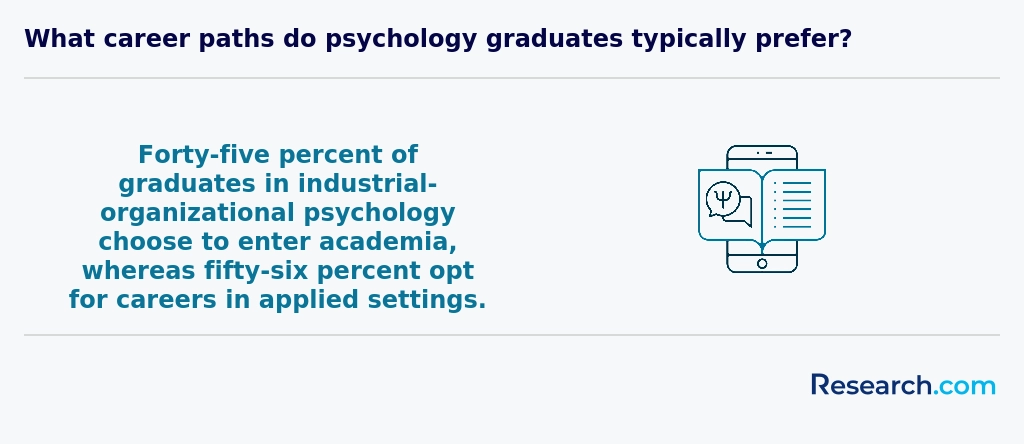
Graduates aiming to become licensed psychologists in California must navigate both accreditation standards and state licensure processes to ensure their degree leads to professional practice. • APA Accreditation: – Choose programs accredited by the American Psychological Association (APA) to meet educational requirements for licensure. – Verify accreditation status on the APA website to avoid costly delays in your career. • California Board of Psychology Requirements: – Coursework: Complete 3,000 hours of graduate-level study in core areas such as assessment, intervention, and ethics. – Supervised Experience: Accumulate 3,000 post-doctoral supervised hours under a licensed psychologist. – Examinations: Pass the Examination for Professional Practice in Psychology (EPPP) and the California Psychology Law and Ethics Exam (CPLEE). – Application: Submit transcripts, verification of supervised hours, and exam scores, along with the state application fees (approximately $600). • Timeline and Costs: – Degree Completion: 4–7 years (Bachelor’s through doctoral level), depending on program format and pace. – Licensing Process: 1–2 years to complete supervised hours and pass exams. – Fees: Expect $1,000–$2,000 in exam and application fees, plus potential costs for background checks and fingerprinting. • Doctoral Pathways: – For students balancing work and study, consider hybrid or online models. Many candidates explore psyd distance learning options that maintain APA accreditation while offering flexible schedules. – Ensure practicum and internship placements meet state requirements for supervised hours. • Verifying Program Suitability: – Contact program advisors to confirm practicum opportunities, supervision ratios, and licensure support services. – Review alumni licensure success rates and job placement data to gauge program effectiveness. By prioritizing accredited programs and understanding California’s licensure pathway, prospective psychologists in San Francisco can streamline their journey from graduation to professional practice.
Students pursuing a psychology degree in San Francisco are fortunate to access a variety of financial aid options that genuinely lighten the burden of higher education costs. Many graduates from San Francisco State University share how completing the FAFSA unlocked Pell Grants, which can cover up to $7,500 annually, transforming their college experience by easing financial stress.
State aid like the Cal Grant also plays a pivotal role. Psychology students attending UC campuses often celebrate how Cal Grant awards have helped them afford tuition, making dream programs within reach without overwhelming debt.
University-specific scholarships further this support, rewarding academic excellence and community commitment. Graduates frequently recall how these scholarships boosted their confidence and fueled their passion for psychology.
For working students, employer tuition assistance in the Bay Area can be a game-changer, steadily reducing costs while gaining valuable work experience.
Beyond this, private scholarships and carefully managed student loans create a safety net that empowers students to pursue their career goals without fear, inspiring hope and determination along the way.
When weighing the true cost of a psychology degree in San Francisco, it’s essential to evaluate the return on investment (ROI) by comparing tuition outlays and living expenses against projected earnings and career growth. On average, graduates with a bachelor’s in psychology in the Bay Area report starting salaries near $ Fifty‐eight thousand, while those who advance to a master’s or doctoral level can command $85,000 to $110,000 annually. Factoring in the average annual in‐state tuition of $7,070 and living costs upwards of $36,000, many students recoup their investment within 4–6 years of full‐time employment in positions such as clinical research associates or human resources specialists. Key considerations for maximizing ROI: • Debt‐to‐Income Ratio: Aim for programs with lower total tuition and robust financial aid packages to keep your debt‐to‐income ratio below 1.5:1. • Accelerated Pathways: Explore combined bachelor’s/master’s tracks or 3+2 options to reduce total semesters and living expenses. • Career Services: Leverage on‐campus career centers and local internships to secure higher‐paying roles immediately upon graduation. • Specialization Impact: Certain concentrations-like industrial‐organizational or health psychology-often lead to above‐average salaries, which can shorten payback periods by one to two years. For a broader perspective on affordable psychology degrees, including cost-benefit analyses in different regions, see our Cheapest Psychology Degree Programs Ranking in Cambridge, MA. By aligning program costs with long‐term earning potential and strategic career planning, prospective students can confidently invest in a psychology education that delivers measurable financial and professional rewards.
Enrolling in a psychology degree program in San Francisco starts with having a high school diploma or equivalent, laying a solid foundation of academic achievement. Many graduates from San Francisco State University recall how their strong background in English, math, and science empowered them to confidently meet these requirements and thrive in their courses. For those aiming higher, a bachelor's degree-often in psychology or a related field-is essential to unlock the doors of master's or doctoral programs at institutions like the University of San Francisco.
Applicants feel encouraged knowing that some San Francisco programs value diverse academic paths, as long as prerequisites like biology, statistics, and introductory psychology are fulfilled. Many students find support through academic advising, turning what once felt daunting into achievable steps. Letters of recommendation and personal statements become opportunities to express passion and commitment, while optional GRE waiver policies reduce barriers, allowing more hopeful minds to pursue their dreams.
With preparation and dedication, the journey to studying psychology in this vibrant city becomes a powerful chapter of growth and excitement.
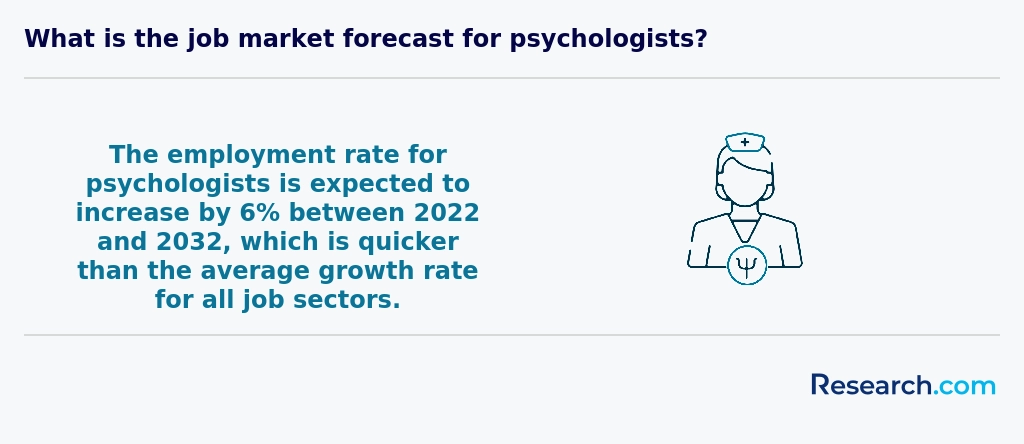
Maximize value and reduce expenses by combining campus and online options, financial aid, and time-saving pathways.
- Use California community colleges for lower-cost prerequisites before transferring to a four-year program.
- Apply early for Cal Grants, institutional scholarships, and psychology-specific awards to offset tuition.
- Work part-time, secure work-study placements or employer tuition reimbursement for steady income.
- Enroll in an accelerated psychology degree online to finish sooner and cut living and tuition costs.
Studying psychology in San Francisco means immersing yourself in courses that blend classic theory with vibrant urban insights. Graduates from local universities often share how foundational classes like introduction to psychology and research methods equipped them to think critically and engage deeply with human behavior.
Typical courses include developmental psychology, where you explore how people grow and change, and social psychology, which helps you understand the dynamics of relationships-perfect for a city bustling with diverse communities. Many students find cognitive psychology fascinating as it reveals how we process information, a skill that resonated with learners at San Francisco's top colleges.
- Biopsychology dives into the brain's role in our emotions and actions
- Personality psychology reveals the traits that make each person unique
- Psychological assessment teaches valuable tools for real-world evaluation
Classes in clinical and community psychology prepare students to make a tangible impact, offering practical techniques for meaningful change in dynamic urban environments. Electives in forensic or health psychology give you the freedom to tailor your journey, inspiring many graduates to pursue careers that truly reflect their passions within San Francisco's thriving mental health landscape.
Psychology degree specializations in San Francisco offer rich opportunities to explore diverse interests while engaging with the city's vibrant community. Graduates from San Francisco State University and City College of San Francisco often share how clinical psychology has empowered them to work directly with local mental health clinics, making a real difference in lives. Counseling psychology stands out too, with students gaining hands-on experience supporting underserved populations, a source of great personal fulfillment.
For those drawn to cognitive science, neuropsychology blends well with the innovative energy from nearby tech hubs, inspiring students to explore brain-behavior connections through interdisciplinary projects. Many find this specialization thrilling as it connects psychology with artificial intelligence and human-computer interaction.
San Francisco psychology program concentration options also include industrial-organizational psychology, ideal for students eager to impact thriving startups and tech companies. Others specialize in developmental or social psychology, drawn to the city's rich cultural diversity and social complexity. Those seeking flexible learning paths may consider the best online masters programs in psychology to deepen their expertise while balancing life demands.
Choosing the best psychology degree in San Francisco means aligning your passion with a program that fits your goals and lifestyle. Graduates from San Francisco State University often speak of how its balanced focus on theory and hands-on research helped them confidently step into clinical roles or advanced studies. For those seeking affordable psychology degree programs San Francisco offers options where tuition matches public university averages, providing value without sacrificing quality. Imagine building your expertise surrounded by a vibrant city's diverse communities, where partnerships with local hospitals and mental health clinics bring real-world experiences right to your classroom.
Many students find inspiration in programs that specialize in areas matching their interests-whether it's clinical psychology, neuropsychology, or developmental studies. Research-driven students thrive when faculty expertise translates into opportunities that ignite curiosity and growth. When considering graduate paths, exploring psyd distance learning can open doors to advanced qualifications with flexible options.
Ultimately, the best psychology schools San Francisco 2027 will be those that nourish your ambitions, support your journey, and immerse you deeply in this dynamic field.
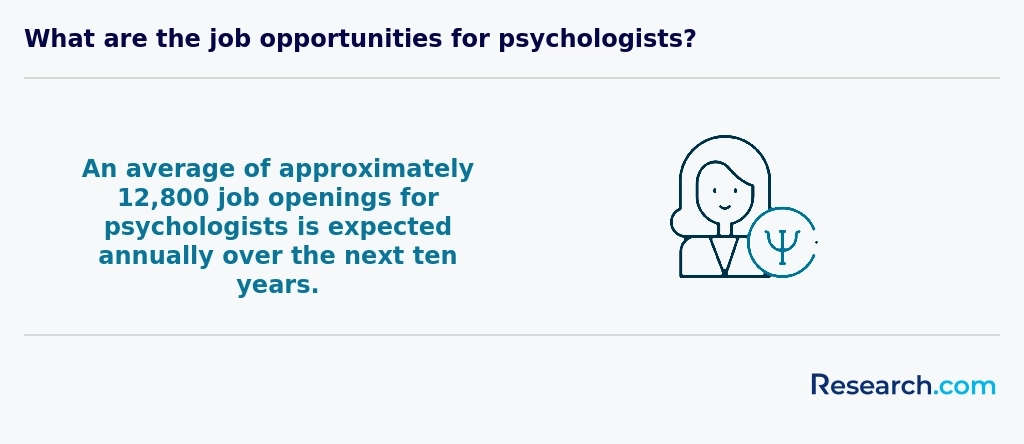
Graduates with psychology degrees in San Francisco find a wealth of inspiring career paths that truly make a difference. Many step into clinical roles, becoming licensed psychologists, counselors, or therapists who support the community in meaningful and impactful ways. Those who studied at institutions like San Francisco State University often share how their education prepared them for these rewarding, hands-on experiences. For students drawn to innovation, research positions with UCSF or tech companies allow them to explore human behavior and develop cutting-edge solutions in health and technology, perfectly aligning with the city's vibrant ecosystem.
The broad spectrum of jobs with a psychology degree in San Francisco also includes organizational psychology, where graduates enhance workplace culture and employee well-being within fast-growing startups or established firms. Others use their skills to serve in social services, educational, or forensic psychology sectors, helping to improve lives on a personal and systemic level. Prospective students should also consider tuition costs and career potential, referencing resources like the Cheapest Psychology Degree Programs Ranking in Cambridge, MA to make informed choices.
The psychology degree job outlook San Francisco is vibrant and full of promise for graduates eager to make a meaningful impact. Graduates from institutions like San Francisco State University often find rewarding careers in healthcare facilities, schools, and corporate environments. Many have shared how internships and networking opportunities in the Bay Area opened doors to roles in counseling, therapy, and behavioral research - fields that are expanding rapidly due to rising community awareness of mental health.
Employment opportunities for psychology graduates San Francisco extend into the thriving tech sector, where user experience research roles combine psychology with innovation. This creates exciting career paths where graduates apply their skills to design better digital products, enhancing everyday life. Students appreciate that despite living costs, salaries tend to reflect the region's high demand and specialized expertise.
Those considering a psychology degree also explore affordable and accessible programs at local public universities. For personalized guidance on finding flexible study options, check out this list of best open enrollment online colleges that help balance education and life.
2027 Most Affordable Psychology Degree Programs Ranking in San Francisco
Investing in your education is a significant decision that can shape your future, and the Research.com team understands the importance of making informed choices. To assist prospective students in San Francisco, we have meticulously crafted the "2027 Most Affordable Psychology Degree Programs Ranking in San Francisco." Our commitment to quality, credibility, and accuracy is reflected in the extensive research and analysis conducted to compile this ranking.
We utilized the following reputable data sources to ensure a comprehensive evaluation of psychology programs:
By exploring this ranking, readers will gain valuable insights into the most affordable psychology degree options in San Francisco, empowering them to make well-informed decisions about their educational investments. For more details on our methodology, please visit our Research.com methodology page.


# 5 position
California Institute of Integral Studies
Master of Arts in Psychology

Frequently Asked Questions About psychology
Psychology degree students in San Francisco can enhance their education by engaging with the city's diverse academic and professional resources. Local universities such as San Francisco State University offer opportunities for internships and research projects, which are vital for applying theoretical knowledge.
Networking with professionals through organizations like the California Psychological Association helps students stay updated on industry trends and job openings. According to the Bureau of Labor Statistics, psychology-related jobs in California are projected to grow 14% from 2022 to 2032, highlighting the importance of practical experience.
Additionally, students benefit from participating in workshops and seminars offered by nearby hospitals and community centers, promoting real-world understanding of mental health issues prevalent in metropolitan environments.
The psychology field in San Francisco is expanding into several emerging niches reflecting technological and social trends. One rapidly growing area is neuropsychology, which combines brain science with behavioral studies. This field benefits from local tech advances and partnerships with medical centers like UCSF. Another niche gaining traction is telepsychology, driven by increased demand for remote mental health services, especially after the COVID-19 pandemic. Additionally, industrial-organizational psychology is developing as Bay Area companies seek experts to improve workplace well-being and productivity.
Environmental psychology, focusing on human interactions with urban and natural settings, also shows growth potential given San Francisco's sustainability initiatives. According to the Bureau of Labor Statistics, psychology-related jobs in California are expected to grow 11% through 2031, highlighting opportunities in these specialized areas.
Preparing for the job market after completing a psychology degree in San Francisco involves strategic planning and skill development. Graduates should focus on gaining practical experience through internships or volunteer roles in local hospitals, community centers, or research labs. According to the California Employment Development Department, the demand for psychologists in the San Francisco Bay Area is expected to grow by 12% through 2030, which is faster than the national average.
Networking is essential-joining organizations like the California Psychological Association can provide valuable connections. Additionally, many roles require licensure, so understanding state certification requirements early is important.
Developing strong research skills and familiarity with data analysis software is also beneficial, as the Bay Area has many research institutions and tech companies valuing these competencies.
Employers in San Francisco seek psychology graduates with strong analytical and communication skills. The ability to interpret data and apply psychological theories in practical settings is essential. According to the U.S. Bureau of Labor Statistics, employers increasingly value graduates who can utilize statistical software and conduct evidence-based research.
Interpersonal skills are also critical, as many roles require working with diverse populations in health or community settings. Familiarity with cultural competence enhances job prospects in the city's multicultural environment.
Furthermore, proficiency in ethical decision-making and understanding mental health laws is expected, reflecting California's regulatory standards. These combined skills prepare graduates for competitive opportunities in San Francisco's growing psychology-related fields.
Finding internships relevant to a psychology degree in San Francisco involves strategic use of local resources and university connections. Many psychology programs, such as those at San Francisco State University, offer guidance through their career centers, which post internship opportunities with hospitals, clinics, and research facilities in the region.
San Francisco's diverse healthcare and tech sectors provide multiple internship options, including roles in mental health services and behavioral research. Websites like Psychology Internship Central and the California Psychological Association list local openings regularly. Additionally, networking at events organized by the San Francisco Psychological Association can increase access to internships.
Students should also explore partnerships between universities and community organizations, which frequently offer supervised internship placements required for licensure. According to the Bureau of Labor Statistics, internships in psychology enhance employability by providing hands-on experience essential in the competitive San Francisco job market.
Obtaining a psychology degree in San Francisco significantly enhances career mobility and advancement opportunities within the region's growing mental health and human services sectors. The San Francisco metropolitan area has reported a 14% projected growth in psychology-related jobs through 2030, according to the U.S. Bureau of Labor Statistics, reflecting strong demand for qualified professionals.
Graduates with psychology degrees often advance into roles such as clinical psychologists, counselors, or human resources specialists. Earning an advanced degree, such as a master's or doctorate, further increases earning potential and eligibility for leadership positions.
Local employers in healthcare, education, and technology sectors value the analytical and interpersonal skills gained through psychology programs. Additionally, licensure requirements in California for psychologists make formal education a critical step for career progression.
Studying for a psychology degree in San Francisco equips students for interdisciplinary roles by fostering collaboration across various fields such as neuroscience, social work, and public health. Local universities often emphasize experiential learning, integrating research projects with community-based organizations. According to the National Center for Education Statistics, San Francisco institutions award numerous psychology degrees annually, many including coursework on data analysis and behavioral sciences.
The city's diverse population also provides real-world contexts for applying psychological principles in multicultural environments. Programs encourage understanding health disparities and mental wellness alongside technology and policy perspectives.
Additionally, proximity to tech hubs allows psychology students to explore emerging roles in human-computer interaction and cognitive sciences, a trend noted in recent reports by the American Psychological Association.
Choosing between a thesis and a non-thesis psychology degree program in San Francisco depends on your career goals and learning preferences. Thesis programs typically require original research, ideal for students aiming at doctoral studies or research careers. Non-thesis programs, more common in local universities like San Francisco State University, focus on coursework and practical skills, suitable for professionals seeking advancement in clinical or counseling roles.
According to the National Center for Education Statistics, around 30% of psychology master's degrees in California include a thesis option. Thesis tracks usually take longer-often by a semester or more-which may affect tuition costs. Local advisors recommend evaluating your interest in research versus applied practice before deciding.
Students based in San Francisco who wish to study psychology abroad have several pathways within the US higher education framework. Many local universities, such as San Francisco State University, offer exchange programs or partnerships with international institutions, providing opportunities to study psychology courses overseas for a semester or an academic year.
Additionally, online collaborative degree programs increasingly incorporate global perspectives, allowing students to engage with international faculty and diverse psychological approaches without leaving the US.
Financial support for such experiences can come from federal grants or university scholarships, which are available but often competitive.
According to NAFSA, about 16% of US students in psychology participate in study abroad programs, a figure that is gradually rising as universities emphasize global competencies.
Part-time job opportunities in San Francisco that complement psychology degree education often involve roles in healthcare, social services, and research. Many students find positions as behavioral health technicians or mental health aides, assisting licensed professionals in clinics and hospitals. According to the Bureau of Labor Statistics, these roles provide practical experience with patient care and psychological assessments.
San Francisco's numerous nonprofit organizations also offer internships and part-time work in counseling support and community outreach. Jobs in research labs at local universities provide valuable exposure to experimental psychology and data collection methods. These experiences help students develop skills directly relevant to advanced psychology studies and careers.
Psychology students in San Francisco benefit from a variety of rich networking opportunities due to the city's vibrant academic and professional communities. Universities such as San Francisco State University and University of San Francisco offer psychology clubs and chapter affiliations with national organizations like Psi Chi, the International Honor Society in Psychology. These clubs often host guest speakers, workshops, and social events that connect students with faculty, alumni, and local professionals.
Additionally, San Francisco's proximity to leading research institutes and mental health organizations enables students to attend conferences and internships, fostering direct industry relationships. According to the California Psychological Association, networking within these channels significantly enhances job placement and career advancement prospects for psychology graduates in the area.
Alumni networks play a crucial role in supporting psychology degree students in San Francisco. These networks provide access to professional connections that can lead to internships and job opportunities within the city's growing mental health and research sectors. According to the National Association of Colleges and Employers, 80% of jobs are obtained through networking channels, highlighting its importance for graduates.
Additionally, alumni often offer mentorship programs, which help current students navigate career paths and academic challenges specific to psychology. San Francisco's strong presence of clinical and counseling psychologists enhances these connections.
Events hosted by alumni associations also facilitate knowledge sharing and professional development.
Customizing a psychology degree program in San Francisco allows students to align their education with specific career goals. Many universities offer various elective courses and specialization tracks such as clinical, cognitive, or industrial-organizational psychology. Choosing relevant internships or research projects in local healthcare facilities or tech companies can provide practical experience.
Several institutions in San Francisco also support flexible scheduling and part-time study options, which benefit working professionals. According to the Bureau of Labor Statistics, the Bay Area employs a high number of psychologists in healthcare and technology, highlighting the importance of tailored technical skills. Consulting academic advisors is essential to design a program that fits personal ambitions.
Psychology students in San Francisco face several challenges typical of urban, competitive educational environments. One major concern is the high cost of living, which directly impacts students' ability to manage tuition and daily expenses. According to the Council for Community and Economic Research, San Francisco ranks among the top expensive cities in the U.S., making housing affordability a persistent issue.
Additionally, students often struggle with intense academic pressures. Psychology programs frequently require fieldwork and internships in local clinics or hospitals, which can be competitive due to limited availability. The California Board of Psychology reports a growing demand for licensed professionals, but not all students secure practical experience easily.
Mental health stress is also notable since many psychology students balance coursework alongside personal challenges. According to the American College Health Association, 60% of college students nationally report feeling overwhelming anxiety, a figure mirrored in San Francisco's universities. These combined factors create a challenging environment for psychology students pursuing their degrees locally.
With a psychology degree in San Francisco, graduates have access to several professional certifications that can enhance career opportunities. Common certifications include becoming a Licensed Professional Clinical Counselor (LPCC) or a Licensed Clinical Social Worker (LCSW), both requiring graduate education and supervised clinical hours. The California Board of Psychology also offers licensure as a Licensed Psychologist, which demands a doctorate and passing state exams.
Additionally, credentials like Certified Addiction Counselor (CAC) are relevant due to San Francisco's emphasis on behavioral health services. Certifications in school psychology or industrial-organizational psychology may also be pursued, depending on specialization and career goals.
Applying to psychology programs in San Francisco requires a clear and well-organized application. Start by showcasing your academic achievements, particularly courses related to psychology, as strong GPA and relevant coursework matter to admissions committees.
San Francisco State University notes that programs often value research experience, so mention any internships or projects in psychology labs. Highlight skills in statistics and experimental methods, which are crucial.
Writing a compelling personal statement tailored to San Francisco's unique cultural context can strengthen your application. Emphasize your interest in local mental health issues or community services to demonstrate genuine motivation.
Obtain strong letters of recommendation from professors or professionals who know your capabilities well. Finally, verify application deadlines and requirements on each school's website, as timely, complete submissions improve chances.
Psychology careers in the United States are influenced by global trends emphasizing mental health's growing importance. In San Francisco, a city known for innovation, psychology professionals often engage with diverse cultural perspectives and cutting-edge research. According to the American Psychological Association (APA), demand for psychologists is expected to grow 8% through 2030 nationwide, driven by increasing awareness of mental health issues.
Internationally, psychology practices vary widely, but U.S. degrees, especially those from California, are highly respected. Global collaboration in mental health research and telepsychology expands opportunities for San Francisco graduates.
For students pursuing psychology degrees locally, understanding this global context enhances career flexibility and impact in both domestic and international settings.
Gaining practical experience while studying psychology in San Francisco is crucial for career readiness. Many universities in the area, such as San Francisco State University, offer supervised internships or practicum placements as part of their psychology programs. These opportunities allow students to work directly with clients or research projects under professional guidance.
Students can also seek volunteer roles at local mental health clinics, hospitals, or nonprofit organizations, where San Francisco's diverse population provides a rich learning environment. According to the California Board of Psychology, hands-on experience significantly improves licensure exam success rates. Networking through university career centers can connect students with research assistantships and community-based projects.
Choosing the right concentration within a psychology degree in San Francisco depends on your career goals and interests. Popular options include clinical psychology, counseling, neuropsychology, and industrial-organizational psychology. According to the California Board of Psychology, clinical roles are among the fastest-growing, reflecting Bay Area demand for mental health professionals.
Consider local opportunities for internships and research, especially at universities like San Francisco State or UCSF, which offer specialized programs. Examining faculty expertise and available resources can also guide your choice. Additionally, think about licensure requirements in California, which vary by concentration and affect your future practice options.
Understanding job market trends and salary expectations in the Bay Area, reported by the Bureau of Labor Statistics, can further inform your decision.
- 2027 Most Affordable Psychology Degree Programs Ranking in Santa Barbara
- 2027 Most Affordable Psychology Degree Programs Ranking in Pasadena
- 2027 Most Affordable Psychology Degree Programs Ranking in Los Angeles
- 2027 Most Affordable Psychology Degree Programs Ranking in Claremont
- 2027 Most Affordable Psychology Degree Programs Ranking in Irvine
- 2027 Most Affordable Psychology Degree Programs Ranking in La Jolla
- 2027 Most Affordable Psychology Degree Programs Ranking in Riverside
- 2027 Most Affordable Psychology Degree Programs Ranking in San Diego
- 2027 Most Affordable Psychology Degree Programs Ranking in Phoenix
- 2027 Most Affordable Psychology Degree Programs Ranking in Boulder
See What Experts Have To Say About Studying Psychology
Read our interview with Psychology experts

Elizabeth L. Jeglic Ph.D.
Psychology Expert
Professor of Psychology
City University of New York

Joann Farrell Quinn, Ph.D., MBA
Psychology Expert
Director at the College of Medicine Department of Medical Education
Morsani College of Medicine

Catherine Caldwell-Harris, Ph.D.
Psychology Expert
Associate Professor of Psychology
Boston University

- Best Psychology Internships Abroad 2026 & 2027 | Intern Abroad HQ https://www.internhq.com/blog/best-psychology-internships-abroad/
- Bachelor's in Psychology in Warsaw | Poland - SWPS University https://english.swps.pl/academics/warsaw/ba-programs/psychology
- University of San Francisco Psychology Programs - Psychology California https://psychologyca.org/schools/university-of-san-francisco/
- How To Find Psychology Internships https://www.psychology.org/resources/how-to-find-an-internship/
- Ontario Psychological Association - Networking and Community Resources https://www.psych.on.ca/become-a-member-(1)/member-services/networking-and-community-resources
- Society for the Teaching of Psychology https://teachpsych.org/page-1784686/8675326
- Community Psychology in Global Perspective http://siba-ese.unisalento.it/index.php/cpgp
- Why Study Psychology? Careers, Skills & What to Expect https://www.griffith.ie/knowledge/what-can-you-do-with-a-psychology-degree-careers-paths-and-what-to-study
- Why Get a Psychology Degree Online? https://www.bridgeport.edu/news/reasons-to-get-your-psychology-degree-online/
- A Guide to Psychology Internships | Psychology Degree Guide https://psychologydegreeguide.org/resources/internships/


