2027 Most Affordable Psychology Degree Programs Ranking in Irvine

Co-Founder and Chief Data Scientist
Planning to study psychology in Irvine? Choosing the right program can feel overwhelming, but this article is here to help. We've gathered expert insights from the Research.com team of data scientists to present the 2027 Most Affordable Psychology Degree Programs Ranking in Irvine.
Our ranking highlights affordable options so you can focus on what truly matters: your passion for understanding human behavior. Pursuing a psychology degree opens doors to meaningful careers and personal growth.
Reading this guide will empower you to make an informed decision, balancing quality and cost as you start your educational journey with confidence.
Key benefits of getting psychology degree in Irvine
- Salary for psychology degree graduates: Graduates in Irvine can expect competitive salaries, with jobs like Human Resources Specialist earning an average of $76,060 annually and Marketing Research Analysts making about $83,190 per year. These figures show promising financial rewards for psychology-related careers.
- Career paths: A psychology graduate from a popular Irvine university might pursue roles in clinical research, marketing analysis, or childcare, offering diverse opportunities to make a real difference in people's lives. This variety ensures graduates can find fulfilling work that matches their passion.
- Online degree benefits: Earning a psychology degree online in Irvine offers flexibility and convenience, allowing students to balance studies with personal life or work commitments. This option can boost motivation and success by fitting education into your unique schedule.
- 2027 Most Affordable Psychology Degree Programs Ranking in Irvine
- What can I expect from psychology degree in Irvine?
- Where can I work with psychology degree in Irvine?
What can I expect from psychology degree in Irvine?
The average cost of pursuing a psychology degree in Irvine can feel both manageable and daunting, depending on where you enroll. Graduates from the University of California, Irvine often recall paying around $15,000 per year for in-state tuition-a figure that balances quality education with financial prudence. Yet, private institutions in the area can significantly increase that number, sometimes doubling the cost and prompting students to reflect on their personal investment.
Many psychology students in Irvine find that while tuition is a substantial consideration, the real value lies in the hands-on research opportunities and internships embedded in their programs. One graduate shared how participating in UCI's cutting-edge labs not only enriched their understanding of behavioral neuroscience but also offered a boost in confidence that textbooks alone cannot provide.
Moreover, applying for scholarships and financial aid tailored to psychology majors often transforms the perceived financial burden into a realistic pathway, allowing students to focus on their passion for mental health and scientific discovery without constant financial stress.
Where can I work with psychology degree in Irvine?
Graduates from psychology programs at institutions like the University of California, Irvine often find themselves at the crossroads of numerous fulfilling career paths right in their hometown. It's common for them to step into roles within healthcare settings-think local hospitals or clinics-where they apply their skills in therapy and behavioral health, directly impacting people's lives. This real-world engagement offers not only professional growth but also deep personal satisfaction as they witness positive change firsthand.
Many psychology graduates also discover meaningful opportunities in Irvine's strong education sector. Schools and universities actively seek school psychologists and research assistants, enabling graduates to champion student well-being and contribute to academic progress. Imagine working closely with students in the Irvine Unified School District, shaping a healthier learning environment every day.
Additionally, social service agencies and expanding corporate firms offer paths less traveled but equally impactful. Graduates become advocates and organizers in nonprofits or influence workplace culture through industrial-organizational psychology. Seeing your efforts improve community welfare or workplace morale creates a rewarding sense of purpose that stays with you.
These diverse pathways reveal that a psychology degree in Irvine is not just a credential but a gateway to dynamic, community-focused careers that resonate with both heart and mind.
Graduates from psychology programs in Irvine, such as those at the University of California, Irvine, often find their earnings shaped by the specific roles they pursue. For example, many entry-level psychology graduates step into positions like human resources specialists, where the mean annual wage is about $76,060 according to the latest BLS data. This offers a solid financial foundation just after college, combining meaningful work with a competitive salary.
Others may move into marketing research analyst roles, leveraging their skills in behavioral analysis to earn a mean wage around $83,190 annually. This surprises many who traditionally expect clinical roles only. Meanwhile, jobs in research support, such as clinical research associates or survey researchers, pay roughly $62,370 per year, showing that psychology graduates contribute widely beyond therapy rooms.
Reflecting on peers from Irvine institutions, many share the excitement of using their psychology backgrounds in diverse careers that not only pay well but also connect deeply with their interests and values. The spectrum of earnings highlights that a psychology degree in Irvine opens doors to rewarding paths that blend income with impactful work.
- Irvine offers accredited psychology programs from bachelor's to graduate levels, including specializations like clinical, cognitive, and organizational psychology.
- Annual in-state tuition for public universities ranges from $7,000 to $15,000, while private institutions often charge over $35,000 per year.
- Entry-level psychology jobs in Irvine have median salaries around $50,000, with experienced clinical psychologists earning more than $90,000 annually.
- Job demand in psychology-related fields such as mental health counseling and social work is growing, especially for licensed or certified graduates.
- Internships with local healthcare and community organizations are commonly available and important for gaining practical experience.
- Financial aid, including scholarships and state programs, can help reduce tuition costs for California residents.
Completing a psychology degree in Irvine generally aligns with national expectations but invites a nuanced perspective. At the University of California, Irvine (UCI), many graduates recall the four-year journey for a Bachelor's degree as both challenging and deeply rewarding, filled with foundational courses that build a strong understanding of human behavior. This timeline, based on 120 to 130 semester credits, may seem straightforward until you factor in part-time work, internships, or family commitments that extend the experience beyond the standard path.
For those pursuing a Master's or Doctorate in psychology in Irvine, the timeline becomes a test of endurance and passion. Graduates from advanced programs emphasize that the two to seven years required for higher degrees are not just about hours spent in classes but about engaging deeply in research, clinical work, and sometimes balancing life's unpredictability.
Community college students who start with associate degrees often share a sense of pride in completing their studies in about two years before transferring to four-year institutions - showcasing an alternative, efficient route to a psychology career in Irvine.
The landscape of psychology education in Irvine, CA, is rapidly evolving. With an increasing emphasis on mental health awareness, technological advancements, and innovative teaching methodologies, both academic institutions and employers are reshaping their expectations. This section highlights key trends that not only influence today’s curriculum but also help prospective students prepare for the future. One notable trend is the growing integration of digital tools in both the classroom and clinical practice. For example, teletherapy and online counseling have become essential components of modern mental health services. Consequently, students are encouraged to develop digital literacy and explore virtual learning environments that mirror real-world practices. These transformations ensure that graduates are well-equipped to navigate a technology-driven workforce. Additionally, there is a rising trend towards interdisciplinary study. Universities in Irvine are increasingly offering programs that combine psychology with fields such as neuroscience, data analytics, and behavioral economics. This interdisciplinary approach not only broadens career opportunities but also encourages innovative solutions to longstanding mental health challenges. For those considering further education, options like the best online clinical psychology masters programs provide flexible pathways to gain advanced expertise. These programs are designed to align with industry demands, ensuring that students receive cutting-edge training that bridges traditional psychological theories with emerging technologies and contemporary clinical practices. As the job market continues to evolve, gaining proficiency in these emerging trends can significantly enhance a graduate’s employability. Whether through hands-on experience in digital platforms or by engaging in interdisciplinary coursework, students in Irvine are poised to benefit from an education that anticipates future industry needs and transforms challenges into opportunities.
Online and on-campus psychology degrees in Irvine offer distinctly different experiences that extend beyond location. Graduates of online programs often praise the freedom to juggle work and family while progressing at their own pace through virtual lectures and assignments. This flexibility can feel empowering, especially for those managing multiple responsibilities.
In contrast, students attending University of California, Irvine (UCI) recount the energizing effect of live interactions, spontaneous discussions after class, and access to research labs that deepen understanding beyond textbooks. The face-to-face environment fosters mentorships and networking opportunities that feel natural and immediate.
Imagine attending a lively seminar in UCI's vibrant academic community, where a quick conversation with a professor sparks your interest in a psychology subfield. Now consider the online learner who must seek local partnerships to gain practical experience, translating virtual knowledge into real-world skills. Both paths lead to the same degree, but the journey shapes how students connect, grow, and envision their future in psychology.
Accreditation ensures that psychology programs meet rigorous academic standards and qualify graduates for professional licensure. In Irvine, CA, prospective students should prioritize programs accredited by the American Psychological Association (APA) or regionally accredited by the Western Association of Schools and Colleges (WASC). APA accreditation is especially important for those aiming to become licensed clinical psychologists, as it signifies that the curriculum, faculty expertise, and practicum components align with national licensure requirements. To become a licensed psychologist in California, graduates must: 1. Earn a degree from an APA-accredited or regionally accredited institution. 2. Complete a minimum of 3,000 hours of supervised professional experience (SPE), typically accrued through internships, practicums, or postdoctoral fellowships. 3. Pass the Examination for Professional Practice in Psychology (EPPP) and the California Psychology Law and Ethics Examination (CPLEE). 4. Apply for licensure through the California Board of Psychology and fulfill any additional state-specific requirements, such as background checks and continuing education. Early planning is key: students should verify that internship placements are approved by their institution’s practicum coordinator and align with California’s SPE criteria. Engaging with campus career services and professional associations, such as the California Psychological Association (CPA), can help secure high-quality supervised experiences and provide networking opportunities. For students exploring affordable accredited options beyond California, consider the Inexpensive Psychology Degree Programs Ranking in Indiana, which highlights cost-effective programs that maintain strong accreditation and licensure pathways.
The average cost of a psychology degree in Irvine typically hovers around $70,525 in total, with in-state students paying closer to $15,722. This stark contrast illustrates how residency status can heavily influence education expenses, shaping many students' planning and financial decisions. Graduates from local institutions like the University of California, Irvine often recall balancing the hefty tuition with part-time work or scholarships, knowing the investment could unlock fulfilling careers in clinical or research psychology.
Psychology degree expenses in Irvine 2027 are expected to reflect these current trends, including additional costs such as textbooks, supplies, and living expenses. Many students at Irvine Valley College, known for its affordability, find that starting with an associate degree helps manage costs before transferring to a four-year university. These pathways allow students to maintain momentum with less financial pressure early in their education, giving them time to explore their passion for psychology without overwhelming debt.
Considering the rising costs, prospective students often seek the cheapest psychology schools in California to make a smart investment in their future. Hearing from past graduates who have navigated these expenses with resourcefulness highlights that while the cost is substantial, persistence and planning bring rewarding results in understanding human behavior and improving lives.
Understanding the licensure and certification requirements is essential for psychology graduates intending to practice in California. To become a licensed psychologist, candidates must first obtain a doctoral degree in psychology from a program accredited by the American Psychological Association (APA) or the California Psychological Association (CPA). After graduation, applicants must complete at least 3,000 hours of supervised experience-commonly divided between predoctoral and postdoctoral internships-under a licensed psychologist before applying for the Examination for Professional Practice in Psychology (EPPP). Once the supervised hours are fulfilled, candidates submit an application to the California Board of Psychology, pay the requisite fees, and pass the EPPP, which covers core areas such as assessment, intervention, ethics, and research methods. Passing the California Psychology Law and Ethics Examination (CPLEE) is also mandatory; this state-specific test assesses knowledge of local statutes and ethical standards. Upon successful completion of both exams, the Board issues a license that must be renewed every two years, often requiring continuing education credits in ethics, diversity, and evidence-based practice. For students considering doctoral pathways that align with these licensure steps, exploring online psyd programs can be a strategic choice. These programs often incorporate the EPPP and CPLEE preparatory materials into their curriculum, allowing candidates to pursue supervised practicum placements in their communities while completing coursework remotely. Early engagement with licensure requirements ensures a seamless transition from academic training to professional practice, ultimately enhancing both employability and readiness for independent practice.
Many psychology students pursuing their degrees in Irvine discover that financial aid is more accessible than they initially expected. Graduates from University of California, Irvine often recall how federal aid programs like Pell Grants and Direct Loans lifted a heavy burden, allowing them to focus more on research and less on finances. These grants and loans, accessed through FAFSA, form the backbone of funding for most local students.
State-specific resources add another powerful layer of support. California residents benefit greatly from Cal Grants, which can cover up to $12,000 annually for tuition and fees at institutions such as California State University campuses near Irvine. This kind of aid transformed the educational journeys of countless psychology majors, making higher education attainable without overwhelming debt.
Beyond government aid, institutional scholarships at UCI and nearby colleges recognize achievement and dedication, providing unique opportunities for psychology students passionate about advancing in the field. Some even tap into private scholarships from the American Psychological Association, emphasizing that location is no barrier to financial support.
Working students share how employer tuition assistance programs offered them a crucial balance-gaining valuable experience while offsetting education costs. Understanding these multi-faceted aid options reveals a landscape where perseverance and resourcefulness truly pay off.
Understanding ROI helps you balance educational costs with long-term career gains.
- In-state bachelor’s tuition (~$14,237/year) against entry-level salaries ($60,000–85,000) often results in a payback period under two years.
- Out-of-state students investing ~$60,690/year may recoup costs within 3–4 years through higher starting salaries and loan repayment plans.
- Graduate programs (master’s and doctorates) add $10,000–30,000 annually but open doors to advanced roles with salaries exceeding $90,000.
- Accelerated tracks and flexible formats can shorten time-to-degree-consider an accelerated psychology degree online to start earning sooner.
Securing a spot in a psychology degree program in Irvine isn't just about meeting checkboxes-it's about demonstrating readiness for a rigorous academic journey. Graduates from University of California, Irvine often recall the importance of strong foundational courses like biology and advanced mathematics, which sharpen critical thinking and analytical skills essential for psychology. The prerequisite high school diploma or equivalent sets the stage, but it is the deliberate choice to engage deeply with subjects like social studies or introductory psychology that distinguishes serious applicants.
Many Irvine Valley College transfer students highlight how maintaining a solid GPA around 2.5 to 3.0 across general education and psychology prerequisites opened doors to four-year programs. They reflect on the relief of tailored pathways designed to ease their academic transition, reinforcing that preparation is as much about strategic planning as it is academic ability.
Meanwhile, aspirants for graduate-level programs understand that a bachelor's degree paired with strong recommendations and relevant experience creates a compelling narrative. These students often emphasize the emotional reward of aligning passion with purposeful preparation-showing that prerequisites are not mere hurdles, but stepping stones to a fulfilling psychology career in Irvine's vibrant educational scene.

Students pursuing psychology degrees in Irvine dive into courses that transcend textbook knowledge, encouraging them to challenge everyday assumptions about human behavior. Graduates from popular institutions like the University of California, Irvine, often reflect on how foundational courses such as Introduction to Psychology opened their eyes to the complexities behind simple actions they once took for granted.
Core classes like Developmental Psychology and Abnormal Psychology invite students to explore real-life stories-from childhood growth to mental health struggles-transforming abstract theories into deeply personal insights. Those who study Cognitive Psychology describe moments where understanding memory and decision-making suddenly made their daily choices feel less mysterious.
At Irvine's community colleges, courses like Biopsychology offer hands-on perspectives on how brain function impacts emotions, making the science feel tangible and exciting. Research Methods actively engage students, preparing them to design experiments that address real community issues, often through local internships which foster a sense of contributing meaningfully right where they study.
In this way, Irvine's psychology programs nurture more than knowledge; they cultivate empathy and empowerment, framing each course as a step toward understanding human potential.
When exploring psychology degree specializations in Irvine, students often encounter a range of focused paths that challenge conventional thinking about mental health and human behavior. Graduates from popular institutions in the area frequently reflect on how Clinical Psychology pushed them beyond textbook knowledge, immersing them in real-world cases where diagnosing and treating disorders demanded deep empathy and resilience. Others who pursued Counseling Psychology recall moments of profound connection, helping individuals navigate life's complexities in school or community settings.
The best psychology concentrations Irvine programs offer don't stop there; Developmental Psychology invites students to witness human growth unfold over years, while Industrial-Organizational Psychology reveals surprising insights into workplace dynamics, often transforming how future leaders engage with teams. Forensic Psychology graduates describe the thrill of bridging psychology and the legal system, applying their skills to support justice.
A key resource for those eager to specialize further is the best online clinical psychology masters programs, highly regarded by Irvine students seeking flexibility and advanced expertise.
Choosing the best psychology degree in Irvine demands more than just picking a well-known school; it involves weighing how each program aligns with your life and career vision. Graduates from local universities often reflect on how affordable, accredited programs provided them not only strong academic foundations but genuine opportunities to engage with community internships and research labs nearby, creating meaningful, hands-on experience. If affordability tops your list, public institutions in Irvine can offer competitive tuition without sacrificing quality, a key factor when searching for the best affordable psychology degree Irvine can deliver.
Many students initially overlook the importance of program format, yet those balancing work and study praise programs offering evening or online options tailored around their schedules. Exploring online psyd programs or part-time courses available locally can transform your educational journey into something truly manageable and rewarding. These flexible pathways often carry robust faculty involvement and contemporary curriculum, reflecting the diversity of psychology fields from neuroscience to industrial-organizational studies.
Think beyond basic degree names and remember the significance of accreditation-especially APA for doctoral levels-and how it impacts licensure and credibility. Graduates often note that curriculum relevance to personal career goals is what brings the most satisfaction post-degree, reinforcing the necessity to deeply reflect on your specific ambitions. This approach will bring clarity in discerning top psychology programs Irvine cost and quality balance.
Graduates holding a psychology degree in Irvine find themselves at the intersection of multiple dynamic career paths, far beyond the traditional image of therapy sessions. Clinical psychology remains a foundational option, with many graduates from local universities embracing roles as licensed counselors or clinical psychologists in hospitals and community agencies. This diversity in job settings reflects Irvine's rich network of specialized mental health centers.
Exploring psychology degree career options in Irvine reveals less obvious but equally impactful roles. Some graduates become school psychologists, directly shaping children's development in educational settings, while others harness their expertise in industrial-organizational psychology, enhancing productivity in Irvine's booming tech and business sectors. Human resources specialists also benefit, applying behavioral insights to recruitment and employee relations, creating more empathetic workplaces.
Students aspiring to even broader horizons often consider graduate studies, aiming for careers as research psychologists or university professors. The potential financial investment in your education might feel daunting, but options like the Inexpensive Psychology Degree Programs Ranking in Indiana can help guide informed decisions about costs and value.
Ultimately, jobs with psychology degree in Irvine can involve rehabilitation counseling, guiding individuals with disabilities toward fulfilling, independent lives-vividly illustrating how psychology graduates contribute to the city's inclusive community.
The job market for psychology degree holders in Irvine reveals robust and diverse opportunities that go beyond traditional expectations. Graduates from popular institutions in Irvine often find themselves working in dynamic roles within mental health clinics, school districts, and corporate settings, where their skills dramatically influence real people's lives. Rather than settling for outcomes limited to therapy rooms, these psychology professionals engage in shaping workplace culture or designing community health initiatives, revealing the broad impact of their education.
For those considering psychology degree job opportunities in Irvine, the city's economic landscape creates a sustained demand fueled by healthcare expansion and innovative telepsychology practices. Many graduates recall how practical experiences during their studies prepared them to step confidently into roles with salaries ranging from $90,000 to $120,000, reflecting the area's competitive market compared to national averages. Local schooling options also alleviate financial pressure, encouraging students to explore affordable paths like 6 month associate programs online.
Understanding the career outlook for psychology graduates Irvine offers means embracing evolving fields such as industrial-organizational psychology and behavioral research, providing graduates with exciting and meaningful career trajectories that challenge the notion of psychology as a narrow profession.
2027 Most Affordable Psychology Degree Programs Ranking in Irvine
Investing in your education is a significant decision that can shape your future, and the Research.com team understands the importance of making informed choices. To assist prospective students in Irvine, we have meticulously developed the "2027 Most Affordable Psychology Degree Programs Ranking in Irvine." Our dedication to quality, credibility, and accuracy is demonstrated through thorough research and analysis.
We utilized the following reputable data sources to ensure a comprehensive evaluation of psychology degree programs:
By exploring this ranking, readers will gain valuable insights into the most affordable and reputable psychology programs in Irvine, empowering them to make well-informed educational decisions. For more information on how this ranking was created, please visit our Research.com methodology page.


Frequently Asked Questions About psychology
Psychology degree students in Irvine can maximize their learning by actively engaging in both coursework and practical experiences. Local universities often offer research opportunities where students can work alongside faculty on studies related to cognitive science, behavioral health, or community psychology. Participation in internships within Irvine's diverse healthcare settings provides valuable hands-on experience. According to the California Bureau of Labor Statistics, psychology-related jobs in Orange County are projected to grow by 12% from 2022 to 2032, emphasizing the importance of practical skills. Additionally, joining student organizations focused on psychology fosters networking and professional development.
Utilizing campus resources, such as academic advising and career counseling, helps tailor study plans and identify specialization areas. Many Irvine institutions also provide access to seminars and workshops on contemporary psychological practices. Students benefit from staying informed about trends in mental health services, as Irvine's population has seen a steady rise in demand for psychological support, reported by the Orange County Health Care Agency. Leveraging these community connections enhances both academic and professional growth.
The field of psychology is rapidly evolving, with several emerging niches gaining attention in recent years. In Irvine and across the United States, areas such as neuropsychology, health psychology, and forensic psychology are seeing increased interest from students and employers. According to the American Psychological Association, neuropsychology focuses on brain-behavior relationships and is growing due to advances in brain imaging technology.
Health psychology explores how psychological factors influence physical health and illness, aligning with a greater public focus on wellness. Forensic psychology, which involves the intersection of psychology and the legal system, is expanding as well.
Specialized programs in these niches are often available within universities in Irvine, responding to evolving job market demands.
After completing a psychology degree in Irvine, preparing for the job market involves building practical experience and networking within the local community. Internships and volunteer opportunities with healthcare providers, schools, or mental health organizations in Orange County can greatly enhance your resume. According to the Bureau of Labor Statistics, clinical, counseling, and school psychologist positions in California are projected to grow around 10% from 2022 to 2032.
Gaining certification or pursuing graduate education can increase job prospects, as many roles require licenses or advanced degrees. Connecting with professional organizations such as the California Psychological Association offers access to job listings and local events.
Strong communication and research skills learned during your degree are essential. Additionally, leveraging career services at Irvine institutions can help with resume building and interview preparation, critical steps in entering the competitive psychology job market.
Employers in Irvine highly value psychology graduates who demonstrate strong critical thinking and analytical skills. These abilities are essential for understanding complex human behavior and applying research findings effectively. According to the Bureau of Labor Statistics, skills in data interpretation and statistical analysis are increasingly sought after in clinical and counseling psychology roles.
Communication skills are also critical. Employers expect graduates to write clear reports and collaborate with diverse teams. The demand for cultural competence has grown, reflecting Irvine's diverse population, which is important for delivering inclusive psychological services.
Additionally, ethical judgment and familiarity with evidence-based practices remain top priorities for employers in this region. These skills ensure graduates can handle sensitive client information responsibly and base interventions on scientific research.
Finding internships in Irvine related to a psychology degree involves strategic research and networking. Start by exploring opportunities through local universities such as the University of California, Irvine, which often partner with clinics and research centers offering psychology internships. The U.S. Bureau of Labor Statistics notes that internships provide crucial hands-on experience and improve job prospects.
Additionally, check with local hospitals, mental health clinics, and community organizations in Irvine. Websites like Handshake or Indeed frequently list internship openings targeting psychology students. Networking with faculty and attending career fairs can also reveal hidden opportunities.
The California Psychological Association may provide contacts and resources relevant to internships around Irvine.
A psychology degree in Irvine significantly enhances career mobility and advancement opportunities within local industries. The region's growing healthcare and social services sectors increasingly value professionals with psychology expertise, enabling graduates to access diverse roles from counseling to human resources.
According to the U.S. Bureau of Labor Statistics, the demand for mental health counselors and psychologists in California is projected to grow by 22% from 2020 to 2030, faster than the national average. Irvine's robust economy and proximity to technology firms also create unique opportunities for applied psychology careers.
Graduates with a psychology degree often advance by obtaining licensure or specialized certifications, both widely supported by local educational institutions. This enables transitions into leadership, research, or higher-paying clinical roles within Irvine's competitive job market.
Studying for a psychology degree in Irvine equips students with a broad skill set applicable across multiple fields. Local universities emphasize interdisciplinary training, integrating courses in neuroscience, sociology, and health sciences. This approach reflects the regional workforce's demand for versatile professionals who can collaborate in diverse environments.
According to the National Center for Education Statistics, over 60% of psychology graduates in California engage in careers that intersect with education, healthcare, and business sectors. In Irvine, internships and research opportunities often involve cross-departmental projects, enhancing practical skills in communication and problem-solving.
These experiences prepare students for roles in counseling, human resources, and public health, where psychological knowledge complements other expertise.
Choosing between a thesis and a non-thesis psychology degree program in Irvine depends on your career goals and learning preferences. Thesis programs require original research, which can be beneficial if you plan to pursue a doctoral degree or a career in research. Non-thesis programs emphasize coursework and practical skills, often attracting students aiming for clinical or counseling roles without extensive research demands.
In the US, including Irvine institutions, thesis options typically add six months to a year to program length but may improve graduate school admissions. According to the National Center for Education Statistics, about 40% of psychology master's students choose thesis routes for academic advancement. Consider your interest in research, time availability, and future plans when deciding.
Students based in Irvine who wish to study psychology abroad have several pathways facilitated by U.S. higher education policies and institutional partnerships. Many universities in California, including those near Irvine, offer exchange programs with reputable international institutions, allowing students to maintain credit transfer and degree progress while studying overseas. Programs approved by the Council on Education for Public Health (CEPH) and accredited by the American Psychological Association (APA) ensure quality and recognition of foreign study experiences.
California State University, Fullerton, located close to Irvine, participates in study abroad programs with countries like the United Kingdom, Australia, and Canada, providing options for psychology students to gain global perspectives. According to the Institute of International Education (IIE), about 14% of U.S. psychology undergraduates engage in study abroad annually, reflecting a growing interest in international learning.
Additionally, students can pursue dual-degree or joint-degree programs that combine U.S. accreditation with foreign credentials. Such programs often include summer sessions or semester exchanges specialized in psychology fields. Additionally, Irvine students can explore programs that emphasize cross-cultural psychology, an emerging focus area, to enhance their professional appeal in the global job market.
Part-time job opportunities in Irvine that complement a psychology degree often focus on gaining practical experience related to mental health and human behavior. Many students find roles as research assistants at local universities or medical centers, supporting ongoing psychological studies. According to the Society for Industrial and Organizational Psychology, such positions can enhance critical research skills and understanding of experimental methods.
Additionally, positions like behavioral health technician or psychiatric aide at nearby clinics provide hands-on experience with patient care. The California Employment Development Department notes growth in healthcare support roles in Orange County, including Irvine, by approximately 12% over the past five years.
Volunteer roles in community mental health organizations or crisis helplines also offer valuable experience while accommodating flexible hours for students.
Psychology students in Irvine have access to diverse networking opportunities that enhance their academic and professional growth. Local universities, including the University of California, Irvine (UCI), host psychology clubs and honor societies that organize events, guest lectures, and workshops, allowing students to connect with peers and faculty.
The city's proximity to major research institutions and mental health organizations facilitates internships and volunteer work, which are valuable for building professional relationships. Additionally, Irvine hosts regional psychology conferences and seminars where students can meet practicing psychologists and researchers.
According to UCI's Career Center data, over 60% of psychology students participate annually in networking events, boosting job placement rates.
Alumni networks offer valuable support to psychology degree students in Irvine by providing access to experienced professionals in the field. These connections can lead to internships, job opportunities, and mentorship, which are crucial in the competitive psychology job market. According to the National Association of Colleges and Employers, 85% of jobs are filled through networking, highlighting the importance of alumni connections.
In Irvine, many universities maintain active alumni groups that organize career workshops and networking events, helping students build industry contacts. These networks also offer guidance on licensure and graduate programs, tailored to psychology careers in California.
Customizing a psychology degree program in Irvine allows students to align their studies with specific career goals. Many local universities offer elective courses in areas such as clinical psychology, counseling, neuroscience, and industrial-organizational psychology, enabling focused expertise. Internships and research opportunities with Irvine healthcare facilities or community organizations can provide practical experience tailored to career interests. According to the National Center for Education Statistics, students can also choose to pursue certificates or minors in complementary fields like social work or business. This flexibility supports career paths ranging from therapy to human resources or research roles within the region.
Psychology students in Irvine often encounter several challenges throughout their academic journey. One major issue is balancing rigorous coursework with practical experience requirements. Many programs demand internships or research participation, which can be difficult to manage alongside classes.
Another challenge is the competitive nature of graduate school admissions. According to the American Psychological Association, only about 70% of psychology undergraduates pursue graduate studies, and spots are limited, especially in Southern California.
Additionally, students may face financial pressures, as tuition rates in California public universities average around $15,000 annually, excluding living expenses in Irvine's high-cost area.
Finally, adjusting to complex psychological theories and research methodologies is a common hurdle for many newcomers to the field.
With a psychology degree in Irvine, you can pursue several professional certifications to enhance your career prospects. Common options include becoming a Licensed Professional Clinical Counselor (LPCC) or a Licensed Marriage and Family Therapist (LMFT), both regulated by the California Board of Behavioral Sciences. These certifications require additional supervised experience and passing relevant exams.
Another option is certification as a Certified Alcohol and Drug Counselor (CADC), valuable in substance abuse treatment fields. The National Board for Certified Counselors (NBCC) offers the National Certified Counselor (NCC) credential, widely recognized across the United States.
These certifications often lead to higher earning potential and expanded job opportunities in hospitals, schools, and private practices.
To write a winning application for a psychology program in Irvine, start by clearly demonstrating your passion for psychology with specific experiences or achievements. Highlight relevant coursework or volunteer work, particularly if connected to mental health or research. Admissions committees often value strong academic records; Irvine's programs typically look for a minimum GPA of 3.0, according to local university admissions guidelines.
Include a well-crafted personal statement that explains your career goals and why studying psychology in Irvine suits your aspirations. Tailor your essay to reflect familiarity with local research opportunities or faculty interests when possible. Finally, obtain strong letters of recommendation from professors or professionals who can attest to your commitment and skills in psychology.
Psychology careers are increasingly influenced by global trends, yet in the United States, including Irvine, the focus remains on accredited education and licensed practice. According to the American Psychological Association (APA), U.S. degrees are recognized internationally, which helps graduates pursue opportunities abroad. However, licensing requirements vary widely between countries, making local credentials essential. In Irvine, institutions align with APA standards to ensure graduates meet these demands.
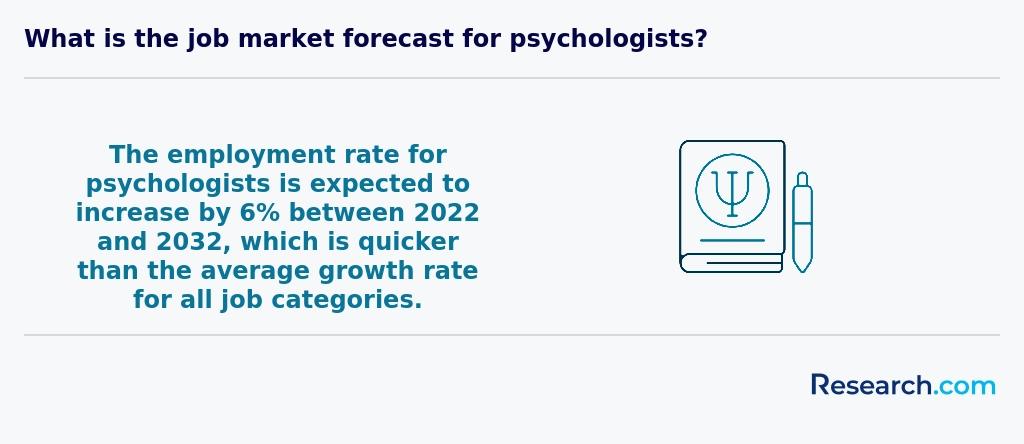
Globally, psychology professionals address diverse cultural contexts, mental health challenges, and emerging research. U.S. employment data from the Bureau of Labor Statistics projects a 6% growth in psychology jobs through 2031, emphasizing steady demand. Irvine's growing healthcare sector mirrors this demand, offering employment in clinical, counseling, and research roles.
Gaining practical experience while studying for a psychology degree in Irvine can significantly enhance your learning and career prospects. Many local universities encourage students to participate in internships at community mental health centers, hospitals, and educational institutions. For example, the University of California, Irvine offers a robust internship program where students complete supervised hours relevant to their specialization.
Additionally, volunteering opportunities at places like the Orange County Psychological Association or nonprofit organizations provide valuable hands-on experience. According to the Bureau of Labor Statistics, practical experience improves employment chances by nearly 20% in psychology-related fields. Students should also seek research assistant positions to engage with ongoing studies, improving both practical and analytical skills.
Choosing the right concentration within a psychology degree program in Irvine depends on your career goals and interests. Common concentrations include clinical, counseling, developmental, and industrial-organizational psychology. Each offers unique career paths, such as mental health services, human resources, or research.
Research shows many Irvine programs align with California's growing demand for mental health professionals, projected to increase by 22% by 2030 (Bureau of Labor Statistics). Consider local job market trends and internship opportunities offered through universities like UCI and nearby institutions.
It is also important to review curriculum details to match your preferred focus area.
- 2027 Most Affordable Psychology Degree Programs Ranking in Claremont
- 2027 Most Affordable Psychology Degree Programs Ranking in Los Angeles
- 2027 Most Affordable Psychology Degree Programs Ranking in Pasadena
- 2027 Most Affordable Psychology Degree Programs Ranking in La Jolla
- 2027 Most Affordable Psychology Degree Programs Ranking in San Diego
- 2027 Most Affordable Psychology Degree Programs Ranking in Riverside
- 2027 Most Affordable Psychology Degree Programs Ranking in Santa Barbara
- 2027 Most Affordable Psychology Degree Programs Ranking in Phoenix
- 2027 Most Affordable Psychology Degree Programs Ranking in San Francisco
- 2027 Most Affordable Psychology Degree Programs Ranking in Boulder
See What Experts Have To Say About Studying Psychology
Read our interview with Psychology experts

Catherine Caldwell-Harris, Ph.D.
Psychology Expert
Associate Professor of Psychology
Boston University

Robin M. Kowalski. Ph.D.
Psychology Expert
Professor of Psychology
Clemson University

Joann Farrell Quinn, Ph.D., MBA
Psychology Expert
Director at the College of Medicine Department of Medical Education
Morsani College of Medicine

- Study Psychology Abroad | Go Overseas https://www.gooverseas.com/study-abroad/psychology
- How Psychology Students Can Get Clinical Experience Before Graduating | The Playful Psychologist https://www.theplayfulpsychologist.com/post/students-experience-how-to-get-the-experience-you-need-before-you-graduate
- Psychology https://www.ivc.edu/sbs/psychology
- Have You Found a Niche? https://www.apaservices.org/practice/business/marketing/building/niche
- Best Types Of Online Psychology Degrees 2025 https://www.psychology.org/degrees/
- Know more about thesis vs non- thesis: what is the difference? https://studyfans.com/en/blogs/816
- Sample letters in psychology https://www.mystudies.com/en-in/human-and-social-sciences/psychology/letter-model/
- Alumni Perspectives - Meet Our FPN Alumni https://www.aanmelder.nl/alumni-perspectives-june-2023
- Society for the Teaching of Psychology https://teachpsych.org/page-1784686/8675326
- Why Get a Psychology Degree Online? | University of Bridgeport https://www.bridgeport.edu/news/reasons-to-get-your-psychology-degree-online/