2027 Most Affordable Psychology Degree Programs Ranking in Moorhead

Co-Founder and Chief Data Scientist
Are you considering pursuing a psychology degree in Moorhead but unsure where to start? This article presents the 2027 Most Affordable Psychology Degree Programs Ranking in Moorhead, developed by the Research.com team of data scientists to guide you in making an informed decision.
Choosing the right program can open doors to meaningful careers and personal growth. By exploring affordable options, you can focus on your passion without worrying about excessive costs.
Let this ranking help you discover psychology programs that fit both your goals and budget, setting you on a rewarding path.
Key benefits of getting psychology degree in Moorhead
- Psychology degree graduates in Moorhead can earn competitive salaries, such as Human Resources Specialists making around $76,060 annually and Clinical Research Associates earning about $62,370 per year.
- Career paths from Moorhead universities include roles in research, clinical work, and human resources, offering a variety of rewarding opportunities for graduates.
- Online psychology degrees provide flexible learning options, allowing students to balance work and study while gaining the same knowledge and skills as traditional programs.
- 2027 Most Affordable Psychology Degree Programs Ranking in Moorhead
- What can I expect from psychology degree in Moorhead?
- Where can I work with psychology degree in Moorhead?
What can I expect from psychology degree in Moorhead?
The average cost of obtaining a psychology degree in Moorhead typically ranges from $8,000 to $10,000 annually for in-state students at public universities, which compares favorably to larger cities. Graduates from well-known Moorhead institutions often recall the financial relief that came from these relatively modest tuition rates combined with opportunities for scholarships and assistantships, making education more accessible.
One graduate shared how balancing studies with a paid research assistantship deepened their engagement with cognitive psychology while easing tuition burdens. Another recalled internships integrated into coursework that fostered practical skills without added expenses. This affordability allows many students to focus more on their academic and clinical experiences, rather than financial stress.
Still, potential students should weigh these costs against their career goals and the quality of training offered at Moorhead colleges. Although the price is attractive, ensuring that the program aligns with Minnesota's licensure requirements and provides adequate supervised experience remains essential for future professional practice.
Where can I work with psychology degree in Moorhead?
Graduates from psychology programs at institutions like Minnesota State University Moorhead find diverse employment opportunities within the local community. Many secure positions in healthcare settings such as Sanford Health or Essentia Health, working as mental health counselors or behavioral health technicians. These roles offer rewarding experiences, helping individuals navigate real-life challenges, which many graduates describe as deeply fulfilling and purpose-driven.
Others pursue careers in education, joining Moorhead Area Public Schools as school psychologists or counselors. These graduates often highlight the meaningful day-to-day impact of supporting student development and well-being. With school psychologists in Minnesota earning around $80,000 annually, this path provides both personal satisfaction and financial stability.
Social service agencies like Clay County Social Services also attract psychology graduates. They engage in community outreach and substance abuse counseling, which some find challenging but profoundly impactful. Entry-level salaries typically range between $40,000 and $50,000, reflecting the initial investment in skill-building.
Additionally, organizational roles in local businesses allow graduates to apply psychology in enhancing workplace culture and productivity. While career paths vary, those from Moorhead's psychology programs appreciate the city's mix of healthcare, education, social services, and business sectors as fertile ground for diverse and meaningful work experiences.
Graduates with a psychology degree from institutions like Minnesota State University Moorhead often find that earning potential depends heavily on the specific career path they choose. For example, those entering roles akin to human resources specialists can expect a mean annual wage around $76,060, reflecting solid middle-ground earnings for bachelor's degree holders in this region.
Others who pursue research-oriented positions, such as marketing research analysts or survey researchers, see mean salaries near $83,190 and $62,370 respectively. These figures show that exploring specialized fields linked to psychology studies can lead to diverse and encouraging income opportunities.
While clinical research associates earn roughly $62,370 annually, graduates mindful of these options often balance passion with pragmatism, knowing that higher degrees or certifications typically open doors to roles with even greater salaries. For example, advanced psychology roles in Moorhead regularly surpass $90,000.
Those who recall early-career experiences-working as childcare workers earning around $32,070 annually-often appreciate the stepping stones these roles offer while building toward their ultimate goals.
- Psychology bachelor's degrees in Moorhead cost between $20,000 and $35,000 depending on public or private schools and residency.
- Annual tuition at public universities ranges from $7,000 to $12,000, with private colleges charging higher fees.
- Starting salaries for bachelor's degree holders in psychology typically average around $38,000 per year.
- Advanced degrees like master's or doctorates can lead to higher salaries ranging from $55,000 to $75,000 annually.
- The local job market for mental health and psychology roles is growing moderately, increasing demand for professionals in this field.
Completing a psychology degree in Moorhead typically takes about four years for full-time students, especially at institutions like Minnesota State University Moorhead. Graduates often describe this period as a rewarding journey filled with engaging coursework and valuable hands-on experiences such as internships or research projects. These practical opportunities not only enrich learning but also prepare students for diverse career paths in psychology.
However, this timeline can vary significantly. Some students juggling work or family commitments may extend their studies to five or six years, adapting their pace to balance responsibilities while maintaining progress. This flexibility is commonly appreciated by part-time learners who still wish to benefit from quality education without rushing.
For those aiming to deepen their expertise, a master's degree adds roughly two more years, often involving thesis or research work. Doctoral candidates at Moorhead may spend four to seven years post-bachelor's, reflecting the demanding nature of advanced clinical or academic training programs.
Moorhead’s psychology programs are backed by a robust network of campus resources designed to enhance student success both academically and personally. From the moment you enroll, you’ll have access to dedicated academic advisors who specialize in psychology, helping you map out your course sequence, identify research opportunities, and stay on track for graduation. The university’s writing center and statistics tutoring lab offer one-on-one sessions to sharpen your research papers and quantitative analysis-essential skills for any aspiring psychologist. Beyond academics, mental health and wellness services are a cornerstone of student support in Moorhead, MN. The campus counseling center provides free individual and group therapy sessions, stress management workshops, and crisis intervention, ensuring psychology majors can both learn from and benefit directly by experiencing high-quality mental health care. Peer-led support groups, such as the Psychology Club’s “Mind Matters” series, foster community and facilitate discussions on topics ranging from mindfulness to work–life balance. Career development is another critical component of Moorhead’s support ecosystem. The Career Services office partners with local clinics, non-profits, and corporate HR departments to arrange internships, practica, and job-shadowing experiences. Regular career fairs and networking events connect students with alumni and employers, while resume reviews and mock interviews help you confidently navigate the job market. If you’re considering a broader comparison of affordable psychology programs, you might explore our Cheapest Psychology Degree Programs Ranking in Cambridge, MA to see how Moorhead’s offerings stack up against other cost-effective options. Lastly, Moorhead’s research centers, such as the Behavioral Science Lab and the Child Development Research Institute, welcome undergraduate volunteers and paid research assistants. Engaging in faculty-led studies not only deepens your understanding of psychological science but also strengthens your graduate school applications. With this comprehensive suite of academic, wellness, and career services, psychology students in Moorhead, MN, are well-equipped to thrive during their studies and beyond.
Psychology graduates from popular Moorhead institutions often describe on-campus programs as immersive, offering face-to-face lectures and real-time discussions that foster strong connections with faculty and peers. For example, students at Minnesota State University Moorhead appreciate the hands-on lab work and group projects that bring theory to life, enhancing their clinical or counseling skill sets through direct campus practicum opportunities.
Online psychology degrees in Moorhead, by contrast, provide a flexible alternative. Graduates commonly highlight the advantage of studying at their own pace via digital platforms, which suits those balancing work or family commitments. This flexibility, however, demands high self-discipline and effective time management, as asynchronous coursework can feel isolating without regular peer interaction.
Cost considerations also differ locally. While in-person tuition ranges around $7,000 to $12,000 annually, online programs can reduce expenses by lowering campus-related fees, though some students find added technology fees offset savings. Regardless of format, graduates agree that both paths meet APA standards, ensuring solid credentials for licensure or further study within Moorhead's psychology community.
- Minnesota State University Moorhead (Bachelor’s): In-state tuition ~$7,070/year; out-of-state ~$17,800
- Riverland Community College (Associate): Tuition ~$5,000/year; transferable credits to bachelor’s programs
- University of Minnesota Crookston (Bachelor’s): In-state tuition ~$9,500/year; online flexibility
- Concordia College (Bachelor’s): Tuition ~$35,000/year; merit scholarships often cover 25–50%
- Rasmussen College – Moorhead Campus (Bachelor’s): Tuition ~$13,200/year; accelerated online tracks
Online learners can compare options in our guide to the cheapest online counseling degree.
The average cost of obtaining a psychology degree in Moorhead tends to reflect the balance between public and private institution fees, with in-state students generally paying less. At well-known local schools such as Minnesota State University Moorhead, graduates often report that the median in-state total cost hovers around $10,428, which makes Moorhead an appealing choice for those seeking an affordable psychology degree programs Moorhead. This figure includes tuition and related educational expenses but may not fully capture living costs or additional fees.
Out-of-state students or those attending private colleges in or around Moorhead can expect significantly higher expenses, sometimes more than doubling the cost. The median total for these students is approximately $22,422, indicating a careful budgeting approach is critical. Graduates have shared that while the sticker price may seem substantial, financial aid, scholarships, and work opportunities on campus often make the experience financially feasible, enhancing the overall satisfaction of completing their psychology degrees locally.
Graduate psychology programs in Moorhead commonly showcase a wide range in the average cost of psychology degree in Moorhead, reflecting program type and length. Many students pursuing master's or doctoral studies find ways to offset tuition with assistantships or fellowships. To explore further, students interested in advancing their careers might also consider how their psychology degree could fit within broader macro social work career paths, linking educational investment to future professional outcomes.
To make informed decisions about pursuing a psychology degree, it's essential to explore the various affordable psychology programs available in Moorhead, MN. Students can find a range of options, from public universities to private colleges, each offering unique benefits and specializations. For instance, those interested in affordable psychology schools in Minnesota can discover programs that not only fit their budget but also meet their educational needs, ensuring a fulfilling academic experience that prepares them for successful careers in psychology. By considering factors such as tuition costs, curriculum diversity, and field experience opportunities, prospective students can choose a program that aligns with their goals and aspirations, whether in clinical psychology, counseling, or other specialized fields within psychology.
Students pursuing psychology degrees in Moorhead often rely on a combination of financial aid options to manage the $10,000 to $15,000 annual tuition costs typical for in-state programs. Federal aid commonly serves as a primary resource; applying through FAFSA opens doors to grants like the Pell Grant, which many graduates recall as a crucial relief that did not require repayment. These grants, alongside federal student loans with flexible repayment plans, form a backbone for many aspiring psychologists balancing financial constraints and academic goals.
State aid from Minnesota's State Grant Program also offers need-based support to local residents attending institutions such as Minnesota State University Moorhead. Graduates often share how this grant significantly reduced their out-of-pocket costs, making degree completion more attainable without sacrificing quality of life.
Merit-based scholarships offered by local schools and professional groups like the American Psychological Association provide additional financial breathing room. Work-study programs, which some students actively seek out, combine valuable psychology-related experience with income, further easing financial burdens while reinforcing career readiness in real-world settings.
Beyond academics, Moorhead offers a vibrant campus life that enriches the overall educational experience. Students can immerse themselves in a community that not only supports rigorous academic pursuits but also celebrates cultural events, local festivals, and diverse student organizations. The city’s affordable living options and welcoming atmosphere make it easier for students to find off-campus housing, access local internships, and build networks with industry professionals. Engaging in community service projects or joining local clubs further enhances personal growth and provides practical experiences that complement classroom learning. For instance, those interested in expanding their horizons may also want to explore opportunities detailed in our list of fastest masters in aba online, which can offer flexible options for advancing their careers. This balanced blend of academic rigor and active campus life in Moorhead truly sets the stage for both personal and professional success.
Enrolling in a psychology degree in Moorhead typically requires meeting clear academic prerequisites, though these vary slightly across institutions such as Minnesota State University Moorhead. Most undergraduate applicants must have a high school diploma or GED with a GPA that often falls between 2.5 and 3.0. This baseline ensures students are prepared to handle the challenges of college coursework. A graduate once shared how meeting these requirements gave them confidence when starting their freshman year, knowing they had the necessary foundation to succeed.
High school courses in math (especially algebra and statistics), biology, English, and social sciences are commonly expected. These subjects build critical analytical and communication skills essential for psychology. Some students appreciate that these prerequisites help them develop habits valuable not only academically but also personally when navigating complex psychological concepts.
For graduate psychology programs, holding a bachelor's degree is mandatory, with preference given to those who studied psychology or related fields. Submitting GRE scores and personal statements allows applicants to showcase their dedication and goals, making the admissions process more holistic. Students from Moorhead's programs often emphasize how preparing these materials early helped them clarify their motivations and feel excited about their future contributions to the field.

Before beginning independent practice, psychology and counseling graduates must meet state licensure standards to ensure competent, ethical care.
- Education and Accreditation: Complete a master’s degree in counseling or psychology from a program approved by the Minnesota Board of Behavioral Health and Therapy. Many students choose cacrep accredited online masters counseling programs to satisfy this requirement.
- Supervised Clinical Experience: Accrue a minimum of 3,000 hours of supervised practice under a licensed professional, typically completed over 1–2 years.
- Examination Requirements: Pass a nationally recognized exam (such as the NCE or NCMHCE) plus the Minnesota Jurisprudence Examination on state laws and ethics.
- Application Process: Submit official transcripts, supervised experience verification, and exam scores to the Minnesota Board; allow 6–8 weeks for review and approval.
- Continuing Education: Maintain licensure by completing 40 hours of board-approved continuing education every two years.
Students pursuing psychology degrees in Moorhead commonly encounter a curriculum designed to balance foundational theory with practical application. For example, graduates from well-known Moorhead institutions recall starting with courses like General Psychology, which introduces essential concepts and the history of the discipline, setting a clear context for further study.
They often describe the engaging challenge of specialized classes such as Developmental Psychology, exploring how people grow and change over time, and Biological Psychology, where they learned to connect brain functions with behavior-insights frequently discussed during lively campus debates. Courses like Cognitive Psychology provide hands-on opportunities to understand memory and perception, often making abstract ideas feel tangible through in-class experiments and group projects.
Research Methods and Statistics are frequently cited as crucial, equipping students at Moorhead colleges with the skills to design studies and critically analyze data, which participants find empowering as they prepare for real-world research or graduate school. Electives like Health Psychology or Forensic Psychology add meaningful variety, allowing students to tailor their experiences to future career goals.
Psychology degree specializations in Moorhead reflect a broad spectrum of interests and career paths, often grounded in programs at institutions like Minnesota State University Moorhead. Graduates frequently describe immersing themselves in areas such as clinical psychology, where they engage directly with diagnosing and treating mental health disorders, gaining confidence through hands-on supervised practice. Others find their passion in counseling psychology, developing interpersonal skills essential for therapeutic support across diverse settings, including schools and community centers, which deepens their sense of purpose and readiness.
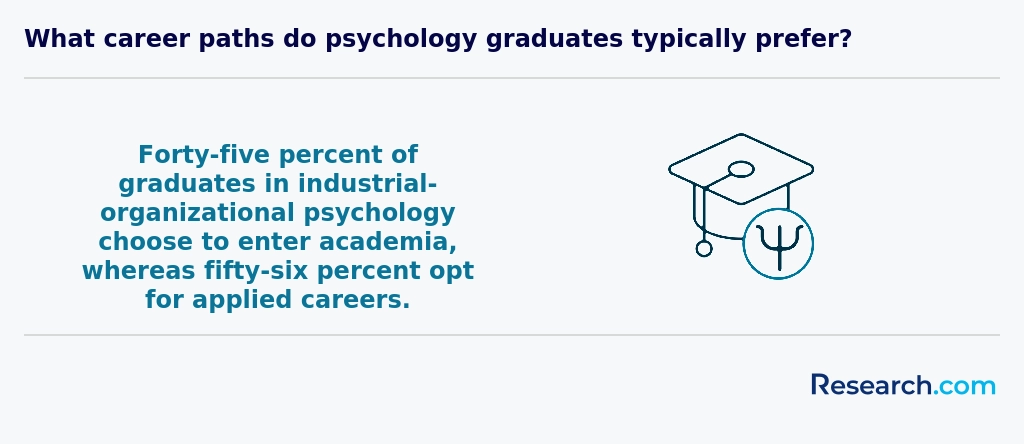
Industrial-organizational psychology attracts students curious about workplace dynamics and motivation, translating to roles in human resources and organizational consulting. Some graduates emphasize the appeal of forensic psychology, linking psychological principles with legal applications, which cultivates a nuanced understanding of justice systems. Neuropsychology offers a challenging but rewarding path, intertwining biology and behavior that suits those drawn to research or clinical assessment. Considering affordable psychology programs Moorhead specialties ensures a balance between cost and quality education.
Exploring such options alongside experiential learning opportunities helps students clarify their preferences and sharpen career goals. For those looking to compare choices beyond Moorhead, resources like Louisiana psychology degree programs may offer complementary perspectives.
Choosing a psychology degree in Moorhead demands weighing multiple practical factors. Graduates from Minnesota State University Moorhead often highlight the advantage of affordable psychology degree programs Moorhead offers, with tuition typically lower than the national public university average. This financial accessibility allows students to focus more on learning and less on debt stress, improving overall satisfaction during their studies.
However, affordability alone does not guarantee the best choice. Graduates emphasize the importance of program accreditation, particularly by APA standards, which many local programs strive to meet. This ensures your degree holds value for both licensure and future academic pursuits. One graduate shared how seeking programs with robust internship and research opportunities, especially at MSUM, helped them gain hands-on experience that directly boosted job readiness.
Consider your career goals carefully since psychology degrees vary widely in focus. Some highlight clinical practice, while others lean toward research. Listening to students who found success in Moorhead, it's clear tailoring your coursework makes a difference. For those curious about advanced pathways, exploring options like psychology PhD programs continuing education can provide valuable direction.
Finally, always examine the best psychology schools Moorhead cost and curriculum flexibility. Graduates often mention the emotional rewards of supportive faculty and manageable class sizes, which foster engagement and confidence throughout the program.

Graduates with a psychology degree in Moorhead find diverse career paths that reflect the field's versatility and local community needs. Many secure roles in counseling and therapy, such as becoming licensed counselors or clinical psychologists, though this often requires pursuing additional graduate education. For example, graduates from popular Moorhead colleges describe rewarding experiences working as mental health practitioners, helping to support individuals facing challenges, a path that aligns well with growing regional demand. Those seeking jobs with psychology degree Moorhead MN may also consider social work, where understanding human behavior is crucial for assisting clients within healthcare or community organizations. Others leverage their knowledge into business-related fields like human resources or marketing, utilizing their skills to improve workplace dynamics and customer engagement.
Research opportunities are also notable, especially for graduates staying near Moorhead's universities offering graduate programs, preparing them for roles as research assistants or educators. Considering cost, students often choose Moorhead due to the availability of affordable psychology schools in Minnesota, balancing quality education with financial practicality.

The job market for psychology degree employment opportunities in Moorhead offers steady prospects, especially for graduates from local institutions such as Minnesota State University Moorhead. Many find rewarding roles in healthcare facilities, schools, and social service agencies, where the growing community awareness of mental health support broadens demand. Graduates often describe a sense of fulfillment working in environments that require practical application of their knowledge, like counseling centers or child welfare organizations.
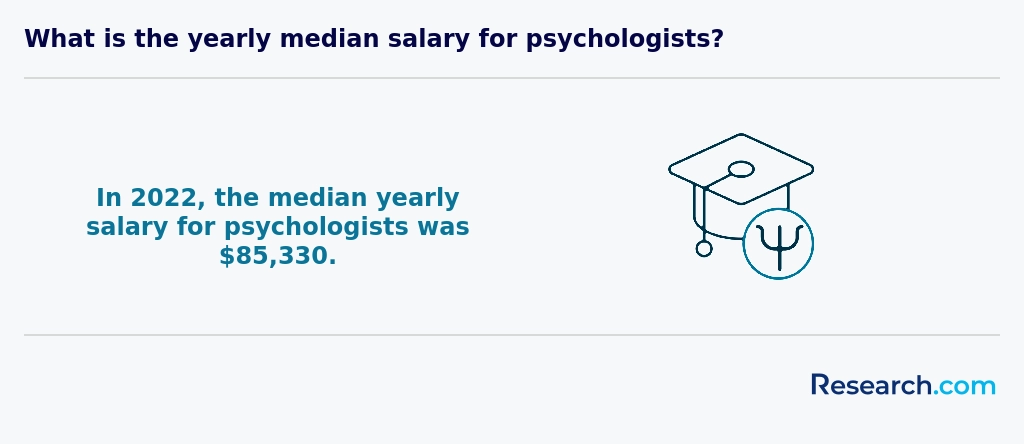
While salary ranges are modest compared to larger metro areas, psychology graduates in Moorhead typically earn between $40,000 and $85,000 annually, varying with experience and specialization. These figures shape the expectations of students considering the investment in their education, which averages $10,000 to $15,000 per year at public universities. Some graduates emphasize that advanced degrees and licensure notably improve employability, confirming that additional training is essential in this competitive market for psychology graduates Moorhead.
Students exploring graduate education often consult resources like the list of fastest masters in aba online to expedite career advancement, illustrating a proactive approach to meeting local employment demands.
2027 Most Affordable Psychology Degree Programs Ranking in Moorhead
Investing in your education is a significant decision that can shape your future, and the Research.com team understands the importance of making informed choices. To assist prospective students in Moorhead, we have meticulously developed the "2027 Most Affordable Psychology Degree Programs Ranking in Moorhead." Our commitment to quality, credibility, and accuracy is demonstrated through thorough research and data analysis to ensure the ranking's reliability.
We utilized the following reputable data sources to guarantee a comprehensive evaluation of psychology degree programs:
By exploring this ranking, readers will gain valuable insights into affordable and quality psychology degree programs in Moorhead, empowering them to make well-informed educational decisions. For more information on how this ranking was created, please visit our Research.com methodology page.

Frequently Asked Questions About psychology
Psychology degree students in Moorhead can enhance their learning by actively engaging in both classroom and practical experiences. Moorhead's proximity to multiple universities offers access to internships and research opportunities in clinical and counseling psychology. According to the National Center for Education Statistics, hands-on practice improves retention and skill application significantly.
Students should also join psychology clubs or local organizations to network with peers and professionals, gaining insights beyond textbooks. Attending seminars or workshops hosted nearby improves understanding of emerging trends. Moorhead's lower-than-average tuition rates, as reported by College Board, allow students to invest more time in extracurricular learning without excessive financial pressure.
Utilizing campus resources such as tutoring and counseling centers strengthens academic performance. This multifaceted approach helps students build a solid foundation for careers in psychology.
Emerging niches within the psychology field reflect the growing needs in society and advances in research. In the Moorhead region, increased focus is on health psychology, driven by rising attention to mental well-being and chronic illness management. Positive psychology, which studies human strengths and well-being, is gaining interest as well. Another niche expanding rapidly is forensic psychology, supporting local law enforcement through offender profiling and victim assistance.
Data from the Minnesota Psychological Association highlights a 15% increase in demand for neuropsychologists in the area, reflecting the need to address brain injury and cognitive disorders. These specializations offer new career pathways for students pursuing psychology degrees in Moorhead.
Preparing for the job market after earning a psychology degree in Moorhead involves several key steps. Students should seek internships or volunteer opportunities locally to gain practical experience. Moorhead's healthcare and social service sectors often have entry-level roles suitable for recent graduates. Networking through local professional organizations, such as the Minnesota Psychological Association, can provide valuable contacts. It is also important to consider advanced degrees or certifications, as many psychology careers require a master's or doctorate. According to the U.S. Bureau of Labor Statistics, psychology-related jobs in Minnesota are projected to grow by 12% from 2022 to 2032, indicating a steady demand for qualified applicants.
Employers in Moorhead seek psychology degree graduates with strong critical thinking skills. The ability to analyze research and apply psychological theories to real-world problems is essential. Communication skills, both written and verbal, rank highly as well, since graduates often work in roles that require explaining complex concepts clearly.
Data from the Minnesota Department of Employment and Economic Development highlights that detail orientation and ethical judgment are crucial for maintaining professional standards. Additionally, proficiency in research methods and data analysis, especially using statistical software, sets candidates apart in the Moorhead job market.
Interpersonal skills are also vital, as many psychology roles involve teamwork or client interaction. Employers value graduates who can show empathy and cultural sensitivity, reflecting the diverse populations in Moorhead's communities.
Finding internships in Moorhead relevant to a psychology degree involves exploring resources both on-campus and within the community. Minnesota State University Moorhead (MSUM) is a key institution offering psychology students internship placement assistance through its Academic and Career Development Center. MSUM's psychology department frequently collaborates with local mental health clinics, schools, and community organizations to secure practical experience opportunities.
Students can also check listings on local job boards such as the Fargo-Moorhead Economic Development Corporation's website, which often posts internship openings in behavioral health fields. Networking with faculty and attending local psychology association events can increase internship prospects.
According to the National Association of Colleges and Employers, about 60% of psychology majors nationally complete internships before graduation, improving employment outcomes. Moorhead's proximity to regional healthcare providers, including Sanford Health and Essentia Health, offers additional options for clinical or research internships.
A psychology degree in Moorhead can significantly enhance career mobility and advancement opportunities within local and regional job markets. Graduates often find roles in mental health services, education, social work, and human resources, benefiting from the strong demand for psychological expertise across these fields.
According to the Bureau of Labor Statistics, the Fargo-Moorhead metropolitan area projects a steady increase of 10% in jobs related to psychology and counseling over the next decade. This growth supports upward career movement for those holding relevant qualifications.
Moreover, connections with local institutions, such as Minnesota State University Moorhead, offer internships and networking possibilities that can accelerate professional progression. Higher education credentials in psychology are frequently linked with higher salaries and leadership roles in community services and healthcare organizations.
Studying for a psychology degree in Moorhead offers students a strong foundation for interdisciplinary roles by emphasizing both core psychological theories and practical applications across various fields. Moorhead's programs often integrate coursework in sociology, biology, and communication, reflecting the interconnected nature of human behavior and mental health.
This cross-disciplinary approach equips graduates to collaborate effectively in healthcare, education, social services, and business environments. For example, Minnesota State University Moorhead highlights experiential learning through internships that span mental health clinics, schools, and nonprofit agencies, fostering real-world skills.
According to the U.S. Bureau of Labor Statistics, psychology-related jobs are projected to grow 8% from 2021 to 2031, with many roles requiring teamwork across disciplines. Thus, a psychology degree in Moorhead prepares students to contribute in diverse professional settings by developing critical thinking, research methods, and communication skills relevant beyond psychology itself.
Choosing between a thesis and a non-thesis psychology degree program in Moorhead depends largely on your career goals and learning preferences. A thesis option typically involves conducting original research, culminating in a written report, which can be important if you plan to pursue doctoral studies or research-related careers. The non-thesis track often emphasizes coursework and practical experience, appealing to students aiming for professional roles in counseling or applied psychology.
According to data from the National Center for Education Statistics and local Minnesota institutions, about 40% of psychology master's students in the region choose the thesis path, reflecting its importance for research-oriented careers.
Costs and time requirements also differ; thesis programs may require more time due to the research component, whereas non-thesis programs often allow faster completion.
Students based in Moorhead who wish to study psychology abroad have several pathways within the US higher education system. Many Moorhead residents enroll in exchange or study-abroad programs offered through Minnesota State University Moorhead or nearby institutions. These partnerships often include destinations in Europe, Australia, and Canada, where students can pursue psychology courses while earning credits transferable to their home degree.
Additionally, Moorhead students can consider directly enrolling in universities abroad that have established agreements with US schools, easing credit transfer and recognition of degrees. The Institute of International Education reports that about 10% of US psychology undergraduates participate in international study experiences, emphasizing growing access for those from smaller cities like Moorhead.
Options also include online global psychology programs accredited in the US, which combine international content with flexible delivery. This allows Moorhead students to gain global perspectives without relocating, meeting modern educational trends.
Students pursuing psychology degrees in Moorhead have several part-time job options that complement their academic goals. Working as a research assistant at local universities such as Minnesota State University Moorhead can provide valuable hands-on experience with psychological studies and data analysis.
Additionally, some students find opportunities as mental health aides or behavioral technician assistants in nearby clinics. These positions offer practical exposure to client care and therapy techniques, helping to build strong interpersonal skills relevant to psychology careers.
The local nonprofit sector also occasionally seeks volunteers or part-time staff for roles supporting community mental health programs, offering insight into applied psychology in diverse populations.
According to data from the Bureau of Labor Statistics, psychology-related support occupations in the Moorhead-Fargo area are growing steadily, enhancing job prospects for students gaining early experience.
Psychology students in Moorhead have several valuable networking opportunities that enhance their academic and professional growth. Minnesota State University Moorhead (MSUM) hosts psychology-focused events and student organizations, such as the Psychology Club, which connects students to local professionals and graduate schools.
Additionally, MSUM's relationships with regional healthcare providers and counseling centers support internships and volunteer positions. These placements allow direct contact with practicing psychologists and counselors. Students can attend workshops and guest lectures by experts in the field, often organized on campus.
Nearby regional conferences and Minnesota Psychological Association meetings also provide avenues for networking beyond campus. Such interactions are essential for building connections that can assist in career advancement.
Alumni networks play a significant role in supporting psychology degree students in Moorhead. These networks connect current students with graduates who have experience in various psychology fields, offering valuable mentorship and career guidance. According to the National Association of Colleges and Employers, 85% of jobs are filled through networking, highlighting the importance of such connections.
In Moorhead, alumni from psychology programs often provide access to internships and job opportunities within local clinics, schools, and counseling centers. Universities like Minnesota State University Moorhead maintain active alumni directories, facilitating student-employer relationships.
Students benefit from workshops, job fairs, and guest lectures organized by alumni groups, enhancing professional development and expanding industry knowledge.
In Moorhead, customizing a psychology degree program to match your career goals involves selecting relevant electives and specializations. Many local institutions allow students to focus on areas such as clinical psychology, counseling, or industrial-organizational psychology. Incorporating internships or practicum experiences with nearby healthcare centers or businesses can enhance practical skills and networking opportunities.
Students may also tailor their coursework by choosing research methods or statistics classes, which are valuable for those interested in academic or applied research roles. According to the Minnesota Office of Higher Education, Moorhead graduates with focused psychology training see higher employment rates in counseling and social services sectors.
Psychology students in Moorhead face several typical challenges during their studies. One common issue is managing the rigorous coursework, which often includes demanding classes in statistics, research methods, and various psychology theories. According to the National Center for Education Statistics, about 45% of psychology undergraduates nationwide report difficulty balancing academic workload and personal life.
Another challenge is obtaining relevant practical experience. Internships and practicums are essential for skill development but can be limited in availability within the Moorhead area, requiring students to seek opportunities in neighboring regions. Additionally, students often need to secure financial aid or manage tuition costs, which continue to rise each year.
Finally, mental health concerns are prevalent among psychology students themselves, as reported by the American Psychological Association, making time management and self-care important skills for success in Moorhead's programs.
With a psychology degree in Moorhead, graduates can pursue several professional certifications to enhance their career prospects. Common certifications include becoming a Licensed Professional Counselor (LPC) or obtaining the National Certified Counselor (NCC) credential. These require meeting specific education and supervised practice hours, followed by passing an exam.
Additionally, psychology graduates can aim for certifications in areas like school psychology or industrial-organizational psychology, depending on their specialization and further training.
The Minnesota Board of Psychology provides licensing details relevant for Moorhead residents, ensuring local compliance. Statistics from the Bureau of Labor show steady growth in psychology-related roles in Minnesota, supporting these career pathways.
Applying for a psychology program in Moorhead requires careful preparation to stand out. Start by researching the specific program's admission requirements, as many Moorhead institutions emphasize a strong GPA, typically above 3.0, and relevant coursework. Highlight any volunteer or work experience related to psychology, since practical exposure is highly valued.
Craft a clear and concise personal statement explaining your motivation for studying psychology and your career goals. Moorhead schools often look for applicants who demonstrate critical thinking and communication skills. Including references from academic or professional sources familiar with your abilities can strengthen your application.
Additionally, meet all deadlines precisely and ensure your application is free of errors. According to the National Center for Education Statistics, psychology remains a popular major in Minnesota, so competition is significant. Preparation and attention to detail will enhance your chances of admission.
Careers in psychology are valued worldwide, with the United States offering a robust framework for training and employment. In Moorhead and across Minnesota, psychology degrees from accredited institutions prepare students for diverse roles ranging from clinical practice to research. According to the U.S. Bureau of Labor Statistics, employment in psychology is projected to grow 8% from 2022 to 2032, faster than the average for all occupations.
Globally, psychologists address mental health, education, and organizational challenges, reflecting widespread demand. However, licensure requirements and career paths vary by country, making U.S. qualifications such as those obtained in Moorhead particularly advantageous for practice within the United States.
The American Psychological Association highlights that graduates with psychology degrees often pursue further education to specialize, which improves career prospects. Therefore, understanding the local education system and certification processes is essential when evaluating global opportunities in psychology.
Gaining practical experience while studying psychology in Moorhead is essential for building professional skills. Many local colleges encourage students to participate in internships at community mental health centers, schools, or social service agencies. Moorhead's proximity to Fargo also expands internship opportunities in larger clinical and research settings.
Students can also engage in research projects under faculty supervision, which enhances understanding of scientific methods. According to the American Psychological Association, hands-on experience through internships and assistantships significantly improves job prospects after graduation.
Volunteering for organizations focused on mental health awareness offers another pathway to apply theoretical knowledge in real-world environments.
Choosing the right concentration within a psychology degree program in Moorhead starts with understanding your career goals. Psychology offers many paths, such as clinical, counseling, developmental, or industrial-organizational psychology. Each focus prepares you for different roles, whether in therapy, research, or human resources.
Take advantage of Moorhead's local college resources, where programs often provide details on faculty expertise and internship opportunities. For example, Minnesota State University Moorhead emphasizes applied learning experiences tied to specific concentrations.
Additionally, consider licensing requirements in Minnesota, as some careers require specialized training. Reviewing labor market trends can also help; the Minnesota Department of Employment and Economic Development reports steady growth in mental health-related jobs, especially for those with clinical training.
- 2027 Most Affordable Psychology Degree Programs Ranking in Minneapolis
- 2027 Most Affordable Psychology Degree Programs Ranking in Saint Paul
- 2027 Most Affordable Psychology Degree Programs Ranking in Lincoln
- 2027 Most Affordable Psychology Degree Programs Ranking in Kansas City
- 2027 Most Affordable Psychology Degree Programs Ranking in Chicago
- 2027 Most Affordable Psychology Degree Programs Ranking in Notre Dame
- 2027 Most Affordable Psychology Degree Programs Ranking in Wichita
- 2027 Most Affordable Psychology Degree Programs Ranking in Boulder
- 2027 Most Affordable Psychology Degree Programs Ranking in Denver
- 2027 Most Affordable Psychology Degree Programs Ranking in Saint Louis
See What Experts Have To Say About Studying Psychology
Read our interview with Psychology experts

Robin M. Kowalski. Ph.D.
Psychology Expert
Professor of Psychology
Clemson University

Joann Farrell Quinn, Ph.D., MBA
Psychology Expert
Director at the College of Medicine Department of Medical Education
Morsani College of Medicine

Elizabeth L. Jeglic Ph.D.
Psychology Expert
Professor of Psychology
City University of New York

- Best Types Of Online Psychology Degrees 2025 https://www.psychology.org/degrees/
- How Long Does It Take to Get a Psychology Degree? | Psychology Degree Guide https://psychologydegreeguide.org/resources/psychology-degree-timeline/
- Navigator Suite - Catalog https://mctcns.granicus.com/Catalog/ViewCatalog.aspx
- Best Minnesota Psychology Degrees Updated for 2025, Online Included https://www.psychologydegrees.org/state/minnesota
- Mental Health Challenges Faced by Psychology Students | The Healthcare Guys https://healthcareguys.com/2023/11/23/mental-health-challenges-faced-by-psychology-students/
- Alumni Network - https://efpsa.org/alumni-network/
- Study Psychology Abroad | Go Overseas https://www.gooverseas.com/study-abroad/psychology
- Why Get a Psychology Degree Online? | University of Bridgeport https://www.bridgeport.edu/news/reasons-to-get-your-psychology-degree-online/
- Alumni Perspectives - Meet Our FPN Alumni https://www.aanmelder.nl/alumni-perspectives-june-2023
- Community Psychology in Global Perspective http://siba-ese.unisalento.it/index.php/cpgp