2027 Most Affordable Psychology Degree Programs Ranking in Kansas City

Co-Founder and Chief Data Scientist
Choosing the right psychology degree program can feel overwhelming, especially when budget matters. This article introduces the 2027 Most Affordable Psychology Degree Programs Ranking in Kansas City, created by the Research.com team of data scientists to help you make an informed decision.
By exploring affordable and quality programs, you can confidently find options that fit your goals and finances. A psychology degree opens doors to rewarding careers and personal growth, making this guide a valuable resource on your educational journey.
Key benefits of getting psychology degree in Kansas City
- Psychology degree graduates in Kansas City can earn competitive salaries such as $62,370 annually for Clinical Research Associates or Survey Researchers, and up to $76,060 for Human Resources Specialists, making this degree a smart investment.
- Career paths include roles like marketing research analysts, clinical associates, or childcare workers, offering flexibility and opportunities for growth in healthcare, business, and education sectors.
- Obtaining a psychology degree online provides convenience and the ability to balance work or family commitments while accessing quality programs from reputable universities in Kansas City, leading to successful career outcomes.
- 2027 Most Affordable Psychology Degree Programs Ranking in Kansas City
- What can I expect from psychology degree in Kansas City?
- Where can I work with psychology degree in Kansas City?
What can I expect from psychology degree in Kansas City?
The average cost of a psychology degree in Kansas City is notably affordable compared to coastal cities, making it an attractive option for many aspiring psychologists. Graduates from the University of Missouri-Kansas City (UMKC), for instance, often share how manageable tuition fees allowed them to focus on hands-on learning experiences like internships and community research without overwhelming debt. These financial benefits extend beyond UMKC to other accredited institutions within the metro area, which offer competitive rates alongside federal aid and scholarships.
Looking ahead, the availability of flexible scheduling and online coursework is expected to further ease financial strain by enabling students to work while studying. Many students find this balance crucial, helping them feel empowered and supported throughout their education. In practical terms, the cost savings combined with strong academic programs in Kansas City foster an environment where students can engage deeply in both theory and clinical practice, preparing for diverse and growing mental health careers.
Where can I work with psychology degree in Kansas City?
Graduates with a psychology degree in Kansas City often find themselves stepping into dynamic roles within healthcare settings like Saint Luke's Health System or Children's Mercy Kansas City. Imagine starting your career alongside experienced clinical psychologists, supporting patients and contributing to cutting-edge mental health treatments-this hands-on experience is common for those coming from universities such as the University of Missouri-Kansas City (UMKC). Many alumni share how rewarding it feels to work directly with diverse populations, blending compassion with science.
Others discover fulfilling paths in local schools and universities, where they become school psychologists helping students overcome learning or emotional challenges. This real-world application, often nurtured through UMKC's robust academic programs, allows graduates to witness tangible positive changes in young lives daily.
Postgraduates also explore government or nonprofit sectors, joining organizations like the Mental Health Center of Greater Kansas City. They find joy in community outreach and advocacy, tackling mental health stigma with passion. Business and research sectors are expanding too, providing roles that leverage psychological insights to enhance workplaces or advance scientific understanding, highlighting the growing versatility of psychology degrees in the city.
Graduates with psychology degrees in Kansas City can anticipate a diverse range of earnings depending on their chosen career paths and education levels. Those entering roles like Human Resources Specialist typically earn around $76,060 annually, reflecting a solid starting point for many psychology alumni from local institutions such as the University of Missouri-Kansas City. Marketing Research Analyst positions offer higher prospects, with mean annual wages near $83,190, appealing to graduates interested in data-driven psychology applications.
For those drawn to clinical research, working as a Clinical Research Associate or Survey Researcher comes with mean salaries approximately $62,370 per year. These roles are frequently pursued by graduates who have specialized in psychological research methods.
Imagine a graduate applying knowledge gained during their studies at popular Kansas City colleges to thrive in human-centric roles, experiencing both professional growth and financial stability. With steady job growth predicted in the region, these salaries may rise as demand for skilled psychology professionals increases.
Overall, the blend of practical skills and local opportunities empowers graduates to feel confident about their futures in Kansas City's evolving psychological and research fields.
- Bachelor's degree tuition in psychology costs about $8,000 to $12,000 per year at public universities for in-state students, with private schools charging over $20,000 annually.
- Entry-level psychology jobs in Kansas City start around $40,000 per year, with salaries rising to $70,000 or more for experienced professionals with advanced degrees.
- The psychology job market in Kansas City is growing at about 10% over the next decade, driven by healthcare and corporate demand.
- Programs typically require courses in developmental, social, cognitive psychology, research methods, and statistics, plus internships or practicum experiences.
- Becoming a licensed psychologist requires a graduate degree and supervised clinical hours according to Missouri and Kansas state requirements.
Completing a psychology degree in Kansas City typically aligns with national timelines but carries its own local flavor. Graduates from universities like the University of Missouri-Kansas City often describe the undergraduate journey as a rewarding four-year commitment, balancing general education with exciting psychology courses that spark curiosity. Many recall feeling energized as they progressed through nearly 130 credit hours, gradually building a solid foundation.
For those pursuing a Master's degree, about two additional years of focused study bring a mix of classroom learning and hands-on research. Students share how practicum experiences connect theory to real-world scenarios, fostering confident, practical skills essential in this vibrant city. These moments often bring pride and optimism, fueling their desire to advance.
Doctoral candidates embrace a longer, intense path-around 4 to 7 years-filled with in-depth research, dissertations, and clinical training at local institutions. Their stories often highlight perseverance and excitement as they contribute original insights to the field while engaging deeply with the Kansas City community.
For many students, the journey doesn't end with a bachelor's degree, and exploring online master's programs in psychology can be a strategic way to elevate your career prospects. Advanced online programs not only offer flexibility for busy professionals but also provide in-depth specialization and practical experience that are crucial for today’s competitive job market. By choosing an online master’s pathway, you can broaden your expertise in areas such as clinical, counseling, or industrial-organizational psychology while continuing to work or manage personal commitments. Many prospective students have found that these programs unlock valuable opportunities-check out our detailed guide on career options with online masters in psychology to learn more about how an advanced degree can pave the way for higher earning potential and leadership roles. This approach not only enhances your skill set but also aligns with the evolving demands of the mental health field, ensuring you remain competitive and ready to tackle complex challenges in your professional journey.
Graduates from the University of Missouri-Kansas City often recall the energizing atmosphere of on-campus psychology programs, where face-to-face discussions with professors and classmates fueled their passion and deepened understanding. They describe the hands-on internships and research projects available through campus resources as vital for real-world readiness. In contrast, graduates from Rockhurst University's online psychology program highlight the freedom to study around work and family commitments, appreciating the flexibility without sacrificing the quality of learning.
Looking ahead, Kansas City's psychology education scene might blend these strengths, offering hybrid models that combine remote convenience with occasional in-person labs or networking events. Online students could benefit from virtual reality simulations for practical experience, bridging the gap between digital and physical campus environments. With state licensure evolving, especially for clinical psychology, institutions might innovate ways to connect online learners with local supervisors to fulfill practicum requirements seamlessly.
Ultimately, the choice reflects lifestyle and goals, with Kansas City's universities continuously adapting to support diverse student journeys in psychology.
Ensuring your psychology degree program is properly accredited and aligns with state licensing requirements is essential for career success and compliance. In Missouri, aspiring psychologists must follow these key steps: 1. Choose an APA-Accredited Program - For doctoral candidates, select a program accredited by the American Psychological Association (APA). This accreditation signals that the curriculum, faculty qualifications, and practicum experiences meet rigorous national standards. - If you’re exploring advanced practice options, you may also review the best psyd programs online, which include APA-accredited PsyD tracks designed for flexibility and clinical excellence. 2. Complete Supervised Clinical Hours - Missouri requires a minimum of 2,000 post-doctoral supervised hours under a licensed psychologist. These hours must cover assessment, diagnosis, and treatment of mental health disorders in varied settings (e.g., hospitals, clinics, community agencies). 3. Pass Licensing Examinations - National Exam: The Examination for Professional Practice in Psychology (EPPP), administered by the Association of State and Provincial Psychology Boards (ASPPB). - State Jurisprudence Exam: Missouri also mandates a state laws and ethics exam specific to psychological practice within Missouri. 4. Apply for the Missouri Psychological Practice License - Submit official transcripts, verification of supervised hours, and exam scores to the Missouri State Committee of Psychologists. - License applications typically include background checks and professional references. 5. Maintain Continuing Education - Licensed psychologists in Missouri must complete 40 hours of continuing education every two years, including specific ethics training. By following these accreditation and licensure pathways, you not only secure your eligibility for clinical practice but also demonstrate the credibility and quality of your education to employers and clients alike.
The average cost of a psychology degree in Kansas City currently centers around $42,000 for in-state students, with out-of-state students facing higher costs closer to $54,303. Graduates from well-known local institutions like the University of Missouri-Kansas City often reflect positively on their investment, citing the vibrant campus atmosphere and the quality of faculty as worth every dollar. These costs cover tuition and fees but don't always capture additional expenses such as textbooks and living costs, which future students should anticipate.
Many students pursuing affordable psychology degree programs Kansas City-wide find that comparing public universities and private colleges helps them tailor costs to their budgets. For example, some turn to community colleges initially or opt for in-state options to keep tuition manageable. The experience shared by recent graduates often highlights not only the challenges but also the excitement of growing academically and personally in this engaging city.
Looking ahead, innovative financial aid solutions and scholarship opportunities at popular programs in Kansas City could make degrees more accessible. Prospective students eager to jump into this rewarding field may want to explore the cheapest psychology school in missouri as a smart way to start their journey.

Licensure is required to practice as a psychologist or counselor in Missouri. Key steps include:
- Education: Earn a regionally accredited bachelor’s (for LPC) or doctoral degree (Ph.D./Psy.D.) from programs approved by the Missouri Committee for Professional Counselors. Consider accelerated psychology programs that integrate practicum experiences.
- Supervised Experience: Complete 2,000–4,000 hours of supervised clinical practice under a licensed professional.
- Examinations: Pass the Examination for Professional Practice in Psychology (EPPP) for psychologists or the National Clinical Mental Health Counseling Examination (NCMHCE) for counselors.
- Renewal & CEUs: Renew your license biennially and complete 20–30 hours of continuing education to stay current with Missouri licensure standards.
Psychology students in Kansas City benefit from a variety of financial aid options that make pursuing their degree more achievable and less stressful. Graduates from universities like the University of Missouri-Kansas City often recall how federal Pell Grants and Direct Subsidized Loans covered much of their tuition costs, enabling them to focus more on research and internships than on financial worries.
State aid, particularly Missouri's A+ Scholarship Program, continues to be a game-changer for those beginning their studies at community colleges before transferring to four-year institutions. One graduate shared that this support allowed them to complete essential psychology coursework without accumulating overwhelming debt.
Looking ahead, many students anticipate expanding opportunities through departmental assistantships and locally funded scholarships offered directly by Kansas City colleges. The trend towards employer tuition reimbursement is also growing, helping working students balance career advancement with academic goals. These layered supports create a hopeful outlook for future psychology graduates striving to make a difference without being held back by cost.
When selecting a psychology program in Kansas City, MO, it's essential to consider several factors that can impact your educational journey and future career. One crucial aspect is the cost of the program, and students can explore affordable options by visiting the cheapest psychology school in missouri to find a program that fits their budget. Additionally, accreditation, faculty qualifications, and practical experience opportunities are vital in ensuring that the program meets your needs and prepares you for a successful career in psychology. By carefully evaluating these factors, you can make an informed decision and choose a psychology program that aligns with your goals and aspirations.
Enrolling in a psychology degree in Kansas City often starts with having a strong high school foundation, such as a diploma or GED, combined with solid academic records. Many students preparing for programs at local institutions recall balancing their core courses-English, math, and science-while preparing for standardized tests like the SAT or ACT, although some universities are embracing test-optional paths, easing access for diverse applicants.
Graduate programs usually expect candidates to hold a bachelor's degree, often in psychology or related fields. Graduates fondly remember how their research experiences and clinical internships helped them feel confident and ready to meet program expectations at Kansas City's well-regarded public and private universities.
Admission committees increasingly value letters of recommendation and personal statements that reveal authentic passion for psychology. For example, some current students cite how sharing their real-world experiences and motivations helped tip the scales in their favor during admissions.
Looking ahead, trends like flexible entrance requirements and growing emphasis on practical experience suggest that Kansas City psychology programs will continue evolving, making the journey both challenging and rewarding for future cohorts.
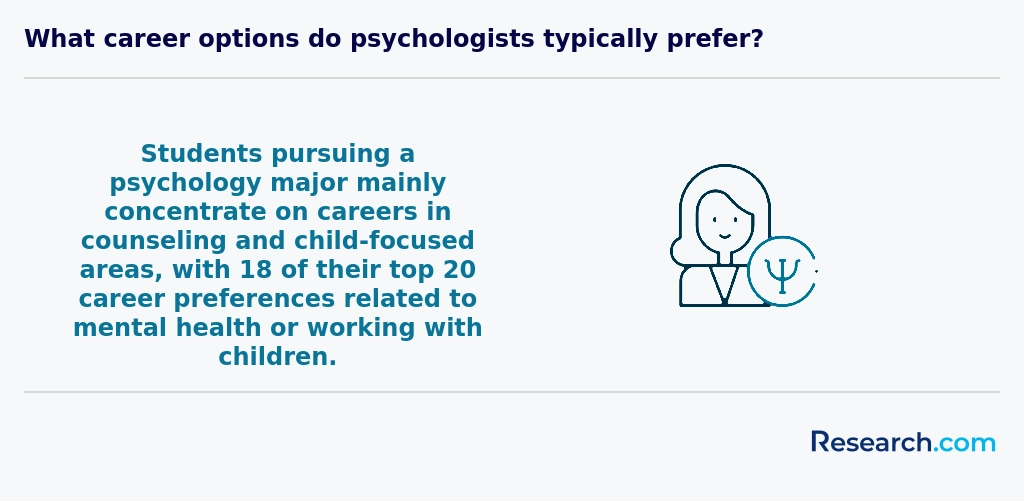
Before enrolling in any psychology degree program in Kansas City, MO, it’s essential to verify that the institution holds proper accreditation and prepares you for state licensure. Accreditation ensures your coursework meets industry standards and is recognized by licensing boards, employers, and graduate schools. 1. Regional and Programmatic Accreditation - Look for regional accreditation through the Higher Learning Commission (HLC), which evaluates institutional quality across Missouri. - For clinical or counseling tracks, seek programmatic accreditation from the American Psychological Association (APA) or the Council for Accreditation of Counseling and Related Educational Programs (CACREP). 2. State Licensure Pathway - Missouri’s Board of Psychologists sets specific requirements, including a minimum number of supervised practicum hours, passing the Examination for Professional Practice in Psychology (EPPP), and completing post-doctoral supervision. - Confirm your program provides clear guidance on practicum placements and exam preparation, reducing delays in your licensure timeline. 3. Online Program Considerations - If you’re balancing work or need remote flexibility, ensure online programs meet the same accreditation criteria as on-campus degrees. For a curated list of vetted, affordable online options, explore our Affordable Online Bachelor's in Psychology Degree Programs Ranking in the South, which highlights accredited programs designed to align with licensure requirements. By prioritizing accredited programs and understanding Missouri’s licensure roadmap, you’ll build a solid foundation for a successful career in psychology.
Pursuing a psychology degree in Kansas City often means diving into essential courses like Introduction to Psychology, Developmental Psychology, and Cognitive Psychology, which build a solid foundation of understanding human behavior. Graduates from institutions such as the University of Missouri-Kansas City (UMKC) frequently share how engaging with Biopsychology and Social Psychology classes helped them see the real-world impact of brain functions and social interactions in everyday life.
Many students feel energized by courses in Psychological Statistics and Research Methods, as these skills prepare them to design studies and analyze data-an exciting step toward contributing original insights in psychology. At Rockhurst University, students appreciate practicum opportunities that allow hands-on learning in local clinics, making theory tangible and emotionally rewarding.
Looking ahead, emerging trends suggest Kansas City programs might include increased focus on forensic or industrial-organizational psychology, aligning with growing career paths. This evolving curriculum offers promising pathways for students eager to specialize while discovering their personal passions within a supportive educational community.
Students pursuing psychology degrees in Kansas City often explore a variety of specializations that reflect evolving career landscapes. Common tracks include clinical psychology, where graduates share how hands-on experience in local hospitals brings fulfillment through direct patient care, and counseling psychology, which equips students to support community members navigating life's challenges. Those focused on industrial-organizational psychology frequently highlight the excitement of applying psychological principles to workplace improvements within major Kansas City corporations, enhancing employee well-being and productivity.
Emerging trends are seen in forensic psychology, where graduates describe the unique blend of psychology and legal work they experience through internships tied to the city's judicial system. Child psychology and neuropsychology remain vital, with programs integrating innovative brain-behavior research to better support developing minds. By choosing Kansas City psychology career focus areas, students access diverse, applied learning opportunities that align with personal passions and future job markets.
For those considering flexible pathways, exploring career options with online masters in psychology provides additional avenues to adapt to changing professional demands and deepen expertise while balancing life's many commitments.
Choosing the best psychology degree in Kansas City means looking beyond just course titles to the real-world impact programs offer. Graduates from local institutions often highlight how access to diverse clinical placements within Kansas City's growing healthcare sector deeply enriched their learning and confidence. Programs that emphasize hands-on experience, such as those partnering with respected research centers at the University of Missouri-Kansas City, allow students to align study with future career ambitions in counseling or clinical psychology.
Affordability also plays a big role; students seeking affordable psychology degree programs in Kansas City appreciate how public universities balance quality education with competitive tuition and scholarships. Meanwhile, many find flexible scheduling options vital to managing work and study, a reality embraced by several colleges offering evening and online classes. Future-focused learners might explore emerging trends in digital therapy training or neuropsychology research as these areas gain momentum locally.
For those aiming higher, exploring best psyd programs online can expand opportunities beyond geographic limits, complementing Kansas City's robust offerings. Thoughtful consideration of faculty expertise, experiential learning, and financial support creates a fulfilling, forward-thinking pathway for psychology education in Kansas City suitable for the best psychology colleges in Kansas City for 2027.
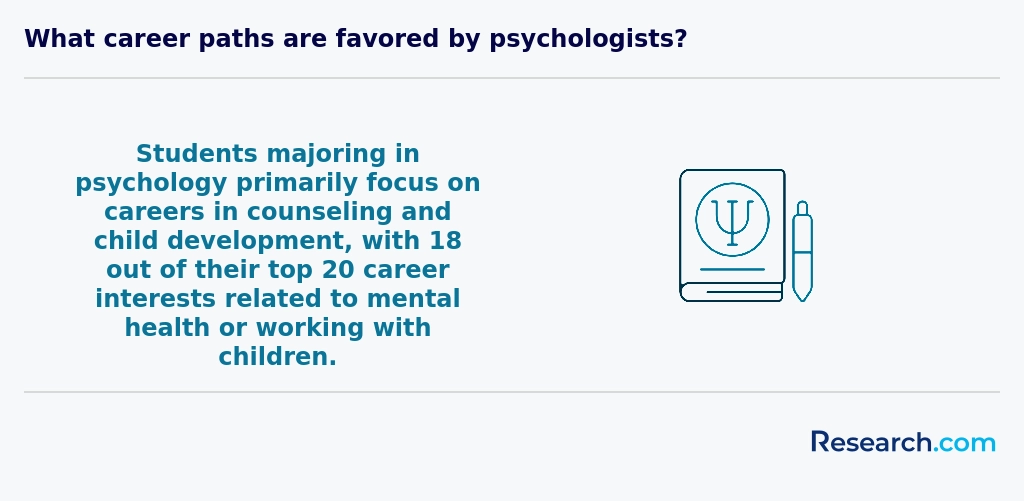
Graduates with a psychology degree in Kansas City find a broad spectrum of career paths, reflecting the city's diverse needs and growth. Many enter clinical psychology roles in hospitals or community centers, inspired by their hands-on training at institutions like the University of Missouri-Kansas City. These professionals often describe the rewarding experience of directly impacting mental health in urban settings. Others pursue counseling psychology, supporting individuals through life challenges in school districts or nonprofit organizations, energized by Kansas City's expanding focus on community mental health.
Industrial-organizational psychology offers another dynamic avenue, as firms like Cerner and Hallmark value experts who boost workplace productivity and employee well-being. Educational psychology roles are increasingly prominent too, with graduates supporting student development in local schools and sharing stories of meaningful change. Beyond traditional roles, research opportunities at popular Kansas City universities allow graduates to explore emerging psychological trends, and social work benefits from the unique insights of those trained in psychology. Those curious about costs can also explore Affordable Online Bachelor's in Psychology Degree Programs Ranking in the South.
With continued growth in jobs with a psychology degree in Kansas City, the future looks bright for those seeking to combine passion with purpose.
The psychology degree job outlook Kansas City shows promising growth, especially for graduates pursuing clinical and counseling roles. Graduates from local universities often find rewarding entry points in community mental health agencies, schools, and healthcare systems. Many recall their early experiences interning at hospitals or participating in organizational psychology projects within corporate settings, sparking enthusiasm for diverse career paths. This range of opportunities reflects the region's expanding demand for mental health counselors and family therapists, with positions expected to increase significantly in the coming decade.
Employment opportunities for psychology graduates in Kansas City extend beyond direct clinical work. For instance, graduates report success navigating roles in human resources and social services, leveraging the versatile psychology skills gained during their studies. The availability of affordable in-state tuition alongside practical internships at well-known Kansas City colleges makes the city a compelling choice for students eager to balance education costs with career readiness. Many find the supportive professional networks fostered by local institutions invaluable for launching their careers.
Those exploring the city's psychology landscape often compare their options to other majors, finding compelling reasons to consider programs highlighted among the best college degrees for employment. This perspective encourages students to visualize dynamic futures where their psychology background opens doors to meaningful, stable careers right in Kansas City.
2027 Most Affordable Psychology Degree Programs Ranking in Kansas City
Investing in your education is a significant decision that can profoundly impact your future, and the Research.com team recognizes the importance of making well-informed choices. To support prospective students in Kansas City, we have carefully developed the "2027 Most Affordable Psychology Degree Programs Ranking in Kansas City." Our dedication to quality, credibility, and accuracy is demonstrated through thorough research and analysis behind this ranking.
We utilized the following reputable data sources to ensure a comprehensive evaluation of psychology degree programs:
By exploring this ranking, readers will gain valuable insights into the most affordable and credible psychology degree programs in Kansas City, enabling them to make confident and informed decisions about their educational investment. For further information about our ranking process, please visit our Research.com methodology page.


Frequently Asked Questions About psychology
Psychology degree students in Kansas City can maximize their learning by engaging deeply with local internships and research opportunities. The city offers numerous mental health facilities and community organizations, allowing students practical experience alongside their academic studies. According to the Bureau of Labor Statistics, internships improve employability by nearly 60% in psychology-related fields. Additionally, students should seek programs accredited by the APA, ensuring curriculum alignment with national standards.
Active participation in study groups and attending psychology seminars hosted by institutions like the University of Missouri-Kansas City can enhance understanding. Leveraging local resources, including libraries and workshops, also supports academic success.
Within the psychology field, several emerging niches are gaining attention, particularly for students pursuing degrees in Kansas City. One fast-growing area is neuropsychology, which blends brain science with behavioral research. This niche is essential as aging populations in Missouri increase demand for cognitive health specialists. Another developing field is health psychology, focusing on how mental health influences physical wellness and chronic disease management. According to the Bureau of Labor Statistics, behavioral health jobs in Missouri are expected to grow by 9% through 2030, reflecting the rising need for specialists in these areas. Additionally, forensic psychology is expanding due to Kansas City's growing legal and criminal justice sectors.
Preparing for the job market after earning a psychology degree in Kansas City involves several strategic steps. Graduates should seek internships or practicum experiences during their studies, which local universities like the University of Missouri-Kansas City often facilitate. These opportunities provide practical skills and networking connections essential in the region's competitive job market.
Certification or licensure is critical for many psychology careers; for example, clinical psychologists must pursue additional qualifications through the Missouri Board of Psychology. Additionally, job seekers should leverage Kansas City's growing healthcare and counseling sectors, which have shown steady employment growth, according to the U.S. Bureau of Labor Statistics.
Joining professional associations, such as the Missouri Psychological Association, can enhance job prospects by accessing job boards and continuing education. Finally, tailoring resumes to highlight local experience and research participation increases attractiveness to Kansas City employers focused on evidence-based practices.
Employers in Kansas City highly value psychology degree graduates who demonstrate strong analytical and critical thinking skills. According to the Missouri Economic Research and Information Center, these skills help graduates assess complex behavioral data effectively, a crucial ability in clinical and organizational settings.
Communication skills are also essential. Graduates must be able to clearly explain psychological concepts to clients and colleagues. This includes writing detailed reports and conducting client interviews with empathy.
Furthermore, adaptability and ethical judgment are key. Psychology professionals in Kansas City are often required to navigate diverse populations and comply with strict state regulations regarding mental health confidentiality.
Lastly, familiarity with research methods and data analysis using software such as SPSS is frequently sought after, as Kansas City institutions emphasize evidence-based practice.
Finding internships in Kansas City for psychology students involves targeting local universities, healthcare providers, and community organizations. Institutions like the University of Missouri-Kansas City and Rockhurst University often maintain internship listings that Psychology departments share with students. Checking their career services is a key step.
Many psychology internships are offered through hospitals, mental health clinics, and nonprofit agencies, such as the Center for Behavioral Medicine. These placements provide practical experience in clinical or research settings. The Missouri Psychological Association also provides resources and networking opportunities that can help secure internships.
Students should start searching early and consider attending local psychology conferences or workshops to connect with potential supervisors. Internships are frequently competitive, so demonstrating coursework knowledge and eagerness is essential.
Obtaining a psychology degree in Kansas City significantly enhances career mobility and advancement opportunities. According to the Bureau of Labor Statistics, professionals with psychology degrees often access diverse roles in healthcare, education, and human services, all sectors growing steadily in the Kansas City metropolitan area. Graduates can pursue careers as licensed counselors, social workers, or human resource specialists, where local employers value the analytical and interpersonal skills gained through such programs.
The Missouri Economic Research and Information Center emphasizes the rising demand for mental health professionals, with psychology-related jobs expected to grow by over 10% through 2030 in the region. This growth fuels upward salary trends and promotional possibilities. Additionally, psychology degrees serve as a solid foundation for graduate studies, further boosting career prospects and leadership roles in Kansas City's expanding mental health and social service agencies.
Studying for a psychology degree in Kansas City equips students with skills applicable across various interdisciplinary fields such as healthcare, education, and social services. Local programs often emphasize collaboration, combining psychological theories with insights from sociology, neuroscience, and public health. According to data from the National Center for Education Statistics, Kansas City universities have increased partnerships with medical and social work departments to provide practical, cross-disciplinary training.
This approach prepares graduates for roles requiring teamwork and communication between different professional sectors. Additionally, Kansas City's growing mental health initiatives offer internships that integrate psychology with community health and criminal justice.
When choosing between a thesis and a non-thesis psychology degree program in Kansas City, students should consider their career goals and interests. Thesis programs involve conducting original research and writing a substantial paper, ideal for those aiming for doctoral studies or research roles.
Non-thesis programs focus more on coursework and practical skills, suited for students planning to enter psychology-related professions without research emphasis. According to the American Psychological Association, approximately 40% of psychology master's students in Missouri opt for thesis paths to strengthen academic credentials.
Kansas City universities offer both options, often varying in length and cost. Thesis routes may require an additional semester but can enhance job prospects in clinical and academic fields.
Programs accredited by the APA ensure quality training whether thesis or non-thesis is chosen.
Students in Kansas City interested in studying psychology abroad have several pathways available through local universities' study abroad programs. Institutions like the University of Missouri-Kansas City (UMKC) offer exchange opportunities and summer sessions in countries such as the United Kingdom, Spain, and Australia, where students can take psychology courses approved for their degree.
These programs often include clinical psychology, developmental psychology, or cultural psychology, providing firsthand global perspectives. According to the Institute of International Education, only about 1.5% of U.S. psychology students study abroad, presenting a unique chance for Kansas City students to distinguish themselves.
Financial aid and scholarships are commonly available to support these experiences, helping to offset costs for students. Additionally, partnerships between Kansas City institutions and foreign schools facilitate credit transfer, ensuring seamless degree progression.
In Kansas City, part-time job opportunities that complement a psychology degree often involve direct experience with mental health and human services. Positions such as psychiatric technician, behavioral health aide, or case manager assistant provide valuable hands-on experience. According to the Bureau of Labor Statistics (BLS), Missouri's healthcare support roles are expected to grow by 15% over the next decade, reflecting local demand.
Working as a research assistant at universities or healthcare institutions in Kansas City allows students to apply experimental psychology methods and data analysis skills. The University of Missouri-Kansas City offers research opportunities that enhance academic knowledge.
Additionally, roles in nonprofit organizations focusing on community mental health provide insight into counseling and social work. These jobs often involve interaction with diverse populations, helping students develop communication skills relevant in clinical psychology.
Psychology students in Kansas City benefit from numerous networking opportunities that help bridge academic learning and professional practice. Local universities such as the University of Missouri-Kansas City (UMKC) offer psychology clubs and honor societies, which connect students with peers and faculty. These groups organize guest lectures, workshops, and community service, fostering valuable contacts.
Additionally, Kansas City hosts chapters of national organizations like the American Psychological Association (APA) and Psi Chi. These chapters regularly hold meetings, conferences, and mentorship programs, giving students chances to interact with established professionals.
Internships and research collaborations at regional hospitals and clinics further expand networking options, supporting career development. According to UMKC's 2023 Career Services report, over 60% of psychology students secured internships locally, enhancing professional connections.
Alumni networks play a crucial role for psychology degree students in Kansas City by providing valuable professional connections and mentorship opportunities. Graduates from institutions such as the University of Missouri-Kansas City often engage with these networks, which facilitate job placements and internships in local mental health organizations and research centers.
Statistics from the National Association of Colleges and Employers show that 85% of students who utilize alumni contacts find employment within six months of graduation. In Kansas City, these networks also help students navigate the local licensing process required for practicing psychology, offering guidance from experienced professionals.
Moreover, alumni events and online platforms foster collaboration and knowledge-sharing among students and graduates, enhancing career growth and lifelong learning. Such networks often provide exclusive access to workshops and continuing education relevant to psychology fields in the region.
Customizing a psychology degree program in Kansas City involves selecting courses and experiences that align with your career goals. Many local institutions offer electives in areas such as clinical psychology, counseling, or industrial-organizational psychology. You can also focus on research methods or applied psychology depending on whether you aim for graduate studies or immediate employment.
Internships and practicum opportunities in Kansas City's healthcare centers and community agencies allow hands-on experience, enhancing your resume. According to the Missouri Department of Higher Education, 40% of psychology graduates in the state reported that practical training influenced their job placement positively.
Additionally, some programs provide flexibility through online or hybrid classes, enabling you to balance work and study. Certification preparation courses, such as those for Licensed Professional Counselor (LPC), can also be integrated into your degree for specific licensing goals.
Psychology students in Kansas City face several common challenges during their academic journey. One major difficulty is balancing rigorous coursework with practical experience. Many programs require extensive fieldwork or internships, which can be hard to schedule alongside classes. According to the Missouri Department of Higher Education, about 40% of students in health-related fields report time management as a key concern.
Another challenge relates to financial strain. Tuition fees and associated costs pose obstacles for many, especially since fewer than 50% of psychology students at local universities qualify for full financial aid. Additionally, students often struggle with understanding complex psychological theories and research methods, which are critical for success in the field.
With a psychology degree in Kansas City, you can pursue several professional certifications that enhance career opportunities. Common options include Licensed Professional Counselor (LPC), which requires completing a master's degree, supervised clinical hours, and passing a state exam. The Kansas Behavioral Sciences Regulatory Board oversees LPC licensure in Kansas.
Another certification is the Certified Alcohol and Drug Counselor (CADC), relevant for those interested in addiction treatment. This credential requires specific training and supervised experience. For research-focused careers, becoming a Certified Research Psychologist via the American Board of Professional Psychology may be possible after a doctoral degree.
Many local universities and professional organizations in Kansas City provide resources for exam preparation and licensure guidance.
Writing a winning application for a psychology program in Kansas City requires careful preparation and attention to detail. Start by researching schools thoroughly, focusing on programs accredited by the American Psychological Association (APA) or those with strong regional reputations. Highlight your academic achievements, relevant volunteer or work experience, and a clear statement of purpose explaining your interest in psychology and career goals.
Include strong letters of recommendation, preferably from professors or professionals familiar with your commitment to psychology. Admissions in Kansas City programs often emphasize practical experience, so internships or related activities can strengthen your application. According to the National Center for Education Statistics, Kansas City hosts several institutions offering affordable psychology degrees, making financial planning essential.
Ensure your application is error-free and tailored personally to each program's requirements. This demonstrates professionalism and genuine interest, increasing your chances of acceptance.
A psychology career in the United States offers opportunities shaped by both national and global trends. According to the U.S. Bureau of Labor Statistics, employment for psychologists is projected to grow 8% from 2021 to 2031, faster than average for all occupations.
Globally, psychology integrates diverse practices influenced by cultural differences, but U.S. training emphasizes scientific research, clinical practice, and evidence-based methods. In Kansas City, institutions like the University of Missouri-Kansas City contribute to training professionals who meet these high standards.
Students pursuing psychology in Kansas City benefit from programs aligned with American Psychological Association (APA) accreditation, increasing employability both nationally and abroad. The city's growing mental health awareness creates further local demand.
Gaining practical experience while studying psychology in Kansas City is essential for building skills and enhancing career prospects. Many local universities, such as the University of Missouri-Kansas City (UMKC), offer supervised internship and practicum opportunities, allowing students to work directly with clients under professional guidance. These programs often collaborate with community mental health centers and hospitals in the region.
Additionally, students can seek volunteer positions or research assistant roles at institutions like the Center for Behavioral Health, which serves Kansas City residents. According to the American Psychological Association, practical training is a key requirement for licensure and graduate program acceptance, making these experiences invaluable.
Choosing the right concentration within a psychology degree program in Kansas City begins with understanding your career goals. Popular concentrations include clinical, counseling, industrial-organizational, and developmental psychology. Each focuses on different skills and career paths.
Research local job market demands; for instance, Kansas City shows growth in mental health services and organizational development sectors according to the Missouri Economic Research and Information Center (MERIC, 2023). This data can guide students toward concentrations with strong employment prospects.
Consider program offerings at institutions like the University of Missouri-Kansas City, where specialized tracks vary by faculty expertise and practicum opportunities. Review curricula and available internships carefully.
Finally, reflect on personal interests and strengths, as success often depends on engagement and aptitude in a chosen concentration.
- 2027 Most Affordable Psychology Degree Programs Ranking in Springfield
- 2027 Most Affordable Psychology Degree Programs Ranking in Lincoln
- 2027 Most Affordable Psychology Degree Programs Ranking in Wichita
- 2027 Most Affordable Psychology Degree Programs Ranking in Saint Louis
- 2027 Most Affordable Psychology Degree Programs Ranking in Saint Paul
- 2027 Most Affordable Psychology Degree Programs Ranking in Minneapolis
- 2027 Most Affordable Psychology Degree Programs Ranking in Chicago
- 2027 Most Affordable Psychology Degree Programs Ranking in Indianapolis
- 2027 Most Affordable Psychology Degree Programs Ranking in Notre Dame
- 2027 Most Affordable Psychology Degree Programs Ranking in Louisville
See What Experts Have To Say About Studying Psychology
Read our interview with Psychology experts

Elizabeth L. Jeglic Ph.D.
Psychology Expert
Professor of Psychology
City University of New York

Robin M. Kowalski. Ph.D.
Psychology Expert
Professor of Psychology
Clemson University

Joann Farrell Quinn, Ph.D., MBA
Psychology Expert
Director at the College of Medicine Department of Medical Education
Morsani College of Medicine

- Ontario Psychological Association - Networking and Community Resources https://www.psych.on.ca/become-a-member-(1)/member-services/networking-and-community-resources
- Careers - Jordan Psychological Center https://www.jordanpsychological.org/hiring
- Psychology degree online programs in Kansas https://www.onlinepsychologydegrees.com/states/kansas/
- 5 Best Places to Study Abroad for Psychology https://www.ciee.org/go-abroad/college-study-abroad/blog/5-best-places-study-abroad-psychology
- How to help students cope with mental health challenges https://www.eaie.org/resource/help-students-cope-mental-health-challenges.html
- Society for the Teaching of Psychology https://teachpsych.org/page-1784686/8675326
- landing page https://seswps.umkc.edu/academics/psychology-and-counseling/index.html
- Psychology Discipline - MCC Kansas City https://mcckc.edu/programs/psychology/index.aspx
- How To Find Psychology Internships https://www.psychology.org/resources/how-to-find-an-internship/
- Psychology https://programs.umkc.edu/undergraduate/school-of-education-social-work-and-psychological-sciences/psychology