
2027 Most Affordable Psychology Degree Programs Ranking in Louisville

Co-Founder and Chief Data Scientist
Choosing the right psychology degree program can be overwhelming, especially when affordability is a key concern. This article introduces the 2027 Most Affordable Psychology Degree Programs Ranking in Louisville, created by the Research.com team of data scientists to guide you through the best options available locally.
By exploring this ranking, you'll gain insight into programs that balance cost and quality, helping you make an informed decision. Pursuing a psychology degree offers rewarding opportunities, personal growth, and a meaningful career path. Dive in to discover affordable options that fit your goals and budget.
Key benefits of getting psychology degree in Louisville
- Psychology degree graduates in Louisville can expect rewarding salaries, such as $76,060 annually for Human Resources Specialists and $62,370 for Clinical Research Associates, reflecting strong earning potential in diverse roles.
- Graduates from local universities often pursue careers in research, counseling, or human resources, showcasing flexible and meaningful job paths that make a positive difference in the community.
- Online psychology degree programs offer convenience and flexibility, empowering students to balance work and study effectively while still earning respected credentials recognized in Louisville's job market.
- 2027 Most Affordable Psychology Degree Programs Ranking in Louisville
- What can I expect from psychology degree in Louisville?
- Where can I work with psychology degree in Louisville?
What can I expect from psychology degree in Louisville?
When thinking about the cost of a psychology degree in Louisville, the good news is that you'll find options that won't totally drain your wallet. For instance, many students at the University of Louisville mention how the in-state tuition there feels pretty manageable, especially compared to out-of-state or private schools. Bellarmine University and Spalding University tend to be a bit pricier since they're private, but students often share that the scholarships and assistantships available helped ease the financial load significantly.
Graduates often look back and say the investment was worth it-between gaining hands-on experience in local clinics and joining research projects on campus, it feels like you're getting real value for your money. Plus, having access to internships at hospitals or community centers around Louisville helps put theory into action, making the education feel much more practical and rewarding.
So, while prices vary, Louisville students usually find a way to balance cost with plenty of support to keep things affordable and worthwhile.
Where can I work with psychology degree in Louisville?
If you're studying psychology in Louisville, you're in luck-there's a solid mix of job options waiting for you right here. Lots of grads find themselves working in healthcare spots like hospitals, mental health clinics, or rehab centers. Picture helping folks as a behavioral therapist or clinical psychologist after some extra certification. The city's healthcare scene is buzzing, with over 1,200 psychology pros employed around town.
Lots of fellow students from University of Louisville jump into schools or colleges, becoming school psychologists or counselors. Imagine working with kids in Jefferson County Public Schools, supporting their mental health day-to-day. Even with a master's degree, you can step into some counseling roles, while those tougher licensure jobs usually call for a doctoral degree.
Some grads head to nonprofits or government offices, working on community mental health or family services. Others dive into business, helping companies boost employee well-being or streamline hiring through industrial-organizational psychology. Plus, if research is your thing, the University of Louisville offers great gigs as research assistants in psychology studies.
If you're thinking about what kind of paycheck you can expect with a psychology degree in Louisville, here's the scoop. Graduates with a bachelor's degree often start in roles like childcare worker or research assistant, where the average annual wage can be around $32,070 for childcare workers. Many grads from local spots like the University of Louisville find these entry-level jobs helpful for gaining experience while earning a decent living.
Those aiming a bit higher and moving into positions like clinical research associate or survey researcher typically see salaries near $62,370 a year. It's a solid step up and a familiar path for folks who've chosen psychology-related programs at colleges in the area.
Plus, if you're eyeing human resources or marketing research analysis jobs - fields that often welcome psychology grads - you're looking at even better pay. Human resources specialists bring in about $76,060 annually, while marketing research analysts earn around $83,190.
Many Louisville graduates share how these numbers made their career journeys feel exciting and worthwhile, especially when balancing school loans and local living expenses.
- Annual tuition for psychology programs in Louisville ranges from approximately $10,000 to $22,000 for in-state students, with private schools usually charging more.
- Job growth for psychology-related roles in Louisville is expected to be around 8% over the next decade, matching the national trend.
- Entry-level psychology graduates can expect an average salary near $45,000, while experienced professionals with advanced degrees may earn between $70,000 and $90,000.
- Licensure for clinical psychologists in Kentucky requires a doctoral degree, supervised clinical hours, and passing the EPPP exam.
- Internships and practicum opportunities in hospitals and clinics are available in Louisville and help improve graduate employment chances.
- Financial aid and scholarships are offered for psychology students to help reduce tuition costs.
If you're thinking about studying psychology in Louisville, you can expect a pretty straightforward timeline for your degree. Most undergrads at places like the University of Louisville finish their Bachelor's degree in about four years, juggling classes like general education and specialized psychology courses. Some students choose part-time schedules to balance jobs or family, stretching their degree to five or six years-but that flexibility can make things feel a lot less stressful.
For those diving into grad school, it usually takes around two to three years to wrap up a master's degree, especially if you enjoy hands-on experiences like practicums or internships. Doctoral programs, like the ones offered here in Louisville, tend to be a longer journey-think five to seven years filled with coursework, research, and serious fieldwork.
Graduates often share how rewarding it feels to see their hard work pay off, knowing the timeline fits their own pace and lifestyle. It's all about finding what matches your goals and rhythm.
Pursuing an online master’s program in psychology offers the flexibility and advanced curriculum needed to accelerate your career. This mode of study allows working professionals to balance their studies with other responsibilities while still benefitting from robust academic support, innovative research opportunities, and practical, real-world applications. Graduates of online master’s programs gain access to specialized coursework that not only deepens their understanding of psychological theories but also enhances their leadership and analytical skills-qualities highly valued in today’s competitive job market. Many professionals find that earning an online degree can lead to improved career trajectories, including a stronger salary with online masters degree in psychology, increased opportunities for advancement, and the flexibility to work in various environments. Additionally, online programs often offer networking platforms where seasoned practitioners and emerging talent connect, share insights, and foster collaborative professional communities. Emphasizing both academic rigor and practical application, these programs are designed to equip you with the tools needed to tackle complex challenges in diverse work settings while opening doors to leadership roles in clinical, corporate, or research domains.
If you're thinking about a psychology degree in Louisville, one big difference between online and on-campus programs is the vibe and interaction. On-campus students at places like the University of Louisville enjoy hanging out in class, chatting directly with professors, and tapping into campus perks like counseling centers and research labs. Graduates often say those face-to-face moments and hands-on internships helped them feel more connected and confident in real-world psychology work.
On the flip side, online programs offer huge flexibility, perfect if you're juggling work or family. Many online learners appreciate being able to study from home while still completing local internships or practica in Louisville. It's a more self-driven experience, which can feel empowering once you get into a good rhythm.
Cost-wise, on-campus degrees might come with extra fees for housing or commuting, while online options often save money by cutting those out. But no matter which route you pick, both require commitment to core topics like cognitive and clinical psych to truly thrive.
When exploring psychology degree programs in Louisville, KY, one crucial aspect to consider is accreditation. Accreditation is a process by which a recognized body evaluates the quality of an educational program, ensuring it meets specific standards. For psychology students, attending an accredited program is essential for several reasons. Firstly, accreditation affects employability, as many employers require graduates to have completed an accredited program. Secondly, it qualifies students for advanced studies, such as master's or doctoral degrees, which are often necessary for specialized roles in psychology. To find affordable psychology schools in Kentucky, consider exploring programs that are not only accredited but also offer competitive pricing, you can visit affordable psychology schools in kentucky to get more information. Understanding the importance of accreditation and how it influences career paths and further education can help prospective students make informed decisions about their educational journey in psychology.
When it comes to the average cost of a psychology degree in Louisville, students can expect the total expenses to be around $21,168 for in-state residents. That number includes tuition, fees, and other basic costs, which feels pretty reasonable for many who choose to study locally. Graduates from well-known schools like the University of Louisville often share how manageable their expenses were, especially when they factored in financial aid and scholarships.
Out-of-state students usually face higher costs, with the median total around $43,649, which might sound steep at first but still reflects a solid investment in their education. Many students find that the quality of instruction and resources available make it worth stretching their budget a bit.
Besides tuition, other expenses add up too. Think textbooks, campus fees, and living costs, which are part of the total expenses for psychology degree Louisville students often mention when budgeting. Students living off campus or commuting find ways to save, which lightens the financial load and lets them enjoy college life more fully.
For those looking to save, exploring options like financial aid or checking out affordable psychology schools in kentucky can make a huge difference. Lots of fellow psychology majors recommend researching these paths early to avoid surprises later on.
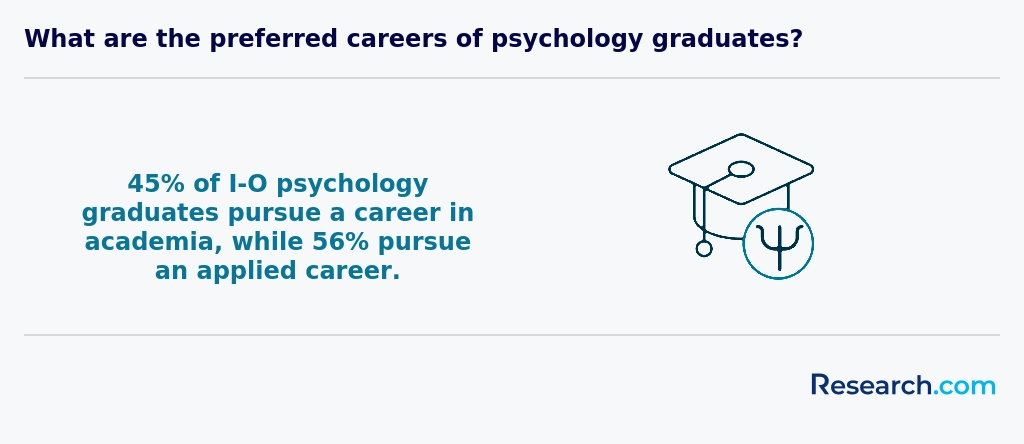
In Kentucky, becoming a licensed psychologist or psychological associate involves several standardized steps designed to ensure public safety and professional competency. First, candidates must hold a doctoral degree in psychology from an APA-accredited program or a master’s degree for those pursuing the Psychological Associate credential. After graduation, applicants register with the Kentucky Board of Examiners of Psychology (KBEP) and submit official transcripts, proof of supervised experience, and the required application fee. Next, applicants must complete a minimum of 3,000 hours of supervised professional experience-typically including 1,500 pre-doctoral and 1,500 post-doctoral hours-under a board-approved supervisor. During this period, candidates gain hands-on experience in assessment, diagnosis, and therapy. Once supervised hours are verified, applicants must pass the Examination for Professional Practice in Psychology (EPPP) and a state jurisprudence exam that covers Kentucky statutes and ethical standards. After licensure, psychologists in Kentucky must renew every two years and complete at least 20 hours of continuing education (CE) credits per cycle, including ethics, multicultural competence, and assessment topics. Staying current with CE not only meets KBEP requirements but also ensures adherence to best practices. While focusing on Kentucky’s licensure pathway, aspiring professionals may also compare program costs and outcomes through our Low Cost Psychology Degree Programs Ranking in Texas for additional perspective on affordable degree options.
If you're studying psychology in Louisville, there's a good chance you'll find some solid financial aid options to help ease the cost. For starters, most students apply for federal aid through FAFSA, which opens doors to grants like the Pell Grant-these are awesome because you don't have to pay them back. A lot of students at places like the University of Louisville mention how the Pell Grant covered a huge chunk of their tuition, which can be between $10,000 and $12,000 for in-state students.
Loans are pretty common too, especially Direct Subsidized Loans, where no interest piles up while you're in school. This can seriously help, especially if you're balancing classes and maybe a part-time job. Stafford Loans also help, with limits depending on where you are in your studies.
Then, there's local help-the Kentucky Higher Education Assistance Authority offers grants and scholarships just for in-state students. Lots of psychology majors at Bellarmine University talk about finding scholarships through their school or local foundations like the Kentucky Psychological Foundation, which gives awards ranging from $500 to $2,000. It's like a little boost that can make a big difference.
Graduate students at Louisville universities often land assistantships or fellowships, which cover tuition and even toss in a stipend. Imagine working on research or teaching while getting paid-pretty sweet deal if you ask any grad student around town.
Bottom line: mixing federal aid, state grants, scholarships, and work-study is what many Louisville psych students do to keep things affordable. Starting early with FAFSA and chatting with your school's financial aid office can really pay off.
Most psychology programs in Louisville follow a fall-admission cycle. Keep these milestones in mind:
- Research and compare programs by November.
- Schedule campus visits or virtual tours by December.
- Request official transcripts from all institutions by January.
- Submit your FAFSA (and any required institutional aid forms) by March 1.
- Complete program applications (including essays and recommendations) by March–April.
- Review admission decisions and accept an offer by May.
Always confirm exact dates with each school’s admissions office. If you prefer an accelerated path, explore our accelerated online psychology degree to see how flexible application timelines can fit your schedule.
If you're thinking about studying psychology in Louisville, the basics are pretty straightforward but important. Most grads from local colleges share how having a solid high school diploma or GED was their first step. They also mention that good grades in English, math, biology, and social sciences really helped them hit the ground running when classes started.
For undergrad programs, some schools in Louisville want to see your transcripts and sometimes your SAT or ACT scores, though plenty of places are going test-optional now. That means you can sometimes skip the stress of those tests if your grades are strong enough.
Grad school hopefuls in Louisville often tell stories about juggling their bachelor's degree and making sure they had at least a 3.0 GPA-some top programs expect even higher. They also found that having letters of recommendation and a clear statement of purpose made a big difference during admissions.
Some shared how clinical or counseling tracks meant extra classes in statistics or research methods, making the journey feel more real and focused. Louisville's universities balance quality and cost, so you don't have to worry about breaking the bank while pursuing your psychology dreams.

Understanding the return on investment (ROI) for a psychology degree is critical for Louisville students seeking affordable programs without compromising long-term earnings potential. By comparing total program costs with median starting salaries and projected career earnings, you can determine which institutions deliver the best value for your educational dollars. An effective ROI analysis begins with total cost of attendance-including tuition, fees, books, and living expenses. For example, the University of Louisville’s four-year bachelor’s program averages $28,280 in in-state tuition and fees, while Bellarmine University’s private program can total $45,600. Next, balance these costs against entry-level salaries: Louisville psychology graduates often start around $35,000–$40,000 annually in roles such as Human Resources Specialist or Clinical Research Associate. Based on these figures, breakeven on your investment typically occurs within 4–6 years of graduation, after which net earnings accelerate. Long-term ROI also factors in career advancement. Graduates pursuing licensure or advanced credentials-such as a PsyD-can significantly boost their earning power. Those considering doctoral training should explore flexible options like our psyd counseling psychology online pathways, which offer clinical specialization and reduce opportunity costs by allowing part-time study. Over a 20-year career, psychologists with doctoral degrees in Kentucky can earn up to 30% more than those with only a bachelor’s. Finally, consider non-monetary returns: internships, mentorship, and alumni networks in Louisville enhance employability and job satisfaction. When weighing program affordability, always account for both financial and professional gains to choose a psychology degree that maximizes your ROI.
If you're thinking about diving into a psychology degree in Louisville, you'll quickly find yourself exploring a mix of courses that really get to the heart of how people think and behave. At popular spots like the University of Louisville, graduates often mention how classes like Introduction to Psychology and Developmental Psychology helped them understand everything from basic theories to how people change over time-super useful whether you want to work with kids or adults.
It's not just theory, though. You'll get hands-on with Research Methods and Statistics for Psychology, which might sound intimidating at first, but many students say those classes actually boosted their confidence in handling real data and experiments, especially when working on projects in local clinics or community centers around Louisville.
Courses like Social Psychology and Abnormal Psychology bring in lots of relatable discussions about real-world situations-like why people act differently in groups or how mental health issues are diagnosed and treated. Plus, electives in clinical or counseling psychology let students tailor their experience to what they're passionate about, making every semester feel personal and exciting.
If you're looking into a psychology degree in Louisville, you'll find plenty of cool specializations to choose from. Whether you're drawn to Clinical Psychology and want to dive into mental health treatment or interested in Counseling Psychology to help people navigate life's twists, Louisville's programs have you covered. Many grads from the University of Louisville have shared how practical their courses were, especially when exploring Industrial-Organizational Psychology, which is all about making workplaces better and boosting productivity.
Developmental Psychology is another popular path, perfect if you're curious about how people grow and change from childhood to old age. Some students also get excited about Forensic Psychology, combining law and psychology in ways that feel straight out of a crime drama. Health Psychology is gaining traction too, helping students understand how the mind impacts physical health.
These options make psychology degree specializations in Louisville really flexible, so you can focus on what sparks your passion. Plus, if you want to get a sense of the salary with online masters degree in psychology, many find local internships and research opportunities here invaluable.
Picking the best psychology degree in Louisville means thinking about what fits your goals and lifestyle. Many graduates from popular Louisville colleges rave about programs that offer hands-on internships with local clinics or counseling centers, which really boost confidence and job readiness. If you want to get licensed here in Kentucky, make sure your program checks all the state's boxes-some schools tailor their coursework and supervised experience to those exact requirements.
Cost definitely matters, too. Louisville has some affordable psychology colleges Louisville KY that keep tuition reasonable, especially compared to private options. One grad shared how part-time classes helped manage expenses while still making steady progress toward the degree.
Also, think about the vibe-smaller classes with faculty who are doing real research or working in local mental health fields can make a big difference. If you're curious about specialized paths like counseling, check out options like psyd counseling psychology online programs that some Louisville institutions now offer for extra flexibility and focus.
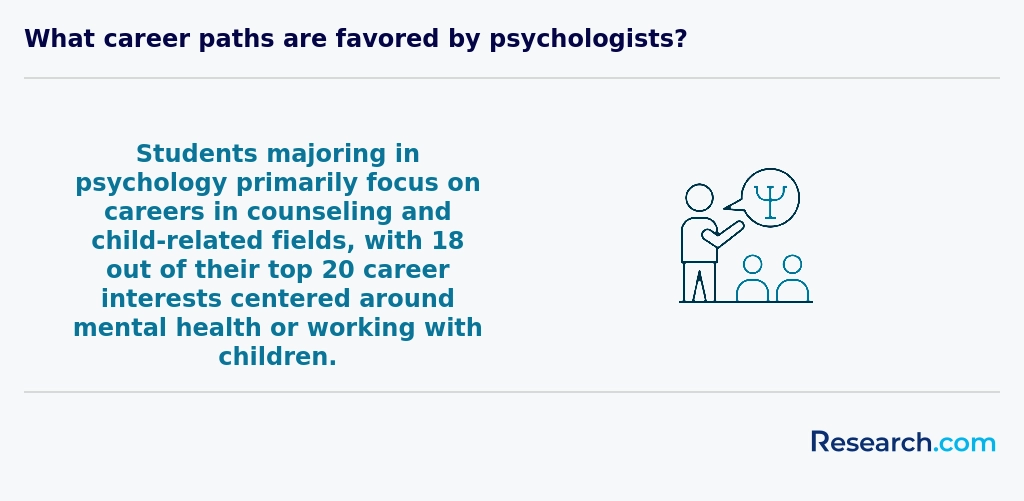
If you're diving into a psychology degree in Louisville, you're opening doors to some pretty cool career paths. A lot of grads find their groove in clinical or counseling psychology, working in hospitals or private practices around the city. Many students from popular Louisville colleges love how they can actually see the impact they're making by helping people tackle mental health challenges firsthand. For those drawn to the corporate world, industrial-organizational psychology offers roles in HR or training, helping local companies boost workplace vibes and efficiency.
School psychology is another popular track, especially here where schools really focus on strong student support. Graduates often end up helping kids thrive academically and emotionally in K-12 settings. Plus, Louisville's growing research scene means lots of chances for roles as research assistants or behavioral scientists. If you're curious about affordable options for your studies, check out this Low Cost Psychology Degree Programs Ranking in Texas, which can give you a sense of similar costs and value.
There's definitely an energy around jobs for psychology graduates Louisville that's hard to beat, with plenty of pathways where you can make a real difference in the community. Whether it's social work, forensic psychology, or public health initiatives, local grads often share how rewarding it feels to find a role that fits their passion perfectly.
If you're thinking about a psychology degree job outlook Louisville is pretty encouraging. Graduates from places like the University of Louisville or Bellarmine often find themselves stepping into roles at local hospitals, schools, or mental health clinics. Many share how landing a job as a behavioral health technician or case manager feels like a perfect first step, giving real-world experience and steady pay.
The demand in Louisville is growing thanks to more mental health programs and the blending of behavioral health with primary care, which means more varied jobs are popping up. For those aiming higher, clinical psychology or counseling positions offer solid salaries, usually between $60,000 and $85,000 annually. Students from Louisville's colleges often appreciate that the community values continued learning, so they take advantage of fast online degree completion programs for working adults to boost careers while working.
All in all, the psychology career opportunities in Louisville feel promising and grounded, with heartfelt stories from grads who love making a difference right here at home.
2027 Most Affordable Psychology Degree Programs Ranking in Louisville
Investing in your education is a significant decision that can shape your future, and the Research.com team understands the importance of making informed choices. To assist prospective students in Louisville, we have meticulously crafted the "2027 Most Affordable Psychology Degree Programs Ranking in Louisville." Our commitment to quality, credibility, and accuracy is reflected in the extensive research and analysis conducted to compile this ranking.
We utilized the following reputable data sources to ensure a comprehensive evaluation of psychology degree programs:
By exploring this ranking, readers will gain valuable insights into the most affordable psychology degree programs available in Louisville, helping them make well-informed decisions about their educational paths. For more details on how the ranking was created, please visit our Research.com methodology page.


Frequently Asked Questions About psychology
Psychology degree students in Louisville can maximize their learning by engaging actively in both coursework and practical experiences. Louisville hosts several accredited institutions, such as the University of Louisville and Bellarmine University, where students benefit from hands-on research opportunities. According to the National Center for Education Statistics, participating in undergraduate research significantly improves retention and understanding of psychological concepts.
Students should also seek internships with local mental health organizations, hospitals, or community centers. Louisville's diverse population offers unique case studies to apply classroom theory effectively. Networking with professors and attending psychology-related workshops further enhances academic and career prospects.
Emerging niches within the psychology field reflect advances in technology and shifting societal needs. In Louisville, specialties like neuropsychology and health psychology are gaining attention due to increased local demand for mental health services and neurological assessments, as reported by the Kentucky Psychological Association.
Another growing area is forensic psychology, supported by Louisville's expanding criminal justice system requiring expert analysis in legal cases. Additionally, industrial-organizational psychology is becoming prominent as regional businesses seek to improve workforce productivity and employee well-being.
Telepsychology has also surged, especially following recent healthcare trends, enabling psychologists to reach broader populations across Kentucky through virtual platforms. These niches offer diverse opportunities for students pursuing psychology degrees in Louisville.
After completing a psychology degree in Louisville, preparing for the job market involves several key steps. Graduates should seek internships or practicum experiences during their studies to build practical skills and professional networks. According to the Bureau of Labor Statistics, psychology-related jobs in Kentucky are projected to grow by 8% through 2031, highlighting opportunities in counseling, social services, and research fields.
Louisville's local agencies, such as the Kentucky Psychological Association, offer job postings and networking events that can support entry-level job seekers. Additionally, earning relevant certifications in areas like substance abuse counseling can increase employability.
Finally, developing strong communication and data analysis skills is crucial, as these are highly valued in positions across healthcare, education, and business sectors in Louisville.
Employers in Louisville prioritize several key skills when hiring psychology degree graduates. According to the Kentucky Center for Statistics, strong critical thinking and analytical abilities are essential, enabling graduates to interpret complex psychological data effectively. Communication skills, both written and verbal, are highly valued for interacting with clients and colleagues.
Additionally, employers seek proficiency in research methods and understanding of ethical standards in psychology. Familiarity with local mental health issues and cultural competence is important given Louisville's diverse population. Practical experience, such as internships or supervised clinical hours, often distinguishes candidates in this competitive market.
Finding internships in Louisville relevant to a psychology degree involves several practical steps. First, students should connect with local universities such as the University of Louisville, which offers internship placement services through their psychology departments. These programs often partner with community mental health centers, hospitals, and social service agencies.
Additionally, exploring Louisville's healthcare system is valuable, as Norton Healthcare and Baptist Health provide psychology-related internship opportunities. According to the Kentucky Career Center, mental health and social work job growth in Louisville is projected to increase by 12% over the next decade, signaling more internship openings.
Networking through psychology student organizations, attending career fairs, and using online platforms specialized in internships, such as Handshake, can also aid in finding relevant placements.
A psychology degree in Louisville can significantly enhance career mobility and advancement opportunities. Graduates with a bachelor's degree often find entry-level roles in social services, human resources, or mental health support, while advanced degrees open doors to clinical practice, counseling, or research positions.
According to the U.S. Bureau of Labor Statistics, the Louisville metropolitan area expects a 10% growth in social and community service jobs through 2032, reflecting strong local demand for psychology expertise. Earning a master's or doctoral degree increases earning potential and eligibility for licensure, which is required for many higher-level roles in Kentucky.
Networking with local institutions like the University of Louisville and participating in internships or certification programs can further boost professional development and job prospects in the region.
Studying for a psychology degree in Louisville provides a strong foundation for interdisciplinary roles by integrating diverse fields such as healthcare, education, and social services. Local universities often emphasize applied learning, combining psychology with biology, sociology, and counseling. This approach aligns with the growing demand for professionals who can navigate complex human behaviors in various settings.
Louisville's institutions benefit from partnerships with regional hospitals and community organizations, offering students practical experience in mental health, neuropsychology, and public health. According to the Kentucky Council on Postsecondary Education, interdisciplinary courses have increased by 20% in psychology programs since 2020, reflecting this trend.
This preparation equips graduates to collaborate across professions, enhancing their adaptability and employability in sectors like healthcare administration, social work, and educational support.
Choosing between a thesis and a non-thesis psychology degree program in Louisville depends on your career goals and learning preferences. Thesis programs typically require original research, ideal for students planning to pursue doctoral studies or research careers. In Louisville, universities like the University of Louisville offer both options, with thesis tracks often extending program length to about two years.
Non-thesis programs focus more on coursework and practical skills, appealing to those aiming for professional roles such as counseling or psychology technician jobs. According to the National Center for Education Statistics, nearly 40% of master's psychology students nationwide opt for non-thesis paths for faster completion.
Consider faculty expertise and available research facilities in Louisville, as thesis work relies heavily on mentorship and resources. Also, review your post-graduate plans-academics versus applied practice-to determine which program fits best.
Students in Louisville interested in studying psychology abroad have access to several structured opportunities through their home institutions. Universities such as the University of Louisville often partner with foreign universities, offering exchange programs that allow psychology students to complete part of their degree overseas. These programs typically last from a semester to a full academic year.
Additionally, many Louisville students utilize third-party study abroad providers specializing in psychology placements worldwide. According to the American Psychological Association, participating in study abroad can enhance global competence essential for modern psychology professionals.
Financial aid and scholarships specifically for study abroad are also available, which many Louisville students leverage to offset costs. The key for prospective students is to consult their academic advisors early to integrate these international experiences into their degree plans effectively.
Students pursuing psychology degrees in Louisville have access to various part-time job opportunities that enhance their academic learning. Positions such as research assistants at the University of Louisville offer hands-on experience in psychological studies. According to the university's Career Center, these roles are vital for understanding experimental design and data analysis.
Other common opportunities include working as mental health aides or peer counselors at local clinics or nonprofits. These roles improve interpersonal skills and expose students to clinical environments. Additionally, positions in community outreach programs allow students to apply behavioral theories practically while serving Louisville's diverse populations.
Such jobs can strengthen resumes and prepare students for graduate studies or careers in counseling, therapy, and social work.
Psychology students in Louisville have access to various valuable networking opportunities that enhance their academic and professional growth. Local universities such as the University of Louisville and Bellarmine University host psychology clubs and honor societies, providing students with regular events and meetings to connect with peers and faculty. Louisville's proximity to several healthcare and research institutions offers internships and volunteer roles.
Professional organizations like the Kentucky Psychological Association (KPA) hold conferences and workshops in Louisville, where students can meet practicing psychologists and researchers. These events often include mentorship programs, helping students build essential industry connections early in their careers.
The city's growing psychology research community also participates in public seminars and lectures, which are open to students. These venues encourage engagement with contemporary topics and foster collaboration across academic and clinical settings.
Alumni networks provide valuable support for psychology degree students in Louisville by connecting them to experienced professionals and recent graduates. These networks often facilitate mentorship opportunities, helping students navigate academic challenges and career paths. According to the National Association of Colleges and Employers, strong alumni engagement can increase internship placements by 25%, which is crucial for hands-on experience in psychology.
In Louisville, universities like the University of Louisville maintain active psychology alumni groups that offer job leads and networking events. Participation in these networks can improve employment prospects within Louisville's growing mental health sector, which saw a 10% increase in demand for psychologists between 2020 and 2023, according to state labor reports.
Customizing a psychology degree program in Louisville allows students to align their education with specific career ambitions. Many local institutions offer elective courses in areas such as clinical psychology, counseling, or industrial-organizational psychology. Students can select internships or practicum experiences within Louisville's healthcare facilities or businesses to gain practical skills.
Some universities provide options for research projects or independent studies, enabling students to explore niche topics under faculty guidance. Additionally, certificate programs in specialties like forensic psychology or child development can complement a general psychology curriculum. According to the Kentucky Council on Postsecondary Education, this flexibility helps tailor degrees to diverse career paths.
Psychology students in Louisville often encounter several challenges typical of U.S. higher education. One key difficulty is managing the rigorous coursework, which includes statistics, research methods, and various psychological theories. Many students struggle to balance these academic demands with part-time jobs or internships needed for practical experience.
Access to quality internships and practicum sites in Louisville can be limited, given the competitive nature of placements in local hospitals and counseling centers. According to the Kentucky Psychological Association, students often face delays in securing these opportunities, which are essential for graduation and licensure.
Financial concerns are another significant hurdle. The average tuition for psychology programs in Louisville ranges widely, and many students rely on scholarships or loans. Stress related to funding their education while maintaining good academic performance remains common.
With a psychology degree in Louisville, graduates can pursue several professional certifications to enhance their careers. One common certification is the Licensed Professional Counselor (LPC), which allows practice in counseling settings after meeting state-specific requirements. Kentucky also offers the Licensed Psychological Associate (LPA) credential, often pursued by those with a master's degree for supervised psychological work.
Other certifications include Certified Addiction Counselor (CAC) and Board Certified Behavior Analyst (BCBA), especially relevant given Louisville's focus on mental health services. According to the Kentucky Board of Examiners of Psychology, these credentials require additional training and supervised hours beyond the degree.
These certifications can open doors to clinical, educational, and organizational roles across Louisville and the wider state.
To write a winning application for a psychology program in Louisville, start by researching each program's specific requirements and deadlines. Many Louisville universities, such as Bellarmine University and the University of Louisville, seek applicants with a strong academic record, particularly in psychology and related social sciences. Aim for a GPA of 3.0 or higher, as competitive applicants often exceed this benchmark according to U.S. News data.
Craft a clear, focused personal statement that highlights your passion for psychology and illustrates relevant experiences, such as internships or volunteer work in mental health settings. Including specific career goals aligned with Louisville's community needs can strengthen your case.
Secure strong letters of recommendation from professors or professionals familiar with your work ethic and commitment to psychology. Finally, prepare for possible interviews by practicing responses about your motivation and understanding of the field.
The field of psychology offers diverse career paths worldwide, with growing demand for qualified professionals. In the United States, including Louisville, psychology careers benefit from a strong academic foundation and varied specializations such as clinical, counseling, and industrial-organizational psychology. According to the U.S. Bureau of Labor Statistics, employment of psychologists is projected to grow 6% from 2021 to 2031, reflecting steady demand.
Globally, psychology practices differ by culture and healthcare systems, but U.S. degrees, like those from Louisville institutions, are respected internationally. Professionals with U.S. credentials often find opportunities in research, mental health services, and education abroad, especially in countries emphasizing evidence-based approaches.
In Louisville, students can access accredited programs aligned with national standards, preparing them for licensure and global competitiveness as the profession increasingly integrates cross-cultural expertise.
Gaining practical experience while studying psychology in Louisville is crucial for career readiness. Many local universities encourage students to pursue internships with healthcare facilities, schools, or nonprofit organizations. For instance, the University of Louisville offers internship placements in various clinical and research settings, helping students develop hands-on skills.
Additionally, volunteering at community mental health centers or counseling clinics provides valuable exposure. According to data from the American Psychological Association, practical experience significantly enhances job prospects after graduation.
Students can also engage in research assistant roles on campus, contributing to ongoing psychological studies. These opportunities strengthen both practical understanding and professional networks within Louisville's psychology community.
Choosing the right concentration within a psychology degree program in Louisville involves assessing your career goals and interests. Psychology offers diverse fields such as clinical, counseling, industrial-organizational, and developmental psychology. Each has distinct job outlooks and required skills.
Local data from the U.S. Bureau of Labor Statistics shows Louisville's demand for clinical and counseling psychologists remains steady, with a projected growth rate around 10% through 2030. If working directly with patients or communities appeals to you, these might be strong choices.
Alternatively, industrial-organizational psychology is growing in Louisville's corporate sectors, focusing on workplace behavior and productivity enhancement. Researching available concentrations at Louisville institutions and consulting academic advisors can clarify which path best suits your strengths and goals.
- 2027 Most Affordable Psychology Degree Programs Ranking in Indianapolis
- 2027 Most Affordable Psychology Degree Programs Ranking in Fort Wayne
- 2027 Most Affordable Psychology Degree Programs Ranking in Notre Dame
- 2027 Most Affordable Psychology Degree Programs Ranking in Saint Louis
- 2027 Most Affordable Psychology Degree Programs Ranking in Chicago
- 2027 Most Affordable Psychology Degree Programs Ranking in Detroit
- 2027 Most Affordable Psychology Degree Programs Ranking in Atlanta
- 2027 Most Affordable Psychology Degree Programs Ranking in Birmingham
- 2027 Most Affordable Psychology Degree Programs Ranking in Macon
- 2027 Most Affordable Psychology Degree Programs Ranking in Montgomery
See What Experts Have To Say About Studying Psychology
Read our interview with Psychology experts

Elizabeth L. Jeglic Ph.D.
Psychology Expert
Professor of Psychology
City University of New York

Joann Farrell Quinn, Ph.D., MBA
Psychology Expert
Director at the College of Medicine Department of Medical Education
Morsani College of Medicine

Catherine Caldwell-Harris, Ph.D.
Psychology Expert
Associate Professor of Psychology
Boston University

- Psychology at University of Louisville https://www.vaia.com/en-us/degrees/universities/university-of-louisville/psychology-at-university-of-louisville/
- Sample letters in psychology https://www.mystudies.com/en-in/human-and-social-sciences/psychology/letter-model/
- Community Psychology in Global Perspective http://siba-ese.unisalento.it/index.php/cpgp
- Best Types Of Online Psychology Degrees 2025 https://www.psychology.org/degrees/
- Know more about thesis vs non- thesis: what is the difference? https://studyfans.com/en/blogs/816
- Ontario Psychological Association - Networking and Community Resources https://www.psych.on.ca/become-a-member-(1)/member-services/networking-and-community-resources
- Mental Health Challenges Faced by Psychology Students | The Healthcare Guys https://healthcareguys.com/2023/11/23/mental-health-challenges-faced-by-psychology-students/
- Have You Found a Niche? https://www.apaservices.org/practice/business/marketing/building/niche
- How to help students cope with mental health challenges https://www.eaie.org/resource/help-students-cope-mental-health-challenges.html
- University of Louisville https://www.free-4u.com/Colleges/University-of-Louisville.html


