
2027 Most Valuable Psychology Degree Programs Ranking in the Northeast

Co-Founder and Chief Data Scientist
Choosing the right psychology degree program can shape your future in meaningful ways. This article presents the 2027 Most Valuable Psychology Degree Programs Ranking in the Northeast, crafted by the Research.com team of data scientists. It's designed to help you make an informed choice that fits your goals and interests.
Exploring these rankings offers valuable insight into programs that provide strong career prospects and personal growth. Pursuing a psychology degree opens doors to understanding human behavior and making a real difference in people's lives.
Take a confident step toward your future by discovering which programs stand out in the Northeast.
Key benefits of getting psychology degree in the Northeast
- Salary for psychology degree graduates: Graduates in the Northeast can expect competitive salaries, such as Clinical Research Associates earning about $62,370 annually and Marketing Research Analysts making around $83,190, reflecting strong earning potential.
- Career paths: A psychology graduate from a popular Northeast university might pursue roles in human resources, marketing research, or clinical studies, enjoying diverse opportunities that match their interests and skills.
- Online degree benefits: Earning a psychology degree online from a well-known Northeast institution offers flexibility and convenience, allowing students to balance work and study while opening doors to rewarding careers.
- 2027 Most Valuable Psychology Degree Programs Ranking in the Northeast
- What can I expect from psychology degree in the Northeast?
- Where can I work with psychology degree in the Northeast?
What can I expect from psychology degree in the Northeast?
The average cost of pursuing a psychology degree in the Northeast varies significantly depending on the type of institution. Public universities commonly offer more affordable tuition rates for in-state residents, making programs accessible to many local students. Graduates from state schools often appreciate the balanced cost-to-benefit ratio, especially when combined with financial aid options specific to psychology majors.
Private institutions in the Northeast, such as Boston University or the University of Pennsylvania, tend to have higher tuition fees. However, many students report that these costs are offset by the comprehensive research opportunities and personalized mentorship they receive, which enhances their academic experience and future career prospects.
Financial aid packages are crucial in this region; around 30% of psychology undergraduates access scholarships or research assistantships. Graduates often express gratitude for these supports, noting that they made intensive internship experiences and hands-on clinical training feasible without overwhelming debt. This financial support helps enable a robust and practical education deeply connected to real-world psychological practice.
Where can I work with psychology degree in the Northeast?
Graduates with psychology degrees from institutions like Harvard, Yale, and Rutgers in the Northeast find abundant career opportunities in clinical settings such as hospitals and mental health clinics. Many enjoy fulfilling roles in urban centers like Boston and New York City, where extensive healthcare institutions offer diverse positions in clinical and counseling psychology.
In education, psychology graduates frequently work as school psychologists or counselors, supporting student mental health in public and private schools. The growing demand for these professionals in densely populated districts provides meaningful ways to impact youth well-being and learning environments.
Others pursue careers in corporate sectors across New York City, leveraging their expertise in human behavior to enhance human resources, organizational development, and marketing research. This path often excites graduates eager to influence workforce efficiency or consumer engagement.
Social service agencies and nonprofits throughout the Northeast engage psychology graduates in community outreach, substance abuse programs, and youth services, allowing them to make direct, positive differences in social welfare.
Finally, graduates with advanced degrees frequently secure positions in research and academia at prestigious universities, thriving in environments that foster innovation and knowledge growth.
Graduates with psychology degrees in the Northeast often find promising earning opportunities linked to their specific roles and education levels. For example, those working as Human Resources Specialists, a common path for psychology alumni, earn a mean annual wage of approximately $76,060, with hourly wages near $36.57. This salary reflects strong demand in metropolitan hubs such as Boston or Philadelphia, where institutions like Boston University and the University of Pennsylvania nurture talent ready to enter these roles.
Marketing Research Analysts, another frequent occupation for psychology graduates, have mean annual salaries around $83,190, or $40.00 per hour. Graduates from Northeastern universities appreciating data-driven careers resonate with this earning potential, excited about combining behavioral insights with marketing strategies.
Those entering positions like Clinical Research Associates or Survey Researchers typically earn mean wages of about $62,370 annually. Graduates from esteemed programs at institutions like Columbia University often recall applying psychological principles in clinical trials or research studies, securing stable incomes in competitive urban markets.
Psychology graduates working as Childcare Workers experience lower mean annual earnings, near $32,070. Yet, many value the fulfilling nature of supporting early development in Northeast communities, deriving satisfaction beyond the paycheck.
Overall, these figures highlight that psychology degree holders in the Northeast can expect salaries varying widely based on their chosen career paths, with urban environments generally boosting compensation opportunities.
- Tuition at public universities in the Northeast ranges from $10,000 to $30,000 per year for in-state students, while private schools charge between $40,000 and $60,000 annually.
- Entry-level salaries for bachelor's degree holders in psychology average about $45,000 per year.
- Graduates with master's or doctoral degrees can expect median salaries between $70,000 and $90,000 five to ten years after graduation.
- The job market for psychology professionals in the Northeast is growing at a rate near the national average of 6%.
- Licensing for clinical practice requires supervised hours and passing the Examination for Professional Practice in Psychology (EPPP), consistent with national standards.
- The region offers extensive internship and research opportunities due to its concentration of research institutions and hospitals.
Completing a psychology degree in the Northeast varies by level, with bachelor's degrees generally requiring about four years of full-time study. Graduates from prominent schools such as Boston University and New York University often reflect warmly on their intensive undergraduate experiences, appreciating the structured timeline that allowed them to engage fully with course material and build foundational skills.
For those advancing to a master's degree, an additional two years post-bachelor's is typical. Students at Northeastern institutions appreciate specialized tracks that tailor their learning to specific interests within psychology, providing a sense of direction and accomplishment within a manageable timeframe.
Doctoral degrees in psychology, offered at universities like Rutgers and the University of Pennsylvania, demand a longer commitment, usually between five and seven years. These years encompass coursework, research, internships, and dissertations. Graduates often speak highly of the flexibility offered by part-time options, which enable balancing work or personal commitments without sacrificing the rewarding challenge of achieving a doctorate.
While the Northeast boasts prestigious institutions, its tuition rates often exceed the national average, prompting cost-conscious students to explore other regions. A strategic comparison reveals that Midwestern universities typically offer lower in-state and out-of-state tuition without sacrificing academic rigor or professional outcomes. By broadening your search, you can uncover programs that deliver strong clinical training, research opportunities, and faculty mentorship at a fraction of the cost. For instance, the Midwest’s academic landscape includes a variety of public and private colleges with competitive psychology departments. To help you evaluate these options, check out our Low Cost Psychology Degree Programs Ranking in Saint Louis, MO, which highlights institutions known for blending affordability with high-value curricula. Incorporating such alternatives into your decision-making process ensures you maximize return on investment while achieving your educational goals. Before committing, weigh factors like internship placements, licensure requirements, and local industry connections across regions. By comparing the Northeast’s premium offerings with the Midwest’s cost-effective programs, you’ll identify the best pathway to a psychology degree that aligns with both your budget and career aspirations.
Online and on-campus psychology degree programs in the Northeast differ primarily in delivery and student experience. On-campus students at institutions like Boston University or the University of Pennsylvania engage in face-to-face lectures, group discussions, and hands-on activities such as lab work and local internships, fostering deep connections with faculty and peers. Graduates often recall the immediate support networks and immersive learning environments as pivotal to their success and confidence entering the field.
Meanwhile, online programs from respected regional schools offer flexibility crucial for working adults or those with family commitments, allowing completion of coursework around personal schedules. A graduate from an online program shared appreciation for this adaptability, noting how it enabled balancing full-time employment while pursuing academic goals without relocating.
Costs vary; on-campus students encounter additional expenses like housing and commuting, while online learners often reduce such overheads. Nevertheless, both paths maintain accreditation standards recognized across Northeastern licensing boards, ensuring credential value regardless of format chosen.
The field of psychology is constantly evolving, with new trends and specializations emerging in response to societal needs and advances in research. One of the most significant emerging trends is the integration of technology into psychological practice, including the use of telehealth services, mobile apps, and virtual reality tools to enhance treatment outcomes and increase access to care. Another area of growth is the focus on diversity, equity, and inclusion, with psychologists working to develop culturally sensitive treatments and address the mental health needs of underserved populations. In terms of specializations, areas such as environmental psychology, positive psychology, and neuroscience are gaining attention, as they offer new perspectives on the complex interactions between individuals, environments, and societies. As the field continues to expand, it is likely that new specializations and trends will emerge, providing psychology graduates with a wide range of career paths and opportunities to make a meaningful impact in the world. Some of the emerging specializations include:
- Environmental Psychology: This specialization focuses on the relationship between individuals and their environments, exploring how physical spaces influence behavior and well-being.
- Positive Psychology: This area of study concentrates on promoting mental well-being and happiness, rather than solely treating mental illness.
- Neuroscience: The application of neuroscience in psychology is leading to a deeper understanding of the neural mechanisms underlying behavior and mental processes, paving the way for more effective treatments.
- Geropsychology: As the population ages, there is a growing need for psychologists who specialize in working with older adults, addressing issues such as dementia, aging, and end-of-life care.
- Industrial-Organizational Psychology: This specialization applies psychological principles to improve workplace productivity, employee satisfaction, and organizational health, making it an in-demand field in the corporate world. These emerging trends and specializations not only reflect the dynamic nature of the field of psychology but also highlight the vast opportunities available to graduates who are passionate about understanding human behavior and making a positive difference in society.
The average cost of a psychology degree in the Northeast reflects a combination of tuition, fees, and other academic expenses. Median total costs typically reach around $54,170, with in-state students paying approximately $38,344. Public universities in the region, including renowned institutions popular for psychology such as those in New York or Massachusetts, generally offer lower tuition for residents while maintaining robust academic programs. Graduates from these schools often recall balancing the affordability with the high quality of education and supportive faculty, which fosters a rewarding learning environment.
Total expenses for psychology degree programs Northeast include additional fees for lab work, textbooks, and other materials. These ancillary costs can add several thousand dollars per year, making it important for prospective students to factor in these expenses when budgeting. Psychology graduates from private colleges in the Northeast frequently share positive experiences despite higher costs, noting that access to specialized resources and research opportunities contribute significantly to their academic and professional growth.
Graduate-level psychology degrees in the region demonstrate greater variation in cost but often exceed undergraduate expenses considerably. Students pursuing advanced degrees benefit from assistantships, fellowships, or scholarships that help mitigate these costs. For those curious about future career paths, it is recommended to explore options such as what can i do with online doctorate degree in psychology, where flexible learning can influence total cost and outcomes.
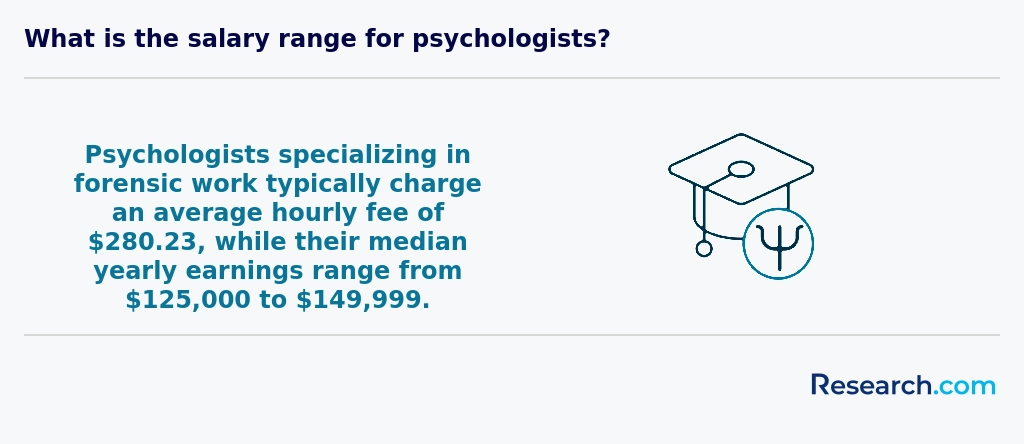
Accreditation and state licensure are critical benchmarks when evaluating psychology programs in the Northeast. Accredited programs meet rigorous standards set by bodies like the American Psychological Association (APA) or regional accrediting agencies, ensuring curricula, faculty credentials, and clinical training adhere to industry best practices. Graduates of APA-accredited programs are eligible for licensure exams in most states, which in turn qualifies them for roles ranging from clinical psychologist to school psychologist. Before applying, verify a program’s accreditation status on the institution’s website or the APA directory. In addition, familiarize yourself with your state’s licensing board requirements-these often include minimum credit hours, supervised practicum experiences, and passing the Examination for Professional Practice in Psychology (EPPP). Graduates from non-accredited programs may face additional coursework or supervision mandates to qualify for licensure. For those interested in advanced practice or leadership positions, exploring PsyD pathways can be especially valuable. Consider our psyd organizational psychology online offerings, which combine APA‐aligned coursework with flexible, practical training tailored to industry needs. By prioritizing accreditation and understanding licensure requirements early, you’ll safeguard your professional trajectory and ensure your psychology degree opens doors to reputable, high-impact careers.
Students pursuing psychology degrees in the Northeast benefit from diverse financial aid opportunities crucial for managing high tuition costs at institutions like Boston University and the University of Pennsylvania. Federal aid via the FAFSA opens doors to Pell Grants, loans, and work-study programs, often forming the essential financial foundation for many undergraduates. Graduates recall how Pell Grants significantly eased their burden, allowing focus on rigorous coursework without constant financial strain.
Many Northeastern colleges supplement federal aid with institutional scholarships that reward academic excellence or financial need. For example, some psychology majors at New York University received merit-based awards tied directly to their research contributions, sparking motivation and gratitude.
State programs such as New York's TAP or Massachusetts' MassGrant offer additional tuition relief for residents, making local university attendance more feasible. Graduate students often obtain assistantships or fellowships, blending financial support with hands-on clinical or research experience, enhancing both their professional growth and financial stability. These combined resources create a supportive environment that empowers psychology students to thrive in their education and career development.
Pursuing a psychology degree in the Northeast, like any other educational endeavor, comes with its own set of challenges and limitations. One of the primary concerns for many students is the cost of tuition, which can be particularly high in the Northeast. According to the data, the average yearly tuition for a psychology degree is approximately $9,580, with in-state public university tuition averaging $23,158 and out-of-state tuition reaching about $33,467. This financial burden can be overwhelming for some, making it essential to explore financial aid options, scholarships, and grants to help offset these costs. Another challenge that students may face is the competitiveness of the job market. While the demand for mental health professionals is growing, with overall employment of psychologists projected to grow 6% from 2022 to 2032, the field is still highly competitive. Graduates need to be prepared to stand out, either through specialized training, internships, or by pursuing advanced degrees. Additionally, the high expectations and pressure to perform well academically can lead to stress and burnout. Students must learn to manage their time effectively, balance academic responsibilities with personal life, and seek support when needed to maintain their mental health and well-being throughout their academic journey. The geographical location of the Northeast, while offering a wealth of opportunities, can also present challenges such as a high cost of living, particularly in urban areas like New York or Boston. Students may need to consider these factors when choosing a program, weighing the benefits of location against potential drawbacks. Despite these challenges, many graduates find that the rewards of pursuing a psychology degree in the Northeast far outweigh the limitations. The region's academic excellence, diverse population, and thriving job market make it an ideal place to study and launch a career in psychology. With the right mindset, support, and resources, students can navigate these challenges and set themselves up for success in their future careers.
Prospective students aiming to enroll in psychology degree programs in the Northeast must typically hold a high school diploma or its equivalent, backed by strong academic achievement in core subjects like biology and mathematics. Graduates from renowned institutions such as Boston University or the University of Pennsylvania often recall how their solid foundation in these areas made advanced psychology coursework more approachable and engaging.
Applicants should expect to demonstrate competency in social sciences, with recommended preparatory courses including biology, statistics, and introductory psychology being common prerequisites. Many undergraduates find these classes essential for developing the analytical skills necessary to excel in their studies. Personal accounts from graduates of Northeastern University highlight how early exposure to statistics deeply enhanced their understanding of psychological research methods.
For graduate programs, applicants generally require a bachelor's degree in psychology or a related field, plus coursework in developmental psychology, cognitive psychology, and research methodologies. While the GRE is becoming less emphasized statewide, successful applicants from institutions like Yale have noted the importance of meeting these academic standards to thrive in rigorous graduate environments.
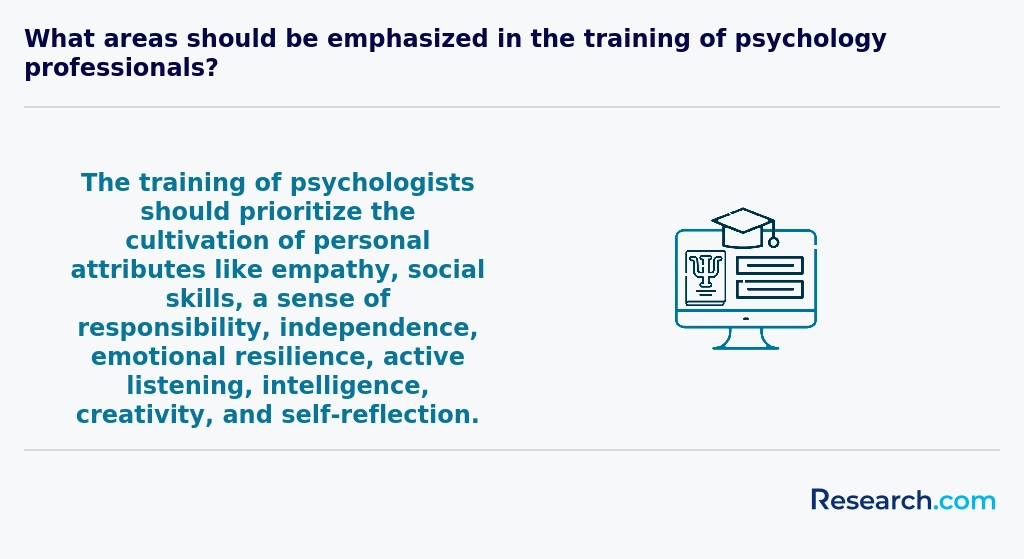
Pursuing an online doctorate degree in psychology provides unparalleled flexibility and advanced training that empowers graduates to delve into specialized research, clinical practice, or academic leadership. This pathway is designed for professionals aiming to expand their expertise while maintaining work and personal commitments. The curriculum often emphasizes cutting-edge methodologies, interdisciplinary collaborations, and real-world applications, making it a compelling option for those seeking to push the boundaries of psychological science. Moreover, graduates who complete an online doctoral program frequently report enhanced opportunities for career advancement and leadership roles in both traditional and emerging fields of psychology. For additional insights on career prospects and specialized roles, explore what can i do with online doctorate degree in psychology. Embracing an online doctorate not only broadens your academic credentials but also positions you at the forefront of innovation and research in the dynamic landscape of mental health and behavioral science.
Psychology degree programs in the Northeast typically include a robust set of core courses such as cognitive, developmental, social, and abnormal psychology. Graduates from institutions like Boston University and New York University often recall how these foundational classes provided clear frameworks for understanding human thought and behavior, enriching their academic experience. For example, cognitive psychology classes challenge students to explore mental processes through practical experiments, fostering excitement about real-world applications.
Students also engage deeply with research methods and statistics, essential for analyzing psychological data. Many Northeastern colleges emphasize experimental psychology and psychological statistics, which former students have described as critical for developing confidence in conducting scientific studies and interpreting complex findings.
Electives often cover applied areas such as clinical and counseling psychology, neuropsychology, and industrial-organizational psychology. Learners appreciate courses on psychotherapy theories and workplace behavior, which help tailor their education to specific career goals within the diverse Northeastern population. These offerings reflect a commitment to practical knowledge combined with ethical and multicultural perspectives.
Psychology degree specializations Northeast students encounter typically include clinical psychology, counseling psychology, and industrial-organizational psychology. Graduates from well-known universities in the region share that clinical psychology deeply engages them through practical work with individuals facing mental health issues, while counseling psychology programs emphasize therapeutic approaches ideal for careers in schools or private practice. Industrial-organizational psychology is particularly prominent due to the region's bustling corporate environments in cities like Boston and New York, attracting students interested in understanding workplace behavior and organizational dynamics.
Other popular options found at prominent colleges involve forensic psychology, health psychology, developmental psychology, and neuropsychology. The demand for forensic psychology stems from the extensive legal networks in Northeastern states, giving students a unique edge. Health psychology's focus on the mind-body connection resonates with students keen on integrating psychological science with healthcare. To explore emerging fields, students may pursue psyd organizational psychology online, enhancing their career prospects. These best psychology concentration options Northeast programs ensure learners engage with cutting-edge research and applied experiences that align with regional needs.
Choosing the best psychology degree programs Northeast involves assessing program accreditation and curriculum relevance. Graduates from well-regarded institutions report how exposure to clinical and research opportunities-such as those available at prominent universities like Boston University or New York University-greatly enhanced their practical skills and confidence.
Cost considerations are pivotal. Public universities in the Northeast generally offer more affordable psychology degrees in the Northeast, with average in-state tuition around $11,000 annually. Graduates often highlight scholarship and assistantship opportunities that made their education financially manageable. To explore more cost-effective options, consider consulting the Low Cost Psychology Degree Programs Ranking in Saint Louis, MO, which helps identify economically viable paths.
Location also shapes the student experience. Graduates studying in urban centers like Boston appreciated access to diverse populations and premier clinical settings, fostering stronger professional networks. Meanwhile, those in smaller Northeastern towns valued the personalized attention and lower living costs. Evaluating program specialization options alongside faculty expertise and licensure pass rates ensures alignment with one's career goals and optimizes future job placement prospects.
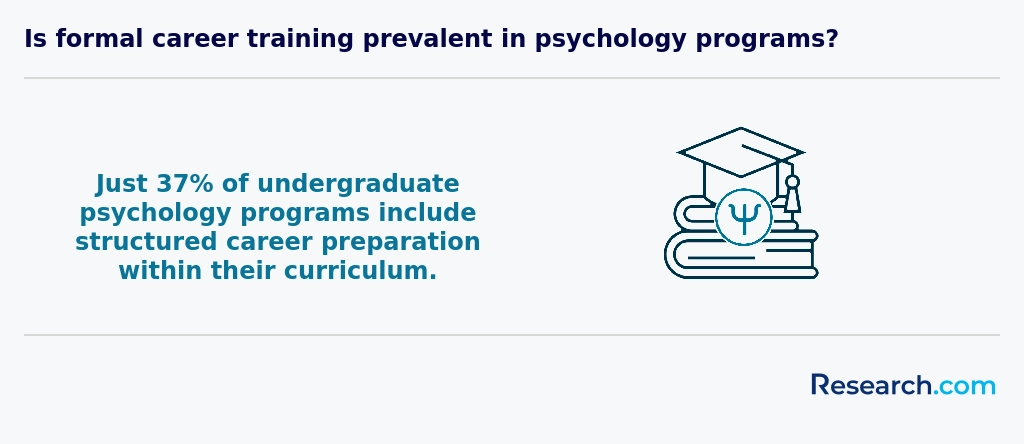
Graduates with a psychology degree in the Northeast frequently pursue diverse career paths that leverage their understanding of human behavior. Many aim to become licensed clinical psychologists, especially in states like New York and Massachusetts, where doctoral degrees from renowned universities such as Boston University or Columbia University are essential to practice. Those holding bachelor's or master's degrees find rewarding opportunities as mental health counselors, social service specialists, or case managers across community agencies and hospitals. These roles embody the meaningful support graduates seek to provide, often accompanied by certifications or licensure.
Research positions also attract recent graduates, with universities in Philadelphia and Boston offering entry points as research assistants or coordinators. This area appeals to those drawn to academic environments and innovation. Additionally, psychology degree careers in the Northeast extend into human resources, marketing, and UX design, where graduates apply behavioral insights to improve organizational outcomes. For students considering accelerated options, some explore 1 year masters degree programs to quickly advance their qualifications and enter the workforce.
The job market for psychology degree holders in the Northeast remains strong, with steady demand across healthcare, education, and government sectors. Graduates from popular universities in Boston and New York often share positive experiences about securing internships and practicum placements that lead to rewarding careers. These opportunities foster practical skills valued by employers, enhancing graduates' employment prospects in metropolitan areas.
Employment opportunities for those with psychology degrees in the Northeast are diverse, including roles in hospitals, schools, and community mental health services. Salaries generally range from $75,000 to over $100,000, reflecting the region's competitive job market and the value placed on advanced degrees. This favorable job outlook for psychology graduates in Northeast institutions encourages many to pursue master's or doctoral studies to maximize their potential.
Costs of education vary, but many find the investment worthwhile considering the strong salary prospects and career advancement available. Students exploring options may also find it helpful to consult resources on easy college degrees to plan their academic journey efficiently.
2027 Most Valuable Psychology Degree Programs Ranking in the Northeast
Investing in your education is a significant decision that can influence your future, and the Research.com team recognizes the importance of making well-informed choices. To support prospective students interested in psychology, we have carefully developed the "2027 Most Valuable Psychology Degree Programs Ranking in the Northeast." Our dedication to quality, credibility, and accuracy is demonstrated through extensive research and thorough analysis conducted to compile this ranking.
We utilized the following reputable data sources to ensure a comprehensive evaluation of psychology programs:
By reviewing this ranking, readers will gain valuable insights into the most valuable psychology degree programs in the Northeast, enabling them to make confident and informed decisions about their education. For further information on our rigorous methodology, please visit our Research.com methodology page.


# 10 position
Pennsylvania State University-Main Campus
Bachelor of Science in Psychology


Frequently Asked Questions About psychology
Psychology degree students in the Northeast can maximize their learning by engaging in diverse experiential opportunities. Many universities in this region, such as Boston University and the University of Pennsylvania, offer robust internship programs connecting students with local hospitals, research centers, and mental health clinics.
Active participation in research is also essential. According to the National Science Foundation, Northeast institutions receive significant funding for social and behavioral sciences, which translates into ample chances for undergraduates to assist in impactful projects.
Additionally, networking through regional psychology associations, like the Eastern Psychological Association, provides access to conferences and mentorship. Combining academic coursework with practical experience and professional networking enhances both knowledge and career readiness in this competitive field.
The field of psychology in the Northeast is evolving with several emerging niches attracting growing interest. One notable area is neuropsychology, which focuses on brain-behavior relationships and benefits from advances in brain imaging technologies available at research institutions like Harvard and Yale. Clinical health psychology is also expanding, addressing mental health with a strong emphasis on chronic illness management.
Another fast-growing niche is forensic psychology, fueled by collaborations between universities and legal systems in states such as New York and Massachusetts. Additionally, sports psychology is gaining traction as regional sports teams and colleges seek mental performance experts. According to the American Psychological Association, these specialties reflect increasing demand for targeted psychology expertise in the Northeast.
Preparing for the job market after completing a psychology degree in the Northeast involves strategic steps. First, gaining practical experience through internships or research assistant positions is essential. Many universities in this region, such as those in Massachusetts and New York, offer opportunities connecting students with local hospitals and mental health clinics.
Second, networking plays a crucial role. Joining professional organizations like the Massachusetts Psychological Association or the New York State Psychological Association helps build contacts and learn about job openings. According to the Bureau of Labor Statistics, the Northeast has a higher concentration of psychology-related jobs compared to other US regions, reflecting greater demand.
Lastly, considering graduate certification or licensure is important. Becoming a licensed psychologist or counselor requires meeting state-specific requirements, including supervised hours and exams. Tailoring job searches toward healthcare, education, or human services sectors can maximize employment chances in the Northeast's diverse job market.
Employers in the Northeast seek psychology graduates who demonstrate strong analytical and communication skills. According to the National Institute of Mental Health, employers value the ability to interpret behavioral data and convey findings clearly to clients or interdisciplinary teams.
Problem-solving and critical thinking are also essential, with many job listings highlighting these as top requirements for entry-level roles in clinical and counseling settings.
Additionally, knowledge of research methods and proficiency in statistical software like SPSS are highly regarded, especially in academic and healthcare institutions prevalent throughout the Northeast.
Interpersonal skills and cultural competence are increasingly important due to the region's diverse populations, helping graduates succeed in community-based roles.
Finding psychology internships in the Northeast involves several practical steps. Begin by exploring opportunities offered through your college's career services, as many universities maintain partnerships with local hospitals, clinics, and research centers. According to the American Psychological Association, internships remain critical for career development and licensure preparation.
The Northeast has a strong network of mental health facilities and research institutions, including those affiliated with universities such as Boston University and New York University. These institutions often provide internship listings or information sessions for students.
Additionally, websites like the National Association of School Psychologists and the Association for Psychological Science offer searchable internship databases. Networking at regional psychology conferences or joining local chapters of professional organizations can also open doors.
Securing an internship in this region enhances real-world experience, which surveys show improves graduate employability by up to 25% in psychology-related fields.
A psychology degree in the Northeast can significantly enhance career mobility and advancement. The region hosts numerous hospitals, research institutions, and corporate headquarters that value psychological expertise. According to the U.S. Bureau of Labor Statistics, states like New York and Massachusetts offer higher-than-average salaries for psychology professionals, increasing from $70,000 to over $100,000 annually for those with advanced degrees.
Graduates with psychology degrees often find opportunities in diverse fields such as clinical services, human resources, and education. The Northeast's dense network of universities and organizations facilitates professional networking and internships, which are crucial for career growth.
Licensure requirements vary by state but typically include graduate degrees and supervised experience, underscoring the importance of advanced study for career progression in this region.
Studying for a psychology degree in the Northeast offers unique preparation for interdisciplinary roles by integrating diverse academic perspectives. Many programs emphasize collaboration across fields such as neuroscience, social work, education, and business. For example, universities like Boston University and Rutgers provide coursework and research opportunities linking psychology with health sciences and data analytics.
This regional focus is supported by the Northeast's dense network of hospitals, research centers, and tech companies, fostering practical experiences. According to the American Psychological Association, nearly 35% of psychology graduates in this area engage in interdisciplinary projects, highlighting a trend of versatile skill development.
Students benefit from access to conferences and internships that emphasize teamwork across disciplines, sharpening critical thinking and communication skills essential in today's job market.
Choosing between a thesis and a non-thesis psychology degree program in the Northeast depends largely on your career goals and learning preferences. Thesis programs emphasize original research, preparing students for doctoral studies or research-focused jobs. Non-thesis tracks often prioritize coursework and practical skills, suitable for those aiming at clinical work or industry positions.
Many northeastern universities, such as those in the Association of American Universities (AAU), offer both options. According to the National Center for Education Statistics, about 40% of psychology master's graduates in the Northeast complete theses, reflecting strong research emphasis in this region.
Consider whether you enjoy independent research or prefer applied practice. Thesis work requires strong self-motivation and typically takes more time. Non-thesis programs may offer faster completion and higher course variety.
Students in the Northeast interested in studying psychology abroad have several structured options through U.S. universities that offer exchange programs. Many institutions, such as New York University and Boston University, maintain partnerships with European and Canadian universities, providing opportunities for semester-long or year-long study overseas. These programs allow students to earn credits that contribute to their psychology degrees at home.
According to the Institute of International Education, approximately 15% of U.S. psychology undergraduates participate in study abroad during their degree, a number steadily increasing in the Northeast due to expanded offerings. Popular destinations include the United Kingdom, Ireland, and the Netherlands, known for strong psychology departments and research facilities.
In addition to exchanges, some Northeast schools offer dual-degree arrangements or summer research internships abroad, enhancing students' academic and cultural exposure. It is advisable for students to consult their university's study abroad office and psychology department for tailored opportunities and accreditation details to ensure smooth credit transfer.
Students pursuing psychology degrees in the Northeast can benefit from several part-time job opportunities that complement their education. Common options include roles such as research assistant positions at local universities, behavioral health technician jobs, and peer counseling roles on campus. According to the U.S. Bureau of Labor Statistics (BLS), healthcare support jobs are expected to grow by 15% in the Northeast by 2030, supporting rising demand for mental health services.
Working as a research assistant helps students gain hands-on experience with psychological studies, often at institutions like Boston University or New York University. Behavioral health technician roles provide practical exposure by assisting licensed professionals in clinical settings.
Additionally, many colleges in the region offer peer counseling programs, allowing students to develop communication and support skills applicable in psychology careers. These positions not only reinforce classroom learning but also boost resumes for graduate program applications.
Psychology students in the Northeast benefit from diverse networking opportunities that enhance their academic and professional growth. Many universities, such as Boston University and New York University, host psychology clubs and honor societies like Psi Chi, offering regular events for peer interaction and mentorship.
Regional conferences like the Massachusetts Psychological Association Annual Meeting provide platforms to meet established professionals and researchers. Additionally, internships in hospitals, research centers, and social service organizations across states like New York and Pennsylvania facilitate practical connections.
Students can also access job fairs specifically targeting psychology roles, supported by career services at many Northeast institutions.
Alumni networks play a crucial role for psychology degree students in the Northeast by providing access to mentorship, job opportunities, and professional development. Many institutions in states like New York and Massachusetts boast active alumni groups with members working in clinical, research, and academic roles.
According to the National Center for Education Statistics, psychology graduates benefit from these networks through internships and job placements more frequently than those without such support. Close connections often help students navigate licensing requirements specific to Northeastern states.
Additionally, alumni-led workshops and events offer valuable insights into emerging psychology trends and regional workforce demands. This support enhances students' career readiness in a competitive Northeast job market.
Customizing a psychology degree program in the Northeast allows students to align their education with specific career goals. Many universities in this region offer concentrations such as clinical psychology, counseling, forensic psychology, or industrial-organizational psychology. For example, schools like Boston University and New York University provide specialized tracks and internship opportunities tailored to diverse interests.
Students can also select elective courses and research projects that reflect their desired career paths. Northeast institutions often collaborate with local hospitals, law enforcement, and corporations, offering practical experiences essential for professional development. According to the American Psychological Association, internships and applied learning are critical components of psychology education, significantly boosting employability.
Additionally, pursuing certifications or dual degrees (e.g., psychology and business) is another way to tailor studies to fit career aims in this competitive market.
Psychology students in the Northeast often face high tuition costs, with many prestigious institutions charging over $50,000 annually, which can lead to significant student debt. According to the National Center for Education Statistics, the Northeast has some of the highest average tuition rates nationwide. Additionally, intense competition for research assistantships and internship placements is common, complicating practical experience opportunities crucial for graduate school applications.
Balancing rigorous coursework with the demand for clinical hours also poses challenges. Mental health resources on campus may be limited despite high stress levels in this rigorous field, affecting student wellbeing. Navigating licensure requirements, which vary by state, adds further complexity for psychology students planning to practice professionally in the Northeast.
With a psychology degree in the Northeast, graduates can pursue several professional certifications to enhance their careers. One common path is obtaining licensure as a Licensed Clinical Psychologist (LCP), which requires a doctoral degree, supervised experience, and passing the Examination for Professional Practice in Psychology (EPPP).
For those with a bachelor's or master's degree, certifications like Certified Addiction Counselor (CAC) or Certified Rehabilitation Counselor (CRC) are accessible and valued in various clinical and community settings. According to the New England Board of Higher Education, these certifications align well with regional workforce demands.
Additionally, certifications in school psychology or behavioral analysis, such as the Board Certified Behavior Analyst (BCBA), offer specialized roles in educational and health systems in states like New York and Massachusetts.
Applying to psychology programs in the Northeast requires a clear, focused approach. Start by highlighting your academic achievements, especially coursework relevant to psychology. Many top programs in this region, such as those at Boston University and Rutgers University, expect applicants to demonstrate strong quantitative and research skills.
Admissions committees value research experience, so include any internships or lab work you've completed. Be sure to craft a compelling personal statement that explains your motivation for studying psychology and your career goals. According to the American Psychological Association, nearly 75% of Northeastern programs emphasize fit between an applicant's interests and faculty expertise.
Lastly, secure strong letters of recommendation from professors familiar with your academic strengths. Test scores like the GRE may still be required but check each school's current policy, as many have moved to test-optional admissions.
The global perspectives on a psychology career highlight its growing importance in healthcare, education, and business sectors worldwide. In the United States, including the Northeast, psychology professionals are expected to see a 8% employment growth from 2021 to 2031, according to the U.S. Bureau of Labor Statistics. This growth reflects increasing recognition of mental health issues and the demand for psychological services.
Internationally, psychology careers vary by region but often focus on clinical work, research, and organizational psychology. The Northeast, home to leading universities, emphasizes diverse approaches incorporating global research trends.
Many Northeast programs encourage students to explore cross-cultural psychology, preparing graduates for global challenges and opportunities.
Gaining practical experience while studying psychology in the Northeast is essential for career readiness. Many universities in this region offer internship programs that connect students with local hospitals, mental health clinics, and community organizations. For example, institutions in states like New York and Massachusetts often partner with healthcare providers to provide hands-on training.
Additionally, research assistant positions are widely available at Northeastern universities, where students can contribute to ongoing studies in psychology labs. According to the National Center for Education Statistics, approximately 60% of psychology undergraduates in this region engage in research activities during their degree.
Volunteering opportunities in social service agencies also help build real-world skills. These experiences enhance resumes and deepen understanding of psychological principles applied in diverse settings.
Choosing the right concentration within a psychology degree in the Northeast depends on your career goals and interests. Popular concentrations include clinical, cognitive, developmental, and industrial-organizational psychology. According to the National Center for Education Statistics, schools in the Northeast often offer specialized tracks aligned with growing regional demands, such as health psychology due to the area's extensive healthcare networks.
It is important to research concentrations that match local job market trends. For example, industrial-organizational psychology is in demand in cities like New York and Boston, hubs for business and finance. Clinical psychology remains strong across the region because of numerous hospitals and mental health services.
Consider programs that provide internships and research opportunities in local institutions. The American Psychological Association highlights that hands-on experience in the Northeast can enhance employment prospects. Also, review faculty expertise and resources at universities to find a concentration that supports your professional growth.
See What Experts Have To Say About Studying Psychology
Read our interview with Psychology experts

Joann Farrell Quinn, Ph.D., MBA
Psychology Expert
Director at the College of Medicine Department of Medical Education
Morsani College of Medicine

Robin M. Kowalski. Ph.D.
Psychology Expert
Professor of Psychology
Clemson University

Catherine Caldwell-Harris, Ph.D.
Psychology Expert
Associate Professor of Psychology
Boston University

- How To Find Psychology Internships https://www.psychology.org/resources/how-to-find-an-internship/
- Psychology https://northeast.edu/degrees-and-programs/psychology
- Call for papers https://www.hogrefe.com/us/journal/international-perspectives-in-psychology-research-practice-consultation
- Have You Found a Niche? https://www.apaservices.org/practice/business/marketing/building/niche
- Study Psychology Abroad https://astarfuture.co.uk/study_psychology_abroad.html
- Psychology https://www.une.edu/cas/schools/social-behavioral-sciences/programs/ba-psychology
- Psychology BA (Hons) https://www.nulondon.ac.uk/degrees/undergraduate/psychology/
- Psychology Schools in Boston https://colleges.cometoboston.com/psychology-schools-in-boston
- Tuition & Costs | Northeast College of Health Sciences https://www.northeastcollege.edu/tuition-and-financial-aid/tuition-costs
- Study Psychology Abroad | Go Overseas https://www.gooverseas.com/study-abroad/psychology


