
2027 Most Valuable Psychology Degree Programs Ranking in Albany

Co-Founder and Chief Data Scientist
Choosing the right psychology degree program in Albany can feel overwhelming. That's why this article presents the 2027 Most Valuable Psychology Degree Programs Ranking in Albany, carefully crafted by the Research.com team of data scientists. It's designed to guide you toward programs that truly stand out.
Exploring this ranking can help you make a confident, informed decision that matches your goals. A psychology degree opens doors to rewarding careers and personal growth, making it a worthwhile investment in your future.
Key benefits of getting psychology degree in Albany
- Salary for psychology degree graduates: Graduates can expect competitive salaries, such as a Human Resources Specialist earning around $76,060 annually or a Marketing Research Analyst making about $83,190 per year, reflecting strong earning potential in Albany.
- Career paths: Psychology degree holders from Albany colleges can explore diverse roles like Clinical Research Associates and Survey Researchers, both with mean wages near $62,370, opening doors to rewarding and meaningful careers.
- Online degree benefits: Earning a psychology degree online in Albany offers flexibility and accessibility, allowing students to balance studies with life while achieving credentials valued by employers across various fields.
- 2027 Most Valuable Psychology Degree Programs Ranking in Albany
- What can I expect from psychology degree in Albany?
- Where can I work with psychology degree in Albany?
What can I expect from psychology degree in Albany?
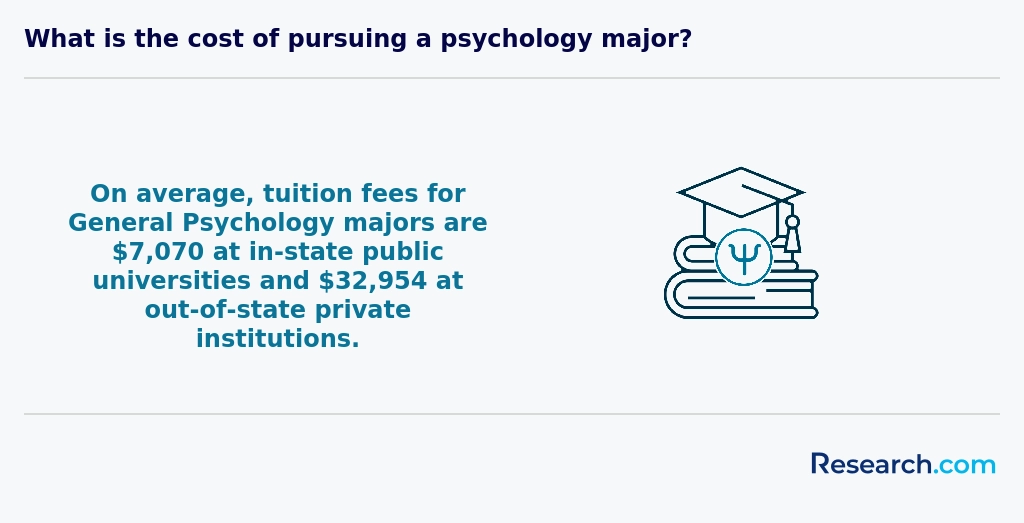
The average cost of earning a psychology degree in Albany is an investment that many students find worthwhile, with in-state tuition at the University at Albany typically ranging from $7,000 to $10,000 per year. Graduates often recall how this affordable pricing allowed them to focus on immersing themselves in their studies and practical experiences without overwhelming financial stress. For out-of-state students, tuition can be higher, usually around $25,000 annually, yet many find valuable scholarships and assistantships that lighten the load and make pursuing their dreams achievable.
Students in Albany appreciate the balance between quality education and reasonable costs, which open doors to comprehensive psychology programs filled with hands-on research and clinical opportunities. Many alumni describe feeling supported by accessible faculty and nearby community agencies where they completed internships-experiences that amplified their confidence and readiness for the workforce.
This cost-to-value ratio fosters a motivating environment where students feel encouraged to excel, knowing they're receiving rigorous training within a vibrant academic and professional network right in Albany.
Where can I work with psychology degree in Albany?
Graduates from psychology programs at the State University of New York at Albany often find exciting opportunities in healthcare settings such as Albany Medical Center, where they contribute as clinical psychologists and behavioral health specialists. These roles offer rewarding experiences, allowing graduates to make a real difference in patients' lives every day.
Many find meaningful careers in education, supporting students through counseling and research at local schools and universities. Working closely with diverse student populations, graduates feel fulfilled as they help others overcome challenges and achieve personal growth.
Psychology degree holders also thrive in government and social services in Albany, engaging with community mental health initiatives and juvenile justice programs. These roles often inspire graduates to drive positive change and give back to their communities.
Business sectors in Albany welcome psychology graduates for roles in human resources and organizational development, where understanding human behavior enhances workplace culture. The combination of academic knowledge and practical experience empowers graduates to excel and impact industries beyond traditional psychology jobs.
Graduates from Albany's psychology programs, such as those at the University at Albany, often find rewarding opportunities with salaries that reflect their dedication. Entry-level roles like clinical research associates or survey researchers start around $62,370 annually, giving fresh graduates solid footing in the field.
Many alumni who continue their education and gain licensure progress to higher-paying careers, while those working as human resources specialists in local organizations can expect a mean annual wage near $76,060. This blend of hands-on experience and education in Albany's supportive academic environment empowers graduates to confidently pursue meaningful work.
Marketing research analyst positions, often held by psychology graduates applying their analytical skills, offer an inspiring annual salary averaging $83,190, enabling professionals to contribute to impactful business decisions while enjoying financial stability.
With the city's rich network of healthcare facilities and universities, psychology graduates in Albany benefit from a vibrant career landscape promising growth, competitive pay, and the satisfaction of making a positive difference.
- Albany offers psychology programs at both public and private universities, covering cognitive, developmental, and clinical psychology.
- In-state public institutions cost about $10,000 to $15,000 per year, while private colleges may exceed $30,000 annually, excluding living expenses.
- The average starting salary for psychology graduates in Albany is around $45,000 per year, with experienced professionals earning between $70,000 and $80,000.
- Common job roles include behavioral health specialists, mental health counselors, and social service coordinators, mainly in healthcare and social assistance sectors.
- Licensing in Albany follows New York State rules, requiring advanced degrees, supervised hours, and passing exams for clinical practice.
Studying psychology in Albany offers a clear and motivating timeline for success. Most students pursuing a bachelor's degree at institutions like SUNY Albany enjoy a well-structured four-year program full of engaging courses and opportunities for growth. Graduates often share how this period not only builds their academic foundation but also sparks a genuine passion for understanding human behavior.
For those eager to deepen their expertise, a master's degree typically takes around two additional years. Albany's programs emphasize hands-on research and specialization, inspiring students to dive into areas like cognitive psychology or counseling with confidence. Many find this stage rewarding, as it bridges classroom learning with real-world applications.
Ambitious students aiming for doctoral studies can expect a rewarding journey of 5 to 7 years. This path involves immersive research, clinical experiences, and personal development. Graduates from Albany's doctoral programs often describe this time as transformative, pushing their limits and opening doors to impactful careers in psychology.
Choosing a program with the right accreditation ensures your degree is recognized by employers and state boards. In Albany, the most reputable psychology programs hold accreditation from the American Psychological Association (APA) for clinical tracks, or from the National Association of School Psychologists (NASP) for school psychology specializations. Confirming APA or NASP status not only guarantees curriculum quality but also streamlines your path to licensure in New York State. New York requires aspiring psychologists to complete a doctoral degree from an APA-accredited institution, accrue at least 1,750 supervised post-doctoral hours, and pass the Examination for Professional Practice in Psychology (EPPP). For those pursuing school psychology, obtaining an NASP-certified specialist degree and fulfilling the required 1,200 internship hours prepares you for the New York State Education Department’s certification exam. Graduates often recommend beginning supervised fieldwork during graduate studies to satisfy hour requirements and gain hands-on experience. If you’re weighing online versus on-campus options, remember that accreditation standards are identical. Many students find that a psyd degree online from an APA-accredited university offers the same licensure eligibility as traditional classroom programs, combined with greater scheduling flexibility. Be sure to verify that any online practicum or internship placements meet New York’s clinical supervision guidelines. Finally, maintain regular communication with your program’s licensure advisor and consult the New York State Office of the Professions website for updates on requirements. Early planning-selecting the right accredited program, logging supervised hours, and scheduling the EPPP-will set you on a clear trajectory from enrollment to licensed psychologist in Albany.
Online psychology degrees in Albany offer incredible flexibility, perfect for those balancing work, family, or other commitments. Imagine a graduate from the University at Albany who enjoys attending live lectures from home, setting their own study schedule, and interacting with classmates through online forums. This convenience empowers students to pursue their passion for psychology without sacrificing daily responsibilities.
On the other hand, on-campus programs create a vibrant, hands-on learning environment that many find deeply rewarding. Graduates from local colleges often share how engaging directly with professors, participating in group discussions, and attending campus labs enhanced their understanding and connection to the field. These experiences, including internships and practicums in Albany's community settings, build confidence and valuable professional networks.
Both paths open doors to a fulfilling career in psychology. Whether thriving through the dynamic flexibility of online learning or the immersive energy of campus life, Albany's programs support students in making their educational journey uniquely their own.
Ensuring your psychology degree comes from a properly accredited institution is the first step toward licensure and professional credibility. All bachelor’s and graduate programs in Albany, NY should be regionally accredited by the Middle States Commission on Higher Education (MSCHE), while doctoral programs seeking to train clinical practitioners must carry American Psychological Association (APA) accreditation. Accreditation not only validates the quality of your curriculum but also determines your eligibility for federal financial aid and state licensure exams. In New York State, aspiring clinical psychologists must: • Complete a doctoral degree from an APA-accredited institution • Accumulate at least 1,500 hours of supervised professional experience (pre- and post-doctoral) • Pass the Examination for Professional Practice in Psychology (EPPP) administered by the Association of State and Provincial Psychology Boards (ASPPB) • Apply for licensure through the New York State Office of the Professions and maintain continuing education credits every three years For those pursuing school psychology, certification by the National Association of School Psychologists (NASP) and an internship of 1,200 hours are required, followed by the Nationally Certified School Psychologist (NCSP) credential. Counseling psychology graduates should verify that practicum and internship experiences meet New York’s Mental Health Counseling licensing requirements (3,000 supervised hours plus the New York State Licensed Mental Health Counselor exam). Navigating these requirements early in your academic journey can streamline the path to practice. And if you’re weighing cost against quality, don’t miss our anchor: Most Affordable Psychology Degree Programs Ranking in Florida for insights into budget-friendly alternatives.
The average cost of a psychology degree in Albany reflects a balance of opportunity and investment that many students find rewarding. For those attending public universities like the University at Albany, in-state students see a median total cost of about $10,866 for their degree, making it a practical choice to pursue quality education without overwhelming financial pressure. Graduates often recall how this affordability helped them focus on their passion for understanding human behavior without constant worry about expenses.
Out-of-state students may encounter higher costs, with a median total around $50,263. However, this investment often opens doors to diverse academic experiences and networks, especially at well-regarded institutions such as SUNY Albany and Sage College of Albany. Students studying psychology here often embrace enriching internships or research opportunities that help justify the cost and fuel their career aspirations. Considering psychology degree tuition and fees Albany NY, private colleges tend to have tuition within the upper range, but they also offer unique resources that students find invaluable for personal and professional growth.
Many Albany psychology students emphasize the importance of financial aid in managing expenses. Scholarships, grants, and assistantships help ease the financial journey by reducing the net cost significantly. Exploring these options can transform the overall experience, allowing students to thrive both academically and personally.
For a clear picture of investment and return, students can explore valuable psychology programs in New York that highlight the strengths of Albany institutions and the impact of their education on future careers.

One of the most valuable aspects of pursuing a Psychology degree in Albany, NY, is the lasting impact it has on alumni careers and personal growth. In this section, we delve into the long-term achievements of graduates, showcasing their career trajectories, how they’ve leveraged their academic experiences into meaningful professional roles, and the networks they’ve built over time. Many alumni report that the real-world skills acquired in their programs-such as critical thinking, advanced research methods, and effective communication-enabled them to transition smoothly into fields ranging from clinical practice to corporate consulting. Their stories underscore an important point: a well-chosen Psychology program not only provides immediate academic and practical benefits but also sets the stage for long-term career success. Furthermore, some graduates have enhanced their portfolios by pursuing higher-level qualifications, including doctoral degrees. For those interested in exploring advanced pathways, you may find invaluable guidance from resources on best psyd programs online, which outline numerous opportunities for professional advancement. This ongoing connection between academic learning and career development strengthens the reputation of Albany’s programs, delivering a powerful narrative for prospective students about the real return on investment of their educational journey.
Psychology students in Albany find a wealth of financial aid options that truly open doors to their dreams. Many begin by completing the FAFSA, unlocking federal grants like the Pell Grant, which can provide up to $7,395 annually to ease tuition costs. Imagine an undergraduate at the University at Albany feeling the relief of this support, allowing more focus on studies rather than finances.
State aid through New York's Tuition Assistance Program (TAP) offers up to $5,665 to eligible residents, making in-state tuition more affordable. Albany-area colleges often add institutional scholarships, rewarding both academic excellence and financial need. One psychology graduate reflected on receiving a scholarship that covered a significant portion of her tuition, making her education possible and her goals reachable.
Graduate students pursuing psychology discover assistantships offering stipends and tuition waivers in exchange for teaching or research, blending financial help with valuable career experience. External scholarships from organizations like the American Psychological Association provide additional chances to shine and advance in the field, inspiring Albany students to excel with confidence.
When selecting a psychology program in Albany, NY, one crucial factor to consider is accreditation. Accreditation ensures that the program meets certain standards of quality and can significantly impact your eligibility for licensure and future career opportunities. For instance, to become a licensed psychologist, one must graduate from an accredited program. In the context of psychology education, accreditation is a seal of approval that signifies a program's commitment to excellence. Students can verify the accreditation status of a program through reputable accrediting agencies. By choosing an accredited program, students can ensure they receive a high-quality education that prepares them for the demands of the field. Furthermore, accredited programs often have established relationships with professional organizations, such as those found through valuable psychology programs in New York, providing students with opportunities for internships, job placements, and networking. This not only enhances their educational experience but also sets them up for success in their future careers.
Enrolling in a psychology degree in Albany opens doors to an exciting academic journey, with clear prerequisites that help you start strong. Many students who have thrived at the University at Albany, SUNY, recall submitting official high school transcripts showing solid completion of English, math, and science courses-skills essential for understanding psychology's core concepts. Maintaining a GPA between 2.5 and 3.0 has proven achievable and rewarding, reflecting dedication and readiness to tackle college-level studies.
Several graduates highlight how writing compelling personal statements and gathering thoughtful letters of recommendation helped convey their passion for psychology, setting them apart in Albany's competitive admissions. While standardized test scores like the SAT or ACT are sometimes optional, preparing for them can boost confidence and strengthen your application.
For those advancing to master's or doctoral programs locally, having a bachelor's degree in psychology or a related field, plus coursework in research methods and statistics, makes success feel within reach. These steps perfectly position you to embrace psychology's fascinating challenges with enthusiasm and resilience.
Gaining supervised experience is key to applying psychological theory in real-world settings. Albany programs emphasize:
- On-campus research labs: conduct experiments in cognitive, social, or developmental psychology with faculty guidance.
- Clinical practicums: complete supervised hours at local hospitals, community mental health centers, or school-based clinics.
- Internship partnerships: work alongside licensed psychologists in school districts, research institutes, or social service agencies.
- Remote field experiences: engage in virtual simulations and telehealth placements for flexible skill-building.
For a cost-effective path that still delivers robust practical training, consider the cheapest online psychology degree psychology offering structured practicum options.
Psychology degree programs in Albany offer a rich variety of courses designed to inspire and equip students with essential knowledge and skills. Graduates from renowned Albany universities often speak about how foundational classes like Introduction to Psychology opened their eyes to human behavior and the vast possibilities within the field. Hands-on courses such as Research Methods and Statistics empowered them to confidently analyze data and understand scientific studies, building critical thinking skills vital for success.
Students also dive into fascinating topics like Biopsychology, discovering how the brain influences emotions and actions, and Developmental Psychology, where they witness the incredible journey of human growth. Popular programs in Albany emphasize Social and Abnormal Psychology, helping learners connect theory to real-life social interactions and mental health challenges they've encountered during internships or community projects.
With access to local research centers and applied electives focusing on clinical and forensic psychology, Albany students flourish by blending knowledge with practical experience, preparing them to make meaningful impacts in diverse professional paths.
Psychology degree programs in Albany offer vibrant specializations that empower students to shape meaningful careers. Graduates often reflect on how focusing on clinical psychology at SUNY Albany gave them the confidence to work directly with clients, transforming lives. Counseling psychology opens doors to nurturing emotional wellness, while advanced options like neuropsychology provide a thrilling dive into brain-behavior connections that fuel cutting-edge research. These specializations present students with real-world experiences, whether through internships or research labs, enriching their academic journey.
Many Albany psychology programs with concentration options allow students to align their passions with professional goals, from developmental psychology, exploring life's growth stages, to industrial-organizational psychology, where understanding workplace dynamics leads to thriving organizations. The blend of hands-on learning and theoretical knowledge inspires students to contribute positively to communities.
For those targeting advanced paths, Albany's offerings include pathways to the best psyd programs online, ensuring flexibility and excellence. Choosing a psychology degree specializations in Albany can ignite your potential to make a lasting impact.
Choosing the best psychology degree in Albany starts with looking for programs that hold strong accreditation, such as from the American Psychological Association or regional bodies. Graduates from Albany's prominent universities often highlight how this assurance of quality opened doors for them in both employment and graduate studies.
Affordability is key when considering affordable psychology colleges Albany NY, where balancing tuition costs with financial aid can make your dream education accessible. Many students share how scholarships and assistantships relieved their financial stress, allowing them to focus fully on their passion for psychology.
Curriculum variety matters too-some students thrive in programs emphasizing clinical psychology or research, while others enjoy counseling or developmental psychology tracks. These real-life options at Albany schools keep education vibrant and tailored to your goals.
Flexible scheduling frequently comes up in success stories, with evening, weekend, or online classes fitting seamlessly into busy lives. For those aiming even higher, exploring a psyd degree online can expand possibilities beyond traditional classrooms.

Graduates with a psychology degree in Albany discover a rich variety of career opportunities that inspire both passion and purpose. Many choose to become licensed mental health counselors or clinical psychologists, pursuing advanced degrees at institutions like the University at Albany. These roles offer the rewarding chance to support individuals through life's challenges while contributing significantly to the community's well-being. For those drawn to social impact, careers in social services and nonprofit organizations focused on youth or addiction recovery are accessible and deeply fulfilling in Albany's supportive environment.
Research careers beckon graduates who enjoy behavioral studies or neuropsychology, with hands-on opportunities available at Albany's vibrant research centers. Others find excitement in applying psychological principles within local businesses, shaping employee development and fostering positive workplaces. Students often share how their education here empowers them to make tangible differences, reflecting the diverse jobs with psychology degree Albany graduates embrace. Exploring options is even easier by checking the Most Affordable Psychology Degree Programs Ranking in Florida, which highlights accessible paths for motivated learners.
The psychology career opportunities in Albany are vibrant and growing, especially for graduates from local institutions like the University at Albany, SUNY. Many graduates find rewarding roles within healthcare, education, and community services, where their skills directly impact lives. For example, behavioral health positions and counseling roles in nearby hospitals and school districts provide meaningful ways to apply classroom knowledge in real-world settings. The strong emphasis on mental health awareness has sparked steady demand, encouraging graduates to pursue advanced licensure and specialization to unlock even more job prospects.
Albany job market for psychology graduates benefits greatly from the city's diverse economy and supportive environment for mental health initiatives. With median salaries above national averages, graduates often feel confident that their education, including options like the best 1 year masters programs in the region, will bring both professional fulfillment and financial stability. Alumni consistently share inspiring stories of how their degrees opened doors to impactful roles in nonprofit organizations, government agencies, and research institutions, creating a truly promising path in psychology.
2027 Most Valuable Psychology Degree Programs Ranking in Albany
Investing in your education is a significant decision that can shape your future, and the Research.com team understands the importance of making well-informed choices. To support prospective students in Albany, we have carefully developed the "2027 Most Valuable Psychology Degree Programs Ranking in Albany." Our dedication to quality, credibility, and accuracy is demonstrated through the thorough research and analysis behind this ranking.
We utilized the following reputable data sources to ensure a comprehensive evaluation of psychology degree programs:
By exploring this ranking, readers will gain valuable insights into the most valuable psychology programs in Albany, empowering them to choose educational paths aligned with their goals. For more detailed information about our data collection and ranking process, please visit our Research.com methodology page.

# 2 position
Excelsior University
Bachelor of Science in Psychology


Frequently Asked Questions About psychology
Psychology degree students in Albany can enhance their learning by engaging actively in both coursework and practical experiences. Local institutions like the University at Albany frequently offer research opportunities where students can collaborate with faculty on ongoing studies. This hands-on involvement deepens theoretical understanding and helps develop critical skills.
Additionally, Albany's proximity to diverse clinical settings enables students to pursue internships and fieldwork, which are often required for licensure. According to the New York State Education Department, experiential learning significantly improves job placement rates in psychology fields.
Joining student organizations and attending psychology-related workshops can further enrich education by fostering networking and professional growth.
The psychology field is rapidly evolving, with several emerging niches gaining attention. In Albany, there is growing interest in neuropsychology, which explores the relationship between brain function and behavior. This specialty is expanding due to advancements in brain imaging technologies and increasing demand for experts in neurological assessment.
Another developing area is health psychology, focusing on how psychological factors influence physical health and illness management. The Centers for Disease Control and Prevention (CDC) highlights rising chronic conditions, making this field vital in Albany's healthcare landscape.
Additionally, forensic psychology is gaining traction locally, driven by the intersection of law enforcement and mental health services. With Albany being a regional hub for legal services, careers in forensic psychology are becoming increasingly viable.
These niches reflect broader national trends but also align with Albany's educational and professional environment.
Preparing for the job market after completing a psychology degree in Albany requires strategic planning. Graduates should seek internships and practicum experiences during their studies, as these provide practical skills and local networking opportunities. Albany offers diverse settings, including hospitals and community centers, where hands-on experience is valuable.
Certification and licensure are crucial for many psychology careers. For instance, becoming a Licensed Mental Health Counselor in New York requires a master's degree plus supervised clinical hours. According to the New York State Education Department, completing these steps enhances employment prospects.
Graduates should also use career services at schools like the University at Albany, which track alumni employment trends indicating higher hire rates for those with specialized skills. Additionally, joining regional professional organizations such as the Capital District Psychological Association connects candidates with job openings and ongoing education.
Employers in Albany highly value psychology degree graduates who demonstrate strong analytical and critical thinking skills. These abilities enable graduates to assess research data effectively and draw meaningful conclusions, essential in clinical and organizational settings. According to the U.S. Bureau of Labor Statistics, communication skills are also crucial, as psychology professionals often collaborate with clients and interdisciplinary teams.
Additionally, proficiency in research methodology and statistical analysis is important, especially for roles involving program evaluation or behavioral studies. Local employers appreciate candidates knowledgeable about ethical standards and cultural competence due to Albany's diverse population. Time management and adaptability also rank among the top skills for success in psychology-related careers in this region.
Finding psychology internships in Albany involves exploring various local resources and institutions. Many students begin by contacting psychology departments at local colleges like the University at Albany, known for connections with community mental health centers. Networking with faculty can lead to valuable internship placements.
Hospitals such as Albany Medical Center and organizations like the Capital District Psychiatric Center offer clinical internship opportunities relevant to psychology students. Online platforms like Handshake and the New York State Education Department's website also list approved internship positions.
Keep in mind, internships often require prior coursework in psychology and sometimes background checks. Early application is recommended due to competitive demand.
Obtaining a psychology degree in Albany significantly enhances career mobility and advancement opportunities. According to the U.S. Bureau of Labor Statistics, the Albany-Schenectady-Troy metropolitan area projects a 10% growth in psychology-related jobs by 2030, faster than the average for all occupations.
A degree in psychology equips graduates with critical skills such as research, communication, and analytical thinking. These skills are highly valued in various sectors, including healthcare, education, social services, and business.
In Albany, many local employers seek candidates with at least a bachelor's degree in psychology for roles like mental health technician or case manager. Advanced degrees, such as a master's or doctorate, open doors to higher-level positions and licensure as a psychologist.
Studying for a psychology degree in Albany offers students a strong foundation in human behavior, which is essential for interdisciplinary roles. Local universities emphasize collaboration between psychology and fields such as social work, education, and health sciences. Students gain experience in diverse settings, including hospitals, schools, and community centers, preparing them to work alongside professionals from other disciplines.
Albany-area programs often incorporate research methods and applied psychology courses that enhance critical thinking and data analysis skills. According to the National Center for Education Statistics, Albany's psychology graduates have a high placement rate in multidisciplinary teams within healthcare and social services.
This preparation equips graduates to address complex problems, integrating psychological insights with broader professional knowledge in real-world environments.
Choosing between a thesis and a non-thesis psychology degree program in Albany depends on your academic and career goals. A thesis program involves original research, which is ideal if you plan to pursue a PhD or work in research-oriented roles. It typically requires more time and commitment, including developing a proposal, conducting research, and writing. Non-thesis programs focus on coursework and practical training, often allowing faster completion and preparation for professional roles like counseling or human services.
Albany area schools offering psychology degrees frequently provide both options. According to the New York State Education Department, thesis programs in psychology usually span 2-3 years with research components, while non-thesis tracks tend to be completed in about 1.5 to 2 years.
Advisors often recommend thesis tracks for students aiming for competitive graduate fellowships or academic careers. Meanwhile, non-thesis paths are popular for those seeking quicker entry into industry or clinical work. Evaluating your long-term plans and speaking with Albany program representatives can clarify the best fit for your needs.
Students based in Albany seeking to study psychology abroad have several pathways through U.S. university programs with established international partnerships. Institutions such as the University at Albany often provide exchange programs allowing psychology majors to study in countries like the United Kingdom, Canada, or Australia for a semester or year. These programs facilitate academic credit transfer and exposure to global psychological theories and practices.
Additionally, students can pursue affiliate degrees or summer research programs that include international components, enhancing cross-cultural understanding in psychology. According to the U.S. Department of Education, nearly 30% of psychology undergraduates participate in study abroad opportunities nationwide, though exact Albany-specific rates vary.
Financial aid and scholarships may also support studying abroad for psychology students, making global education more accessible from Albany campuses.
Students pursuing psychology degrees in Albany have several part-time job options that can enhance their academic experience. Working as a research assistant at local universities, such as the University at Albany, allows students to gain hands-on experience in psychological research methods. Additionally, part-time roles in mental health clinics and community centers provide valuable exposure to counseling and therapy practices. According to the New York State Occupational Employment Statistics, Albany's mental health sector employs over 3,000 individuals, indicating steady demand for trained support staff. These positions also help build transferable skills useful for advanced studies or careers in psychology.
Psychology students in Albany have access to diverse networking opportunities that can enhance their academic and professional growth. Local universities, such as the University at Albany, SUNY, host regular events and seminars where students can connect with faculty and visiting experts. These gatherings often focus on current research trends and clinical practices.
Additionally, Albany is home to several psychology-related professional organizations, including local chapters of the American Psychological Association (APA). Students can join these groups to attend workshops, conferences, and social events, fostering connections within the psychology community.
Internship programs at nearby hospitals and mental health centers also provide practical experience and valuable contacts for future careers. According to the University at Albany's Psychology Department, approximately 70% of students secure internships locally, which often lead to further opportunities in the field.
Alumni networks play a significant role for psychology degree students in Albany by offering valuable connections within the local and national mental health community. Graduates from Albany institutions, such as the University at Albany, often have access to events and mentorship programs that foster professional growth.
These networks facilitate internships and job placements, with some studies showing that over 70% of psychology graduates find initial employment through alumni connections. Networking support can be crucial given Albany's competitive job market in psychology-related fields like counseling and research.
Additionally, alumni forums provide a platform to share resources on licensing and continuing education, which are essential for careers in psychology. Access to experienced professionals helps students navigate credentialing requirements in New York State.
Students pursuing a psychology degree in Albany can tailor their education to align with specific career goals by selecting from various concentrations and electives offered by local institutions. For example, programs at the University at Albany provide options in clinical, cognitive, and developmental psychology, allowing learners to focus on fields that match their interests.
Additionally, incorporating internships or research assistantships within Albany's mental health facilities or community organizations adds practical experience crucial for many psychology careers. According to the National Center for Education Statistics, nearly 70% of psychology graduates nationwide engage in experiential learning, enhancing employability.
Course flexibility and local networking opportunities give Albany students an advantage in shaping their academic paths to support endeavors such as counseling, research, or human services.
Psychology students in Albany often face the challenge of balancing demanding coursework with practical experience requirements. Many programs require completion of internships or research projects, which can be time-consuming alongside regular classes. According to the American Psychological Association, students nationwide report that time management is a key difficulty, and Albany students are no exception.
Another common challenge is the competitive nature of graduate program admission. Albany-based students aiming for advanced degrees must maintain strong GPAs and gain relevant experience to stand out. Additionally, access to mental health resources on campus can be limited for some students, adding pressure during stressful periods.
Financial concerns also impact many psychology students in Albany. Tuition and living costs in the area require careful budgeting, with limited scholarship options available specifically for psychology majors locally.
With a psychology degree in Albany, you can pursue several professional certifications to advance your career. The most common is the Licensed Psychologist credential, requiring a doctorate degree and passing the Examination for Professional Practice in Psychology (EPPP). The New York State Board of Psychology oversees licensure, ensuring practitioners meet educational and supervised practice hours.
Other certifications include Certified Alcohol and Substance Abuse Counselor (CASAC), which is valuable given Albany's community health focus. Additionally, becoming a Board Certified Behavior Analyst (BCBA) is an option, especially for those interested in behavioral therapy.
These credentials improve job prospects and credibility in clinical, counseling, and educational settings throughout Albany and New York State.
Writing a winning application for a psychology program in Albany begins with understanding the competitive landscape. The city is home to well-regarded institutions such as the University at Albany, SUNY, which reported an acceptance rate of about 70% for its psychology graduate programs in recent years (source: U.S. News & World Report, 2023). Applicants should highlight relevant academic achievements, including a strong GPA in psychology or related courses, ideally above 3.5.
Personal statements play a critical role; use this space to clearly articulate your passion for psychology and specific research interests that align with Albany's faculty expertise. Including any volunteer or internship experience in mental health settings can provide a valuable edge.
Letters of recommendation should come from professors or professionals who can attest to your research skills and commitment. Finally, familiarize yourself with program prerequisites and ensure all application materials are submitted accurately and ahead of deadlines, typically December to February for fall admission.
Psychology careers in the U.S., including Albany, are influenced by global trends emphasizing cultural competence and mental health awareness. The U.S. Bureau of Labor Statistics forecasts a 10% growth in psychologist jobs nationally from 2022 to 2032, driven by increased demand for mental health services.
Albany, with its diverse population, reflects this trend locally. Graduates with psychology degrees often engage with international research and multicultural practices, aligning with global perspectives that value cross-cultural understanding.
In U.S. higher education, including Albany's institutions, psychology programs integrate these global insights to prepare students for varied career paths, such as clinical, counseling, and organizational psychology. This prepares graduates for both domestic and international opportunities in a growing field.
Gaining practical experience while studying psychology in Albany is essential for building career readiness. Many local colleges, such as the University at Albany, offer internship opportunities in clinical, research, and counseling settings.
Internships often take place at nearby hospitals, mental health clinics, and community organizations. These placements provide direct exposure to psychological assessment and treatment techniques.
Additionally, students can participate in faculty-led research projects, offering hands-on experience in experimental design and data analysis. According to the New York State Education Department, about 60% of psychology students in the Albany area engage in internships before graduation.
Volunteering with local nonprofits focused on mental health is another way to gain relevant experience while studying in Albany.
Choosing the right concentration within a psychology degree program in Albany requires understanding your career goals and interests. Psychology programs in Albany often offer concentrations such as clinical, counseling, developmental, and industrial-organizational psychology. Each focus prepares students for different roles, from therapy and mental health services to research and workplace behavior analysis.
Consider the local job market: Albany's healthcare and education sectors have shown steady growth for clinical and counseling psychologists. According to the U.S. Bureau of Labor Statistics, the Albany-Schenectady-Troy area projects a 10% increase in psychology-related jobs by 2031.
Research program specifics, faculty expertise, and internship opportunities at Albany institutions like SUNY Albany to align your choice with practical experience.
- 2027 Most Valuable Psychology Degree Programs Ranking in Amherst
- 2027 Most Valuable Psychology Degree Programs Ranking in New Haven
- 2027 Most Valuable Psychology Degree Programs Ranking in Worcester
- 2027 Most Valuable Psychology Degree Programs Ranking in Bronx
- 2027 Most Valuable Psychology Degree Programs Ranking in Providence
- 2027 Most Valuable Psychology Degree Programs Ranking in New York
- 2027 Most Valuable Psychology Degree Programs Ranking in Queens
- 2027 Most Valuable Psychology Degree Programs Ranking in Rochester
- 2027 Most Valuable Psychology Degree Programs Ranking in Philadelphia
- 2027 Most Valuable Psychology Degree Programs Ranking in Buffalo
See What Experts Have To Say About Studying Psychology
Read our interview with Psychology experts

Robin M. Kowalski. Ph.D.
Psychology Expert
Professor of Psychology
Clemson University

Elizabeth L. Jeglic Ph.D.
Psychology Expert
Professor of Psychology
City University of New York

Joann Farrell Quinn, Ph.D., MBA
Psychology Expert
Director at the College of Medicine Department of Medical Education
Morsani College of Medicine

- Why Get a Psychology Degree Online? | University of Bridgeport https://www.bridgeport.edu/news/reasons-to-get-your-psychology-degree-online/
- Psychology - SWPS University https://english.swps.pl/academics/warsaw/ba-programs/psychology
- Community Psychology in Global Perspective http://siba-ese.unisalento.it/index.php/cpgp
- Ontario Psychological Association - Networking and Community Resources https://www.psych.on.ca/become-a-member-(1)/member-services/networking-and-community-resources
- A Guide to Psychology Internships | Psychology Degree Guide https://psychologydegreeguide.org/resources/internships/
- Psychology Master of Arts Degree Program | University at Albany https://www.albany.edu/graduate-bulletin/psychology-ma.php
- Mental Health Challenges Faced by Psychology Students | The Healthcare Guys https://healthcareguys.com/2023/11/23/mental-health-challenges-faced-by-psychology-students/
- Have You Found a Niche? https://www.apaservices.org/practice/business/marketing/building/niche
- Alumni Perspectives - Meet Our FPN Alumni https://www.aanmelder.nl/alumni-perspectives-june-2023
- 5 Best Places to Study Abroad for Psychology https://www.ciee.org/go-abroad/college-study-abroad/blog/5-best-places-study-abroad-psychology


