
2027 Most Valuable Psychology Degree Programs Ranking in Providence

Co-Founder and Chief Data Scientist
Choosing the right psychology degree program in Providence can be a challenge, especially with so many options available. This article introduces the 2027 Most Valuable Psychology Degree Programs Ranking in Providence, developed by the Research.com team of data scientists. It aims to guide prospective students by highlighting programs that offer the best value and opportunities.
By exploring this ranking, you'll gain insight into programs that not only build strong skills but also open doors to fulfilling careers. Pursuing a psychology degree is a meaningful step toward understanding human behavior and making a positive impact.
Key benefits of getting psychology degree in Providence
- Psychology graduates in Providence can earn competitive salaries, such as Clinical Research Associates or Survey Researchers averaging $62,370 annually, while Marketing Research Analysts can make about $83,190, reflecting strong earning potential.
- Career paths for psychology degree holders include roles in human resources, marketing research, and clinical research, offering diverse opportunities to impact communities and businesses positively.
- Online psychology degrees provide flexible learning schedules and accessibility, enabling students to balance life commitments while earning a valuable degree from respected Providence institutions.
- 2027 Most Valuable Psychology Degree Programs Ranking in Providence
- What can I expect from psychology degree in Providence?
- Where can I work with psychology degree in Providence?
What can I expect from psychology degree in Providence?
The average cost of a psychology degree in Providence generally reflects a balance between quality education and reasonable living expenses. Graduates from institutions like Brown University and Providence College recall managing tuition that, while demanding, was softened by accessible financial aid and scholarships tailored for psychology students. For example, a typical undergraduate program's tuition might range from moderate private college rates to slightly higher Ivy League fees, but many students emphasize how the city's smaller size keeps housing and daily costs noticeably lower than in larger metropolitan areas.
This relative affordability allows students to immerse themselves fully in experiential learning opportunities-such as research assistantships or internships-without being overwhelmed by financial stress. Graduates often highlight how this environment fosters a stronger community connection, with many finding local agencies and clinics eager to support their growth. As Providence continues nurturing these academic and practical experiences, future students may expect even more targeted financial support, helping to maintain psychology programs as both prestigious and within reach.
Where can I work with psychology degree in Providence?
Graduates with psychology degrees in Providence often find themselves drawn to the city's thriving health care sector. Many report rewarding experiences working at renowned institutions like Rhode Island Hospital or Butler Hospital, where they engage in clinical and counseling roles that directly impact patient lives. These frontline opportunities, supported by a projected 9% growth in social and mental health services, offer a hopeful outlook for new professionals eager to make a difference.
Others who studied at Brown University or Providence College have shared how stepping into academic settings as research assistants or school counselors fosters a sense of purpose while developing skills for future challenges. These roles not only deepen understanding of human behavior but also embed grads within tight-knit educational communities.
Looking ahead, emerging trends show a growing need for psychology expertise in business environments here, where graduates leverage knowledge of workplace dynamics to enhance employee well-being and corporate culture. These avenues promise dynamic and varied career paths for those ready to adapt and innovate within Providence's diverse job market.
Community organizations and nonprofits also frequently attract grads seeking meaningful work in social services and rehabilitation, creating tangible, positive change for vulnerable populations in the area.
Graduates with psychology degrees from institutions like Providence College or Rhode Island College often find promising salary prospects within the local job market. For example, a recent graduate working as a Human Resources Specialist in Providence can expect a mean annual wage of $76,060, reflecting strong demand for interpersonal and organizational skills developed through psychology studies.
Similarly, those who enter roles such as Marketing Research Analysts benefit from a median salary around $83,190, leveraging their understanding of human behavior to guide business decisions. Clinical Research Associates, another common path for psychology graduates, earn approximately $62,370 annually, allowing them to contribute to important healthcare studies while building valuable experience.
Many Providence psychology alumni recall starting in these roles with enthusiasm for combining science and people skills, confident that growing healthcare and research sectors in Rhode Island will continue to open higher-paying opportunities. The city's increasing focus on mental health support fuels optimism as well, helping graduates feel hopeful about expanding their careers beyond initial salaries into leadership or specialized positions in the near future.
- Providence offers psychology programs from bachelor's to doctoral levels at institutions like Brown University and Rhode Island College.
- Tuition costs range from $10,000 to $15,000 per year at public universities and over $60,000 annually at private universities for in-state students.
- Early-career psychology graduates in Providence earn between $40,000 and $50,000 annually, with experienced professionals making $70,000 to $90,000.
- Job opportunities are available in hospitals, mental health clinics, schools, and private practices, with growing demand in behavioral health services.
- Licensing in Rhode Island requires a doctoral degree, supervised clinical hours, and passing the Examination for Professional Practice in Psychology (EPPP).
Completing a psychology degree in Providence typically takes timeframes similar to national averages, but students often find a strong sense of community and support at local institutions like Rhode Island College and Providence College that enrich the experience. Graduates recall the steady pace of their bachelor's programs, usually around four years, balancing general education and focused psychology courses. Many appreciate how this structure allowed them to explore personal interests while building a solid foundation.
Those pursuing an associate degree at places such as the Community College of Rhode Island often reflect on the two-year journey as an empowering first step, opening doors to further study or direct career opportunities. For master's degree candidates, the additional two years feel both challenging and rewarding, especially when engaging with practical research and hands-on learning experiences deeply connected to Providence's professional community.
Doctoral students commonly share how the 4 to 7 years beyond their bachelor's stretched their limits but also fostered deep expertise and resilience, particularly through meaningful internships and research projects that often shape their future paths in mental health fields.
Pursuing advanced studies is an integral step for those aiming to excel in the field of psychology. Many students find that earning a higher degree not only reinforces their foundational knowledge but also enhances their professional credibility and expands career options. In particular, advanced credentials like a doctorate pave the way for leadership roles, research opportunities, and higher earnings in specialized sectors such as clinical practice, forensic analysis, and academia. For individuals seeking flexibility and cutting-edge content, online formats present a viable option. Dedicated programs-such as doctorate in psychology online accredited programs-combine rigorous coursework with innovative digital learning environments, making advanced education accessible to a broader audience. By exploring these paths, prospective students can align their educational pursuits with emerging trends in psychology, ensuring that they remain competitive in a rapidly evolving industry.
Choosing between an online and an on-campus psychology degree in Providence hinges on the learning experience each offers. Graduates from Providence College often describe on-campus programs as deeply engaging, where face-to-face discussions in historic classrooms and spontaneous study groups build strong connections. The energy of being on campus sparks motivation and immediate access to resources like counseling labs for hands-on practice.
Conversely, those completing online degrees from universities such as Rhode Island College appreciate the flexibility to balance studies with work or family life. Students share how asynchronous lectures and digital forums allow them to absorb complex theories at their own pace, making education feel personalized and manageable, especially for busy adults.
Looking ahead, Providence-based programs might blend these strengths more seamlessly, integrating virtual reality for immersive clinical simulations alongside limited campus residencies. This evolving hybrid model could offer both the warmth of in-person interaction and the adaptability of online learning, reshaping how future students experience psychology education in Providence.
Choosing an APA-accredited psychology program is essential for licensure and career mobility. Accreditation confirms that a curriculum meets rigorous educational standards.
- Complete a doctoral degree from an APA-accredited institution to qualify for state licensure.
- Fulfill supervised clinical hours as required by Rhode Island (typically 2,000 hours, including direct client contact).
- Pass the Examination for Professional Practice in Psychology (EPPP) and any state jurisprudence exam.
- Apply for licensure through the Rhode Island Department of Health with documentation of education, supervision and exam results.
Even for bachelor’s-level roles in counseling or support, accreditation remains a quality marker. When considering online pathways, compare accredited tracks like our cheapest online degree in psychology to ensure they meet licensure prerequisites.
The average cost of a psychology degree in Providence reflects a blend of tuition, fees, and living expenses, which many local students find manageable through careful planning. Graduates from popular institutions like Rhode Island College often recount how the in-state tuition, averaging around $13,365, positioned them well to pursue their passions without overwhelming debt. This total includes not only tuition but also additional expenses such as books and living costs, which Providence students estimate to add roughly $15,000 to $20,000 annually. Such figures demonstrate the practical considerations behind the psychology degree tuition and fees Providence students face.
For those attending private colleges in the area, costs tend to be higher, though many graduates express satisfaction with the quality of education and the personalized support they received, which they found well worth the investment. The broader range in graduate tuition-from about $15,000 up to $40,000-can vary substantially depending on whether students study part-time or full-time. This flexibility allows many working professionals to pursue advanced degrees in psychology without sacrificing stability.
Positive stories often emerge from students who were able to leverage merit-based scholarships and need-based aid, highlighting the importance of exploring financial support to reduce the burden. In fact, some graduates stress how such aid transformed their educational experience by making a psychology degree more accessible than they initially expected.
Looking ahead, the evolving cost landscape of a psychology degree in Providence will likely continue to balance tuition amounts with available aid and living expenses. Prospective students are encouraged to review the most current tuition rates closely and consider personal budgeting strategies.
For those exploring options, examining valuable psychology programs in Rhode Island can provide deeper insight into programs that offer strong returns on investment.

Accreditation is a vital indicator of quality for psychology degree programs in Providence, RI, ensuring that your education meets rigorous academic and professional standards. Regional accreditation confirms that an institution adheres to best practices in governance, faculty qualifications, and student support services. For clinical and counseling psychology tracks, American Psychological Association (APA) accreditation guarantees that the curriculum aligns with licensure requirements, enhancing your eligibility for internships and post-doctoral placements. When researching graduate options, prioritize programs with clear accreditation status and transparent outcome reporting. APA-recognized PsyD programs, for example, provide evidence of licensure pass rates and graduate employment metrics-critical data points that predict your professional success. Prospective students should also explore specialized credentials, such as CACREP for counseling psychology or NASP for school psychology, which further validate training quality. Online learners can benefit from accredited distance programs that combine flexibility with recognized credentials. To compare reputable PsyD offerings and ensure your degree will be accepted by licensing boards nationwide, review our comprehensive guide to apa accredited psyd programs online. This resource highlights top-ranked institutions, accreditation status, and student outcomes, helping you make an informed choice that aligns with your career aspirations and state licensing requirements.
Students pursuing psychology degrees at universities like Brown University or Providence College often find federal financial aid crucial in managing tuition costs that can stretch up to $35,000 annually. Pell Grants offer essential relief for undergraduates demonstrating financial need, while graduate students appreciate the flexibility of Direct Unsubsidized Loans and Grad PLUS loans to support both tuition and living expenses.
Many graduates recall the support from Rhode Island's Promise Scholarship, which significantly lowers in-state tuition, easing financial pressure. Departmental scholarships and grants offered by psychology departments, although less visible, have proven invaluable for students showing academic excellence or financial hardship. These awards empower learners to focus on their research and clinical training.
Work-study and assistantship roles at Providence's psychology programs also stand out as opportunities for hands-on experience coupled with financial aid. Graduates frequently describe these positions as both confidence-building and rewarding, helping to fund their education while deepening their connection to the field.
- Federal Pell Grants and Direct Loans (undergraduate and graduate)
- State aid including Rhode Island Promise Scholarship
- University scholarships and departmental awards for psychology students
- Work-study and assistantship opportunities at Providence colleges
A robust practicum and internship component is essential to any psychology curriculum in Providence, RI. Students complete supervised fieldwork at esteemed sites such as Butler Hospital, Lifespan’s Rhode Island Hospital, the Providence VA Medical Center, and local school districts, gaining firsthand experience in clinical assessment, behavioral interventions, and research methodologies. These placements typically span 150–300 hours, enabling candidates to master core competencies in evidence-based practice under the guidance of licensed psychologists. Practicum seminars cover ethical considerations, case formulation, and crisis management, bridging classroom theory with tangible community impact. In addition to traditional on-site internships, many programs now offer hybrid models that blend virtual supervision with in-person client interactions, benefiting working professionals and online learners alike. Prospective students seeking flexible, affordable options can explore the Cheapest Online Bachelor's in Psychology Degree Programs Ranking in the Northeast, which highlights cost-effective programs that still provide comprehensive field placement support. Whether on-campus or online, documented practicum performance is critical for licensure applications and showcases mastery of skills like psychological measurement, report writing, and culturally competent care. Providence institutions also facilitate summer research internships in areas such as neuropsychology and community mental health through collaborations with faculty-led labs at Brown University and Rhode Island College. These opportunities enhance technical proficiency in data collection and statistical analysis, positioning students competitively for graduate fellowships and doctoral programs. By integrating practicum and internship experiences throughout the academic journey, psychology degree candidates in Providence graduate with the hands-on expertise and professional networks needed to excel in clinical, educational, and organizational settings.
To enroll in a psychology degree in Providence, students typically need a high school diploma or equivalent, with coursework in biology, mathematics, and social sciences. For example, graduates from renowned local colleges often recount how their strong foundation in basic statistics and introductory psychology classes helped them thrive in their first year. These prerequisites aren't just formalities; they prepare you for the analytical mindset essential in psychology.
Some Providence institutions encourage courses in English or writing to boost communication skills, which proved invaluable to graduates when crafting personal statements or research papers. While standardized tests like the SAT or ACT may still be requested by certain programs, many schools in the area are moving toward test-optional policies, offering more flexibility for diverse applicants.
Applicants usually submit transcripts, letters of recommendation, and essays that reveal their passion for psychology. Hearing from local students, the process feels less daunting when framed as a chance to share unique motivations in an interview or supplementary materials, fostering excitement about joining Providence's community of emerging psychologists.

To make an informed decision about which psychology program to choose in Providence, RI, it's essential to consider several factors, including the program's accreditation, reputation, curriculum, and specializations. Prospective students should also look into the support services offered by the institution, such as academic advising and career counseling. Additionally, understanding the valuable psychology programs in Rhode Island can provide valuable insights into the best fit for their educational and career aspirations. By carefully evaluating these aspects, students can find a program that not only aligns with their interests but also prepares them for a successful and fulfilling career in psychology.
Psychology degree programs in Providence consistently feature foundational courses like General Psychology and Research Methods, giving students hands-on experience in designing experiments and analyzing real data. Graduates from Providence College often share how challenging yet rewarding it was to apply statistical skills to live research projects, adding meaning and confidence to their studies.
Courses such as Developmental and Social Psychology allow students at Rhode Island College to explore human behavior through relatable lenses-understanding how family dynamics evolve or how peer influence shapes decisions during college life. Many find these lessons illuminating and deeply connected to their own experiences.
More applied classes, including Clinical Psychology and Counseling Techniques, are increasingly emphasized, preparing students for future trends in mental health care with practical skills. Electives like Forensic or Health Psychology offer exciting ways to specialize, mirroring the growing demand for versatile professionals in Providence's community settings.
Students pursuing a psychology degree in Providence often choose from a dynamic range of specializations tailored to evolving career landscapes. Popular concentrations include Clinical and Counseling Psychology, frequently selected by graduates who value the direct impact of therapeutic work in community health settings. Others pursue Industrial-Organizational Psychology, reflecting a growing interest in optimizing workplace environments in local Providence businesses.
Graduates from well-regarded colleges here describe how Developmental and Forensic Psychology specializations have helped them engage in real-world challenges, such as supporting youth development or collaborating with legal professionals. These Providence psychology program concentration options reflect an awareness of both local and national demands, balancing hands-on internships with theoretical knowledge.
Emerging areas like experimental psychology and cognitive neuroscience are gaining traction among students looking ahead to research careers. Those considering advanced study might explore doctorate in psychology online accredited programs to further specialize and conduct innovative brain-behavior studies, positioning themselves at the forefront of the field.
Choosing the best psychology degree in Providence means looking beyond just the usual factors and imagining how your education will evolve with emerging trends. Graduates from popular colleges here often highlight the value of programs that adapt to new research areas like neuropsychology or digital mental health, reflecting growing demands in the field. These students found themselves more engaged when their courses aligned with innovative topics, sparking excitement about their future careers.
Cost remains a practical concern when assessing psychology degree programs cost Providence, but many have discovered that investing in schools with strong faculty research collaborations and hands-on opportunities ultimately leads to greater career satisfaction. For instance, graduates emphasize the benefit of practicum placements linked closely to Providence's healthcare sector, which gave them confidence and real-world skills.
Finally, students aiming for comprehensive training also seek accredited programs to ensure quality and licensure options. Many turn to apa accredited psyd programs online as an extension or future step after their local degree, blending traditional study with flexible, cutting-edge learning tailored to their goals.
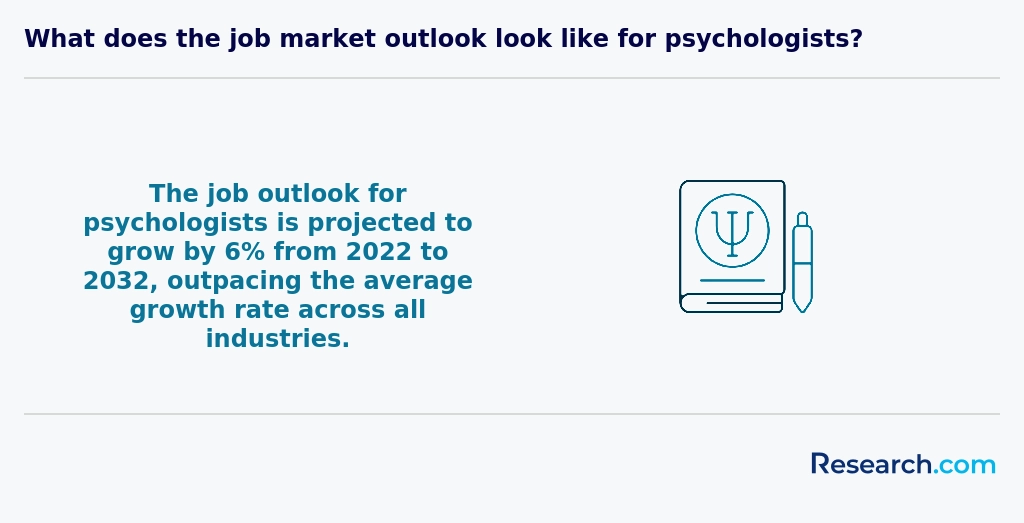
Graduates with a psychology degree in Providence find themselves well-positioned for diverse psychology career opportunities in Providence that tap into the city's robust healthcare and educational sectors. Many alumni from popular universities here pursue roles as licensed clinical psychologists or counselors, experiencing the reward of helping individuals manage mental health challenges in hospitals or private practices. Others explore jobs with psychology degree in Providence by joining human resources teams within corporate environments, applying behavioral insights to foster positive workplace cultures.
Several graduates also venture into specialized fields such as school psychology or educational counseling within Providence's public and private schools, where they support student development with empathy and expertise. Research positions at nearby universities offer hands-on involvement in cutting-edge studies of neuroscience and social psychology, enriching both academic and practical understanding.
Looking ahead, the growing demand for interdisciplinary skills encourages psychology students to consider roles in forensic psychology or social work, connecting with legal and community services. For those evaluating educational expenses, exploring the Cheapest Online Bachelor's in Psychology Degree Programs Ranking in the Northeast can be a smart step toward managing costs and accessing future career paths.
The psychology degree job opportunities in Providence are steadily promising, especially for graduates from local institutions such as Brown University and Providence College. Many graduates find themselves drawn to hospitals like Rhode Island Hospital or community mental health centers, where the demand for licensed clinical psychologists and behavioral health specialists continues to grow. Some graduates share how their internships in these settings sparked meaningful career paths, reinforcing the city's supportive professional network.
Looking toward the Providence psychology career outlook 2027, those with advanced degrees can anticipate expanding roles in school psychology and integrated healthcare teams. The city's education system actively hires school psychologists to improve student outcomes, making it an encouraging environment for licensure seekers. Moreover, tuition costs at Providence universities vary widely, so prospective students often explore options including a one year masters program to accelerate entry into the workforce, balancing education investment and job prospects.
2027 Most Valuable Psychology Degree Programs Ranking in Providence
Investing in your education is a significant decision that can shape your future, and the Research.com team understands the importance of making informed choices. To assist prospective students in Providence, we have meticulously crafted the "2027 Most Valuable Psychology Degree Programs Ranking in Providence." Our commitment to quality, credibility, and accuracy is reflected in the extensive research and analysis conducted to compile this ranking.
We utilized the following reputable data sources to ensure a comprehensive evaluation of psychology programs:
By exploring this ranking, readers will gain valuable insights into the most valuable psychology degree programs offered in Providence, empowering them to make well-informed decisions about their educational and career paths. For more details on our methodology, please visit our Research.com methodology page.


Frequently Asked Questions About psychology
Psychology degree students in Providence can maximize their learning experience by engaging actively with both academic and practical opportunities. Local universities often offer research assistant positions, internships, and fieldwork placements that provide valuable hands-on experience. Participating in clubs or psychology-focused groups helps deepen understanding and foster networking with peers and professionals.
Access to Providence's mental health organizations and community services allows students to observe real-world applications of psychology concepts. Additionally, taking advantage of faculty office hours and attending guest lectures broadens academic perspectives. According to the National Center for Education Statistics, students who combine coursework with practical experiences tend to graduate with stronger job prospects and skills.
The psychology field is evolving rapidly, with several emerging niches gaining attention among students and professionals in Providence. One promising area is neuropsychology, which studies how brain function impacts behavior, benefiting from Providence's growing healthcare sector. Another expanding niche is health psychology, focusing on the relationship between psychological factors and physical health, especially important given the aging population in Rhode Island.
Industrial-organizational psychology is also rising, as local businesses seek experts to improve workplace productivity and employee well-being. Additionally, forensic psychology is expanding due to increased demand for mental health expertise in legal settings. According to the U.S. Bureau of Labor Statistics, these specialized roles are projected to grow faster than general psychology jobs through 2030.
After completing a psychology degree in Providence, preparing for the job market requires a strategic approach. First, gaining practical experience through internships or volunteer work at local hospitals, schools, or community centers is essential. Rhode Island's Department of Labor notes that hands-on experience improves employment prospects significantly.
Networking is also crucial. Joining professional organizations like the Rhode Island Psychological Association can connect graduates with local job opportunities and mentorship. Additionally, pursuing specialized certifications, such as in behavioral analysis or counseling, can enhance a candidate's profile.
Providence graduates should be aware that median salaries for psychology-related jobs here range from $45,000 to $70,000 annually, depending on specialization and experience, according to the U.S. Bureau of Labor Statistics. Master's or doctoral degrees usually yield higher salaries and more employment options.
Employers in Providence value psychology graduates who demonstrate strong critical thinking and analytical skills. The ability to interpret data and apply psychological theories to real-world situations is essential in various professional settings, from clinical environments to organizational roles.
Communication skills, both written and verbal, rank highly among sought-after traits. According to the Rhode Island Department of Labor, clear communication facilitates effective client interaction and teamwork, which are crucial for successful outcomes.
Additionally, proficiency in research methods and ethical decision-making is vital. Graduates capable of designing and conducting studies with integrity meet the standards expected by local employers and licensing boards.
Finding internships in Providence relevant to a psychology degree involves several practical steps. Start by exploring local hospitals, mental health clinics, and nonprofit organizations, which frequently offer psychology-related internship opportunities. For example, Rhode Island Hospital and Bradley Hospital often provide placements for students studying clinical and developmental psychology.
Many universities in Providence, such as Brown University and Providence College, maintain internship databases or career centers that help connect students to regional opportunities. Additionally, joining professional organizations like the Rhode Island Psychological Association can offer valuable networking events and internship listings.
It is important to apply early and prepare a strong resume highlighting relevant coursework and skills. According to the National Association of Colleges and Employers, about 61% of psychology students secure internships before graduating, which significantly improves job prospects.
A psychology degree in Providence significantly enhances career mobility and advancement opportunities. Graduates often benefit from the city's diverse job market, including healthcare, education, and social services. According to the U.S. Bureau of Labor Statistics, Rhode Island expects a 10% growth in psychology-related jobs through 2031, slightly above the national average. Earning a degree from local institutions can also provide valuable networking and internship connections within Providence's mental health community. Additionally, higher qualifications like a master's or doctorate increase chances for leadership roles and specialized careers, such as clinical psychologist or counselor, underscoring the degree's strong impact on professional growth.
Studying for a psychology degree in Providence provides students with a strong foundation in human behavior while emphasizing interdisciplinary collaboration. Programs often incorporate coursework in neuroscience, sociology, and health sciences, reflecting the interconnected nature of these fields.
Local universities collaborate with Providence's healthcare systems, social services, and educational institutions to offer practical, cross-disciplinary experiences. According to the Rhode Island Board of Education, over 60% of psychology graduates engage in roles that combine psychology with fields like social work or public health.
This integration equips students with versatile skills valuable in diverse careers such as counseling, policy development, and research, aligning with workforce needs in Providence and the broader US context.
Choosing between a thesis and a non-thesis psychology degree program in Providence depends on your academic goals and career plans. A thesis option typically requires conducting original research and writing a detailed report, which can be valuable if you aim to pursue doctoral studies or research-oriented positions.
On the other hand, non-thesis programs focus more on coursework and practical experience, making them suitable for those seeking immediate employment in clinical or applied psychology roles. According to the Rhode Island Board of Education, about 40% of psychology graduates in Providence prefer thesis tracks to enhance their research skills.
Cost, time commitment, and faculty expertise are also factors to consider.
Students based in Providence who wish to study psychology abroad have several options through U.S. university affiliations and exchange programs. Many Providence institutions, including Brown University, offer partnerships with European and Asian universities that enable psychology students to spend a semester or year overseas. According to the Institute of International Education, nearly 15% of students from Rhode Island participate in study abroad programs, a significant portion focusing on humanities and social sciences, including psychology.
These opportunities allow students to experience different cultural perspectives on mental health while earning transferable credits. Additionally, U.S. Department of Education resources list approved programs that facilitate psychology study in countries known for strong psychological research, such as the United Kingdom and Australia.
Financial aid and scholarships specifically targeting study abroad are often available, helping Providence students manage costs associated with international education in psychology.
Students pursuing psychology degrees in Providence can benefit from various part-time jobs that enhance their academic knowledge with practical experience. Common roles include research assistant positions at institutions like Brown University, where students contribute to ongoing psychological studies and gain hands-on experience in data collection and analysis.
Another opportunity involves working as behavioral health aides or case management assistants in local healthcare facilities, such as Butler Hospital. These roles provide insight into patient care and therapeutic practices relevant to psychology.
Additionally, many Providence nonprofits seek volunteers or staff for mental health outreach programs, allowing students to develop communication and counseling skills in real-world settings.
These jobs not only build resumes but also help students apply classroom theories to diverse populations in Providence's community-based settings.
Psychology students in Providence benefit from numerous networking opportunities through local institutions and professional organizations. Brown University and Providence College, among others, offer strong psychology programs where students can connect with faculty actively engaged in research and clinical practice. These connections often lead to internships and collaborative projects.
Additionally, Providence hosts meetings and events by the Rhode Island Psychological Association, a local chapter of the American Psychological Association, fostering networking among students and professionals. Students can also attend conferences and workshops in nearby Boston and Hartford, broadening their professional contacts beyond the city.
Local hospitals and mental health clinics provide practical internship placements, enhancing both experience and networking possibilities, which research shows greatly improve job prospects in psychology careers.
Alumni networks play a vital role for psychology degree students in Providence by offering access to experienced professionals and local job opportunities. Graduates can connect with alumni working in clinics, research centers, and educational institutions across Rhode Island.
Studies show that strong alumni networks enhance career placement, with 70% of Providence psychology graduates finding their first job through such connections (source: Rhode Island Board of Education, 2023). These networks also facilitate mentorship, helping students navigate licensure and advanced training requirements.
Additionally, alumni events provide valuable workshops and seminars tailored to regional mental health trends. This ongoing engagement supports students' academic growth and professional development within Providence's unique healthcare landscape.
Customizing a psychology degree program in Providence allows students to tailor their education to specific career goals. Many local institutions offer elective courses in areas such as clinical psychology, counseling, or neuropsychology. Students can choose internships and research projects that align with interests in healthcare, education, or human services.
Rhode Island's Department of Labor highlights that nearly 15% of psychology professionals in the state work in clinical settings, making specialization valuable. Additionally, attending schools with strong connections to Providence-area hospitals and counseling centers enhances practical experience.
Advisors at Providence colleges often assist students in creating individualized study plans to balance theory and applied work, boosting employability in competitive fields.
Psychology students in Providence often face several common challenges during their studies. One major issue is managing the demanding coursework, which includes understanding complex theories and conducting research. According to the National Center for Education Statistics, psychology students nationwide spend an average of 15 to 20 hours per week on coursework, a commitment that holds true locally.
Many students also struggle to secure quality internships or practicum placements, essential for gaining practical experience. In Providence, the availability of such opportunities is limited compared to larger metropolitan areas, which can delay graduation or career progression.
Financial stress is another significant challenge. The average tuition for Rhode Island universities ranks among the higher tiers nationally, increasing the burden on students who may rely on loans or part-time jobs.
Graduates with psychology degrees in Providence can pursue a variety of professional certifications that enhance career prospects. Popular options include becoming a Licensed Mental Health Counselor (LMHC) or a Certified Alcohol and Drug Counselor (CADC), both widely recognized in Rhode Island. These certifications require supervised clinical experience and passing state exams, aligning with standards set by the Rhode Island Department of Health.
Additionally, certification as a Board Certified Behavior Analyst (BCBA) is available for those focused on applied behavior analysis, a fast-growing field nationally and locally. The Providence area has seen demand increase for mental health professionals, according to the Rhode Island Department of Labor and Training.
Other certifications include school psychologist credentials and specialized certificates in assessment or neuropsychology, which require advanced degrees and licensing. These certifications can significantly impact earning potential and job opportunities.
When applying for a psychology program in Providence, crafting a clear and focused personal statement is essential. Highlight your motivation for studying psychology and any relevant experience, such as internships or volunteer work. Admissions committees in Rhode Island often value practical exposure alongside academics.
Strong letters of recommendation from professors or professionals who know your abilities can significantly boost your application. Maintain a competitive GPA, ideally above 3.5, as programs like those at Brown University emphasize academic excellence.
Additionally, demonstrating awareness of current developments in psychology or local mental health initiatives can set your application apart. Check each program's specific requirements and deadlines on their official websites to ensure timely submission.
The global perspective on a psychology career highlights diverse opportunities influenced by cultural, economic, and healthcare factors. In the United States, including Providence, psychology professionals often focus on clinical practice, research, and applied psychology in educational and corporate settings. According to the Bureau of Labor Statistics, the employment of psychologists is projected to grow 6% from 2021 to 2031, reflecting steady demand.
Internationally, psychology careers vary significantly, with some countries emphasizing counseling and mental health support while others prioritize neuropsychology or industrial-organizational psychology. Providence's psychology programs align with these trends by preparing students for varied roles locally and abroad.
Data from Rhode Island institutions show that psychology graduates frequently engage in licensure paths, enabling them to meet both local and global professional standards. This adaptability increases their competitiveness in the global job market.
Gaining practical experience while pursuing a psychology degree in Providence is essential for career readiness. Many local universities, including Rhode Island College and Brown University, offer internship opportunities in clinical settings, schools, and community organizations. These internships provide hands-on learning under professional supervision, helping students apply theoretical knowledge.
Additionally, Providence's diverse healthcare facilities, such as Butler Hospital, offer practicum positions for psychology students. Volunteering in research labs is another common way to build experience; these roles often involve data collection and analysis, supporting published studies. According to the American Psychological Association, practical experience increases job prospects and graduate school acceptance rates.
Choosing the right concentration within a psychology degree program in Providence involves careful consideration of your career goals and interests. Popular options include clinical, counseling, developmental, and industrial-organizational psychology. Each concentration focuses on different skills and job markets. For instance, clinical psychology prepares students for therapy and mental health diagnosis, while industrial-organizational psychology applies psychological principles to workplace behavior.
Students should research local job trends; according to the Rhode Island Department of Labor, the healthcare and social assistance sector, including mental health services, is among the fastest-growing industries. Additionally, many Providence universities offer concentrations aligned with community needs, such as substance abuse counseling.
Accredited programs by the American Psychological Association (APA) often provide clearer paths to licensure. Also, consider internship opportunities offered through local hospitals and clinics to gain practical experience relevant to a concentration. Exploring faculty expertise and ongoing research projects at Providence institutions can further help identify a specialization that fits your ambitions.
- 2027 Most Valuable Psychology Degree Programs Ranking in Worcester
- 2027 Most Valuable Psychology Degree Programs Ranking in Amherst
- 2027 Most Valuable Psychology Degree Programs Ranking in New Haven
- 2027 Most Valuable Psychology Degree Programs Ranking in Albany
- 2027 Most Valuable Psychology Degree Programs Ranking in Bronx
- 2027 Most Valuable Psychology Degree Programs Ranking in Queens
- 2027 Most Valuable Psychology Degree Programs Ranking in New York
- 2027 Most Valuable Psychology Degree Programs Ranking in Philadelphia
- 2027 Most Valuable Psychology Degree Programs Ranking in Rochester
- 2027 Most Valuable Psychology Degree Programs Ranking in Buffalo
See What Experts Have To Say About Studying Psychology
Read our interview with Psychology experts

Catherine Caldwell-Harris, Ph.D.
Psychology Expert
Associate Professor of Psychology
Boston University

Joann Farrell Quinn, Ph.D., MBA
Psychology Expert
Director at the College of Medicine Department of Medical Education
Morsani College of Medicine

Robin M. Kowalski. Ph.D.
Psychology Expert
Professor of Psychology
Clemson University

- Rhode Island Psychology Schools | Psychology Degree Guide https://psychologydegreeguide.org/state/rhode-island/
- Psychology - Providence University College and Theological Seminary https://www.prov.ca/programs-courses/university-college/arts-sciences/psychology/
- Professional Networking For Psychologists | Psychology.org https://www.psychology.org/resources/professional-networking/
- Ontario Psychological Association - Networking and Community Resources https://www.psych.on.ca/become-a-member-(1)/member-services/networking-and-community-resources
- Society for the Teaching of Psychology https://teachpsych.org/E-xcellence-in-Teaching-Blog/8727857
- Rhode Island Top Online Psychology Schools https://www.onlinepsychologydegrees.com/states/rhode-island/
- Rhode Island Psychology Schools and Programs https://www.psychologycareercenter.org/rhode-island-psychology-schools.html
- Why Get a Psychology Degree Online? | University of Bridgeport https://www.bridgeport.edu/news/reasons-to-get-your-psychology-degree-online/
- CLINICAL PSYCHOLOGY (THESIS / NON-THESIS) - Lisansüstü Eğitim Enstitüsü https://lee.nisantasi.edu.tr/en/clinical-psychology-thesis-non-thesis/
- Providence College Psychology, General Major | 53% Acceptance Rate, ROI 61/100 https://www.gradgpt.com/providence-college/bachelors/psychology-general


