2027 Most Valuable Psychology Degree Programs Ranking in Buffalo

Co-Founder and Chief Data Scientist
Choosing the right psychology degree program in Buffalo can feel overwhelming. That's why this article offers a clear, helpful guide featuring the 2027 Most Valuable Psychology Degree Programs Ranking in Buffalo developed by the Research.com team of data scientists.
By exploring this ranking, you'll gain insight into which programs stand out based on real data, making your decision easier and more informed. Pursuing a psychology degree opens doors to meaningful careers and personal growth. Dive in and discover programs that align with your goals and passions.
Key benefits of getting psychology degree in Buffalo
- Salary for psychology degree graduates: Graduates in Buffalo can expect competitive salaries, such as Human Resources Specialists earning around $76,060 annually and Marketing Research Analysts making about $83,190 per year. These roles show strong earning potential linked to a psychology background.
- Career paths: Psychology graduates from Buffalo State College often find rewarding opportunities in fields like clinical research, marketing analysis, or childcare, allowing them to apply their knowledge and thrive in diverse environments. This variety ensures graduates can pursue careers that match their passions and strengths.
- Online degree benefits: Earning a psychology degree online from institutions like the University at Buffalo offers flexibility and convenience, helping students balance work or family life while advancing their education. This approach can make earning a valuable degree more accessible and less stressful.
- 2027 Most Valuable Psychology Degree Programs Ranking in Buffalo
- What can I expect from psychology degree in Buffalo?
- Where can I work with psychology degree in Buffalo?
What can I expect from psychology degree in Buffalo?
If you're looking into the cost of a psychology degree in Buffalo, expect something pretty reasonable compared to other places. For example, students at the University at Buffalo, which is a big draw for psychology majors, often highlight how affordable in-state tuition makes the whole experience. Public universities around here usually keep yearly tuition in the ballpark of $7,000 to $10,000 for residents, which makes getting those 120 credit hours for a bachelor's degree more manageable financially.
Graduates often mention that the mix of tuition affordability and access to scholarships helped ease the money stress while diving into their classes and research projects. Buffalo State College is another popular option where costs look similar, and many students tap into local scholarships or financial aid programs, which really adds up in helping cover expenses.
Overall, the costs feel balanced with the quality of education and hands-on opportunities you get, especially if you're aiming to immerse yourself in research or internships around town while saving a bit on tuition.
Where can I work with psychology degree in Buffalo?
If you're studying psychology in Buffalo, you've got a bunch of cool career options waiting for you. Graduates from places like the University at Buffalo often find jobs in local hospitals like Erie County Medical Center, working as clinical or school psychologists. It's pretty rewarding to help people face real mental health challenges right in your community.
Some grads jump into education, joining Buffalo Public Schools or nearby colleges as counselors or research assistants. It's a great way to stay connected with the academic world while making an impact on students' lives.
Others find their stride in nonprofits or community agencies, diving into addiction counseling or mental health advocacy. A lot of folks love how this work allows them to give back, especially in a city that really cares about urban mental health issues.
If you're more into business, there's a growing demand in Buffalo's startup and corporate scene for folks skilled in human behavior-think HR, marketing, or user experience roles. Psychology grads bring a unique edge by understanding what makes people tick, making their work both creative and meaningful.
If you're wrapping up a psychology degree in Buffalo, here's the scoop on what you might expect to earn. Graduates landing jobs as Human Resources Specialists typically pull in around $76,000 a year, which is pretty solid for jumping straight into the workforce. Others who head into roles like Marketing Research Analysts can see salaries near $83,000 annually, making good use of the analytical skills honed at schools like Buffalo State College or the University at Buffalo.
Some grads start their careers as Clinical Research Associates or Survey Researchers, both offering mean wages in the $62,000 range. These roles often fit well for folks who enjoyed the research side of their degree. For those just beginning or working part-time in childcare settings, like campus programs or community centers, expect closer to $32,000 a year.
Buffalo's growing demand for psychology-related jobs means grads are finding exciting opportunities pretty quickly. Many alumni share how their practical studies combined with local internships helped them snag these roles, turning classroom passion into paychecks that feel rewarding and motivating.
- Tuition for psychology programs at public universities in Buffalo ranges from $10,000 to $12,000 per year for in-state students and $25,000 to $30,000 for out-of-state students.
- Private institutions in Buffalo often charge tuition rates above $40,000 per year for psychology degrees.
- Entry-level psychology jobs in Buffalo, such as psychological assistants and counselors, typically offer salaries between $45,000 and $55,000 annually.
- Experienced licensed clinical psychologists and counselors can earn between $70,000 and $90,000, with research and academic roles sometimes exceeding $100,000 per year.
- Psychology-related jobs in Buffalo are projected to grow by 10% nationwide between 2022 and 2032, aligning with rising demand for mental health services.
- New York State requires a master's or doctoral degree plus supervised clinical hours for psychology licensure, and local programs often meet these requirements.
If you're aiming for a psychology degree in Buffalo, plan on about four years for a bachelor's if you're studying full-time. Graduates from places like the University at Buffalo often share how balancing those core psych classes with general education felt totally doable in that timeframe. But if you're juggling work or other commitments, stretching it out to five or six years is pretty common-and totally okay.
For those thinking bigger-like earning a master's degree-it usually takes an extra two years after your bachelor's. Many students enjoy the mix of research and hands-on experiences, like internships, which really bring the subject to life. Going for a PhD or PsyD? Get ready for a solid 5 to 7 years dive into intense research and clinical practice, common at Buffalo's major research universities. It's a journey, but grads talk about how rewarding it is to work alongside expert faculty and tap into Buffalo's diverse clinical opportunities.
Accreditation is a critical indicator of program quality and is often required for state licensure and certification. In New York, psychology programs should be accredited by regional bodies such as the Middle States Commission on Higher Education and, for clinical and school psychology tracks, by the American Psychological Association (APA) or the National Association of School Psychologists (NASP). Graduates of APA-accredited programs meet key educational requirements for licensure as psychologists, ensuring eligibility to sit for the Examination for Professional Practice in Psychology (EPPP) and state-level licensure assessments. Before enrolling, verify each institution’s accreditation status: • Check the NY State Education Department’s Office of the Professions database for approved psychology curricula. • Review program details on the APA’s official website to confirm doctoral-level accreditation. • Contact admissions offices directly to request documentation of regional and specialized accreditation. Licensure pathways vary by career goal: • Licensed Psychologist (Ph.D. or Psy.D.): Requires a doctoral degree from an APA-accredited program, completion of supervised post‐doctoral hours, and passing the EPPP. • Licensed Master Social Worker or Licensed Mental Health Counselor: Often require a regionally accredited master’s and specific practicum hours; state board regulations may vary. • School Psychologist: Typically need a NASP-approved specialist degree or credential, plus state certification. For those exploring advanced practice or academic careers, doctoral options must balance flexibility with accreditation. Consider reviewing our guide to the top psyd online programs apa accredited to find programs that combine rigorous clinical training with the convenience of remote learning. Understanding accreditation not only safeguards your educational investment but also streamlines your path to licensure and professional practice, ensuring that your Buffalo psychology degree delivers the credibility and career readiness that employers and clients trust.
If you're thinking about getting a psychology degree in Buffalo, the biggest difference between online and on-campus programs is how you experience learning. Online degrees offer tons of flexibility, perfect for juggling work or family. Many students love being able to watch lectures whenever they want without worrying about strict schedules. For example, graduates from University at Buffalo's online program often mention how freeing it is to study at their own pace while still getting solid coursework.
On-campus programs in Buffalo, like those at the University at Buffalo itself, give you that classic college feel. You're right there with professors and classmates, which means easier access to labs and real-life research projects - something many students say really helped them connect with the material. Plus, in-state tuition runs about $8,000 to $12,000 annually, which is pretty reasonable for the hands-on experience.
Students who chose on-campus often talk about the energy of face-to-face discussions and the chance to build friendships that go beyond class, while online grads appreciate how their program fits their busy lives without commuting hassles.
Earning a psychology degree in Buffalo combines high academic standards with practical, real-world advantages.
- Affordable in-state tuition and numerous scholarships minimize debt and boost long-term ROI
- Strong local job market across healthcare, education, nonprofit and corporate sectors
- Hands-on research and practicum opportunities at institutions like the University at Buffalo
- Smaller class sizes and tight-knit communities foster mentorship and networking
- Flexible learning options, including hybrid and online formats, with access to the cheapest online degree in psychology
If you're eyeing a psychology degree in Buffalo, the average cost usually lands somewhere around $10,936 for in-state students, which is pretty manageable compared to many other places. Graduates from the University at Buffalo often share how this makes their journey less stressful financially, especially when juggling part-time jobs or internships alongside classes. On the flip side, private colleges like Canisius College tend to charge a lot more-sometimes exceeding $40,000 annually-but many students find that scholarships and financial aid soften that blow quite a bit.
Thinking about the average cost of psychology degree in Buffalo also means factoring in extra expenses-books, fees, and living costs can add up. Still, many psychology students say that the supportive campus communities at local schools help them navigate these challenges without losing their enthusiasm for their studies. Living close to campus or choosing shared housing can also keep expenses down, which is a common tip among grads.
Also, if you want to see what makes Buffalo attractive beyond just costs and programs, check out this valuable psychology school in New York-it highlights local options that combine quality education with reasonable expenses. With some planning and maybe a bit of luck with aid, getting your psychology degree here becomes an exciting and doable adventure.
Generally, students considering Buffalo psychology degree tuition and fees find they can strike a good balance between cost and quality, making it a smart choice for future psychologists eager to launch their careers without drowning in debt.
When selecting a psychology program, it's crucial to consider factors that align with your career aspirations and personal goals, such as the availability of specializations, internship opportunities, and faculty expertise. For instance, if you're interested in pursuing a career in clinical psychology, you may want to explore programs that offer specialized courses in this area, such as those found at a valuable psychology school in New York. By doing so, you can gain the necessary skills and knowledge to succeed in your chosen field. Additionally, considering the program's accreditation, curriculum, and career outcomes can also help you make an informed decision. Ultimately, choosing the right psychology program can have a significant impact on your future career prospects and personal growth.
If you're studying psychology in Buffalo, there are plenty of financial aid options to help ease the load. Most students tap into federal aid like Pell Grants, which don't have to be paid back and can cover a big chunk of tuition. In 2023, these grants can be up to $7,395 a year, which is a huge help when tuition at places like the University at Buffalo can add up. Many grads recall feeling relieved once they filled out the FAFSA because it opened doors to these funds.
On top of that, New York's Tuition Assistance Program (TAP) is a big win for local students, cutting thousands off costs if you qualify. The University at Buffalo also offers scholarships specifically for psychology students, which really brightened the financial picture for some grads.
Plus, work-study gigs on campus mean you can earn while you learn - some former students loved how working in research labs or counseling centers not only helped with bills but also built useful skills.
Pursuing a doctoral degree can be a game-changer in the field of psychology, opening doors to advanced research opportunities, leadership roles, and specialized clinical practices. Doctoral programs emphasize critical thinking, innovative research methodologies, and in-depth study of human behavior, thus preparing graduates to contribute significantly to academia, healthcare, or private practice. These programs generally offer a mix of coursework, hands-on research, and clinical training that equip students with a comprehensive skill set to address complex psychological issues in diverse settings. For professionals looking to elevate their expertise and career prospects, exploring doctorate in psychology online accredited programs can provide the necessary flexibility and rigorous academic framework. These online programs are designed to accommodate working professionals and offer access to cutting-edge research labs, expert faculty, and a robust network of peers and mentors. Additionally, doctoral candidates benefit from specialized training that often leads to higher earning potential and enhanced credibility in the workplace. Whether aiming for a career in clinical practice, academic research, or administrative leadership, a doctoral degree can serve as the cornerstone for long-term professional success. Embracing this advanced educational path not only deepens your understanding of psychological principles but also positions you as a thought leader ready to drive innovations in mental health.
If you're thinking about studying psychology in Buffalo, you'll want to know the basics before jumping in. Most students share that having a high school diploma with decent grades is the starting point, especially if you're aiming for a bachelor's degree. For those eyeing the University at Buffalo, getting some foundational classes done in biology, statistics, and social sciences really helps-you won't feel lost when you hit the research-heavy courses!
Many grads mention that submitting SAT or ACT scores used to feel like a big deal, but lately a lot of schools around here have gone test-optional, which takes the pressure off. Also, having some volunteer experience or extracurriculars related to psychology can boost your application, making you stand out as someone genuinely excited about the field.
If you're aiming for a master's or doctorate, things get a bit more detailed. You'll usually need letters of recommendation, a statement of purpose, and sometimes even GRE scores or interviews. Many say showing off any research or hands-on experience you've had can really tip admissions in your favor, especially at competitive places like UB.
Earning a psychology degree in Buffalo, NY is just the first step toward becoming a licensed psychologist. To practice independently, graduates must navigate New York State’s licensure process, which ensures the highest standards of professional competency and client safety. 1. Accredited Degree • Complete a doctoral degree in psychology from an APA-accredited institution or a regionally accredited program that meets New York State education requirements. • Confirm that your program’s curriculum includes clinical practicum hours, research methodology, and ethics courses. 2. Supervised Experience • Accumulate at least 3,500 hours of supervised experience, including 1,750 post-doctoral hours, under a licensed psychologist. • Ensure your supervisor submits Form 4 (Verification of Supervised Experience) directly to the New York State Office of the Professions. 3. Examination for Professional Practice in Psychology (EPPP) • Pass the national EPPP administered by the Association of State and Provincial Psychology Boards (ASPPB). • Achieve a minimum passing score as determined by New York State regulations, then apply for licensure with official score verification. 4. New York State Additional Requirements • Complete the New York State Psychology Jurisprudence Examination, which covers state laws, ethical codes, and regulatory standards. • Submit Form 1 (Application for Licensure) along with official transcripts, examination scores, and supervision verifications. 5. Continuing Education • Once licensed, psychologists in New York must complete 36 continuing education credits every three years, including courses on ethics and cultural competence. • Approved providers include the New York State Psychological Association (NYSPA) and APA-accredited CE sponsors. 6. Alternative Pathways & Resources • For professionals considering cost-effective graduate pathways, explore the Most Affordable Psychology Degree Programs Ranking in North Carolina, which can inform decisions about out-of-state study options. • Consult the New York State Office of the Professions website for the latest licensure bulletins and fee schedules. By understanding and preparing for each licensure milestone early in your academic journey, you can streamline the transition from student to licensed psychologist, maximizing both your educational investment and career trajectory in Buffalo, NY.
If you're studying psychology in Buffalo, you'll dive into courses that really break down how our minds work and why people do what they do. Most students start with the basics like Introduction to Psychology, where you get to explore cool theories about human behavior. Then there's Research Methods in Psychology and Statistics, which might sound tough but actually help you understand how to collect and make sense of data-something Buffalo graduates say actually feels useful in real life, especially when working on projects or internships.
Along the way, you'll take interesting courses like Biological Psychology, which explains how your brain affects your actions, and Cognitive Psychology, where you learn about memory and thinking. Many students at Buff State or University at Buffalo find these subjects eye-opening because they connect directly with everyday experiences, like remembering friends' faces or handling stress.
Beyond the basics, you can explore specialized classes like Developmental Psychology or Abnormal Psychology. Graduates often mention how social psychology classes helped them understand relationships better, making their studies feel personal and relevant.
If you're exploring psychology degree specializations in Buffalo, you'll find plenty of options that match different interests and career goals. At popular universities like the University at Buffalo, students often choose Clinical Psychology to learn how to assess and treat mental health issues, getting hands-on experience through internships. Others dive into Counseling Psychology, focusing on helping people through life's ups and downs with client-centered care. Some grads love Industrial-Organizational Psychology, where they study workplace behavior and help improve employee well-being-perfect if you're thinking about HR or business consulting.
There's also Developmental Psychology, which covers everything from childhood to old age, exploring how people grow emotionally and socially. Neuropsychology students get fascinated by brain-behavior links, gearing up for healthcare or research roles. Many Buffalo psychology graduate program options offer these specializations, and students often rave about how supportive the community feels while gaining real-world skills. For anyone interested in advancing their study, consider checking out doctorate in psychology online accredited programs to keep going strong.
Picking the best psychology degree in Buffalo is all about matching the program to your goals and vibe. If you're aiming for something clinical or counseling-based, you might lean toward the University at Buffalo since their programs are APA accredited and packed with hands-on research and internship options. Graduates often mention how rewarding it was working in local hospitals through the university's network, which really boosted their confidence. Plus, studying here fits the bill for those hunting for affordable psychology schools in Buffalo, with tuition costs generally friendlier compared to private or out-of-state options.
On the flip side, some grads from smaller colleges say they loved the close-knit feel and personalized attention you can find there, which made learning and asking questions way less intimidating. Whatever you choose, it helps to check out programs with strong faculty expertise and good job placement - Buffalo's growing mental health scene means you could snag some cool internships nearby. Also, if you want to explore flexible options, take a look at some psyd online programs apa accredited that still hold strong reputations.
If you're aiming for a psychology degree career opportunities Buffalo offers a solid mix of paths depending on your interests and education level. Graduates from schools like SUNY Buffalo State often jump into clinical psychology roles, helping folks in the community with mental health struggles. Many of these jobs need a master's or doctorate plus state licensure, but they're super rewarding if you like one-on-one work.
Some grads find their groove in industrial-organizational psychology, especially since Buffalo's local businesses and healthcare organizations are keen on boosting employee wellbeing and productivity. It's a cool way to make a real impact behind the scenes.
Others lean toward social services or counseling, taking jobs in schools, rehab centers, or nonprofits. It's common to see roles like substance abuse counselors or school psychologists, which often call for a master's degree or certification. Graduates often share how rewarding it is to support students and communities here in Buffalo.
For those who love digging into research, Buffalo's universities provide great spots to dive into psychological studies, laying the groundwork for future academic or clinical trial careers. Also, if you're checking out costs, you might want to look at the Most Affordable Psychology Degree Programs Ranking in North Carolina for comparison.
If you're exploring the psychology degree job outlook Buffalo offers, you'll find the local scene pretty encouraging. Graduates from schools like the University at Buffalo or Buffalo State College often land roles in hospitals, community mental health centers, or even schools, where they put their skills to use as counselors or therapists. Many grads share how internships and hands-on experiences during their degrees made the difference in snagging jobs around town, especially since Buffalo's job market values practical skills and relevant certifications.
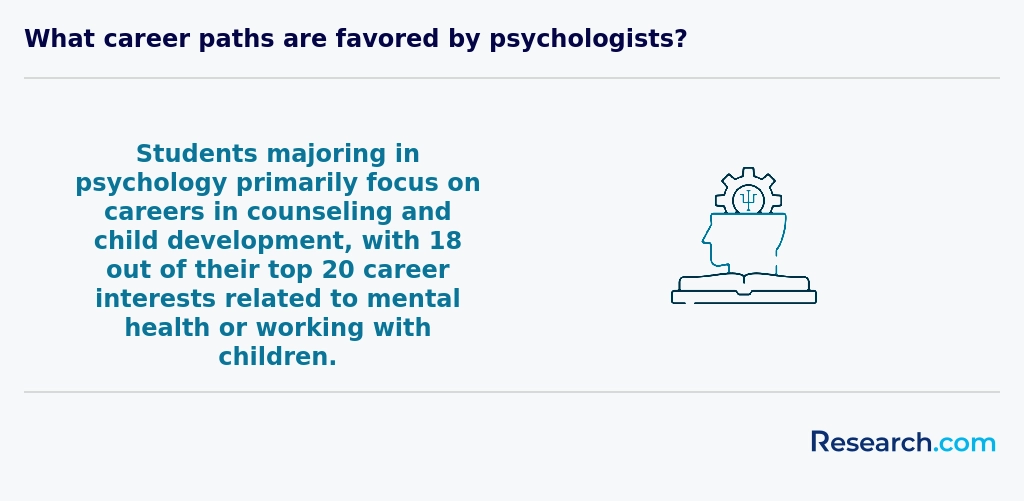
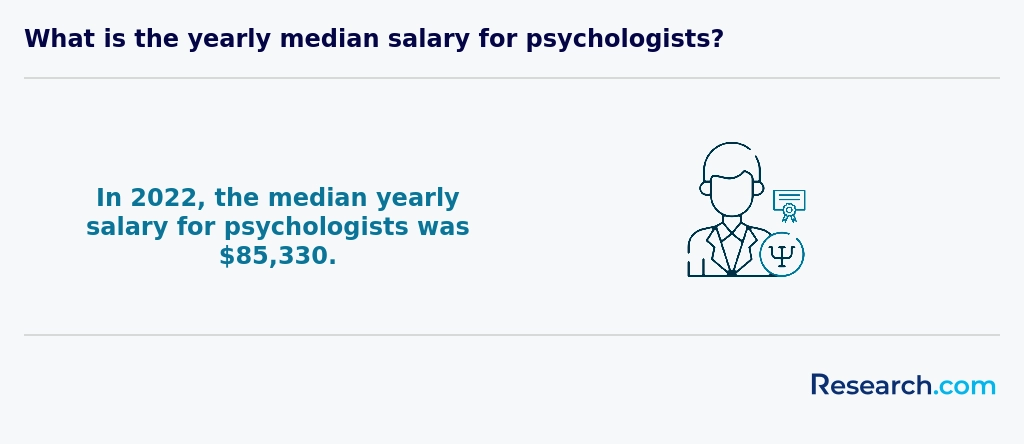
The growing demand for mental health services means there are more opportunities popping up, especially in social services and educational psychology. It's not uncommon to hear from Buffalo psychology career opportunities that wages start modestly but can grow significantly with experience-some psychologists in the area make upwards of $80,000 annually.
Thinking about cost? Graduate education in Buffalo typically ranges from $15,000 to $30,000 a year at public schools, something worth balancing against potential earnings. For those eager to boost their qualifications quickly, checking out best 6-month certificate programs that pay well online might be a smart move.
2027 Most Valuable Psychology Degree Programs Ranking in Buffalo
Investing in your education is a significant decision that can shape your future, and the Research.com team understands the importance of making informed choices. To assist prospective students in Buffalo, we have meticulously crafted the "2027 Most Valuable Psychology Degree Programs Ranking in Buffalo." Our commitment to quality, credibility, and accuracy is reflected in the extensive research and analysis conducted to compile this ranking.
We utilized the following reputable data sources to ensure a comprehensive evaluation of psychology programs:
By exploring this ranking, readers will gain valuable insights into the best psychology degree programs available in Buffalo, helping them make informed decisions about their educational paths. For more details on our methodology, please visit our Research.com methodology page.


Frequently Asked Questions About psychology
Psychology degree students in Buffalo can maximize their learning by actively engaging with local research opportunities and internships. Institutions such as the University at Buffalo offer access to cutting-edge labs, allowing students to gain hands-on experience in areas like cognitive science and clinical psychology.
Joining psychology clubs and attending seminars helps students build networks and stay updated with recent findings. Buffalo's proximity to diverse communities provides excellent settings for applied psychology research, beneficial for both academic growth and practical skills.
Utilizing Buffalo's public resources, including mental health centers and hospitals, also enhances experiential learning. According to the National Center for Education Statistics, students who participate in internships report higher employment rates post-graduation.
Emerging niches within the psychology field in Buffalo reflect broader national trends, particularly in applied and interdisciplinary areas. One fast-growing niche is neuropsychology, which focuses on brain-behavior relationships and benefits from collaboration with Buffalo's neuroscientific research centers like the University at Buffalo's Center for Cognitive Science.
Another promising area is health psychology, emphasizing mental health promotion and chronic illness management, responding to increasing demand for integrated healthcare services. According to the New York State Department of Labor, jobs for health psychologists are expected to grow by over 10% in the Buffalo region through 2028.
Additionally, forensic psychology is gaining attention due to local legal and correctional system partnerships. These niches offer innovative career paths for Buffalo students pursuing psychology degrees.
After completing a psychology degree in Buffalo, preparing for the job market involves a mix of practical experience and networking. Local employers, including hospitals and counseling centers, often seek candidates with internship or volunteer experience. Students are encouraged to pursue internships through institutions like the Buffalo Psychiatric Center or community mental health programs.
Joining professional organizations such as the Western New York Psychological Association can help graduates connect with practitioners and find job leads. According to the New York State Department of Labor, employment for psychologists in the Buffalo area is expected to grow 6% by 2028, highlighting steady opportunities.
Additionally, developing skills in data analysis and counseling techniques can improve job prospects across clinical, educational, and research settings.
Employers in Buffalo seeking psychology degree graduates prioritize strong critical thinking and analytical skills. These abilities enable graduates to assess patient data and conduct research effectively. Communication skills, both written and verbal, are also highly valued, as professionals often interact with clients, colleagues, and community agencies.
Data from the Bureau of Labor Statistics shows that employers emphasize familiarity with psychological assessment tools and proficiency in statistical software such as SPSS or R. Problem-solving skills and cultural competence are increasingly important due to Buffalo's diverse population. Additionally, internships and practical experience improve job prospects in the local market, according to regional employment reports.
Finding psychology internships in Buffalo requires a strategic approach tied to the city's educational and healthcare institutions. Start by connecting with local universities such as the University at Buffalo, which often offer internship listings and career services tailored for psychology students.
Hospitals and clinics are pivotal internship sites. For example, Buffalo General Medical Center and Erie County Mental Health Center routinely provide psychology-related internships. These organizations allow hands-on experience with diverse populations.
Additionally, professional associations like the Western New York Psychological Association can be valuable for networking and locating local internship opportunities.
Buffalo's growing emphasis on mental health services creates expanding roles for psychology interns, supported by regional workforce data from the New York State Department of Labor.
A psychology degree in Buffalo plays a significant role in expanding career mobility and advancement opportunities. Graduates can access diverse fields such as mental health services, education, human resources, and social work. According to the U.S. Bureau of Labor Statistics, the Buffalo-Niagara Falls metropolitan area expects a 10% growth rate in mental health counselor positions by 2030, signaling strong job prospects.
Additionally, holding a degree often qualifies candidates for supervisory and specialized roles, enhancing upward mobility. Local employers value practical experience combined with academic credentials, often offered through Buffalo's universities that include internships and research opportunities.
Advancement in Buffalo's psychology sector also depends on licensure and graduate education, which can lead to clinical or counseling psychologist positions with higher earning potential. The New York State Education Department outlines clear pathways for certification, vital for career growth locally.
Studying for a psychology degree in Buffalo equips students with skills valued across multiple disciplines. Local programs emphasize research methods, critical thinking, and communication, enabling graduates to collaborate effectively in healthcare, education, and social services. Buffalo's universities often offer interdisciplinary coursework that integrates psychology with fields like neuroscience, business, and public health.
According to the National Center for Education Statistics, over 60% of psychology graduates from the Buffalo area find roles requiring multidisciplinary knowledge within two years of graduation. This reflects Buffalo's growing emphasis on practical applications and partnerships with community organizations, which enrich learning experiences and prepare students for diverse career paths.
When deciding between a thesis and a non-thesis psychology degree program in Buffalo, consider your career goals and interests. A thesis option involves conducting original research and writing a detailed paper, which suits students aiming for careers in research or doctoral studies. Non-thesis programs focus more on coursework and practical skills, ideal for those pursuing applied psychology roles or immediate employment.
In Buffalo, several institutions offer both formats, reflecting trends across New York State. According to the National Center for Education Statistics, approximately 40% of psychology master's graduates pursue thesis tracks nationwide, indicating strong demand for research experience.
Cost, time investment, and faculty availability are also important factors. Thesis programs often require more time and commitment, while non-thesis paths can be completed faster.
Students based in Buffalo who wish to study psychology abroad have several opportunities through exchange programs and affiliated partnerships offered by local universities. For example, the University at Buffalo participates in various study abroad agreements, allowing psychology students to spend a semester or year at international institutions while earning credits. These programs are often supported by scholarships and grants specifically for psychology majors.
Another option is pursuing internships or research projects abroad, which can provide practical experience alongside academic study. According to the Institute of International Education, nearly 10% of U.S. psychology students engage in study abroad at some point during their degree.
Such experiences enhance cultural understanding and global perspectives crucial for psychology careers today.
In Buffalo, part-time jobs that complement psychology degree education often focus on gaining practical experience relevant to the field. Common opportunities include working as a research assistant at local universities such as the University at Buffalo, which has a strong psychology department. These positions allow students to assist with data collection and analysis, enhancing research skills.
Another option is employment in mental health support roles, such as behavioral health technician or counselor aide, in community health centers or nonprofit organizations. These roles provide hands-on experience with client interaction and case management.
Additionally, tutoring psychology courses or working in academic advising within psychology departments offers valuable insight into educational processes. According to the Bureau of Labor Statistics, gaining such experience can improve job prospects after graduation.
Buffalo offers psychology students several valuable networking opportunities through local universities such as the University at Buffalo, which hosts psychology clubs and guest lectures featuring professionals in clinical and research psychology.
Students can connect with faculty conducting federally funded research, providing a gateway to internships and collaborative projects. The Greater Buffalo Psychological Association (GBPA) organizes events and workshops that foster interaction between students and practicing psychologists.
Additionally, Buffalo's healthcare and social services sectors provide practical settings for internships and volunteer work, allowing students to build professional relationships.
These combined opportunities help students strengthen their professional networks before graduation.
Alumni networks significantly benefit psychology degree students in Buffalo by offering valuable connections within the local mental health community. These networks provide mentorship opportunities, which are crucial for guidance on academic and career paths.
According to a 2023 survey by the Buffalo Psychological Association, over 65% of recent graduates found internships or job placements through alumni contacts. This statistic highlights the practical advantage of being part of an active alumni network during and after studies.
Moreover, alumni often share insights about current industry trends in western New York, helping students stay informed and competitive. Networking events organized by universities in Buffalo create spaces to build professional relationships, enhancing students' career prospects.
Customizing a psychology degree program in Buffalo to match your career goals involves selecting specialized courses and experiential learning opportunities. Many local institutions allow students to focus on areas such as clinical, counseling, or industrial-organizational psychology.
Buffalo's universities often provide internships and research projects with community mental health agencies, offering hands-on experience tailored to career interests. For example, the University at Buffalo emphasizes applied psychology through its diverse practicum options.
Additionally, students can often choose electives in related fields like neuroscience or human development, enhancing their expertise. Meeting with academic advisors early helps align coursework with licensure or graduate school requirements, ensuring a well-rounded, goal-oriented education.
Psychology students in Buffalo often face several challenges typical to US higher education but with local nuances. One common difficulty is balancing rigorous coursework with clinical practicum requirements, as many programs in Buffalo emphasize hands-on experience alongside theory. Access to quality internship placements can be competitive, given the limited number of local mental health facilities.
Financial strain is another significant issue. The average cost of psychology degrees in Buffalo-area colleges aligns with national trends, often exceeding $30,000 per year for out-of-state students, which may necessitate student loans or part-time work.
Additionally, students report stress related to mastering complex research methods and statistics, key for successful degrees and future careers. According to the Buffalo State Psychology Department, over 40% of students express concern about research demands.
Networking opportunities remain limited compared to larger metro areas, impacting job placement after graduation.
With a psychology degree in Buffalo, graduates can pursue various professional certifications to enhance their career prospects. Common options include becoming a Licensed Mental Health Counselor (LMHC) or obtaining certification as a Certified Alcohol and Substance Abuse Counselor (CASAC), both in demand locally due to increasing mental health services.
Another notable certification is the National Certified Counselor (NCC), recognized nationwide and beneficial for those seeking broad counseling roles. For advanced practice, individuals often pursue licensure as a Licensed Psychologist, which requires a doctoral degree and supervised experience.
Buffalo's employment growth in mental health fields suggests increasing opportunities for certified professionals, supported by data from the New York State Education Department and the Bureau of Labor Statistics.
Crafting a winning application for a psychology program in Buffalo starts with thorough research. Focus on understanding the specific requirements of each university, such as SUNY Buffalo State or the University at Buffalo, which offer well-regarded psychology degrees. Strong academic records matter; aim for a GPA of 3.0 or higher, as competitive programs typically seek this minimum.
Highlight relevant experience in your application. Volunteering or working in mental health settings in Buffalo can strengthen your profile by demonstrating practical knowledge. Personal statements should clearly convey your motivation and career goals related to psychology.
Letters of recommendation from professors or professionals familiar with your abilities are critical. Additionally, prepare for any required standardized tests such as the GRE, which some Buffalo programs still consider. According to the National Center for Education Statistics, psychology remains one of the most popular majors in Buffalo, making it important to stand out through authenticity and clear career focus.
The global perspective on a psychology career emphasizes the growing importance of cultural competence and international collaboration. In the U.S., including Buffalo, psychology professionals often engage with diverse populations, reflecting global trends toward inclusivity and mental health awareness. According to the American Psychological Association, the demand for psychologists is expected to increase by 8% nationally through 2032, driven by the need for mental health services worldwide.
Buffalo offers degree programs aligned with these global trends, preparing students for careers that may involve work in multinational organizations or research with international relevance. Understanding global mental health challenges enhances career versatility.
Psychology careers increasingly require knowledge of cross-cultural issues, critical for effective practice at home and abroad. Students in Buffalo can benefit from programs that stress this global outlook, reflecting economic and social globalization impacts on psychology.
Students pursuing a psychology degree in Buffalo can gain practical experience through various local opportunities. Many universities collaborate with nearby hospitals, clinics, and community organizations, allowing students to complete internships or practicum placements. For example, partnerships with institutions like Buffalo Psychiatric Center offer hands-on exposure to clinical settings. Additionally, Buffalo's nonprofit sector provides volunteer roles that help develop research and counseling skills.
Buffalo State College and the University at Buffalo both emphasize experiential learning as part of their psychology curricula. According to the National Center for Education Statistics, over 60% of psychology students in New York engage in internships or research projects before graduation. This practical training can enhance job readiness and professional networking within Buffalo's mental health community.
Choosing the right concentration within a psychology degree program in Buffalo begins with evaluating your career goals. Psychology offers diverse paths such as clinical, counseling, developmental, or industrial-organizational psychology. Each concentration aligns with different job markets and future earnings potential. According to the Bureau of Labor Statistics, clinical and counseling psychology are among the fastest growing fields nationwide, including New York State.
Consider the program's faculty expertise and research opportunities available at institutions like the University at Buffalo. Local demand is strong for clinical and school psychologists, making these concentrations practical choices. Additionally, internships in Buffalo's healthcare facilities can provide valuable hands-on experience relevant to your concentration.
Review course availability, licensure requirements, and how well a concentration fits your interests and strengths. Consulting academic advisors and current Buffalo psychology students can offer useful guidance tailored to the regional context.
- 2027 Most Valuable Psychology Degree Programs Ranking in Rochester
- 2027 Most Valuable Psychology Degree Programs Ranking in Cleveland
- 2027 Most Valuable Psychology Degree Programs Ranking in Pittsburgh
- 2027 Most Valuable Psychology Degree Programs Ranking in Detroit
- 2027 Most Valuable Psychology Degree Programs Ranking in Albany
- 2027 Most Valuable Psychology Degree Programs Ranking in Philadelphia
- 2027 Most Valuable Psychology Degree Programs Ranking in New York
- 2027 Most Valuable Psychology Degree Programs Ranking in Bronx
- 2027 Most Valuable Psychology Degree Programs Ranking in Columbus
- 2027 Most Valuable Psychology Degree Programs Ranking in Queens
See What Experts Have To Say About Studying Psychology
Read our interview with Psychology experts

Catherine Caldwell-Harris, Ph.D.
Psychology Expert
Associate Professor of Psychology
Boston University

Elizabeth L. Jeglic Ph.D.
Psychology Expert
Professor of Psychology
City University of New York

Joann Farrell Quinn, Ph.D., MBA
Psychology Expert
Director at the College of Medicine Department of Medical Education
Morsani College of Medicine

- A Guide to Psychology Internships | Psychology Degree Guide https://psychologydegreeguide.org/resources/internships/
- Society for the Teaching of Psychology https://teachpsych.org/page-1784686/8675326
- Alumni Perspectives - Meet Our FPN Alumni https://www.aanmelder.nl/alumni-perspectives-june-2023
- A Day in the Life of a SIM Psychology Student: Balancing Classes, Friends, and Study https://www.lemon8-app.com/@eatpengyu/7479267344163144210
- College Scholarship Program - Say Yes Buffalo https://www.211wny.org/provider/10081/
- Study Psychology Abroad | Go Overseas https://www.gooverseas.com/study-abroad/psychology
- Why Get a Psychology Degree Online? | University of Bridgeport https://www.bridgeport.edu/news/reasons-to-get-your-psychology-degree-online/
- Best Types Of Online Psychology Degrees 2025 https://www.psychology.org/degrees/
- Know more about thesis vs non- thesis: what is the difference? https://studyfans.com/en/blogs/816
- Call for papers https://www.hogrefe.com/us/journal/international-perspectives-in-psychology-research-practice-consultation