
2027 Best Online Master's in Psychology Degree Programs Ranking in the Northeast

Co-Founder and Chief Data Scientist
Choosing the right online master's in psychology degree can feel overwhelming, especially with so many options available in the Northeast. To make this decision easier, this article presents the 2027 Best Online Master's in Psychology Degree Programs Ranking in the Northeast, developed by the Research.com team of data scientists.
This ranking assists students in identifying quality programs that align with their goals. Earning a psychology degree opens doors to rewarding careers and personal growth. Exploring these top programs can inspire confidence and clarity in your educational journey.
Key benefits of getting online psychology degree in the Northeast
- Salary benefits: Graduates with a psychology degree can earn rewarding salaries, such as School Psychologists making around $91,990 annually and Industrial-Organizational Psychologists earning about $154,380, reflecting strong financial potential in the Northeast.
- Career paths: Psychology graduates from prominent Northeast universities often pursue diverse roles like Mental Health Counselors or Marriage/Family Therapists, offering flexible and meaningful career opportunities tailored to various interests.
- Online degree advantages: Earning a psychology degree online from reputed Northeast institutions provides convenience and flexibility, allowing students to balance work and life while gaining the same valuable credentials as traditional programs.
- 2027 Best Online Master's in Psychology Degree Programs Ranking in the Northeast
- What can I expect from online psychology degree in the Northeast?
- Where can I work with online psychology degree in the Northeast?
What can I expect from online psychology degree in the Northeast?
The average cost of an online psychology degree in the Northeast varies, typically ranging from $20,000 to $45,000 for a complete master's program. Popular institutions like those in New York and Massachusetts offer competitively priced programs aligned with regional licensure requirements, making the investment practical for students aiming for certification as professional counselors or psychologists.
Graduates from these programs often highlight the value of coursework that blends theory with real-world practice, such as virtual labs and local practicum placements. One graduate described feeling confident entering the workforce, citing the program's alignment with state-specific licensure prerequisites as crucial in their successful certification process.
Many programs incorporate interactive technology platforms that enhance engagement despite the distance learning format, contributing to positive student experiences. Given the projected 8% employment growth for psychologists in the region by the U.S. Bureau of Labor Statistics, the financial investment in these programs is supported by strong job market demand and professional networking opportunities available through local agencies linked to some Northeastern universities.
Where can I work with online psychology degree in the Northeast?
Graduates with an online psychology degree from institutions such as Boston University or the University of Pennsylvania often secure roles in clinical and counseling psychology within hospitals, private practices, and community health centers. Massachusetts and New York report employment growth of over 10% for clinical psychologists through 2030, reflecting high demand in these states. Many find fulfillment working as licensed therapists or behavioral health specialists, helping individuals overcome mental health challenges.
Others pursue careers in education, becoming school psychologists or academic advisors in K-12 schools and universities, where New York's robust funding supports thousands of such professionals. Graduates describe rewarding experiences shaping student success and well-being in these settings.
Organizational psychology roles in corporate hubs like Boston and Philadelphia attract graduates focused on employee wellness and training, providing opportunities to influence workplace culture positively.
Additionally, government agencies offer positions in mental health program management and research, benefiting from the Northeast's concentration of federal research centers. Licensure is essential for many clinical roles, with state-specific requirements guiding graduates toward successful, regulated careers.
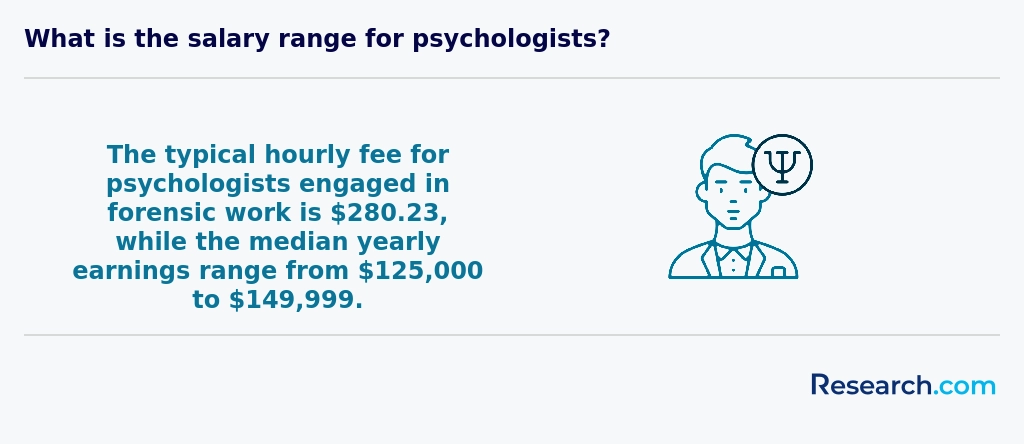
Graduates with online psychology degrees in the Northeast can expect varied earnings based on their chosen career paths and certifications. For example, school psychologists in the region typically earn a mean annual wage of around $91,990, reflecting data consistent with positions near urban hubs like Boston University or New York University. Mental health counselors often see salaries near $60,080 annually, a solid income for those starting in roles connected to counseling centers affiliated with institutions like Rutgers University.
Industrial-organizational psychologists hold one of the highest-paying spots, with mean wages reaching $154,380, especially in metropolitan areas where companies seek to enhance workforce dynamics. Rehabilitation counselors earn a mean of about $48,430, while marriage and family therapists report averages near $68,730, correlating with demand at healthcare and social service organizations across the Northeast.
Graduates who secured licensure and advanced certifications in the region express satisfaction with their competitive salaries, often boosted by supplemental benefits. These earnings underscore the strong demand for psychology professionals in diverse Northeast settings, from private practices to research institutes.
- Online psychology master's programs in the Northeast typically cost between $20,000 and $40,000, with some public universities offering lower in-state tuition.
- Entry-level psychologists in the region earn average salaries from $55,000 to $65,000 annually, with experienced professionals making between $85,000 and $95,000.
- Psychology jobs in the Northeast are expected to grow by about 12% nationally through 2031, with higher demand in states like Massachusetts, New York, and New Jersey.
- Licensing usually requires an accredited degree, supervised clinical experience, and passing a professional exam, with many programs providing support for these steps.
- Key employment areas include healthcare, education, and private practice, especially for those specializing in clinical, counseling, or industrial-organizational psychology.
Completing an online psychology master's degree in the Northeast typically takes between one and two years for full-time students, with many opting for accelerated programs that can be finished in 12 to 18 months. Graduates from well-regarded public universities in the region often share how transferring up to 12 credits from previous coursework helped shorten their timelines, allowing them to enter the workforce sooner. Part-time students, balancing jobs and family responsibilities, may take three years or more, appreciating the flexibility that online programs provide.
For those pursuing a bachelor's degree in psychology online, the duration generally aligns with the traditional four-year timeframe. Students at popular institutions in the Northeast appreciate how curriculum structures incorporate practicum requirements and supervised fieldwork, which can extend program length but offer crucial hands-on experience. Many find that this balance between academic rigor and flexible pacing supports steady progress without overwhelming their personal or professional lives.
Ultimately, the blend of transfer credit policies, credit loads, and internship components shapes each graduate's path, reflecting the adaptable nature of online psychology education in the Northeast.
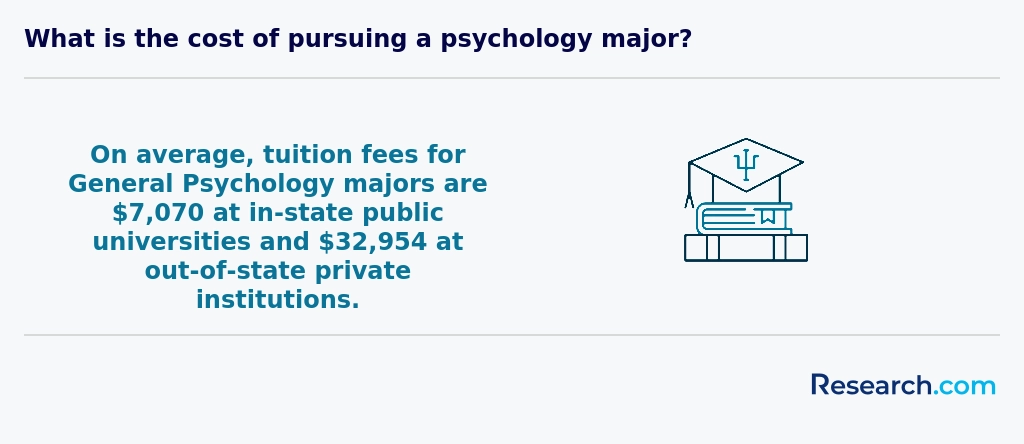
When budgeting for an online master’s in psychology, it’s essential to benchmark Northeast tuition rates against other regions. In the Northeast, the median total cost hovers around $33,684, with in-state public institutions averaging $7,070 per year and private out-of-state programs reaching up to $32,954. By contrast, many Midwestern schools-particularly in Michigan-offer per-credit rates as low as $300, making a tangible impact on overall debt load. For a deeper dive into cost-saving opportunities, explore our Most Affordable Psychology Degree Programs Ranking in Michigan. Comparing these regional averages helps prospective students determine whether pursuing an out-of-state program could yield significant savings while still delivering high-quality instruction.
Online psychology degrees in the Northeast emphasize flexibility, allowing students to balance studies with work or family by accessing lectures and assignments remotely. About 37% of psychology graduate students nationally enrolled in online formats by 2022, with a sharp increase in the Northeast driven by urban professionals seeking convenience. For example, graduates from online programs often highlight the ability to study without commuting while still meeting rigorous academic standards.
In contrast, traditional on-campus programs, such as those at Boston University or Pennsylvania State University, offer immersive face-to-face interaction and hands-on learning. These programs frequently include lab work and supervised practicum experiences, which many students find essential for mastering complex psychological concepts and building professional networks.
Cost considerations also differ. Public universities in the Northeast average about $12,000 yearly for in-state graduate tuition, while private institutions may exceed $30,000. Online programs sometimes reduce expenses related to commuting and campus fees, though technology costs and occasional campus visits may factor into total expenses.
The average cost of an online psychology degree in the Northeast is influenced by factors such as residency status and the type of institution. Median total tuition costs for these programs stand at approximately $28,458, with in-state students typically paying closer to $19,404, while out-of-state students face higher rates around $22,119. These figures reflect both public and private institutions, with public universities in states like New York and Massachusetts often providing more affordable options for residents.
Graduates from well-known regional universities report positive experiences balancing cost and quality. Many find value in programs offering flexibility and comprehensive curricula without sacrificing affordability. Such programs allow students to continue working while pursuing their degrees, making the tuition investment feel manageable and worthwhile.
Students pursuing a northeast online master's in psychology tuition fees appreciate the varied pricing structures, especially those with tiered rates based on credit hours. It's common for programs to charge between $500 and $1,200 per credit hour, influencing the total price for degree completion, which can range broadly depending on the number of credits required.
Additional fees such as technology or administrative costs add to the overall expense but are often balanced by available financial aid and scholarships. Many students looking into online options also explore employer tuition assistance, which can significantly reduce out-of-pocket spending.
For those interested in streamlined options, resources like psychology master degree online can offer accelerated pathways at competitive prices, enabling students to enter the workforce sooner while managing tuition costs effectively.
Choosing an APA-accredited online psychology program ensures your degree meets the rigorous standards required for state licensure and professional practice. Accreditation by recognized bodies-such as the American Psychological Association (APA) for clinical/counseling tracks or the Council for Accreditation of Counseling and Related Educational Programs (CACREP)-signals that the curriculum, faculty credentials, and practicum components adhere to licensure board requirements. Key Accreditation Considerations:
- Accreditation Body: Verify both regional (e.g., Middle States, NEASC) and programmatic (APA, CACREP) accreditation.
- State Authorization: Ensure the program is approved to train residents in your state, a prerequisite for licensure eligibility.
- Core Coursework: Look for mandatory courses in psychopathology, ethics, psychological assessment, and research methods.
- Supervised Experience: Confirm that practicum and internship hours align with your state board’s supervised practice requirements.
- Exam Preparation: Seek programs offering dedicated support for the Examination for Professional Practice in Psychology (EPPP) and any state-specific licensure exams. Licensure Pathway Overview: 1. Graduate from an APA-accredited master’s program with required supervised hours. 2. Register and prepare for the EPPP, factoring in exam and application fees. 3. Complete post-degree supervised practice under a licensed psychologist. 4. Apply for licensure through your state board and maintain continuing education units (CEUs). Financial planning should account for licensure expenses beyond tuition-exam fees, board application charges, and specialized certifications. Many graduates also pursue credentials like BCBA, so researching the aba certification online cost can help you budget effectively. By prioritizing accredited pathways and understanding state licensure requirements, you’ll position yourself for a seamless transition from graduate student to licensed psychology professional in the Northeast.
Students pursuing online psychology degrees in the Northeast benefit from a range of financial aid options that help manage tuition costs, which average between $12,000 and $25,000 annually. For instance, graduate students at prominent Northeastern institutions often rely on the Free Application for Federal Student Aid (FAFSA) to access federal loans like Direct Unsubsidized Loans and Grad PLUS Loans, valued for their fixed rates and flexible repayment plans. A graduate in Massachusetts shared how these loans made balancing part-time work and study feasible.
Additionally, the Federal Work-Study Program offers part-time job opportunities, though availability varies for online students; those enrolled at universities with regional campuses in New York have found this especially beneficial. Institutional scholarships and grants are another vital source, with schools in New Jersey providing merit-based awards that can cover significant tuition portions, easing financial stress.
State grant programs further support in-state learners, with Pennsylvania residents highlighting how those grants supplemented their budgets. Finally, professional associations like the APA supply scholarships and fellowships rewarding academic excellence, providing critical assistance to those committed to psychology careers in urban Northeastern centers.
The flexibility and accessibility of online psychology programs are significant advantages, allowing students to balance their education with personal and professional commitments. However, some limitations include the potential lack of face-to-face interaction with instructors and peers, which can impact the depth of discussion and networking opportunities. Despite these limitations, many online programs incorporate innovative technologies and strategies to foster engagement and community building among students. For instance, virtual study groups, interactive discussion forums, and video conferencing can replicate many of the social interactions found in traditional classroom settings. Furthermore, the ability to learn from and interact with a diverse group of students and faculty from various locations can enrich the learning experience, providing insights into different cultural and professional perspectives. On the other hand, self-motivation and discipline are crucial for success in online programs, as students must manage their time effectively and stay focused on their academic goals without the structured environment of a traditional campus. By understanding both the advantages and limitations, prospective students can make informed decisions about whether an online psychology program aligns with their learning style, career aspirations, and personal circumstances.
Enrolling in an online psychology degree in the Northeast typically requires applicants to hold a bachelor's degree from an accredited institution. While many recognized universities in the region do not mandate an undergraduate psychology major, having completed courses in psychology, statistics, and research methods greatly strengthens your application. Graduates from colleges such as Boston University or Fordham University often reflect on how this foundational knowledge eased their transition to graduate studies.
Most programs set a minimum GPA, generally around 3.0 on a 4.0 scale, to demonstrate academic readiness. For instance, a graduate from a well-known Northeastern college recalled that maintaining this GPA helped them feel confident when tackling rigorous online coursework. Official transcripts are typically required to verify this.
While the GRE was traditionally required, many Northeastern programs now waive this, easing access and encouraging diverse applicants. Letters of recommendation-usually two or three-from professors or employers who know your academic or professional aptitude are crucial. Personal statements enable you to share motivations and goals, a step that many successful applicants report as empowering and reflective.
For specialized tracks like clinical psychology, demonstrated field experience through internships or mental health work is often essential, providing practical context to academic learning. Lastly, reliable internet and appropriate technology are mandatory for fully engaging with online learning platforms and synchronous sessions.
When considering an online psychology degree, several concerns and misconceptions may arise. One common myth is that online degrees are less rigorous or less respected than their traditional counterparts. However, this is not the case. Accredited online psychology programs offer the same level of academic rigor and are held to the same standards as on-campus programs. Another concern is the lack of face-to-face interaction with instructors and peers. While it is true that online programs lack the traditional classroom setting, many online psychology programs incorporate interactive elements, such as virtual discussions, group projects, and live sessions, to foster a sense of community and connection among students. Additionally, online programs often provide more flexibility in terms of scheduling and accessibility, making them an attractive option for students with work or family commitments. It's also important to address the concern about the limitations of online programs in providing practical experience. Many online psychology programs offer internships, practicum, or fieldwork opportunities that allow students to apply theoretical knowledge in real-world settings, providing valuable hands-on experience and skills. By understanding and addressing these concerns, prospective students can make informed decisions about pursuing an online psychology degree and be assured of the quality and value of their educational investment.
Online psychology degree programs in the Northeast consistently include core courses aligned with APA standards. Graduates from prominent schools like those in New York and Massachusetts often recall how foundational classes such as Introduction to Psychology offered clear insights into basic theories and historical perspectives, helping them understand everyday human behavior in contexts like workplace dynamics or family interactions.
Typical coursework extends to Developmental Psychology, where students explore real-life examples of growth stages, and Cognitive Psychology, which brings mental processes like memory and perception into focus through practical applications such as problem-solving exercises used by leading universities.
Abnormal and Social Psychology classes frequently engage students in case studies reflecting mental health challenges and social interactions, enabling graduates to approach counseling and community work with confidence and empathy, skills emphasized at many Northeast online programs.
Additional crucial topics include Research Methods and Statistics, teaching methodological rigor and data analysis skills essential for evidence-based practice-graduates often highlight how these skills translated into success during internships or advanced study.
Ethics and Biopsychology courses further deepen understanding, preparing students to navigate professional standards and biological underpinnings of behavior, making the degree highly practical for diverse psychology careers throughout the region.
Online psychology specializations in the Northeast typically include clinical psychology, counseling psychology, industrial-organizational psychology, and forensic psychology. Graduates from well-known universities in this region often highlight how clinical psychology prepares them comprehensively for mental health assessment and treatment, aligning well with the region's strict licensure requirements. Counseling psychology is another favorite, especially for those interested in educational or community therapy roles. Industrial-organizational psychology appeals to students focused on workplace behavior management, a relevant area given the Northeast's dense corporate sectors. Forensic psychology prepares students to operate within legal frameworks, blending psychological study with criminal justice processes.
Many programs also offer concentrations in health psychology or child and adolescent psychology, catering to specific professional paths. Students from these Northeast colleges frequently appreciate the practical applicability of their specialization in local job markets. Choosing the right concentration is crucial for meeting state licensure needs and career goals. Those weighing cost and flexibility should consider resources discussing aba certification online cost for additional guidance.
When selecting the best online psychology degree programs Northeast students value accreditation, as it ensures the quality and recognition of their education. Graduates from well-known institutions like those in Boston or New York City often highlight how affiliations with research-heavy universities enhanced their learning and career prospects. Specialization options such as clinical or forensic psychology align well with regional healthcare demands, giving students targeted skills for employment.
Affordability is another critical factor. Public universities in the Northeast offer graduate tuition ranging from $10,000 to $25,000 annually for residents, with private schools charging considerably more. Some online programs even allow out-of-state students to pay in-state rates, making an affordable online psychology master's Northeast option feasible for many.
Flexibility in course schedules can ease the burden on working professionals balancing life responsibilities. Consider programs offering asynchronous classes for maximum convenience. Finally, data on graduation, licensure pass rates, and employment help predict program effectiveness. For additional cost-effective options, see the Most Affordable Psychology Degree Programs Ranking in Michigan.
Graduates with an online psychology degree in the Northeast have diverse career options spanning clinical psychology, industrial-organizational psychology, school psychology, and research roles. Clinical paths, popular among graduates from renowned institutions like Boston University and New York University, involve providing mental health services in hospitals and private practices. The U.S. Bureau of Labor Statistics reports an 8% employment growth for clinical, counseling, and school psychologists nationally from 2022 to 2032, reflecting strong demand in densely populated areas such as New York City and Philadelphia.
Industrial-organizational psychology is thriving in the Northeast due to the concentration of corporations requiring expertise to boost employee well-being and productivity. Graduates from universities such as Rutgers have found rewarding roles in human resources with median salaries around $109,030 nationally. School psychology also presents a viable path, supported by increasing awareness of student mental health needs in public and private schools across the region.
Graduates often appreciate opportunities in specialized fields like forensic psychology, neuropsychology, or social services. For those exploring quicker alternatives, many also investigate the highest paying 6 month certifications to supplement their credentials. The Northeast's varied career landscape offers psychology degree holders a meaningful chance to impact communities while advancing their professional goals.
Graduates holding an online psychology degree in the Northeast face an encouraging job market marked by steady demand and competitive salaries. Employers in states such as New York and Massachusetts often seek candidates for roles like licensed clinical psychologists and school psychologists, where the need for mental health professionals remains robust. Many graduates from popular institutions in the region share experiences of securing positions in diverse settings including hospitals and private practices, appreciating the region's higher average salaries-for instance, around $95,000 annually in New York and $105,000 in Massachusetts.
The psychology career opportunities Northeast reflect both the density of the population and increased mental health awareness, prompting a projected employment growth aligned with national trends. Obtaining necessary state licensure is crucial and achievable for those with accredited online degrees who complete supervised hours. Additionally, the rise of telehealth services provides new remote work options, enhancing flexibility.
Tuition costs vary widely, often between $15,000 and $35,000 for master's degree programs. Prospective students might explore options such as associate degrees in 6 months online to complement their education and accelerate their career paths.
2027 Best Online Master's in Psychology Degree Programs Ranking in the Northeast
Investing in your education is a significant decision that can shape your future, and the Research.com team is deeply aware of the importance of making well-informed choices. To support aspiring students seeking psychology master's degrees in the Northeast, we have carefully developed the "2027 Best Online Master's in Psychology Degree Programs Ranking in the Northeast." Our dedication to quality, credibility, and accuracy is demonstrated through thorough research and analysis. We incorporated data from the following trusted sources to provide an all-encompassing evaluation of these programs:
By reviewing this ranking, readers will acquire valuable insights into top online psychology master's programs in the Northeast, enabling confident and informed educational decisions. For an in-depth understanding of our process, please visit our Research.com methodology page.
# 1 position
Penn State University Park
Master of Psychology of Leadership


# 3 position
Antioch University New England
Master of Clinical Mental Health Counseling



Frequently Asked Questions About psychology
Online psychology degree students in the Northeast can maximize their learning by actively engaging with course materials and instructors. Many accredited institutions in this region, such as those listed by the New England Commission of Higher Education, offer interactive platforms that support discussion and collaboration.
Students should also seek out opportunities for applied learning, including virtual internships and regional practicum placements, which are often available through partnerships with local healthcare providers.
According to the American Psychological Association, Northeast programs emphasize evidence-based research methods; thus, dedicating time to mastering statistical software and research design enhances comprehension and career readiness.
Additionally, joining regional psychology associations can provide networking and professional development relevant to state licensure requirements.
Emerging niches within psychology are shaping the future of mental health services, especially in the Northeast where demand for specialized knowledge grows. One notable area is neuropsychology, focusing on brain-behavior relationships, important as aging populations increase in states like Massachusetts and New York. Another growing field is health psychology, addressing chronic illness management, which aligns with rising healthcare needs in the region.
Additionally, forensic psychology is expanding due to increased collaboration between legal systems and mental health professionals. Industrial-organizational psychology also gains traction, driven by Northeast corporations investing in workplace well-being and productivity. These niches reflect broader national trends reported by the American Psychological Association in their 2023 workforce analysis.
After completing an online psychology degree in the Northeast, preparing for the job market involves several key steps. First, gaining relevant experience through internships or practicum opportunities is essential. Many employers in states like New York and Massachusetts value practical skills alongside academic knowledge.
Networking is also crucial. Professionals can join organizations such as the Massachusetts Psychological Association or New York State Psychological Association, which offer job boards and networking events. Additionally, obtaining licensure or certification, depending on career goals, enhances employability and salary prospects.
According to the U.S. Bureau of Labor Statistics, psychology jobs in the Northeast are projected to grow steadily, making these steps vital for competitive positioning.
Employers in the Northeast highly value psychology graduates who demonstrate strong analytical and critical thinking skills. These abilities enable professionals to interpret complex behavioral data effectively, a crucial task in clinical and research settings. Communication skills are also essential, as graduates must convey findings clearly to diverse audiences, including patients and multidisciplinary teams.
Additionally, proficiency in ethical decision-making is critical, given the stringent regulations governing psychological practice in states like New York and Massachusetts. According to the APA, 72% of employers in the region prioritize candidates with practical experience in psychological assessment and intervention techniques.
Familiarity with digital tools and online therapy platforms has become increasingly important, reflecting industry shifts accelerated by the COVID-19 pandemic.
Finding internships in the Northeast for psychology students often starts with utilizing university career centers and faculty connections. Many schools in this region have partnerships with local hospitals, clinics, and mental health organizations that offer practical training opportunities. According to the American Psychological Association, about 60% of internships are secured through academic affiliations.
Students should also explore state and city health departments, nonprofit agencies, and private practices, as these frequently provide internship slots. Websites like the National Institute of Mental Health and the Psychological Internship Centralized Application Service (APPIC) list openings with a regional focus.
Networking through professional organizations such as the Massachusetts Psychological Association or the New York State Psychological Association can improve internship prospects. Early application is crucial, as Northeast programs can be highly competitive due to dense populations and numerous institutions.
An online psychology degree can significantly improve career mobility and advancement opportunities in the Northeast. Many employers in this region value accredited online degrees that meet the same academic standards as traditional programs. According to the National Center for Education Statistics, over 30% of graduate psychology students in the Northeast enroll in online programs, reflecting growing acceptance.
Professionals with advanced psychology degrees often qualify for higher-paying roles in healthcare, education, and social services. For example, the U.S. Bureau of Labor Statistics reports that clinical, counseling, and school psychologists in the Northeast earn median wages above the national average, partly due to regional demand. Online degrees also offer flexibility, enabling working professionals to upskill without career disruption.
Online psychology degree programs in the Northeast emphasize interdisciplinary skills by integrating courses from related fields such as healthcare, education, and social services. This approach aligns with the region's strong emphasis on collaborative healthcare and community-based initiatives, where professionals often work across disciplines.
Many accredited institutions in the Northeast follow guidelines from the American Psychological Association (APA), ensuring comprehensive training that includes research methods and applied psychology in diverse settings.
According to the National Center for Education Statistics, nearly 30% of psychology master's students in the Northeast engage in cross-disciplinary projects that prepare them for roles in counseling, human resources, or public health sectors.
Such programs often include practicum experiences, connecting students with interdisciplinary teams and enhancing their real-world communication and problem-solving skills.
Choosing between a thesis and a non-thesis online psychology program in the Northeast depends on your career goals and learning preferences. A thesis option usually appeals to students aiming for research careers or doctoral study, requiring original research and close faculty mentorship. According to the National Center for Education Statistics, about 60% of psychology master's students in the Northeast opt for thesis tracks to strengthen research skills.
Non-thesis programs often focus on practical knowledge, ideal for professionals seeking immediate application in clinical or counseling roles. They typically require more coursework and may include capstone projects or internships instead of research. Understanding each program's structure and outcomes can help you decide which fits your future plans.
Students based in the Northeast interested in studying psychology abroad have several pathways, though options remain somewhat limited. Most often, such students enroll in U.S. institutions offering study-abroad programs or international collaborations within their online psychology degrees. Universities like Boston University and the University of Pennsylvania encourage participation in exchange programs or research opportunities overseas.
However, fully online psychology degrees from foreign institutions are less common due to accreditation and licensing issues in the U.S. The Council for Higher Education Accreditation (CHEA) emphasizes attending regionally accredited programs, typically found within the Northeast.
For practical experience abroad, students often combine domestic online coursework with short-term international internships or clinical placements, supported by partnerships between Northeastern schools and global organizations.
Students pursuing online psychology degrees in the Northeast can find various part-time jobs that enhance their education. Common opportunities include working as research assistants at universities or private labs, which offer valuable experience in data collection and analysis. According to the National Science Foundation, the Northeast hosts over 30% of all U.S. psychological research activities, making it a rich job market for aspiring psychologists.
Additionally, roles such as mental health technician or behavioral aide in hospitals and clinics provide hands-on experience with patient care. Nonprofits and community centers also seek program coordinators or support staff knowledgeable in psychology. These positions help build essential skills while accommodating students' academic schedules.
Online psychology students in the Northeast have access to various networking opportunities despite their remote status. Many universities offer virtual events, such as webinars and guest lectures, connecting students with faculty and professionals. For example, schools in Massachusetts and New York frequently host online psychology conferences that attract practitioners from nearby metropolitan areas.
Additionally, professional organizations like the Northeastern Psychological Association provide student memberships, which include access to regional meetings and online forums. Networking through such groups can lead to internships or job placements in the dense healthcare and academic markets of the Northeast.
Some programs also encourage local internships or practicum experiences, blending online study with real-world connections within the region.
Alumni networks offer significant advantages to students pursuing online psychology degrees in the Northeast. These networks provide valuable connections to professionals working in various psychology fields, enhancing job placement opportunities after graduation. For instance, many Northeast institutions report that strong alumni ties help students access internships and research collaborations, crucial for applied psychology careers.
Moreover, alumni often share mentorship and career advice tailored to regional job markets. According to the National Association of Colleges and Employers (NACE), networking can increase employment chances by up to 70% nationwide, a trend reflected in Northeast psychology programs.
These networks also foster ongoing professional development through webinars and local meetups, helping graduates stay updated on evolving psychological practices in states like New York, Massachusetts, and Pennsylvania.
Many online psychology programs in the Northeast offer flexible curricula that let students tailor their studies to match career goals. Common options include choosing concentrations such as clinical, counseling, or industrial-organizational psychology.
Students can often select electives aligned with their interests, enhancing skills in areas like research methods or neuropsychology. Some schools also provide internship or practicum opportunities within local health agencies or corporations, valuable for real-world experience.
According to the National Center for Education Statistics, Northeastern institutions increasingly support customizable paths, reflecting regional demand for diverse psychology roles in healthcare, education, and business sectors.
Careful program selection and academic advising ensure that your degree suits licensure requirements relevant to your desired career in the Northeast.
Online psychology students in the Northeast often face challenges related to balancing coursework with personal and professional responsibilities. Many students juggle full-time jobs or family care while attending classes, which can lead to stress and time management issues.
A significant hurdle is limited access to in-person practicum or internship opportunities, which are vital for psychology training. While many schools offer virtual experiences, these may not fully replace hands-on practice, especially given state licensing requirements that vary across the Northeast.
Additionally, technical difficulties and inconsistent internet access can disrupt learning, particularly in rural areas of states like Maine or Vermont. According to the National Center for Education Statistics, nearly 15% of students in some Northeastern rural counties report connectivity issues.
Finally, students may experience feelings of isolation without regular face-to-face interaction, which can impact motivation and networking opportunities crucial for careers in psychology.
With an online psychology degree in the Northeast, you can pursue several professional certifications that enhance your career prospects. Popular options include becoming a Licensed Professional Counselor (LPC), Licensed Clinical Social Worker (LCSW), or Licensed Psychologist, depending on your education level and state requirements.
Many Northeastern states, such as New York and Massachusetts, require specific post-degree supervised hours and passing national exams, like the Examination for Professional Practice in Psychology (EPPP), to obtain licensure. Certifications like Certified Rehabilitation Counselor (CRC) or Board Certified Behavior Analyst (BCBA) are also viable.
These certifications improve employability in fields like mental health clinics, schools, and private practices. According to the Bureau of Labor Statistics, the Northeast has a 7% projected growth in psychology-related jobs through 2031, underscoring high demand for certified professionals.
To write a winning application for an online psychology program in the Northeast, begin by researching specific programs accredited by the American Psychological Association or regionally accredited institutions. Highlight your academic achievements, especially in psychology-related courses. Applicants with a GPA above 3.0 generally have stronger chances. Include relevant work or volunteer experience in mental health or counseling settings to demonstrate practical skills.
Craft a compelling personal statement that explains your motivation for studying psychology, career goals, and why you chose the Northeast region. Use clear, concise language, and proofread carefully to avoid errors.
Strong letters of recommendation from professors or employers familiar with your psychology aptitude can significantly boost your profile. According to recent reports from the National Center for Education Statistics, graduate enrollment in psychology programs in the Northeast has risen by 5% annually, increasing competition. Therefore, tailored, thoughtful applications are essential to stand out.
Psychology careers hold strong global appeal, reflecting diverse opportunities across cultures and healthcare systems. In the United States, including the Northeast, psychology professionals are in growing demand, with the Bureau of Labor Statistics projecting a 10% job growth for clinical and counseling psychologists from 2022 to 2032, faster than the average for all occupations.
Globally, mental health awareness is rising, influencing education and career prospects for psychologists. Employers value professionals trained in evidence-based practices, emphasizing cultural competence.
For students in the Northeast seeking online psychology degrees, aligning with programs accredited by the American Psychological Association (APA) ensures a competitive edge both regionally and internationally. Northeast states such as New York and Massachusetts have some of the highest concentrations of licensed psychologists, highlighting the region's robust professional network and employment opportunities.
Gaining practical experience while studying for an online psychology degree in the Northeast is essential for career readiness. Many accredited programs in this region offer virtual internships or practicum opportunities in partnership with local mental health agencies, hospitals, and schools. For example, students may engage in supervised telehealth services or assist in research projects remotely.
State licensure boards in the Northeast, such as those in New York and Massachusetts, often require a specific number of supervised clinical hours, which can be completed through approved local sites. Additionally, organizations like the New England Psychological Association provide networking to help secure placements.
Choosing the right concentration within an online psychology degree program in the Northeast depends on your career goals and interests. Common concentrations include clinical, counseling, forensic, and industrial-organizational psychology. Each has distinct licensing and employment requirements, so research local state regulations. For example, states like New York and Massachusetts require specific supervised hours for licensed clinical psychologists, which may influence your choice.
Consider job market trends too. According to the U.S. Bureau of Labor Statistics, the Northeast shows strong demand for healthcare-related psychology roles, especially in clinical and counseling fields. Also, investigate whether your online program offers practicum or internship opportunities aligned with your chosen concentration, as hands-on experience is crucial for licensure and employment.
Lastly, review faculty expertise and research strengths at the schools you consider. Institutions with strong ties to local healthcare systems or organizations can offer better networking and job placement in your concentration.
See What Experts Have To Say About Studying Psychology
Read our interview with Psychology experts

Elizabeth L. Jeglic Ph.D.
Psychology Expert
Professor of Psychology
City University of New York

Catherine Caldwell-Harris, Ph.D.
Psychology Expert
Associate Professor of Psychology
Boston University

Joann Farrell Quinn, Ph.D., MBA
Psychology Expert
Director at the College of Medicine Department of Medical Education
Morsani College of Medicine

- Community Psychology in Global Perspective http://siba-ese.unisalento.it/index.php/cpgp
- Financial Aid for Psychology Students https://www.onlinepsychologydegrees.com/financial-aid/
- Scholarships For Psychology Majors (2025) https://www.psychology.org/scholarships/
- Benefits of Studying Psychology Abroad https://www.semesteratsea.org/psychology-study-abroad/
- Society for the Teaching of Psychology https://teachpsych.org/page-1784686/8675326
- A Guide to Psychology Internships | Psychology Degree Guide https://psychologydegreeguide.org/resources/internships/
- Psychology https://northeast.edu/degrees-and-programs/psychology
- Study Psychology Abroad https://astarfuture.co.uk/study_psychology_abroad.html
- Psychology, BA Online https://www.nec.edu/programs/ba-psychology-online
- Alumni Perspectives - Meet Our FPN Alumni https://www.aanmelder.nl/alumni-perspectives-june-2023


