2027 Most Valuable Psychology Degree Programs Ranking in Oregon

Co-Founder and Chief Data Scientist
If you're considering pursuing a psychology degree in Oregon, selecting the right program can feel overwhelming. This article presents the 2027 Most Valuable Psychology Degree Programs Ranking in Oregon, created by the Research.com team of data scientists. It's designed to help you make an informed choice about which programs offer the most value for your education and future career.
Discovering the best fit for your goals can boost your confidence and excitement about this rewarding field. A psychology degree opens doors to meaningful work and personal growth, making it a truly worthwhile pursuit.
Key benefits of getting psychology degree in Oregon
- Psychology graduates in Oregon can expect competitive salaries, such as Marketing Research Analysts earning around $83,190 annually and Human Resources Specialists making about $76,060 per year, reflecting strong financial opportunities.
- Career paths for psychology graduates include roles in research, human resources, or clinical settings, with many Oregon colleges supporting diverse job options tailored to your strengths and interests.
- Obtaining a psychology degree online offers flexibility and convenience, allowing graduates from Oregon's universities to balance life commitments while gaining valuable skills and connections just like traditional programs.
- 2027 Most Valuable Psychology Degree Programs Ranking in Oregon
- What can I expect from psychology degree in Oregon?
- Where can I work with psychology degree in Oregon?
What can I expect from psychology degree in Oregon?
Psychology students in Oregon can generally expect undergraduate tuition costs between $10,000 and $15,000 per year when attending public universities such as Oregon State University or the University of Oregon. Graduates often recall a manageable financial commitment that allowed them to focus on both academic and hands-on experiences without excessive stress. Many found that these institutions offered a balanced investment, providing quality education along with opportunities for internships in local clinics or schools, which enhanced their practical skills and career readiness.
Private colleges in Oregon tend to have higher tuition fees, but students often receive scholarships or financial aid specifically aimed at psychology majors, making the overall cost more accessible. Alumni from these programs frequently highlight the value of supportive faculty and smaller class sizes that helped foster deeper learning and personal growth.
Ultimately, the cost of pursuing a psychology degree in Oregon reflects a range of options, ensuring students can find a path aligned with their financial and professional goals.
Where can I work with psychology degree in Oregon?
Graduates with a psychology degree in Oregon find rewarding employment opportunities across diverse sectors. Many pursue careers in mental health and counseling, working as licensed counselors, social workers, or behavioral health specialists in hospitals, private clinics, and nonprofit organizations throughout the state. For example, graduates from Oregon State University often engage in community-based mental health initiatives, helping individuals overcome personal challenges with empathy and expertise.
Education is another strong path, with school psychologists addressing students' behavioral and learning needs in Oregon's K-12 schools. University of Oregon psychology alumni frequently contribute to student counseling centers or conduct academic research, combining their passion for science with practical impact.
In Portland's dynamic business environment, psychology graduates excel in human resources, organizational development, and market research roles, applying their understanding of human behavior to improve workplace culture and consumer insights. Those aiming for research positions benefit from collaborations among Oregon's top institutions like Oregon Health & Science University, expanding career options in medical and governmental sectors.
Graduates with a psychology degree in Oregon can realistically anticipate a range of salaries based on their educational attainment and chosen career path. Entry-level roles, such as clinical research associates or survey researchers, typically start with an annual wage near $62,370, reflecting positions that many recent graduates from institutions like Portland State University or the University of Oregon pursue to gain hands-on experience.
For those moving into human resources or marketing research analyst positions, salaries increase to mean annual wages of approximately $76,060 and $83,190 respectively. These roles appeal to graduates seeking to apply their skills in organizational settings or data-driven market insights, common fields for psychology alumni expanding their professional scope within Oregon's vibrant business sectors.
Graduates often express optimism when securing these roles, appreciating the blend of meaningful work and competitive compensation. Hands-on internships and networking during their studies greatly enhance job readiness, making the transition from university to the workforce smoother and more rewarding.
- Psychology programs in Oregon are available at public and private universities such as Portland State University and the University of Oregon, offering degrees from bachelor's to doctoral levels.
- In-state tuition at public universities averages about $11,000 per year, while private colleges can charge over $30,000 annually, excluding additional costs like housing and fees.
- Entry-level psychology graduates typically earn between $45,000 and $55,000 annually, with master's and doctoral degree holders often making $70,000 to $90,000 or more after gaining experience.
- Employment for psychologists in Oregon is projected to grow by approximately 10% over the next decade, especially in clinical, counseling, and school psychology roles.
- Licensing in Oregon requires completing accredited education, supervised experience, and passing exams through the Oregon Board of Psychology to meet state service standards.
Completing a psychology degree in Oregon typically requires a commitment aligned with your educational goals and program choice. For example, graduates from Oregon State University and the University of Oregon often complete their bachelor's degrees in approximately four years of full-time study, reflecting the state's standard of 120 to 130 credit hours. Many feel a strong sense of accomplishment as they engage in a curriculum designed to build foundational knowledge and practical skills.
Graduate psychology programs in Oregon, such as those at Oregon Health & Science University (OHSU), usually extend this timeframe. Master's degrees often take two to three years beyond the bachelor's, blending coursework with internships or research, which students find rewarding for real-world experience. Doctoral degrees, essential for clinical licensure, can require five to seven years, combining rigorous research, comprehensive exams, and supervised clinical practice, preparing graduates for advanced careers with confidence.
Many students appreciate how Oregon's programs balance academic rigor with flexibility to accommodate personal circumstances, making degree completion a realistic and fulfilling journey.
Accreditation ensures your degree meets Oregon’s standards and professional benchmarks. In most cases, regional accreditation (e.g., NWCCU) is required for bachelor’s and master’s programs, while APA accreditation is essential for doctoral licensure.
Key steps to become a licensed psychologist in Oregon:
- Earn a doctoral degree from an APA-accredited program.
- Complete at least 1,500 supervised practicum and internship hours.
- Pass the Examination for Professional Practice in Psychology (EPPP).
- Fulfill postdoctoral supervised experience (typically 2,000 hours).
- Apply for licensure through the Oregon Board of Psychology, including any oral exams or jurisprudence requirements.
For a flexible, accredited master’s pathway before pursuing your doctorate, consider an online masters in psychology program.
Online and on-campus psychology degree programs in Oregon primarily differ in their delivery and learning environments while maintaining equivalent accreditation standards. For example, graduates from the University of Oregon's on-campus program often recall the value of in-person discussions and direct mentorship, which foster deeper connections with faculty and peers. This setting supports hands-on experiences in clinical practice and access to university research labs, enriching their practical skills.
Conversely, online students at Oregon State University appreciate the flexibility to balance work and family commitments, studying at their own pace from any location. Many highlight how this format accommodates diverse lifestyles but still requires confirmation that in-person residencies or supervised clinical hours meet Oregon licensure requirements.
Both formats offer comparable tuition ranges-typically $10,000 to $18,000 annually for in-state students-with online learners benefiting from reduced commuting and housing expenses. Ultimately, the choice depends on whether students prefer immersive campus life or adaptable schedules while pursuing their psychology careers within Oregon's rigorous educational framework.
When considering a psychology degree in Oregon, one of the crucial factors for many students is the affordability of the program. Prospective students should research not only the tuition costs but also the availability of financial aid, scholarships, and the potential return on investment post-graduation. For those looking to minimize their expenses, exploring cheapest psychology schools in Oregon can be a strategic starting point. This approach allows students to weigh the benefits of different programs against their financial constraints, making informed decisions that balance academic aspirations with economic realities. By evaluating these factors, students can identify programs that offer a valuable education at a lower cost, ultimately enhancing their career prospects without incurring undue financial burden.
The average cost of a psychology degree in Oregon varies significantly depending on residency status and institution type. In-state students typically face a median total cost of approximately $16,137 for completing their degree, which is considerably more affordable compared to out-of-state students whose median total cost rises sharply to about $56,593. This disparity reflects tuition differentials at popular public universities such as Portland State University, where in-state students benefit from lower rates, creating more accessible pathways to graduation.
Graduates from Oregon's private colleges often share experiences of higher tuition fees but emphasize the value of smaller class sizes and specialized programs. These programs frequently lead to advanced clinical or counseling psychology paths, justifying the investment despite tuition costs aligning with out-of-state rates at public institutions. Students pursuing a psychology degree tuition fees Oregon 2027 often cite the importance of factoring in associated expenses like textbooks, student fees, and particularly living costs in cities like Eugene or Corvallis, where the room and board can add $11,000 or more annually.
Many psychology students actively seek financial aid and scholarships offered by universities across Oregon. Merit-based awards and federal aid play a critical role in making psychology education more affordable. Prospective students looking to minimize costs often refer to lists of the cheapest psychology schools in Oregon, balancing quality education with budget considerations.
Graduates aiming to practice psychology in Oregon must secure the appropriate license from the Oregon Board of Psychology, ensuring both compliance with state regulations and recognition of their professional expertise. To become a Licensed Psychologist (PhD/PsyD), candidates must:
- Complete a doctoral degree in psychology from an APA-accredited or regionally accredited institution.
- Accumulate at least 2,000 hours of supervised experience, including a minimum of 1,500 post-doctoral hours under a board-approved supervisor.
- Pass the Examination for Professional Practice in Psychology (EPPP) and the Oregon Jurisprudence Exam, demonstrating both clinical competency and knowledge of state laws.
- Submit verification of supervised hours, official transcripts, and background check documentation to the Board. For those pursuing licensure as a Licensed Professional Counselor (LPC), the requirements include:
- Earning a master’s degree with a minimum of 60 semester hours in counseling or psychology, including specified coursework in assessment, ethics, and research methods.
- Completing 2,000 hours of supervised clinical experience post-degree.
- Passing the National Counselor Examination (NCE) or the National Clinical Mental Health Counseling Examination (NCMHCE) alongside the Oregon Jurisprudence Exam. Online learners should verify that their program meets Oregon’s educational criteria; many candidates find value in reviewing rankings like Affordable Online Psychology Degree Programs Ranking in Virginia Beach, VA to compare curriculum alignment and accreditation status. Once licensed, professionals must fulfill 45 continuing education credits every two years, including at least six credits in ethics, to maintain active status. Understanding these steps early-while selecting the most valuable psychology program-ensures a streamlined path from graduation to independent practice in Oregon’s dynamic mental health landscape.
Students pursuing psychology degrees in Oregon have access to a variety of financial aid options designed to ease the burden of tuition and living expenses. For example, graduates from Oregon State University often highlight how the Free Application for Federal Student Aid (FAFSA) unlocked eligibility for Pell Grants, which can cover up to $7,395 annually for low-income undergraduates. This federal support significantly lowers their financial stress while focusing on rigorous coursework.
State aid also plays a critical role. Many students at the University of Oregon benefit from the Oregon Opportunity Grant, which provides up to $2,500 yearly to eligible residents. This grant is especially appreciated for bridging funding gaps when combined with federal assistance.
Institutional scholarships and assistantships at these universities add another layer of support. Psychology programs frequently award merit-based scholarships or research assistant positions, allowing students to gain practical experience while reducing costs. Graduate students often find teaching assistantships invaluable in alleviating tuition pressures while enhancing their academic and professional growth.
Alongside scholarships, part-time psychology-related work or internships provide additional financial relief and contribute to career readiness, making the journey both financially manageable and rewarding.
To become a licensed psychologist in Oregon, graduates must navigate a multi-step process governed by the Oregon Board of Psychologist Examiners. First, applicants must earn a doctoral degree in psychology from an accredited institution; many candidates choose to explore psyd online programs accredited by the APA to satisfy this requirement while maintaining flexibility. Next, students complete a minimum of 1,500 supervised practicum hours during their doctoral training, followed by 1,500 post-doctoral supervised hours under a licensed psychologist. Applicants then submit proof of education and supervised experience to the Board and pass two examinations: the national Examination for Professional Practice in Psychology (EPPP) and the Oregon Jurisprudence and Professional Ethics Exam. Once licensed, psychologists in Oregon must renew their credential biennially and complete at least 30 hours of continuing education, with specific credits in ethics and multicultural competence. By satisfying these accreditation and licensure standards, graduates ensure full compliance with state regulations and uphold the highest standards of professional practice.
Enrolling in a psychology degree program in Oregon typically requires a high school diploma or GED for undergraduates, along with official transcripts demonstrating strong performance in core subjects like English, math, and science. For instance, many students accepted at Oregon State University or the University of Oregon recall how the emphasis on solid academic records in these areas laid the groundwork for their successful college experience. Some programs recommend having taken psychology or social science courses in high school to ease the transition into collegiate-level study.
Graduate applicants usually need a bachelor's degree from an accredited institution, often with substantial coursework in psychology or related fields such as statistics and research methods. Graduates from popular Oregon programs often share that submitting strong letters of recommendation and personal statements helped them stand out, especially when coupled with research experience or work relevant to psychology. While GRE scores may be required in some cases, these are sometimes optional depending on the university's policies.
Overall, these prerequisites ensure that students arriving at Oregon's universities are well-prepared, confident, and ready to thrive in their psychology studies, inspiring many alumni to reflect positively on their entry journey.
In today's rapidly evolving educational landscape, online doctorate programs in psychology have become a pivotal pathway for professionals seeking advanced credentials without compromising their current work or personal commitments. These programs offer unparalleled flexibility, allowing students to pursue rigorous research, specialization, and clinical training at their own pace while continuing their professional journey. Graduates of online doctoral programs not only gain high-level expertise in psychological theories and evidence-based practices, but they also develop critical leadership and analytical skills that prepare them for senior roles in academia, healthcare, and private practice. Moreover, the online format enables students to connect with renowned experts and a diverse network of peers from across the country, greatly enriching their educational and professional experiences. For individuals looking to understand the vast array of career opportunities this advanced degree can unlock, exploring what can you do with online doctorate in psychology may provide crucial insights into roles such as clinical director, academic researcher, or behavioral health consultant. This integration of flexibility, advanced training, and a broad career outlook underscores the ongoing evolution in psychology education-ensuring that today's learners are prepared to meet tomorrow's mental health challenges with confidence and innovation.
Psychology degree programs in Oregon commonly include core courses that form the backbone of a strong understanding of human behavior and mental processes. Students at institutions like the University of Oregon and Portland State University often highlight taking classes such as Introduction to Psychology, which lays the foundation by exploring fundamental psychological theories and research techniques. Graduates describe how Research Methods and Statistics courses sharpen their ability to critically analyze data, a skill they found invaluable during internships and experimental labs.
Additional courses typically include Biopsychology, where students learn about brain-behavior connections through real-life case studies, and Developmental Psychology, which prepares them to understand human growth stages, a favorite among those interested in counseling careers. Social Psychology and Abnormal Psychology are frequently praised for helping students grasp the influence of environments and disorders on individuals, enhancing their empathy and practical insight.
Oregon's programs also emphasize ethical practice and cultural competence, with classes in Ethics in Psychology and Diversity focusing on respectful, inclusive approaches. Alumni often recall how these courses empowered them to navigate Oregon's diverse communities confidently, feeling well-prepared for professional challenges.
Psychology degree specializations in Oregon offer focused paths that prepare students for diverse professional roles. Popular options at institutions like Oregon State University and the University of Oregon include Clinical Psychology, where graduates gain skills in diagnosing and treating mental health disorders, often reflecting on their rewarding experiences during supervised therapy sessions. Counseling Psychology trains students to support individuals facing life challenges, equipping them for roles in schools or community agencies. Industrial-Organizational Psychology prepares learners to analyze workplace behaviors, a choice favored by those aiming for business or HR careers. Other noted specializations include Developmental Psychology, with an emphasis on growth across the lifespan, as well as Forensic Psychology, imparting knowledge relevant to criminal justice settings. Neuropsychology courses help students link brain function to behavior, a pathway that many find intellectually fulfilling. Students exploring Oregon psychology graduate program options often appreciate the balance of practical training and research opportunities, which align well with local workforce needs. For those considering advanced study, examining what can you do with online doctorate in psychology can clarify future career prospects.
Choosing the best psychology degree in Oregon requires evaluating program accreditation, curriculum, and delivery format to fit your goals and lifestyle. Graduates from Oregon State University often highlight the value of APA-accredited doctoral programs that prepare them thoroughly for clinical licensure, blending rigorous academics with practical training. Others pursuing affordable psychology schools in Oregon find the balance between cost and quality at public universities, benefiting from in-state tuition and abundant financial aid.
Hands-on experience through internships or research projects is another key factor. Students at Pacific University frequently report gaining confidence and meaningful skills by partnering with local clinics, a crucial step before entering the workforce. Additionally, considering various degree levels from associate to doctorate helps clarify your career path, whether aiming for entry-level roles or advanced practice. For those seeking flexible options, exploring psyd online programs accredited by recognized bodies offers convenience without sacrificing quality, accommodating working professionals and non-traditional students.
Graduates with a psychology degree in Oregon have access to diverse career paths that reflect the state's expanding healthcare and social service industries. Many pursue roles as clinical psychologists, licensed professional counselors, or licensed clinical social workers, meeting Oregon's stringent requirements for graduate coursework and supervised clinical hours. These positions offer the opportunity to make significant impacts in mental health, a field experiencing robust growth locally. Popular universities like Oregon State University have alumni who find rewarding careers helping individuals and families navigate psychological challenges.
Other graduates explore organizational psychology, supporting businesses in Portland and Eugene by enhancing employee wellness and workplace dynamics. This option aligns well with Oregon's dynamic economic landscape and tech hubs. Additionally, those interested in education often become school psychologists, obtaining Certification from the Oregon Teacher Standards and Practices Commission to serve student populations effectively.
Research and academic roles are also viable, with doctoral graduates contributing to knowledge advancement at universities statewide. Students seeking flexible study options often consider Affordable Online Psychology Degree Programs Ranking in Virginia Beach, VA to complement their career preparation in Oregon. The variety of psychology careers in Oregon ensures graduates can find fulfilling employment aligned with their professional goals.
The job market for psychology degree holders in Oregon is promising, exhibiting steady demand across clinical, educational, and organizational fields. Graduates from well-regarded institutions such as the University of Oregon or Portland State University often secure roles in mental health clinics, schools, or corporate environments, reflecting a strong Oregon psychology career opportunities outlook. Entry-level positions for bachelor's degree holders are typically limited and involve support roles, whereas advanced degrees open doors to licensed clinical practice, research, and leadership positions.
Graduates frequently share positive experiences about the applicability of their training in real-world settings, such as assisting in school districts focused on student mental health or collaborating with businesses to improve employee well-being. Oregon's average psychologist salary around $85,000 encourages many to pursue graduate education. Students should consider financing options carefully, as tuition varies widely but can be managed through scholarships and federal aid. Those evaluating degree choices may benefit from exploring accelerated bachelor degree programs to enter the workforce sooner while positioning themselves for long-term success in the psychology degree job outlook Oregon.
2027 Most Valuable Psychology Degree Programs Ranking in Oregon
Investing in your education is a significant decision that can shape your future, and the Research.com team understands the importance of making informed choices. To assist prospective students in Oregon, we have meticulously crafted the "2027 Most Valuable Psychology Degree Programs Ranking in Oregon." Our commitment to quality, credibility, and accuracy is reflected in the extensive research and analysis conducted to compile this ranking.
We utilized the following reputable data sources to ensure a comprehensive evaluation of psychology degree programs:
By exploring this ranking, readers will gain valuable insights into the most valuable psychology degree programs in Oregon, enabling them to make well-informed decisions about their educational paths. For more information on how this ranking was created, please visit our Research.com methodology page.


# 13 position
University of Western States
Master of Science in Psychology


# 17 position
University of Western States
Doctor of Philosophy in Psychology


Frequently Asked Questions About psychology
Psychology degree students in Oregon can maximize their learning by engaging in both theoretical and practical experiences. Oregon offers diverse opportunities for internships and research, particularly through universities like Portland State and the University of Oregon, which collaborate with local clinics and community centers.
Active participation in research projects helps students apply classroom knowledge and develop critical thinking skills. According to the Oregon Higher Education Coordinating Commission, experiential learning increases graduate employment rates by up to 20% within the state.
Additionally, joining psychology clubs and attending local conferences, such as those hosted by the Oregon Psychological Association, expands professional networks essential for future careers.
Emerging niches within the psychology field in Oregon reflect wider national trends emphasizing specialized care and interdisciplinary approaches. One notable area is telepsychology, which has seen rapid growth due to increased demand for remote mental health services, especially in rural Oregon communities. According to the Oregon Psychological Association, telepsychology usage rose by over 40% between 2019 and 2023.
Another growing specialty is neuropsychology, focusing on brain-behavior relationships, particularly relevant as Oregon's aging population increases the need for dementia and stroke rehabilitation services. Additionally, health psychology is gaining attention, integrating behavioral science with public health to address issues like chronic disease management.
Environmental psychology, studying human behavior in relation to Oregon's diverse landscapes, is also becoming more prominent, aligning with the state's strong environmental initiatives. These niches offer valuable opportunities for students interested in innovative psychology careers within Oregon's evolving healthcare landscape.
After completing a psychology degree in Oregon, preparation for the job market begins with gaining relevant experience. Many employers value internships or practicum placements, which can be secured through connections at Oregon universities or local mental health agencies. The Oregon Employment Department reports that the demand for psychologists and mental health professionals in the state is expected to grow by 14% between 2022 and 2032, indicating strong job prospects.
Building a professional network is crucial. Graduates should consider joining the Oregon Psychological Association or attending statewide conferences to connect with industry professionals. Additionally, obtaining certifications or licenses relevant to specific psychology careers, such as Licensed Professional Counselor (LPC), enhances employability. Oregon requires at least 3,000 hours of supervised experience for LPC licensure.
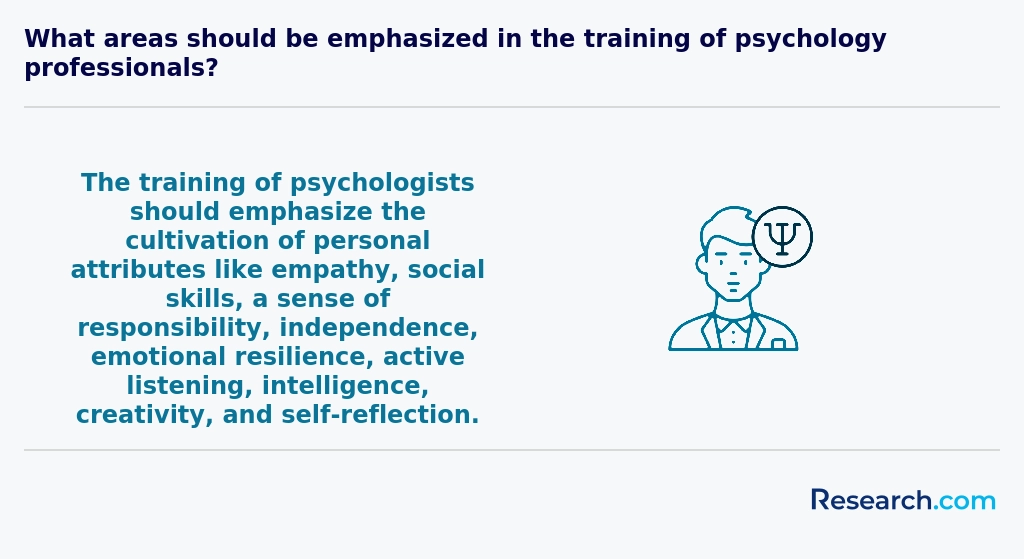
Employers in Oregon seek psychology degree graduates who demonstrate strong analytical and communication skills. Critical thinking is essential for interpreting research and applying psychological principles effectively in clinical or organizational settings.
Additionally, proficiency in data analysis software like SPSS or R is increasingly important, as Oregon's job market for psychologists relies heavily on evidence-based practices. According to the Oregon Employment Department, many positions also value cultural competence due to the state's diverse population.
Teamwork and ethical decision-making remain top priorities, especially for those entering counseling or social service roles. Graduates with internships or field experience typically have a competitive advantage.
Finding internships in Oregon relevant to a psychology degree involves a strategic approach that includes utilizing university resources and statewide networks. Many Oregon universities with psychology programs, like Portland State University and the University of Oregon, offer internship placement assistance through their career centers. These centers often maintain partnerships with local clinics, hospitals, and nonprofit organizations.
Students can also explore opportunities through the Oregon Psychological Association, which lists internships and mentoring programs for psychology students. Additionally, platforms like Handshake frequently feature psychology internships in Oregon. According to the Oregon Employment Department, demand for psychology-related roles in healthcare is growing, reflecting promising internship prospects.
Obtaining a psychology degree in Oregon can significantly impact career mobility and advancement within the state's growing mental health and social services sectors. According to the U.S. Bureau of Labor Statistics, Oregon expects a 14% increase in employment for psychologists between 2021 and 2031, which is faster than the national average. This growth creates more opportunities for degree holders to advance into specialized roles or supervisory positions. Graduation from an Oregon-accredited program also meets licensing requirements, which is essential for clinical and counseling careers. Furthermore, a psychology degree provides transferable skills valued in education, healthcare, and business, broadening career pathways.
Studying for a psychology degree in Oregon offers students a strong foundation for interdisciplinary roles by integrating coursework across multiple fields. Universities in Oregon, such as the University of Oregon and Oregon State University, emphasize collaboration between psychology, education, health sciences, and social work departments.
Oregon's psychology programs often include training in research methods, data analysis, and behavioral science, skills valuable in health care, education, and business. According to the Oregon Employment Department, psychology graduates frequently work in multidisciplinary teams, addressing complex social and health issues.
This approach equips students with the ability to communicate across specialties and apply psychological principles in diverse settings like public policy, counseling, and human resources.
Choosing between a thesis and a non-thesis psychology degree in Oregon depends largely on your career goals and learning preferences. A thesis program typically involves conducting original research and writing a comprehensive paper, which is ideal if you plan to pursue a PhD or work in research. According to the Oregon Office of Degree Authorization, many universities like the University of Oregon and Oregon State University offer thesis options emphasizing research skills.
Non-thesis programs focus more on practical knowledge and coursework, suitable for students aiming for clinical work or counseling roles. These programs often require internships or capstone projects instead of a formal thesis.
Consider that thesis students may invest more time-often an additional semester or two-and develop academic writing expertise valued in research fields. Conversely, non-thesis students can enter the workforce sooner. Reviewing program requirements and discussing with academic advisors can help align your choice with statewide psychology job market trends found in resources like the Bureau of Labor Statistics for Oregon.
Students based in Oregon who want to study psychology abroad have several pathways to consider. Many Oregon universities, such as Oregon State University and the University of Oregon, offer study abroad programs or partnerships with international institutions. These programs often include exchanges to countries with strong psychology research traditions, like the UK or Australia. Additionally, students can pursue internationally accredited online psychology degrees, allowing flexible study while gaining global perspectives.
While specific data on Oregon psychology students studying abroad is limited, the Institute of International Education reports that over 10,000 U.S. students study abroad annually in social sciences fields. Oregon students benefit from statewide scholarships supporting overseas study, helping reduce costs associated with these programs.
Students pursuing psychology degrees in Oregon can benefit from several part-time job opportunities that enhance their academic experience. Common roles include research assistants in university labs, where students gain hands-on experience with psychological studies and data analysis. According to Oregon State University, these positions often pay between $12 and $18 per hour.
Additionally, working as a mental health aide in local clinics or nonprofit organizations can provide valuable exposure to client interactions and therapeutic settings. The Oregon Employment Department reports growing demand for mental health support roles, with an expected 15% job growth by 2030.
Other options include tutoring psychology courses or assisting in behavioral health programs within community centers, allowing students to deepen their understanding while earning income.
Psychology students in Oregon benefit from numerous networking opportunities that enhance their academic and professional growth. The Oregon Psychological Association (OPA) regularly hosts conferences, workshops, and networking events, connecting students with licensed psychologists and researchers in the state. Many universities, including the University of Oregon and Portland State University, offer student chapters of national organizations like the American Psychological Association (APA), providing access to regional events and mentorship programs.
Additionally, Oregon's growing mental health sector provides internships and practicum placements, helping students build professional contacts. According to the Bureau of Labor Statistics, Oregon's employment of psychologists is expected to grow by 10% over the next decade, fueling demand for networking.
Alumni networks play a significant role for psychology degree students in Oregon by offering valuable professional connections. These networks often include graduates working in diverse psychology fields such as clinical, counseling, and industrial-organizational psychology. According to the Oregon Psychological Association, strong alumni ties increase opportunities for internships and job placements, which are crucial in a competitive job market.
Students gain mentorship and career guidance from experienced alumni, helping navigate licensure requirements that can vary by state, including Oregon's specific credentialing process. Networking events and online platforms also foster collaboration and continuing education.
Overall, active alumni networks enhance career readiness and support professional growth within Oregon's psychology community.
In Oregon, students can tailor their psychology degree programs to align with specific career goals by selecting concentrations, electives, or research opportunities that best fit their interests. For example, many institutions offer specialties such as clinical, counseling, industrial-organizational, or developmental psychology. Choosing relevant internships or practicum experiences enhances practical skills, increasing employability in desired fields.
According to the Oregon Office of Workforce Analysis, demand for mental health counselors is expected to grow by 22% from 2020 to 2030, which highlights the advantage of focusing on clinical psychology. Students may also pursue combined degree options or certifications in related areas like social work or education to diversify their expertise.
Flexible course schedules and online classes at many Oregon universities provide additional adaptability for working professionals or those with unique time commitments.
Psychology students in Oregon commonly face several challenges during their studies. One significant hurdle is the competitive nature of graduate program admissions, particularly in clinical psychology, where acceptance rates nationally hover around 10-15%, according to the American Psychological Association (APA). Students must also balance demanding coursework with field placements or internships, which are essential for licensure. In Oregon, the requirement for supervised experience after graduation can delay licensure, as the state mandates 2,000 hours of supervised professional work. Financial strain is another concern, as Oregon's average in-state tuition for public universities is approximately $11,600 annually, adding pressure to manage work and study effectively. Access to mental health resources is critical, as reported by the Oregon Health Authority, indicating a need for better support systems for students coping with stress and burnout in rigorous programs.
With a psychology degree in Oregon, graduates can pursue several professional certifications that enhance career prospects. One common path is obtaining licensure as a Licensed Professional Clinical Counselor (LPCC) or a Licensed Psychologist. The Oregon Board of Psychology oversees psychologist licensure, which requires a doctoral degree, supervised experience, and passing the Examination for Professional Practice in Psychology (EPPP).
Another option is certification as a Certified Alcohol and Drug Counselor (CADC), relevant due to Oregon's growing behavioral health needs. This credential requires specific coursework, supervised experience, and passing a state exam.
Additionally, some graduates pursue certification in school or industrial-organizational psychology, though these often require further specialization.
When applying to psychology programs in Oregon, crafting a clear, focused application is crucial. Start by highlighting your academic achievements, especially coursework in psychology, biology, or statistics, as many Oregon programs look for strong foundational knowledge. Programs like those at the University of Oregon emphasize research experience, so include any internships or projects demonstrating your skills.
Personal statements should reflect your genuine interest in psychology and how Oregon's academic environment aligns with your goals. Mentioning specific faculty or Oregon-based research initiatives can strengthen your case. Oregon's psychology graduate acceptance rates vary but remain competitive, around 15-25% at top public universities, so proof of commitment matters.
Letters of recommendation from psychology professors or professionals in related fields add credibility. Also, prepare for standardized tests like the GRE, but check each school's current requirements as some waive it. Overall, make your application demonstrate both passion and preparedness for rigorous study in Oregon's psychology field.
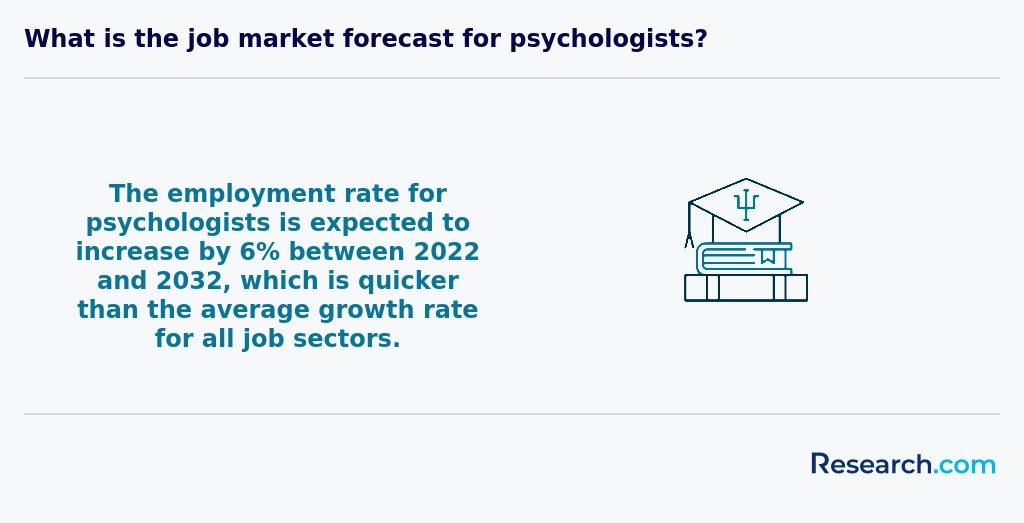
The global demand for psychology professionals reflects growing awareness of mental health's importance worldwide. In the United States, including Oregon, the Bureau of Labor Statistics projects a 8% growth in psychologist jobs from 2022 to 2032, faster than the average for all careers. This aligns with global trends emphasizing psychological services in healthcare, education, and business sectors.
Many psychology roles now require advanced degrees and licensure, making higher education vital. Oregon offers accredited programs that meet national standards, helping students prepare for careers both domestically and internationally.
Understanding diverse cultures and international mental health policies enhances job prospects for Oregon graduates, who may engage in research, therapy, or organizational psychology globally.
Gaining practical experience while studying for a psychology degree in Oregon is essential for building skills and enhancing employability. Many Oregon universities, including Oregon State University and the University of Oregon, offer internship programs integrated into their psychology curricula. These internships allow students to work in clinical, research, or community settings under supervision.
Additionally, students can participate in research projects led by faculty members, gaining hands-on experience in experimental psychology or applied fields. Volunteering at local mental health clinics or nonprofit organizations provides further exposure to real-world psychological practice.
Licensing requirements in Oregon emphasize supervised experience, making these opportunities critical for future career advancement.
Choosing the right concentration within a psychology degree program in Oregon involves considering your career goals and interests. Psychology in Oregon covers various concentrations such as clinical, counseling, developmental, and industrial-organizational psychology. According to the Oregon Employment Department, clinical psychology roles are among the fastest-growing in the state, with a projected 12% job growth through 2030.
It is important to evaluate program offerings at universities like Oregon State University or the University of Portland, which provide distinct tracks aligned with these career paths. You should also consider licensure requirements; for example, clinical psychology typically requires a doctoral degree and supervised experience in Oregon.
Researching faculty expertise and internship opportunities available within your chosen area will help ensure practical experience. Ultimately, aligning your concentration with Oregon's job market and licensing standards maximizes career readiness.
- 2027 Most Valuable Psychology Degree Programs Ranking in Nevada
- 2027 Most Valuable Psychology Degree Programs Ranking in Montana
- 2027 Most Valuable Psychology Degree Programs Ranking in New Mexico
- 2027 Most Valuable Psychology Degree Programs Ranking in North Dakota
- 2027 Most Valuable Psychology Degree Programs Ranking in Nebraska
- 2027 Most Valuable Psychology Degree Programs Ranking in Kansas
- 2027 Most Valuable Psychology Degree Programs Ranking in Oklahoma
- 2027 Most Valuable Psychology Degree Programs Ranking in Missouri
- 2027 Most Valuable Psychology Degree Programs Ranking in Illinois
- 2027 Most Valuable Psychology Degree Programs Ranking in Mississippi
See What Experts Have To Say About Studying Psychology
Read our interview with Psychology experts

Joann Farrell Quinn, Ph.D., MBA
Psychology Expert
Director at the College of Medicine Department of Medical Education
Morsani College of Medicine

Elizabeth L. Jeglic Ph.D.
Psychology Expert
Professor of Psychology
City University of New York

Catherine Caldwell-Harris, Ph.D.
Psychology Expert
Associate Professor of Psychology
Boston University

- Society for the Teaching of Psychology https://teachpsych.org/page-1784686/8675326
- Professional Networking For Psychologists | Psychology.org https://www.psychology.org/resources/professional-networking/
- Ontario Psychological Association - Networking and Community Resources https://www.psych.on.ca/become-a-member-(1)/member-services/networking-and-community-resources
- Mental Health Challenges Faced by Psychology Students | The Healthcare Guys https://healthcareguys.com/2023/11/23/mental-health-challenges-faced-by-psychology-students/
- Financial Assistance | EO Behavioral Health Careers https://bhcareers.org/financial-assistance/
- Oregon Online Psychology Degree Programs https://www.onlinepsychologydegrees.com/states/oregon/
- Psychology - SOU Academic Programs https://sou.edu/academics/psychology/
- How to become a Psychologist in Oregon | Getting started in OR | Psychologist-License.com https://www.psychologist-license.com/psychologist-requirements/oregon-psychologist/
- Community Psychology in Global Perspective http://siba-ese.unisalento.it/index.php/cpgp
- Psychology Degree Requirements | University of Bridgeport https://www.bridgeport.edu/news/psychology-education-requirements/