
2027 Best Online Psychology Degree Programs Ranking in Wisconsin

Co-Founder and Chief Data Scientist
Are you considering pursuing a psychology degree online in Wisconsin? This article introduces the 2027 Best Online Psychology Degree Programs Ranking in Wisconsin, created by the Research.com team of data scientists. It is designed to help you make an informed choice about which programs are truly worth your time and investment.
Reading this ranking will guide you through top options that balance quality, flexibility, and value. Earning a psychology degree opens doors to meaningful careers, personal growth, and the chance to make a real difference in people's lives. Let's explore the best paths forward together.
Key benefits of getting online psychology degree in Wisconsin
- Psychology graduates in Wisconsin can earn competitive salaries in roles like Marketing Research Analyst with a mean annual wage of $83,190, or as Human Resources Specialists earning around $76,060 per year.
- Graduates often pursue diverse career paths such as clinical research, survey research, or child care work, showing the versatility of a psychology degree from a respected Wisconsin school.
- Completing a psychology degree online offers flexible schedules and accessibility, allowing graduates in Wisconsin to balance work, life, and study effectively while gaining a quality education from well-known local universities.
- 2027 Best Online Psychology Degree Programs Ranking in Wisconsin
- What can I expect from online psychology degree in Wisconsin?
- Where can I work with online psychology degree in Wisconsin?
What can I expect from online psychology degree in Wisconsin?
The average cost of an online psychology degree in Wisconsin varies, but most public universities charge between $300 and $600 per credit for in-state students. Graduates from popular institutions like the University of Wisconsin system often share that managing these tuition costs alongside their work schedules feels attainable when they take advantage of financial aid or scholarships offered by their schools.
For example, a student balancing a full-time job appreciated the flexibility of asynchronous courses, which allowed them to spread tuition payments over multiple semesters while gaining practical skills. Another graduate highlighted that attending a local college meant access to affordable credit rates and the opportunity to connect with regional internship sites without excessive travel costs.
These real-life experiences show that carefully selecting a program with accredited licensure alignment and affordable per-credit pricing can make a psychology degree in Wisconsin both financially manageable and professionally rewarding, especially when combined with available financial support.
Where can I work with online psychology degree in Wisconsin?
Graduates with an online psychology degree in Wisconsin find rewarding opportunities in healthcare settings such as hospitals, mental health clinics, and private practices. Those from popular programs at the University of Wisconsin often secure roles as licensed counselors or therapists after meeting state licensure requirements, which include supervised experience and passing national exams. These careers offer fulfilling paths helping individuals manage mental health challenges.
Many alumni working in Wisconsin's public schools, especially those who studied through programs like Marquette University's online options, become school psychologists or behavioral specialists. These roles allow graduates to impact children's development directly and enjoy a stable career with meaningful connections.
Beyond healthcare and education, graduates often enter business sectors in cities like Milwaukee or Madison. They apply their knowledge in employee training or organizational development, thriving in dynamic environments where understanding human behavior creates real value. Even those starting in case management or research support roles appreciate the steady career growth and flexibility online programs provide in Wisconsin's diverse workforce.
Graduates with an online psychology degree in Wisconsin can expect earnings that depend on their chosen career path and level of education. For example, those starting as research assistants or in clinical research roles-common steps after programs at universities like the University of Wisconsin-Madison-typically earn around $62,370 annually, consistent with Clinical Research Associate salaries statewide.
Others pursuing roles such as human resources specialists often find rewarding positions in Wisconsin companies, with an average salary near $76,060. Graduates recall that gaining experience through internships and networking within Milwaukee's vibrant job market helped them secure these roles.
Marketing research analyst positions also attract psychology graduates who enjoy data and behavioral insights, offering salaries around $83,190 per year. Those passionate about community work might start as childcare workers, earning roughly $32,070 annually, often while continuing education to advance.
Wisconsin's flexible online psychology programs equip students to step confidently into these roles. Graduates stress that proactive skill-building and connecting with local employers are key to maximizing salary potential in these fields.
- Online psychology degrees in Wisconsin are offered by regionally accredited universities with programs covering developmental psychology, abnormal psychology, and research methods.
- Cost varies by institution, with public universities charging $9,000 to $12,000 per year for in-state students, while private schools may exceed $20,000 annually.
- Graduate psychology programs generally range from $15,000 to $30,000 per year in tuition fees.
- Employment of psychologists in Wisconsin is projected to grow by 6% over the next decade, matching the national average.
- Entry-level psychology roles with a bachelor's degree pay between $45,000 and $55,000 annually; licensed psychologists earn $80,000 to $100,000 depending on experience.
- Licensure requires an accredited degree, supervised experience, and passing exams; some online programs offer internships or practicum opportunities within Wisconsin.
Completing an online psychology degree in Wisconsin typically takes about four years for full-time undergraduate students. Graduates from the University of Wisconsin System often share how staying consistent with 12 to 15 credits each semester helped them maintain steady progress. Part-time students, balancing work or family, may find themselves extending this to five or six years, which is perfectly manageable given Wisconsin's flexible online programs.
Master's degrees in psychology usually require 1.5 to 3 years, depending on whether you study full- or part-time and the inclusion of research or practicum work. Doctoral programs stretch from 4 to 7 years due to their demanding clinical training and dissertation research. Many Wisconsin online students benefit from summer courses or heavier course loads to accelerate their timeline.
Graduates often express relief and pride in balancing life commitments with their studies, thanks to the semester system and supportive online resources. This approach lets you tailor your pace, making the journey toward your psychology career both realistic and rewarding.
Accreditation is one of the most important checks for online psychology students in Wisconsin. It affects credit transfer, graduate-school eligibility, employer recognition, access to federal financial aid, and, for some paths, licensure preparation. Students should verify accreditation before applying, not after enrolling.
- Regional Accreditation (HLC): Regional accreditation from a recognized body such as the Higher Learning Commission supports transferability of credits and broad employer recognition.
- APA Accreditation: APA accreditation is especially important for many doctoral programs in clinical, counseling, and school psychology. Students aiming for psychologist licensure should confirm whether the program’s accreditation status aligns with state requirements.
- State Board Requirements: Wisconsin’s Educational Psychology, Counseling & School Psychology Exam (WECPE), supervised practicum hours, and other state requirements must align with Wisconsin statutes and board expectations.
- Continuing Education: Accredited programs may help students prepare for post-graduation continuing education, which can support license renewal and specialty certifications.
When evaluating programs, confirm which credit hours count toward supervised practice, whether internships or practicums meet Wisconsin standards, and whether the curriculum satisfies the educational prerequisites for the credential you want. For broader program comparisons, review what is the best online psychology degree and compare each school’s accreditation status, board exam pass rates, and alumni licensure outcomes when available.
Online psychology degrees in Wisconsin, such as those offered by the University of Wisconsin-Milwaukee, provide working adults the flexibility to study anytime without commuting. Graduates often express satisfaction with managing their time around jobs or family, enjoying how online learning fits their lifestyles seamlessly. For example, one graduate balanced evening coursework while parenting, appreciating no strict class times.
Conversely, on-campus programs at schools like Marquette University give a more structured environment with scheduled classes, in-person discussions, and direct access to campus resources like libraries and counseling centers. Students highlight how this face-to-face interaction helps solidify concepts and build professional networks.
Cost-wise, online degrees can reduce expenses tied to housing and transportation. However, graduates recommend verifying tuition rates as some online programs maintain similar fees as on-campus options in Wisconsin.
Hands-on experiences, such as practicums required for licensure, are easier to arrange on campus through university partnerships. Online students need to proactively find approved local clinical sites in Wisconsin, requiring early planning but offering valuable real-world exposure.
Students who want to become licensed psychologists, counselors, or school psychologists in Wisconsin should choose programs with licensure requirements in mind from the beginning. Accreditation is the first filter. Wisconsin institutions are typically regionally accredited by agencies such as the Higher Learning Commission (HLC), while certain doctoral programs may also hold American Psychological Association recognition.
Before enrolling, verify that the institution appears in the HLC directory and that the program meets Wisconsin Educational Approval Board standards where applicable. Graduates seeking to become licensed psychologists must complete a doctoral degree from an APA-accredited program, accumulate a minimum of 3,000 supervised hours, and pass the Examination for Professional Practice in Psychology (EPPP).
For master’s-level roles, such as Licensed Professional Counselors (LPC) or Certified School Psychologists, requirements may include specific course sequences, field practicum, supervised experience, and successful completion of the National Counselor Examination (NCE) or Praxis School Psychologist test. Students should consult Wisconsin’s Department of Safety and Professional Services for current rules before selecting coursework or field placements.
If you are considering related credentials, such as child life services, it may also be useful to review ccls certification salary to understand how additional certification can affect training decisions and return on investment.
The average cost of an online psychology degree in Wisconsin typically falls around $35,280, though this number can vary significantly depending on residency and program level. For many Wisconsin residents, pursuing an online bachelor's or master's degree from well-known universities within the state offers a financially manageable option compared to out-of-state tuition, which can near $55,800. Graduates from popular schools often mention how this affordability made completing their degree while balancing work and family life genuinely rewarding.
Students often find that affordable online psychology programs in Wisconsin provide flexibility without forcing them to take on excessive debt. For example, those enrolled in UW system schools have noted that in-state tuition blends well with available financial aid, making the cost feel achievable. Additional expenses for technology and course materials, while necessary, tend to be reasonable and add clear value by enhancing the learning experience.
Many prospective students wonder about the true value of these programs beyond costs. Hearing from recent graduates who felt prepared for careers or advanced studies can be inspiring. If you are curious about career paths related to psychology, exploring what does an organizational psychologist do can offer insight into real-world applications of the degree and help justify the investment.
Ultimately, using tuition calculators and consulting with enrollment advisors at Wisconsin institutions will help tailor cost projections to your unique circumstances, empowering you to make an informed decision while pursuing an online psychology degree.
Accreditation and licensure planning protect your investment in an online psychology degree. An accredited program has been reviewed for academic quality, and it may also be necessary for federal financial aid, credit transfer, graduate admission, and professional licensing.
Accreditation to verify
- Regional accreditation: Look for recognized institutional accreditation, such as Higher Learning Commission accreditation.
- Programmatic accreditation: For doctoral programs in clinical, counseling, or school psychology, American Psychological Association accreditation may be important for licensure eligibility.
Common licensure steps
- Complete an APA-accredited doctoral program or a master’s program with approved practicum hours, depending on the credential sought.
- Accumulate supervised clinical experience, typically 1,500–2,000 hours.
- Pass the Examination for Professional Practice in Psychology (EPPP).
- Meet state jurisprudence and ethics exam requirements.
Students should verify that internships and practicum placements are approved by both their university and the Wisconsin Department of Safety and Professional Services. Working with licensed supervisors early can make it easier to document supervised hours and stay aligned with state requirements.
Cost also matters when choosing an accredited program. For a comparison of budget-focused options outside Wisconsin, review our Affordable Psychology Degree Programs Ranking in Worcester, MA. After licensure, most Wisconsin psychologists must complete 40 continuing education credits every two years, with specific hours in ethics, cultural competency, and professional practice.
Students pursuing an online psychology degree in Wisconsin often rely on federal student aid like Pell Grants and Direct Subsidized Loans. Graduates from well-known programs at universities such as the University of Wisconsin-Madison frequently mention how completing the FAFSA early unlocked thousands of dollars in aid, making their degrees more affordable. Pell Grants, for example, can reduce tuition by up to $7,395 annually without requiring repayment, easing financial pressure significantly.
Wisconsin's state-specific Wisconsin Grant is another powerful tool. This need-based grant supports students at public and eligible private institutions, like Marquette University, where recipients have praised the grant for bridging the gap between federal aid and tuition costs. Scholarships tailored for psychology students, emphasizing academic achievement or community involvement, also help many at schools like UW Milwaukee.
Work-study programs enable students to gain relevant experience while earning money, and some employers offer tuition reimbursement, a relief for working professionals advancing their psychology careers. Early application and consultation with school financial aid offices ensure students capture all available opportunities and feel confident investing in their future.
Online psychology students in Wisconsin should look beyond convenience. A program may be flexible and affordable but still fail to support a student’s intended career path if it lacks the right accreditation, coursework, advising, fieldwork, or licensure preparation.
Questions to ask before applying
- Is the school accredited? Confirm that the institution has recognized accreditation and that credits are likely to transfer if you change schools.
- Does the curriculum match your goal? A student interested in human resources may need different electives than a student planning graduate study in counseling or clinical psychology.
- Is the program fully online? Some programs advertise online coursework but require in-person practicums, internships, labs, exams, or orientations.
- What are the admission requirements? Ask about GPA expectations, prerequisites, transfer-credit rules, ACT or SAT policies, and application materials.
- What are the graduation rates? Graduation rates and average time to completion can reveal whether students are finishing on schedule.
- How accessible are instructors and advisors? Online students should have reliable access to faculty office hours, academic advising, technical support, tutoring, and career services.
- What specializations are available? Compare concentrations in clinical psychology, counseling psychology, school psychology, industrial-organizational psychology, forensic psychology, and other areas.
- How does the program handle field experience? Ask whether the school helps arrange local placements or expects students to find sites independently.
- What is the total net cost? Compare tuition, fees, financial aid, scholarships, employer reimbursement, and transfer-credit savings.
The strongest choice is usually the program that gives you the clearest path from enrollment to your next step, whether that is a job, graduate school, licensure-track study, or a career change.
To enroll in an online psychology degree in Wisconsin, students must first meet clear prerequisites tailored to their study level. For those pursuing a bachelor's degree at institutions like the University of Wisconsin-Madison, a high school diploma or GED is essential. Many graduates recall how strong skills in English and science helped them grasp complex psychological concepts early on, boosting their confidence and academic success.
Standardized tests such as the SAT or ACT may be required, but many Wisconsin colleges have adopted test-optional policies, easing access for motivated learners. At the graduate level, applicants often need a bachelor's degree with a minimum GPA around 3.0, sometimes with prior psychology coursework. Successful master's students from popular programs at Marquette University emphasize the value of submitting detailed letters of recommendation and a compelling statement of purpose, which showcased their dedication.
Doctoral candidates benefit from clinical experience paired with strong academics, essential for licensure in Wisconsin. By understanding and meeting these prerequisites, students entering online psychology programs across Wisconsin find themselves well-prepared and excited for their career paths.

Online psychology degrees in Wisconsin typically include foundational courses that cover essential areas like developmental psychology, cognitive and social psychology, and abnormal psychology. Graduates from popular institutions like the University of Wisconsin often mention how courses such as Psychological Statistics and Research Methods gave them confidence in analyzing real data and interpreting research findings, which proved crucial during internships and job placements.
Students also engage in practical topics including psychological assessment and ethics, enabling them to approach client scenarios with professionalism and care. For example, a graduate from a well-known Wisconsin college shared that the virtual labs and case studies in these courses helped them develop strong problem-solving skills applicable to community mental health settings.
Specialized courses on health psychology, counseling techniques, and substance abuse reflect Wisconsin's emphasis on mental health needs. These classes prepare learners to meet regional demands and contribute meaningfully to local health initiatives. All these courses are designed to build practical skills, making students feel prepared and excited about their future in psychology within Wisconsin.

Online psychology degree specializations in Wisconsin typically include clinical psychology, counseling psychology, industrial-organizational psychology, forensic psychology, and developmental psychology. Graduates from programs at popular Wisconsin institutions often praise how these concentrations helped them secure fulfilling roles, such as therapists in clinical settings or counselors in community agencies.
Practical experience is key; for instance, students specializing in clinical or counseling psychology frequently engage in internships that build confidence and real-world skills. Those focusing on industrial-organizational psychology appreciate Wisconsin's strong business communities, which provide excellent opportunities to apply workplace psychology principles and boost employee well-being.
- Clinical psychology involves diagnosing and treating mental health issues, preparing students for licensure and therapy careers.
- Counseling psychology emphasizes client-centered care and licensure readiness as professional counselors.
- Industrial-organizational psychology enhances workplace effectiveness and employee satisfaction.
- Forensic psychology combines psychology with legal processes for roles in criminal justice.
- Developmental psychology supports work in education, healthcare, and social services.
Students looking for the best psychology concentration options Wisconsin has to offer can find supportive academic environments that also meet licensure standards set by the APA. It's helpful to review state requirements closely; for example, understanding Texas industrial-organizational psychologist requirements can guide decisions about cross-state career moves.
When choosing the best online psychology degree in Wisconsin, prioritize programs with regional accreditation like the Higher Learning Commission and, if aiming for clinical work, APA programmatic accreditation. Graduates from popular schools report feeling confident knowing their degree meets Wisconsin's licensure requirements, which include specific coursework and supervised experience hours.
Look closely at the curriculum offered. Courses should cover key areas such as developmental psychology and ethics, with faculty who have active clinical or research backgrounds. For instance, students at well-known Wisconsin colleges appreciate learning from professors involved in ongoing psychological studies, adding real-world relevance.
Cost matters too. Many find that exploring affordable online colleges for counseling degrees in Wisconsin helps them balance quality and budget. It's useful to compare tuition, fees, and available financial aid options. Flexibility is vital, especially for working adults or parents, so seek out programs offering asynchronous classes with minimal on-campus commitments.
Finally, consider programs with strong career support like internship placement and licensure prep. Graduates often emphasize how this guidance made their job search smoother, connecting theory to practice in Wisconsin's psychology field.

Graduates with an online psychology degree in Wisconsin often find diverse career paths. Many start as psychological technicians or research assistants, roles common among alumni from universities like the University of Wisconsin-Madison. These positions offer hands-on experience supporting licensed psychologists and conducting clinical research, perfect for recent graduates seeking practical exposure.
Others pursue mental health support roles such as case managers or substance abuse counselors. Although becoming a licensed professional counselor requires further study and state licensure, Wisconsin students can plan ahead by consulting resources like the iowa counselor licensure timeline for guidance and timing. Graduates from online programs at institutions like Marquette University report positive transitions into these roles, appreciating their preparation in psychology fundamentals.
Additionally, psychology graduates find rewarding jobs in human resources, social services, and education sectors where understanding human behavior is valuable. Those who studied online psychology degree careers in Wisconsin note that combining their degree with targeted certifications often opens more possibilities in these fields.
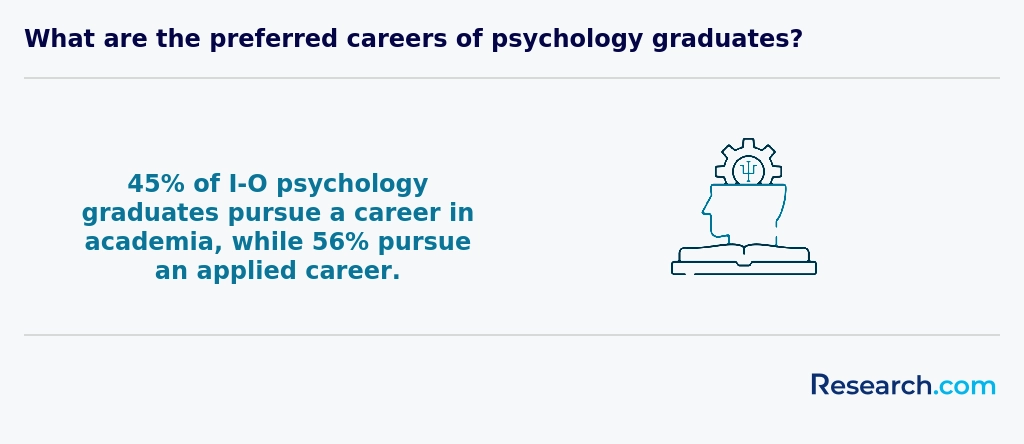
Graduates with an online psychology degree in Wisconsin find a favorable job market with steady opportunities in clinical, school, and industrial-organizational psychology. Universities such as the University of Wisconsin-Madison and Marquette University often highlight graduates who successfully secure roles in local healthcare providers or educational systems, contributing to community mental health and organizational wellbeing. The job outlook is supported by steady growth at around 8%, aligning with the national average.
Many Wisconsin psychology degree career opportunities require at least a master's degree and often professional licensure, especially for clinical and counseling roles. Online programs frequently offer curricula designed to meet Wisconsin's licensing standards, helping graduates prepare effectively. Those combining degrees with internships or practicum experiences report feeling confident entering the workforce, as real-world exposure aids networking and job placement.
The median wage of about $84,000 in 2023 encourages pursuing advanced credentials. Graduates also benefit from local associations and resources. For additional guidance on licensure pathways, see the washington counseling licenseguide.
2027 Best Online Psychology Degree Programs Ranking in Wisconsin
Investing in your education is a significant decision that can profoundly impact your future, and the Research.com team recognizes the importance of making well-informed choices. To support prospective students exploring psychology programs in Wisconsin, we have carefully developed the "2027 Best Online Psychology Degree Programs Ranking in Wisconsin." Our dedication to quality, credibility, and accuracy is demonstrated through thorough research and detailed analysis underlying this ranking.
We utilized the following reputable data sources to ensure a comprehensive evaluation of psychology programs:
By exploring this ranking, readers will gain valuable insights into the top online psychology degree programs offered in Wisconsin, enabling them to make confident, informed decisions about their educational journey. For more details on our methodology, please visit our Research.com methodology page.
# 1 position
University of Wisconsin-Madison
Master of Educational Psychology: Professional Educators


Frequently Asked Questions About psychology
Online psychology degree students in Wisconsin can enhance their learning by actively engaging with their course materials and instructors. Many accredited programs encourage participation in discussion forums and virtual office hours, which foster deeper understanding and connection.
Utilizing Wisconsin's state resources, such as the Wisconsin Psychological Association, can provide current research and professional networking opportunities. According to the Bureau of Labor Statistics, Wisconsin employs over 4,000 psychologists, highlighting strong local career opportunities for graduates.
Practical experience is crucial; students should seek internships or volunteer roles in nearby clinics or mental health organizations to apply theory in real-world settings. Balancing coursework with hands-on practice supports long-term retention and skill development.
Emerging niches within the psychology field reflect shifts in societal needs and advancements in technology. In Wisconsin, areas like neuropsychology and health psychology are gaining traction, as reported by the Wisconsin Department of Workforce Development. These specialties address brain-behavior relationships and mental health's impact on physical well-being.
Another growing niche is forensic psychology, where professionals assist in legal cases, a field expected to see employment growth due to rising demand in criminal justice sectors. Additionally, telepsychology has become crucial, especially following increased use of online therapy platforms amid the COVID-19 pandemic.
Understanding these niches can help prospective students align their studies with in-demand career paths.
After completing an online psychology degree in Wisconsin, preparing for the job market involves strategic steps. Start by obtaining relevant internships or volunteer opportunities to gain practical experience, which Wisconsin employers highly value.
Networking is essential; join local chapters of professional organizations like the Wisconsin Psychological Association to connect with professionals and learn about job openings.
Licensing is another critical step if you plan to become a practicing psychologist. Wisconsin requires passing the Examination for Professional Practice in Psychology (EPPP) and completing supervised hours. Checking the Wisconsin Department of Safety and Professional Services website provides up-to-date licensing requirements.
Additionally, utilize career services from your online program for resume assistance and interview preparation tailored to Wisconsin's psychology job market.
Employers in Wisconsin seek several key skills when hiring psychology degree graduates. Strong critical thinking is essential, enabling graduates to analyze complex behavioral data effectively. Communication skills, both written and verbal, are also highly valued for collaborating with clients and interdisciplinary teams.
According to the Wisconsin Department of Workforce Development, graduates with proficiency in research methods and statistical analysis are in demand, as these skills support evidence-based practices. Additionally, employers look for cultural competence to work effectively within Wisconsin's diverse communities.
Basic knowledge of ethical standards and confidentiality laws, guided by the American Psychological Association (APA), is another critical requirement. These competencies prepare graduates for various roles, from counseling to industrial-organizational psychology.
Finding internships in Wisconsin relevant to a psychology degree involves a strategic approach combining university resources and local organizations. Many Wisconsin colleges, including the University of Wisconsin system, offer career services that connect students with internships in clinical, counseling, or research psychology. According to the Wisconsin Psychological Association, internships play a vital role in fulfilling licensure requirements for psychologists in the state.
Students should also explore opportunities at hospitals, community health centers, and social service agencies, which often offer practical training. Using platforms like Handshake or local job boards can help identify internships.
Networking through professional groups such as the Wisconsin Psychological Association provides valuable contacts and internship leads specific to the state.
An online psychology degree in Wisconsin can significantly enhance career mobility and advancement opportunities. The state's growing demand for mental health professionals means graduates with accredited psychology degrees stand a better chance of securing competitive roles. According to the Wisconsin Department of Workforce Development, employment for psychologists is projected to grow by 10% through 2030, higher than the national average.
Online programs often provide flexible learning schedules, allowing working professionals to upskill without leaving their current jobs. This flexibility supports career advancement by enabling students to gain credentials needed for promotions or specialized roles, such as counselor or behavioral analyst.
Licensing in Wisconsin requires a doctoral degree for independent practice; however, an online bachelor's or master's in psychology can lead to roles in social services, human resources, and research positions. Networking and practicums arranged through online programs also help build connections essential for career growth.
Studying for a psychology degree in Wisconsin equips students with skills applicable in various interdisciplinary roles. Wisconsin's online psychology programs often emphasize collaboration with fields like healthcare, education, and social services, reflecting the state's diverse job market. According to the Wisconsin Department of Workforce Development, psychology-related occupations are expected to grow by 10% over the next decade, highlighting increasing demand for adaptable professionals.
Programs commonly integrate coursework in behavioral science, research methods, and communication, fostering critical thinking and problem-solving skills. This foundation prepares graduates to work alongside experts in fields such as public health, counseling, and human resources.
Choosing between a thesis and a non-thesis psychology degree program in Wisconsin depends on your career goals and learning preferences. Thesis programs typically emphasize research skills and require students to complete an original study, which can be beneficial if you plan to pursue a PhD or a research-focused career. Non-thesis options often focus on practical training and coursework, which may suit those aiming for clinical work or direct employment after graduation.
In Wisconsin, many online psychology programs follow these structures, reflecting national trends reported by the Council of Graduate Schools. Consider the time commitment too: thesis programs usually take longer, involving additional work for proposal approval and defense. Reviewing program details and faculty expertise within Wisconsin's public and private universities can help inform your choice.
Students based in Wisconsin who want to study psychology abroad through online programs have several pathways to consider. Many accredited US universities offer online psychology degrees with global access, allowing Wisconsin residents to enroll without relocating. Institutions such as the University of Wisconsin System and private universities often partner with international study abroad offices, providing virtual global learning experiences.
Additionally, students can explore programs accredited by the American Psychological Association (APA), which ensure quality and recognition, an important factor when considering international credentials. According to the National Center for Education Statistics, about 15% of Wisconsin postsecondary students participate in some form of distance education, reflecting growing access.
Wisconsin students should verify state licensure requirements if their goal includes clinical practice, as licensure varies across states and countries. Collaborations between US and foreign universities may also offer joint degrees or exchange opportunities that fit an online model.
Students pursuing online psychology degrees in Wisconsin have access to several part-time job opportunities that complement their academic studies. Positions such as behavioral health technician, peer specialist, or research assistant provide practical experience relevant to psychology careers. The Wisconsin Department of Workforce Development reports growing demand in mental health support roles, emphasizing skills in communication and crisis intervention.
Part-time roles in community mental health centers or nonprofit organizations can help students apply theoretical knowledge in real settings. Additionally, participating as a research assistant at universities or healthcare facilities in Wisconsin offers valuable exposure to data collection and analysis methods used in psychology research.
Online psychology students in Wisconsin have multiple networking opportunities to connect with professionals and peers despite studying remotely. Many Wisconsin-based universities offering online degrees encourage students to join local chapters of national organizations such as the American Psychological Association (APA). These chapters host events, workshops, and conferences that support career growth and professional relationships.
Additionally, the Wisconsin Psychological Association provides statewide networking platforms that online students can access virtually, including webinars and discussion groups. Students can also engage with local mental health agencies and research centers for internships or volunteer work. According to the Bureau of Labor Statistics, Wisconsin employs over 11,000 psychologists, highlighting an active professional community available to network with.
Alumni networks play a valuable role for online psychology degree students in Wisconsin by offering extensive professional connections. Graduates from Wisconsin universities often find these networks help them access local job opportunities, internships, and mentorships. According to the Wisconsin Educational Communications Board, strong alumni ties increase employment prospects by up to 25% in state-specific fields such as psychology.
These networks also provide students with ongoing support, including workshops and career advice tailored to Wisconsin's mental health sector. Given the state's growth in demand for licensed psychologists, connecting with alumni familiar with state licensure requirements can be especially beneficial.
Customizing an online psychology degree program in Wisconsin involves selecting courses and specializations that align with your career goals. Many Wisconsin universities offer options such as clinical psychology, counseling, or industrial-organizational psychology. You can tailor your program by choosing relevant electives, focusing on research methods, or pursuing practicums and internships aligned with your interests.
It is important to consider accredited programs recognized by the American Psychological Association (APA) or regional accreditors, as these credentials can impact licensure and employment opportunities. According to the Wisconsin Department of Safety and Professional Services, licensing requirements vary by psychology specialization.
Consult academic advisors early to ensure your course selections fulfill both degree and state licensure needs.
Online psychology students in Wisconsin commonly face challenges related to maintaining motivation and time management. Since online programs require a high degree of self-discipline, learners often struggle to balance coursework with personal and professional responsibilities. According to the Wisconsin Educational Approvals Board, students report difficulties in accessing consistent academic support, which can delay progress in complex subjects like abnormal or clinical psychology.
Another challenge involves fulfilling practicum or internship requirements locally. Wisconsin mandates supervised clinical hours for licensure, which can be hard to arrange without university guidance. Furthermore, limited networking opportunities in online settings may affect students' professional development and access to peer collaboration, essential for success in psychology careers.
With an online psychology degree in Wisconsin, graduates can pursue several professional certifications that enhance their career prospects. One common path is obtaining licensure as a Licensed Professional Counselor (LPC), which requires a master's degree in psychology or a related field, supervised clinical hours, and passing a state exam per Wisconsin's Department of Safety and Professional Services.
Graduates may also seek credentials such as the Certified Alcohol and Other Drug Abuse Counselor (CADC), important in Wisconsin's mental health field. For advanced roles, pursuing a license as a Licensed Psychologist involves completing a doctoral degree along with required supervised experience.
These certifications comply with Wisconsin regulations and ensure professional standards in psychology practice.
To write a winning application for an online psychology program in Wisconsin, start by carefully researching each school's admission requirements. Most programs ask for a strong academic record, usually a minimum GPA of 3.0, and relevant coursework in psychology or related fields. Including meaningful personal statements that explain your motivation and career goals can set your application apart.
Highlight any practical experience, such as volunteering or internships in mental health settings, as Wisconsin values applied knowledge. Also, secure strong letters of recommendation from professors or employers who can attest to your dedication and skills.
Lastly, make sure to proofread your application thoroughly and adhere to deadlines to increase your chances of acceptance.
Psychology careers are increasingly valued worldwide due to growing awareness of mental health. In the United States, including Wisconsin, the demand for trained psychologists is rising. According to the U.S. Bureau of Labor Statistics, psychology-related jobs are expected to grow 8% from 2021 to 2031. This reflects global trends emphasizing mental health and well-being.
The Wisconsin Department of Safety and Professional Services reports over 2,000 licensed psychologists statewide, suggesting strong local professional opportunities. Many employers in healthcare, education, and business sectors seek graduates with knowledge of diverse cultural perspectives.
Internationally, psychology training standards vary, but in the U.S., accreditation by the American Psychological Association is critical. This ensures quality education that meets global expectations and prepares graduates for both local and international practice.
Gaining practical experience while studying for an online psychology degree in Wisconsin is essential for building skills and enhancing employability. Students often engage in supervised internships or practicum placements at local clinics, hospitals, or community organizations. These experiences provide real-world exposure under professional guidance. Many Wisconsin universities with online programs require or facilitate these placements through partnerships with healthcare providers within the state.
Additionally, students can seek volunteer opportunities related to mental health services or research projects, which are common in Wisconsin's growing psychological community. According to the Wisconsin Department of Workforce Development, internships increase job prospects by 40% in psychology fields statewide.
Choosing the right concentration in an online psychology degree program in Wisconsin depends on your career goals and interests. Common concentrations include clinical, counseling, industrial-organizational, and developmental psychology. The Wisconsin Department of Workforce Development projects a 12% growth in psychology-related jobs through 2030, especially in clinical and counseling roles.
Consider licensure requirements in Wisconsin, which vary by specialization. For example, clinical psychologists need a doctoral degree and state licensure, while school psychologists require specific certifications. Research programs that align with these paths and offer relevant practicum or internship opportunities.
Review curriculum details and faculty expertise, and assess how well the concentration fits your desired career and the Wisconsin job market.
- 2027 Best Online Psychology Degree Programs Ranking in Missouri
- 2027 Best Online Psychology Degree Programs Ranking in Kansas
- 2027 Best Online Psychology Degree Programs Ranking in Pennsylvania
- 2027 Best Online Psychology Degree Programs Ranking in Virginia
- 2027 Best Online Psychology Degree Programs Ranking in Alabama
- 2027 Best Online Psychology Degree Programs Ranking in Florida
- 2027 Best Online Psychology Degree Programs Ranking in New York
- 2027 Best Online Psychology Degree Programs Ranking in Texas
- 2027 Best Psychology Degree Programs Ranking in Iowa
- 2027 Best Psychology Degree Programs Ranking in Illinois
See What Experts Have To Say About Studying Psychology
Read our interview with Psychology experts

Robin M. Kowalski. Ph.D.
Psychology Expert
Professor of Psychology
Clemson University

Elizabeth L. Jeglic Ph.D.
Psychology Expert
Professor of Psychology
City University of New York

Catherine Caldwell-Harris, Ph.D.
Psychology Expert
Associate Professor of Psychology
Boston University

- Online Psychology Degrees https://www.phoenix.edu/online-psychology-degrees.html
- Alumni Network - https://efpsa.org/alumni-network/
- Find the Best Wisconsin Psychology Degrees Online https://www.psychologydegrees.org/state/wisconsin
- Online Psychology Degree Salary by Career Path https://www.collegetransitions.com/blog/online-psychology-degree-salary-by-career-path/
- Incorporating Career Exploration and Skill Development ... https://teachpsych.org/page-1784686/8675326
- Networking and Community Resources https://www.psych.on.ca/become-a-member-(1)/member-services/networking-and-community-resources
- Online Psychology Degrees: What You Need To Know https://www.psychology.org/online-degrees/
- Psychology Programs and Careers in Wisconsin https://www.onlinepsychologydegrees.com/states/wisconsin/
- Most Popular Online Psychology Degrees in Wisconsin https://www.onlineu.com/degrees/psychology/wisconsin
- Alumni Perspectives - Meet Our FPN Alumni https://www.aanmelder.nl/alumni-perspectives-june-2023


