
2027 Best Online Psychology Degree Programs Ranking in Kentucky

Co-Founder and Chief Data Scientist
Choosing the right psychology degree program can shape your future in meaningful ways. Our article presents the 2027 Best Online Psychology Degree Programs Ranking in Kentucky, created by the Research.com team of data scientists to help you make an informed decision.
With this ranking, you'll discover programs that suit your goals and lifestyle, especially if you prefer learning online.
Whether you want to support others or explore human behavior, earning a psychology degree opens doors to rewarding opportunities. This guide is here to make your journey clearer and more confident.
Key benefits of getting online psychology degree in Kentucky
- Graduates with a psychology degree in Kentucky can pursue careers like Human Resources Specialist, earning a mean annual wage of $76,060, or Marketing Research Analyst, with an average salary of $83,190, highlighting strong earning potential.
- Career paths include roles in clinical research, child care, and survey research, offering diverse opportunities for psychology graduates from universities like the University of Kentucky to make a meaningful impact in various fields.
- Online psychology degrees provide flexible learning schedules and reduce commuting stress, allowing students like those from Eastern Kentucky University to balance education with personal and professional commitments efficiently.
- 2027 Best Online Psychology Degree Programs Ranking in Kentucky
- What can I expect from online psychology degree in Kentucky?
- Where can I work with online psychology degree in Kentucky?
What can I expect from online psychology degree in Kentucky?
The average cost of an online psychology degree in Kentucky can vary widely, yet many students appreciate the financial support rooted in in-state tuition rates. Graduates from institutions like the University of Kentucky often recall how the affordable tuition, paired with scholarships and financial aid, made their pursuit less daunting and more motivating. These savings allow students to focus more on immersive learning and practical experiences rather than overwhelming debt.
Eastern Kentucky University students frequently share how the balance of cost and quality offered by their programs helped them stay committed through challenging coursework and internships. The combination of moderate tuition and the opportunity for part-time work or internships enriches their educational journey, making the investment feel worth every dollar.
Prospective students should consider the full picture: program accreditation, faculty expertise, and available financial aid. While tuition fees are critical, the value of connecting with Kentucky's licensed professionals during fieldwork often proves invaluable-not only for career readiness but also for personal growth.
Where can I work with online psychology degree in Kentucky?
Graduates with an online psychology degree from institutions like the University of Kentucky or Northern Kentucky University often find numerous fulfilling career opportunities across the state. Many start by working in mental health and social services, joining community agencies or non-profits where they help individuals cope with life's challenges. It's common for these roles to involve case management or behavioral support, offering graduates a meaningful way to impact local communities while gaining practical experience.
Others discover rewarding positions in Kentucky's school systems, serving as assistants to school counselors or behavioral specialists. These roles allow graduates to support children's mental health development daily, creating a positive atmosphere where students thrive. Although advanced degrees are often needed for full school psychologist positions, these entry roles at colleges like Eastern Kentucky University can be deeply satisfying for those passionate about education.
Healthcare settings also employ many online psychology graduates as psychiatric technicians or behavioral health specialists. This hands-on work in hospitals or clinics emphasizes teamwork and empathy, providing graduates a sense of accomplishment through directly improving patient well-being. These paths highlight how Kentucky's diverse industries value psychology skills and offer space for professional growth and personal fulfillment.
Graduates with an online psychology degree in Kentucky often find themselves stepping into roles where their earnings vary based on education and experience. For example, those beginning with a bachelor's degree from institutions such as the University of Kentucky or Northern Kentucky University frequently start in positions like human services assistants or case managers, with salaries closer to $30,000. However, the U.S. Bureau of Labor Statistics reports that related roles like childcare workers earn a mean annual wage of $32,070, giving a realistic view of entry-level pay.
As these graduates gain experience or advance their education, moving into roles like human resources specialists or survey researchers, their earnings can rise substantially. The average wage for a human resources specialist in Kentucky is about $76,060 annually, while survey researchers make around $62,370. These figures reflect the growing responsibility and specialized skills acquired through advanced learning or certification.
Many alumni from online master's programs find rewarding jobs as marketing research analysts, where the mean annual salary reaches $83,190. This progression highlights how continuing education and targeted expertise can unlock higher income and job satisfaction within Kentucky's diverse workforce.
- Kentucky offers accredited online psychology degrees from bachelor's to doctoral levels that meet state education standards.
- In-state public university tuition for a bachelor's in psychology ranges from $8,000 to $12,000 per year; private schools may charge more.
- Entry-level psychology salaries in Kentucky average between $40,000 and $45,000 annually, with advanced degree holders earning around $70,000 or higher.
- The job market for psychologists in Kentucky is expected to grow by approximately 10% over the next decade.
- Online students can access statewide professional networks, internships, and career services to support licensure and employment opportunities.
Completing an online psychology degree in Kentucky varies with your chosen level and pace, but many graduates find a clear pathway when they plan realistically. For instance, students pursuing an associate degree at local community colleges, like Bluegrass Community and Technical College, often complete their studies in about two years when studying full-time. This timeframe allows learners to build a solid foundation without feeling rushed, making the journey satisfying and manageable.
At the bachelor's level, institutions such as the University of Louisville offer online programs where graduates typically finish in around four years full-time. Many reflect on this period as an engaging experience of balancing coursework with real-life responsibilities, especially when they choose part-time or accelerated options to match their work-life balance.
Graduate students exploring master's degrees often complete their programs within 18 months to three years at schools like Northern Kentucky University. Graduates appreciate the flexibility to work while studying, which fosters both professional growth and personal fulfillment. While doctoral degrees in psychology usually demand four to seven years, including clinical training, most opt for hybrid formats rather than fully online paths due to the hands-on nature of advanced practice.
Accreditation is the cornerstone of any reputable online psychology degree program. In Kentucky, prospective students should verify that their chosen institution holds regional accreditation from bodies like the Southern Association of Colleges and Schools Commission on Colleges (SACSCOC). For programs aiming toward clinical practice or advanced graduate study, American Psychological Association (APA) accreditation for doctoral programs is equally critical, as many state licensing boards require an APA-accredited degree to sit for the Examination for Professional Practice in Psychology (EPPP). Beyond accreditation, understanding Kentucky’s licensing pathway ensures graduates can transition smoothly from classroom to career. After earning a regionally or APA-accredited degree, candidates must complete 3,000 hours of supervised experience (including at least 1,500 post-doctoral hours for independent licensure), pass the EPPP, and fulfill jurisprudence or ethics examinations as mandated by the Kentucky Board of Examiners of Psychology. Remaining informed about changes to licensure statutes-such as telepsychology allowances or continuing education requirements-safeguards professional standing and enhances employability in both clinical and non-clinical roles. Cost-conscious students should also compare program expenses without sacrificing accreditation quality. For a side-by-side look at affordable, accredited options beyond Kentucky, see our Inexpensive Psychology Degree Programs Ranking in Notre Dame, IN, which highlights budget-friendly pathways that meet stringent academic and licensure standards.
The key difference between online and on-campus psychology degrees in Kentucky centers on the learning experience and environment. Graduates from the University of Kentucky often recall the energizing buzz of campus life-engaging face-to-face with professors and peers, which helps deepen understanding through discussion and immediate feedback. Conversely, those who pursued their degree online appreciated the flexibility to balance studies with jobs or family, completing coursework on their own schedules without the commute to Northern Kentucky University's campus.
Cost considerations also shape the choice. On-campus students manage additional expenses like housing and travel, while online learners sometimes benefit from slightly lower tuition and no commuting costs, though fees vary by program. Both routes demand rigor, especially regarding practicum hours; many on-campus students find it easier to access university-affiliated clinics, whereas online students proactively seek appropriate placements near their Kentucky communities.
Accreditation is a critical factor. Graduates advise verifying that programs hold APA accreditation or recognized credentials, ensuring licensure eligibility within Kentucky's requirements, a step especially important for those navigating fully online doctoral options.
Graduates seeking to practice clinically in Kentucky must:
- Earn an accredited doctoral degree in psychology – explore online psyd programs accredited.
- Complete at least 3,000 hours of supervised experience (pre- and post-doctoral internships).
- Pass the national Examination for Professional Practice in Psychology (EPPP).
- Pass the Kentucky jurisprudence and ethics exam.
- Submit an application to the Kentucky Board of Examiners of Psychology with official transcripts and supervision logs.
Master’s degree holders may pursue Licensed Professional Counselor (LPC) status by completing 2,000 supervised hours and passing the National Counselor Examination (NCE).
On average, the total expenses for an online psychology degree in Kentucky are around $47,400. This figure reflects a median investment that many students find reasonable when balancing quality education with affordability. Graduates from well-known public universities often mention that while tuition is a significant cost, the ability to study online offers substantial savings on commuting and housing. Many have appreciated the flexibility this provides, allowing them to work part-time or manage family responsibilities alongside their studies.
Students pursuing their degrees in Kentucky appreciate that public institutions typically have more manageable tuition compared to private options. This creates a more accessible path to entry for those focused on advancing their careers in psychology without being overwhelmed by excessive debt. The sense of accomplishment among these graduates is often tied not just to finishing their degree, but to doing so without compromising their financial stability. For students weighing their options, understanding the average cost of online psychology degree in Kentucky helps frame their long-term decisions clearly.
It's important to factor in additional costs like textbooks, technology fees, and exam preparation. Practical experiences shared by students reflect that budgeting for these expenses can make the journey smoother. Exploring scholarships, employer tuition assistance, or financial aid frequently turns out to be a valuable strategy.
Many reflect fondly on the supportive online communities and resources available through local institutions. For those considering studying beyond Kentucky, exploring options such as Nevada psychology degree programs can also offer diverse perspectives on cost and educational experience.
After earning an online psychology degree in Kentucky, graduates must navigate state licensure and certification to practice professionally. For those aiming to become Licensed Professional Counselors (LPCs), Kentucky requires a master’s degree in counseling or psychology from a regionally accredited institution, completion of 3,000 supervised clinical hours, and passing scores on the National Counselor Examination (NCE). Aspiring licensed psychologists must hold a doctoral degree in psychology, complete at least 1,500 hours of supervised pre‐doctoral internship and 1,500 post‐doctoral hours, then pass the Examination for Professional Practice in Psychology (EPPP) along with Kentucky’s state jurisprudence exam. Key steps include: 1. Verify your program’s accreditation by the Southern Association of Colleges and Schools (SACS) or the Council for Accreditation of Counseling and Related Educational Programs (CACREP). 2. Complete any required practicum or internship hours under a Kentucky‐licensed supervisor. 3. Submit official transcripts, supervision documentation, and application fees to the Kentucky Board of Licensing Professionals or Kentucky Board of Examiners of Psychology. 4. Schedule and pass national and state licensing exams. Continuing education is mandatory: LPCs must complete 24 hours of approved CE every two years, including at least 3 hours in ethics. Psychologists require 40 CE credits biennially, with 6 hours focusing on ethics and professional responsibility. Specializations, such as forensic psychology, may have additional requirements-students exploring this path can consult our internal list of best forensic psychology masters programs online to ensure their curriculum aligns with Kentucky’s certification standards.
Many graduates of online psychology programs at institutions like the University of Kentucky and Northern Kentucky University emphasize how federal financial aid significantly eased their tuition burden. Pell Grants, for instance, offered a sense of relief by covering a substantial portion of their costs without the pressure of repayment, making the journey feel more achievable.
State-specific aid from KHEAA, especially the Kentucky Educational Excellence Scholarship, often played a crucial role for students maintaining strong academic records. Even in an online setting, these awards provided a welcomed boost, allowing learners to focus more on studies and less on finances.
Scholarships from organizations such as the American Psychological Association gave another layer of support, rewarding dedication and potential. Many students appreciated how applying for these funds reflected their commitment to the field, inspiring confidence in their future careers.
Employers offering tuition reimbursement created an additional pathway for working students balancing job responsibilities and education, reducing financial stress and fostering professional growth.
Flexible payment options at Kentucky's online programs further helped students manage expenses practically, turning what seemed like a daunting financial challenge into a manageable and even inspiring personal accomplishment.
Ensuring your online psychology degree holds the proper accreditation is critical for meeting Kentucky’s licensure standards and maximizing career opportunities. Most Kentucky institutions possess regional accreditation from the Southern Association of Colleges and Schools Commission on Colleges (SACSCOC), which guarantees overall academic quality. In addition, advanced psychology programs-especially doctoral tracks-often pursue programmatic approval from the American Psychological Association (APA). Prospective students can compare top doctoral options with full APA accreditation, including many of the best psyd apa accredited PsyD programs nationwide. Key accreditation and licensure considerations:
- Regional Accreditation: Confirms institutional integrity and transferability of credits across universities.
- APA Programmatic Accreditation: Required for most clinical and counseling psychologists to sit for the Examination for Professional Practice in Psychology (EPPP).
- State Board Approval: Kentucky’s Board of Examiners of Psychology mandates a minimum of 3,000 supervised practice hours post-degree and successful completion of the EPPP.
- Continuing Education: Licensed psychologists must complete annual CE credits (typically 20 hours) to maintain active status. By verifying both regional and programmatic accreditation, and understanding Kentucky’s licensure pathway-from degree completion and supervised experience to passing the EPPP-you’ll position yourself for seamless transition into professional practice and ensure your credentials are recognized nationwide.
When preparing to enroll in an online psychology degree program in Kentucky, students quickly learn that a solid academic foundation is essential. Graduates from universities like the University of Kentucky often recall how having a high school diploma and maintaining a GPA around 2.5 to 3.0 made the admissions process straightforward. Many programs value transcripts that demonstrate readiness, with prerequisite coursework in subjects like introductory psychology, biology, or statistics providing confidence in tackling more advanced material.
For those pursuing graduate studies, the expectations sharpen. Earning a bachelor's degree from a recognized institution and maintaining at least a 3.0 GPA emerged as common thresholds among peers from institutions such as Eastern Kentucky University. Letters of recommendation and a thoughtful statement of purpose often became turning points in their applications, reflecting dedication beyond grades.
Applicants also find encouragement in noting that some schools have relaxed GRE requirements, easing barriers to entry. Graduates frequently highlight how their prior experience and focused preparation helped them manage coursework with enthusiasm, reinforcing a genuine passion for psychology's role in wellness across Kentucky's diverse communities.
The American Psychological Foundation's Council of Graduate Departments of Psychology Graduate Student Scholarships is one of the notable financial aid programs available to Psychology students in Kentucky. The National Institutes of Health (NIH) Undergraduate Scholarship is particularly useful for students interested in the biomedical, behavioral, and social science fields. The American Psychology-Law Society Award for Best Undergraduate Paper recognizes outstanding research in the field of psychology and law. The Psi Chi Undergraduate Scholarships provide financial support to undergraduate students pursuing a degree in Psychology. The Inez Beverly Prosser Scholarship for Women of Color aims to promote diversity and inclusion in the field of Psychology. Additionally, many institutions in Kentucky, such as the University of Kentucky and Western Kentucky University, offer scholarships and grants specifically for online Psychology students, such as the Jaggers-Cave Scholarships for Undergraduates and the Dotson Graduate Scholarship. These scholarships can help alleviate financial stress and enable students to focus on their academic pursuits, ultimately leading to a more fulfilling and successful educational experience.
Students pursuing an online psychology degree in Kentucky typically engage with a thoughtfully layered curriculum that balances core concepts and practical applications. Graduates from well-regarded universities in the state often reflect on foundational courses like Introduction to Psychology, where they first explore the fascinating history and diverse branches of the field. This course sparks curiosity by connecting textbook theories to everyday behaviors they observe around campus or in their communities.
Other essential courses such as Research Methods and Statistics challenge students to design real studies and interpret data, skills that many find empowering when they apply them to local research projects or community surveys. Core subjects like Biopsychology and Developmental Psychology help learners grasp how brain functions and human growth affect behavior over time, often illustrated with case studies relevant to Kentucky's population.
Students appreciate specialized classes like Social Psychology and Abnormal Psychology, which bring vivid discussions about human interaction and mental health issues to life. Many share that hands-on experiences through ethical debates or therapy technique modules give them not only knowledge but genuine confidence to pursue careers or licensure in the state.

Online psychology degree specializations Kentucky students pursue often reflect the state's unique community needs and workforce demands. Graduates from well-known universities appreciate how programs emphasize fields like Clinical Psychology, where they gain hands-on skills in diagnosing and treating mental health issues, often through local internships. Counseling Psychology is another popular choice; many find fulfillment supporting individuals facing trauma or addiction, blending empathy with professional expertise.
Industrial-Organizational Psychology speaks to those eager to influence workplace culture in Kentucky's growing industries, improving employee well-being and productivity. Others choose Educational Psychology, inspired by the state's commitment to school-based mental health initiatives, enabling them to support children's learning and emotional growth in school settings. Forensic Psychology graduates describe the rewarding challenge of applying psychology within legal and correctional systems, a specialization increasingly relevant in Kentucky's urban centers.
Students exploring these paths often reflect on how flexible online programs at Kentucky's institutions allow them to balance personal commitments while preparing for diverse psychology career options in Kentucky. Many also weigh their options in terms of licensure requirements by choosing APA-accredited pathways. For those wondering about advanced routes, exploring the psyd vs phd in psychology careers can provide valuable guidance.
When choosing the best online psychology degree programs in Kentucky, start by verifying accreditation to ensure quality and licensure eligibility. Graduates from well-known Kentucky universities often emphasize how regional accreditation, such as from SACSCOC, gave them confidence when seeking employment or advanced training. Cost is also critical: many find that attending public universities in Kentucky offers affordable online psychology degrees Kentucky that accommodate in-state tuition, reducing financial stress. Flexibility plays an important role; students balancing work or family appreciate programs offering asynchronous courses or part-time enrollment, like those popular at Kentucky colleges, which help maintain momentum without overwhelming schedules.
Curriculum relevance matters deeply-graduates frequently recall how foundational courses in developmental psychology and research methods prepared them for specializing in clinical or counseling psychology. If your career goals include licensure, explore programs aligned with Kentucky Board of Psychology requirements. Some also recommend visiting resources like counselor education requirements Indiana to understand regional licensure nuances when planning your studies.
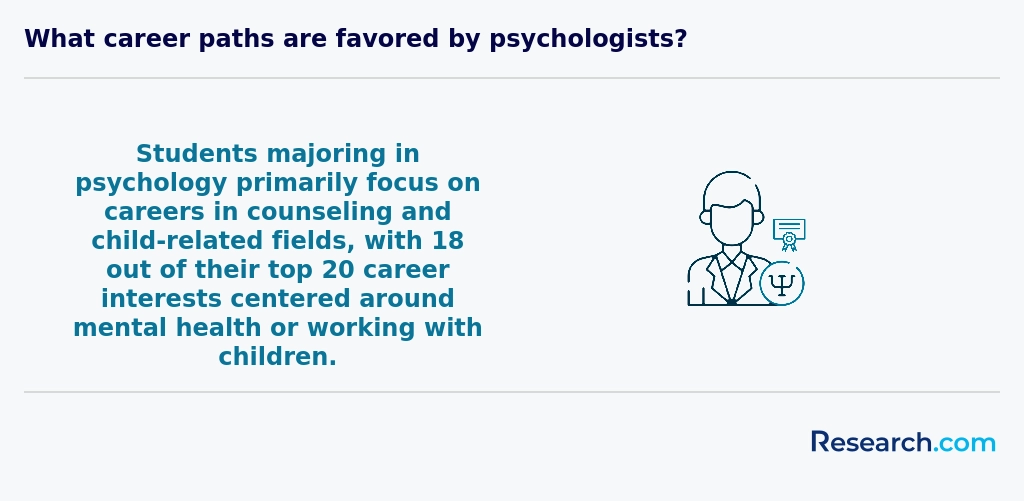
Graduates earning an online psychology degree in Kentucky often find themselves welcomed into diverse career paths that reflect the state's unique professional landscape. Many pursue licensure as professional counselors or therapists, especially after rigorous clinical supervision mandated by the Kentucky Board of Licensed Professional Counselors. Those who studied at renowned schools such as the University of Kentucky or Western Kentucky University frequently share how working closely with local clinics helped them gain confidence for these roles. Others discover fulfilling opportunities as behavioral health technicians or mental health specialists, positions accessible with a bachelor's degree and offering meaningful engagement within hospitals or community programs.
Career options with psychology degree Kentucky also extend to research roles supported by universities and government bodies, where graduates contribute to advancing mental health knowledge-a path favored by those who value steady employment and intellectual growth. Organizational psychology attracts students interested in workplace dynamics, with companies in Lexington and Louisville often seeking skilled professionals in human resources and employee training. Additionally, some graduates find unique fulfillment working as military social workers, blending psychology with service.

The job market for an online psychology degree in Kentucky offers promising opportunities for graduates, especially those from well-regarded institutions such as the University of Kentucky or Northern Kentucky University. Graduates often find rewarding positions in mental health clinics, schools, and hospitals across the state, where increasing awareness of mental health needs fuels demand. Many have shared that their online programs' flexibility allowed them to gain practical experience while studying, a crucial advantage in Kentucky's evolving healthcare landscape. This on-the-ground exposure in diverse settings reinforces their confidence as they enter the workforce.
Psychology career opportunities Kentucky graduates often pursue range from behavioral health specialist roles to case management positions in expanding social service agencies. Those aiming for licensure must complete additional supervised doctoral work, but even bachelor's and master's degree holders appreciate the growing availability of meaningful entry-level roles. Some students also explore related fields, such as social work, and find value in programs like social work degrees in massachusetts part-time to complement their skills and broaden career paths.
2027 Best Online Psychology Degree Programs Ranking in Kentucky
Investing in your education is a significant decision that can profoundly impact your future, and the Research.com team is dedicated to helping you make well-informed choices. To support prospective students in Kentucky, we have carefully developed the "2027 Best Online Psychology Degree Programs Ranking in Kentucky." Our commitment to quality, credibility, and accuracy is demonstrated through thorough research and analysis.
We utilized the following reputable data sources to ensure a comprehensive evaluation of online psychology programs:
By reviewing this ranking, readers will gain essential insights into the top online psychology degree options available in Kentucky, empowering them to choose the best program aligned with their goals. For a detailed explanation of our ranking process, please visit our Research.com methodology page.


Frequently Asked Questions About psychology
Students pursuing online psychology degrees in Kentucky can enhance their learning by actively engaging with course materials and faculty. Kentucky's Council on Postsecondary Education encourages utilization of virtual office hours and discussion forums to foster deeper understanding and connection. Networking with peers in local psychology organizations can supplement online studies with practical insights.
The Kentucky Psychological Association offers resources and events, beneficial for students seeking to expand professional contacts. Additionally, gaining practical experience through state-approved internships or volunteering at mental health centers strengthens academic knowledge. According to the Bureau of Labor Statistics, demand for psychologists in Kentucky is projected to grow by 14% through 2030, making hands-on skills critical for career readiness.
Effective time management and access to Kentucky's public library digital resources also support comprehensive study routines, allowing students to balance coursework and personal commitments efficiently.
The field of psychology is expanding with several emerging niches that are gaining importance, especially for students pursuing online degrees in Kentucky. One notable area is neuropsychology, which studies the relationship between brain function and behavior. This niche is growing due to advances in brain imaging technologies. Another promising specialty is health psychology, focused on how psychological factors affect physical health and wellness.
For Kentucky, substance abuse counseling remains critical, as the state continues to address opioid addiction, with psychologists playing key roles in treatment and prevention strategies. Additionally, industrial-organizational psychology, which applies psychological principles to workplace efficiency and employee well-being, is becoming increasingly relevant amid evolving work environments.
These niches reflect broader national trends reported by the American Psychological Association and align well with Kentucky's healthcare and workforce needs.
After earning an online psychology degree in Kentucky, preparing for the job market involves strategic steps aligned with local opportunities. Kentucky's unemployment rate for psychology professionals is lower than the national average, suggesting steady demand (Bureau of Labor Statistics, 2023). Graduates should pursue licensure requirements, such as the Licensed Professional Counselor (LPC) credential, which requires supervised hours and passing the National Counselor Exam.
Networking through local organizations like the Kentucky Psychological Association can open doors to mentorship and job leads. Additionally, gaining experience via internships or part-time roles during studies boosts employability. Many employers value candidates with strong research and communication skills, making involvement in academic projects beneficial.
Employers in Kentucky highly value psychology graduates who demonstrate strong communication skills. The ability to convey complex psychological concepts clearly benefits roles in clinical, counseling, and social service settings. Critical thinking and analytical skills are essential, as employers seek graduates who can assess situations, interpret data, and develop effective interventions.
According to the Kentucky Board of Examiners of Psychology, ethical judgment and cultural competence also rank among top skills. Professionals must understand diverse backgrounds to provide inclusive care.
Finally, proficiency with research methods and statistical analysis is increasingly important, especially given Kentucky's growing demand for evidence-based practices documented by the U.S. Bureau of Labor Statistics.
Finding psychology internships in Kentucky involves a strategic approach combining research and networking. Start by exploring university-affiliated internship programs, as many Kentucky institutions partner with local clinics, hospitals, and community agencies. The Kentucky Psychological Association offers resources and listings to help students identify internship opportunities tailored to psychology majors.
Another effective method is checking with the Kentucky Cabinet for Health and Family Services, which often collaborates on internship placements related to mental health services. Additionally, online job boards like Handshake or the American Psychological Association's internship database can provide relevant listings. Networking with faculty and attending local psychology conferences can also open doors to internships throughout the state.
Obtaining an online psychology degree in Kentucky can significantly enhance career mobility and advancement opportunities. The state's growing demand for mental health professionals, fueled by a 17% job growth projection through 2030 according to the Kentucky Office of Employment and Training, creates favorable conditions for graduates. Online degrees from accredited institutions meet licensure requirements, allowing graduates to pursue roles such as licensed professional counselors or psychologists. Additionally, flexible online programs support working professionals seeking promotions or career shifts without relocating. Earning this degree often results in higher earning potential, with median salaries for psychologists in Kentucky exceeding $75,000 annually as reported by the Bureau of Labor Statistics.
Studying for a psychology degree in Kentucky equips students with skills applicable across various disciplines. Kentucky's online programs emphasize critical thinking, research methods, and behavioral analysis, which are foundational for roles in health care, education, and social services.
The state's psychology curriculum often integrates topics from biology, sociology, and counseling, reflecting the interdisciplinary nature of mental health and human behavior.
According to the Kentucky Council on Postsecondary Education, graduates with psychology training are increasingly sought after for collaboration in multidisciplinary teams addressing community health challenges.
This comprehensive academic approach prepares students to work effectively alongside professionals in medicine, education, and social work.
When choosing between a thesis and a non-thesis psychology degree program in Kentucky, consider your career goals and learning preferences. A thesis option typically requires conducting original research and writing a detailed paper, which can enhance critical thinking and prepare you for doctoral studies or research roles.
On the other hand, non-thesis programs focus more on coursework and practical application, suiting students aiming for applied psychology careers or immediate employment. According to the Kentucky Council on Postsecondary Education, about 40% of psychology graduates pursue advanced degrees, which may benefit from thesis experience.
Evaluate program requirements, time commitment, and faculty support to decide which path aligns best with your objectives.
Students in Kentucky interested in studying psychology abroad while pursuing an online degree have several pathways available. Many accredited U.S. institutions offer online psychology programs with global recognition, allowing students to access international perspectives without relocating. These programs often include courses on cross-cultural psychology and global mental health, enriching the academic experience.
Additionally, some Kentucky universities partner with foreign institutions, offering study-abroad opportunities or faculty exchanges. This can enhance language skills and expose students to diverse psychological practices. According to the Kentucky Council on Postsecondary Education, approximately 10% of psychology graduates explore international courses during their studies.
Such international components strengthen resumes for careers in multinational organizations or research.
Part-time jobs in Kentucky that complement psychology degree education often involve roles in healthcare, social services, and educational support. Positions such as behavioral health technician, mental health aide, or psychiatric technician provide practical experience relevant to psychology students. According to the Kentucky Cabinet for Health and Family Services, demand for mental health support workers is growing statewide, creating valuable job opportunities.
Working as a research assistant at universities like the University of Kentucky offers exposure to experimental psychology and data analysis. Additionally, roles in school settings, such as teacher assistants or counselors in training, help students gain experience with developmental and educational psychology concepts.
Many of these positions offer flexible hours, suitable for students managing coursework alongside employment. Kentucky's Bureau of Labor Statistics projects a steady increase in psychology-related occupations, highlighting strong prospects for part-time roles aligned with academic goals.
Online psychology students in Kentucky have access to various networking opportunities despite the distance learning format. Many state universities, including the University of Kentucky and Northern Kentucky University, offer virtual events, workshops, and professional organizations tailored to psychology students.
Students can join the Kentucky Psychological Association (KPA), which provides a platform for upcoming psychologists to connect, attend conferences, and participate in continuing education. According to the KPA, over 800 psychology professionals are active members statewide, enhancing networking prospects.
Additionally, online students benefit from virtual internships and practicum placements supervised by Kentucky-licensed psychologists, helping build professional connections in the local mental health community.
Alumni networks provide significant benefits for students pursuing online psychology degrees in Kentucky. These networks offer access to a community of professionals who share a common educational background, which can lead to mentorship and career guidance. According to the Kentucky Psychological Association, strong professional connections often improve job placement rates for graduates.
Students gain opportunities to attend exclusive events and workshops, enhancing their skills and industry knowledge. Additionally, networking can facilitate internships and practicum placements, which are crucial for psychology licensure in Kentucky. Overall, these alumni groups support career growth and professional development for online psychology students.
Customizing an online psychology degree in Kentucky allows students to align their studies with specific career goals. Many programs offer elective courses in areas like clinical, counseling, or industrial-organizational psychology, providing flexibility. Students can also select concentrations or specializations that prepare them for roles such as mental health counselors or human resource specialists. Kentucky's Council on Postsecondary Education encourages schools to provide tailored curriculum pathways to meet workforce demands. Additionally, some online programs include internships or practicum opportunities within Kentucky's communities, allowing practical experience. This practical approach helps graduates build relevant skills and better position themselves for licensure or employment.
Online psychology students in Kentucky often face challenges related to balancing coursework with personal and professional responsibilities. Many learners report difficulties managing time effectively, especially since online programs require a high level of self-discipline and motivation. Additionally, accessing quality and affordable practicum opportunities locally can be a hurdle, as Kentucky has specific licensing requirements overseen by the Kentucky Board of Psychology.
Another common issue is limited in-person interaction, which can affect networking and mentorship opportunities that are vital in psychology training. According to the National Center for Education Statistics, online students in mental health fields often struggle with feelings of isolation. Technical challenges and varying internet access across Kentucky also impact student experiences, especially in rural areas where broadband connectivity is less reliable.
With an online psychology degree in Kentucky, graduates can pursue various professional certifications that enhance their career prospects. Common options include becoming a Licensed Psychological Associate (LPA), which requires a master's degree and supervised experience, regulated by the Kentucky Board of Psychology. Another credential is the Certified Alcohol and Drug Counselor (CADC), recognized statewide for those interested in substance abuse counseling.
For advanced professionals, licenses like Licensed Professional Clinical Counselor (LPCC) or Licensed Clinical Psychologist require doctoral degrees and additional supervised hours. These certifications improve job opportunities in healthcare, education, and counseling fields.
The Bureau of Labor Statistics reports Kentucky offers a growing demand for mental health professionals, highlighting the value of certifications in this area.
To write a winning application for an online psychology program in Kentucky, start by carefully researching accredited schools in the state. Kentucky institutions often value a strong academic record and relevant experience. Highlight any coursework or volunteer work related to psychology to demonstrate commitment. Many programs require a personal statement; use this to clearly explain your motivation and career goals. Kentucky's Council on Postsecondary Education emphasizes the importance of realistic goals aligned with Kentucky workforce needs, especially given the state's growing demand for mental health professionals.
Include letters of recommendation from instructors or employers who can attest to your character and academic potential. Kentucky students may also benefit from mentioning any familiarity with state mental health initiatives or local issues. Finally, proofread thoroughly and meet all deadlines to ensure your application stands out in a competitive selection process.
The field of psychology is valued worldwide for its role in understanding human behavior and improving mental health. Within the United States, and specifically Kentucky, careers in psychology are expanding due to increasing awareness of mental health issues. According to the U.S. Bureau of Labor Statistics, employment for psychologists is projected to grow 8% from 2022 to 2032, faster than average for all occupations.
Global perspectives emphasize diverse applications of psychology, from clinical work to research. In Kentucky, online psychology degrees offer flexible access to training aligned with national standards, preparing students for various professional paths. The state's licensing requirements reflect national trends, supporting careers in counseling, therapy, and industrial-organizational psychology.
Internationally, psychology integrates cultural insights, which enriches U.S.-based practice by encouraging inclusive approaches. Thus, Kentucky students entering psychology join a field that balances scientific rigor with global awareness.
Gaining practical experience while studying for an online psychology degree in Kentucky is essential for career readiness. Many Kentucky universities offer internships or practicum placements as part of their online programs, allowing students to work with local mental health agencies, schools, or counseling centers. These internships provide real-world exposure to psychological practices and client interactions under professional supervision.
Additionally, students can seek volunteer opportunities at organizations like the Kentucky Psychological Association or community health clinics. According to the Kentucky Council on Postsecondary Education, integrating hands-on experiences significantly enhances graduate employment rates in psychology fields statewide.
Online students should communicate with academic advisors to identify suitable local sites for applied learning requirements.
Choosing the right concentration within an online psychology degree program in Kentucky depends on your career goals and interests. Kentucky offers diverse fields such as clinical, counseling, developmental, and industrial-organizational psychology. Each concentration prepares students for specific roles in mental health, education, or business sectors.
Consider the job market in Kentucky; for instance, the Kentucky Cabinet for Health and Family Services highlights growing demand for licensed therapists and counselors. Reviewing state licensure requirements is crucial since some concentrations align better with licensure paths.
Additionally, explore faculty expertise and available internships in your chosen concentration, helping ensure practical experience alongside theory.
- 2027 Best Online Psychology Degree Programs Ranking in Virginia
- 2027 Best Online Psychology Degree Programs Ranking in Missouri
- 2027 Best Online Psychology Degree Programs Ranking in Alabama
- 2027 Best Online Psychology Degree Programs Ranking in Pennsylvania
- 2027 Best Online Psychology Degree Programs Ranking in Florida
- 2027 Best Online Psychology Degree Programs Ranking in New York
- 2027 Best Online Psychology Degree Programs Ranking in Texas
- 2027 Best Online Psychology Degree Programs Ranking in Kansas
- 2027 Best Psychology Degree Programs Ranking in Illinois
- 2027 Best Psychology Degree Programs Ranking in Georgia
See What Experts Have To Say About Studying Psychology
Read our interview with Psychology experts

Robin M. Kowalski. Ph.D.
Psychology Expert
Professor of Psychology
Clemson University

Joann Farrell Quinn, Ph.D., MBA
Psychology Expert
Director at the College of Medicine Department of Medical Education
Morsani College of Medicine

Elizabeth L. Jeglic Ph.D.
Psychology Expert
Professor of Psychology
City University of New York

- Psychology (Online) https://www.claflin.edu/DivisionofAcademicAffairs/the-center-for-professional-and-continuing-studies/degrees/psychology-(online)
- Mental Health Challenges Faced by Psychology Students | The Healthcare Guys https://healthcareguys.com/2023/11/23/mental-health-challenges-faced-by-psychology-students/
- How To Find Psychology Internships https://www.psychology.org/resources/how-to-find-an-internship/
- Study Psychology Abroad | Go Overseas https://www.gooverseas.com/study-abroad/psychology
- Skills of a Psychology Major - Psychology Department https://wagner.edu/psychology/skills/
- Kentucky Online Psychology Degrees https://www.onlinepsychologydegrees.com/states/kentucky/
- A Guide to Psychology Internships | Psychology Degree Guide https://psychologydegreeguide.org/resources/internships/
- Know more about thesis vs non- thesis: what is the difference? https://studyfans.com/en/blogs/816
- Sample letters in psychology https://www.mystudies.com/en-in/human-and-social-sciences/psychology/letter-model/
- Clinical Psychology | Virtual Work Experience - Journey To Healthcare https://www.journeytohealthcare.co.uk/courses/clinical-psychology-virtual-work-experience


