2027 Most Affordable Online Bachelor's in Psychology Degree Programs Ranking in Massachusetts

Co-Founder and Chief Data Scientist
Choosing the right online psychology degree can feel overwhelming, especially when considering cost and quality. This article introduces the 2027 Most Affordable Online Bachelor's in Psychology Degree Programs Ranking in Massachusetts, created by the Research.com team of data scientists to help students like you make informed decisions.
By exploring this ranking, you'll discover affordable options that balance value and credibility. A psychology degree opens doors to meaningful careers and personal growth, making it a worthy investment for your future.
Take your time and find a program that fits your goals and budget.
Key benefits of getting online psychology degree in Massachusetts
- A psychology degree in Massachusetts can lead to well-paying jobs such as a Marketing Research Analyst earning about $83,190 annually or a Human Resources Specialist with an average salary of $76,060, offering strong financial stability after graduation.
- Graduates often find diverse career paths, from Clinical Research Associate roles to Survey Researcher positions, like those pursued by alumni from popular Massachusetts universities, ensuring exciting opportunities in multiple fields.
- Completing an online psychology degree provides flexibility and convenience, allowing students to balance work and study while receiving the same quality education as traditional programs, as experienced by graduates of well-known online programs in Massachusetts.
- 2027 Most Affordable Online Bachelor's in Psychology Degree Programs Ranking in Massachusetts
- What can I expect from online psychology degree in Massachusetts?
- Where can I work with online psychology degree in Massachusetts?
What can I expect from online psychology degree in Massachusetts?
The average cost of an online psychology degree in Massachusetts typically ranges between $15,000 and $30,000 for a full bachelor's program, depending on the institution and any available financial aid. Graduates from well-known schools like Boston University or Salem State University often share how this investment felt worthwhile, as they gained flexible learning options alongside expert faculty guidance.
One graduate recalls balancing a job and family while taking courses on developmental psychology and research methods, appreciating how the affordable tuition combined with accredited programs helped them stay motivated without overwhelming financial stress. Being able to study with faculty who bring real research experience from places like Harvard's Psychology Department adds great value to the learning journey.
This investment in education opens doors to rewarding careers, especially given Massachusetts' high demand for psychologists and strong support for licensure through local practicum opportunities. Many students find peace of mind knowing their cost supports quality training that connects theory with hands-on experience and career readiness.
Where can I work with online psychology degree in Massachusetts?
Graduates with an online psychology degree in Massachusetts discover a world of rewarding career paths. Many find meaningful work in mental health support roles like psychiatric or behavioral health technician, in hospitals or community health centers, making a real difference in people's lives. Imagine starting your career in a bustling Boston hospital or a local rehabilitation clinic, surrounded by dedicated professionals.
Others leverage their degree in social services, working as case managers or youth counselors in agencies focused on family support and addiction recovery. Graduates from well-known Massachusetts institutions often share how fulfilling it feels to empower individuals and families in these vital roles.
Some graduates expand into roles in human resources, marketing, or research assistance, especially within the vibrant nonprofit and education sectors of the state. Boston's strong research community offers exciting opportunities where psychology knowledge meets data analysis and human behavior insights.
For those pursuing clinical licensure, Massachusetts' graduate programs and licensing pathways encourage continued growth toward becoming licensed psychologists or counselors, opening doors to advanced and deeply impactful careers.
Graduates with an online psychology degree in Massachusetts can look forward to rewarding career opportunities with competitive salaries. For example, those stepping into roles like Human Resources Specialists often earn a mean annual wage of around $76,060, combining their understanding of human behavior with practical organizational skills.
Marketing Research Analysts, who use psychological insights to evaluate market trends, can expect yearly earnings near $83,190. This role suits graduates from institutions like Boston University or the University of Massachusetts who have developed strong analytical abilities during their studies.
Clinical Research Associates, frequently employed by healthcare and pharmaceutical sectors in Massachusetts, start with a mean annual wage of about $62,370. Graduates from Northeastern University often emphasize how their research training prepared them for these dynamic, impactful positions.
Even roles such as Survey Researchers offer an average salary close to $62,370, allowing early career professionals from online programs to thrive while contributing valuable data to important social and medical studies.
These examples reflect the optimistic financial prospects for psychology graduates within Massachusetts' vibrant academic and professional communities, encouraging students to pursue their passion confidently and build meaningful careers.
- Online psychology programs in Massachusetts follow similar curricula to on-campus courses, ensuring comprehensive education.
- Bachelor's degree tuition ranges from $15,000 to $25,000 per year, while community colleges may offer associate degrees for under $10,000 annually.
- The average starting salary for psychology graduates in Massachusetts is about $50,000, with experienced professionals earning over $90,000 annually.
- Job growth for psychology-related careers in the state is projected at around 10% over the next decade.
- Licensure in clinical or counseling psychology requires graduate education and supervised experience beyond a bachelor's degree.
- Accreditation is important; programs should be regionally accredited, and graduate studies often require American Psychological Association accreditation for licensure preparation.
Completing an online psychology degree in Massachusetts is a rewarding journey tailored to fit your lifestyle and goals. Many full-time students from institutions like Fitchburg State University confidently finish their bachelor's degree in about four years, balancing studies with personal growth. Imagine walking through the virtual halls of Massachusetts Bay Community College, where flexibility empowers you to learn at your own pace-whether that means studying full time or stretching your coursework over five to six years while managing work and family.
For motivated learners ready to accelerate their path, transfer credits and intensified programs can shrink the timeline to as little as two or three years. Graduates often share how practicum experiences, while extending duration a bit, deepen their knowledge and prepare them to thrive in real-world psychology roles. The journey is about embracing every challenge as a stepping stone and discovering how your unique path in Massachusetts can shape a fulfilling future in psychology.
When evaluating affordable online psychology programs, accreditation is the cornerstone of academic quality and professional recognition. In Massachusetts, reputable institutions maintain regional accreditation from the New England Commission of Higher Education (NECHE) and often hold programmatic accreditation from the American Psychological Association (APA). These endorsements guarantee that coursework meets rigorous standards, that credits transfer seamlessly between institutions, and that graduates are eligible for licensure in most U.S. jurisdictions. To support licensure readiness, top online bachelor’s programs in psychology embed critical components into their curricula:
- Supervised field experiences or practicum hours aligned with state board requirements
- Coursework that covers ethics, assessment techniques, and developmental psychology with emphasis on professional practice
- Preparation modules for the Examination for Professional Practice in Psychology (EPPP) or state-specific certification exams By choosing an APA-approved program or one backed by NECHE, students not only secure federal financial aid opportunities but also ensure smooth progression to graduate studies or clinical roles. For those considering similar value-driven rankings outside Massachusetts, see our Affordable Psychology Degree Programs Ranking in South Carolina to compare accreditation standards and licensure pathways.
Choosing between an online or on-campus psychology degree in Massachusetts offers unique advantages tailored to your lifestyle. Graduates from Worcester State University often share how online programs empowered them to balance work, family, and study through flexible, self-paced courses. This format transforms any space into a vibrant classroom, inspiring a sense of freedom and self-discipline.
Meanwhile, on-campus students at Massachusetts Bay Community College cherish the energizing atmosphere of face-to-face interaction. They experience dynamic discussions, collaborative projects, and direct access to labs and counseling centers-an enriching environment that sparks motivation and friendships.
Both paths require meaningful internships, with online learners arranging local placements that connect theory to real-world practice nationwide. Such adaptability reassures students that practical, licensure-related experiences remain accessible regardless of their chosen format.
In every moment, whether clicking through modules or engaging in lively campus debates, Massachusetts students find a supportive community that fuels their passion for psychology and the positive impact they aspire to make.
There are several scholarships and funding opportunities available to online psychology students in Massachusetts. Some of these include the Massachusetts Department of Higher Education's Scholarship Program, which offers need-based and merit-based scholarships to undergraduate and graduate students. The American Psychological Association (APA) also offers a range of scholarships and grants to psychology students, including the APA Scholarship for Undergraduate Psychology Students and the APA Graduate Student Scholarship. Additionally, many online psychology programs in Massachusetts offer their own scholarships and financial aid packages to help students fund their education. Some key scholarships and funding opportunities for online psychology students in Massachusetts include:
- The Massachusetts Scholarship Program, which provides need-based scholarships to undergraduate students
- The APA Scholarship for Undergraduate Psychology Students, which awards up to $5,000 to undergraduate psychology students
- The APA Graduate Student Scholarship, which awards up to $10,000 to graduate psychology students
- The National Science Foundation's (NSF) vào Scholarship Program, which provides fellowships and scholarships to graduate students pursuing degrees in psychology and other social sciences
- The online psychology program's own scholarships and financial aid packages, which can include tuition waivers, grants, and loans. Many online psychology programs in Massachusetts also offer assistance with finding and applying for external scholarships and funding opportunities, which can help students fund their education and achieve their career goals.
The average cost of an online psychology degree in Massachusetts typically centers around $45,600, reflecting a balance between quality education and the vibrant learning environments found at well-regarded institutions across the state. Graduates from popular universities in Massachusetts often share how the investment was worthwhile, not just for the degree but for the inspiring connection to experienced faculty and real-world practicum opportunities they encountered.
Many students appreciate that despite the cost, online programs offer flexible schedules that fit their busy lives, allowing them to pursue their passion for psychology without sacrificing work or family time. This balance is especially motivating for individuals juggling responsibilities while advancing their careers or preparing for new ones. Massachusetts schools provide a supportive atmosphere where learners feel empowered, often describing their journey as both challenging and deeply rewarding.
For students searching for 2027 affordable online psychology degree cost Massachusetts options, public universities tend to be more budget-friendly, especially for in-state residents, which can ease the financial commitment significantly. Scholarships, grants, and employer tuition assistance also lighten the financial load, making the path to becoming a psychology professional accessible and attainable.
Many psychology learners also explore related fields and combine their studies with specialized programs. A great example is students interested in social work who often find value in checking out online MSWprograms in Texas for additional perspectives, highlighting how interconnected social sciences enhance their career options.

In Massachusetts, ensuring your online Psychology degree holds proper accreditation is critical for transferring credits, pursuing graduate study, and meeting state licensure standards. Regionally accredited institutions-such as those recognized by the New England Commission of Higher Education (NECHE)-guarantee academic quality and eligibility for federal financial aid. For those aiming at clinical practice, enrolling in APA-accredited graduate programs is mandatory: only degrees from programs approved by the American Psychological Association satisfy the supervised clinical training hours required by the Massachusetts Board of Registration of Psychologists. Many students transition smoothly from an accredited bachelor’s to doctoral study by consulting resources like our guide to apa accredited psyd programs, which highlights top PsyD options nationwide. After graduation, licensure in Massachusetts typically involves: • Completing 3,360 hours of supervised professional experience (including a predoctoral internship) • Passing the Examination for Professional Practice in Psychology (EPPP) • Submitting official transcripts and verification of supervised hours to the Board By confirming both institutional and programmatic accreditation early-ideally before enrollment-you can streamline your path to licensure and ensure full recognition of your online Psychology degree across Massachusetts and beyond.
Students pursuing an online psychology degree in Massachusetts discover a wealth of financial aid opportunities that make their dreams achievable. By completing the FAFSA, many unlock federal grants like the Pell Grant, which can provide up to $7,395 annually without the burden of repayment. Graduates from UMass Amherst often share how this grant helped them focus on studies rather than finances, fueling their passion for psychology.
State programs like MassGrant offer residents vital scholarships ranging from $500 to $4,000, easing costs at schools such as Suffolk University. Many psychology students find institutional scholarships that recognize academic excellence or financial need, boosting confidence and motivation throughout their studies.
Federal loans with subsidized interest periods provide a manageable way to fund education, while institutional aid and private scholarships often serve as unexpected blessings. Imagine balancing work-study through federal programs alongside tuition assistance from employers-this personalized blend creates a solid foundation for success in Massachusetts' vibrant psychology field.
After completing your online psychology bachelor’s in Massachusetts, follow these key steps to become a licensed practitioner and deepen your expertise:
- Choose a regionally accredited graduate program-options include clinical psychology, counseling or marriage and family therapy. Explore accelerated marriage and family therapy programs to reduce time-to-degree.
- Fulfill Massachusetts’ supervised experience requirements (typically 2,000–3,000 hours) through internships or practicums under licensed supervisors.
- Pass the state licensure exam (e.g., LMHC or LMFT) and submit your application to the Massachusetts Board of Registration to begin professional practice.
To enroll in an online psychology degree program in Massachusetts, students typically need a high school diploma or an equivalent like a GED, laying a strong foundation for their academic journey. Graduates from well-known institutions such as Boston University or the University of Massachusetts share how maintaining a solid GPA, often around 2.5 to 3.0, helped showcase their dedication and readiness to thrive in psychology studies.
Submitting official transcripts ensures admissions teams see your commitment to essential subjects like English and math, skills that online learners use daily in discussions and research. Many programs embrace test-optional policies, making the process more accessible, yet some students have found that sharing SAT or ACT scores strengthened their applications.
Your personal story matters-crafting a heartfelt statement or essay about your passion for psychology, gathering recommendations, and demonstrating relevant work or volunteer experience can truly make you stand out. Just imagine applying to a college like Northeastern, where such preparation highlights your unique path and readiness to succeed in an inspiring online environment.
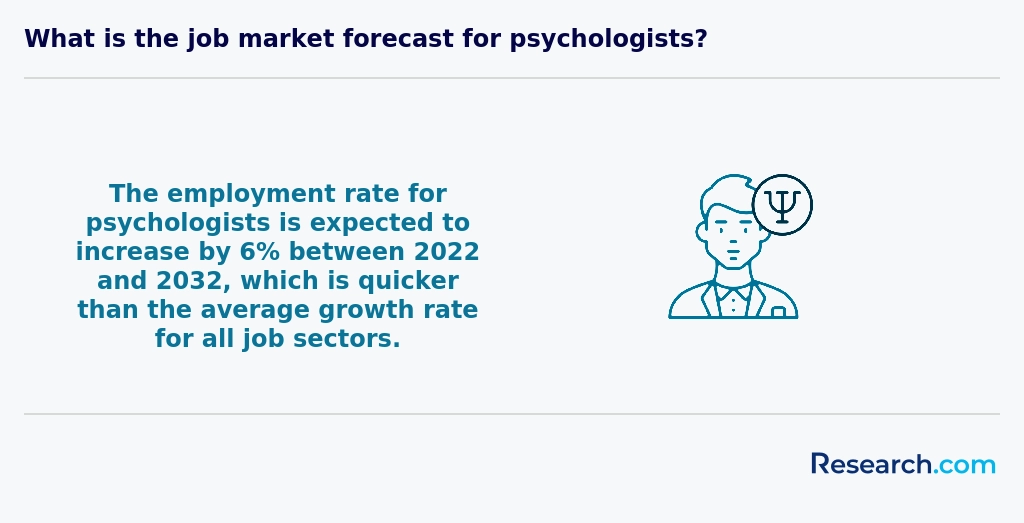
When evaluating online psychology programs in Massachusetts, confirming regional accreditation is paramount for both academic quality and eligibility for licensure. The New England Commission of Higher Education (NECHE) is the primary accrediting body for institutions in Massachusetts, ensuring that your coursework meets rigorous standards. Additionally, if you plan to pursue graduate study or clinical practice, look for programs with American Psychological Association (APA) accreditation, which is often required for licensure as a clinical psychologist. Beyond institutional accreditation, Massachusetts candidates must satisfy the Board of Registration of Psychologists’ requirements. This includes completing a doctoral degree in psychology, accruing at least 3,400 hours of supervised experience post‐doctorate, and passing both the Examination for Professional Practice in Psychology (EPPP) and state jurisprudence exams. Students in Master’s-level or certificate programs should verify whether their curriculum fulfills the educational prerequisites for licensure as a licensed psychological associate. Prospective students should also investigate whether transfer credits from other online or on-campus programs will be accepted. A fully accredited degree in psychology online from a regionally recognized institution not only streamlines transfer processes but also maximizes eligibility for federal financial aid and professional certifications. Finally, maintain awareness of continuing education mandates: after initial licensure, Massachusetts requires 15 clock hours per year of board-approved continuing education. Staying current protects your credentials and enhances your professional reputation in this competitive field.
Online psychology degree programs in Massachusetts offer a rich range of courses designed to inspire and prepare students for a meaningful career in understanding human behavior. At renowned institutions like Boston University or the University of Massachusetts, students dive into foundational classes such as Introduction to Psychology, where they explore the fascinating history and core concepts shaping the field.
Graduates often recall how Developmental Psychology brought to life the journey from childhood to adulthood, helping them better understand family dynamics or teaching roles. Abnormal Psychology reveals the complexity of mental health, equipping learners with empathy and practical knowledge to support others in real-world settings.
Courses like Social Psychology and Cognitive Psychology provoke vibrant discussions about how group influences and memory shape everyday decisions, often reflecting experiences shared by peers across Massachusetts' diverse communities.
Research Methods and Statistics grant students essential skills to critically analyze data-skills praised by alumni working in cutting-edge roles. Many also appreciate electives such as Industrial-Organizational or Forensic Psychology, which showcase the broad impact of psychological principles here in Massachusetts workplaces and legal contexts.
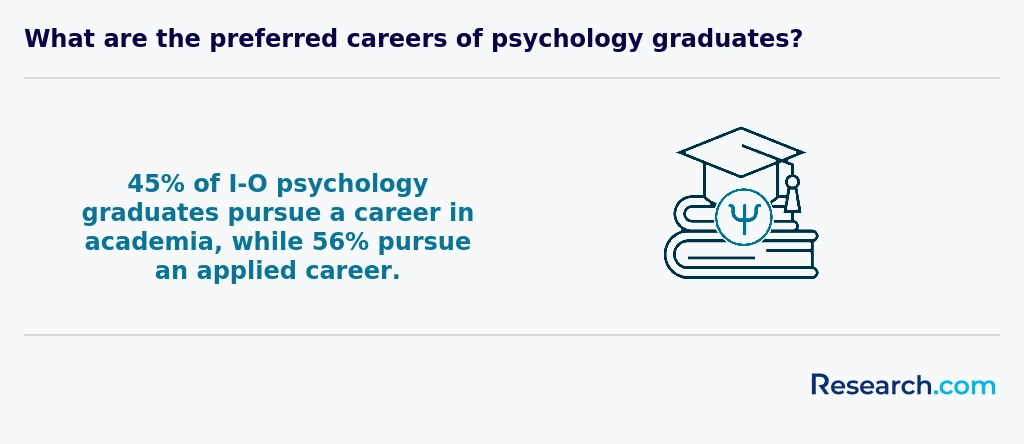
Students pursuing an online psychology degree in Massachusetts often discover exciting specializations designed to match their passions and career ambitions. Popular programs at well-known colleges encourage focusing on areas like clinical psychology, where graduates gain the skills to support mental health in dynamic environments across the state. Others find inspiration in developmental psychology, exploring human growth from childhood through adulthood, which many find rewarding when working within local communities.
Those enrolled in massachusetts psychology bachelor programs specializations appreciate how options such as industrial-organizational psychology open doors to roles improving workplace well-being at the region's thriving businesses. Forensic psychology captivates students interested in justice and law enforcement, offering practical perspectives aligned with Massachusetts' legal system. Social psychology also draws learners motivated to understand societal influences and foster positive change.
Through these specializations, students feel empowered knowing their education at Massachusetts institutions equips them for meaningful contributions. For those seeking opportunities that balance quality and affordability, exploring budget-friendly online MSW degrees alongside psychology options can expand career possibilities.
Choosing the best online psychology degree in Massachusetts means focusing on key factors that truly enhance your learning journey. Graduates from well-known institutions like Boston University and the University of Massachusetts share how their programs, recognized by NECHE accreditation, gave them confidence in the quality and future value of their degrees. Many found that affordable psychology bachelor's degrees Massachusetts offers helped them pursue their passion without overwhelming debt, balancing studies with work and family through flexible schedules.
Imagine diving into coursework that covers developmental psychology and research methods while connecting with expert faculty who support you personally, just as students in these programs describe. Comprehensive curricula paired with dedicated student services make all the difference, preparing you well for careers in counseling or human resources. Exploring alumni success stories reveals how these programs fuel meaningful work in the community and inspire ongoing growth.
For those curious about career steps after graduation, understanding how to become a licensed psychologist in Idaho or elsewhere can be a motivating guide as you choose your path.
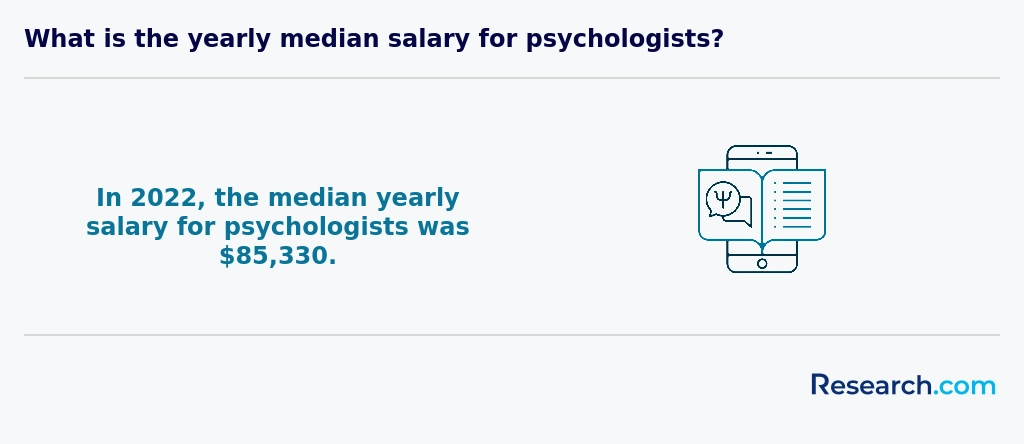
Graduates with an online psychology degree in Massachusetts discover inspiring career paths that empower them to make a real difference. Many enter mental health services as behavioral health counselors or case managers, directly helping individuals overcome challenges each day. Others leverage their skills in research roles at renowned institutions like Harvard or Boston University, contributing to groundbreaking studies that advance psychological science. Those interested in organizational behavior thrive in human resources, improving workplace environments at top Massachusetts companies by fostering positive employee engagement. Community and social service roles offer the chance to support vulnerable populations through non-profits and government programs, creating lasting impact rooted in compassion and care.
Many graduates from Massachusetts schools embrace assistant roles while pursuing advanced degrees, gaining valuable hands-on experience in clinical or research settings. With the state's strong educational offerings and job market, these career options illustrate why pursuing an online psychology degree career options Massachusetts hold such promise. Students balancing work and study find affordable programs at public universities, making it easier to pursue these rewarding futures while managing costs. For those motivated to explore high demand degrees, psychology offers a versatile and fulfilling path.

The job market for those with an online psychology degree in Massachusetts is promising and full of opportunity. Graduates from well-known institutions like Boston University and the University of Massachusetts find that their degrees open doors to roles such as behavioral health technicians or case management specialists, especially in the state's vibrant healthcare and research sectors. These roles allow fresh graduates to build valuable experience while contributing meaningfully to communities.
Many who pursued an online psychology degree in Massachusetts share stories of how their education empowered them to work in hospitals and wellness programs, inspiring hope and positive change. The Massachusetts job outlook for psychology graduates reflects strong demand, with competitive salaries averaging around $110,000 for licensed psychologists, encouraging students to continue their studies or gain specializations.
For those balancing work and study, exploring part-time online associate in psychology degrees is a helpful route, providing flexible access to career-building skills in human resources or mental health support roles. Overall, Massachusetts offers a supportive environment for emerging psychology professionals ready to make an impact.
2027 Most Affordable Online Bachelor's in Psychology Degree Programs Ranking in Massachusetts
Investing in your education is a significant decision that can shape your future, and the Research.com team understands the importance of making informed choices. To assist prospective students in Massachusetts, we have meticulously crafted the "2027 Most Affordable Online Bachelor's in Psychology Degree Programs Ranking in Massachusetts." Our commitment to quality, credibility, and accuracy is reflected in the extensive research and analysis conducted to compile this ranking. We utilized the following reputable data sources to ensure a comprehensive evaluation of psychology programs:
By exploring this ranking, readers will gain valuable insights into the most affordable online psychology degree options in Massachusetts, enabling them to make well-informed decisions about their educational paths. For more details on our methodology, please visit our Research.com methodology page.


Frequently Asked Questions About psychology
Online psychology degree students in Massachusetts can maximize their learning by actively engaging with course materials and participating in virtual discussions. Utilizing resources offered by the Commonwealth, such as the Massachusetts Board of Registration of Psychologists' guidelines, helps students align their studies with state licensure requirements.
Connecting with local professional organizations like the Massachusetts Psychological Association offers networking opportunities and insight into regional mental health issues. Students should also seek internships or practicum placements approved in Massachusetts to gain practical experience, a crucial component for psychology careers.
Finally, managing time effectively and using campus resources remotely, including academic advising and tutoring, supports success in online programs. According to the U.S. Bureau of Labor Statistics, Massachusetts is projected to grow employment for psychologists by 7% through 2031, highlighting the value of strategic preparation.
The field of psychology is rapidly expanding, with new niches emerging that reflect changing societal needs and technological advances. In Massachusetts, online psychology programs increasingly incorporate specializations such as neuropsychology, forensic psychology, and health psychology. These areas address growing demands in mental health, legal systems, and medical support.
Another notable trend is the rise of industrial-organizational psychology, where professionals apply psychological principles to improve workplace productivity. According to the Massachusetts Department of Labor, employment in this specialty is expected to grow by over 10% through 2028.
Additionally, telepsychology is gaining momentum, especially after the 2020 pandemic accelerated the need for remote mental health services. This creates opportunities for psychologists trained in digital therapy and online counseling techniques.
After earning an online psychology degree in Massachusetts, preparing for the job market involves several key steps. First, obtaining relevant internships or volunteer experiences can improve practical skills and employability. The Massachusetts Department of Higher Education reports that hands-on experience greatly supports entry-level psychology roles.
Next, students should consider obtaining certifications such as those in behavioral analysis or counseling techniques, which are valued by regional employers. Networking through professional groups like the Massachusetts Psychological Association helps graduates connect with local opportunities.
Furthermore, understanding Massachusetts' licensing requirements for psychologists is crucial if pursuing clinical roles, as a master's or doctorate is often required.
Employers in Massachusetts seeking graduates with psychology degrees prioritize a blend of technical knowledge and interpersonal skills. Critical thinking and data analysis are highly valued, as psychology roles often involve interpreting complex research or clinical data. According to the Massachusetts Department of Higher Education, strong communication skills are essential, enabling graduates to convey findings clearly and collaborate with clients or teams.
Additionally, employers emphasize cultural competence, reflecting the state's diverse population, to provide effective mental health support. Problem-solving abilities and ethical judgment are also key, aligning with licensure standards from the Massachusetts Board of Registration of Psychologists. Practical experience through internships or online programs strengthens a candidate's readiness for the workforce.
Finding internships in Massachusetts for psychology students involves targeted research and networking. Many universities and colleges in the state, including those offering online degrees, maintain partnerships with local mental health clinics, hospitals, and community organizations. Students should contact their school's career services or psychology department to explore available placements.
Additionally, professional organizations like the Massachusetts Psychological Association provide internship listings and networking events. Massachusetts has over 150 licensed psychologists per 100,000 residents, indicating a strong demand for clinical and research internships. Websites such as Handshake and the Massachusetts Executive Office of Health and Human Services job portal can also list relevant opportunities.
Early application and flexibility in setting are crucial to secure valuable hands-on experience in the state's competitive psychology field.
An online psychology degree in Massachusetts can significantly enhance career mobility and advancement opportunities within the state. Massachusetts hosts a growing demand for psychology professionals, with the U.S. Bureau of Labor Statistics projecting a 10% job growth for psychologists in Massachusetts by 2030, higher than the national average.
Holding a bachelor's or advanced degree in psychology opens doors to diverse fields such as human services, counseling, healthcare, and education. An accredited online program provides flexibility for working individuals to upskill without relocating.
Additionally, many Massachusetts employers recognize online degrees from accredited institutions, allowing graduates to compete effectively for promotions and specialized roles. According to the Massachusetts Department of Labor, professionals with relevant degrees and certifications earn 20-30% more than those without.
Studying for a psychology degree in Massachusetts offers strong preparation for interdisciplinary roles by integrating coursework across multiple fields. Many online programs emphasize collaboration with areas like healthcare, education, and social services, reflecting the diverse applications of psychology in the state's workforce.
Massachusetts hosts a variety of multidisciplinary research centers, such as those affiliated with universities like Boston University and UMass, encouraging students to engage with real-world issues across fields. According to the Massachusetts Department of Higher Education, psychology graduates often work in teams with public health professionals and educators.
This approach equips students with skills in communication, data analysis, and cultural competence, essential for careers in counseling, human resources, and behavioral health services statewide.
When choosing between a thesis and a non-thesis psychology degree program in Massachusetts, consider your career goals and learning preferences. Thesis programs typically involve conducting original research and writing a detailed paper, which can be ideal for students aiming for graduate study or research positions.
Non-thesis options focus more on coursework and practical experience, suiting those interested in applied psychology roles or entering the workforce directly. According to the Massachusetts Department of Higher Education, several public universities offer both tracks online, often with similar tuition costs.
Be aware that thesis programs may require more time commitment due to research responsibilities, while non-thesis programs usually allow faster completion.
Students based in Massachusetts seeking to study psychology abroad through online programs have limited direct options approved by U.S. accreditation standards. Most accredited online psychology degrees are offered by U.S. institutions rather than foreign universities. However, some international universities partner with U.S. schools to provide joint online programs, though these are rare.
The Massachusetts Department of Higher Education emphasizes attending regionally accredited institutions to ensure credit transfer and licensure eligibility in psychology. According to the American Psychological Association (APA), U.S. accreditation and in-state licensure requirements often pose challenges for degrees earned entirely abroad.
Students interested in gaining international psychology perspectives often opt for study abroad semesters while enrolled in accredited Massachusetts schools or pursue international internships. These options provide global exposure while maintaining compliance with Massachusetts credentialing standards.
Part-time job opportunities in Massachusetts that align well with an online psychology degree include roles such as behavioral health technician, psychiatric aide, and research assistant. These positions offer practical experience that complements academic learning. According to the Massachusetts Department of Labor, mental health support roles are expected to grow by 15% between 2022 and 2032.
Working as a peer counselor or crisis hotline operator can also provide valuable exposure to psychological principles and client interaction. Many universities and community organizations hire part-time staff in these roles, enabling students to build relevant skills while studying.
Additionally, research assistant positions at institutions like Massachusetts General Hospital or Boston University can enhance understanding of experimental methods and data analysis in psychology.
Online psychology students in Massachusetts have access to a variety of networking opportunities that can enhance their academic and professional careers. Many universities offering online psychology degrees connect students with local chapters of organizations such as the Massachusetts Psychological Association (MPA). The MPA hosts conferences, workshops, and events that allow students to meet experienced professionals and researchers in the field.
Additionally, several schools facilitate virtual networking events, internships, and collaborations with Boston's numerous psychology research centers and healthcare facilities. According to the Bureau of Labor Statistics, Massachusetts employs over 6,000 psychologists, indicating active professional communities students can tap into for mentorship and job leads.
Alumni networks offer significant advantages to online psychology degree students in Massachusetts. These networks connect current students with graduates who have navigated similar academic and career paths. In Massachusetts, where psychology-related jobs are expected to grow by 11% from 2020 to 2030 according to the U.S. Bureau of Labor Statistics, networking can be vital for accessing internships, research opportunities, and job openings.
Strong alumni connections often provide mentorship, helping students adapt theoretical knowledge to real-world practice. This support can be especially useful in online programs, where in-person interactions are limited. Furthermore, alumni events and online forums foster a sense of community and professional development.
Many online psychology degree programs in Massachusetts offer flexibility to tailor coursework according to your career goals. You can often select from various electives, such as clinical psychology, counseling, or neuropsychology, to deepen expertise in your desired field. Some programs provide options for internships or research projects, allowing practical experience aligned with professional interests.
The Massachusetts Department of Higher Education supports institutions that integrate customizable curricula, helping students meet local workforce demands. According to the Bureau of Labor Statistics, psychology-related jobs in Massachusetts are expected to grow by about 8% through 2030, highlighting the value of targeted skills.
Advisors typically assist students in mapping course choices to licensure requirements or graduate school prerequisites, ensuring degrees support specific career paths. Check whether the program offers career services to connect academic learning with the Massachusetts job market.
Online psychology students in Massachusetts often face challenges related to the balance between academic responsibilities and personal commitments. Many students juggle work, family, and studies simultaneously, which can lead to time management difficulties. According to the Massachusetts Department of Higher Education, nearly 60% of online learners are employed while studying, increasing stress levels.
Another challenge is gaining practical experience. Psychology programs typically require hands-on training, such as internships or lab work, which can be harder to access remotely. Also, some students report feelings of isolation due to limited face-to-face interaction with peers and instructors, affecting motivation and engagement.
Additionally, navigating financial aid and transferring credits can be complicated, as policies vary by institution. Awareness of Massachusetts state regulations and program accreditation is essential to ensure a recognized qualification.
With an online psychology degree in Massachusetts, graduates can pursue several professional certifications depending on their career goals. Common certifications include becoming a Licensed Mental Health Counselor (LMHC) or a Certified Alcohol and Drug Counselor (CADC). Both require additional supervised clinical hours beyond the bachelor's degree.
The Massachusetts Board of Registration of Allied Mental Health and Human Services Professionals oversees these credentials. For example, to qualify for the LMHC, candidates typically need a master's degree plus at least 2,000 hours of supervised experience.
Other certifications attainable with relevant experience and education include the Certified Rehabilitation Counselor (CRC) and the National Certified Counselor (NCC), which are respected nationwide.
Graduates interested in specialized fields may also consider certification in Applied Behavior Analysis (ABA), which is growing rapidly in Massachusetts due to increased demand for autism-related services, as reported by the Massachusetts Department of Public Health.
When applying to an online psychology program in Massachusetts, a clear and well-organized application is essential. Start by highlighting your academic background with a strong GPA, as many programs prefer candidates with at least a 3.0. Massachusetts schools often value relevant coursework in psychology or related fields.
Personal statements should reflect your motivation for studying psychology online and your understanding of its practical applications. Be specific about your career goals and how the program fits them. Including any volunteer or work experience related to psychology strengthens your candidacy.
Letters of recommendation from academic or professional sources familiar with your skills are critical. Research from the Massachusetts Department of Higher Education shows that applicants with strong recommendations have better chances of acceptance into competitive programs.
Lastly, ensure all materials are submitted on time and follow the school's instructions closely to avoid disqualification.
Psychology is a globally recognized career that varies widely by region but shares core principles rooted in research and clinical practice. In the United States, including Massachusetts, professionals benefit from a strong regulatory environment, with licensure requirements set by state boards such as the Massachusetts Board of Registration of Psychologists.
Globally, psychologists often engage in cross-cultural studies, contributing to broader understandings of mental health. The U.S. Bureau of Labor Statistics projects a 8% job growth for psychologists through 2031 due to increased demand in healthcare, education, and research sectors, reflecting sustained interest worldwide.
Massachusetts is a leader in psychology research, with institutions like Harvard and Boston University boosting the field's reputation and career opportunities for graduates locally and internationally.
Gaining practical experience while studying for an online psychology degree in Massachusetts is essential for building skills and enhancing employability. Many accredited programs encourage or require internships or practicum placements in local mental health clinics, hospitals, or community organizations. These opportunities allow students to apply classroom knowledge in real-world settings.
Students can also seek volunteer positions with Massachusetts-based agencies such as the Massachusetts Psychological Association, which offers resources and networking events. Additionally, virtual internships and research assistant roles with university faculty members provide hands-on experience that fits online schedules.
According to the Bureau of Labor Statistics, Massachusetts has a strong demand for psychology-related roles, making practical experience valuable for graduates entering the workforce. Consulting with academic advisors early can help tailor experience to career goals.
Choosing the right concentration within an online psychology degree program in Massachusetts depends on your career goals and interests. Massachusetts has a diverse job market in psychology, with strong fields in clinical, counseling, and industrial-organizational psychology. According to the Massachusetts Department of Labor, clinical psychologists are among the highest paid, with a median annual wage above $90,000.
Consider concentrations that align with state licensure requirements if you aim to become a licensed psychologist or counselor. For example, clinical psychology and counseling psychology often lead towards licensure in Massachusetts.
Research program curriculum and faculty expertise to ensure they match your interests. Some programs also emphasize research skills, which can be important if you plan to pursue graduate studies or work in academic settings.
Lastly, check if the program offers internships or practicum experiences in Massachusetts, providing practical experience and local networking opportunities.
- 2027 Most Affordable Online Bachelor's in Psychology Degree Programs Ranking in New York
- 2027 Most Affordable Online Bachelor's in Psychology Degree Programs Ranking in Pennsylvania
- 2027 Most Affordable Online Bachelor's in Psychology Degree Programs Ranking in Virginia
- 2027 Most Affordable Online Bachelor's in Psychology Degree Programs Ranking in Ohio
- 2027 Most Affordable Online Bachelor's in Psychology Degree Programs Ranking in Michigan
- 2027 Most Affordable Online Bachelor's in Psychology Degree Programs Ranking in Georgia
- 2027 Most Affordable Online Bachelor's in Psychology Degree Programs Ranking in Illinois
- 2027 Most Affordable Online Bachelor's in Psychology Degree Programs Ranking in Florida
- 2027 Most Affordable Online Bachelor's in Psychology Degree Programs Ranking in Alabama
- 2027 Most Affordable Online Bachelor's in Psychology Degree Programs Ranking in Missouri
See What Experts Have To Say About Studying Psychology
Read our interview with Psychology experts

Elizabeth L. Jeglic Ph.D.
Psychology Expert
Professor of Psychology
City University of New York

Robin M. Kowalski. Ph.D.
Psychology Expert
Professor of Psychology
Clemson University

Joann Farrell Quinn, Ph.D., MBA
Psychology Expert
Director at the College of Medicine Department of Medical Education
Morsani College of Medicine

- Scholarships For Psychology Majors (2025) https://www.psychology.org/scholarships/
- Financial Aid for Psychology Students https://www.onlinepsychologydegrees.com/financial-aid/
- Ontario Psychological Association - Networking and Community Resources https://www.psych.on.ca/become-a-member-(1)/member-services/networking-and-community-resources
- Massachusetts Psychology Schools, Colleges & Universities https://www.psychologycareercenter.org/massachusetts-psychology-schools.html
- Call for papers https://www.hogrefe.com/us/journal/international-perspectives-in-psychology-research-practice-consultation
- Mental Health Challenges Faced by Psychology Students | The Healthcare Guys https://healthcareguys.com/2023/11/23/mental-health-challenges-faced-by-psychology-students/
- Why Get a Psychology Degree Online? | University of Bridgeport https://www.bridgeport.edu/news/reasons-to-get-your-psychology-degree-online/
- Best Massachusetts Psychology Degrees Updated for 2025, Online Included https://www.psychologydegrees.org/state/massachusetts
- 2025 Most Popular Online Psychology Degrees in Massachusetts https://www.onlineu.com/degrees/psychology/massachusetts
- How to help students cope with mental health challenges https://www.eaie.org/resource/help-students-cope-mental-health-challenges.html