
2027 Most Affordable Online Bachelor's in Psychology Degree Programs Ranking in Michigan

Co-Founder and Chief Data Scientist
If you're a Michigan student thinking about pursuing a psychology degree, finding an affordable online program is key to balancing quality education with cost. This article introduces the 2027 Most Affordable Online Bachelor's in Psychology Degree Programs Ranking in Michigan, created by the Research.com team of data scientists to help you make well-informed decisions.
By exploring this ranking, you'll discover valuable insights on programs that fit both your budget and career goals. Earning a psychology degree opens doors to rewarding opportunities, and we're here to guide you every step of the way.
Key benefits of getting online psychology degree in Michigan
- Psychology degree graduates in Michigan can earn competitive salaries, such as $62,370 annually for Clinical Research Associates and Survey Researchers, and up to $83,190 for Marketing Research Analysts.
- Graduates from Michigan universities often find career paths in research, human resources, or clinical settings, reflecting the diverse opportunities their psychology degree offers in both business and healthcare fields.
- Online psychology degrees provide flexibility and convenience, allowing students to balance work and study effectively while gaining the same valuable knowledge as traditional programs from respected Michigan institutions.
- 2027 Most Affordable Online Bachelor's in Psychology Degree Programs Ranking in Michigan
- What can I expect from online psychology degree in Michigan?
- Where can I work with online psychology degree in Michigan?
What can I expect from online psychology degree in Michigan?
The average cost of an online psychology degree in Michigan typically ranges between $12,000 and $18,000 per year at public universities such as Michigan State University or Western Michigan University. Graduates often find this investment manageable, especially when they leverage financial aid options or scholarships to lighten the financial load. One practical approach is to apply early for aid and consult with the university's financial services to uncover lesser-known grants tailored for psychology students.
Many students appreciate the flexibility these programs offer, allowing them to balance jobs or family responsibilities while progressing toward their degrees. For example, a graduate from Western Michigan University shared how completing coursework online at their own pace helped them stay engaged without sacrificing work hours. This balance is key, as it reduces stress while making the cost feel worthwhile.
Students should also consider in-state residency benefits carefully. Those attending public schools in Michigan typically see significantly lower tuition than out-of-state learners, making it crucial to verify residency status early. Planning your budget with these factors in mind enhances the chance of a smooth, affordable path to your online psychology degree.
Where can I work with online psychology degree in Michigan?
Graduates with an online psychology degree in Michigan often find work in social services agencies, where they help as case managers or behavioral health technicians supporting community mental health programs. Many have gained these roles through connections with programs at schools like Wayne State University. One graduate shared how their Michigan State University online degree allowed them to secure a position assisting families with behavioral health needs, providing both job satisfaction and career growth.
Others pursue roles in educational settings, supporting special education or after-school initiatives without requiring licensure. These positions, common around Detroit-area schools, rely on the developmental psychology knowledge acquired during the degree. Graduates often praise how their coursework from the University of Michigan prepared them to manage real-world student challenges confidently.
In business, alumni frequently enter human resources or market research jobs within Michigan's metropolitan centers. Here, practical skills in understanding employee behavior and consumer trends, developed at local universities, enhance workplace dynamics. Research assistant positions at Michigan's major universities also present opportunities for those interested in academia or advancing to graduate studies.
Graduates with an online psychology degree in Michigan often begin their careers in roles like Human Resources Specialist or Marketing Research Analyst-positions that offer solid starting salaries. For example, Human Resources Specialists earn a mean annual wage of about $76,060, while Marketing Research Analysts make roughly $83,190. These numbers come from recent BLS data and reflect typical outcomes for psychology graduates who have built practical skills through internships or projects at universities such as the University of Michigan or Michigan State University.
Some graduates also find roles as Clinical Research Associates or Survey Researchers, each earning around $62,370 annually. These jobs offer opportunities to apply research methods learned during online studies while gaining valuable hands-on experience. Imagine working alongside professors from Wayne State University on complex research projects, bridging theory and real-world application, which can boost your confidence and marketability.
Starting salaries can vary, but these figures highlight how an online psychology degree opens the door to rewarding careers with measurable income prospects in Michigan's growing job market.
- Online psychology degrees in Michigan are offered by accredited public and private universities with flexible schedules suitable for working students.
- In-state tuition for online programs at public universities ranges from $12,000 to $16,000 per year, while private institutions charge between $20,000 and $30,000 annually.
- Entry-level salaries for psychology graduates in Michigan typically range from $45,000 to $55,000, increasing to over $80,000 with experience and specialization.
- Job growth for psychologists and counselors in Michigan is projected at about 8% through 2030, higher than the national average.
- State licensure for clinical psychology roles usually requires a master's or doctoral degree beyond the bachelor's level.
Completing an online psychology degree in Michigan usually takes about four years if you follow a traditional full-time schedule. For instance, graduates from well-known schools like Michigan State University and the University of Michigan shared how they finished around 120 to 130 credit hours within this timeframe. This aligns with standard bachelor's degree expectations set by regional accreditors such as the Higher Learning Commission.
Many students find flexibility in programs through asynchronous classes, letting them study when convenient. However, some graduates balanced work and family by taking part-time courses, which extended their completion to five or six years. Conversely, others took advantage of accelerated tracks offered at colleges like Western Michigan University, cutting their study time to just over two and a half years. These paths offer promising options tailored to individual needs.
A key tip from experienced students is to maximize transfer credits from previous coursework and pursue programs that allow competency-based learning. Remember, practical requirements like internships might require onsite attendance, impacting your overall timeline but offering valuable real-world experience.
Choosing an accredited online Psychology program in Michigan is vital to ensure your degree meets state licensure criteria and is recognized by employers nationwide. The Higher Learning Commission (HLC) provides regional accreditation for most Michigan institutions, but for those pursuing clinical or counseling psychology, look for American Psychological Association (APA) accreditation on specific program tracks. APA-accredited programs guarantee that your coursework aligns with national standards and prepares you for the Examination for Professional Practice in Psychology (EPPP). Before enrolling, verify that the program’s curriculum satisfies the Michigan Board of Psychology’s requirements for supervised practicum hours, ethical training, and core competency coursework. Graduates aiming to become Licensed Professional Counselors (LPCs) must complete an additional 3,000 hours of supervised post-master’s experience and pass the National Counselor Examination (NCE). Similarly, those targeting licensure as psychologists need to accumulate 3,500 supervised hours and successfully clear the EPPP, as well as the Michigan Psychology Jurisprudence Exam. Beyond traditional licensure, many psychology graduates explore specialized roles that may require certification rather than state licensure. For instance, child life specialists often pursue certification through the Association of Child Life Professionals; understanding salary expectations in this niche can be as straightforward as researching average figures like certified child life specialist salary. By selecting an appropriately accredited program and mapping out your post-graduation supervised hours and exam timelines, you’ll position yourself for a seamless transition into professional practice in Michigan’s diverse psychology landscape.
Choosing between online and on-campus psychology degrees in Michigan comes down to how you want to balance flexibility, cost, and hands-on learning. For example, students at the University of Michigan often praise the online program for allowing them to work full-time while studying, making late-night video lectures and asynchronous assignments a perfect fit for their busy lives.
On the other hand, graduates from Michigan State University who attended on-campus programs highlight the value of face-to-face interaction with professors and peers, especially during lab sessions and practicums. These in-person experiences help build strong professional networks and make it easier to secure local internships critical for licensure.
Tuition costs also differ. Public Michigan universities commonly charge $11,000 to $15,000 annually for in-state on-campus psychology students, but online learners might avoid extra fees like commuting and housing, though some pay technology fees. Accreditation remains vital in both formats to ensure your degree is respected by employers and licensure boards.
Ultimately, online psychology degrees suit those needing scheduling flexibility and lower living expenses, while on-campus study delivers immersive campus life and direct access to resources and practical experiences.
The average cost of an online psychology degree in Michigan typically centers around the median tuition data, with in-state students paying approximately $54,157 total for their degree. This figure reflects the overall expenses reported by many graduates from popular Michigan institutions offering flexible online psychology programs. Students often find the pricing competitive compared to many out-of-state options, which can exceed $107,000 in total. While the upfront amount may seem significant, many who have completed their degrees emphasize the value of investing in programs at respected public universities in Michigan, where scholarships and financial aid substantially offset costs.
For those pursuing affordable online psychology bachelor programs Michigan offers a range of options that allow budgeting for tuition plus ancillary fees, which can include technology or course materials fees ranging from a few hundred to around $2,000 annually. Graduates often mention that the flexibility of online learning reduces commuting and housing expenses, making the total cost within reach despite initial sticker shock. This practical approach to online degree costs enables students to balance work and study effectively.
When deciding on a program, it's wise to compare per credit hour charges and total program length, as tuition structures vary between public and private institutions. Many Michigan students note that programs at flagship state universities are known for quality instruction without excessive tuition inflation.
For additional perspective, you might explore psychology degrees kentucky campus life, which offers regional comparisons helpful for planning your educational budget realistically.

To fund your online psychology degree in Michigan, start by completing the FAFSA form to access federal aid like the Pell Grant, which can provide up to $7,395 annually without repayment. Many students attending schools like Central Michigan University found this grant essential for easing tuition burdens. Next, explore state-specific programs such as the Michigan Competitive Scholarship, which rewards academic achievement and financial need, and the Michigan Tuition Grant, helpful if you're enrolled at private nonprofit colleges offering online psychology courses.
Institutional scholarships are another key resource. Graduates from Wayne State University recall applying for merit-based awards recognizing leadership and community involvement, which significantly decreased their costs. Consider also work-study options to gain psychology-related experience while earning money, reducing loan dependency.
Federal loans are available but prioritize subsidized loans to avoid interest accumulation during school. Professional groups like the Michigan Psychological Association offer competitive scholarships that can boost your financial package further. Finally, if you have military ties, the GI Bill may cover a substantial portion of your tuition, as confirmed by veterans studying online at the University of Michigan.
Graduates seeking to practice psychology in Michigan must obtain licensure from the Michigan Board of Psychology, ensuring compliance with state regulations and professional standards. The process typically involves: • Earning a minimum of 60 graduate credit hours in an APA-accredited program or its equivalent. • Completing at least 1,500 hours of supervised professional experience (pre-doctoral internship) and 1,500 post-doctoral hours under a licensed psychologist. • Passing the Examination for Professional Practice in Psychology (EPPP) with a scaled score of 500 or higher. • Submitting official transcripts, verification of supervised experience, and a jurisprudence exam covering Michigan-specific laws and ethical codes. Once licensed, psychologists must fulfill 40 hours of continuing education every two years, including at least 6 hours in ethics, to maintain active status. Certified specialties-such as school psychology or forensic assessment-require additional board-approved coursework and supervised casework. For those comparing affordability and program quality beyond Michigan, consider our Affordable Online Psychology Degree Programs Ranking in Texas to explore cost structures, accreditation standards, and licensure preparation resources in different state contexts.
To enroll in an online psychology degree in Michigan, you first need a high school diploma or GED, which is the basic entry point for most programs. For example, graduates from well-known schools like the University of Michigan-Flint emphasize how having solid transcripts boosted their applications. These transcripts should reflect strong performances in core subjects such as English, math, and science, as these are crucial for the analytical and communication demands of psychology.
Many programs ask for a minimum GPA, typically between 2.5 and 3.0, ensuring you're academically prepared. Some Michigan colleges may also require standardized test scores, though many have moved to test-optional policies, making the path smoother for applicants.
Taking additional courses in biology, statistics, or social sciences can make you stand out. One graduate recalled how completing a statistics class beforehand helped them grasp key concepts when studying online at Central Michigan University, making coursework less stressful and more rewarding.
Some schools want a personal statement or letters of recommendation, offering you a chance to show passion and commitment to psychology beyond grades.
Earning an online Psychology bachelor’s degree in Michigan is a critical first step, but understanding the state’s licensure pathways is essential to transform your academic achievement into professional practice. In Michigan, the Board of Psychology mandates that candidates for licensure complete an accredited master’s or doctoral program in psychology, accrue a minimum of 3,000 supervised hours, and pass the Examination for Professional Practice in Psychology (EPPP). Although a bachelor’s degree lays the groundwork, graduates should plan to pursue graduate-level study-often in clinical, counseling, or school psychology-to meet licensure requirements and expand career options. Upon completing a graduate program, candidates must submit fingerprints, background checks, and official transcripts to the Michigan Department of Licensing and Regulatory Affairs (LARA). Applicants then register for the EPPP through the Association of State and Provincial Psychology Boards (ASPPB) and may need to satisfy additional state-specific jurisprudence or ethics examinations. Once licensed, many professionals opt for specialty certifications-such as child psychology credentials-to distinguish their expertise. If you’re exploring such focused credentials, learn more about what jobs can i get with a child psychology certificate and how these certifications align with Michigan’s regulatory landscape. Maintaining licensure requires completion of at least 40 hours of continuing education (CE) every two years, including ethics, cultural competency, and evidence-based practice. Michigan psychologists often fulfill CE requirements through accredited workshops, university seminars, or online courses approved by the American Psychological Association (APA). By planning early for these licensing milestones-graduate education, supervised experience, board examinations, and ongoing CE-you ensure that your online Psychology degree from a Michigan institution becomes the springboard for a successful and compliant professional career.
When you enroll in an online psychology degree in Michigan, expect to start with foundational courses like General Psychology. Graduates from institutions such as Michigan State University describe this as the course that sparked their excitement by connecting everyday behaviors to well-known psychological theories.
Next, courses like Developmental Psychology and Cognitive Psychology build practical knowledge about human growth and mental processes. For example, graduates recall applying cognitive concepts to improve personal decision-making, which made the theories feel relevant rather than abstract.
Research is another key focus. Classes in Statistics for Psychology and Research Methods prepare you to design studies and analyze data-skills valued by employers and essential for evidence-based careers.
You'll also take specialized courses like Abnormal Psychology and Social Psychology, often offered by universities such as the University of Michigan. Students find these especially rewarding because they understand both individual struggles and social influences, enhancing empathy and problem-solving.
Many programs let you personalize your path with electives like Substance Abuse or Child Psychology, helping you align studies to your career goals in Michigan's growing mental health field.
Online psychology degree specializations in Michigan typically cover practical areas that students can apply directly to their career paths. Graduates of popular institutions like the University of Michigan or Wayne State University often highlight concentrations such as Clinical Psychology, which prepares them for roles in mental health treatment, and Developmental Psychology, useful for those working with children or aging populations. These programs emphasize applicability, helping students engage with real-life counseling scenarios and developmental assessments.
Another sought-after specialization is Industrial-Organizational Psychology, which appeals to students aiming for Human Resources or corporate training careers within Michigan's growing industries. For those interested in the justice system, Forensic Psychology offers a unique blend of law and mental health, enhancing skills needed in criminal justice settings. Health Psychology is gaining traction for its focus on wellness and rehabilitation, reflecting the increasing demand in public health sectors. Students appreciate the flexibility and relevance of these options, making Michigan affordable psychology program concentrations a strategic choice for career-oriented learners.
Many students find that choosing the right specialization, combined with hands-on experiences offered online by Michigan colleges, supports a smooth transition to the workforce. For guidance on next steps, exploring resources on becoming a licensed psychologist can provide valuable insight for advancing a career in psychology.
Start by verifying program accreditation from recognized bodies like the Higher Learning Commission to ensure transferable credits and eligibility for licensure. Graduates from universities such as those in Michigan often stress how accreditation streamlined their path into graduate programs or psychology careers. Consider tuition carefully-public institutions in Michigan offer more affordable options for residents, typically between $7,000 and $12,000 per year, which appeals to many budget-conscious students seeking the best affordable online psychology degrees Michigan.
Examine the curriculum closely. Successful students highlight how courses in developmental and cognitive psychology, alongside research methods and statistics, formed a solid foundation. Programs with specializations that match career goals, such as clinical or counseling psychology, can make your degree more relevant. Also, investigate student support services like tutoring and career counseling, which former students found invaluable while balancing work and study.
Review graduation outcomes; programs with strong employment networks in Michigan promote smoother transitions into roles related to addiction recovery and other fields. For example, several graduates began pursuing promising careers by using resources tailored for addiction recovery specialist careers, proving the value of strategic program choices.
Graduates with an online psychology degree in Michigan often find rewarding opportunities as mental health technicians or counselor assistants in hospitals and community agencies. For example, students from the University of Michigan-Flint have reported stepping into roles supporting licensed professionals, gaining hands-on experience while preparing for higher credentials. Many also venture into human resources, applying their understanding of human behavior to recruitment and training at companies in Michigan's growing automotive and tech sectors. This practical path helps graduates leverage their skills immediately after earning their degrees.
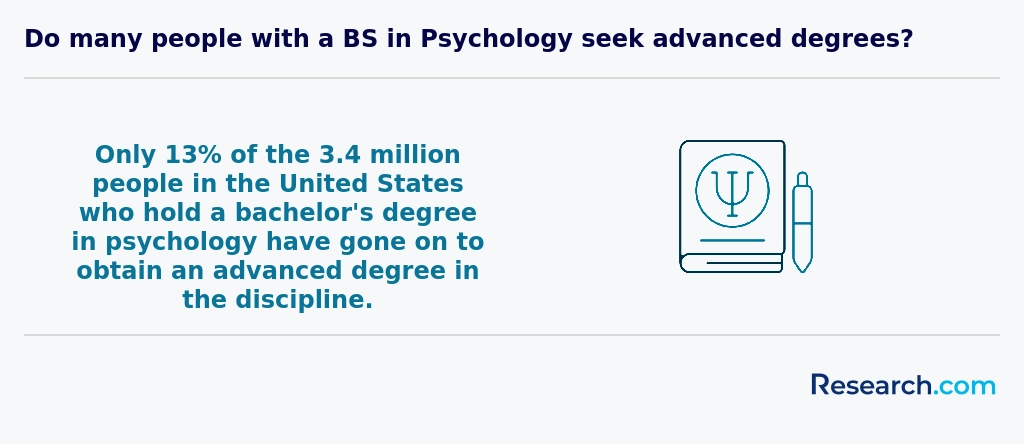
For those interested in advancing, pursuing graduate studies can open doors to becoming licensed psychologists or school counselors. Michigan's licensing requirements, regulated by the Michigan Board of Psychology, mean planning ahead is crucial. Graduates from Michigan State University often emphasize how their online degree combined with practical experience boosted their confidence for this step. Entry-level research roles at local universities or institutions provide another viable path, especially for those drawn to behavioral science.
Online psychology careers in Michigan can be financially accessible, with many students choosing programs that balance cost and quality while pursuing their goals. Understanding these career paths early aids in setting a realistic plan. For specialized licensure guidance, examining lpc professional associations iowa resources can provide helpful insights even for Michigan students.
Graduates holding an online psychology degree in Michigan generally find a stable job market with opportunities in mental health, social work, and counseling. Many who studied at popular institutions like the University of Michigan or Michigan State University have successfully secured roles as behavioral health technicians or human resources assistants. These positions are accessible with a bachelor's degree and provide valuable experience for career growth. For example, a graduate working as a case management assistant in Detroit shared how their online education offered the flexibility to balance work and study while gaining practical skills.
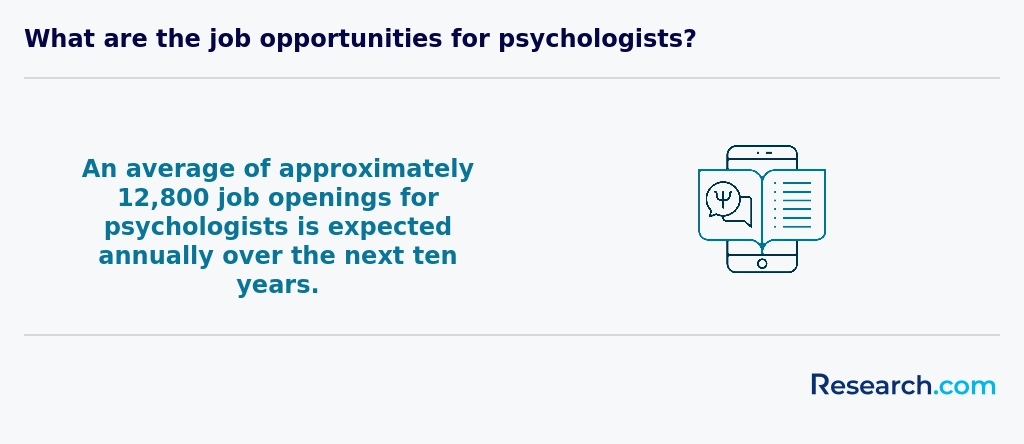
Advancing to roles such as licensed clinical psychologists typically requires graduate studies and certification. Still, an online degree from Michigan colleges lays a solid foundation. The psychology career opportunities in Michigan reflect a positive outlook with a projected 5% growth in employment for clinical and school psychologists through 2030.
Students considering their next steps should explore what jobs can i get with a child psychology certificate to diversify potential pathways. Michigan's reasonable tuition rates and expanding focus on mental health make it an encouraging environment for online learners.
2027 Most Affordable Online Bachelor's in Psychology Degree Programs Ranking in Michigan
Investing in your education is a significant decision that can shape your future, and the Research.com team understands the importance of making informed choices. To assist prospective students in Michigan, we have meticulously crafted the "2027 Most Affordable Online Bachelor's in Psychology Degree Programs Ranking in Michigan." Our commitment to quality, credibility, and accuracy is reflected in the extensive research and analysis conducted to compile this ranking.
We utilized the following reputable data sources to ensure a comprehensive evaluation of online psychology degree programs:
By exploring this ranking, readers will gain valuable insights into the most affordable and quality online bachelor's programs in psychology in Michigan, empowering them to make well-informed decisions about their education and career goals. For more details on our methodology, please visit our Research.com methodology page.


Frequently Asked Questions About psychology
Online psychology degree students in Michigan can maximize their learning by actively engaging with their coursework and utilizing available resources. Many Michigan universities offer virtual tutoring, academic advising, and library services to support students remotely. Scheduling regular study times helps maintain consistency, which is vital for mastering complex psychological theories.
Participation in online discussion boards and group projects fosters collaboration and practical understanding. Students should also seek internships or volunteer opportunities within Michigan's mental health organizations to gain real-world experience, as the state reports a growing demand for psychology professionals according to the Michigan Department of Labor and Economic Opportunity.
Exploring state-specific research published by institutions like the University of Michigan can deepen local context awareness. Utilizing campus career centers, even virtually, can assist with licensure preparation and job placement in the psychology field.
Emerging niches within the psychology field are expanding rapidly, especially for students in Michigan pursuing online degrees. One notable area is digital mental health, which focuses on delivering therapy and counseling services through technology. This niche has grown significantly amid increasing telehealth adoption across the state.
Another rising field is neuropsychology, examining the relationship between brain function and behavior. Michigan universities often emphasize this specialty because of the state's investment in neurological research.
Additionally, forensic psychology is gaining traction by applying psychological principles to legal cases. The demand for experts in this niche is growing due to Michigan's evolving criminal justice system.
After completing an online psychology degree in Michigan, preparing for the job market involves several key steps. Start by gaining relevant experience through internships or volunteer work, which Michigan universities often help coordinate even for online students. Licensing is critical if you aim to become a practicing psychologist; requirements include supervised hours and passing the Examination for Professional Practice in Psychology (EPPP), regulated by the Michigan Board of Psychology.
Networking is essential-you can join local organizations such as the Michigan Psychological Association to connect with professionals. According to the U.S. Bureau of Labor Statistics, psychology jobs in Michigan are projected to grow about 8% through 2031, signaling favorable employment opportunities. Enhancing skills with certifications or graduate studies also strengthens your marketability.
Employers in Michigan highly value psychology graduates who demonstrate strong critical thinking and analytical skills. These abilities are essential for interpreting data and understanding human behavior in clinical and organizational settings. Effective communication, both written and verbal, is also crucial since psychologists must clearly convey findings and collaborate with clients or teams.
Additionally, proficiency in research methods and data analysis using statistical software is increasingly important, reflecting the state's emphasis on evidence-based practice. According to the Michigan Department of Labor and Economic Opportunity, interpersonal skills and emotional intelligence rank among the top competencies sought by employers in the psychology field statewide.
Finding internships in Michigan relevant to a psychology degree requires targeted effort and research. Start by exploring opportunities through your university's career services, as many schools partner with local hospitals, clinics, and research centers. According to the Michigan Psychological Association, internships often focus on clinical, counseling, or research psychology.
State agencies and non-profit organizations also offer internships in mental health services, which can provide practical experience. Websites like Handshake and the Michigan Works! agency list local internship openings.
Networking is crucial; attending state psychology conferences or joining student chapters of professional organizations can connect you with internship providers.
Obtaining an online psychology degree in Michigan can significantly enhance career mobility and advancement opportunities. The flexibility of online programs allows working professionals to continue gaining experience while pursuing education, a key factor in promotions and salary increases within psychology-related fields. According to the Bureau of Labor Statistics, Michigan's employment of psychologists is expected to grow by 9% between 2021 and 2031, indicating expanding opportunities.
Graduates with a bachelor's degree in psychology from accredited Michigan institutions often qualify for entry-level roles in social services, healthcare, and human resources. With further education or certification, they can advance into specialized positions such as licensed counselors or behavioral analysts. Additionally, earning a degree online from a regionally accredited Michigan university meets licensing board requirements, which is essential for career progression within the state.
Studying for an online psychology degree in Michigan offers students unique preparation for interdisciplinary roles by integrating knowledge from psychology with fields such as healthcare, education, and social services. Michigan's universities emphasize applied coursework and research projects that encourage collaboration across disciplines, which is essential given the state's diverse workforce needs.
Programs often include studies in neuroscience, counseling, and organizational behavior, equipping graduates with versatile skills. According to the Michigan Department of Labor and Economic Opportunity, roles requiring multidisciplinary expertise are growing by 7% annually.
This approach ensures students can work alongside professionals in sectors like public health and education, making them highly adaptable in various career paths.
Choosing between a thesis and a non-thesis psychology degree program in Michigan depends on your career goals and learning preferences. Thesis programs typically require original research and a detailed written report, ideal for students planning to pursue graduate studies or research careers. Non-thesis options focus more on coursework and practical knowledge, making them suitable for those aiming for immediate employment in counseling, social services, or human resources.
Michigan universities often offer both formats online, but completion times may vary, with thesis tracks taking longer. According to the National Center for Education Statistics, about 30% of psychology bachelor's graduates enter research fields, highlighting the value of thesis experience when applying to graduate programs.
Students based in Michigan interested in studying psychology abroad through online programs have several options. Many U.S. universities offer online psychology degrees with internationally recognized accreditation, allowing students to gain global perspectives without relocating. While direct enrollment in foreign institutions online is growing, it remains limited for psychology due to licensure and curriculum differences.
The University of Michigan reports that 12% of psychology undergraduates participate in study abroad programs, often in Europe or Canada, though these are primarily on-campus experiences. For online study, Michigan students can consider programs from institutions accredited by the Higher Learning Commission or regionally recognized bodies, which often include international content in their curricula.
Professional organizations such as the American Psychological Association provide resources on credential recognition, essential for those seeking international careers. Students should also verify that online programs meet Michigan licensure requirements for psychology.
Part-time job opportunities in Michigan that complement psychology degree education often include roles in mental health support, research assistance, and community services. Positions such as psychiatric technician or behavioral health aide provide practical experience working with clients under supervision. These roles are typically available in hospitals and outpatient mental health clinics across Michigan.
Research assistant jobs at universities or private organizations offer valuable exposure to data collection and analysis. This is particularly relevant as Michigan hosts several research institutions focusing on psychology and behavioral sciences.
Additionally, roles in social services or case management help build skills in client interaction and program coordination. According to the Michigan Department of Labor, demand for mental health aides and social service assistants is projected to grow by 10% from 2022 to 2032, making these roles promising complement opportunities.
Online psychology students in Michigan have various networking opportunities despite their remote status. Many universities offer virtual events, such as webinars and discussion groups, connecting students with faculty and peers. Some programs encourage participation in state organizations like the Michigan Psychological Association, which provides networking events, mentorship, and job postings tailored to psychology professionals in the state.
Students can also engage in internships and practicum placements across Michigan, fostering in-person connections with local practitioners. According to the Bureau of Labor Statistics (2023), Michigan employs over 8,000 psychologists, offering a substantial professional network for graduates. Additionally, online platforms like LinkedIn enable students to join Michigan-focused psychology groups, expanding their local professional contacts.
Alumni networks can significantly benefit students pursuing online psychology degrees in Michigan by providing valuable professional connections. Graduates from Michigan universities often gain access to local and statewide psychology organizations through these networks, which can open doors to internships and job opportunities. According to the Michigan Psychological Association, networking is crucial for job placement in the state's competitive mental health field.
Alumni groups frequently offer mentorship programs that help current students navigate their careers and licensure processes. This guidance is especially important in Michigan, where psychologists must meet specific state licensing requirements. Furthermore, active alumni can share insights about regional job markets, enhancing students' readiness for local employment.
Research shows that strong alumni engagement correlates with higher employment rates post-graduation, making these networks a valuable resource for online psychology students in Michigan.
Customizing an online psychology degree in Michigan involves selecting electives, concentrations, and practical experiences that align with your career goals. Many Michigan schools offer specialized tracks such as clinical, counseling, or industrial-organizational psychology. Choosing relevant electives in areas like developmental psychology or behavioral health can deepen your expertise.
Additionally, some programs provide internship or research opportunities available remotely or in local settings, which help build professional experience. According to the Michigan Board of Psychology, licensure requirements often include supervised hours that can be partially completed through these tailored experiences.
Consult academic advisors to map your courses and experiences to your intended career path effectively.
Online psychology students in Michigan often face challenges balancing their studies with personal and professional responsibilities. Many are juggling jobs or family care while adapting to a digital learning environment. According to the Michigan Department of Education, limited in-person interaction can affect the development of practical skills essential for psychology careers.
Technical difficulties and inconsistent internet access also pose barriers, especially in rural parts of Michigan where broadband is less reliable. Additionally, navigating clinical practicum requirements remotely can be complicated, as some local sites may have limited availability for online students.
Finally, students sometimes experience feelings of isolation or reduced motivation without face-to-face peer support, impacting retention and success rates in online psychology programs.
With an online psychology degree in Michigan, you can pursue several professional certifications to advance your career. One common path is becoming a Certified Alcohol and Drug Counselor (CADC), which requires specialized training and passing a state exam, supported by the Michigan Certification Board for Addiction Professionals.
Graduates may also aim for the Certified Psychological Assistant (CPA) title, allowing supervised practice under a licensed psychologist. This certification is essential for those planning to pursue psychology licensure in Michigan, overseen by the Michigan Board of Psychology.
Additionally, certifications in Applied Behavior Analysis (ABA) are popular, especially for those working with autism spectrum disorders. The Behavior Analyst Certification Board (BACB) offers the Registered Behavior Technician (RBT) credential, which many Michigan employers recognize.
Each certification has distinct requirements, usually including coursework, supervised experience, and exams specific to the state regulations and national standards.
Writing a strong application for an online psychology program in Michigan requires clear focus on academics and personal motivation. Applicants should highlight their relevant educational background, such as completed coursework in psychology or related fields. Michigan schools typically look for a minimum GPA around 3.0 for competitive admission.
Include a well-crafted personal statement that explains your reasons for choosing psychology and your goals within the field. Demonstrating knowledge of Michigan's mental health needs can strengthen your case, given that the state faces psychologist shortages in many regions, according to the Michigan Department of Health and Human Services.
Letters of recommendation should come from professors or professionals who can attest to your academic abilities and potential. Finally, submitting all materials before deadlines and following each program's specific requirements improves your chances significantly.
The field of psychology is increasingly recognized worldwide for its role in improving mental health and well-being. In the United States, including Michigan, psychology careers offer diverse opportunities in clinical, counseling, and research settings. According to the U.S. Bureau of Labor Statistics, employment for psychologists is expected to grow 8% from 2022 to 2032, reflecting steady demand.
Globally, psychology practices differ due to cultural and regulatory variations, but the core principles remain consistent. This global perspective enhances the value of a psychology degree, especially for students interested in cross-cultural research or international mental health initiatives.
Michigan's online psychology programs provide students with foundational knowledge aligned with national standards, preparing graduates to meet both local and broader professional requirements. The state's professional licensing boards emphasize evidence-based practice, mirroring global trends toward scientifically supported mental health care.
Gaining practical experience while studying for an online psychology degree in Michigan is essential for career readiness. Many Michigan universities offer internship opportunities through partnerships with local mental health clinics, hospitals, and community organizations. These internships provide hands-on experience in real-world settings, helping students apply their academic knowledge.
Some programs also include supervised practicums or fieldwork components, which are often mandatory for licensure. Students can seek placements approved by the Michigan Board of Psychology or engage in research projects with faculty members. According to the Michigan Psychological Association, internships and practicums enhance job prospects in the state's growing mental health sector.
Choosing the right concentration within an online psychology degree in Michigan involves assessing your career goals and personal interests. Popular concentrations include clinical, counseling, developmental, and industrial-organizational psychology. Michigan's workforce data from the Bureau of Labor Statistics indicates that clinical and counseling psychologists are in higher demand locally. Prospective students should also consider program accreditation and the faculty's expertise in their preferred concentration.
Additionally, research Michigan's licensure requirements if you plan to become a licensed psychologist or counselor, as some concentrations better align with these paths. Reviewing course offerings and internship opportunities can further guide your decision.
- 2027 Most Affordable Online Bachelor's in Psychology Degree Programs Ranking in Ohio
- 2027 Most Affordable Online Bachelor's in Psychology Degree Programs Ranking in Illinois
- 2027 Most Affordable Online Bachelor's in Psychology Degree Programs Ranking in Minnesota
- 2027 Most Affordable Online Bachelor's in Psychology Degree Programs Ranking in Pennsylvania
- 2027 Most Affordable Online Bachelor's in Psychology Degree Programs Ranking in Iowa
- 2027 Most Affordable Online Bachelor's in Psychology Degree Programs Ranking in Missouri
- 2027 Most Affordable Online Bachelor's in Psychology Degree Programs Ranking in New York
- 2027 Most Affordable Online Bachelor's in Psychology Degree Programs Ranking in Virginia
- 2027 Most Affordable Online Bachelor's in Psychology Degree Programs Ranking in Massachusetts
- 2027 Most Affordable Online Bachelor's in Psychology Degree Programs Ranking in Georgia
See What Experts Have To Say About Studying Psychology
Read our interview with Psychology experts

Catherine Caldwell-Harris, Ph.D.
Psychology Expert
Associate Professor of Psychology
Boston University

Joann Farrell Quinn, Ph.D., MBA
Psychology Expert
Director at the College of Medicine Department of Medical Education
Morsani College of Medicine

Elizabeth L. Jeglic Ph.D.
Psychology Expert
Professor of Psychology
City University of New York

- Community Psychology in Global Perspective http://siba-ese.unisalento.it/index.php/cpgp
- Financial Aid - The Michigan School of Psychology (MSP) https://msp.edu/student-services/financial-aid/
- Psychology (Online) https://www.claflin.edu/DivisionofAcademicAffairs/the-center-for-professional-and-continuing-studies/degrees/psychology-(online)
- Professional Networking For Psychologists | Psychology.org https://www.psychology.org/resources/professional-networking/
- Psychology Unveiled: Fields and History - Virtual Work Experience | Springpod https://www.springpod.com/virtual-work-experience/psychology-unveiled-fields-and-history-virtual-work-experience/WEXP-00025
- Society for the Teaching of Psychology https://teachpsych.org/page-1784686/8675326
- A Guide to Psychology Internships | Psychology Degree Guide https://psychologydegreeguide.org/resources/internships/
- Have You Found a Niche? https://www.apaservices.org/practice/business/marketing/building/niche
- 5 Best Places to Study Abroad for Psychology https://www.ciee.org/go-abroad/college-study-abroad/blog/5-best-places-study-abroad-psychology
- Online Colleges in Michigan https://www.onlineschools.org/guides/michigan/


