
2027 Most Valuable Psychology Degree Programs Ranking in Waco

Co-Founder and Chief Data Scientist
Choosing the right psychology degree program is an important step toward a rewarding career, especially for students in Waco. This article presents the 2027 Most Valuable Psychology Degree Programs Ranking in Waco, created by the Research.com team of data scientists.
By exploring this ranking, you'll gain clear insights into which programs offer the best value and opportunities. Whether you're passionate about understanding human behavior or aiming to make a positive impact, this guide will help you make an informed decision confidently.
Investing in a psychology degree can open doors to meaningful and fulfilling paths ahead.
Key benefits of getting psychology degree in Waco
- Salary: Psychology graduates in Waco can expect competitive salaries in roles such as Clinical Research Associate with a mean annual wage of $62,370 or Marketing Research Analyst at $83,190, offering rewarding financial opportunities.
- Career Paths: Graduates from Baylor University in Waco often pursue diverse careers including Human Resources Specialist roles earning around $76,060 annually, demonstrating the degree's versatility.
- Online Degree Benefits: Online psychology degrees provide flexibility and affordability, allowing graduates from programs like Texas A&M University-Commerce to balance work and study while gaining valuable skills for local job markets.
- 2027 Most Valuable Psychology Degree Programs Ranking in Waco
- What can I expect from psychology degree in Waco?
- Where can I work with psychology degree in Waco?
What can I expect from psychology degree in Waco?
If you're thinking about studying psychology in Waco, one big question is the cost. At Baylor University, the main spot for psych degrees here, tuition runs around $50,000 a year for undergrads. That might sound steep at first, but many students find it manageable thanks to scholarships and financial aid options. Plus, plenty of grads share how the investment feels worth it when you land those cool internships and real-world experience that Baylor helps connect you with.
On the flip side, some students look at more budget-friendly options nearby, like Texas State University, which is a solid pick if you don't mind the commute or moving a bit. It's great for those who want to save money but still get a quality education in psychology. So, depending on your preferences, Waco offers both premium and practical paths to earning your degree without breaking the bank.
Where can I work with psychology degree in Waco?
If you're graduating with a psychology degree in Waco, you've got a lot of cool options waiting for you. Lots of grads from Baylor University and Texas State Technical College find jobs in local hospitals and clinics like Baylor Scott & White Medical Center, working as counselors or behavioral health specialists. It's a rewarding way to make a difference in people's lives right here in your own community.
Others jump into education, helping students as academic advisors or research assistants at their schools. Imagine supporting students at Baylor University, using your psychology skills to guide and uplift others. Some even pursue certifications to become school psychologists, which is super common and fulfilling in local schools.
You'll also see plenty of psychology grads landing roles in social services or working with nonprofits, handling community outreach or case management. It's all about putting that psychology knowledge to work, understanding human behavior while helping people on a daily basis-something lots of Waco grads say feels really meaningful.
Entry-level jobs like psychiatric aides or rehab specialists are great starter roles, especially since Waco's healthcare sector is booming. Many grads share how internships around town helped them get their foot in the door, showing just how welcoming and full of opportunity Waco is if you've got a psychology degree.
If you're thinking about earning a psychology degree in Waco, you'll be glad to know that the pay can be pretty solid depending on the path you take. Graduates often land jobs in fields like human resources or market research, where the average annual salary is around $76,000 for HR specialists and $83,000 for marketing research analysts. That's a sweet deal for starting out!
Some grads from popular schools like Baylor University or McLennan Community College find themselves in clinical research roles, pulling in about $62,000 a year. Although that's a bit less, it's a great stepping stone, especially if you enjoy working on research projects or with kids and families.
Many Waco psychology alumni share how their degrees helped them secure roles with competitive salaries, thanks to the city's affordable living costs. Whether they're in the bustling healthcare sector or diving into organizational development, the earning potential here feels encouraging and motivating for new grads.
- Baylor University offers accredited psychology programs with undergraduate tuition around $50,000 per year before financial aid.
- Public universities nearby charge between $10,000 and $15,000 annually for in-state psychology students.
- Entry-level psychology jobs in Waco typically pay between $50,000 and $60,000 per year.
- Experienced psychologists with advanced degrees can earn salaries averaging around $80,000 or more annually.
- Licensure in Texas requires graduate training, supervised clinical hours, and passing exams for professional practice.
If you're thinking about studying psychology in Waco, you'll be glad to know the timelines here pretty much match what you'd expect anywhere else in the U.S. For example, grabbing a bachelor's degree at Baylor University or a nearby public school usually takes about four years if you're going full-time. Many grads share how sticking to a steady, full-time schedule helped them finish on time without stressing out over extra semesters.
Want to start quicker? Taking an associate degree route at one of the local community colleges can wrap up in just two years. Lots of students like this path since it's a fast way to get their foot in the door or prep for transferring to a four-year program down the line.
For those diving deeper, master's degrees in Waco typically need 2 to 3 years beyond the bachelor's, often involving around 36 to 48 credit hours. Graduates say this phase feels intense but exciting, especially with hands-on research or internships nearby.
If a doctoral degree is your goal, plan on 5 to 7 years total, including plenty of research and dissertation time. Many in Waco report the journey as challenging but incredibly rewarding, especially when balancing classes with real-world experience.
When considering a psychology degree, one of the most important decisions is where to pursue your education. For those interested in studying psychology, Texas offers a unique blend of academic excellence, diverse specializations, and a thriving job market. Students can explore various institutions, from large universities to community colleges, each offering its own set of opportunities and resources. For instance, those looking for valuable psychology programs in Texas can find a range of options that cater to different interests and career goals. Whether you're interested in clinical psychology, counseling, or another specialization, the key to a successful and fulfilling career in psychology often lies in choosing the right program that aligns with your aspirations and provides the necessary foundation for professional growth.
Choosing between an online and on-campus psychology degree in Waco really comes down to how you like to learn and what fits your lifestyle. If you're juggling work or family, online programs offer that sweet flexibility-like being able to catch up on lectures late at night after the kids are asleep. Many Waco students appreciate this freedom, especially since they don't have to worry about commuting or strict class times.
On the flip side, studying on-campus, say at Baylor University, means all the classic college vibes. You get to chat face-to-face with professors, join study groups, and dive into hands-on experiences like clinical practicums that are huge for real-world psychology work. Graduates often say these moments were game-changers for building confidence and connections in the field.
Cost-wise, online might seem cheaper upfront, but watch out for tech fees and materials. Meanwhile, on-campus students add commuting and campus life expenses into the mix. Either way, Waco's programs have solid reputations, so it's more about what feels right for you day-to-day.
To practice as a licensed psychologist or therapist in Texas, graduates must meet these core requirements:
- Accredited Degree: complete a master’s (for LPC, LSSP) or doctoral degree (for Licensed Psychologist) from a Texas Board–approved program.
- Supervised Experience: accumulate 2,000–3,000 hours of supervised clinical work for LPC/LSSP and 3,000 hours for psychologist licensure under a qualified supervisor.
- Examinations: pass the national Examination for Professional Practice in Psychology (EPPP); LPC candidates also complete the Texas Jurisprudence Exam.
After initial licensure, maintain certification with 20 hours of continuing education biennially and submit renewals to the Texas State Board. Prospective PsyD students can explore psyd online programs for flexible, accredited doctoral pathways.
If you're thinking about the average cost of psychology degree in Waco, you'll want to know it usually lands around $58,100 for in-state students and about $74,078 if you're coming from out of state. Those numbers give a pretty clear picture of what to expect when you decide to pursue psychology locally. A lot of students at Baylor University, which is the go-to place for psychology in Waco, find the cost a bit heavy but manageable with scholarships and part-time jobs.
Community colleges like McLennan Community College offer a more budget-friendly start, especially if you're planning to do the first two years there and then transfer. Paying under $3,000 annually for in-district tuition makes the early part of your degree way less stressful on your wallet. It's a smart option to ease into the full expenses.
Graduates often share how they balanced textbooks, supplies, and those little extra personal costs during their degree journey in Waco. Budgeting for these is just as important as tuition. Keep in mind, financial aid and scholarships can make a huge difference, so it's worth exploring all possibilities. If you're eyeing the counseling path, you might also want to see what it takes for the LPC license application South Dakota as part of your future plans.
Overall, understanding the total expenses for psychology degree Waco 2027-wise helps you create a realistic plan that suits your goals and lifestyle.
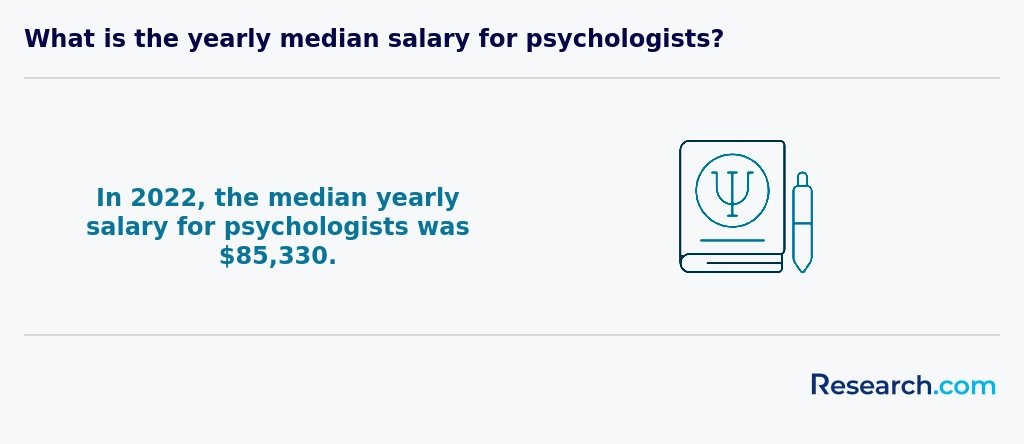
Earning a psychology degree in Waco, TX, is just the first step toward professional practice-graduates must also secure state licensure or certification to provide clinical services or use the title “psychologist.” In Texas, the two most common credentials are the Licensed Professional Counselor (LPC) and the Licensed Psychologist (LSP). Understanding these pathways ensures you meet all legal and professional standards: • Education and Degree Requirements – LPC: Master’s degree in counseling or psychology from a regionally accredited institution. – LSP: Doctoral degree (PhD or PsyD) in psychology from an APA-accredited program. • Supervised Clinical Experience – LPC: Minimum of 3,000 hours of supervised practicum and internship, with at least 1,500 hours in direct client contact. – LSP: At least 3,500 hours of supervised post-doctoral practice under a licensed psychologist. • Examinations – National Counselor Examination (NCE) or National Clinical Mental Health Counseling Examination (NCMHCE) for LPC candidates. – Examination for Professional Practice in Psychology (EPPP) for LSP applicants. • Application Process 1. Submit official transcripts and supervised-hours verification to the Texas State Board of Examiners of Psychologists or the Texas State Board of Examiners of Professional Counselors. 2. Pass background checks and ethics exams. 3. Pay application and renewal fees; maintain continuing education credits annually. For those pursuing specialized roles-such as working with children-candidates can research expected child psychologist salary benchmarks to gauge financial outcomes post-licensure and align career goals accordingly.
If you're diving into a psychology degree in Waco, financial aid can make a huge difference. Many students here lean on federal aid by filling out the FAFSA, which opens doors to grants, loans, and work-study gigs. For example, the Pell Grant is a lifesaver-some undergrads get up to $7,395 a year without having to pay it back. It's a common boost for folks attending Baylor or McLennan Community College.
On top of that, Texas has its own set of scholarships like the Texas Grant Program for those at public schools and the Texas Equalization Grant for private colleges in the area. Local scholarships pop up too, thanks to community groups and businesses in Waco and McLennan County. Psychology grads often share how checking in with financial aid offices at Baylor or Texas State Technical College uncovered these hidden gems.
Merit scholarships are another win if you're rocking a good GPA. And if you're thinking about grad school, assistantships at Baylor often come with tuition waivers and stipends, which feels like a jackpot to many psychology grad students juggling research and teaching.
Understanding the long-term value of a psychology degree in Waco, TX, requires more than comparing tuition figures-it demands a clear view of student debt, potential earnings, and time to break even. On average, psychology graduates in Texas incur about $50,000 in student loans, while in-state bachelor’s tuition in Waco hovers around $7,070 per year and private institutions average $32,954 annually. By juxtaposing these figures with median salaries-$73,080 for Human Resources Specialists, $57,760 for Clinical Research Associates, and up to $87,015 for PhD-level psychologists-you can estimate a payback period of approximately 5–7 years for bachelor’s degree holders and 3–5 years for those with graduate degrees. Key factors to optimize your ROI include:
- Program Length and Credit Requirements: Shorter programs or accelerated tracks reduce living costs and allow you to enter the workforce sooner.
- Debt Management Strategies: Seek scholarships, grants, and work-study options, and evaluate part-time roles in campus clinics or research labs to offset tuition.
- Specialization Selection: High-demand fields such as neuropsychology or industrial/organizational psychology often command higher starting salaries, shortening your payback horizon.
- Flexible Delivery Formats: Online master’s programs can lower overall expenses by eliminating relocation and commuting costs. For comparisons of affordability and ROI across southern institutions, explore our Cheapest Online Master’s in Psychology Degree Programs Ranking in the South. By conducting a personalized ROI analysis-factoring in total cost of attendance, expected entry-level salary, and career growth projections-you’ll make a financially sound choice that aligns with both your professional ambitions and budgetary constraints.
If you're thinking about jumping into a psychology degree in Waco, you'll want to get a few basics down first. For undergrads at popular schools like Baylor University, having a good high school record-usually a GPA above 2.5-is key. Taking classes in biology or social sciences before starting really helps, too. Graduates often say that those early science courses made everything click once they hit psychology-specific topics.
For master's programs around town, things get a bit tougher. You'll need a bachelor's degree, preferably in psychology or something close, with at least a 3.0 GPA. Graduates from these programs mention that having classes in statistics and research methods under their belt saved them a ton of stress. Plus, you'll probably need to submit recommendation letters and write a personal statement about your goals-these are your chance to show what really drives you.
Some schools may ask for GRE scores, but many Waco programs have recently relaxed that, making it a bit easier. Overall, the journey feels totally doable if you're prepared and passionate.

As the field of psychology continues evolving, today's students and professionals face a rapidly shifting landscape filled with innovative research directions and emerging career opportunities. Emerging trends, such as the integration of artificial intelligence in behavioral studies, the growing emphasis on digital mental health interventions, and increased demand for remote learning, are reshaping how academic programs and career paths are structured. For instance, many schools are now offering advanced courses in telepsychology and virtual counseling, which not only modernize the traditional curriculum but also open doors for practitioners to serve clients in diverse geographical areas. In line with these innovations, some institutions have expanded their offerings to include specialized tracks like clinical psychology online master's programs, which provide flexible learning environments, up-to-date research opportunities, and a pathway to meet the rising demand for mental health services in both traditional and digital settings. This evolution is bolstered by increased investments in mental health research funding and collaborative projects that bring together academia, technology experts, and clinical practitioners. Moreover, graduates equipped with skills in data analysis, digital communication, and remote service delivery are set to play a pivotal role in addressing critical community needs. By staying informed about these emerging trends, prospective students can align their educational and career goals with future market demands, ensuring their skills remain relevant and competitive in a dynamic job market.
When you dive into a psychology degree in Waco, you'll find yourself exploring some pretty interesting courses that really help you understand how people tick. For example, classes like Introduction to Psychology give you the basics-think of it as your first step into the world of human behavior and mind. Then, you move on to Developmental Psychology, where you learn about how folks grow and change from childhood to adulthood. Graduates from Waco's popular universities often mention how Abnormal Psychology helped them understand mental health in ways they never imagined before.
Courses like Cognitive Psychology will have you fascinated by how memory and decision-making work-imagine applying that to help a friend struggling with choices! Research Methods and Statistics might sound dry, but it's a favorite among many because it shows you how to actually study behavior and prove what you find. In places like Baylor University or McLennan Community College, students also get hands-on experience with research projects, making the theories come alive.
Plus, you'll find specialized courses like Social Psychology and Personality Psychology that bring real-life interactions into the classroom. These classes get you ready not just for exams, but for real-world jobs or grad school in fields like counseling or social work-all while feeling excited about the impact you can have.

If you're exploring psychology degree specializations in Waco, you'll find some pretty cool options to dive into. Many students at popular colleges here pick clinical psychology, where they learn to help people dealing with mental health struggles-think of it as training to be that supportive friend who really knows their stuff. Others go for counseling psychology, which is perfect if you're into guiding people through life's ups and downs, whether that's in schools or local community centers.
For those curious about the legal world, forensic psychology is a common pick. Graduates often say it's thrilling to combine psychology with crime solving and work with law enforcement. Then there's industrial-organizational psychology, ideal if you want to boost workplace vibes and productivity-something many Waco businesses value. Lastly, developmental psychology focuses on human growth, helping you understand people from tots to seniors.
Many grads from Waco's well-known colleges share how Waco psychology programs with specialization options let them tailor their studies to what really sparks their passion. If you want to learn more, check out this psychology degree Texas guide for insights on the best places around.
Picking the best psychology degree programs in Waco really comes down to what fits your goals and lifestyle. If you're aiming for hands-on learning, look for programs at places like Baylor University where graduates often mention great internship options that gave them real-world experience. On the flip side, affordable psychology colleges Waco TX offers, such as McLennan Community College, give solid foundational courses without breaking the bank, perfect if budget's a top concern.
Don't forget to peek at the course lineup-some students talk about how studying statistics and research methods prepared them not just for exams but for real jobs. Also, consider if the school supports your dream to work in counseling or clinical psychology-sometimes paths to licensure or grad programs make all the difference. One cool tip graduates share is to explore community engagement opportunities or fieldwork. It's like getting a sneak peek into your future career.
For anyone worried about life after school, programs here also pay attention to easing the civilian life transition. It's a big plus for veterans moving into psychology careers. Finding that balance between cost, curriculum, and career prep in Waco can set you up for success.
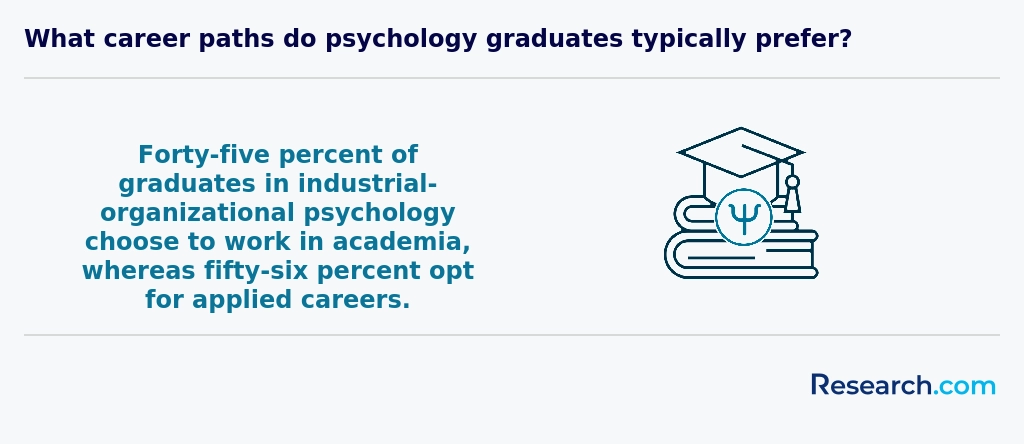
If you're thinking about psychology degree job opportunities in Waco, you've got plenty of exciting paths to explore. Many grads from Baylor University and local colleges dive into mental health roles like licensed professional counselors or school psychologists, helping people directly in clinics or schools. Imagine working with students in Waco's school districts, supporting their emotional growth-that's a fulfilling way to apply your skills.
Others find rewarding jobs in social service agencies or nonprofits, stepping in as case managers or rehab counselors. These roles let you make a real difference in people's lives while earning a solid salary. Then there are grads who take their knowledge into the business world, helping local companies with HR or training programs, which can be surprisingly fun and impactful.
Since psychology careers often need licensing, a great step is to check out the Texas psychologist application process. That's helped many Waco grads navigate their path with confidence and land rewarding jobs right here at home.

If you're wondering what the job market for psychology degree in Waco looks like, it's pretty steady and promising. Many graduates from popular local schools find work in hospitals, schools, and social services around town, which means there's a good mix of opportunities beyond just therapy roles. For example, recent grads are landing jobs in school psychology or community outreach programs, feeling excited about making a real difference close to home.
Waco's growing healthcare scene and universities really support career opportunities for psychology graduates Waco-wide, especially for those starting out with bachelor's degrees. Salaries usually start between $35,000 and $45,000 but can grow nicely with experience and further certifications. Many students find investing in a degree here worthwhile since in-state tuition tends to be affordable, typically around $8,000 to $12,000 yearly.
Plus, if you want to aim higher, checking out the best earning potential bachelor degrees can help you plan your next steps. Overall, the local market brings a nice balance of stability and growth for anyone passionate about psychology in Waco.
2027 Most Valuable Psychology Degree Programs Ranking in Waco
Investing in your education is a significant decision that can shape your future, and the Research.com team understands the importance of making informed choices. To assist prospective students in Waco, we have meticulously created the "2027 Most Valuable Psychology Degree Programs Ranking in Waco." Our dedication to quality, credibility, and accuracy is demonstrated through rigorous research and detailed analysis involved in compiling this ranking.
We utilized the following reputable data sources to ensure a comprehensive evaluation of psychology programs:
By exploring this ranking, readers will gain valuable insights into the most valuable psychology degree programs in Waco, empowering them to make well-informed educational decisions. For more details on our methodology, please visit our Research.com methodology page.

Frequently Asked Questions About psychology
Psychology degree students in Waco can maximize their learning by actively engaging in both academic and practical experiences. Local institutions like Baylor University offer access to cutting-edge research facilities and internship placements, which are crucial for hands-on learning. According to the American Psychological Association, internships significantly improve job prospects in psychology fields.
Joining campus organizations and research labs helps students develop critical skills and professional networks. Additionally, attending local psychology conferences and workshops in Waco broadens knowledge beyond textbooks.
Balancing coursework with applied experience is key. Utilizing university counseling centers for practica allows students to apply theories in real-world settings, an approach supported by recent educational studies. This combination strengthens both understanding and career readiness.
Emerging niches within the psychology field reflect the growing demand for specialized knowledge in areas influenced by social changes and technological advancements. In Waco, Texas, interest is rising in health psychology, which focuses on how psychological factors affect physical health and wellness. The field of forensic psychology is also expanding as local agencies seek experts to assist with legal cases.
Another notable niche is neuropsychology, where professionals study brain-behavior relationships, supported by Texas-based research institutions. Additionally, industrial-organizational psychology is gaining traction due to businesses in Waco aiming to improve workplace productivity and employee well-being.
According to the American Psychological Association and local job market analyses, these specialties promise strong career growth in coming years.
Preparing for the job market after earning a psychology degree in Waco involves strategic planning and skill development. Students should seek internships or practicum opportunities during their studies to gain hands-on experience in clinical, counseling, or research settings. Baylor University, a key institution in Waco, offers such placements that align with regional employment trends.
Networking with local professionals and attending psychology-related events in Waco helps build connections vital for job prospects. Additionally, obtaining relevant certifications, such as Licensed Psychological Associate or Registered Psychological Assistant, may enhance employability. According to the U.S. Bureau of Labor Statistics, psychology careers in Texas are expected to grow by 14% from 2020 to 2030, indicating positive demand for graduates.
Employers in Waco highly value psychology graduates who demonstrate strong analytical skills. These skills help graduates interpret behavioral data effectively, which is essential in clinical and organizational settings. According to the Bureau of Labor Statistics, critical thinking remains a top requirement in psychological professions nationwide, including in Texas.
Communication skills are also crucial. Graduates must clearly explain complex psychological concepts to clients or colleagues. The Waco Workforce Development Board highlights interpersonal communication as a key asset for success in the local job market.
Additionally, proficiency in research methods and familiarity with psychological assessment tools give candidates an advantage. Practical experience through internships or applied projects often differentiates applicants in Waco's competitive scene.
Finding internships in Waco related to psychology degrees involves exploring both university resources and local organizations. Baylor University, the main higher education institution in Waco, offers a dedicated psychology department that regularly connects students with internship opportunities in clinical, counseling, and research settings.
Students should contact Baylor's Career Center and academic advisors to access listings and workshops tailored to psychology internships. Local healthcare providers, including Ascension Providence Hospital and community mental health clinics, often partner with universities to offer practical experiences.
The Texas Workforce Commission and the National Association of Psychology Assistants provide additional listings useful for students seeking relevant internships in Waco. Securing internships early can enhance practical skills and improve employability upon graduation.
Obtaining a psychology degree in Waco can significantly enhance career mobility and advancement for graduates. Employers in health services, education, and social services often prioritize candidates with formal psychology training. According to the U.S. Bureau of Labor Statistics (2023), jobs related to psychology and counseling in Texas are projected to grow about 14% through 2031, faster than average. Waco's diverse economy, including Baylor University and local healthcare providers, creates opportunities for psychology graduates in research, clinical practice, and organizational roles.
Furthermore, advanced degrees in psychology are typically required for licensed clinical positions, which offer higher salaries and leadership roles. A degree from Waco-area institutions also provides valuable connections to local professional networks and internships, important for career growth.
Studying for a psychology degree in Waco equips students with skills essential for interdisciplinary roles by emphasizing both theoretical knowledge and practical applications. Local programs often incorporate collaborations with health sciences, education, and social work, reflecting the city's diverse professional landscape. Baylor University, a key institution in Waco, highlights cross-disciplinary training that prepares graduates to work alongside medical professionals, educators, and counselors. According to the Texas Higher Education Coordinating Board, Waco's psychology graduates show higher employment rates in multifaceted roles within two years after graduation. This integration fosters adaptability, critical thinking, and communication skills valued across industries in the US job market.
Choosing between a thesis and a non-thesis psychology degree program in Waco depends on your career goals and academic interests. Thesis programs focus on research, requiring students to design, conduct, and defend an original study. This path suits those aiming for doctoral studies or research careers. Non-thesis options emphasize coursework and practical experience, appealing to students targeting immediate employment in counseling, social services, or business sectors.
In Waco, universities like Baylor offer both types, with about 60% of psychology graduates opting for non-thesis routes, reflecting regional job market demands (National Center for Education Statistics, 2023). Consider your long-term plans carefully.
Students in Waco interested in studying psychology abroad have several pathways through their local universities. Baylor University, the largest institution in Waco, offers study abroad programs that sometimes include psychology courses or research opportunities in partner countries. These programs allow students to earn credits that count toward their psychology degrees.
Additionally, psychology majors can explore exchange programs facilitated by national consortia such as the Council on International Educational Exchange (CIEE), which enables U.S. students to study abroad while maintaining progress in their degrees. According to NAFSA, about 1.9% of all U.S. psychology students participate in study abroad programs, a useful benchmark for Waco students considering such options.
Financial aid and scholarships specific to study abroad for psychology students may be available through university offices or external organizations, helping to offset costs. It is important for students to consult with academic advisors and study abroad offices as early as possible to align their coursework and funding.
Students pursuing psychology degrees in Waco can find several part-time job opportunities that enhance their academic knowledge with practical experience. Local mental health clinics and counseling centers often seek assistants or interns, providing direct exposure to psychological care and patient interaction. Baylor University, a major employer in Waco, occasionally offers research assistant positions in psychology labs, ideal for students interested in data collection and analysis.
Additionally, schools and nonprofit organizations in Waco frequently hire tutors or mentors focused on youth development, which aligns well with developmental psychology studies. According to the Texas Workforce Commission, the demand for behavioral health aides in the Waco metropolitan area is projected to grow by 13% over the next decade, reflecting expanding job prospects.
Psychology students in Waco have several networking opportunities that can enhance their academic and professional growth. Baylor University, the city's main higher education institution, hosts psychology-related events, including guest lectures and career fairs, which connect students with faculty and local professionals.
The Central Texas Psychological Association often holds meetings and workshops accessible to students, offering chances to engage with practicing psychologists in the region. Additionally, students can participate in research projects and internships coordinated through university programs, providing valuable hands-on experience.
These connections are crucial for building professional contacts, seeking mentorship, and exploring job prospects in the psychology field within Texas.
Alumni networks provide valuable benefits to psychology degree students in Waco by offering access to professional connections and career opportunities. Graduates from local institutions such as Baylor University often stay active within these networks, facilitating mentorship and internship placements in the city's mental health field. Studies show that strong alumni ties can increase job placement rates by up to 25% for psychology students nationwide, according to the National Association of Colleges and Employers.
In Waco, alumni events and online platforms help students build relationships with practicing psychologists and counselors. These connections offer insights into local industry trends and guidance on graduate programs. Additionally, some employers in Waco prioritize candidates recommended through alumni referrals, enhancing students' competitiveness.
Customizing a psychology degree program in Waco allows students to align their education with specific career goals. Many institutions offer elective courses in areas like clinical, counseling, or industrial-organizational psychology, enabling tailored learning paths. Internships and research opportunities within Waco's healthcare and community organizations help build practical skills. According to the Texas Higher Education Coordinating Board, regional universities encourage personalization by allowing minors or certificates related to mental health, education, or business. Graduate programs in Waco also provide specialization tracks that cater to different professional interests, increasing job readiness in competitive fields. Exploring these options helps students meet personal and market demands.
Psychology students in Waco often encounter challenges related to balancing rigorous coursework and practical experience. Programs frequently demand extensive research participation and internships, which can be time-consuming alongside full-time study. Access to local internship placements may be limited, increasing competition among students. Financial strain is also common, with tuition and associated costs reflecting state and private institution rates, which for psychology programs in Texas average around $10,000-$20,000 per year according to the Texas Higher Education Coordinating Board.
Additionally, students must navigate diverse research methods and statistical analysis, areas many find difficult without strong math foundations. Mental health stigma in the region can limit open discussion about personal stress, affecting student well-being. These challenges are typical for psychology students in Waco preparing for careers in clinical, counseling, or research fields.
Graduates with psychology degrees in Waco can pursue several professional certifications to enhance their careers. Common options include becoming a Licensed Professional Counselor (LPC), which requires completing a master's degree, supervised clinical hours, and passing a state exam regulated by the Texas Behavioral Health Executive Council.
Another certification is the Certified School Psychologist credential through the Texas State Board for Educator Certification, suitable for those interested in educational settings. Additionally, certification as a Board Certified Behavior Analyst (BCBA) is popular for psychology graduates focusing on applied behavior analysis.
These credentials often lead to improved job prospects and can increase earning potential in the Waco job market, which reflects a steady demand for mental health professionals according to the Texas Workforce Commission statistics.
Writing a winning application for a psychology program in Waco begins with thorough research of local universities offering accredited degrees, such as Baylor University. Admissions committees in Waco often value clear academic records and relevant experience. Applicants should highlight any volunteer work or internships related to psychology, demonstrating practical interest.
Strong letters of recommendation from professors or professionals familiar with your academic and interpersonal skills are crucial. According to the American Psychological Association, applicants with research experience have a higher chance of acceptance. Make sure your personal statement clearly explains why you want to study psychology in Waco and how it fits your career goals.
Psychology careers in the United States, including Waco, reflect a global interest in mental health and human behavior. According to the U.S. Bureau of Labor Statistics, psychology roles are expected to grow 8% from 2021 to 2031, faster than average. This demand aligns with rising awareness worldwide about mental health. Waco benefits from this trend with universities such as Baylor University offering accredited psychology programs that prepare students for both local and international opportunities.
Global perspectives emphasize diverse specializations, from clinical psychology to industrial-organizational psychology. US degrees are often recognized abroad, enabling graduates to participate in international research or practice. For students in Waco, understanding these trends supports informed decisions about their psychology education and career pathways.
Gaining practical experience while studying for a psychology degree in Waco involves several accessible options. Many local institutions, including Baylor University, offer internship programs connected to nearby hospitals, counseling centers, and social service agencies. These opportunities allow students to apply classroom knowledge in real-world settings, enhancing their clinical and research skills.
Additionally, volunteer work in Waco's mental health organizations can provide valuable hands-on experience and networking. Students may also participate in faculty-led research projects at their universities, which is crucial for building a strong résumé.
According to the Texas Higher Education Coordinating Board, participation in internships improves job placement rates for psychology graduates in Texas by over 20%.
Choosing the right concentration in a psychology degree program in Waco involves understanding your career goals and interests within psychology. Popular concentrations often include clinical, counseling, developmental, and industrial-organizational psychology. Each offers different career paths, such as mental health services, research, or workplace psychology.
Research local employment trends and licensure requirements in Texas to find fields with strong job growth. The Bureau of Labor Statistics projects a 14% growth for psychologists nationwide from 2022 to 2032, and Waco's increasing healthcare facilities may boost demand for clinical psychologists.
Visiting local universities in Waco and speaking with advisors can clarify program strengths and specialization opportunities. Consider internships or volunteer roles to gain firsthand experience, helping refine your focus within the field.
- 2027 Most Valuable Psychology Degree Programs Ranking in Tulsa
- 2027 Most Valuable Psychology Degree Programs Ranking in Baton Rouge
- 2027 Most Valuable Psychology Degree Programs Ranking in Springfield
- 2027 Most Valuable Psychology Degree Programs Ranking in Hattiesburg
- 2027 Most Valuable Psychology Degree Programs Ranking in Mobile
- 2027 Most Valuable Psychology Degree Programs Ranking in Birmingham
- 2027 Most Valuable Psychology Degree Programs Ranking in Saint Louis
- 2027 Most Valuable Psychology Degree Programs Ranking in Montgomery
- 2027 Most Valuable Psychology Degree Programs Ranking in Lincoln
- 2027 Most Valuable Psychology Degree Programs Ranking in Denver
See What Experts Have To Say About Studying Psychology
Read our interview with Psychology experts

Robin M. Kowalski. Ph.D.
Psychology Expert
Professor of Psychology
Clemson University

Elizabeth L. Jeglic Ph.D.
Psychology Expert
Professor of Psychology
City University of New York

Joann Farrell Quinn, Ph.D., MBA
Psychology Expert
Director at the College of Medicine Department of Medical Education
Morsani College of Medicine

- Best Types Of Online Psychology Degrees 2025 https://www.psychology.org/degrees/
- Why Get a Psychology Degree Online? | University of Bridgeport https://www.bridgeport.edu/news/reasons-to-get-your-psychology-degree-online/
- Psychology - SWPS University https://english.swps.pl/academics/warsaw/ba-programs/psychology
- Ontario Psychological Association - Networking and Community Resources https://www.psych.on.ca/become-a-member-(1)/member-services/networking-and-community-resources
- Study Psychology Abroad | Go Overseas https://www.gooverseas.com/study-abroad/psychology
- Know more about thesis vs non- thesis: what is the difference? https://studyfans.com/en/blogs/816
- Mental Health Challenges Faced by Psychology Students | The Healthcare Guys https://healthcareguys.com/2023/11/23/mental-health-challenges-faced-by-psychology-students/
- How to help students cope with mental health challenges https://www.eaie.org/resource/help-students-cope-mental-health-challenges.html
- 2023-2024 AA.PSYC.FOS | Degree Plans | McLennan Community College https://web.mclennan.edu/degree-plans/plan/2023/aa-psyc-fos
- Sample letters in psychology https://www.mystudies.com/en-in/human-and-social-sciences/psychology/letter-model/


