
2027 Best Psychology Degree Programs Ranking in Normal

Co-Founder and Chief Data Scientist
Choosing the right psychology degree program is a big step toward a rewarding career. This article introduces the 2027 Best Psychology Degree Programs Ranking in Normal, created by the Research.com team of data scientists to guide you in making an informed decision.
By exploring this ranking, you'll discover which programs truly stand out in quality and support. Pursuing a psychology degree opens doors to understanding human behavior and making a positive impact. This guide is designed to help you find the program that fits your goals and inspires your passion for learning.
Key benefits of getting psychology degree in Normal
- Salary for psychology degree graduates: Careers like Human Resources Specialists earn a mean annual wage of $76,060, while Marketing Research Analysts make around $83,190, showing promising financial rewards for psychology grads.
- Career paths: Graduates from thriving universities in Normal can pursue roles such as Clinical Research Associates or Survey Researchers, enjoying diverse opportunities in healthcare, marketing, and social services.
- Benefits of online degrees: Earning a psychology degree online from a respected Normal institution offers flexible schedules and personalized learning, making it easier to balance studies with work or family life.
- 2027 Best Psychology Degree Programs Ranking in Normal
- What can I expect from psychology degree in Normal?
- Where can I work with psychology degree in Normal?
What can I expect from psychology degree in Normal?
The average cost of earning a psychology degree in Normal, Illinois, is notably accessible, especially at Illinois State University, the main local institution. In-state undergraduate tuition and fees hover around $14,000 per year, a price point that many students find manageable when paired with scholarships or financial aid. Graduates often recall the relief of balancing reasonable costs with high-quality education, helping them focus on clinical training and research opportunities without excessive financial stress.
Graduate programs, including the Master of Arts and Ph.D. tracks, typically involve higher expenses but are frequently offset by assistantships and campus partnerships. Students report feeling motivated by how these financial supports allow deep engagement in supervised clinical experiences and faculty-led research, essential for licensure and career readiness in psychology.
As Normal's job market grows, students envision their investment as a stepping stone to fulfilling careers in mental health or education. This practical affordability combined with immersive programs at ISU makes pursuing psychology here an encouraging prospect for future professionals.
Where can I work with psychology degree in Normal?
Psychology graduates in Normal often find fulfilling roles across healthcare, education, and community services, tapping into the city's rich network of institutions. Many local graduates gain hands-on experience working in nearby hospitals or clinics, such as OSF HealthCare St. Joseph Medical Center, where they support mental health programs as behavioral health technicians or psychological assistants. These positions not only build practical skills but also inspire confidence in applying psychology concepts to real patient care.
Educational settings are another vibrant avenue, with schools like Unit 5 and Normal Community hiring graduates to assist with student counseling and special education. Many recent degree holders feel a rewarding connection working in classrooms or school programs, directly impacting young lives while continuing their professional growth.
Illinois State University graduates often describe exciting opportunities working as research assistants or academic staff within the psychology department, deepening their understanding of behavioral science while preparing for advanced degrees. Additionally, local nonprofits offer roles in community outreach and counseling, where graduates find purpose driving mental health initiatives and youth support programs.
Given the rising demand for psychology professionals in the Bloomington-Normal area, students can expect expanding job markets and promising career paths that blend academic knowledge with compassionate service.
Graduates from psychology programs in Normal often find diverse earning opportunities aligned with their education level and career choice. For entry-level roles like childcare worker or clinical research associate, starting salaries hover around $32,000 to $62,000 annually, reflecting positions common for those who recently completed bachelor's degrees at institutions such as Illinois State University.
Many psychology graduates leverage their skills into roles like human resources specialists or marketing research analysts, where mean wages climb to approximately $76,000 and $83,000 per year respectively. These figures indicate strong prospects for those willing to apply psychological knowledge in business and corporate settings within Normal's growing economy.
Graduates pursuing advanced degrees often report increased satisfaction as they enter specialized roles. For example, clinical research associates and survey researchers earn near $62,000 annually but with further licensure or experience, salaries tend to improve, enhancing professional fulfillment.
One recent graduate describes transitioning from campus internships at local colleges into a fulfilled career conducting impactful surveys, pleased with both the salary and meaningful work serving community needs in the Bloomington-Normal area.
With these opportunities, psychology students in Normal can anticipate evolving career paths that blend stable income with personal growth and community impact.
- Psychology degrees in Normal, Illinois, are available at reputable institutions with programs for undergraduate and graduate students.
- Tuition costs vary from $12,000 to $18,000 per year at public universities for in-state students and $25,000 to $30,000 per year at private institutions.
- Additional expenses like textbooks, lab fees, and living costs should be considered for the typical four-year bachelor's program.
- Entry-level psychology salaries in Normal range from $40,000 to $50,000 annually, while advanced degrees can lead to salaries between $70,000 and $90,000 or higher.
- The job market for psychology careers in Normal is growing steadily with demand in clinical psychology, counseling, social work, and school psychology roles.
- Internships and practicum experiences are often required and important for gaining practical skills in accredited psychology programs.
Completing a psychology degree in Normal generally takes about four years for a bachelor's, similar to many U.S. institutions. Graduates from well-known local universities often share how the manageable course load and engaging internships create a rewarding yet intensive experience. Imagine balancing a full semester while collaborating with peers on hands-on research projects that deepen your understanding and boost your confidence.
Master's programs in Normal typically add two more years, where students describe the excitement of specializing and building connections with faculty through thesis work. These years, rich in exploration, often feel like a transformative journey toward professional clarity.
Doctoral candidates, meanwhile, embrace a longer commitment of five to seven years, often recalling the intense, yet fulfilling periods of research, internships, and practical training that prepare them for impactful careers in clinical or academic settings in Normal.
Future trends may ease these timelines through flexible, hybrid learning models, letting students adapt pace according to their lifestyle without sacrificing quality-something current students eagerly anticipate.
As the field of psychology continues to evolve, emerging specialized areas are gaining traction and offering exciting, niche career opportunities. One such area is sports psychology, where professionals apply psychological principles to enhance athletic performance, manage stress, and improve teamwork. With advances in technology and increased emphasis on mental health in sports, graduates can leverage these skills to navigate a competitive job market while enjoying attractive compensation; for instance, understanding the sports psychology job salary can provide valuable insights into potential earnings. Additionally, this specialization often integrates research, counseling, and performance enhancement strategies, equipping professionals with a diverse skill set adaptable to various roles in collegiate, professional, and community sports settings. This trend reflects a broader shift towards more personalized and performance-oriented applications of psychology, making it a promising avenue for those looking to carve out a meaningful and rewarding career in the ever-expanding landscape of psychological sciences.
Students pursuing psychology degrees in Normal often find on-campus programs at Illinois State University offer a vibrant, immersive environment with face-to-face interactions that foster a strong sense of community. Graduates describe lively classroom debates and hands-on practicum experiences as key to deepening their understanding of psychological concepts. The constant access to professors and peers creates an energizing atmosphere that motivates consistent engagement.
Conversely, online programs appeal to many for their flexibility. Graduates balancing work or family appreciate being able to study on their own schedules through dynamic virtual platforms. The ability to access recorded lectures and participate in online discussions allows for tailored learning paths that fit diverse lifestyles. Though securing local internships independently can present challenges, many students value the autonomy and adaptability this path offers.
Looking ahead, hybrid models may blend the best of both worlds in Normal, combining logistical ease with occasional on-campus networking and practical opportunities. This emerging trend reflects a broader shift towards personalized education experiences that accommodate evolving student needs.
When considering a psychology degree in Normal, IL, affordability is a crucial factor, as tuition costs can vary significantly between institutions. Prospective students should research the average tuition fees for psychology programs in their area and explore financial aid options, such as scholarships and grants, to help fund their education. For those looking for the most affordable options, searching for the cheapest psychology school in illinois can be a good starting point. Additionally, understanding the potential return on investment, including salary expectations for psychology graduates in Normal, IL, can help students make informed decisions about their educational and career paths. By weighing these factors, students can find a psychology program that aligns with their financial situation and career aspirations, ultimately paving the way for a successful and fulfilling academic journey.
The average cost of a psychology degree in Normal reflects a balance between affordability and quality education. Based on recent figures, the median total cost for completing a psychology degree stands around $41,234. In-state students at popular institutions like Illinois State University experience a notably lower median cost near $16,144, making the path to a psychology degree more accessible and encouraging for local students. Graduates often share how managing tuition alongside living expenses shaped their college experience, with many appreciating the value offered by local programs.
Psychology degree tuition and fees Normal tend to be competitive when compared to national averages. Students planning their finances find it helpful to anticipate around $9,000 to $13,500 annually for additional fees, textbooks, housing, and personal costs, which often influence overall budgeting decisions. These figures highlight the importance of considering both tuition and living expenses when exploring psychology education in Normal.
For those who dream about advancing their qualifications, pursuing graduate education may double financial commitments but also opens doors to assistantships or scholarships, often easing the financial burden. Many students balance these higher costs with optimism, viewing education as an investment in their future careers.
Financial aid plays a key role, and emotional relief comes from knowing federal grants, loans, and scholarships specifically tailored for psychology studies are readily available. Students curious about future career paths frequently inquire about how to become a licensed counselor in Nevada, blending professional goals with their educational journey.
By understanding the average cost of psychology degree in Normal and planning early, prospective students foster confidence and a positive outlook toward achieving their academic and professional ambitions in this vibrant academic community.

After graduation, aspiring psychologists in Illinois must complete specific steps to practice independently:
- Earn an APA-accredited graduate degree (master’s or doctorate) in psychology.
- Accumulate at least 3,000 post-degree supervised hours under a licensed psychologist.
- Pass the national Examination for Professional Practice in Psychology (EPPP).
- Submit your application, transcripts and fees to the Illinois Department of Financial and Professional Regulation.
- Fulfill continuing education: 20 hours every two years to renew your license.
Many candidates streamline coursework and licensure preparation by combining local practicum placements with flexible online classes from the cheapest online degree in psychology.
Psychology students in Normal often find financial aid options crucial for managing expenses at institutions like Illinois State University. Graduates recall how federal aid, especially Pell Grants up to $7,395, provided essential relief during their studies. Many have navigated the FAFSA process early, unlocking access to grants, low-interest federal loans, and work-study programs that blend earning with relevant experience on campus.
Looking ahead, state-funded programs such as Illinois' Monetary Award Program (MAP) remain a cornerstone, helping in-state students offset tuition costs effectively. Students in Normal report that combining MAP grants with merit-based scholarships tailored specifically to psychology majors at their universities often made a tangible difference, easing financial stress while encouraging academic excellence.
Innovations in local nonprofit scholarships and psychology associations' stipends also enhance opportunities, fueling optimism about future support avenues. As more students engage with campus financial aid offices, the personalization of aid packages grows, suggesting a promising trend towards more accessible, tailored funding solutions for psychology undergraduates in Normal.
Navigating the path to practice as a psychology professional in Illinois requires understanding state-specific licensure steps. First, most careers in clinical or counseling psychology demand a graduate degree: a master’s for counseling roles or a doctoral degree for licensed psychologists. Applicants must complete an accredited program, accruing at least 3,000 hours of supervised clinical experience-typically divided between pre-doctoral and post-doctoral internships. Next, candidates sit for the Examination for Professional Practice in Psychology (EPPP), administered by the Association of State and Provincial Psychology Boards. Illinois also requires a state jurisprudence exam covering local statutes and ethical guidelines. Upon passing both tests and verifying supervised hours with the Illinois Department of Financial and Professional Regulation (IDFPR), individuals receive licensure to practice independently. For those pursuing a career as a licensed counselor-often a faster route than the doctoral track-a specialized mental health counselor degree program can fulfill academic prerequisites. Graduates then complete 3,000 hours of supervised clinical work under a Board-approved supervisor and pass the National Counselor Examination (NCE) or National Clinical Mental Health Counseling Examination (NCMHCE). Maintaining licensure in Illinois involves biennial renewal and 40 hours of continuing education, including ethics and evidence-based practice courses. Understanding these requirements early ensures you select a psychology program that aligns with your long-term licensure goals and accelerates your path to professional practice.
Students aiming to enroll in psychology programs in Normal often find that a solid academic foundation is essential. Graduates from Illinois State University recall how their strong backgrounds in biology and social sciences made early courses like introductory psychology and statistics more approachable, helping them build confidence right away. The usual minimum GPA expectation hovers around 2.5 to 3.0, which sets a realistic but motivating benchmark for incoming students.
Many undergraduates appreciate how prerequisite classes sharpen critical thinking before fully committing to the major. Those who embraced these courses reported feeling more prepared and excited as they navigated research methods, turning abstract concepts into practical skills applicable beyond the classroom.
Graduate hopefuls in Normal recognize that having a bachelor's degree with a GPA near or above 3.0 opens doors to advanced study. The added requirements of recommendation letters and personal statements allow applicants to express their passion for psychology uniquely, often sparking pride and a sense of accomplishment as they reflect on their journeys.
Increasingly, psychology students in Normal are encouraged to seek hands-on experiences like internships. These opportunities offer a rewarding way to connect theory with real-world practice, fueling enthusiasm for future careers in mental health and research.

To practice psychology in Illinois, you must meet state licensure criteria. Consider an accelerated psychology degree to complete educational requirements more quickly. Key steps include:
- Earn a doctoral degree from an APA-accredited psychology program.
- Complete approximately 3,360 hours of supervised clinical experience.
- Pass the national Examination for Professional Practice in Psychology (EPPP) and the Illinois Jurisprudence Examination.
- Submit your application, fees, and supporting documentation to the Illinois Department of Financial and Professional Regulation.
Psychology degree programs in Normal typically include a blend of foundational and specialized courses designed to equip students with practical and theoretical knowledge. For example, graduates from local universities often recall how their Introduction to Psychology classes illuminated core concepts like cognitive and developmental psychology, setting the stage for deeper learning. These courses often come alive through interactive lectures and community-focused projects unique to Normal's academic environment.
Many students find Research Methods and Statistics particularly empowering, as these classes teach essential skills to design experiments and analyze data accurately-abilities that are highly valued in today's evidence-driven society. At Normal colleges, hands-on opportunities with local population studies make these courses engaging and relevant.
Specialized classes such as Abnormal Psychology and Social Psychology frequently inspire students, offering insights into real-world applications such as mental health counseling or social behavior analysis. Graduates often describe their internship experiences in nearby clinics and schools as transformative, blending classroom knowledge with meaningful community impact.
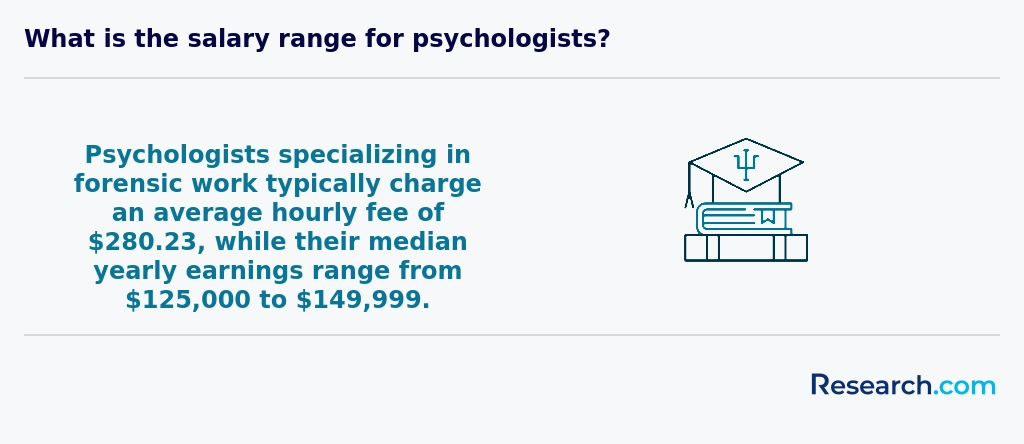
Students pursuing a psychology degree in Normal often explore a wide array of specializations that align with their career goals and personal interests. Popular types of psychology programs in Normal include Clinical Psychology, which prepares graduates to diagnose and treat mental health issues-a path many find rewarding after gaining hands-on experience in community clinics around Illinois State University. Counseling Psychology remains another sought-after option, offering opportunities to support emotional well-being in educational or community settings, echoing experiences shared by recent graduates from local colleges.
Emerging focus areas like Industrial-Organizational Psychology attract students eager to influence workplace culture and productivity, reflecting shifts in business priorities post-pandemic. Meanwhile, Developmental and Forensic Psychology provide engaging avenues for those passionate about human growth or the legal interplay with mental health. Excitingly, Health Psychology is gaining traction, supported by innovative research from Normal's institutions that combine behavioral science with wellness promotion. Those planning to deepen their expertise often consider pathways requiring additional credentials, making it useful to consult resources like the Georgia psychology licensing board for guidance.
Choosing the best psychology degree in Normal today means looking beyond just curriculum; imagine graduates who found their ideal programs because they balanced affordability with hands-on learning. Many students gravitate toward Illinois State University, known for its strong faculty and research opportunities that spark a genuine passion for psychology. These programs often offer local internships and practicum placements, allowing students to gain real-world experience in Normal's healthcare and community organizations, which greatly enhances career readiness. This practical exposure also fuels positive emotions like confidence and excitement about future paths.
Affordability plays a key role, making affordable psychology colleges Normal IL essential when deciding. Students frequently share how thoughtful budgeting for tuition and extra costs led to less stress and more focus on mastering course material and engaging in campus life. Accreditation remains crucial; programs endorsed by recognized bodies provide assurance of quality and smooth transitions into graduate studies or careers.
Looking ahead, emerging trends favor flexible learning modes. For those balancing work or family, exploring PhD in psychology online programs accredited may open new possibilities in Normal, combining convenience with rigorous training. By weighing these factors, prospective students can find a psychology degree program that truly fits their goals and lifestyle.
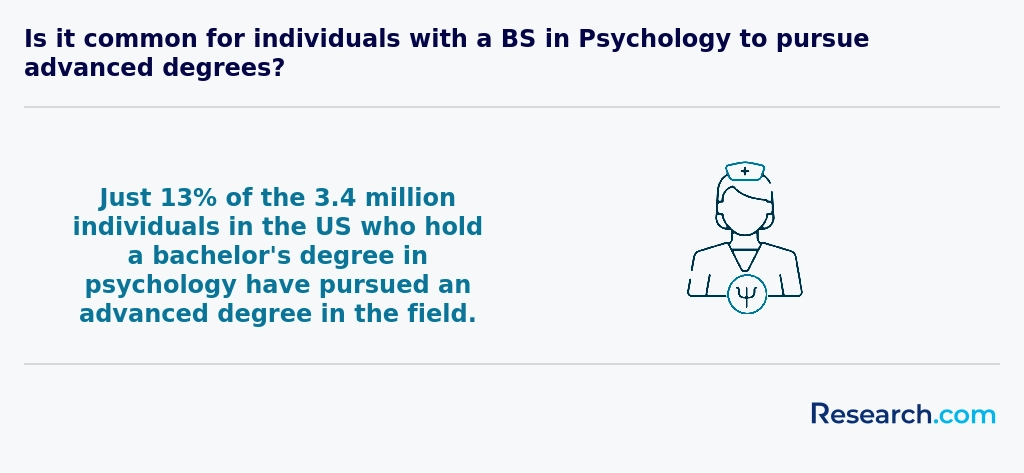
Graduates holding a psychology degree in Normal find themselves at the crossroads of diverse career options with psychology degree in Normal that extend far beyond traditional clinical roles. Many alumni from Illinois State University share how their training enabled them to thrive as psychological assistants and school counselors, supporting local community mental health efforts. As mental health awareness grows, so do opportunities in educational environments where specialists engage directly with students to foster well-being and resilience.
Increasingly, psychology graduates are drawn to emerging sectors like human resources and market research, applying behavioral insights to improve workplace dynamics and consumer experiences. Research assistant roles at Normal's universities provide hands-on involvement in innovative studies, igniting passions for academic careers or specialized fields such as neuropsychology.
The affordability of a degree here, especially at the cheapest psychology school in illinois, encourages many to pursue this path with optimism, knowing that their investment unlocks a future in varied and meaningful professions.

The psychology degree job outlook in Normal is shaped by a steady rise in demand fueled by local institutions like Illinois State University, which offers strong internship programs and research opportunities. Graduates often share enthusiasm about landing roles in mental health support and educational assistance, benefiting from a community that values applied psychology skills. The presence of healthcare centers, such as Advocate BroMenn Medical Center, creates openings in rehabilitation counseling and behavioral health fields, encouraging recent graduates to pursue certifications and clinical experiences.
Employment opportunities for psychology graduates in Normal expand as students connect with local professional networks and university career services. Many graduates recount how these resources helped them secure positions in social services or human resources, where they apply psychological principles every day. While some begin in entry-level roles, the outlook improves with further education or specialization, including options like sports psychology job salary pathways. This evolving market suggests a positive trajectory for those invested in psychology degrees here.
2027 Best Psychology Degree Programs Ranking in Normal
Investing in your education is a significant decision that can shape your future, and the Research.com team understands the importance of making informed choices. To assist prospective students in selecting the best psychology programs in Normal, we have meticulously crafted the "2027 Best Psychology Degree Programs Ranking in Normal." Our commitment to quality, credibility, and accuracy is reflected in the extensive research and analysis conducted to compile this ranking.
We utilized the following reputable data sources to ensure a comprehensive evaluation of psychology degree programs:
By exploring this ranking, readers will gain valuable insights into the best psychology degree programs available in Normal, allowing them to make well-informed decisions about their educational futures. For more detailed information on how the ranking was created, please visit our Research.com methodology page.

Frequently Asked Questions About psychology
Psychology degree students in Normal can enhance their learning by actively engaging in both coursework and practical experiences. Enrolling in internships or research projects offered through local universities, such as Illinois State University, helps apply theoretical knowledge in real-world settings. According to the National Center for Education Statistics, 65% of psychology undergraduates who participate in research have higher employment rates post-graduation.
Students should also join psychology clubs or organizations to network with peers and professionals. Attending local workshops or seminars on mental health provides deeper insight into current trends and practices. Utilizing campus resources, like tutoring centers and counseling services, fosters academic and personal growth, further maximizing the educational experience.
The field of psychology in Normal is expanding into several emerging niches responding to societal and technological changes. One rapidly growing area is neuropsychology, which studies brain-behavior relationships using advanced imaging technologies. Local institutions, including Illinois State University, increasingly offer specialized training in this area.
Another notable niche is health psychology, focusing on how psychological factors affect physical health. With rising healthcare demands in Normal, professionals skilled in this domain are sought after. Industrial-organizational psychology is also gaining traction, as businesses in the area seek experts to improve workplace productivity and employee well-being.
Additionally, forensic psychology is growing due to collaborations between psychology programs in Normal and regional law enforcement agencies.
According to the Bureau of Labor Statistics, employment opportunities in these specialties are projected to grow by 14% nationally through 2030, reflecting similar trends in Normal's regional job market.
After completing a psychology degree in Normal, preparing for the job market involves several key steps. Students should seek internships or practicum opportunities early, as these provide practical experience valued by employers. According to the Bureau of Labor Statistics, relevant experience increases hiring chances by over 40% for psychology-related roles. Networking within local organizations like the Illinois Psychological Association can connect graduates with job openings and professional mentors.
Additionally, consider gaining certifications or specialized training in areas such as clinical or counseling psychology to enhance qualifications. Tailoring your resume and practicing interviews with career services at nearby universities like Illinois State University can improve job prospects. Staying informed about industry trends also helps graduates align their skills with market demand.
Employers in Normal highly value psychology degree graduates who demonstrate strong critical thinking and analytical skills. These abilities enable professionals to assess complex behavioral data effectively, a necessity in clinical and research settings.
Communication skills are equally crucial. Graduates must convey psychological concepts clearly to clients, colleagues, and stakeholders. According to the Bureau of Labor Statistics, effective communication significantly impacts job performance in counseling and social service roles.
Additionally, proficiency in ethical decision-making is essential, given the sensitive nature of psychological work. Knowledge of local and federal regulations ensures compliance and protects client confidentiality.
Research competency also distinguishes graduates. Familiarity with statistical software and experimental design is often required by employers in Normal's growing healthcare and academic sectors. The Illinois Department of Employment Security notes increasing demand for these skills in mental health careers.
Finding internships in Normal related to a psychology degree involves targeted research and preparation. Students should start by exploring local organizations such as McLean County Behavioral Health, which often offer internship opportunities in mental health services. Illinois State University's Psychology Department regularly shares placements with nearby clinics and schools, enhancing practical experience for students.
Networking is crucial; attending local psychology conferences or joining the Illinois Psychological Association can connect students with professionals. Additionally, platforms like Handshake and the National Students' Psychology Association list internships specific to Normal and central Illinois.
Many internships are unpaid but provide valuable experience needed for graduate school or licensure. It is advisable to apply early, as most programs for psychology students in Normal fill quickly.
A psychology degree in Normal provides a strong foundation for career mobility within the local job market. Graduates often find opportunities in counseling, social services, education, and human resources, sectors that are growing steadily in the area. According to the U.S. Bureau of Labor Statistics, employment for psychologists and related roles nationwide is projected to grow 8% from 2022 to 2032, reflecting similar trends in Illinois.
In Normal specifically, employers increasingly value the critical thinking and interpersonal skills developed through psychology programs. This enhances advancement potential beyond entry-level positions.
Furthermore, pursuing advanced degrees, such as a master's or doctorate, is often necessary for licensure and higher-paying roles in clinical or research settings locally.
Studying for a psychology degree in Normal equips students with interdisciplinary skills essential for diverse career paths. Programs in this area often integrate courses in sociology, biology, and statistics, reflecting the interconnected nature of behavioral science. According to Illinois State University, a major institution in Normal, psychology majors engage in research methods and data analysis, preparing them for roles in health care, education, and human resources.
The curriculum emphasizes critical thinking and communication, enabling graduates to collaborate across fields such as social work, public health, and business. This broad academic foundation aligns with workforce trends showing growing demand for professionals skilled in multiple disciplines. Local internships and community partnerships also enhance practical experience.
When choosing between a thesis and a non-thesis psychology degree program in Normal, students should consider their career goals and academic interests. Thesis programs require original research and a written dissertation, preparing students for doctoral studies or research-focused roles. Non-thesis programs emphasize coursework and practical application, often including internships, which suit those aiming for immediate professional practice.
According to the Illinois Board of Higher Education, about 60% of psychology grad students in Normal opt for thesis tracks, reflecting the region's strong research tradition. Cost, program length, and faculty expertise also influence decisions.
Students should consult academic advisors to assess which format aligns best with their ambitions.
Students based in Normal interested in studying psychology abroad have several avenues to explore. Many universities in Normal, such as Illinois State University, offer partnerships with international institutions that allow psychology majors to participate in exchange programs. These programs often include destinations in Europe, Asia, and Australia, enhancing cultural and academic experiences.
Another option includes enrolling in study abroad programs specifically designed for psychology students, focusing on topics like cross-cultural psychology or global mental health. According to the Institute of International Education, approximately 15% of psychology majors nationwide engage in study abroad, reflecting growing interest in global perspectives.
Additionally, Normal-based students can seek dual-degree or joint programs that combine domestic study with overseas coursework, often credited toward their psychology degree requirements. Such opportunities provide exposure to diverse psychological theories and practices, valuable for future careers or graduate study.
Students pursuing psychology degrees in Normal can benefit from several part-time job opportunities that align with their academic interests. Local healthcare facilities, such as Advocate BroMenn Medical Center, often seek part-time mental health aides or patient support assistants, providing practical experience in clinical settings.
Campus positions at Illinois State University, including research assistant roles within the Department of Psychology, offer hands-on training in experimental design and data analysis. These roles help students apply classroom knowledge to real-world research projects.
Additionally, local nonprofit organizations focusing on mental health services sometimes hire part-time counselors or outreach workers, which can enhance interpersonal and counseling skills vital for psychology careers. According to the Bureau of Labor Statistics, gaining relevant experience increases employability in the psychology field nationwide.
Psychology students in Normal have several networking opportunities that can enhance their educational and career prospects. Illinois State University, the primary institution in Normal offering psychology degrees, hosts events such as career fairs and speaker series where students can meet professionals and alumni actively working in the field.
Students can also join the Psi Chi International Honor Society in Psychology, which offers local chapters promoting networking through workshops and conferences. Additionally, internships and research assistant positions provide valuable connections with faculty and local mental health organizations.
The Central Illinois area supports a community of psychology practitioners, and student membership in regional professional associations offers access to seminars and mentorship programs. In 2023, nearly 60% of psychology undergraduates at Illinois State reported participation in at least one networking or professional development activity, according to the university's career services data.
Alumni networks offer significant advantages for psychology degree students in Normal by providing valuable professional connections. Graduates from Illinois State University, one of the city's primary institutions, benefit from an extensive alumni community known for active engagement in psychology fields. Through these networks, students gain access to internships, job opportunities, and mentorship programs tailored to local employers and research facilities.
Research by the National Association of Colleges and Employers shows that 85% of jobs are filled via networking, highlighting the importance of alumni connections. In Normal, this is especially relevant due to the city's focus on mental health services and educational psychology, allowing students to connect with professionals in these sectors directly.
Additionally, alumni events and workshops hosted locally encourage skill-building and knowledge sharing. This ongoing support makes it easier for students to transition from academic settings into competitive psychology careers within the region's growing healthcare and educational institutions.
Customizing a psychology degree program in Normal allows students to align their education with specific career ambitions. Many institutions offer elective courses and concentration options such as clinical psychology, counseling, or industrial-organizational psychology. According to the Illinois Board of Higher Education, Normal-area colleges like Illinois State University provide flexible curricula enabling students to choose internships and research projects relevant to their goals.
Students should also consider programs with strong local partnerships for practical experience in mental health clinics or schools. These opportunities enhance applied skills and networking, essential for career advancement. Tailoring your coursework and experiential learning can significantly improve readiness for graduate study or professional roles in Normal's psychology field.
Psychology students in Normal often face several common challenges throughout their studies. One key issue is balancing rigorous coursework with practical experience. Many programs require internships or research participation, which can be time-consuming alongside class obligations. According to data from Illinois State University, students report difficulty managing these concurrent demands without strong time management skills.
Another challenge involves mastering complex theories and diverse research methods. Students must become proficient in statistics and experimental design, which can be barriers for those without a strong math background. Furthermore, competition for limited internship placements in local clinics and organizations presents additional hurdles.
Financial stress also impacts many students. A survey by the National Center for Education Statistics shows that psychology majors frequently rely on loans or part-time jobs, which may affect academic performance. Understanding these challenges helps prospective students prepare realistically for their academic journey in Normal.
With a psychology degree in Normal, you can pursue several professional certifications to enhance your career prospects. Common certifications include becoming a Licensed Professional Counselor (LPC), Certified Alcohol and Drug Counselor (CADC), or a Board Certified Behavior Analyst (BCBA). These credentials often require additional supervised experience and passing specific exams.
For example, the LPC credential is regulated by the Illinois Department of Financial and Professional Regulation, which oversees qualifications for professionals practicing in Normal. According to the Illinois Counseling Association, earning such certifications can increase job opportunities and earning potential locally.
Other relevant certifications include Certified School Psychologist or Certified Rehabilitation Counselor, both valuable in Normal's various educational and healthcare settings.
To write a winning application for a psychology program in Normal, start by thoroughly researching the specific requirements of local universities such as Illinois State University. Highlight academic excellence, especially in psychology and related subjects like biology and statistics. Admissions committees often look for a GPA of 3.0 or higher, though competitive applicants typically exceed this.
Include a well-crafted personal statement explaining your motivation for studying psychology and how you plan to contribute to the field. Use clear examples of any relevant experience, such as internships or volunteer work in mental health settings.
Strong letters of recommendation from professors or professionals familiar with your skills can significantly enhance your application. Finally, prepare for any standardized tests required, like the GRE, aiming for scores above the program averages where applicable.
Psychology careers in the United States, including Normal, IL, offer a unique global perspective shaped by American educational standards and healthcare regulations. The US Bureau of Labor Statistics projects a 8% growth in psychology jobs nationally from 2021 to 2031, reflecting steady demand. In Normal, local universities align with these trends by preparing students for diverse fields such as clinical, counseling, and industrial-organizational psychology.
Globally, psychology careers emphasize cultural competence and ethical practice, which are integrated into US programs. Many students in Normal can access internships and research opportunities that connect them with international psychological studies and methodologies.
Because of the US's leadership in psychological research, degrees earned here often hold strong recognition worldwide, facilitating careers both locally and abroad.
Gaining practical experience while studying for a psychology degree in Normal is essential for career readiness. Many local colleges and universities offer internships through partnerships with healthcare facilities, schools, and community organizations. For example, Illinois State University provides psychology students with placement opportunities in counseling centers and research labs.
Volunteer work is another valuable option. Students can assist at local mental health clinics or participate in ongoing research projects, often gaining hands-on skills in data collection and analysis. According to the Illinois Board of Higher Education, over 40% of psychology undergraduates in the state engage in internships or practicum experiences before graduation.
Joining psychology clubs or honor societies can also create networking opportunities with professionals who offer mentorship or job shadowing. Finally, many programs require a capstone or senior project involving real-world applications, which strengthens practical understanding and employability.
Choosing the right concentration within a psychology degree program in Normal involves evaluating your interests and career goals. Common concentrations include clinical, counseling, developmental, and industrial-organizational psychology. Each specializes in different settings and skill sets. For example, clinical psychology focuses on diagnosing and treating mental health issues, while industrial-organizational psychology applies psychological principles to workplace environments.
Consider the local job market in Normal, where demand for clinical and counseling psychologists aligns with Illinois Department of Employment Security data showing steady growth in healthcare professions. Research specific programs' curriculum and faculty expertise to ensure they offer concentrations that match your goals.
Additionally, accreditation by the American Psychological Association (APA) is important for programs emphasizing clinical training. Exploring internships or practicum opportunities in Normal also helps you gain practical experience to better decide on a concentration.
- 2027 Best Psychology Degree Programs Ranking in Chicago
- 2027 Best Psychology Degree Programs Ranking in Saint Louis
- 2027 Best Psychology Degree Programs Ranking in Indianapolis
- 2027 Best Psychology Degree Programs Ranking in Notre Dame
- 2027 Best Psychology Degree Programs Ranking in Fort Wayne
- 2027 Best Psychology Degree Programs Ranking in Louisville
- 2027 Best Psychology Degree Programs Ranking in Kansas City
- 2027 Best Psychology Degree Programs Ranking in Springfield
- 2027 Best Psychology Degree Programs Ranking in Detroit
- 2027 Best Psychology Degree Programs Ranking in Saint Paul
See What Experts Have To Say About Studying Psychology
Read our interview with Psychology experts

Robin M. Kowalski. Ph.D.
Psychology Expert
Professor of Psychology
Clemson University

Elizabeth L. Jeglic Ph.D.
Psychology Expert
Professor of Psychology
City University of New York

Catherine Caldwell-Harris, Ph.D.
Psychology Expert
Associate Professor of Psychology
Boston University

- Know more about thesis vs non- thesis: what is the difference? https://studyfans.com/en/blogs/816
- Best Types Of Online Psychology Degrees 2025 https://www.psychology.org/degrees/
- Financial Aid for Psychology Students https://www.onlinepsychologydegrees.com/financial-aid/
- Alumni Perspectives - Meet Our FPN Alumni https://www.aanmelder.nl/alumni-perspectives-june-2023
- Community Psychology in Global Perspective http://siba-ese.unisalento.it/index.php/cpgp
- Study Psychology Abroad | Go Overseas https://www.gooverseas.com/study-abroad/psychology
- Ontario Psychological Association - Networking and Community Resources https://www.psych.on.ca/become-a-member-(1)/member-services/networking-and-community-resources
- Student psychological helpline – challenges and (non) ... https://www.archivespp.pl/pdf-205962-131609
- Psychology Placement Opportunities for Year 12 Students https://studymind.co.uk/ucas-guide/year-12-guide-to-gaining-psychology-work-experience/
- A Guide to Psychology Internships | Psychology Degree Guide https://psychologydegreeguide.org/resources/internships/


