2027 Most Affordable Psychology Degree Programs Ranking in Illinois

Co-Founder and Chief Data Scientist
Choosing the right psychology degree program in Illinois can feel overwhelming, especially when budget matters. Our article introduces the 2027 Most Affordable Psychology Degree Programs Ranking in Illinois, developed by the Research.com team of data scientists. This ranking aims to guide students like you toward programs that balance quality and affordability.
Exploring this ranking will help you find options that make earning a psychology degree both achievable and rewarding. Whether you're starting or continuing your educational journey, understanding these programs supports your goals with confidence.
Key benefits of getting psychology degree in Illinois
- Salary for psychology degree graduates: Careers such as Human Resources Specialists earn a mean annual wage of $76,060, while Marketing Research Analysts earn about $83,190 yearly, offering strong earning potential after graduation.
- Career paths: A psychology graduate from the University of Chicago can explore roles in clinical research, counseling, or market analysis, showing diverse and exciting opportunities that match your interests and strengths.
- Online degree benefits: Graduates from online programs at Northeastern Illinois University enjoy flexible schedules and save commuting time, making education more accessible and manageable alongside personal commitments.
- 2027 Most Affordable Psychology Degree Programs Ranking in Illinois
- What can I expect from psychology degree in Illinois?
- Where can I work with psychology degree in Illinois?
What can I expect from psychology degree in Illinois?
The average cost of earning a psychology degree in Illinois varies significantly depending on the type of institution attended. Graduates from public universities such as the University of Illinois Urbana-Champaign or Illinois State University typically report annual tuition and fees ranging from approximately $15,000 to $20,000 for in-state students. This more affordable pricing allows students to focus on immersive learning experiences, including valuable internships and research projects that enhance their practical skills.
Conversely, those who enroll in private institutions like Northwestern University often encounter higher tuition costs, which can exceed $50,000 per year. However, graduates from such programs frequently emphasize the strong networking opportunities and access to cutting-edge research facilities that justify the investment. Many students note that financial aid packages and scholarships play a crucial role in managing expenses, making prestigious psychology programs more accessible in Illinois.
Students consistently express satisfaction with the balance between cost and educational quality, especially when programs offer specialized tracks and clinical practicum placements that prepare them for licensing and future careers in psychology within the state.
Where can I work with psychology degree in Illinois?
Graduates with a psychology degree in Illinois find abundant opportunities across diverse sectors. Many pursue clinical and counseling roles, working in hospitals or mental health clinics throughout Chicago and suburban areas. For example, those attending the University of Illinois often secure internships at local community health centers, gaining hands-on experience supporting mental health.
Educational institutions are key employers as well. Graduates from Northwestern University frequently join K-12 school districts as counselors or school psychologists, helping students navigate emotional and academic challenges with specialized certifications.
The business sector values psychology graduates for their insight into human behavior. Many alumni from Illinois State University thrive in human resources or organizational development roles, applying psychological principles to enhance workplace dynamics and productivity.
Government agencies employ psychology professionals in social services and forensic settings, addressing addiction or criminal justice concerns. Meanwhile, nonprofits focused on mental health advocacy provide meaningful program coordination roles, allowing graduates to create positive community impact.
Across these paths, psychology graduates in Illinois experience rewarding careers where their skills promote well-being and social progress.
In Illinois, psychology graduates from institutions like the University of Illinois Urbana-Champaign or Northwestern University report varied earnings based on their chosen career paths and degree level. Entry-level roles such as clinical research associates or survey researchers typically earn around $62,370 annually, reflecting early career stages filled with valuable hands-on experience.
Graduates working as marketing research analysts, a role that leverages strong psychological research skills, can expect mean salaries near $83,190, demonstrating significant earning potential in data-driven environments. Those pursuing careers in human resources often see median wages of approximately $76,060, highlighting opportunities beyond traditional clinical settings.
Many Illinois psychology graduates find fulfillment in roles like childcare workers, which offer salaries near $32,070 but provide rewarding personal growth experiences. The diverse salary landscape emphasizes the importance of nuanced career planning and advanced credentials.
Careful selection of specializations and continuous skill development in Illinois helps graduates achieve satisfying financial outcomes aligned with both passion and expertise in psychology disciplines.
- Public universities in Illinois charge about $12,000 to $15,000 per year for in-state undergraduate psychology students, while private schools often exceed $30,000 annually.
- Median salary for psychology graduates in Illinois is around $47,000 per year, with licensed clinical psychologists earning $80,000 to $90,000.
- The job market is strong in clinical, counseling, and social service fields due to a large healthcare sector and increasing demand for mental health services.
- Illinois requires a doctoral degree and passing the EPPP exam for licensed psychologists, while counseling and social work roles typically need a master's degree and state licensure.
Completing a psychology degree in Illinois typically requires a commitment aligned with the level of study pursued. For instance, graduates from institutions like the University of Illinois or Illinois State University often report that earning a bachelor's degree takes about four years of full-time study. These students balance general education and core psychology courses, often appreciating the structured yet flexible curricula that prepare them for diverse career paths.
Those advancing to master's programs at universities such as Northeastern Illinois University find the two-to-three-year timeframe offers immersive coursework and research opportunities that deepen their expertise. Many recall the rewarding challenge of balancing practicum experiences with academic demands, a crucial step toward specializing or pursuing doctoral studies.
Doctoral candidates in Illinois, studying at campuses like Loyola University Chicago, invest five to seven years completing extensive research, clinical internships, and dissertations. Graduates frequently highlight the fulfillment gained from hands-on practicum work at partnered clinics, which enhances their readiness for professional licensure and meaningful psychological practice across the state.
After completing a bachelor’s degree, many students explore graduate study to deepen their expertise, meet licensure requirements, and boost long-term earning potential. Master’s programs in psychology typically span two years and offer specializations such as clinical counseling, industrial-organizational psychology, and school psychology. When evaluating graduate options, consider:
- Accreditation and Licensure Alignment: Ensure your chosen program is regionally accredited and, if you plan to become a licensed psychologist or counselor, meets Illinois Board of Psychology requirements. Many programs outline which state exams (e.g., EPPP) they prepare you for.
- Format and Flexibility: Working professionals often opt for online or hybrid formats to balance coursework with job or family commitments. Prospective students should review practicum and internship arrangements to confirm hands-on training is included.
- Cost and Financial Aid: Graduate tuition varies widely-public universities may offer lower in-state rates, while private institutions can be significantly more expensive. Compare stipend opportunities, research assistantships, and fellowship packages that can offset costs.
- Career Outcomes and Networking: Investigate employment placement rates, alumni networks, and professional associations affiliated with each program. Strong graduate programs connect students with externships in clinics, schools, or corporate settings. For those seeking flexible, budget-friendly options, our guide to masters in psychology online highlights top accredited programs that combine affordability with rigorous training. Whether you aim for licensure or a research career, continued education positions you for advanced roles such as licensed clinical psychologist, organizational consultant, or school psychology specialist.
Online and on-campus psychology degrees in Illinois differ primarily in delivery and student experience. On-campus programs, such as those at the University of Illinois or Illinois State University, offer direct face-to-face interaction, fostering spontaneous academic discussions and access to campus facilities like counseling centers and labs. Graduates often recall the supportive campus environment that enhanced their learning and professional networking opportunities.
In contrast, online psychology degrees provide flexibility, ideal for students balancing work or family commitments. These programs still require in-person practicum hours to meet licensure standards, ensuring practical training despite the digital format. Graduates appreciate the ability to study from home across Illinois while maintaining a rigorous academic schedule, although strong self-discipline is essential.
Tuition costs for both formats in Illinois typically align, but on-campus students may incur additional fees for housing and commuting. Ultimately, choosing between online and traditional paths depends on personal learning styles and lifestyle needs, with each offering accredited curricula designed to support career readiness in clinical psychology and related fields.
Navigating the licensing process is a critical step for psychology graduates in Illinois, ensuring you meet state standards and can legally practice. Most positions require a combination of supervised experience, examination, and official certification. 1. Educational Prerequisites • Bachelor’s Degree: Qualifies you for roles like psychological technician or case manager under supervision. • Master’s Degree: Opens pathways to licensure as a Licensed Professional Counselor (LPC), Licensed Clinical Professional Counselor (LCPC), or Licensed Marriage and Family Therapist (LMFT). Explore cost-effective graduate pathways via the Cheapest Online Master's in Psychology Degree Programs to reduce tuition burden. 2. Supervised Professional Experience • LPC/LCPC: Requires 2,000–3,000 hours of supervised practice, typically completed over 1–2 years in clinical, community, or school settings. • Psychologist License (PhD/PsyD): Demands at least 1,500 hours of supervised internship and 3,000 hours of post‐doctoral supervision. 3. Examination Requirements • Association of State and Provincial Psychology Boards (ASPPB) Examination for Professional Practice in Psychology (EPPP): Mandatory for psychologist licensure. • National Counselor Examination (NCE) or National Clinical Mental Health Counseling Examination (NCMHCE): Required for LPC/LCPC applicants. Passing scores vary by exam-prepare with practice tests and study groups. 4. Application Process • Submit official transcripts, supervision verification forms, and examination scores to the Illinois Department of Financial and Professional Regulation (IDFPR). • Pay required application and renewal fees biennially, and complete continuing education (30 hours every two years for LPC/LCPC; 40 hours for psychologists). 5. Maintaining Credentials • Fulfill ongoing continuing education credits in ethics, assessment, and culturally competent practice. • Stay updated on changes to state laws and ethical guidelines through professional associations like the Illinois Psychological Association. By understanding these requirements early, prospective psychology professionals can strategically plan their education, internships, and exam preparation to achieve licensure efficiently.
The average cost of a psychology degree in Illinois varies depending on residency status and institution type, with a median in-state total cost of approximately $31,360 and out-of-state totals around $45,684. Graduates from well-known universities in Illinois often share how the financial investment felt manageable due to the quality of education and opportunities for personal growth. For in-state students attending public institutions, these costs are notably lower, making the pursuit of a psychology degree more accessible without compromising educational standards.
Private colleges in Illinois, offering psychology programs, tend to have higher tuition fees but often provide smaller class sizes and closer connections with faculty, which recent graduates commonly describe as rewarding aspects of their academic experience. These elements contribute positively to student success and satisfaction despite the increased financial commitment. Considering affordable psychology degree programs Illinois offers can alleviate some of these concerns while maintaining the high standards expected from such degrees.
Beyond tuition, students should also factor in expenses such as books, supplies, fees, and living costs, which can add several thousand dollars annually. Many students take advantage of financial aid, scholarships, and assistantships that institutions provide to help reduce this burden. Exploring options like the cheapest online psychology school in Illinois can be a strategic decision for those seeking to balance costs and quality.

Many prospective students and professionals exploring psychology in Illinois may find themselves considering non-traditional routes to enter the mental health field. While our ranking provides valuable insights into affordable psychology degree programs, it’s equally important to recognize that a successful career in mental health isn’t limited to acquiring a conventional degree. For those weighing different options, various certifications, targeted training programs, and hands-on experiences can open doors to rewarding careers. In fact, some individuals explore alternative routes-for example, discovering how to become a therapist without a degree-which can significantly reduce time and financial investment while still building a robust foundation in therapeutic practices. Embracing these diverse pathways not only caters to varied personal circumstances but also enriches the overall landscape of mental health careers, enabling aspiring professionals to tailor their journey to best match their unique skills and goals.
Psychology students in Illinois have access to a diverse range of financial aid options that can substantially ease the burden of tuition costs. Many graduates from institutions like the University of Illinois Urbana-Champaign actively utilize federal aid, starting with the FAFSA, to secure Federal Pell Grants providing up to $7,395 annually, alongside subsidized and unsubsidized loans tailored to manageable repayment plans.
State support through the Illinois Student Assistance Commission's Monetary Award Program (MAP) further enhances affordability. Students at colleges such as Illinois State University often benefit from MAP grants that can cover up to $7,500 per year, empowering them to focus more on their studies rather than financial stress.
Additionally, institutional scholarships and assistantships are pivotal. Psychology graduates frequently recall the value of research or graduate assistantships at major Illinois universities, which offer tuition waivers and stipends, creating enriching academic and practical experiences. Private scholarships from organizations like the APA also offer merit-based aid, while employer tuition reimbursements commonly assist those working in healthcare or education fields.
After completing a psychology degree in Illinois, graduates aiming to practice clinically must secure licensure through the Illinois Department of Financial and Professional Regulation (IDFPR). The key steps include: 1. Education • Hold a master’s (for limited license) or doctoral degree in psychology from an accredited institution. • Consider cost-effective options like Cheapest Online Master's in Psychology Degree Programs that meet accreditation standards. 2. Supervised Experience • Complete 2,000 hours of supervised practice for a Limited License in Professional Counseling (LLPC) or 3,000–4,000 hours for a full psychologist license. • Supervision must be documented and approved by a licensed psychologist. 3. Examinations • Pass the Examination for Professional Practice in Psychology (EPPP), administered by the Association of State and Provincial Psychology Boards. • Pass the Illinois Jurisprudence and Professional Ethics Examination, covering state laws and ethical standards. 4. Application and Background Check • Submit a licensure application to IDFPR, including official transcripts, verification of supervised hours, and exam scores. • Undergo a criminal background check and provide professional references. 5. Continuing Education and Renewal • Complete 20 hours of approved continuing education every two years to maintain licensure. • Stay updated on changes in state regulations, ethical guidelines, and best practices through workshops and professional associations. Understanding and fulfilling these requirements ensures graduates can legally practice as psychologists, counselors, or related professionals in Illinois, safeguarding public welfare and upholding the quality of mental health services.
To enroll in a psychology degree program in Illinois, prospective students must typically hold a high school diploma or equivalent, such as a GED. Illinois universities like the University of Illinois Urbana-Champaign and Northwestern University require applicants to have completed core courses in English, math, and science, often with a minimum GPA between 2.5 and 3.0. Many graduates recall the importance of maintaining strong academic performance, especially since more competitive programs emphasize this criterion.
Standardized test scores such as the SAT or ACT may be requested, though many schools have recently adopted test-optional policies. Transfer students aiming for upper-level psychology courses frequently share how completing introductory psychology and general education credits at community colleges in Illinois made their transition smoother.
For graduate programs at institutions like Loyola University Chicago, applicants must hold a bachelor's degree in psychology or a related field with a GPA usually above 3.0. Successful applicants often highlight how research internships and clinical experiences in mental health settings enhanced their applications and confidence in pursuing advanced studies.
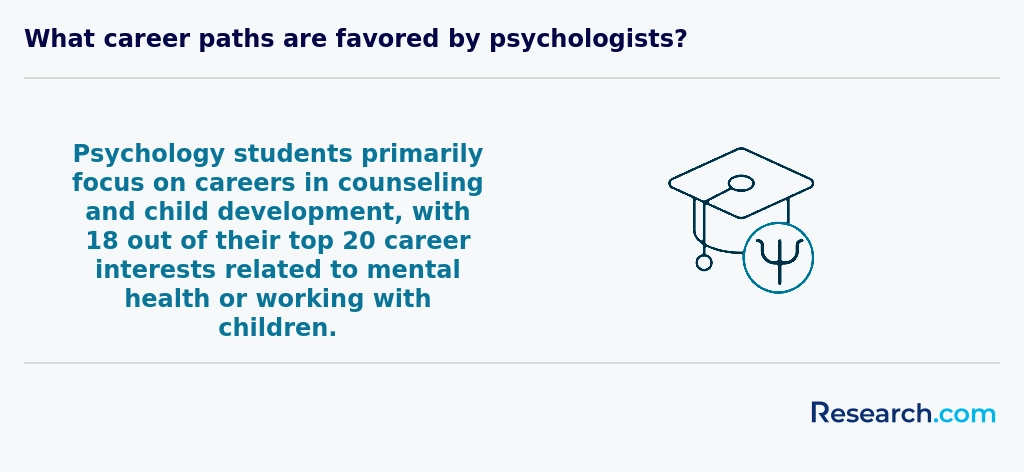
For prospective students seeking flexibility and affordability, online psychology degree programs are an attractive option. When evaluating these programs, it's essential to consider factors such as accreditation, curriculum, and support services. Students can find the cheapest online psychology school in Illinois by researching institutions that offer online programs, such as Southern Illinois University, which provides a range of online courses and degree options in psychology. By weighing the pros and cons of each program, students can make an informed decision that aligns with their academic and career goals, ultimately leading to a fulfilling and successful career in psychology.
Psychology degree programs in Illinois commonly include core courses such as Introduction to Psychology, Research Methods, and Statistics, which provide a critical foundation for understanding human behavior and developing scientific inquiry skills. Graduates from prominent institutions like the University of Illinois at Urbana-Champaign often reflect on how these courses helped them design studies and analyze data confidently, an essential competence in careers ranging from counseling to academic research.
Students also engage deeply with specialized subjects like Developmental Psychology, where they explore human growth stages, and Biological Psychology, offering insights into the brain-behavior connection. Cognitive Psychology courses reveal how memory and perception influence daily decision-making, a topic many Illinois State University alumni found particularly enlightening and applicable to real-world challenges.
Courses in Abnormal and Social Psychology enable learners to understand mental health disorders and social influences on behavior, preparing them for diverse roles in clinical or community settings. Many programs integrate practicum opportunities, giving students hands-on experience that recent graduates describe as invaluable for building confidence and professional skills.
Psychology degree specializations in Illinois commonly include clinical psychology, counseling psychology, and industrial-organizational (I-O) psychology, each catering to distinct career paths. Graduates from prominent institutions such as the University of Illinois and Loyola University often highlight how clinical psychology programs prepare them rigorously for diagnosing and treating mental health disorders, paving the way to licensure and therapeutic practice. Counseling psychology, another popular concentration, emphasizes wellness and prevention, with alumni expressing satisfaction in pursuing roles within schools or community agencies, where they make tangible differences in people's lives.
Illinois psychology program concentration options also extend to industrial-organizational psychology, focusing on workplace dynamics, human resources, and boosting employee satisfaction. Students from colleges like DePaul University often share inspiring stories of applying these principles in real-world corporate settings, benefiting from competitive salaries reported by the U.S. Bureau of Labor Statistics. Additionally, developing specializations such as forensic psychology and developmental psychology offer unique opportunities rooted in local demand and research strengths.
Many students interested in diverse career trajectories find complementary guidance on how to become a therapist without a degree, expanding their options beyond traditional paths.
Choosing the best psychology degree in Illinois involves evaluating program type, accreditation, and cost while considering personal aspirations. Graduates from the University of Illinois Urbana-Champaign often remark on the value of its APA-accredited curriculum that blends theory with practical experience, enhancing career readiness. Similarly, Loyola University Chicago students appreciate the access to urban clinical settings, which enrich learning and foster professional growth in a vibrant healthcare environment.
Cost remains a decisive factor; public universities offer more affordable tuition rates, while private institutions may provide specialized resources. For those balancing work and study, program flexibility is vital-many find that pursuing masters in psychology online grants the needed balance without compromising quality. Aligning course specialization with career goals-be it clinical practice or research-is essential for long-term success.
Prospective students should assess post-graduation licensure outcomes and faculty expertise to ensure they select one of the best affordable psychology degrees in Illinois that fits their professional path and personal circumstances.

Graduates with a psychology degree in Illinois often enter diverse fields such as clinical psychology, educational roles, and organizational settings. For example, many who studied at well-known institutions like the University of Illinois or Loyola University pursue clinical psychology careers, providing mental health evaluations and therapy after obtaining advanced degrees and state licensure. These graduates report a strong sense of fulfillment supporting individuals through emotional challenges, reflecting the robust job opportunities with Illinois psychology degree credentials.
Other psychology careers in Illinois include working as school psychologists in local K-12 schools, helping students overcome learning and developmental obstacles. Additionally, industrial-organizational psychologists apply their expertise in Illinois businesses to enhance workplace productivity and employee well-being. Research psychology is another path, where graduates engage in studies at universities or private research centers, contributing to expanding knowledge in behavioral sciences. Those drawn to community service often become counselors or social workers at hospitals or nonprofits, typically requiring extra certifications.
Students exploring affordable education options may consider programs listed among the Cheapest Online Master's in Psychology Degree Programs, aiding in managing educational costs while aiming for rewarding careers in Illinois.
The job market for holders of a psychology degree in Illinois is robust and expanding, driven by increased demand for mental health services across healthcare, education, and social agency settings. Graduates from well-regarded institutions like the University of Illinois at Urbana-Champaign and DePaul University report promising opportunities in metropolitan areas such as Chicago, where licensed psychologists and counselors serve diverse populations.
Employment positions include roles as clinical psychologists, school psychologists, counselors, and social workers, with an average salary around $80,000 per year-higher than the national average. This positive outlook reflects broader Illinois psychology career opportunities for graduates who prioritize advanced licensure, often requiring a doctoral degree.
Professionals with master's degrees also find rewarding roles in social services or rehabilitation counseling, especially when supplemented by specialized training. Many students explore year long masters programs to enhance their qualifications and shorten time to employment. Insight from recent graduates reveals that Illinois offers a supportive environment for entry and growth in psychology careers, particularly in urban centers experiencing growing mental health awareness and funding.
2027 Most Affordable Psychology Degree Programs Ranking in Illinois
Investing in your education is a significant decision that can shape your future, and the Research.com team understands the importance of making informed choices. To assist prospective students in Illinois, we have meticulously developed the "2027 Most Affordable Psychology Degree Programs Ranking in Illinois." Our dedication to quality, credibility, and accuracy is evident in the thorough research and analysis undertaken to produce this ranking.
We utilized the following reputable data sources to ensure a comprehensive evaluation of psychology degree programs:
By exploring this ranking, readers will gain valuable insights into the most affordable psychology programs in Illinois, empowering them to make well-informed decisions about their education and future careers. For more details on how this ranking was created, please visit our Research.com methodology page.


Frequently Asked Questions About psychology
Psychology degree students in Illinois can enhance their learning by engaging in both academic and practical experiences. Illinois hosts numerous accredited programs, including options at the University of Illinois and Loyola University, which emphasize research and internships. Participating in internships or volunteer work within Illinois's mental health facilities or schools offers real-world application of theory.
Students should also take advantage of research opportunities, as Illinois ranks high in funding for psychological science through the National Science Foundation. Joining psychology clubs and attending regional conferences can expand professional networks. Additionally, utilizing campus career services helps align academic work with future job markets in Illinois's growing healthcare sector.
The psychology field in Illinois is increasingly embracing several emerging niches that reflect broader societal changes and technological advancements. One notable area is neuropsychology, which studies how brain function affects behavior and cognition. Illinois hosts a strong medical research community supporting this growth. Another rapidly expanding niche is health psychology, focusing on how psychological factors influence physical health, with demand rising due to increased chronic illness rates in the state.
Furthermore, forensic psychology is gaining prominence, especially given Illinois's large urban centers requiring expert analysis in legal contexts. Additionally, industrial-organizational psychology is growing as businesses seek ways to improve workplace productivity and employee well-being. According to the Illinois Department of Employment Security, careers in these specialties are expected to grow faster than average through 2030.
After completing a psychology degree in Illinois, preparing for the job market involves several important steps. First, gaining practical experience through internships or research assistant positions is crucial. Illinois hosts numerous hospitals, community centers, and universities where students can acquire hands-on skills relevant to psychology careers.
Networking also plays a key role. Joining local professional organizations, such as the Illinois Psychological Association, helps graduates connect with potential employers and mentors. According to the U.S. Bureau of Labor Statistics, Illinois has a strong demand for psychologists, especially in urban areas like Chicago.
Graduates should also consider further certification or licensure, especially if aiming to become licensed clinical psychologists. The Illinois Department of Financial and Professional Regulation provides guidelines needed to obtain a psychology license in the state.
Developing communication and counseling skills alongside statistical and research knowledge increases employability. Additionally, using career services offered by universities can enhance job search strategies and interview preparedness.
Employers in Illinois highly value psychology graduates who demonstrate strong analytical and critical thinking skills. These abilities help graduates interpret data and research findings effectively, which is essential for evidence-based practice. Communication skills, both written and verbal, are also crucial, as psychologists often interact with clients, colleagues, and multidisciplinary teams.
Additionally, knowledge of ethical standards and cultural competence is important, considering Illinois' diverse population. Graduates must be prepared to work inclusively and respectfully with people from different backgrounds. According to the Illinois Department of Employment Security, adaptability and problem-solving skills are among the top attributes sought by psychology employers in the state.
Finding internships relevant to a psychology degree in Illinois involves several practical steps. Students should start by consulting their university's career services, which often maintain updated listings of local internship opportunities within psychological clinics, hospitals, research labs, and community organizations.
The Illinois Psychological Association and the American Psychological Association websites also provide resources and internship listings. According to Illinois Board of Higher Education data, nearly 60% of psychology undergraduates participate in some form of internship before graduating, emphasizing the importance of practical experience.
Networking through professors, attending local psychology conferences, and joining student chapters of professional organizations can increase access to internships. Many opportunities are available in Chicago, the state's largest city, home to numerous mental health agencies and research institutions.
In Illinois, earning a psychology degree significantly enhances career mobility and advancement opportunities within the state's growing mental health and human services sectors. According to the Illinois Department of Employment Security, employment for psychologists and related roles is projected to grow by 9% through 2030, faster than the average for all occupations. A degree in psychology provides foundational skills valued across multiple fields, including counseling, social work, education, and corporate human resources.
Graduates with advanced degrees tend to access higher-paying leadership and specialist roles, which often require licensure and further certifications obtained in Illinois. Institutions like the Illinois Psychological Association advocate for ongoing education to maintain competitive edges in this expanding market.
Studying for a psychology degree in Illinois equips students with skills applicable across various fields such as healthcare, education, social work, and business. Illinois universities often emphasize interdisciplinary coursework, integrating psychology with fields like neuroscience, sociology, and public health. This approach helps students understand human behavior in diverse contexts.
Many programs collaborate with local hospitals, schools, and research centers to provide real-world experience. For example, the Illinois Department of Employment Security reports that employment in related interdisciplinary roles, such as social and human service assistants, is projected to grow 7% by 2030. This growth underscores the value of a psychology degree in multidisciplinary settings.
Additionally, Illinois psychology programs typically offer training in data analysis and communication, preparing graduates to work alongside professionals from various disciplines. This versatility is crucial in today's job market, making psychology graduates competitive candidates in multiple sectors.
When choosing between a thesis and a non-thesis psychology degree program in Illinois, consider your career goals and learning preferences. A thesis program focuses on original research, preparing students for doctoral studies or research roles. It typically requires designing and defending a research project.
Non-thesis programs emphasize coursework and practical experience, appealing to those seeking applied psychology careers or licensure. For example, Illinois Board of Higher Education reports that nearly 60% of psychology graduates enter practitioner roles, benefiting from non-thesis tracks.
Cost and duration also matter: thesis programs may take longer but offer deeper research skills.
Review program specifics at Illinois universities and consult resources like the APA's education guidelines for informed choices.
Students based in Illinois interested in studying psychology abroad have several pathways available through their home institutions. Many Illinois universities, including the University of Illinois and Northwestern University, offer study abroad programs where psychology majors can complete coursework overseas while earning credits toward their degree.
Additionally, some Illinois institutions participate in exchange programs with universities in Europe, Australia, and Asia, allowing students to experience different educational systems and cultural perspectives in psychology. According to the Illinois Board of Higher Education, about 12% of psychology undergraduates take part in such programs, a figure that has grown steadily.
Students should explore options such as faculty-led programs, semester exchanges, or summer institutes, which can provide study abroad experiences ranging from four weeks to a full academic year. These opportunities often align with core psychology curriculum requirements.
Illinois offers various part-time job opportunities that can enhance the education of psychology degree students. Positions such as research assistants at universities like the University of Illinois provide hands-on experience in psychological studies. Many students find roles as behavioral health technicians or mental health aides in hospitals and community centers, gaining practical exposure to patient care. According to the Illinois Department of Employment Security, there is a steady demand for social service assistants in the state, which aligns well with psychology-related coursework. Internships and part-time roles in school counseling offices or nonprofit organizations also complement academic knowledge with real-world skills.
Psychology students in Illinois benefit from numerous networking opportunities that can enhance their academic and professional growth. Many universities, including the University of Illinois at Urbana-Champaign and Illinois State University, host psychology clubs and honor societies such as Psi Chi, which provide platforms for students to connect with peers and faculty. Additionally, the Illinois Psychological Association offers student memberships, giving access to statewide conferences, workshops, and local chapter meetings tailored for networking and professional development.
Internships and research assistant positions at Illinois hospitals and mental health centers are common, exposing students to real-world settings and professional contacts. The state's proximity to Chicago also opens doors to events held by major organizations like the American Psychological Association, fostering wider networking possibilities.
Alumni networks play a crucial role for psychology degree students in Illinois by offering valuable professional connections. Many universities in Illinois, such as the University of Illinois Urbana-Champaign and Illinois State University, maintain active alumni associations focused on psychology graduates. These networks enhance students' access to internships, job opportunities, and mentorship, which is essential in a competitive field.
According to the Illinois Board of Higher Education, alumni engagement increases graduate employment rates by up to 15% in social sciences. Alumni provide insights into local job markets, including hospitals, schools, and counseling centers across Illinois.
This support helps students build careers efficiently after graduation.
Customizing a psychology degree program in Illinois involves selecting courses and experiences aligned with your career goals. Many Illinois universities offer specializations such as clinical psychology, counseling, industrial-organizational psychology, or forensic psychology. This allows students to focus on areas relevant to their interests.
Internships and practicum opportunities within Illinois institutions can provide practical experience and networking advantages in local job markets. Additionally, choosing electives that emphasize research methods or applied psychology can shape your expertise for academic or professional roles.
According to the Illinois Board of Higher Education, tailoring your coursework and gaining hands-on experience are key strategies for building a competitive profile within the state's diverse psychology careers.
Psychology students in Illinois often face significant challenges related to balancing rigorous coursework with practical experience requirements. Clinical training and internships, mandated by most programs, can be difficult to secure due to high competition and limited local placement opportunities.
Financial strain is another common issue. According to the Illinois Board of Higher Education, the average annual tuition for a psychology degree at a public university in Illinois exceeds $12,000, excluding living expenses.
Additionally, students must navigate the licensing process post-graduation, which involves passing the Examination for Professional Practice in Psychology (EPPP) and completing thousands of supervised hours.
With a psychology degree in Illinois, graduates can pursue several professional certifications to enhance their careers. One popular option is becoming a Licensed Clinical Professional Counselor (LCPC), which requires a master's degree, supervised experience, and passing the state exam, as regulated by the Illinois Department of Financial and Professional Regulation.
Another path is the Licensed Psychologist credential, which demands a doctoral degree, completion of an internship, and passing the Examination for Professional Practice in Psychology (EPPP). This allows psychologists to practice independently in Illinois.
Additional certifications include Certified Alcohol and Drug Counselor (CADC) and Board Certified Behavior Analyst (BCBA), which often complement psychology degrees and expand job opportunities across healthcare and education.
To write a winning application for a psychology program in Illinois, start by researching each school's specific requirements. Many Illinois universities, such as the University of Illinois and Northern Illinois University, look for strong academic records, especially in relevant courses like biology, statistics, and psychology.
Include a well-crafted personal statement that clearly explains your motivation for studying psychology and your career goals. Highlight any research experience or internships, as programs often value practical exposure to the field.
Letters of recommendation from professors or employers familiar with your academic or professional abilities strengthen your application. Additionally, some programs require GRE scores, so prepare accordingly.
Illinois Psychology Today notes that local programs emphasize community involvement and ethical understanding-skills you should demonstrate through extracurriculars or volunteer work.
The field of psychology is increasingly valued worldwide for its role in understanding human behavior and mental health. In the United States, including Illinois, psychology careers offer diverse opportunities in clinical, counseling, educational, and organizational settings. According to the U.S. Bureau of Labor Statistics, employment for psychologists is projected to grow 8% from 2022 to 2032, reflecting a global increase in mental health awareness.
Illinois hosts numerous accredited psychology programs, ensuring graduates meet national standards recognized internationally. This alignment supports cross-border professional mobility and collaboration.
Globally, psychology professionals must often adapt to different cultural contexts and healthcare systems, highlighting the importance of a versatile and research-based education. For Illinois students, strong foundations in evidence-based practices provide an advantage in this evolving global landscape.
Gaining practical experience while studying for a psychology degree in Illinois is essential for career development. Many universities offer internship programs that connect students with local mental health clinics, hospitals, or community organizations. For example, Northern Illinois University and the University of Illinois at Urbana-Champaign provide structured internships as part of their curriculum.
Additionally, students can participate in research assistantships, working closely with faculty on ongoing psychology studies. This hands-on involvement boosts skills and enhances resumes.
The Illinois Psychological Association highlights that volunteering for counseling centers or social services agencies is another effective way to gain experience while studying.
Choosing the right concentration within a psychology degree program in Illinois involves considering your career goals and interests. Popular concentrations include clinical, counseling, industrial-organizational, and developmental psychology. Each focus prepares you for different roles, such as therapy, workplace consulting, or research.
Illinois hosts numerous universities offering psychology degrees with varied concentrations, like the University of Illinois Urbana-Champaign and Illinois State University. According to the Illinois Board of Higher Education, employment in psychology-related fields in Illinois is projected to grow by 12% from 2022 to 2032.
Research local licensure requirements and internship opportunities. Clinical psychology, for example, often requires a doctorate and state licensure to practice.
- 2027 Most Affordable Psychology Degree Programs Ranking in Wisconsin
- 2027 Most Affordable Psychology Degree Programs Ranking in Tennessee
- 2027 Most Affordable Psychology Degree Programs Ranking in South Dakota
- 2027 Most Affordable Psychology Degree Programs Ranking in West Virginia
- 2027 Most Affordable Psychology Degree Programs Ranking in Mississippi
- 2027 Most Affordable Psychology Degree Programs Ranking in Pennsylvania
- 2027 Most Affordable Psychology Degree Programs Ranking in Virginia
- 2027 Most Affordable Psychology Degree Programs Ranking in North Carolina
- 2027 Most Affordable Psychology Degree Programs Ranking in South Carolina
- 2027 Most Affordable Psychology Degree Programs Ranking in New Jersey
See What Experts Have To Say About Studying Psychology
Read our interview with Psychology experts

Robin M. Kowalski. Ph.D.
Psychology Expert
Professor of Psychology
Clemson University

Elizabeth L. Jeglic Ph.D.
Psychology Expert
Professor of Psychology
City University of New York

Joann Farrell Quinn, Ph.D., MBA
Psychology Expert
Director at the College of Medicine Department of Medical Education
Morsani College of Medicine

- How Psychology Students Can Get Clinical Experience Before Graduating | The Playful Psychologist https://www.theplayfulpsychologist.com/post/students-experience-how-to-get-the-experience-you-need-before-you-graduate
- Online Psychology Degree Illinois - BA Psychology Online - Aurora University https://online.aurora.edu/online-degrees/ba-bachelors-psychology/
- What Certifications Can I Get With A Bachelor's In Psychology? https://www.psychology.org/resources/certification-skills-for-psychology-major-resumes/
- Illinois Programs https://www.ilispa.org/graduate-programs
- Psychology | Illinois College https://www.ic.edu/psychology
- A Guide to Psychology Internships | Psychology Degree Guide https://psychologydegreeguide.org/resources/internships/
- Psychology Program https://cod.edu/academics/areas/psychology/index.html
- Sample letters in psychology https://www.mystudies.com/en-in/human-and-social-sciences/psychology/letter-model/
- Ontario Psychological Association - Networking and Community Resources https://www.psych.on.ca/become-a-member-(1)/member-services/networking-and-community-resources
- Alumni Perspectives - Meet Our FPN Alumni https://www.aanmelder.nl/alumni-perspectives-june-2023