
2027 Most Popular Psychology Degree Programs Ranking in Arkansas

Co-Founder and Chief Data Scientist
Choosing the right psychology degree program can be a big step toward a rewarding career. For students in Arkansas, making an informed decision is easier with trusted data.
This article presents the 2027 Most Popular Psychology Degree Programs Ranking in Arkansas, carefully created by the Research.com team of data scientists. It highlights programs that stand out in quality and popularity to help guide your choices.
Exploring these options can inspire confidence and excitement about your future in psychology, opening doors to meaningful opportunities and personal growth.
Key benefits of getting psychology degree in Arkansas
- Salary for psychology degree graduates: Jobs like Human Resources Specialist offer a mean annual wage of $76,060, while Marketing Research Analysts earn about $83,190 on average, showing strong earning potential.
- Career paths: A psychology graduate from the University of Arkansas can pursue roles in research, counseling, or human resources, highlighting diverse and rewarding career options.
- Benefits of online degrees: Earning a psychology degree online from Arkansas State University provides flexibility and convenience, making it easier to balance work and study without compromising education quality.
- 2027 Most Popular Psychology Degree Programs Ranking in Arkansas
- What can I expect from psychology degree in Arkansas?
- Where can I work with psychology degree in Arkansas?
What can I expect from psychology degree in Arkansas?
Students pursuing a psychology degree in Arkansas benefit from some of the most affordable education options in the nation. On average, tuition and fees at public universities like the University of Arkansas or Arkansas State University are lower than the national average, making it easier to focus on learning without overwhelming financial stress. Graduates often share how this affordability allowed them to dive deep into their studies and gain hands-on experiences through internships or practicum placements, building confidence and practical skills early on.
Many psychology students find that with scholarships and financial aid tailored to their field, the overall cost becomes even more manageable. This creates room to explore specialties such as clinical or counseling psychology without sacrificing quality or breadth of education. These savings can mean less debt and the freedom to pursue meaningful work immediately after graduation, fueling a fulfilling career dedicated to helping others and advancing mental health in Arkansas communities.
Where can I work with psychology degree in Arkansas?
Graduates from psychology programs at universities like the University of Arkansas and Arkansas State find vibrant career opportunities across the state. Many step into roles in mental health services, working as licensed counselors or clinical psychologists, providing vital support to individuals in cities like Little Rock or rural communities where mental health resources are scarce.
Others thrive in healthcare settings such as Arkansas Children's Hospital or local rehabilitation centers, applying their knowledge to improve patient care. School psychologists and counselors also play essential roles in K-12 education, supported by initiatives encouraging licensed professionals to aid students' mental well-being throughout Arkansas.
Social service agencies, government programs, and nonprofits eagerly welcome psychology graduates to advance community health, child welfare, or substance abuse treatment. Beyond traditional paths, creative minds explore human resources or organizational development, helping Arkansas businesses boost workplace harmony and productivity.
Many graduates describe their journey as rewarding and uplifting, feeling empowered by how their psychology degree opens doors to meaningful roles that transform lives across Arkansas, inspiring hope and growth every day.
Graduates with a psychology degree in Arkansas can look forward to rewarding career paths that also provide meaningful financial stability. For instance, those entering human resources roles report a mean annual wage of about $76,060, offering a solid foundation to build a career. Marketing research analyst positions, often pursued by psychology grads interested in consumer behavior, boast an even higher mean salary of $83,190, reflecting the increasing value of analytical skills.
Many new graduates start in roles like clinical research associates or survey researchers, both with mean annual earnings near $62,370. These positions allow practical experience while contributing to important healthcare and social research. Childcare workers, often an entry point for those passionate about early development, earn around $32,070 annually, providing immediate hands-on impact in communities.
Students from institutions like the University of Arkansas or Arkansas State University often share how their degrees opened doors to these diverse opportunities. With every step, from entry-level roles to specialized research and counseling, Arkansas psychology graduates can feel proud knowing their education equips them to thrive professionally and support their communities.
- Annual in-state tuition for psychology bachelor's degrees at Arkansas public universities ranges from $8,000 to $11,000.
- Private colleges in Arkansas may charge over $20,000 per year, but financial aid can help reduce this cost.
- Graduate psychology programs typically cost between $10,000 and $25,000 annually depending on the school and degree type.
- Entry-level salaries for psychology-related jobs in Arkansas average between $40,000 and $50,000 per year.
- Experienced psychologists can earn between $65,000 and $75,000 or more, especially in clinical, counseling, or industrial-organizational roles.
- Licensure as a clinical psychologist in Arkansas requires a doctoral degree, supervised experience, and passing the EPPP exam.
Completing a psychology degree in Arkansas is an achievable and rewarding journey, with clear timelines that help you plan your future. Most students at institutions like the University of Arkansas and Arkansas State University pursue their bachelor's degree in about four years. Imagine yourself immersing in engaging courses, hands-on projects, and building strong connections-all within this supportive timeframe.
For those eager to dig deeper, a master's degree usually takes two to three years. Graduates speak of the excitement in learning both theory and practical research, preparing them for meaningful careers or further study. Many cherish the balance of coursework and real-world experience that these programs offer.
Doctoral programs, though longer-typically four to seven years-offer a transformative experience. Students thrive as they advance through rigorous coursework, comprehensive exams, and impactful internships, often at the University of Arkansas. This extended period is filled with growth, challenge, and the opportunity to make a real difference in psychology.
Embarking on a psychology degree requires more than just choosing the right program-it also means developing effective strategies for academic and personal success. One of the key steps is to establish a strong support network early on by connecting with peers, professors, and mentors who can offer guidance throughout your studies. Participating in study groups and joining university clubs centered on psychology can enhance your learning experience and provide invaluable insights into both coursework and career opportunities. Planning your course load wisely is also essential. To balance theory with practice, consider mixing research-driven classes with internship opportunities that allow you to apply theoretical knowledge in real-world settings. For example, many successful students complement their academic schedule with practical projects or volunteer work, which often leads to higher engagement and deeper understanding of the subject. Another strategic tip is to explore alternative learning paths, such as pursuing an accelerated psychology degree, if you are eager to fast-track your entry into the profession. This option can be particularly beneficial for students who are ready to commit fully to an immersive learning experience. Lastly, stay informed about emerging trends in psychology and consider attending webinars, conferences, or local workshops. These events not only update you on the latest research and industry developments but also offer networking opportunities that can open doors to career advancement post-graduation.
Choosing between an online or on-campus psychology degree in Arkansas opens doors to unique and rewarding experiences tailored to your lifestyle. Students at the University of Arkansas in Fayetteville often describe the vibrant campus life and face-to-face interactions with professors as energizing, fostering a deep connection through group projects and hands-on lab work that brings psychological theories to life.
Meanwhile, online learners from Arkansas State University appreciate the flexibility to study while managing work or family commitments, using digital platforms that make education accessible from any corner of the state. These graduates highlight how balancing life and learning gave them confidence and independence in their studies.
Many find joy in internships offered by on-campus programs that provide supervised, practical experience in clinical or research settings. Though online students might arrange placements on their own, they gain resilience and resourcefulness that prepare them well for future careers. Both paths empower Arkansas students to pursue their passion for psychology, supporting personal growth and professional success.
When evaluating psychology programs, understanding the long-term return on investment (ROI) is crucial for making an informed decision. In Arkansas, the average total debt for psychology graduates hovers around $22,500, while entry-level salaries start at approximately $49,340 annually. Considering a Human Resources Specialist’s mean wage of $73,080 and a Clinical Research Associate’s $57,760, many graduates repay their loans within four to six years. Key factors affecting ROI include tuition costs, program length, and post-graduation employment rates. Public universities in Arkansas charge an average in-state tuition of $7,070 per year, making them among the more affordable options nationally. To explore affordability trends in neighboring states, prospective students can compare Arkansas programs with the Most Affordable Psychology Degree Programs Ranking in Iowa, which highlights cost-effective pathways and scholarship opportunities. Beyond financial considerations, ROI also encompasses professional growth and job satisfaction. Graduates report that internships and practicum experiences-especially those arranged through the University of Arkansas’s partnerships with local clinics-accelerate career readiness and networking. Moreover, alumni surveys indicate a 90% employment rate within six months of graduation, underscoring the value employers place on Arkansas-trained psychologists. By weighing debt expectations against projected earnings, regional salary benchmarks, and real-world training experiences, you can select a program that not only fits your budget but also maximizes your long-term career potential.
The average cost of a psychology degree in Arkansas can be an encouraging factor for many prospective students. On average, the total cost for completing a psychology degree is approximately $30,820, with the median in-state tuition cost being around $10,313. Graduates from universities such as the University of Arkansas and Arkansas State University often share how affordable tuition combined with quality education made their journey both manageable and fulfilling. These institutions provide an excellent foundation for students eager to explore the fascinating field of psychology without overwhelming financial burdens.
Many students pursuing a psychology degree in Arkansas appreciate how public universities keep tuition fees reasonable, fostering a welcoming environment for in-state residents to thrive. Whether living on or off campus, thoughtful budgeting and the availability of scholarships make the pursuit of higher education accessible. Current students often highlight how this balance between cost and opportunity fuels their motivation and passion for advancement.
Understanding psychology degree tuition and fees Arkansas-wide also means recognizing the importance of planning. Costs can vary based on residency status and choice of school, but the investment pays off through strong academic programs and vibrant campus communities. If you want to explore affordable psychology programs in Arkansas, take a moment to discover options at affordable psychology programs in Arkansas that align with your goals and financial plans.

Accreditation is a critical factor when selecting a psychology program in Arkansas. The American Psychological Association (APA) and the Council for Accreditation of Counseling and Related Educational Programs (CACREP) are two of the most recognized accrediting bodies. Choosing an APA-accredited program ensures that the curriculum meets rigorous standards for graduate training, research ethics, and clinical practice. Likewise, CACREP accreditation is essential for counseling psychology specializations, as it often streamlines state licensure processes and improves eligibility for grant funding and internships. To become a licensed psychologist in Arkansas, graduates must: 1. Earn a doctoral degree (PhD or PsyD) from an APA-accredited institution. 2. Complete a minimum of 1,500 hours of supervised professional experience (often 1,000 internship hours plus 500 postdoctoral hours). 3. Pass the Examination for Professional Practice in Psychology (EPPP) administered by the Association of State and Provincial Psychology Boards (ASPPB). 4. Submit application materials, official transcripts, and supervisor evaluations to the Arkansas Board of Examiners in Psychology (ABEP) and pay all required fees. For counseling psychologists or licensed professional counselors (LPCs), the pathway generally includes:
- A CACREP-accredited master’s degree in counseling or a related field.
- At least 3,000 hours of supervised postgraduate clinical counseling, typically completed over two years.
- Passage of the National Counselor Examination (NCE) or other ABEP-approved state exams.
- Approval by the Arkansas Board of Examiners in Counseling. Financial considerations are also important when evaluating accredited programs. While Arkansas offers competitive tuition rates, prospective students may wish to compare costs across the region. For instance, you might explore our Most Affordable Psychology Degree Programs Ranking in Iowa to see how neighboring states structure their affordability. Ensuring both accreditation and financial feasibility will set you on a firm path toward a successful and recognized career in psychology.
Psychology students in Arkansas discover many financial aids that make their educational journey hopeful and attainable. For example, graduates from the University of Arkansas often share how completing the FAFSA opened doors to federal grants like the Pell Grant, which provides up to $7,395 annually, easing tuition costs significantly. This support turns dreams of studying mental health into reality without overwhelming debt.
State scholarships such as the Arkansas Academic Challenge Scholarship are valuable resources that reward strong academic performance, offering substantial assistance for full-time students at Arkansas State University and beyond. Many fellow psychology majors celebrate how these awards lightened their financial load, allowing them to focus fully on their studies and research.
Students also benefit from university scholarships tied to psychology departments, encouraging academic excellence and professional growth. The Arkansas Psychological Association and Psi Chi provide motivational scholarships that recognize commitment and passion for psychology, inspiring students to thrive.
Campus work-study positions further empower students by offering practical experience alongside financial support, creating a rewarding college experience grounded in real-world learning.
When considering a psychology degree in Arkansas, one of the most critical factors is affordability. With the rising costs of tuition, it's essential to find programs that offer quality education without breaking the bank. That's why exploring affordable psychology programs in Arkansas is a crucial step in your decision-making process. By understanding the various options available, you can make an informed choice that aligns with your financial situation and career goals. Whether you're looking for online or on-campus programs, there are numerous affordable psychology degree options in Arkansas that can set you on the path to a fulfilling career in psychology.
To embark on a rewarding journey toward a psychology degree in Arkansas, students should come prepared with a solid academic foundation and a passion for understanding human behavior. Most colleges in Arkansas ask for a high school diploma or GED with a GPA around 2.5 or higher, which opens doors to exciting opportunities in this field. Many graduates share that strong high school courses in biology, math, and social sciences truly set the stage for success, as emphasized by Arkansas Tech University's welcoming approach to science-minded students.
For those aiming higher, graduate programs at institutions like the University of Arkansas express eagerness to accept applicants who have completed key coursework in statistics, research methods, and introductory psychology. While GRE scores are often requested, many programs understand your unique path and may waive this requirement. Letters of recommendation and personal statements allow you to showcase your enthusiasm, while relevant research or clinical experience can highlight your commitment and readiness to thrive.

Navigating the licensure process is a critical step for psychology graduates aiming to practice professionally in Arkansas. To become a licensed psychologist, candidates must first earn an accredited doctoral degree in psychology or counseling and complete at least 3,000 hours of supervised experience under a board-approved supervisor. These hours are typically divided into an intern level (1,500 hours) and a postdoctoral level (1,500 hours), ensuring well-rounded clinical training. Next, applicants must pass the Examination for Professional Practice in Psychology (EPPP), administered by the Association of State and Provincial Psychology Boards. Additionally, Arkansas requires a state jurisprudence exam covering local statutes and ethical guidelines. Once both exams are successfully completed, candidates submit an application to the Arkansas Board of Examiners in Psychology, including official transcripts, supervision logs, and examination scores. For those holding a master’s degree in psychology, pursuing licensure as a Licensed Professional Counselor (LPC) is a viable path. LPC applicants must obtain a master’s from a CACREP-accredited program or a comparable degree-many students opt for an ms in psychology online that meets these accreditation standards-followed by 2,000 hours of supervised clinical practice and passage of the National Counselor Examination (NCE). Both LPCs and licensed psychologists in Arkansas must complete 30 hours of continuing education every two years, including ethics and professional development units. Staying informed about renewal deadlines and approved CE providers ensures uninterrupted licensure and upholds the highest standards of client care.
Psychology degree programs in Arkansas offer an inspiring journey through foundational courses that ignite curiosity and deepen understanding of the human mind. At well-known institutions like the University of Arkansas or Arkansas State University, students immerse themselves in courses such as Introduction to Psychology, where they explore the fascinating history and core theories that shape human behavior.
Graduates often reflect on the transformative experience of studying Developmental Psychology, which reveals the incredible stages of growth throughout life, or Abnormal Psychology, where they gain empathy through learning about mental health challenges. Cognitive Psychology courses open the door to understanding vital mental processes like memory and problem-solving, while Social Psychology offers insights into how people influence each other-skills that feel immediately applicable in daily life.
Students also value hands-on learning in Biopsychology, uncovering brain functions behind emotions, and Research Methods, empowering them with the tools to design studies and analyze data confidently. These courses, uniquely combined with Arkansas's focus on culturally aware practices, prepare graduates to make a real difference within their communities, fueling their passion for psychology.
Arkansas offers a rich variety of psychology degree specializations designed to inspire and equip students for meaningful careers. Graduates from universities like the University of Arkansas often pursue clinical psychology, where they learn to diagnose and treat mental health conditions, finding fulfillment in helping others heal. Counseling psychology is another popular path, emphasizing life challenges and wellness, ideal for those driven to support personal growth and resilience.
Many students excitedly explore developmental psychology, a specialization that dives into human growth from childhood through adulthood, perfect for shaping careers in education or social services. In Arkansas psychology program concentration options, industrial-organizational psychology stands out for its practical application in workplaces, enhancing employee well-being and productivity-graduates feel proud contributing to thriving business environments.
For those drawn to science and research, neuropsychology offers a compelling journey into brain-behavior connections. Several Arkansas programs provide a robust foundation for this specialization, often connected to medical centers. For students eager to accelerate their studies, programs like the accelerated psychology degree open new doors to quickly launching their careers.
Choosing the best psychology degree programs in Arkansas means focusing on what truly inspires you and aligns with your goals. Imagine attending a university where graduates share stories of how hands-on internships within the state's diverse communities enriched their understanding, preparing them for rewarding careers. Many Arkansas students appreciate programs that offer strong faculty mentorship and emphasize clinical practice, especially those accredited by the APA, which opens doors to respected careers nationwide.
Cost plays a vital role, too. Graduates often tell how finding affordable psychology degrees Arkansas helped them pursue their passion without overwhelming debt. Public universities in the state offer excellent value, while scholarships and assistantships can provide extra support.
For those seeking flexibility, an ms in psychology online has proven to be a convenient path chosen by many local students balancing work and study. Aligning your interests with program strengths in counseling or industrial-organizational psychology can make all the difference in your fulfilling journey.
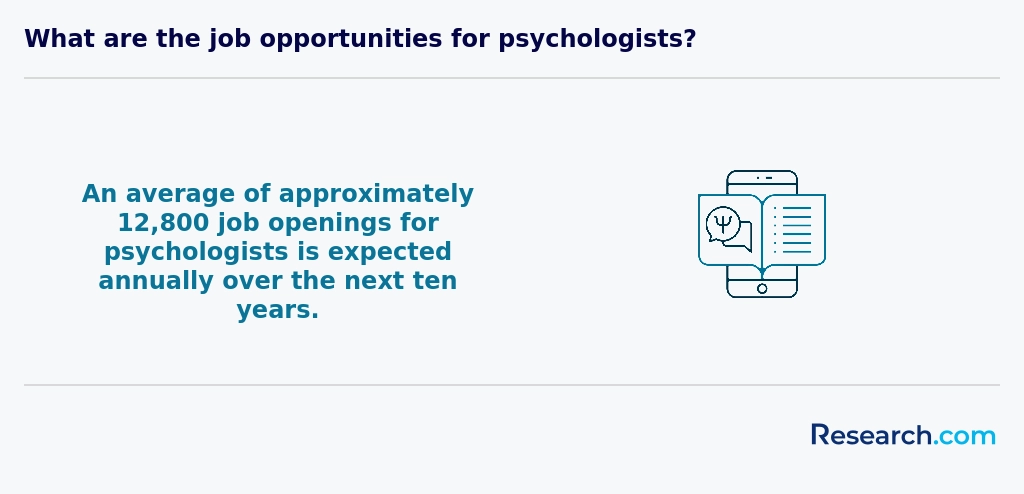
Psychology graduates in Arkansas find a remarkable range of career options that empower them to make meaningful impacts in their communities. Many choose to become licensed clinical psychologists, advancing through graduate studies and supervised practice to work in hospitals, private practices, or community mental health centers statewide. These roles offer the rewarding chance to support individuals facing mental health challenges every day.
Others pursue counseling careers as licensed professional counselors or marriage and family therapists, helping people navigate life's complexities in schools or social service settings. Several graduates from universities like the University of Arkansas share how their degree opened doors to research and academic positions, where they explore human behavior and contribute to new knowledge that shapes future mental health practices.
For those interested in business, Arkansas psychology degree job opportunities include roles in human resources and organizational development, where understanding motivation and decision-making proves invaluable. Looking to learn more about affordable programs? Check out the Most Affordable Psychology Degree Programs Ranking in Iowa to compare options nearby.
Graduates holding a psychology degree in Arkansas find a rewarding and growing job market that reflects the state's strong commitment to mental health and community support. Students from popular institutions like the University of Arkansas or Arkansas State University often share inspiring stories about securing roles in public health agencies or schools, especially in underserved rural communities. This demand for licensed psychologists and mental health counselors creates meaningful opportunities to make a real difference locally.
The Arkansas psychology degree career outlook is increasingly positive, with competitive wages around $69,000 annually and expanding positions in private practices, hospitals, and social services. Many recent graduates appreciate the lower cost of living combined with steady career growth, which makes building a fulfilling life here both appealing and attainable. Those willing to contribute outside major cities such as Little Rock can find unique and impactful roles helping communities thrive.
For students exploring their options, choosing one of the best college majors for jobs like psychology in Arkansas provides a solid pathway to a stable and gratifying career. The state's support for behavioral health initiatives ensures an expanding landscape of opportunities for passionate graduates ready to launch their careers.
2027 Most Popular Psychology Degree Programs Ranking in Arkansas
Investing in your education is a significant decision that requires careful consideration, and the Research.com team is dedicated to helping you make informed choices. To support prospective students in Arkansas, we have rigorously developed the "2027 Most Popular Psychology Degree Programs Ranking in Arkansas." Our commitment to quality, credibility, and accuracy is evident through thorough research and detailed analysis.
We utilized the following reputable data sources to ensure a comprehensive and reliable evaluation:
By exploring this ranking, readers will gain valuable insights into the most popular psychology degree programs in Arkansas, aiding them in selecting the best educational path for their goals and aspirations. For more information about our ranking process, please visit our Research.com methodology page.


# 11 position
University of Arkansas-Fort Smith
Bachelor of Arts in Psychology


Frequently Asked Questions About psychology
Psychology degree students in Arkansas can enhance their learning by engaging with hands-on experiences such as internships and research projects. Programs at institutions like the University of Arkansas emphasize practical training alongside theory, which improves job readiness. Participating in student organizations, such as the Psi Chi International Honor Society, also fosters networking and professional growth.
Arkansas students benefit from proximity to various mental health clinics and community centers, providing valuable practicum opportunities. Utilizing resources like the Arkansas Psychological Association can offer insights into local job markets and continuing education. Staying current with state licensure requirements is essential for career advancement.
Effective study habits, combined with active involvement in academic seminars and conferences, further deepen understanding of psychological principles. According to the Arkansas Department of Higher Education, graduates with practical experience see higher employment rates within six months post-graduation.
Emerging niches within psychology reflect evolving societal needs and technological advances. In Arkansas, growing interest centers on health psychology, which links mental well-being to physical health, especially relevant given the state's rising chronic illness rates reported by the Arkansas Department of Health.
Another expanding area is neuropsychology, focusing on brain-behavior relationships. Universities in Arkansas increasingly support this specialty due to advancements in brain imaging technologies. Additionally, forensic psychology is gaining ground amid increased demand for mental health expertise in the legal system.
Industrial-organizational psychology also shows promise as Arkansas businesses seek to improve worker productivity and well-being. Data from the U.S. Bureau of Labor Statistics projects strong national growth in these niches, benefiting local job markets for psychology graduates.
After earning a psychology degree in Arkansas, preparing for the job market involves several key steps. First, gaining practical experience through internships or volunteer work in settings like counseling centers or hospitals is essential. This helps build valuable skills and professional connections.
State licensure requirements vary, but most psychology careers in Arkansas require passing exams and completing supervised hours, especially for clinical roles. Checking the Arkansas Psychology Board website provides up-to-date licensing details.
Networking through local organizations such as the Arkansas Psychological Association can offer job leads and mentorship opportunities.
Additionally, enhancing technical skills in statistics and research methods can set candidates apart in competitive fields, according to recent labor data from the U.S. Bureau of Labor Statistics specific to Arkansas.
Employers in Arkansas highly value psychology graduates who demonstrate strong analytical and critical thinking skills. Being able to interpret data and apply psychological theories to real-world situations is essential in clinical, educational, and organizational settings. Communication skills, both written and verbal, are also crucial since professionals often collaborate with clients, colleagues, and families.
Additionally, research proficiency is important. Graduates who can design studies, collect data, and utilize statistical software are in demand, reflecting Arkansas' growing focus on evidence-based practice. According to the Arkansas Department of Workforce Services, adaptability and cultural competence are increasingly recognized skills as the state's population becomes more diverse.
These competencies position psychology graduates for success in Arkansas's healthcare, education, and social service sectors.
Finding psychology internships in Arkansas involves a mix of research, networking, and utilizing university resources. Many universities in Arkansas, such as the University of Arkansas, offer internship placement assistance through their psychology departments. Students are encouraged to explore opportunities in local mental health clinics, hospitals, schools, and government agencies, where psychology interns often gain hands-on experience.
The Arkansas Department of Human Services lists numerous agencies that regularly accept psychology interns. Additionally, joining professional organizations like the Arkansas Psychological Association provides access to internship postings and mentorship programs. Starting early and applying broadly improve chances of securing valuable internships related to psychology in Arkansas.
A psychology degree in Arkansas can significantly enhance career mobility and advancement opportunities. Graduates often qualify for diverse roles in mental health services, education, and social work, where demand continues to grow. According to the U.S. Bureau of Labor Statistics, Arkansas saw an 8% growth in psychologist employment from 2021 to 2031, reflecting expanding job markets.
Advanced degrees, such as a master's or doctorate, are typically required for higher-level positions, including licensed clinical psychologist roles. Many Arkansas employers value local credentials due to state-specific licensure regulations and familiarity with regional populations.
Additionally, networking through Arkansas-based professional associations can aid career advancement. Obtaining certification and continuing education credits further improves prospects for salary increases and leadership roles in healthcare and education sectors.
Studying for a psychology degree in Arkansas equips students with versatile skills essential for interdisciplinary roles. Arkansas universities emphasize a curriculum blending psychology with fields like sociology, education, and health sciences. This integrated approach enables students to understand complex human behavior across various contexts. According to the Arkansas Department of Higher Education, psychology graduates often work alongside professionals in healthcare, social work, and counseling. They are trained in research methods and critical thinking, which are highly valued in multidisciplinary teams. Such preparation supports career paths in mental health services, education, and community development, reflecting Arkansas's growing demand for collaborative expertise.
When choosing between a thesis and a non-thesis psychology degree program in Arkansas, consider your career goals and learning preferences. Thesis programs require original research and are ideal for students aiming for doctoral studies or research roles. Non-thesis programs focus more on coursework and practical skills, appealing to those targeting clinical practice or immediate job entry. According to the Arkansas Department of Higher Education, about 40% of psychology graduates pursue graduate research degrees, making a thesis valuable for academic advancement. However, many local employers prioritize applied skills gained in non-thesis tracks. Evaluate available resources and faculty expertise before deciding.
Students based in Arkansas who wish to study psychology abroad have several pathways to explore. Many Arkansas universities, such as the University of Arkansas and Arkansas State University, offer study abroad programs in partnership with international institutions. These programs often include psychology courses that can be credited toward degree completion.
Additionally, students can participate in exchange programs funded by organizations like the Benjamin A. Gilman International Scholarship, which supports U.S. undergraduate students of limited financial means studying abroad. According to NAFSA, psychology is among the top fields of study for U.S. students abroad.
Arkansas students should also consider summer research internships or semester-long study abroad experiences with universities in Europe, Canada, and Australia, which provide exposure to diverse psychological perspectives and practices.
Students pursuing psychology degrees in Arkansas can benefit from various part-time job opportunities that complement their education and build relevant experience. Positions such as behavioral health technician or mental health aide in local clinics offer hands-on experience with patient care and therapeutic settings.
Arkansas also has nonprofit organizations focusing on mental health advocacy and community outreach, where students can engage in case management or support roles. These opportunities enhance understanding of psychological practices in real-world environments.
Colleges in Arkansas report that internships and assistant roles in research labs provide valuable skills in data collection and analysis, critical for future psychology professionals. According to the Bureau of Labor Statistics, Arkansas has a growing demand for counseling and social work, making these roles practical ways to supplement academic studies.
Psychology students in Arkansas benefit from various networking opportunities that support their academic and professional growth. Universities such as the University of Arkansas and Arkansas State University host psychology clubs and organizations, which connect students with peers and faculty.
Additionally, the Arkansas Psychological Association offers student memberships, providing access to conferences, workshops, and local events focused on psychology. These gatherings facilitate networking with licensed professionals and researchers in the state.
Internships and practicum placements, often coordinated through university programs, enable students to develop direct connections with healthcare providers and community agencies.
According to the Arkansas Higher Education Coordinating Board, such practical experiences often lead to valuable professional relationships.
Alumni networks play a significant role for psychology degree students in Arkansas by providing valuable professional connections. Graduates from Arkansas universities often join these networks, which offer mentorship and guidance, helping current students navigate career paths in psychology. Through alumni events and online platforms, students gain access to internships and job opportunities not easily found elsewhere.
According to data from the National Association of Colleges and Employers, students who use alumni networks are 20% more likely to secure relevant employment within six months after graduation. In Arkansas, where psychology professionals are in steady demand, these networks support both local and regional placement.
Alumni can also offer insights into Arkansas's licensure requirements and continuing education options, which vary by state. This helps students prepare for clinical or counseling roles more effectively. Engaging with alumni fosters a sense of community and keeps students informed about industry trends and emerging research within Arkansas psychology circles.
In Arkansas, students can tailor their psychology degree programs by selecting concentrations aligned with their career goals. Many universities offer options such as clinical psychology, counseling, or industrial-organizational psychology. This flexibility allows you to gain specialized knowledge relevant to your target field.
Electives and internships play a crucial role in customization. Arkansas institutions often provide partnerships with local mental health agencies and businesses, offering practical experience that enhances employability. For example, the Arkansas Department of Higher Education reports that hands-on internships improve job placement rates by nearly 20% for psychology graduates.
Additionally, some programs support dual degrees or minors, like social work or education, which broaden career possibilities. This approach helps students meet licensure requirements or appeal to specific employers.
Psychology students in Arkansas often face several challenges during their academic journey. One key issue is limited access to diverse clinical practicum sites due to the state's predominantly rural population. This can restrict hands-on experience essential for licensure. According to the Arkansas Department of Higher Education, only a few universities offer graduate psychology programs, creating competition for limited faculty and resources.
Additionally, funding can be a hurdle. Many students rely on financial aid or part-time work, which may impact study time. The need to balance coursework, research, and internships often leads to increased stress. Mental health support services on campus are growing but have not yet met all student demands, as noted by the Arkansas College Mental Health Report 2023.
Lastly, students must navigate state-specific licensure requirements that may differ from other states, adding complexity to career planning. These factors combined shape a challenging yet rewarding path for Arkansas psychology students.
With a psychology degree in Arkansas, graduates can pursue several professional certifications to enhance their careers. One common path is obtaining licensure as a Licensed Psychological Examiner (LPE), which allows individuals to conduct psychological assessments under supervision.
For those seeking clinical practice, becoming a Licensed Professional Counselor (LPC) or Licensed Clinical Social Worker (LCSW) might be options, requiring graduate education and supervised experience. Additionally, certifications like Certified Addiction Counselor (CAC) are available for psychologists interested in substance abuse treatment.
Arkansas requires specific state board approvals for these certifications, ensuring standards align with national guidelines from the American Psychological Association (APA) and the National Board for Certified Counselors (NBCC).
Applying to psychology programs in Arkansas requires careful preparation and attention to detail. Start by researching schools recognized by the Arkansas Department of Higher Education that offer accredited psychology degrees. Many successful applicants highlight strong academic records, especially in psychology and related coursework. Arkansas institutions often value applicants with relevant research, internship, or volunteer experience in mental health settings, demonstrating practical commitment.
Craft a clear personal statement explaining your interest in psychology, career goals, and how the Arkansas program aligns with these. According to recent data from the National Center for Education Statistics, Arkansas awarded over 600 psychology bachelor's degrees in 2022, indicating growing competitiveness.
Additionally, prepare for possible GRE requirements as some graduate programs may request scores. Secure strong letters of recommendation from professors or professionals familiar with your skills and dedication. Finally, submit all materials well before deadlines to avoid last-minute issues common in several Arkansas universities.
The global outlook on a psychology career is increasingly positive, with rising demand for mental health professionals worldwide. In the United States, including Arkansas, the Bureau of Labor Statistics predicts a 8% growth in psychologist employment from 2021 to 2031, faster than the average for all occupations. This growth reflects a broader recognition of mental health importance across cultures.
Arkansas follows this trend, offering several accredited psychology degree programs that prepare students for diverse career paths. Graduates often find opportunities in clinical settings, research, education, and counseling, both locally and internationally.
Understanding cultural differences and global mental health challenges enhances a psychologist's effectiveness in today's interconnected world. As mental health stigma decreases, psychologists with global awareness are increasingly valued.
Gaining practical experience while studying psychology in Arkansas is essential for building skills and enhancing employability. Many universities in the state offer internship programs in hospitals, mental health clinics, and community organizations, providing students with hands-on exposure to clinical settings. For example, the University of Arkansas partners with local agencies to facilitate these internships.
Additionally, students can participate in research projects under faculty supervision, which often involve data collection and analysis relevant to Arkansas populations. According to the Arkansas Department of Higher Education, approximately 60% of psychology students engage in such activities.
Volunteering at counseling centers and participating in student-run psychology clubs also contribute valuable practical experience.
Choosing the right concentration within a psychology degree program in Arkansas requires evaluating your career goals and interests carefully. Psychology concentrations often include clinical, counseling, industrial-organizational, and developmental psychology. Each offers unique career paths, from therapy and counseling to workplace psychology. Arkansas universities like the University of Arkansas provide diverse options tailored to regional needs.
Consider also Arkansas's job market data. The Arkansas Department of Workforce Services reports a steady demand for clinical and counseling psychologists, with median salaries around $70,000 annually. Look for programs with strong internship or practicum placements within local healthcare or community settings.
Accreditation is crucial. Confirm that the program holds APA accreditation if you pursue clinical or counseling psychology, as this impacts licensure eligibility in Arkansas. Research program faculty expertise and available resources to ensure alignment with your interests.
- 2027 Most Popular Psychology Degree Programs Ranking in Oklahoma
- 2027 Most Popular Psychology Degree Programs Ranking in Mississippi
- 2027 Most Popular Psychology Degree Programs Ranking in Louisiana
- 2027 Most Popular Psychology Degree Programs Ranking in Alabama
- 2027 Most Popular Psychology Degree Programs Ranking in Iowa
- 2027 Most Popular Psychology Degree Programs Ranking in Georgia
- 2027 Most Popular Psychology Degree Programs Ranking in Florida
- 2027 Most Popular Psychology Degree Programs Ranking in North Carolina
- 2027 Most Popular Psychology Degree Programs Ranking in Minnesota
- 2027 Most Popular Psychology Degree Programs Ranking in Michigan
See What Experts Have To Say About Studying Psychology
Read our interview with Psychology experts

Joann Farrell Quinn, Ph.D., MBA
Psychology Expert
Director at the College of Medicine Department of Medical Education
Morsani College of Medicine

Robin M. Kowalski. Ph.D.
Psychology Expert
Professor of Psychology
Clemson University

Elizabeth L. Jeglic Ph.D.
Psychology Expert
Professor of Psychology
City University of New York

- Study Psychology Abroad | Go Overseas https://www.gooverseas.com/study-abroad/psychology
- Ontario Psychological Association - Networking and Community Resources https://www.psych.on.ca/become-a-member-(1)/member-services/networking-and-community-resources
- Have You Found a Niche? https://www.apaservices.org/practice/business/marketing/building/niche
- University of Central Arkansas | UCA https://uca.edu/psychology/undergrad-program/
- Psychology Degree Requirements | University of Bridgeport https://www.bridgeport.edu/news/psychology-education-requirements/
- Study Psychology Abroad https://astarfuture.co.uk/study_psychology_abroad.html
- How To Find Psychology Internships https://www.psychology.org/resources/how-to-find-an-internship/
- arpapsych.org: Verifying that you are not a robot... https://arpapsych.org/diversity-information/
- www.mastersinpsychology.com: Verifying that you are not a robot... https://www.mastersinpsychology.com/programs-by-state/arkansas/
- Society for the Teaching of Psychology https://teachpsych.org/page-1784686/8675326


