
2027 Most Popular Psychology Degree Programs Ranking in Michigan

Co-Founder and Chief Data Scientist
Choosing the right psychology degree program in Michigan can be overwhelming. To help, this article shares the 2027 Most Popular Psychology Degree Programs Ranking in Michigan, developed by the Research.com team of data scientists.
This ranking offers valuable insights so you can make an informed decision about your education path. Pursuing a psychology degree opens doors to meaningful careers focused on helping others and understanding human behavior.
Reading this guide will give you confidence and clarity in selecting a program that fits your goals and passions.
Key benefits of getting psychology degree in Michigan
- Salary for psychology degree graduates: Graduates in Michigan can expect rewarding salaries, such as $76,060 annually for Human Resources Specialists and $62,370 for Clinical Research Associates, reflecting strong earning potential in psychology-related fields.
- Career paths: A psychology graduate from the University of Michigan might pursue roles in research, counseling, or human resources, offering diverse opportunities to make a positive impact in various industries.
- Benefits of online degrees: Earning a psychology degree online from a school like Michigan State University offers flexibility to balance work and study, making it easier to advance your career on your own schedule.
- 2027 Most Popular Psychology Degree Programs Ranking in Michigan
- What can I expect from psychology degree in Michigan?
- Where can I work with psychology degree in Michigan?
What can I expect from psychology degree in Michigan?
The average cost of pursuing a psychology degree in Michigan varies notably depending on the institution and level of study. Graduates from flagship schools like the University of Michigan or Michigan State University often reflect on the balance between tuition expenses and the value of access to robust research facilities and funded projects. For undergraduate studies, annual tuition at these universities typically ranges from $15,000 to $30,000 for in-state students, while community colleges offer more affordable options, sometimes under $5,000 per year, making psychology education accessible within the state.
Graduate students, especially those aiming for doctoral programs, may face higher costs. Still, many find that assistantships and research grants available at these research-intensive universities help ease the financial burden. Alumni frequently express satisfaction in how these opportunities provide not only financial support but also critical, hands-on experience that enriches their academic journey.
Choosing a local program often means more cost-effective practicum and internship placements in Michigan's healthcare systems, which graduates cherish for building vital professional networks without accruing excessive expenses.
Where can I work with psychology degree in Michigan?
Graduates with a psychology degree in Michigan often find themselves stepping into diverse roles across the state's vibrant workforce. Many begin their careers in mental health services, working in settings like hospitals or counseling centers, a path familiar to former students from the University of Michigan who talk about the rewarding challenge of helping individuals through behavioral health positions before obtaining licensure.
Others are drawn to educational environments, becoming school psychologists or counselors in districts such as Detroit Public Schools, where recent graduates from Michigan State University appreciate making a direct impact on young lives.
In Michigan's bustling business hubs, psychology professionals apply their expertise to human resources and organizational development, especially within the automotive industry, where enhancing employee wellbeing is a focal point.
Research roles also beckon, as universities and private institutions offer opportunities to study social trends and neuroscience, allowing graduates to engage intellectually while contributing to meaningful advancements.
This range of career paths reflects the state's dynamic appreciation for psychology, encouraging graduates to find fulfilling work that aligns with their unique passions and skills.
Graduates with a psychology degree from institutions like the University of Michigan or Michigan State University often find themselves pleasantly surprised by the diversity of career paths and earnings available in the state. For example, many start as Human Resources Specialists, earning a mean annual wage of about $76,060, allowing a stable and rewarding entry into the workforce.
Others venture into roles such as Marketing Research Analyst, where the mean annual salary rises to approximately $83,190. This position blends psychological insight with business acumen, offering gratifying challenges for those passionate about understanding consumer behavior.
Some psychology graduates step into research-based careers like Clinical Research Associates or Survey Researchers, both averaging near $62,370 yearly. This path suits those who enjoy contributing to scientific progress and data-driven decision-making.
Even positions like Childcare Worker, paying around $32,070 per year, offer meaningful work with children and families, often pursued by graduates beginning their careers or seeking experience in human services.
Michigan's varied opportunities show that your psychology degree can open doors to fulfilling work with salaries that reflect your skills, passion, and dedication to improving lives.
- Michigan offers psychology programs at associate, bachelor's, master's, and doctoral levels through many public and private accredited universities.
- Annual tuition for in-state students at public universities ranges from $12,000 to $15,000 for a bachelor's degree, while private schools often exceed $35,000 per year.
- Master's programs typically cost between $10,000 and $20,000 annually, with doctoral degrees varying depending on the institution and program length.
- Starting salaries for psychology graduates average $45,000 to $50,000 annually, increasing to $80,000 to $100,000 or more for licensed psychologists.
- Employment in psychology-related jobs in Michigan is growing steadily, with strong demand for licensed therapists, counselors, and clinical psychologists.
- Licensure in Michigan requires a doctoral degree, supervised experience, and passing the Examination for Professional Practice in Psychology (EPPP).
Completing a psychology degree in Michigan typically unfolds over several years, shaped by the level of study and personal circumstances. Many graduates from institutions like the University of Michigan or Michigan State University recall their bachelor's journeys as roughly four years of full-time dedication, navigating around 120 credit hours while balancing campus life and part-time jobs.
For those stepping into graduate studies, the pace shifts. Master's students often spend two to three years immersed in specialized coursework and research, sometimes juggling family or work. Flexible part-time options offered by these schools offer invaluable freedom, though students have observed this can add an extra year or two to finishing times. This balance of commitments often sparks a sense of accomplishment and resilience.
Doctoral candidates describe a more extended commitment, from four to seven years, marked by rigorous research, comprehensive exams, and hands-on practicums. These immersive experiences at Michigan's top programs forge not only expertise but a strong sense of purpose and community among peers pursuing advanced psychology careers.
The choice between online and on-campus psychology degrees in Michigan shapes not only how you learn but also your daily life as a student. Graduates from Western Michigan University often speak warmly about the flexibility online programs offer, allowing them to balance work, family, and studies without ever leaving home. The convenience of logging into lectures at any hour creates a sense of control and independence that suits many busy learners.
Meanwhile, those who attended Grand Valley State University's on-campus program emphasize the energizing atmosphere of face-to-face interactions. Being present for in-person discussions, hands-on lab work, and spontaneous campus events fosters a vibrant sense of community and networking that feels deeply rewarding. The immediate support from professors and peers helps develop interpersonal skills essential to psychology careers.
Financially, some online students appreciate avoiding commuting and housing costs, though tuition rates can sometimes be similar. Access to practical training varies; on-campus students more easily tap into local clinics and research partnerships, while online learners must often seek out internships independently, which can feel both challenging and empowering.
When considering a psychology degree in Michigan, one crucial aspect to weigh is the financial implication of such a decision. The cost of tuition, living expenses, and other fees can significantly vary between institutions, making it essential for prospective students to understand their options. For those seeking affordability without compromising on program quality, exploring the most affordable psychology programs in Michigan can provide valuable insights. This involves not only looking at the sticker price but also considering factors like financial aid, scholarships, and the potential return on investment in terms of career prospects and salary expectations. By carefully evaluating these financial considerations, students can make informed decisions that align with their financial situation and career aspirations, ultimately setting themselves up for success in their academic and professional pursuits.
The average cost of a psychology degree in Michigan varies significantly between in-state and out-of-state students, with median in-state total costs around $16,458 and out-of-state totals reaching approximately $45,520. Graduates from institutions like the University of Michigan or Western Michigan University often reflect on how attending as in-state students made their education more financially manageable, allowing them to focus more on their studies and research opportunities rather than stressing excessively about tuition.
Psychology students pursuing their degrees in Michigan quickly learn that tuition isn't the only expense; costs for housing, books, and supplies add to the total financial commitment. Those attending private colleges such as the University of Detroit Mercy may experience higher costs closer to the median out-of-state totals, but graduates often describe feeling that the smaller class sizes and focused faculty mentorship justified the investment.
Exploring the typical psychology degree tuition and fees Michigan students encounter reveals important budgeting considerations, especially for those weighing graduate versus undergraduate study paths. Graduate psychology programs can be more expensive, but the availability of assistantships, scholarships, and other financial aid programs at many Michigan schools often eases this burden. Many students have found that researching financial aid options early and connecting with program advisors helped them navigate expenses more confidently.
Those interested in affordability should consider looking into the most affordable psychology programs in Michigan, which can offer strong academic opportunities without overwhelming financial strain. Finding the right balance between cost and educational quality is key to a rewarding psychology education experience in Michigan.
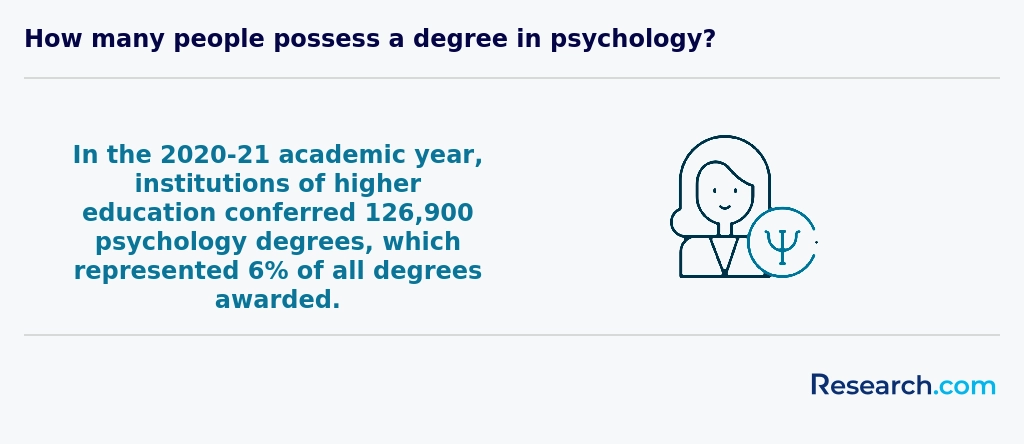
Michigan’s leading psychology departments boast renowned faculty whose expertise spans clinical, cognitive, social, and neuropsychology. At the University of Michigan, Professor Jane Smith directs the Cognitive Neuroscience Lab, where undergraduates assist in fMRI studies on memory and decision-making. Similarly, Michigan State University’s Dr. Robert Jones leads the Social Behavior Research Center, offering students hands-on experience in designing and analyzing surveys on group dynamics. These faculty-led labs not only advance critical research but also empower students to co-author papers in peer-reviewed journals-a key factor in graduate school admissions and competitive job markets. Beyond individual mentorship, several Michigan universities host interdisciplinary research centers that integrate psychology with other fields. Wayne State University’s Center for Urban Mental Health collaborates with public health experts to address Detroit’s unique community needs, while Western Michigan University’s Child Development Institute partners with local schools to study early learning interventions. Participation in these centers not only enriches academic portfolios but also cultivates transferable skills in grant writing, ethical research practices, and data visualization. While Michigan programs excel in cutting-edge research, prospective students balancing affordability and academic rigor may also explore institutions outside the state. For a detailed comparison, the Most Affordable Psychology Degree Programs Ranking in Oklahoma offers insight into programs that combine cost-effective tuition with robust research opportunities. This broader perspective helps students choose a psychology degree program that aligns with both their academic interests and financial goals.
Many psychology students in Michigan find critical support through federal aid like Pell Grants and low-interest student loans once they complete the FAFSA. A graduate from the University of Michigan recalled how this initial federal help eased early financial pressure, allowing more focus on studies.
State-specific programs such as the Michigan Competitive Scholarship and Tuition Incentive Program have also been game changers, especially for those attending local public universities like Michigan State. These options significantly reduce tuition costs, making a psychology degree more attainable.
Institutional scholarships from universities often reward students showing promise in psychology research or academic achievement. For example, several Michigan State graduates appreciated department scholarships that recognized their dedication to the field.
Adding to this, private scholarships from organizations like the Michigan Psychological Association offer vital extra funds, while work-study roles provide both income and hands-on experience, blending earning with learning effectively.
Graduate students pursuing advanced study benefit from assistantships and fellowships that combine tuition waivers with meaningful research or teaching roles, fostering both growth and financial support within Michigan's academic community.
Becoming a licensed psychologist in Michigan involves meeting specific education, examination, and supervised practice criteria set by the Michigan Board of Psychology. First, candidates must earn a doctoral degree (Ph.D. or Psy.D.) in psychology from an APA-accredited program, ensuring both rigorous training and recognized standards. As you compare programs, consider not only curriculum strength but also your psychologist schooling cost and available financial aid. Next, applicants complete at least 3,000 hours of supervised professional experience, including practicum, internship, and postdoctoral hours. These supervised hours must be logged and verified by a licensed supervisor, reinforcing ethical practice and clinical competence. Following supervised practice, candidates must pass the Examination for Professional Practice in Psychology (EPPP), a national standardized test assessing core domains such as assessment, intervention, ethics, and research methods. Upon passing the EPPP, psychologists apply for licensure through the Michigan Department of Licensing and Regulatory Affairs (LARA), submitting official transcripts, exam results, and supervisor evaluations. Michigan also mandates 40 hours of continuing education every two years to maintain licensure, encouraging lifelong learning in areas like telepsychology, cultural competence, and emerging treatment modalities. Understanding these licensure steps early in your academic journey can guide your choice of programs and professional experiences, ultimately ensuring a smooth transition from student to practicing psychologist in Michigan.
Enrolling in a psychology degree in Michigan calls for a solid academic foundation paired with clear administrative steps. Graduates from popular institutions like the University of Michigan and Michigan State University often recall how essential it was to have completed high school or its equivalent with coursework in English, math, and natural sciences. Many appreciated having some early exposure to social sciences or introductory psychology, which helped them feel confident from day one.
For those aiming at graduate programs, the expectations sharpen. It's common to see a bachelor's degree in psychology or a related field as a baseline, with prerequisites such as courses in general psychology, research methods, biopsychology, and developmental psychology. Many graduates remember how these classes not only fulfilled admission requirements but also prepared them to engage deeply with research and clinical practice.
Experienced students often highlight the importance of additional elements like GRE scores, letters of recommendation, and practical experiences-particularly in clinical psychology tracks offered by Michigan universities. These requirements, while demanding, foster a rewarding sense of readiness and belonging in their academic journey.
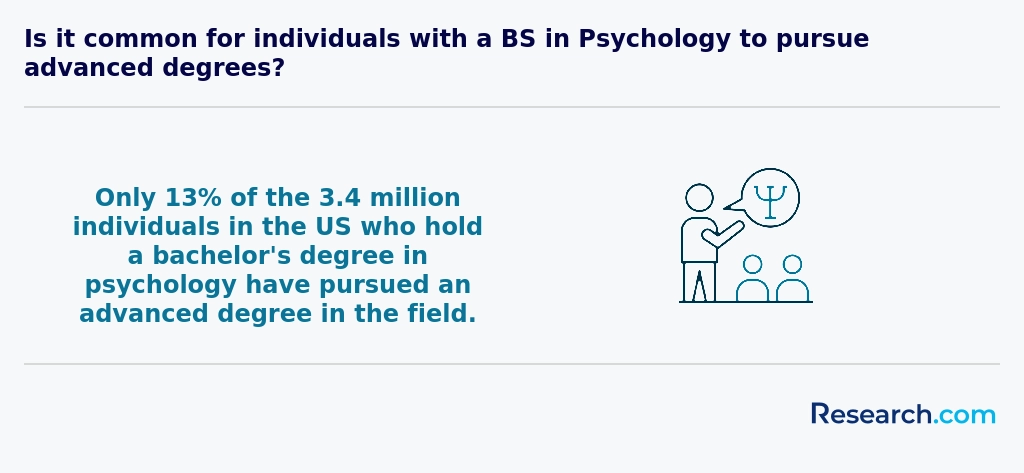
Obtaining licensure through the Michigan Board of Psychology is essential for graduates aiming to practice as professional psychologists. To be eligible, candidates must hold a doctoral degree in psychology from an APA-accredited program, complete a minimum of 4,000 hours of supervised experience (including at least 2,000 hours post-doctoral), and pass the Examination for Professional Practice in Psychology (EPPP) along with the Michigan jurisprudence assessment. Once these requirements are fulfilled, applicants submit their credentials, verification of supervised hours, and exam results via the Michigan licensing portal, accompanied by the non-refundable application fee. Renewal of licensure in Michigan occurs biennially, requiring 40 hours of approved continuing education (CE) per renewal period. Acceptable CE activities include workshops, conferences, and online courses approved by the Michigan Department of Licensing and Regulatory Affairs. Clinicians should document CE credits meticulously, as random audits ensure compliance. By meeting these standards, psychology professionals maintain high ethical practice and stay current with advancements in assessment, therapy, and research methodologies. Aspiring psychologists concerned about education costs may also compare Michigan’s tuition rates with other states. For example, explore the Most Affordable Psychology Degree Programs Ranking in Oklahoma to evaluate tuition rates and potential savings when planning your educational investment.
Psychology degree programs in Michigan offer courses that build a solid understanding of human behavior and mental processes, essential for anyone passionate about this field. Students at institutions like the University of Michigan and Michigan State often share how foundational classes such as Introduction to Psychology and Developmental Psychology helped them connect theory with everyday experiences, like observing how family dynamics shape personality over time.
Many graduates recall the excitement of Social Psychology classes, where learning about group influence made them more aware of social interactions on campus. Cognitive Psychology courses brought vivid insights into how memory and problem-solving work-knowledge that proved useful not just academically but in daily decision-making.
The emphasis on research skills, through courses like Psychological Statistics and Research Methods in Psychology, prepares students for analyzing real data, a challenge that many find rewarding. Hands-on practicum opportunities at popular Michigan colleges help bridge classroom learning with practical experience, leaving students confident and eager to pursue careers or advanced studies in psychology.
Psychology degree specializations in Michigan offer diverse pathways tailored to students' passions and career aspirations. Graduates from universities like the University of Michigan and Michigan State University often reflect on how their focus in areas such as Clinical Psychology empowered them to engage directly with mental health challenges, fostering a deep sense of purpose and empathy.
Other popular Michigan psychology program specialization options include Counseling Psychology, which equips students to support clients navigating everyday stresses, and Industrial-Organizational Psychology, a field thriving in Michigan's corporate environment. Many graduates share how this specialization connected theory with real-world workplace improvements, making their studies feel immediately relevant.
Developmental Psychology draws those interested in human growth, often leading to rewarding roles in education or child services, while Forensic Psychology students appreciate the unique blend of psychology and legal systems. To explore a wider range of flexibility, some students have found value in pursuing the best online accelerated psychology degree program, which complements the rich specialization options available in Michigan.
Choosing the best psychology degree programs Michigan offers means starting with clear goals about what level of degree you need. Graduates from prominent universities in Ann Arbor often reflect on how earning a doctoral degree opened doors for clinical psychology licensure, whereas those pursuing a master's found rewarding careers in counseling and education. Accreditation matters greatly; programs accredited by the American Psychological Association provide a strong foundation and smoother paths to licensure, which many students stress as a key factor in their satisfaction.
Practical experience also shapes these programs. Graduates from Detroit-area schools frequently highlight internships with local hospitals or nonprofits as vital to understanding real-world psychology. The balance of cost and quality is unavoidable-public universities offer more affordable options, especially for in-state students, but private institutions often provide specialized resources. For those honing their search, reviewing psychologist schooling cost can clarify financial planning.
Ultimately, a thoughtful choice rests on program curriculum, location, available campus support, and the potential for post-graduation success, all of which define the best fit for your own journey in psychology.

Psychology degree job opportunities in Michigan offer a rich variety of career paths that reflect both the state's evolving needs and the personal aspirations of its graduates. Many who studied at well-regarded institutions like the University of Michigan and Michigan State University have found fulfilling roles as mental health counselors or social workers, often motivated by a deep desire to support community well-being. Graduates appreciate that fields such as clinical and counseling psychology are highly valued here, especially with Michigan's commitment to expanding mental health access.
Career options with psychology degree Michigan also include exciting roles like school psychologists, who champion student mental health in K-12 schools, or industrial-organizational psychologists applied in Detroit's corporate atmosphere to boost workforce efficiency. Others thrive as rehabilitation counselors or research assistants, contributing to local healthcare innovation or university studies. Many successful alumni cite how hands-on internships during their studies helped turn theory into real-world impact, fostering lasting professional confidence. For those weighing costs, exploring the Most Affordable Psychology Degree Programs Ranking in Oklahoma can provide useful perspective on funding education wisely.
Graduates with a psychology degree in Michigan find themselves entering a job market that values diverse skills across healthcare, education, and human services. Many alumni from universities like the University of Michigan or Michigan State appreciate how their studies prepared them for roles in hospitals, schools, and community mental health centers. The psychology degree job outlook in Michigan reflects steady growth fueled by rising demand for mental health services and aging populations needing psychological care.
Starting salaries for bachelor's degree holders often align with the national median, yet graduates pursuing advanced degrees from well-regarded Michigan institutions report noticeably higher earnings and more fulfilling positions. State investments in behavioral health programs give confidence in job stability, and private practice openings appeal to those seeking independence. Numerous graduates relate that exploring the highest paid certificate programs helped them identify specialized paths that boosted their career success.
Experiencing those career opportunities firsthand encourages students and professionals alike to balance educational expenses with future potential. Resident tuition at schools like the University of Michigan makes local study manageable, and strong community connections ease entry into rewarding psychology roles statewide.
2027 Most Popular Psychology Degree Programs Ranking in Michigan
Investing in your education is a significant decision that can have a lasting impact on your career and personal growth. The Research.com team is dedicated to helping you make well-informed decisions by providing trustworthy and precise information. With this in mind, we have developed the "2027 Most Popular Psychology Degree Programs Ranking in Michigan" to guide prospective students in selecting the most suitable programs.
We utilized the following reputable data sources to ensure a comprehensive evaluation of psychology degree programs:
By exploring this ranking, readers will gain valuable insights into the most popular psychology programs in Michigan, helping them to confidently choose the right educational path. For detailed information about how this ranking was created, please visit our Research.com methodology page.


Frequently Asked Questions About psychology
Psychology degree students in Michigan can maximize their learning by actively engaging with both theoretical and practical components of their programs. Many Michigan universities emphasize hands-on experience through internships and research projects, which are crucial for skill development. For example, the Michigan Psychological Association highlights that students involved in research gain better career prospects.
Joining student organizations related to psychology can also enhance networking opportunities and provide access to workshops and seminars. Additionally, utilizing campus resources such as counseling centers and labs helps reinforce classroom knowledge.
According to the National Center for Education Statistics, Michigan awards over 1,200 psychology bachelor's degrees annually, indicating a strong academic environment supportive of experiential learning.
The psychology field in Michigan is diversifying with emerging niches that reflect current societal needs and technological advances. One growing area is neuropsychology, which studies the brain's impact on behavior. This niche is expanding as Michigan institutions collaborate with medical centers for research and clinical applications.
Another promising niche is industrial-organizational psychology, focused on improving workplace productivity and employee well-being. Michigan's robust manufacturing and tech industries drive demand for experts in this field.
Additionally, health psychology is gaining attention, especially with rising mental health challenges. Licensed professionals trained in this niche work closely with healthcare providers.
These trends are supported by data from the Michigan Psychological Association and the Bureau of Labor Statistics, indicating a steady increase in demand for specialized psychology roles statewide.
After completing a psychology degree in Michigan, preparing for the job market involves gaining practical experience and networking within the local field. Internships and volunteer roles at hospitals, schools, or community agencies can enhance your resume and provide valuable skills sought by employers. According to Michigan's Department of Labor, employment for psychologists in the state is projected to grow about 10% from 2022 to 2032, highlighting opportunities in healthcare and education sectors.
Licensing is essential for clinical positions; candidates must pass the Examination for Professional Practice in Psychology. Joining professional organizations like the Michigan Psychological Association can provide networking and job resources. Additionally, Michigan's universities often offer career services specifically tailored to psychology graduates, assisting with job placement and interview preparation.
Employers in Michigan who hire psychology degree graduates prioritize strong communication skills. The ability to clearly convey ideas and listen effectively is essential in various settings, including mental health clinics and research institutions. Critical thinking and problem-solving are also highly valued, enabling graduates to analyze complex behavioral data and contribute to evidence-based practices.
Interpersonal skills rank prominently, as professionals often work collaboratively with clients, families, and multidisciplinary teams. According to the Michigan Department of Labor, the demand for behavioral health specialists is growing by over 10% through 2030, underscoring the need for adaptability and emotional intelligence.
Research competencies, including data analysis and familiarity with software like SPSS, are important for roles in academic and clinical research. Employers also seek graduates with ethical awareness aligned with the American Psychological Association's standards.
Finding internships in Michigan for psychology students involves several key steps. Start by consulting your university's career services and psychology department, which often have partnerships with local clinics, hospitals, or research centers. Michigan hosts numerous mental health facilities and organizations, including the Michigan Psychological Association, which offers internship listings and networking opportunities.
Websites like Handshake and the Michigan government's job portal regularly post internship openings in psychology. Students should also attend local professional events to connect with practitioners and discover opportunities.
Additionally, programs at institutions such as the University of Michigan and Michigan State University emphasize practical experience through internships, reflecting a broader statewide trend toward hands-on training in psychology education.
Obtaining a psychology degree in Michigan significantly enhances career mobility and advancement opportunities within the state's diverse job market. Graduates holding a bachelor's or higher in psychology can pursue roles in mental health services, education, human resources, and social work. According to the U.S. Bureau of Labor Statistics, Michigan's psychology-related employment is projected to grow by 8% from 2022 to 2032, reflecting steady demand for these professionals.
Advanced degrees, such as a master's or doctorate, increase eligibility for specialized positions like licensed psychologist or clinical counselor, which typically offer higher salaries and leadership roles. Licensing requirements in Michigan also emphasize educational credentials, reinforcing the value of a degree.
Many employers in Michigan value the skills developed through a psychology degree, including critical thinking, research proficiency, and interpersonal communication. These skills support upward movement in healthcare, education, and corporate environments. Michigan's universities also provide networking and internship opportunities that help graduates transition into the workforce more efficiently.
Studying for a psychology degree in Michigan equips students with skills applicable across various fields, emphasizing interdisciplinary collaboration. Many Michigan universities integrate coursework from sociology, education, healthcare, and business, fostering a broad understanding of human behavior in diverse contexts.
Programs often include practical experiences such as internships or research projects with community organizations, hospitals, and schools. This approach helps students apply psychological principles alongside other disciplines, preparing them for roles in healthcare teams, social services, or corporate environments.
According to the Michigan Department of Labor, over 20% of psychology graduates work in multidisciplinary settings, highlighting the importance of such training. Institutions like the University of Michigan and Michigan State University emphasize interdisciplinary approaches in their curriculum, making graduates competitive for varied career paths.
When choosing between a thesis and a non-thesis psychology degree program in Michigan, consider your career goals first. A thesis program involves original research and prepares students for doctoral studies or research careers. It is ideal if you plan to continue in academia or clinical research.
Non-thesis programs usually emphasize coursework and practical experience, suitable for students aiming to enter the workforce directly after graduation. According to the Michigan Psychological Association, about 40% of psychology graduates pursue research careers, while others focus on applied roles.
Cost, time commitment, and faculty expertise at Michigan universities also influence the decision. Thesis programs often take longer but provide deeper specialization.
Students based in Michigan who want to study psychology abroad have various options through exchange programs and partnerships offered by Michigan universities. Many institutions, such as the University of Michigan and Michigan State University, provide study abroad opportunities in countries with strong psychology programs, including the United Kingdom, Australia, and Germany. These programs allow students to earn credits transferable to their Michigan degrees while gaining international experience.
According to NAFSA: Association of International Educators, about 38% of Michigan undergraduates participate in study abroad during their degree, with social sciences among the popular fields. This trend helps psychology students broaden their understanding of diverse psychological theories and research methods.
Furthermore, some Michigan colleges also offer summer abroad internships and research placements in psychology, enhancing practical skills in global contexts. Students should consult their home institution's study abroad office and relevant departmental advisors to explore accurate program details and financial aid options.
Students pursuing psychology degrees in Michigan have several part-time job opportunities that complement their studies by providing practical experience. Common roles include research assistant positions at universities or private research firms, where students can learn about experimental design and data analysis. Additionally, many students find roles as behavioral health technicians or mental health aides in local clinics or community service organizations.
These jobs allow students to apply psychological principles in real-world settings, improving skills relevant to future careers. According to the Michigan Department of Labor, the state employs over 15,000 mental health counselors and therapists, indicating a growing demand for professionals with relevant experience.
Other valuable opportunities include tutoring psychology courses or working as a crisis hotline operator, both of which help develop communication and critical thinking. These experiences not only bolster resumes but also deepen understanding of human behavior and mental health.
Psychology students in Michigan benefit from numerous networking opportunities both on and off campus. Many universities, including the University of Michigan and Michigan State University, host psychology clubs and honor societies where students connect with peers and faculty. These groups often organize guest lectures, workshops, and local conferences that introduce students to practicing professionals.
Externally, associations like the Michigan Psychological Association provide student memberships, granting access to statewide events, mentorship programs, and research presentations. Internships and practicum placements through Michigan's diverse healthcare and community organizations also create valuable professional connections. According to the American Psychological Association, 68% of Michigan psychology students report networking as a key factor in securing internships.
Alumni networks play a crucial role for psychology degree students in Michigan by offering valuable connections and career support. Graduates from Michigan universities often join active alumni groups that facilitate mentorship and job placement, which can be essential in a field where internships and professional guidance matter. According to the Michigan Psychological Association, collaborative networks improve employment rates by providing access to local clinics, research projects, and educational events. Additionally, alumni can share insights about licensure requirements and continuing education specific to Michigan, helping students navigate state regulations more effectively. This community support ultimately enhances students' professional growth and opportunities.
Customizing a psychology degree program in Michigan allows students to align their education with specific career goals. Many universities, such as the University of Michigan and Michigan State University, offer specializations including clinical psychology, counseling, industrial-organizational psychology, and applied behavioral analysis.
Students can select electives or minors in related fields like neuroscience, social work, or health sciences to broaden their expertise. Internships and research opportunities tailored to local industries or healthcare settings provide practical experience and networking connections.
Additionally, Michigan's Department of Licensing and Regulatory Affairs outlines requirements for licensure in various psychology careers, which helps students choose coursework that meets state standards for practice and certification.
Psychology students in Michigan face several common challenges throughout their academic journey. A significant issue is managing the intensive coursework alongside required research projects, which can be demanding given the competitive nature of programs at universities such as the University of Michigan and Michigan State University. According to the American Psychological Association, balancing theoretical learning and practical experience is crucial but often stressful for students.
Another challenge is securing quality internships or practicum placements. Many Michigan institutions require hands-on experience in clinical or counseling settings, but limited opportunities and high demand can create barriers. Additionally, financial concerns are prevalent. The average undergraduate psychology student debt in Michigan is approximately $30,000, which adds pressure on students to maintain part-time work alongside studies (College Board, 2023).
Lastly, mental health issues can be significant among psychology students themselves. Studies show that roughly 40% of college students in Michigan report symptoms of anxiety or depression, impacting academic performance and retention rates.
With a psychology degree in Michigan, graduates have several professional certification options to advance their careers. For example, becoming a Licensed Psychologist requires obtaining a doctoral degree along with passing the Examination for Professional Practice in Psychology (EPPP) and fulfilling state licensing requirements. The Michigan Board of Psychology oversees this process.
Other certifications include becoming a Licensed Professional Counselor (LPC) or Licensed Social Worker, which often require a master's degree in psychology or related fields plus supervised clinical hours. According to the Michigan Department of Licensing and Regulatory Affairs, LPC certification is popular among psychology graduates aiming for mental health counseling roles.
Additional credentials such as Certified Alcohol and Drug Counselor (CADC) are available for those seeking specialization in substance abuse treatment. These certifications enhance employment prospects in hospitals, schools, and community agencies within Michigan's mental health sector.
Writing a winning application for a psychology program in Michigan begins with understanding the competitive nature of these programs. According to the Michigan Association of State Universities, psychology remains one of the most popular majors, making strong academic records essential. Applicants should highlight a minimum GPA of 3.0, though more selective schools often expect closer to 3.5 or higher. Including research experience or relevant internships strengthens your profile, as hands-on exposure is highly valued in Michigan's educational institutions.
Meaningful personal statements are crucial. These should clearly express your passion for psychology and your career goals within Michigan's diverse mental health landscape. Additionally, strong letters of recommendation from professors or professionals familiar with your work improve your chances. Finally, ensure standardized test scores meet or exceed program requirements, noting that some schools have test-optional policies. Checking each program's specific criteria, such as those outlined by the University of Michigan or Michigan State University, can sharpen your application strategy.
The field of psychology offers diverse career opportunities worldwide, with growing demand driven by increased awareness of mental health. In the United States, including Michigan, psychology professionals often focus on clinical, counseling, or research roles. According to the U.S. Bureau of Labor Statistics, employment for psychologists is projected to grow 8% from 2022 to 2032, faster than average for all occupations.
Globally, psychology careers vary based on local healthcare systems and education standards. In Michigan, well-established universities provide accredited programs that align with national guidelines, preparing graduates for licensure and professional practice.
Graduates from Michigan's psychology programs benefit from strong state support for mental health initiatives and numerous clinical placement opportunities. This regional emphasis highlights the practical application of psychology on both local and global scales.
Gaining practical experience while studying for a psychology degree in Michigan is crucial for skill development and career readiness. Many Michigan universities offer internships or practicum placements, allowing students to work directly with patients, conduct research, or assist in clinical settings. For example, programs at the University of Michigan and Michigan State University integrate supervised fieldwork as part of their curriculum.
Students can also participate in research projects led by faculty, contributing to ongoing studies and gaining hands-on experience in data collection and analysis. The Michigan Psychological Association provides networking opportunities that can lead to volunteering or internship positions across the state. Additionally, some students pursue part-time roles in counseling centers or community health organizations to further practical learning.
Choosing the right concentration within a psychology degree program in Michigan starts with understanding your career goals. Psychology offers diverse paths, including clinical, counseling, industrial-organizational, and developmental psychology. Michigan universities, like the University of Michigan and Wayne State, provide specialized tracks reflecting these fields.
Consider job market demand: According to the U.S. Bureau of Labor Statistics, clinical and counseling psychologists in Michigan earn a median salary around $83,000, with steady growth expected through 2031. Industrial-organizational psychology is also growing in corporate hubs like Detroit.
Research available faculty expertise and internship opportunities at Michigan institutions, as these enhance practical experience. Reflect on your interests and seek guidance from academic advisors to find a concentration aligning with both your passion and local employment trends.
- 2027 Most Popular Psychology Degree Programs Ranking in Minnesota
- 2027 Most Popular Psychology Degree Programs Ranking in Iowa
- 2027 Most Popular Psychology Degree Programs Ranking in New York
- 2027 Most Popular Psychology Degree Programs Ranking in North Carolina
- 2027 Most Popular Psychology Degree Programs Ranking in Maryland
- 2027 Most Popular Psychology Degree Programs Ranking in Delaware
- 2027 Most Popular Psychology Degree Programs Ranking in Connecticut
- 2027 Most Popular Psychology Degree Programs Ranking in Arkansas
- 2027 Most Popular Psychology Degree Programs Ranking in Georgia
- 2027 Most Popular Psychology Degree Programs Ranking in Alabama
See What Experts Have To Say About Studying Psychology
Read our interview with Psychology experts

Joann Farrell Quinn, Ph.D., MBA
Psychology Expert
Director at the College of Medicine Department of Medical Education
Morsani College of Medicine

Robin M. Kowalski. Ph.D.
Psychology Expert
Professor of Psychology
Clemson University

Elizabeth L. Jeglic Ph.D.
Psychology Expert
Professor of Psychology
City University of New York

- Best Online and Campus Psychology Schools in Michigan https://www.psychologydegree411.com/schools/michigan/
- Study Psychology Abroad | Go Overseas https://www.gooverseas.com/study-abroad/psychology
- Alumni Perspectives - Meet Our FPN Alumni https://www.aanmelder.nl/alumni-perspectives-june-2023
- Financial Aid - The Michigan School of Psychology (MSP) https://msp.edu/student-services/financial-aid/
- Psychology Placement Opportunities for Year 12 Students https://studymind.co.uk/ucas-guide/year-12-guide-to-gaining-psychology-work-experience/
- What can I do with a psychology degree? https://www.hull.ac.uk/study/undergraduate/courses/psychology-bsc-hons/what-can-i-do-with-a-psychology-degree
- Professional Networking For Psychologists | Psychology.org https://www.psychology.org/resources/professional-networking/
- Mental Health Challenges Faced by Psychology Students | The Healthcare Guys https://healthcareguys.com/2023/11/23/mental-health-challenges-faced-by-psychology-students/
- i'm confused- which psychology do i apply for? https://talk.collegeconfidential.com/t/im-confused-which-psychology-do-i-apply-for/1148822
- Psychology Schools in Michigan | Psychology Degree Guide https://psychologydegreeguide.org/state/michigan/


