2027 Most Popular Psychology Degree Programs Ranking in Duluth

Co-Founder and Chief Data Scientist
Choosing the right psychology degree program is a crucial step for students in Duluth dreaming of a rewarding career. To assist in this journey, the Research.com team of data scientists has created the 2027 Most Popular Psychology Degree Programs Ranking in Duluth.
This article offers clear insights into the best options, helping you make an informed decision without guesswork. Pursuing a psychology degree opens doors to meaningful work, personal growth, and opportunities to make a positive impact on others' lives. Dive in to discover which programs truly stand out for 2027.
Key benefits of getting psychology degree in Duluth
- Psychology graduates in Duluth can pursue rewarding careers such as Human Resources Specialists, earning a mean annual wage of $76,060, or Marketing Research Analysts with a mean annual wage of $83,190, providing strong financial stability.
- Career options include Clinical Research Associates and Survey Researchers, both offering average annual salaries around $62,370, giving flexibility in choosing roles that fit your interests.
- Completing a psychology degree online offers convenience and flexibility, allowing students in Duluth to balance work and life commitments while benefiting from quality education similar to traditional programs.
- 2027 Most Popular Psychology Degree Programs Ranking in Duluth
- What can I expect from psychology degree in Duluth?
- Where can I work with psychology degree in Duluth?
What can I expect from psychology degree in Duluth?
When diving into a psychology degree in Duluth, the average cost at the University of Minnesota Duluth (UMD) offers an accessible pathway for curious minds. Graduates often recall juggling hands-on research projects with manageable tuition fees that hover around $15,000 per year for in-state students. This balance of cost and quality lets many embrace their academic journey without overwhelming financial stress.
Out-of-state students, eager to explore Duluth's unique blend of rigorous coursework and practical experiences, can expect tuition closer to $30,000 annually. Yet, stories from successful alumni highlight how scholarships and assistantships help soften these expenses, turning daunting numbers into empowering opportunities.
Imagine spending a crisp autumn afternoon in UMD's psychology labs, dissecting human behavior theories learned in courses covering developmental, social, and abnormal psychology-all with a price tag that feels like an investment rather than a burden. This real-world approach makes psychology in Duluth an adventure worth pursuing for those passionate about understanding minds and impacting lives.
Where can I work with psychology degree in Duluth?
Graduates with a psychology degree in Duluth often find themselves stepping into vibrant roles across healthcare, education, and community services. Imagine working at Essentia Health, where you help individuals navigate mental health challenges, or joining St. Luke's Hospital to support families through counseling and therapy. Those who studied at the University of Minnesota Duluth often share how rewarding it feels to apply their skills in real-world settings, collaborating on research projects that examine behavioral trends unique to the region.
Others explore careers in local schools, becoming school psychologists who create tailored intervention plans that make a direct impact on children's academic and social lives. Social service agencies, like the Duluth Community Action Agency, welcome psychology graduates with open arms, offering opportunities to manage community programs and provide crisis intervention. Even beyond traditional paths, grads tap into city government roles and business sectors, using their knowledge to enhance workplace dynamics and promote employee well-being-an exciting testament to the versatility of a Duluth psychology degree.
If you're diving into a psychology degree in Duluth, you'll find a variety of earning paths waiting for you after graduation. A graduate stepping into roles like a Clinical Research Associate or Survey Researcher can expect a mean annual wage around $62,370 according to recent data. Imagine starting your career at the University of Minnesota Duluth, where fellow graduates have shared stories of beginning as research assistants before moving into these roles, feeling excited by every small discovery they contribute to.
Other graduates with a knack for analyzing people and trends might become Marketing Research Analysts, earning about $83,190 yearly. This higher salary opens doors to more adventurous career moves, whether working for local companies or beyond Duluth's borders.
Many psychology grads also explore careers as Human Resources Specialists, whose mean annual wage sits near $76,060. Picture helping organizations find the right talent, using your psychology background to create positive work environments-something that alumni from Duluth's colleges increasingly value.
Starting with practical roles such as Childcare Workers, where the mean wage is $32,070, some graduates gain meaningful experience before advancing. Duluth's welcoming community offers a supportive backdrop for these early career journeys, blending good earnings with a quality of life that many find refreshing and motivating.
- The average annual in-state tuition at public universities in Duluth for psychology programs ranges from $8,000 to $12,000.
- Private colleges in Duluth typically charge more than $20,000 per year for psychology degrees.
- Starting salaries for entry-level psychology roles in Duluth usually fall between $40,000 and $50,000 annually.
- Experienced psychologists and counselors can earn between $65,000 and $90,000 per year in Duluth.
- The job market includes opportunities in mental health, education, and social work, with growth driven by healthcare and community service sectors.
Diving into a psychology degree in Duluth opens an exciting journey that most undergraduates complete in about four years. Imagine a student at the University of Minnesota Duluth, exploring the human mind through engaging classes and hands-on internships, gradually building skills that transform curiosity into real-world impact. This common timeline balances deep learning with vibrant campus life, making every year an adventure.
If you aspire to go beyond, a master's degree adds roughly two more years. Graduates often describe this phase as a thrilling deep dive into specialized topics and research projects, sometimes balancing coursework with practical experiences that make theories come alive.
For those reaching for a Ph.D. or Psy.D., the path stretches further, generally from four to seven years post-bachelor's. Picture yourself navigating this period with challenging exams, immersive research, and clinical internships, working closely with Duluth professionals-all shaping you into a confident expert poised to make meaningful change.
Many Duluth students appreciate how flexible options and community support help them pursue their psychology passion while managing real-life commitments, keeping the excitement alive throughout their academic expedition.
When deciding on a psychology program in Duluth, MN, it's essential to consider several factors that can impact your educational experience and future career. Prospective students should research the popular psychology school options in the area, looking into aspects such as accreditation, program focus, course offerings, faculty expertise, and class size. Additionally, factors like flexibility, job placement rates, and financial considerations should also be taken into account. By carefully evaluating these elements, students can find a psychology program that aligns with their goals and provides them with the necessary skills and knowledge to succeed in their chosen career path.
Imagine juggling work and family while diving into psychology studies--online programs in Duluth offer this freedom, letting you watch lectures whenever your schedule allows. Many graduates appreciate this flexibility, especially since over 30% of psychology students nationwide choose distance learning. With universities like the University of Minnesota Duluth providing asynchronous classes, you can learn on your own terms without leaving home.
On the flip side, on-campus programs sparkle with energy and connection. Duluth students love the buzz of face-to-face discussions and the hands-on experiences, like lab work and clinical practicums, that their in-person classes offer. This close interaction often builds community and sparks networking that feels truly inspiring.
Cost also plays a role: public institutions around Duluth typically charge about $13,000 yearly, whether online or on-campus, but living expenses drop with remote learning. Private colleges might ask more, sometimes over $30,000 annually. Whichever you choose, accredited programs here align with American Psychological Association standards, ensuring your adventure in psychology is both exciting and credible.
Licensure and certification ensure you can practice psychology legally in Minnesota. Requirements vary by role:
For Licensed Psychologists:
- Earn a doctoral degree in an APA-accredited psychology program
- Complete a minimum of 1,500 supervised practice hours
- Pass the Examination for Professional Practice in Psychology (EPPP) and Minnesota jurisprudence exam
- Submit an application, transcripts, and exam scores to the Minnesota Board of Psychology
- Maintain licensure with 40 continuing education hours every two years
For Licensed Professional Counselors:
- Obtain a master’s degree in counseling or psychology
- Accumulate at least 2,000 hours of supervised clinical experience
- Pass the National Counselor Examination (NCE)
- Apply for licensure with the Minnesota Board of Behavioral Health and Therapy
- Renew certification with ongoing professional development and continuing education
Students exploring convenient study options may benefit from an affordable online masters in psychology program that aligns with these requirements.
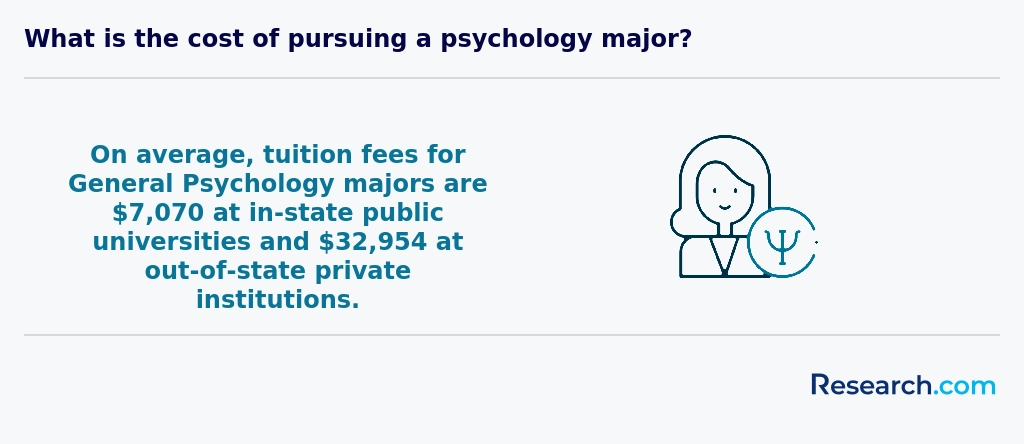
The average cost of a psychology degree in Duluth hovers around $31,350, which strikes a balance between accessibility and quality education. For in-state students attending the University of Minnesota Duluth (UMD) or similar institutions, the total tuition and fees typically come to about $14,610. Graduates often recall the challenge and excitement of managing these costs while deeply engaging in psychology coursework and research projects that feel truly transformative.
Psychology degree tuition fees Duluth 2027 reflect a mix of in-state affordability and out-of-state investment, with out-of-state students often encountering a higher price but gaining the enriching experience of Duluth's unique academic environment. One graduate described the investment as well worth it, citing the hands-on clinical trainings and supportive campus culture that helped shape their professional path.
Living expenses, textbooks, and participation fees for clinical or research activities add layers of cost but also layers of growth-bringing theory to life through real-world practice. Many students find these costs an adventure in budgeting and personal development, often exploring financial aid options or scholarships offered locally.
For those eager to deepen their expertise beyond undergraduate studies, connecting to specialized resources like lpc certification courses Indiana can offer pathways to advanced qualifications, helping to offset costs through assistantships or grants while expanding career horizons.

As psychology professionals progress in their careers, many aspire to pursue advanced degrees that further refine their expertise and open doors to specialized clinical practice and leadership roles. While the ranking highlights popular undergraduate and master’s programs in Duluth, MN, it is equally important to consider the pathway to achieving a doctoral degree, such as a PsyD, which offers extensive practical training and clinical experience. Increasingly, candidates are exploring flexible online options that allow them to balance ongoing professional responsibilities with rigorous academic coursework. For those who require a blend of flexibility and quality, checking out apa-accredited psyd programs online can provide a promising solution. Advancing to a doctoral level often means engaging with cutting-edge research, participating in hands-on clinical practice, and building a robust professional network-each of which are critical components in today’s competitive job market. Moreover, online doctoral programs are designed with modern learners in mind, incorporating interactive technologies and virtual collaborations that mirror traditional classroom experiences while offering added convenience. This section reinforces that continuing education, especially through advanced online degree options, is a strategic way for emerging psychology professionals from Duluth, MN, to fortify their credentials and maximize their long-term career potential.
If you're diving into a psychology degree at the University of Minnesota Duluth, financial aid can feel like a trusty compass guiding your journey. Many students find themselves building their aid package starting with the Free Application for Federal Student Aid (FAFSA). This opens doors to Pell Grants that can offer up to $7,395 a year, making that $15,982 in-state tuition feel a little less daunting. Imagine a graduate who combined this grant with federal work-study-gaining both experience and financial support on campus.
Beyond federal aid, Minnesota's State Grant is a gem for local students, easing expenses based on need and academic progress. Graduates often share how scholarships tied specifically to Duluth-area universities or psychology departments felt like winning personalized treasure-rewarding leadership, service, or academic passion within the field.
- Professional groups like the Minnesota Psychological Association sometimes provide scholarships, offering fresh pathways to fund your studies and launch a career.
- For many, combining grants with part-time jobs around Duluth's manageable cost of living turns the challenge of paying for college into an exciting adventure of growth.
Many students in Duluth, MN, discover that a traditional psychology degree isn’t the only route into a rewarding therapy career. Local institutions offer programs in social work, counseling, and behavioral health that provide alternative credentials and practical training. For example, the University of Minnesota Duluth’s Bachelor of Social Work (BSW) prepares graduates for licensure as clinical social workers, while several community colleges in the area offer post-baccalaureate certificates in mental health counseling. These pathways often include supervised clinical practicums and state-approved coursework meeting Minnesota Board requirements. In addition, paraprofessional roles-such as behavioral health technicians and rehabilitation counselors-allow non-psychology majors to gain invaluable field experience. Completing a certificate in addiction counseling or child and family studies can qualify candidates for entry-level therapy support positions, where they accrue the supervised hours needed for full licensure. For those exploring even more flexible options, online and hybrid programs blend asynchronous coursework with on-site internships, making it easier to balance work and study. If you’re curious about pursuing a counseling career without a traditional psychology background, check out this guide on how to become a therapist without a psychology degree for step-by-step pathways, credentialing options, and state-specific requirements. By leveraging these alternative routes, aspiring therapists in Duluth can tailor their education to fit their professional goals and life circumstances while meeting all licensure benchmarks.
Jumping into a psychology degree in Duluth means first meeting some engaging prerequisites that set the stage for discovering human behavior. At local favorites like the University of Minnesota Duluth, graduates often recall how their solid foundation in biology and statistics during high school shaped their early curiosity about the mind. The journey usually begins with a high school diploma and competitive SAT or ACT scores, though some schools have embraced test-optional paths, making admissions feel more accessible and less daunting.
For those venturing into graduate psychology programs, the expectations grow in focus and excitement. Picture yourself submitting transcripts that showcase your passion through psychology coursework, alongside thoughtful letters of recommendation and a heartfelt statement of purpose. Many alumni from Duluth's graduate programs say the GRE Psychology Subject Test felt like a thrilling challenge that truly tested their knowledge before diving deeper into research.
Beyond grades and tests, meeting these prerequisites in Duluth means stepping into a supportive academic community where your curiosity about the human mind is both encouraged and cultivated, making each requirement a rewarding milestone rather than just a hurdle.
After graduation, psychologists and counselors must obtain state licensure before offering professional services.
- Degree requirements: Licensed Psychologists need a doctoral degree (PhD or PsyD) from a regionally accredited institution; Licensed Professional Counselors (LPCs) require a master’s in counseling or psychology.
- Supervised experience: Psychologists complete 1,500–2,000 supervised clinical hours; LPC candidates must log at least 2,000 supervised practicum and internship hours.
- Exams: Psychologists sit for the Examination for Professional Practice in Psychology (EPPP); LPCs take the National Clinical Mental Health Counseling Examination (NCMHCE).
- Application process: Submit transcripts, verification of supervised hours, and exam scores to the Minnesota Board of Psychology with the required fees.
- Renewal and CE: Licenses renew biennially; professionals must complete continuing education credits (CEUs) to maintain competency.
- Program delivery: For added flexibility, many students opt for accredited online psychology programs that meet Minnesota licensure standards and allow balance with supervised fieldwork.
Imagine diving into your psychology degree at a vibrant Duluth college, where each course feels like unlocking a new part of the mind's puzzle. Graduates recall how Introduction to Psychology offered them a thrilling overview of human behavior and research methods, sparking curiosity about what drives people's actions every day. Many found Developmental Psychology eye-opening, as it traced human growth from playful toddlers to reflective adults, making lectures come alive with stories from local families and communities.
Courses like Cognitive Psychology challenged students to explore memory tricks and problem-solving strategies, perfect for late-night study sessions fueled by Duluth's cozy coffee shops. Meanwhile, Biopsychology opened doors to understanding the brain's mysteries-something that energized those curious about neuroscience.
Social Psychology classes sparked engaging debates about how group dynamics shape our choices, reflecting Duluth's close-knit community vibe. Hands-on Research Methods and Statistics provided the tools to dig into data, making real-world research at these universities feel both accessible and exciting.
Finally, Abnormal Psychology gave students compassionate insights into mental health challenges, often inspiring their commitment to helping others through practical internships right in Duluth.
Exploring a psychology degree in Duluth means diving into rich specializations that spark curiosity and personal growth. Graduates from local universities find themselves drawn to clinical psychology, where hands-on experience with real patients helps develop skills in diagnosis and therapy. Others embrace counseling psychology, discovering joy in guiding people through life's challenges in community centers or schools. Duluth's programs also thrill those passionate about research-experimental psychology offers a journey into controlled studies that unravel human behavior patterns.
Many students marvel at the practical applications of industrial-organizational psychology, improving workplace environments at Duluth colleges. Developmental psychology captivates those eager to understand growth across a lifespan, while elective courses or graduate tracks in forensic psychology gently introduce students to intersections between mind and law. These psychology degree specializations Duluth offer are not just academic paths-they're doorways into meaningful careers. Graduates often report a sense of excitement knowing their education leads toward some of the highest earning psychology careers nationwide.
Choosing the best psychology degree in Duluth invites you to explore how different programs match your unique aspirations and lifestyle. Graduates from the University of Minnesota Duluth often share how the bachelor's program sparked their curiosity through engaging research projects and local internships, making theory come alive in real-world settings. For those balancing work and study, considering schools that offer flexible schedules or even online classes can turn ambitious goals into attainable achievements.
When hunting for affordable psychology colleges in Duluth, weighing tuition against available scholarships and financial aid is key. Imagine joining a vibrant community where experienced faculty don't just teach-you grow alongside mentors actively involved in psychology research. Specializing in tracks like clinical or developmental psychology can deepen your journey and tailor your career path in thrilling ways.
For students eager to seize every opportunity, exploring options such as online psychology degrees california leadership opportunities can expand horizons beyond Duluth while still advancing psychology expertise close to home.
Exploring careers with psychology diploma Duluth unveils exciting opportunities across varied fields. Graduates from the University of Minnesota Duluth often find themselves immersed in clinical roles, working with bustling local hospitals like St. Luke's or Essentia Health, where the thrill of supporting mental health in real-time sparks deep satisfaction. Others dive into school psychology, shaping the social growth of youth in Duluth's classrooms, fueled by rewarding connections and the stability of steady demand and good salaries.
Industrial-organizational psychology offers adventures in the heart of Duluth's business scene, where graduates help boost workplace morale and productivity within sectors like healthcare and manufacturing. Some take a courageous leap into social services, joining nonprofits that tackle pressing community challenges such as substance abuse or youth outreach, gaining hands-on impact and heartfelt fulfillment.
Research enthusiasts at Duluth's universities often contribute to cutting-edge studies on behavioral health, driven by curiosity and the potential to influence public policy. With so many avenues, those seeking psychology degree job opportunities in Duluth thrive by following their passions. Navigating licensing and career steps is key, and details can be discovered here.

The psychology degree job outlook Duluth offers a unique blend of steady opportunity and community connection. Graduates from popular programs like those at the University of Minnesota Duluth find themselves stepping into a job market hungry for mental health professionals, counselors, and research assistants. Imagine working alongside peers in local clinics or school districts where your skills directly impact lives, all while enjoying Duluth's approachable cost of living.
Employment opportunities for psychology graduates Duluth often arise in healthcare and social assistance, which have grown consistently over the past decade. Many recent graduates recall starting in roles such as case management aides or psychiatric technicians, gaining valuable experience that propels them into licensed clinical positions. The demand is real, fueled by a regional shortage of mental health professionals eager to make a difference in nonprofit and public settings.
For those eager to learn more about where to start, exploring programs linked to the popular psychology school scene in Duluth reveals a gateway to rewarding careers in this evolving field.
2027 Most Popular Psychology Degree Programs Ranking in Duluth
Investing in your education is a significant decision that can shape your future, and the Research.com team understands the importance of making informed choices. To assist prospective students in Duluth, we have meticulously crafted the "2027 Most Popular Psychology Degree Programs Ranking in Duluth." Our commitment to quality, credibility, and accuracy is reflected in the extensive research and analysis conducted to compile this ranking.
We utilized the following reputable data sources to ensure a comprehensive evaluation of psychology programs:
By exploring this ranking, readers will gain valuable insights into the most popular psychology degree programs available in Duluth, helping them make informed decisions about their educational paths. For more details on our methodology, please visit our Research.com methodology page.


Frequently Asked Questions About psychology
Psychology degree students in Duluth can maximize their learning experience by actively engaging in both academic and practical opportunities available locally. The University of Minnesota Duluth offers a range of psychology courses combined with research labs, allowing students to apply theoretical knowledge in real-world settings. Participating in internships at nearby mental health clinics or community centers provides valuable hands-on experience, which is essential for deepening understanding and building professional networks.
Additionally, students should consider joining psychology-related student organizations to connect with peers and professionals. Attending regional conferences in the Upper Midwest can also expose students to the latest research trends and career paths. According to the Minnesota Department of Employment and Economic Development, psychology-related employment in Duluth is projected to grow, making experiential learning critical.
The field of psychology is evolving rapidly, with several emerging niches gaining attention among students pursuing degrees in Duluth. One growing area is neuropsychology, which focuses on understanding brain-behavior relationships and is crucial given advances in brain imaging technologies. Another expanding niche is health psychology, addressing mental health's role in physical well-being, meeting rising community health needs in Duluth and nationwide.
In addition, environmental psychology is attracting interest as concerns about climate change grow, examining how people interact with their physical surroundings. Cyberpsychology, analyzing human behavior in digital spaces, is also developing, reflecting increased technology use. According to the Bureau of Labor Statistics, psychology-related jobs in Minnesota are projected to grow 8% by 2032, underscoring opportunities in these emerging fields.
Preparing for the job market after earning a psychology degree in Duluth involves gaining practical experience and networking locally. Internships or volunteer roles in clinics, schools, or social service agencies in Duluth provide valuable hands-on skills. Many Duluth employers, such as Essentia Health and local school districts, value candidates with relevant experience.
Obtaining licensure or certification, like becoming a Licensed Professional Clinical Counselor (LPCC), enhances job prospects. According to the Minnesota Department of Health, professionals with advanced credentials have higher employment rates in the region.
Additionally, joining Duluth-based psychology associations and attending regional conferences helps graduates connect with employers and stay updated on industry trends.
Employers in Duluth seeking psychology degree graduates prioritize several key skills that reflect both academic knowledge and practical ability. Critical thinking is essential, as professionals must analyze complex human behaviors and develop evidence-based solutions.
Strong communication skills are also highly valued. Graduates should be able to convey psychological concepts clearly to patients and colleagues, whether orally or in writing. This helps in clinical settings and research environments alike.
Data analysis and familiarity with research methodologies rank prominently, especially given Duluth's growing emphasis on applied psychology fields. According to the Bureau of Labor Statistics, psychologists with superior quantitative skills have better job prospects.
Additionally, cultural competence and empathy are increasingly sought after due to the diverse population in Duluth, enabling professionals to work effectively in community mental health and social services.
Finding psychology internships in Duluth involves a combination of research, networking, and utilizing local resources. Students should start by contacting university career centers, such as those at the University of Minnesota Duluth, which often maintain lists of internship opportunities relevant to psychology majors.
Additionally, local healthcare facilities and mental health organizations frequently offer internships. For instance, Essentia Health and the Duluth Psychology Clinic provide practical experience for psychology students.
Professional associations like the Minnesota Psychological Association can also be helpful by connecting students with internship openings and mentors. Online job boards tailored to Duluth and Minnesota may list unpaid and paid psychology internships.
In Duluth, earning a psychology degree can significantly enhance career mobility and advancement. According to the U.S. Bureau of Labor Statistics (BLS), psychology-related occupations in Minnesota are projected to grow by approximately 8% from 2020 to 2030, slightly above the national average. This growth reflects increasing demand for mental health professionals and human services workers in the region.
A psychology degree offers diverse career paths, including counseling, social work, human resources, and research. Professionals with advanced degrees often qualify for higher-level positions, with Duluth employers valuing specialized skills in clinical or organizational psychology.
Furthermore, local institutions such as the University of Minnesota Duluth provide networking and internship opportunities that support job placement and career growth within the community.
Studying for a psychology degree in Duluth equips students with skills applicable to various interdisciplinary roles. Local programs emphasize collaboration between psychology and fields like healthcare, education, and social services. This approach reflects Duluth's diverse professional landscape, where psychology graduates often work alongside medical practitioners and community organizations.
Curriculums typically include training in research methods, statistical analysis, and communication skills, which are essential for roles in public health, counseling, or human resources. According to the Minnesota Department of Employment and Economic Development, Duluth's demand for mental health professionals and social service workers is growing at a rate above the national average, highlighting the need for versatile psychology graduates.
Additionally, partnerships between Duluth universities and local employers provide students with practical experience through internships and projects that bridge psychology with business, education, and criminal justice sectors.
Choosing between a thesis and a non-thesis psychology degree program in Duluth largely depends on your career goals. Thesis programs typically appeal to those interested in research or advanced studies, as they require conducting original research and writing a formal paper. This path can enhance critical thinking and analytical skills, valuable for doctoral programs or research roles.
Non-thesis options usually focus more on coursework and practical application, suited for students aiming to enter the workforce directly, such as in counseling or social services. According to the University of Minnesota Duluth, about 40% of their psychology graduates pursue thesis tracks, reflecting strong local interest in research careers.
Consider also the time commitment: thesis tracks may take longer due to research demands. Availability of faculty mentors specializing in your interests is another factor. Research shows that graduates from thesis programs have slightly higher acceptance rates in PhD programs nationwide. Be sure to review specific program structures and career placement statistics featured by Duluth institutions before deciding.
Students based in Duluth interested in studying psychology abroad have several options through U.S. higher education partnerships and exchange programs. While Duluth itself hosts reputable institutions like the University of Minnesota Duluth offering strong psychology programs, students seeking international experience often enroll in study-abroad programs affiliated with their home universities.
Popular destinations for psychology studies abroad include the United Kingdom, Canada, and Australia, where coursework aligns with U.S. accreditation standards. These programs often focus on clinical and cognitive psychology.
Many U.S. psychology programs, including those accessible to Duluth residents, facilitate semester-long exchanges or summer internships internationally, complementing core curriculum requirements. According to NAFSA, about 10% of psychology students participate in study abroad annually.
Students pursuing psychology degrees in Duluth can benefit from various part-time job opportunities that complement their academic training. Local healthcare facilities, such as hospitals and clinics affiliated with Essentia Health, often offer positions as mental health aides or patient support assistants. These roles provide practical experience interacting with diverse populations.
Community organizations, including the Duluth Community Action Partnership, frequently seek part-time workers for counseling support or program assistance, allowing students to apply psychological theories in real-world social services.
Additionally, research assistant positions at the University of Minnesota Duluth's psychology department provide valuable experience in data collection and analysis, essential skills for psychology majors.
According to the Minnesota Department of Employment and Economic Development, these roles are expected to grow alongside the increasing demand for behavioral health services in the region.
Psychology students in Duluth have several networking opportunities that enhance their academic and professional growth. Universities such as the University of Minnesota Duluth offer student psychology clubs, where members connect with peers and local professionals. These clubs often arrange guest lectures and workshops featuring experts in clinical psychology and research fields.
Local chapters of national organizations, like the American Psychological Association (APA), provide additional access to conferences and mentorship programs nearby. Duluth's healthcare and social services sectors also host internships and volunteer positions, which serve as practical networking platforms.
According to data from the Minnesota Department of Employment and Economic Development, the region's steady demand for mental health professionals encourages collaboration between students and practitioners, often leading to job placements post-graduation.
Alumni networks offer significant advantages for psychology degree students in Duluth, providing valuable connections and career support. Graduates from Duluth-based programs often stay involved, creating mentoring opportunities that help current students navigate internships and job searches. According to the National Association of Colleges and Employers, 85% of jobs are filled through networking, highlighting its importance in psychology careers.
In Duluth, local psychology professionals within alumni networks can offer insights into regional mental health practices and employment trends. These connections may open doors to positions in community clinics or counseling centers, common employers in the area. Furthermore, alumni events foster collaboration and knowledge sharing, enhancing students' professional development.
In Duluth, students pursuing a psychology degree can tailor their program to align with specific career goals through a combination of elective courses, specializations, and practical experiences. Many local institutions offer options to focus on areas like clinical psychology, counseling, or industrial-organizational psychology. According to the National Center for Education Statistics, about 60% of psychology students in Minnesota engage in internship opportunities that provide hands-on experience relevant to their career paths.
Students may also choose certificates or minors in related fields such as social work or human services. Additionally, customization is supported by faculty advising to help select coursework and research projects that match individual objectives. This flexible approach ensures graduates are prepared for diverse roles within psychology.
Psychology students in Duluth often face challenges related to balancing rigorous coursework with practical experience. Many programs require students to complete internships or research projects, which can be time-consuming alongside classes. According to data from the University of Minnesota Duluth's psychology department, nearly 65% of students report difficulty managing workload and field placements simultaneously.
Another common issue is limited access to specialized mental health facilities within Duluth, which may restrict opportunities for clinical observation or applied training compared to larger metropolitan areas. Additionally, funding constraints for research can hinder students who want to engage deeply in scientific studies.
Adjusting to the theoretical demands of psychology, including statistics and experimental design, also poses challenges for some. These hurdles require students to seek support services or tutoring to succeed academically.
With a psychology degree, graduates in Duluth can pursue various professional certifications to enhance their career prospects. Common options include becoming a Licensed Psychologist, which typically requires a doctoral degree and passing state exams administered by the Minnesota Board of Psychology. For those with bachelor's or master's degrees, certifications like Certified Alcohol and Drug Counselor (CADC) or Licensed Professional Clinical Counselor (LPCC) are available, requiring additional supervised experience.
National certifications such as the National Certified Counselor (NCC) can also benefit psychology graduates seeking licensure. According to the Minnesota Department of Health, Duluth has growing demand for mental health professionals, making these certifications valuable for local employment.
Writing a winning application for a psychology program in Duluth requires clear focus and preparation. Start by researching the programs available at institutions such as the University of Minnesota Duluth, known for its respected psychology curriculum. Highlight your academic achievements, especially in relevant coursework like biology, statistics, and social sciences.
Admissions committees value well-written personal statements that explain your motivation for studying psychology and your career goals. Include any relevant volunteer work or internships, as Duluth offers community mental health opportunities that can strengthen your profile.
Strong letters of recommendation from faculty familiar with your academic abilities also play a crucial role. Meeting application deadlines and submitting all required materials on time is essential to be considered competitive.
The global perspective on a psychology career highlights its growing importance in various fields including healthcare, education, and business. In the United States, psychology remains a popular and versatile degree, offering job growth projected at 8% from 2020 to 2030 according to the U.S. Bureau of Labor Statistics. For students in Duluth, this mirrors national trends with increasing demand for mental health professionals in the region, particularly in counseling and clinical roles.
Internationally, psychology careers emphasize cultural competence and adaptability, skills that are vital in today's diverse workplaces. Graduates often find opportunities in research, therapy, and human resources worldwide.
Gaining practical experience while studying psychology in Duluth is essential for building skills and enhancing career prospects. Many local colleges and universities offer internship opportunities through partnerships with nearby hospitals, counseling centers, and social service agencies. For example, the University of Minnesota Duluth connects students with supervised practicum placements that allow hands-on work with clients under professional guidance.
Additionally, volunteering at community mental health organizations can provide valuable exposure to real-world psychology applications. Students often engage in research assistant roles, contributing to studies on topics like behavioral health prevalent in the Duluth area. According to the National Center for Education Statistics, about 70% of psychology undergraduates nationwide participate in such practical experiences before graduating.
Choosing the right concentration within a psychology degree program in Duluth involves understanding your career goals and interests. Psychology concentrations like clinical, counseling, developmental, or industrial-organizational address different sectors of the field. For example, clinical psychology focuses on diagnosing and treating mental illnesses, while industrial-organizational psychology centers on workplace behavior.
Local resources such as the University of Minnesota Duluth and Lake Superior College offer varied specializations, with programs reflecting regional demand for mental health professionals. According to the Bureau of Labor Statistics, Minnesota's employment of psychologists is expected to grow 9% from 2020 to 2030, reflecting the importance of choosing a concentration that aligns with job markets.
Consider hands-on opportunities, faculty expertise, and internship availability in Duluth to gain practical experience. Reviewing course offerings and speaking with academic advisors can clarify which path suits your skills and ambitions best.
- 2027 Most Popular Psychology Degree Programs Ranking in Saint Paul
- 2027 Most Popular Psychology Degree Programs Ranking in Minneapolis
- 2027 Most Popular Psychology Degree Programs Ranking in Lincoln
- 2027 Most Popular Psychology Degree Programs Ranking in Detroit
- 2027 Most Popular Psychology Degree Programs Ranking in Saint Louis
- 2027 Most Popular Psychology Degree Programs Ranking in Cleveland
- 2027 Most Popular Psychology Degree Programs Ranking in Cincinnati
- 2027 Most Popular Psychology Degree Programs Ranking in Columbus
- 2027 Most Popular Psychology Degree Programs Ranking in Springfield
- 2027 Most Popular Psychology Degree Programs Ranking in Buffalo
See What Experts Have To Say About Studying Psychology
Read our interview with Psychology experts

Joann Farrell Quinn, Ph.D., MBA
Psychology Expert
Director at the College of Medicine Department of Medical Education
Morsani College of Medicine

Elizabeth L. Jeglic Ph.D.
Psychology Expert
Professor of Psychology
City University of New York

Catherine Caldwell-Harris, Ph.D.
Psychology Expert
Associate Professor of Psychology
Boston University

- Student psychological helpline – challenges and (non) ... https://www.archivespp.pl/pdf-205962-131609
- Best Types Of Online Psychology Degrees 2025 https://www.psychology.org/degrees/
- Study Psychology Abroad https://astarfuture.co.uk/study_psychology_abroad.html
- A Guide to Psychology Internships | Psychology Degree Guide https://psychologydegreeguide.org/resources/internships/
- Know more about thesis vs non- thesis: what is the difference? https://studyfans.com/en/blogs/816
- Study Psychology Abroad | Go Overseas https://www.gooverseas.com/study-abroad/psychology
- Community Psychology in Global Perspective http://siba-ese.unisalento.it/index.php/cpgp
- Why Get a Psychology Degree Online? | University of Bridgeport https://www.bridgeport.edu/news/reasons-to-get-your-psychology-degree-online/
- Alumni Perspectives - Meet Our FPN Alumni https://www.aanmelder.nl/alumni-perspectives-june-2023
- Have You Found a Niche? https://www.apaservices.org/practice/business/marketing/building/niche