
2027 Most Popular Psychology Degree Programs Ranking in Buffalo

Co-Founder and Chief Data Scientist
Choosing the right psychology degree program is an important step for students in Buffalo eager to build a meaningful career. This article introduces the 2027 Most Popular Psychology Degree Programs Ranking in Buffalo, created by the Research.com team of data scientists. The ranking provides clear, data-driven insights to help you find programs that match your goals and interests.
Exploring these options can open doors to rewarding opportunities in mental health, counseling, research, and beyond. Whether you're just starting or planning your next move, this guide supports your journey toward a fulfilling future in psychology.
Key benefits of getting psychology degree in Buffalo
- Psychology graduates in Buffalo can earn competitive salaries in roles such as Human Resources Specialist, with a mean annual wage of $76,060, and Marketing Research Analyst, averaging $83,190 per year, providing strong financial stability.
- Career paths for psychology graduates in Buffalo often include roles like Clinical Research Associate or Survey Researcher, showcasing diverse opportunities in healthcare, research, and business sectors for those passionate about understanding human behavior.
- Completing a psychology degree online from a respected Buffalo institution offers flexibility and convenience, allowing students to balance studies with work or family commitments while gaining valuable skills recognized by employers.
- 2027 Most Popular Psychology Degree Programs Ranking in Buffalo
- What can I expect from psychology degree in Buffalo?
- Where can I work with psychology degree in Buffalo?
What can I expect from psychology degree in Buffalo?
Picture yourself walking the vibrant halls of the University at Buffalo, where a psychology degree feels like an investment both in your mind and your future wallet. Unlike the towering costs of private institutions, Buffalo's public universities offer a more grounded price tag-typically, annual in-state tuition for psychology students hovers around $10,000, a figure that many graduates recall as surprisingly manageable. This affordability breathes life into dreams without suffocating them under debt.
Graduates often reminisce about the balance they found between quality education and living expenses, attributing their success partly to SUNY's reasonable tuition and abundant financial aid. Imagine diving deep into cognitive psychology labs or clinical internships without the heavy burden of outrageous fees, allowing focus on the thrill of discovery instead of constant budget stress.
In the eclectic mix of Buffalo's academic atmosphere, the cost of pursuing psychology here translates into a tangible opportunity: access to research, mentorship, and hands-on experience that doesn't require a financial leap of faith but feels like a wise, exciting step toward a meaningful career.
Where can I work with psychology degree in Buffalo?
Graduates from psychology programs at Buffalo State College often find themselves weaving through the city's vibrant healthcare tapestry, stepping into roles as mental health counselors at Erie County Medical Center or behavioral specialists with Kaleida Health. These positions aren't just jobs-they're daily journeys into healing and hope, where the theories learned in lecture halls transform into real-world impact.
Others discover their calling amid Buffalo's bustling schools, joining public or charter school staff to support thousands of students navigating emotional and academic challenges. Imagine being the steady guide for a child overcoming anxiety, a role that brings deep satisfaction and a sense of making a tangible difference.
Social services agencies buzz with opportunities too. Graduates collaborate with the New York State Office of Addiction Services and Supports, embedding themselves in community outreach to fight substance abuse and uplift families.
Meanwhile, psychology majors from local universities step into Buffalo's corporate scene, infusing HR teams with human insight or decoding consumer minds for innovative business consulting. In Buffalo, your psychology degree is a key opening doors across healthcare, education, social service, and business, turning passion into career possibilities that spark pride and purpose.
Graduates from psychology programs in Buffalo often find themselves stepping into the workforce with hopeful ambitions and tangible salary prospects. Take, for instance, those emerging from the University at Buffalo's vibrant psychology department; many embark on careers as Human Resources Specialists, where the average annual wage hovers around $76,060. It's a solid entry point where psychology knowledge meets real-world people skills.
Others leverage their research acumen in roles such as Marketing Research Analysts, earning roughly $83,190 yearly. Imagine a graduate applying psychological insights to consumer behavior in Buffalo's dynamic market, turning data into strategy while enjoying a competitive paycheck.
For those leaning toward clinical trial fields or academic research paths often nurtured by institutions like Buffalo State College, positions like Clinical Research Associates or Survey Researchers pay about $62,370 per year. These roles offer rewarding challenges, blending rigorous science with meaningful impacts on health and society.
Even graduates stepping into childcare work-maybe at local community programs-earn around $32,070 annually, transforming early development through their psychology foundation. Each pathway reflects Buffalo's diverse opportunities for psychology grads, combining passion with promising financial outcomes.
- Psychology degrees in Buffalo are offered at the University at Buffalo and Buffalo State College with options for bachelor's, master's, and doctoral programs.
- Undergraduate tuition ranges from $10,000 to $12,000 per year for in-state students and about $25,000 for out-of-state students.
- Graduate psychology programs can cost between $15,000 and $30,000 annually depending on the institution.
- Starting salaries for psychology graduates in Buffalo typically range from $40,000 to $50,000 per year.
- Experienced professionals with advanced degrees can earn between $70,000 and $90,000 annually.
- Licensing as a psychologist in New York requires completing a doctoral degree plus supervised postdoctoral experience, usually totaling six to eight years of education.
Completing a psychology degree in Buffalo is a journey measured not just in years but in personal growth and discovery. A bachelor's degree typically unfolds over four years of full-time study at institutions like the University at Buffalo, where graduates recount late-night lab sessions and vibrant discussions that made time fly. Community colleges such as Erie Community College offer two-year associate degrees, perfect for those eager to dive into psychology fundamentals before moving on to more advanced studies.
For those chasing deeper understanding, master's programs add around two years beyond the bachelor's, often filled with research projects and supportive mentorship that graduates cherish. Doctoral candidates embark on a more extended adventure-five to seven years of intense coursework, internships, and dissertation marathons-turning curiosity into expertise alongside the city's academic communities.
Many Buffalo students balance part-time studies with jobs or internships, extending their timelines but enriching their experience and resilience. The vibrant local campuses make every challenging hour worthwhile, transforming time into a meaningful psychology story unique to each learner.
When considering a psychology program in Buffalo, NY, it's essential to weigh various factors to ensure the best fit for your educational and career goals. The city offers a range of programs, from those at the University at Buffalo to others at smaller, private institutions like Canisius College. Each has its unique strengths, whether in research opportunities, internship placements, or faculty expertise. For instance, those interested in clinical psychology might find the University at Buffalo's program particularly appealing due to its robust clinical training and research focus. On the other hand, students leaning towards educational psychology might prefer the specialized courses and fieldwork experiences offered by other institutions. To make an informed decision, prospective students should explore the curriculum, specializations, and extracurricular opportunities each program offers. Additionally, considering factors like class size, faculty-to-student ratio, and the availability of career services can provide a well-rounded view of what each program entails. For more information on the top psychology programs in the area, visiting the popular psychology schools can offer valuable insights into the best options for your future in psychology.
Imagine stepping into the bustling halls of the University at Buffalo, where on-campus psychology students gather for lively debates, dissecting human behavior over coffee and collaborative lab work. These graduates recall how face-to-face mentorship and hands-on internships sparked their passion, turning textbook theories into tangible life skills essential for future licensure. The energy of shared space fuels a dynamic learning rhythm that's hard to replicate elsewhere.
Contrast that with a psychology student navigating an online SUNY program from their quiet Buffalo apartment, balancing coursework with family dinners and work shifts. Their journey is one of disciplined freedom, mastering psychological concepts amid daily life's unpredictability. The flexibility lets them tailor their education around real-world demands without uprooting their lives or budgets.
Both paths converge in rigor and accreditation, yet diverge in experience-a vibrant campus ecosystem versus a customizable digital haven-each weaving Buffalo's vibrant spirit into different but equally meaningful tapestries of learning.
Obtaining professional licensure is a critical step for psychology graduates aiming to practice clinically or independently in Buffalo, NY. In New York State, prospective psychologists must: 1. Earn the required degree • Complete a doctoral degree (Ph.D. or Psy.D.) from an APA-accredited program or an equivalent institution. Many students choose to advance their credentials through specialized graduate certificates or by enrolling in affordable and flexible masters in psychology online programs to meet state education requirements. 2. Accumulate supervised experience • Log at least 1,750 hours of postdoctoral supervision under a licensed psychologist. This includes direct client contact, assessment, and report writing. 3. Pass the Examination for Professional Practice in Psychology (EPPP) • Register with the Association of State and Provincial Psychology Boards (ASPPB) and achieve a passing score (500 or above). 4. Complete the New York State jurisprudence exam • Demonstrate knowledge of state laws governing the practice of psychology, ethics, and professional conduct. 5. Apply for licensure with the New York State Education Department (NYSED) • Submit official transcripts, verification of supervised hours, exam scores, and a completed licensure application. After licensure, psychologists in Buffalo must fulfill continuing education requirements-36 contact hours every three years-to maintain their credential. Specialties such as school psychology or industrial-organizational psychology may require additional certifications. By understanding and navigating these licensure steps, graduates can confidently transition from academic training to professional practice, ensuring compliance with state regulations and fostering trust with future clients.
The average cost of a psychology degree in Buffalo is shaped by a blend of numbers and experiences. Recent graduates from notable schools like the University at Buffalo and D'Youville University recount balancing tuition costs around $10,936 for in-state students, climbing dramatically for out-of-state peers to about $49,901. This range reflects typical psychology degree tuition and fees Buffalo students grapple with, highlighting the significant difference between local and non-resident rates.
Imagine a student at the University at Buffalo, navigating the dynamic campus life, energized by engaging lectures and hands-on research, all while budgeting around $11,000 yearly for tuition. This student feels empowered, knowing their investment fits comfortably within typical public university costs in New York State. Conversely, an out-of-state psychology student might reflect on a steeper financial journey, where tuition nearing $50,000 challenges them to seek scholarships and aid, but never shadows the enthusiasm for their field.
Private college attendees, like those at D'Youville University, often embrace an environment rich in smaller classes and personalized attention, with tuition usually above $30,000. These students find value not only in their education but in a supportive community that fuels their passion for psychology. Navigating these costs brings clarity to the average cost of psychology degree in Buffalo as a blend of hard numbers and real-life ambition.
Exploring financial aid and flexible schedules can soften the impact of fees and tuition, making dreams accessible. For students curious about local options and institutions, the list of popular psychology schools offers a helpful starting point to compare costs and benefits before committing to this rewarding path.

One of the most valuable aspects of earning a psychology degree in Buffalo, NY, is the robust network of alumni who continue to support current students and recent graduates. Many local institutions have formal mentorship programs that pair students with experienced professionals, offering firsthand career advice, guidance on navigating internships, and strategies for overcoming common challenges in the field. Alumni often share their success stories and practical tips about areas such as advanced education, research opportunities, and even alternative career paths. For example, some graduates have taken unconventional routes into mental health by exploring diverse roles and certifications-illustrated by insights on how hard is it to become a therapist. These mentorship opportunities not only sharpen essential skills like critical thinking and effective communication, but they also open doors to networking events, career fairs, and industry-specific workshops. By tapping into these alumni-led initiatives, students can better prepare for the dynamic job market, gain confidence from real-world experiences, and build long-lasting professional relationships that enhance their academic journey and career trajectory.
Picture yourself walking the corridors of the University at Buffalo, clutching a fresh stack of Pell Grant approval letters-each dollar a tiny victory against the hefty $10,000 to $16,000 tuition beast. Like many psychology students here, you might lean on this need-based treasure, which offers up to $7,395 without the looming burden of repayment.
Imagine evenings juggling part-time research assistant gigs funded by the Federal Work-Study program, blending practical psychology work with steady paychecks that soften living cost strains. These moments, a common reality for Buffalo's psychology crowd, turn campus jobs into stepping stones for future careers.
State pride shines through the New York State Tuition Assistance Program (TAP), which can gift you up to $6,000 annually, a crucial boost for residents attending public campuses in Buffalo.
Merit-based scholarships and psychology-specific awards from local organizations often act like secret handshakes, unlocking funds for students who've sparked academic flames or research curiosities, providing a heartfelt nod to Buffalo's ambitious minds.
Federal loans fill the gaps for many, but with friendlier terms than private options, offering peace of mind as you dive deeper into the intricacies of the human mind.
Choosing a psychology degree program in Buffalo, NY, requires careful attention to accreditation and state licensure requirements to guarantee your education meets professional standards and prepares you for practice. Prospective students should verify that the institution holds regional accreditation from bodies like the Middle States Commission on Higher Education and that its psychology curriculum is approved by the American Psychological Association (APA). An APA-accredited program ensures that coursework, faculty qualifications, and practicum experiences align with the rigorous benchmarks necessary for licensure and competitive positioning in the job market. In New York State, licensure as a psychologist mandates completion of a doctoral degree from an APA-accredited institution, followed by at least 3,500 hours of supervised professional experience and passing the Examination for Professional Practice in Psychology (EPPP). For school psychologists, certification through the New York State Education Department requires a specialist degree and a minimum of 1,200 supervised hours in school settings, plus the Praxis School Psychologist exam. Early planning will help you integrate practicum placements, internship applications, and exam preparation seamlessly into your academic timeline. While accreditation confirms program quality, affordability remains a crucial factor. If you’re also exploring cost-effective options across state lines, our Cheapest Psychology Degree Programs Ranking in Mississippi offers insights into programs that balance accreditation standards with lower tuition rates-an approach you can adapt when evaluating Buffalo-area institutions.
Imagine stepping onto the vibrant campus of the University at Buffalo, where budding psychologists start their journey by proving they've conquered high school with a diploma or GED in hand. Graduates often recall balancing SAT or ACT scores alongside their GPA, though many local colleges now embrace test-optional policies, valuing the rich narrative told by your coursework and passions more than a single exam moment.
Picture a classroom where you dive into biology, decoding the mysteries of the human brain, or a statistics lecture that transforms numbers into stories about behavior. Alumni often spotlight these foundational courses as their springboard, especially those taken within Buffalo's unique blend of urban energy and academic rigor.
For those eyeing graduate studies, the scene shifts: letters of recommendation breathe life into your application, personal statements reveal your journey's heartbeat, and GRE scores sometimes mark the gatekeepers. Mental health internships and research gigs around Buffalo's community further ignite your ethical commitment and sharpen your communication skills, making you part of a thriving local psychology mosaic.
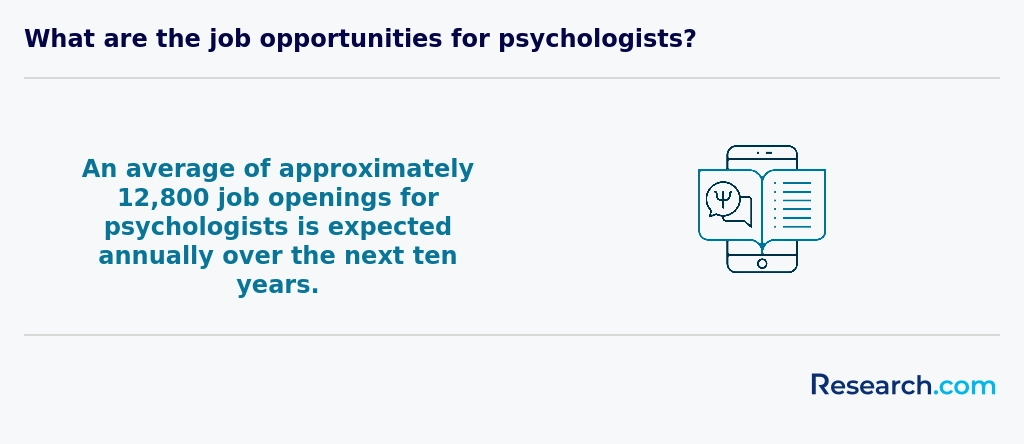
Choosing an APA-accredited psychology program ensures rigorous training and smooth eligibility for state licensure exams. In Buffalo, NY, prospective students should verify that their institution’s psychology department holds American Psychological Association (APA) accreditation or meets New York State Office of the Professions standards. Accreditation not only affirms curriculum quality-covering core competencies like ethics, research methods, and clinical practicum-but also impacts eligibility for internships, residencies, and doctoral programs nationwide. Key accreditation and licensure considerations: • APA Accreditation: Grants confidence that your program adheres to national standards, facilitating licensure reciprocity across states. • State Licensure Requirements: New York mandates 3,500 hours of supervised experience and passing the Examination for Professional Practice in Psychology (EPPP). Confirm that your Buffalo program integrates supervised practica and exam preparation. • Internship Affiliations: Accredited programs often partner with local hospitals and clinics-such as Erie County Mental Health Center-to secure high-quality practicum placements. • Continuing Education: Look for institutions offering post-graduate coursework or licensure renewal workshops in areas like forensic assessment or health psychology. While Buffalo offers a robust network of accredited programs, cost can be a barrier. For students seeking affordable graduate pathways outside New York, explore our Cheapest Psychology Degree Programs Ranking in Mississippi to compare tuition rates, accreditation status, and licensure support. By prioritizing accreditation and understanding state licensure processes, you’ll ensure your psychology degree from Buffalo positions you for a seamless transition into professional practice and a successful career.
Diving into a psychology degree in Buffalo means embarking on a vibrant journey through the mind's intricate landscapes. Graduates from the University at Buffalo often recall the thrill of their first exposure to the biological bases of behavior-imagine unlocking the secrets of your own brain as you learn how neurons spark thoughts and emotions. Courses on research methods and statistics empower students to decode patterns in human behavior, turning data into meaningful stories.
Picture yourself studying cognitive psychology, where you explore how memories are formed or decisions unfold, almost like observing your own mental processes from the inside out. Developmental psychology classes chart the fascinating transitions from toddler curiosity to adult reasoning, anchoring theory in real-world growth.
Social psychology courses often bring to life Buffalo's diverse community, helping students understand how interactions shape our attitudes. In specialized electives like forensic or multicultural psychology, learners tailor their paths, often sharing stories about their hands-on internships at local mental health clinics-experiences that spark confidence and a sense of purpose.
Buffalo's psychology degree specializations create a vibrant canvas for curious minds eager to dive deep into human behavior. Clinical psychology stands out, with graduates recalling their rewarding internships at University at Buffalo's mental health clinics, where they crafted skills in diagnosing and supporting clients through real challenges. Counseling psychology draws those passionate about emotional resilience, sparking careers in schools and community centers where students witness transformation firsthand.
Developmental psychology captivates many, focusing on growth from toddlers to seniors - a graduate shared how internships at local child welfare agencies revealed the power of timely intervention. Industrial-organizational psychology appeals to those fascinated by workplace dynamics, fitting perfectly with Buffalo's manufacturing hub. Emerging fields like neuropsychology and health psychology hint at brain-body mysteries, inviting learners to explore beyond the traditional paths.
In navigating these Buffalo psychology program concentration options, some students wonder how hard is it to become a therapist, discovering that the city's diverse opportunities make it an inspiring journey.
Choosing the best psychology degree programs in Buffalo feels like assembling a personal puzzle, where each piece-curriculum, cost, practical training-must fit your unique career vision. Graduates from the University at Buffalo often describe the vibrant mix of rigorous APA-accredited programs and hands-on internships in local hospitals as a game-changer, fueling both confidence and clarity in their professional journey.
Affordability whispers loudly too, especially in a city where SUNY's approachable tuition helps students dodge the financial fog. Many echo that balancing passion with price was pivotal, flipping the typical stress into excitement for their futures. The value of proximity to Buffalo's mental health clinics becomes a daily inspiration-imagine refining counseling skills just blocks from campus, immersing in real-world challenges that textbooks alone can't capture.
Dreams of becoming a licensed therapist or diving into research tap into the heartbeat of your choice. Exploring specialized tracks aligns perfectly with this vision, and if you're seeking flexibility, consider looking into masters in psychology online programs. Buffalo's network of supportive alumni and research opportunities creates a spirited community eager to see you thrive.
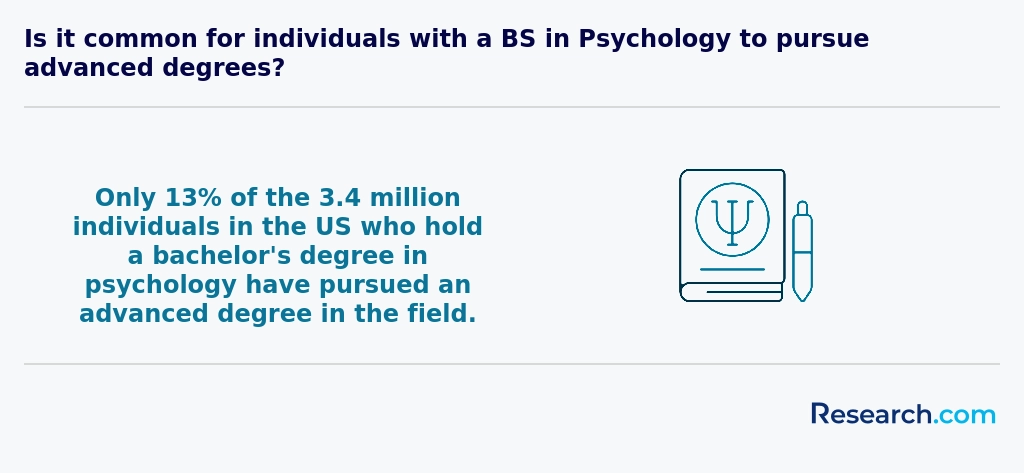
Psychology graduates in Buffalo find themselves at a thrilling crossroads of career possibilities, each path colored by the city's unique blend of urban vitality and academic strength. Those drawn to hands-on healing often become licensed counselors or therapists, weaving their skills into hospitals, private practices, and schools. Imagine a graduate from the University at Buffalo passionately supporting student mental health in local schools, fulfilling the growing demand for such expertise in Buffalo psychology degree job opportunities.
Others dive into research roles, joining teams at prestigious institutions exploring the human mind's mysteries through cognitive and behavioral studies. Picture a recent graduate coordinating innovative projects that ripple through Buffalo's academic circles. Beyond these, careers stretch to human resources specialists tuning organizational harmony, forensic psychologists collaborating with law enforcement, and rehabilitation specialists championing recovery.
For those curious about the financial journey, Buffalo's relatively affordable education, especially compared to other metro areas, offers a gateway. Students interested might explore the Cheapest Psychology Degree Programs Ranking in Mississippi for ideas on affordable advancement, fueling optimism in psychology careers in Buffalo NY.
The psychology degree job market Buffalo offers is a vibrant, if somewhat competitive, playground for eager graduates ready to dive into social services, healthcare, or education sectors. Imagine recent graduates navigating roles at the University at Buffalo or Buffalo Psychiatric Center, their days filled with hands-on experience and collaborations that expand their comfort zone beyond textbooks. These local institutions fuel a steady demand for psychology grads, especially those who pursue advanced degrees or licensure to unlock more specialized clinical or counseling positions.
Entry-level roles often place graduates in human resources or behavioral health technician positions, earning between $35,000 and $45,000 annually, reflecting a solid start without overwhelming student debt, thanks to affordable tuition. For those dreaming bigger, a master's or doctorate can elevate salaries past $70,000. Many Buffalo psychology career opportunities thrive precisely because graduates can pivot confidently into clinical psychology or counseling, backed by real-world experience and local networks.
Those eager to accelerate their path might explore a quick degree program, blending ambition with Buffalo's affordable educational options. This grounded, yet hopeful landscape invites psychology students to imagine their futures unfolding in a city rich with growth and possibility.
2027 Most Popular Psychology Degree Programs Ranking in Buffalo
Investing in your education is a significant decision that can shape your future, and the Research.com team understands the importance of making informed choices. To assist prospective students in Buffalo, we have meticulously crafted the "2027 Most Popular Psychology Degree Programs Ranking in Buffalo." Our commitment to quality, credibility, and accuracy is reflected in the extensive research and analysis conducted to compile this ranking.
We utilized the following reputable data sources to ensure a comprehensive evaluation of psychology programs:
By exploring this ranking, readers will gain valuable insights into the most popular psychology degree programs available in Buffalo, helping them make well-informed decisions about their educational paths. For more details on our methodology, please visit our Research.com methodology page.


Frequently Asked Questions About psychology
Psychology degree students in Buffalo can enhance their learning by engaging actively with local internships and research opportunities. Institutions such as the University at Buffalo offer access to labs specializing in cognitive and clinical psychology, which promote hands-on experience. Networking with professionals through Buffalo's mental health organizations can also provide valuable insights and practical skills.
Utilizing Buffalo's diverse community allows students to study a wide range of psychological phenomena, improving cultural competence. According to the National Center for Education Statistics, participation in experiential learning correlates with higher graduation rates and job placement. Thus, combining academic coursework with real-world applications is key for maximizing the psychology education experience in Buffalo.
The psychology field is expanding with several emerging niches that offer promising career paths. In Buffalo, growing attention is given to neuropsychology, which examines the relationship between brain function and behavior. This specialty is increasingly important due to rising awareness of brain injuries and neurological disorders.
Another niche is health psychology, focusing on how psychological factors affect physical health and chronic illnesses. With Buffalo's aging population, demand for professionals in this area is expected to rise.
Positive psychology is also gaining ground, emphasizing human strengths and well-being rather than mental illness. This field attracts students interested in promoting mental wellness.
According to the Bureau of Labor Statistics and local job market analyses, these specialties show above-average growth in Western New York.
Graduates with a psychology degree in Buffalo can enhance their job prospects by gaining practical experience through internships or volunteer roles in local hospitals, counseling centers, or social service agencies. According to the U.S. Bureau of Labor Statistics, psychology-related jobs are expected to grow 8% nationally from 2022 to 2032, showing steady demand. Networking with professionals via Buffalo's psychology associations or university career services can provide valuable connections. Additionally, obtaining relevant certifications, such as Certified Alcohol and Substance Abuse Counselor (CASAC), can boost employability. Pursuing graduate education may be necessary for many clinical roles, emphasizing the importance of planning post-bachelor studies early.
Employers in Buffalo seek psychology graduates with strong analytical skills. The ability to interpret data and conduct research is crucial, especially as local organizations increasingly rely on evidence-based practices.
Communication skills are also highly valued. Graduates must clearly present complex information to diverse audiences, from clients to multidisciplinary teams. This is especially important in Buffalo's growing mental health and human services sectors.
Practical knowledge of psychological theories and ethical standards is essential. According to the Bureau of Labor Statistics, psychology-related jobs in Buffalo have grown by 8% since 2019, highlighting a competitive job market that rewards well-prepared graduates.
Additionally, employers appreciate adaptability and cultural competence. Buffalo's diverse communities require professionals who can apply psychology in culturally sensitive ways, improving client outcomes and workplace effectiveness.
Finding internships in Buffalo relevant to a psychology degree involves leveraging local educational institutions and healthcare facilities. Universities such as the University at Buffalo offer career services and psychology department resources that regularly post internships with nearby hospitals, counseling centers, and research labs. Connecting with faculty advisors can provide tailored recommendations based on your interests.
Buffalo's healthcare sector, including Buffalo Psychiatric Center and Erie County Medical Center, often provides internship opportunities specifically for psychology students. Additionally, organizations like the Buffalo Niagara Partnership host career fairs where students can discover placements.
Staying active on platforms like Handshake and utilizing Buffalo Public Schools' programs can also help identify unpaid and paid internships. According to the New York State Education Department, hands-on experience through internships is essential for gaining licensure and improving job prospects in psychology.
A psychology degree in Buffalo offers significant benefits for career mobility and advancement. Graduates often find opportunities in diverse fields such as healthcare, education, social services, and business. According to the U.S. Bureau of Labor Statistics, employment for psychologists is projected to grow by 8% nationally from 2022 to 2032, with Buffalo following similar trends due to local demand for mental health professionals.
Locally, employers in hospitals, schools, and nonprofit organizations value candidates with psychological expertise for leadership and specialized roles. Advanced degrees further enhance career prospects, often leading to higher salaries or positions in clinical practice and research.
Networking and internships provided by Buffalo's universities also support career progression by connecting students to local employers and professional communities.
Studying for a psychology degree in Buffalo offers valuable preparation for interdisciplinary roles by integrating diverse academic perspectives. Local programs emphasize collaboration with fields such as healthcare, education, and social work, reflecting Buffalo's growing focus on community health and mental wellness. Students often engage in applied research and internships that connect psychology with public policy, neuroscience, and data analysis, important skills for cross-disciplinary work. According to the National Center for Education Statistics, psychology graduates in New York frequently pursue careers combining multiple fields, with Buffalo institutions providing tailored courses to support this trend. This practical, broad approach readies students for diverse professional environments.
Choosing between a thesis and non-thesis psychology degree program in Buffalo depends on your career goals and academic interests. Thesis programs require original research and a written thesis, ideal for students considering doctoral studies or research careers. Non-thesis programs focus on coursework and practical experience, which suit those aiming for professional roles in counseling or applied psychology.
In Buffalo, universities like the University at Buffalo offer both options, with thesis tracks typically lasting longer. According to the National Center for Education Statistics, about 40% of psychology master's students nationwide choose thesis routes; local trends mirror this.
Consider faculty expertise, your time commitment, and future plans when deciding. Contacting academic advisors in Buffalo's psychology departments can provide tailored guidance.
Students in Buffalo interested in studying psychology abroad have several options through exchange programs and partnerships facilitated by local institutions like the University at Buffalo. These programs often include opportunities in European countries, Canada, and Australia, allowing students to earn credits transferable to their home degrees. According to the University at Buffalo's Study Abroad Office, approximately 300 students participate in international programs annually, some focusing specifically on psychology and social sciences.
Many psychology students in Buffalo also utilize summer research internships or semester-long study visits abroad to gain global perspectives on mental health practices. Institutions emphasize adherence to American Psychological Association standards and credit transferability to ensure academic progress.
Students pursuing psychology degrees in Buffalo can find valuable part-time job opportunities that enhance their academic knowledge and practical skills. Positions such as research assistants at local universities or nonprofits provide hands-on experience in psychological studies. For example, the University at Buffalo often hires students to support ongoing behavioral health research.
Additionally, roles in mental health centers or social service agencies, such as case aides or behavioral health technicians, enable students to engage directly with clients while learning therapeutic approaches. According to New York State Department of Labor data, Buffalo's healthcare support sector is projected to grow by 8% over the next decade, offering increasing opportunities.
Other possible jobs include tutoring psychology undergraduates or working at campus counseling centers, where students apply communication and counseling theories in real settings.
Psychology students in Buffalo have access to a variety of networking opportunities that can enhance their academic and professional growth. Local universities such as the University at Buffalo host events, seminars, and workshops where students can meet faculty, professionals, and peers interested in psychology. These gatherings often focus on current research trends and practical applications within the field.
The city also benefits from active psychology-related organizations like the Western New York Psychological Association, which offers meetings and conferences providing valuable connections. Internship opportunities at Buffalo's healthcare centers and social service agencies further support networking by allowing direct interaction with practicing psychologists and other mental health professionals.
According to the University at Buffalo's School of Public Health and Health Professions, students who engage in these networking events report increased chances of job placements and research collaborations. The local focus on mental health initiatives combined with Buffalo's moderate competitive job market creates an environment conducive to building lasting professional relationships in psychology.
Alumni networks play a significant role in supporting psychology degree students in Buffalo. Graduates from local universities often form strong connections, which help current students access mentorship, internships, and job opportunities in the region's mental health field. For example, the University at Buffalo's psychology alumni community hosts regular networking events, facilitating career growth and professional development.
Research by the American Psychological Association highlights that students who engage with alumni networks have a 25% higher chance of securing relevant employment within six months after graduation. This is especially important in Buffalo, where the demand for clinical and counseling psychologists is steadily growing.
These networks also provide access to specialized resources and continuing education workshops, keeping students informed of the latest psychological practices and research. Such engagement helps build professional credibility and confidence before entering the workforce.
Customizing a psychology degree program in Buffalo offers students flexibility to align studies with career aspirations. Many local institutions provide concentrations such as clinical psychology, counseling, or industrial-organizational psychology. Students can select electives and research opportunities to deepen expertise in their preferred subfield.
Internships and practicum placements with Buffalo healthcare providers or community organizations enable practical experience. According to the New York State Education Department, experiential learning enhances job readiness for psychology graduates in the region.
Some programs also allow dual majors or minors, helping students combine psychology with fields like business or social work, broadening career options. Academic advisors in Buffalo schools assist in tailoring curricula to meet professional goals and licensure requirements.
Psychology students in Buffalo face several common challenges that impact their academic progress. One major issue is balancing rigorous coursework with practical experience, as many local programs require internships or research projects that demand significant time commitments.
Access to qualified mental health facilities for practicum placements is sometimes limited in the Buffalo area, making it difficult for students to find suitable opportunities. According to a 2023 report by the New York State Education Department, placement availability in Western New York remains competitive.
Financial concerns are also prominent. Tuition and living costs in Buffalo can strain students' budgets, often leading them to seek part-time jobs. This juggling act can affect study time and overall performance.
Finally, navigating licensure requirements post-graduation poses challenges. Students must be well-informed about New York State's strict criteria for certification, which may include additional supervised hours beyond academic requirements.
With a psychology degree in Buffalo, graduates can pursue various professional certifications to enhance their careers. Common certifications include becoming a Licensed Mental Health Counselor (LMHC) or a Licensed Master Social Worker (LMSW), both requiring additional supervised hours and exams. Psychologists aiming for a deeper clinical role typically pursue a Doctor of Psychology (PsyD) or a PhD followed by state licensure. The Buffalo area also offers opportunities for certifications in specialized fields such as school psychology or behavior analysis. According to the New York State Education Department, certification requirements vary but often include coursework, exams, and supervised experience.
To write a winning application for a psychology program in Buffalo, begin by researching each university's admission requirements carefully. Highlight your academic achievements, especially in psychology and related sciences. Buffalo's institutions, like the University at Buffalo, emphasize a strong GPA, typically around 3.0 or higher for competitive candidates. Include relevant volunteer or internship experience in mental health settings to demonstrate commitment and practical understanding.
Craft a compelling personal statement addressing your interest in psychology and career goals. Buffalo programs value clarity and genuine motivation. Obtain strong recommendation letters from professors familiar with your academic performance.
Finally, ensure your resume is clear and free of errors. Meeting deadlines and providing all required materials promptly is crucial in this competitive field.
The global perspective on a psychology career highlights its growing importance in healthcare, education, and business sectors. In the United States, the Bureau of Labor Statistics projects a 8% growth in psychologist jobs from 2022 to 2032, reflecting increasing demand for mental health services. For students in Buffalo, this trend aligns with local needs, where community mental health programs often seek trained professionals.
Internationally, psychology careers vary due to differences in licensure and educational requirements. However, foundational skills in research and clinical practice remain consistent. Psychology professionals frequently collaborate across borders to address global challenges like trauma and addiction.
Aspiring psychology students should note that accredited degree programs in Buffalo provide both theoretical knowledge and practical experience, preparing graduates for diverse career opportunities.
Gaining practical experience while studying psychology in Buffalo is essential for building skills and improving job prospects. Many local universities, such as the University at Buffalo, offer internships and research assistant positions, allowing students to work directly with faculty on psychology projects. According to the university's career center, over 60% of psychology undergraduates participate in internships during their studies.
Buffalo's diverse healthcare facilities and community organizations provide valuable settings for volunteering or part-time work, giving students exposure to clinical and counseling environments. Additionally, joining psychology clubs and attending local workshops offers networking opportunities with professionals in the field.
Choosing the right concentration within a psychology degree program in Buffalo begins with understanding your career goals. Psychology offers diverse paths such as clinical, counseling, industrial-organizational, and developmental psychology. Each concentration prepares students for different roles and licensure requirements.
Research local job market trends in Buffalo, where clinical psychology remains in high demand due to regional healthcare needs, according to the New York State Department of Labor. Exploring programs at institutions like the University at Buffalo can help, as they offer various specialized tracks supported by experienced faculty and research opportunities.
Consider your interests in research, therapy, or applied work. Visit program websites to compare curriculum details and available internships. Additionally, networking with Buffalo-area professionals or advisors can provide practical insights to guide your choice.
- 2027 Most Popular Psychology Degree Programs Ranking in Rochester
- 2027 Most Popular Psychology Degree Programs Ranking in Cleveland
- 2027 Most Popular Psychology Degree Programs Ranking in Detroit
- 2027 Most Popular Psychology Degree Programs Ranking in Albany
- 2027 Most Popular Psychology Degree Programs Ranking in New York
- 2027 Most Popular Psychology Degree Programs Ranking in Bronx
- 2027 Most Popular Psychology Degree Programs Ranking in Columbus
- 2027 Most Popular Psychology Degree Programs Ranking in Queens
- 2027 Most Popular Psychology Degree Programs Ranking in Amherst
- 2027 Most Popular Psychology Degree Programs Ranking in Worcester
See What Experts Have To Say About Studying Psychology
Read our interview with Psychology experts

Joann Farrell Quinn, Ph.D., MBA
Psychology Expert
Director at the College of Medicine Department of Medical Education
Morsani College of Medicine

Robin M. Kowalski. Ph.D.
Psychology Expert
Professor of Psychology
Clemson University

Elizabeth L. Jeglic Ph.D.
Psychology Expert
Professor of Psychology
City University of New York

- Professional Networking For Psychologists | Psychology.org https://www.psychology.org/resources/professional-networking/
- Sample letters in psychology https://www.mystudies.com/en-in/human-and-social-sciences/psychology/letter-model/
- Community Psychology in Global Perspective http://siba-ese.unisalento.it/index.php/cpgp
- Have You Found a Niche? https://www.apaservices.org/practice/business/marketing/building/niche
- How to help students cope with mental health challenges https://www.eaie.org/resource/help-students-cope-mental-health-challenges.html
- Mental Health Challenges Faced by Psychology Students | The Healthcare Guys https://healthcareguys.com/2023/11/23/mental-health-challenges-faced-by-psychology-students/
- Alumni Perspectives - Meet Our FPN Alumni https://www.aanmelder.nl/alumni-perspectives-june-2023
- Why Get a Psychology Degree Online? | University of Bridgeport https://www.bridgeport.edu/news/reasons-to-get-your-psychology-degree-online/
- A Guide to Psychology Internships | Psychology Degree Guide https://psychologydegreeguide.org/resources/internships/
- Society for the Teaching of Psychology https://teachpsych.org/page-1784686/8675326


