
2027 Most Popular Psychology Degree Programs Ranking in Boulder

Co-Founder and Chief Data Scientist
Choosing the right psychology degree program in Boulder can feel overwhelming. To help you navigate this important decision, this article presents the 2027 Most Popular Psychology Degree Programs Ranking in Boulder, created by the Research.com team of data scientists.
This ranking aims to guide you toward programs that offer strong opportunities, ensuring your education aligns with your goals. Exploring psychology can open doors to meaningful careers and personal growth.
By reading this article, you'll gain valuable insights to make a confident, informed choice about your future in psychology.
Key benefits of getting psychology degree in Boulder
- Salary for psychology degree graduates: Graduates in Boulder can expect roles like Clinical Research Associate earning around $62,370 annually or Human Resources Specialists earning about $76,060, reflecting promising income opportunities.
- Career paths: A psychology graduate from the University of Colorado Boulder can explore diverse jobs, including Survey Researcher or Marketing Research Analyst, with salaries averaging $62,370 to $83,190, offering exciting and varied career options.
- Online degree benefits: Psychology graduates earning their degree online from institutions like CU Boulder enjoy flexible schedules and lower costs, making education accessible while still opening doors to rewarding careers in research or human resources.
- 2027 Most Popular Psychology Degree Programs Ranking in Boulder
- What can I expect from psychology degree in Boulder?
- Where can I work with psychology degree in Boulder?
What can I expect from psychology degree in Boulder?
The average cost of a psychology degree in Boulder typically aligns with tuition rates at the University of Colorado Boulder, which is the city's primary institution for this field. Graduates recall feeling that the investment was meaningful, given the comprehensive curriculum and hands-on research experiences they gained. Tuition for in-state students is generally more affordable, while out-of-state students face higher costs, yet many find the balance worth it due to the quality of education and the vibrant mental health community in Boulder.
Many students describe budgeting carefully for around four years, estimating total expenses-tuition, fees, and living costs-often reaching above $100,000, though scholarships and assistantships frequently help offset these numbers. They highlight that attending CU Boulder offers access to community clinics and innovative labs, providing invaluable practical experience, which softens concerns about cost. Prospective students are encouraged to explore financial aid options early, as the city's supportive environment often leads to opportunities that enhance both learning and affordability in pursuing a psychology degree.
Where can I work with psychology degree in Boulder?
Graduates with a psychology degree in Boulder often find themselves drawn to dynamic roles in counseling centers and mental health clinics, where they witness firsthand the impact of their work on the community. Many who studied at the University of Colorado Boulder share how their internships in these settings led directly to fulfilling jobs supporting mental wellness.
The demand for mental health and substance abuse counselors continues to grow, reflecting Boulder's compassionate focus on care. Local nonprofits and Boulder Community Health frequently hire recent graduates, creating rewarding opportunities to make a tangible difference.
Psychology students from Boulder's colleges also explore careers in education, joining the Boulder Valley School District as school psychologists or behavioral specialists. These positions offer meaningful work supporting student success and well-being, resonating deeply with graduates' passion for helping youth.
Meanwhile, tech companies and startups appreciate psychology graduates skilled in cognitive and organizational psychology, opening doors to innovative roles in user experience and employee satisfaction. Many alumni excitedly describe collaborating on projects with Google or IBM, blending psychology with emerging technologies.
Social services and government roles further expand possibilities, often involving case management and community outreach that align with graduates' desire to serve diverse populations thoughtfully. Overall, studying psychology in Boulder unlocks diverse career paths tied closely to local values and vibrant professional networks.
Graduates with a psychology degree in Boulder can expect varied earning potentials linked to the region's dynamic job market. For instance, psychology students from local institutions such as the University of Colorado Boulder often secure roles like Human Resources Specialists, with mean annual wages around $76,060, or Marketing Research Analysts, earning about $83,190 per year. These roles leverage core psychology skills in understanding human behavior and organizational dynamics.
Others step into positions such as Clinical Research Associates or Survey Researchers, both averaging $62,370 annually, which provide pathways into research within Boulder's growing healthcare and academic sectors. Entry-level counseling or assistant roles commonly start near $45,000, aligning with the city's supportive mental health community.
One graduate shared that working as a Marketing Research Analyst allowed them to blend their psychology knowledge with data analysis, creating exciting career growth opportunities. Another found satisfaction becoming a Human Resources Specialist, enjoying both a strong salary and the chance to positively impact workplace culture.
As Boulder's education and health industries expand, psychology graduates can anticipate increasing demand for their expertise, with promising salary trajectories and roles that encourage continued professional development and specialization.
- The University of Colorado Boulder is the main public university offering psychology degrees including Bachelor's, Master's, and Doctoral programs.
- Resident undergraduate tuition averages about $12,000 per year, while non-residents pay around $38,000 annually.
- Starting salaries for early-career psychologists with Master's degrees typically range from $50,000 to $60,000 per year.
- Experienced psychologists with doctoral degrees can earn approximately $85,000 or more annually.
- The job market in Boulder is expected to grow by nearly 10% through the late 2020s, matching the national average for psychology roles.
Completing a psychology degree in Boulder offers a clear yet flexible timeline that many graduates describe as both challenging and rewarding. At the University of Colorado Boulder, for example, most undergraduates finish their Bachelor of Arts or Science in about four years by balancing core psychology courses and electives alongside a full course load. Graduates often recall the excitement of engaging classes and internships that helped maintain their motivation through the standard timeframe.
For those pursuing graduate studies, master's degrees typically take two years full-time. Many Boulder students share experiences of enriching research projects and internships that add depth to their education without extending the timeline. Local programs foster hands-on learning, allowing students to feel confident and prepared within this usual duration.
Doctoral candidates at institutions like the University of Colorado Boulder often experience a five to seven year journey. Graduates describe a dynamic mix of clinical training, research breakthroughs, and dissertation milestones that shape a meaningful, although lengthier, academic path. Despite the length, the sense of achievement and growth keeps students energized throughout.
A concise overview of 2026’s most popular psychology degree offerings based on enrollment, outcomes, and academic reputation:
- University of Colorado Boulder – Bachelor of Arts in Psychology: Combines research labs, small seminars, and internship partnerships with local clinics.
- Naropa University – Bachelor of Arts in Psychology: Emphasizes contemplative and humanistic approaches, with community-based practica.
- Front Range Community College – Associate of Arts in Psychology: Provides foundational coursework with guaranteed transfer pathways to four-year institutions.
- University of Colorado Boulder – Master of Science in Psychological Science: Focuses on experimental methods and cognitive neuroscience, preparing students for PhD programs.
- University of Colorado Boulder – Doctor of Philosophy (PhD) in Clinical Psychology: Integrates extensive clinical practicum, rigorous research training, and APA-accredited curriculum.
For flexible graduate study, explore our masters in psychology online options.
Online psychology degrees in Boulder offer unmatched flexibility, fitting seamlessly into busy lives. Graduates from programs at universities like the University of Colorado Boulder recall how asynchronous classes allowed them to balance work and family, studying late at night without the stress of commuting. Virtual group projects sometimes created surprising bonds, fostering a sense of community despite physical distance.
In contrast, on-campus students often cherish the dynamic energy of classroom discussions and spontaneous hallway chats with professors and peers. Those attending psychology programs in Boulder's colleges value hands-on experiences, like in-person labs and direct access to counseling centers. Such immersive interaction sparks enthusiasm and deeper engagement, crucial for careers requiring clinical skills.
Looking ahead, the blend of online and on-campus learning may evolve, as Boulder institutions expand hybrid offerings. Imagine a future where students attend campus for practical workshops while completing theory modules online at their own pace, combining the best of both worlds to maximize learning and personal growth.
Navigating your psychology degree program effectively begins with clear goal setting and strategic planning. To enhance your academic experience and career prospects, consider these expert tips: • Build Strong Academic Foundations: Develop efficient study habits and actively participate in class discussions. Consistently reviewing course content and seeking clarification from faculty can significantly boost your understanding of complex psychological theories. • Leverage Campus and Online Resources: Whether attending classes in Boulder, CO, or pursuing studies online, take full advantage of libraries, research labs, and digital learning platforms. For those interested in flexible study options, exploring the best rated texas online psychology degree may provide additional insights into effective online learning. • Engage in Practical Experiences: Apply classroom theories by participating in internships, research projects, and volunteer opportunities. Hands-on experience not only enhances your resume but also deepens your practical understanding of the subject matter. • Network with Professionals: Join psychology clubs, attend seminars, and connect with alumni and industry experts. Building a professional network early on can open doors to mentorship and future career opportunities. • Prioritize Self-Care and Time Management: Balancing academic demands with personal well-being is key to long-term success. Establish a regular schedule that includes time for relaxation, exercise, and reflection to maintain both mental and physical health. • Set Career Goals and Seek Guidance: Regularly consult with academic advisors and career counselors to align your studies with your future aspirations. This proactive approach ensures you remain focused on your career path while adapting to emerging trends in the field. These strategies can empower you to maximize your educational journey, ensuring that your psychology degree becomes a cornerstone of both personal growth and professional achievement.
The average cost of a psychology degree in Boulder typically spans a wide range, reflecting factors like residency and program level. For example, students pursuing their undergraduate psychology degree at CU Boulder often face tuition costs around $15,666 for in-state residents. Those coming from out of state may experience significantly higher expenses, pushing toward $63,902 in total. This variation shapes the financial landscape for many aspiring psychologists in the area.
Graduates from Boulder's well-known institutions often share stories of balancing the rewarding experience of studying psychology with managing tuition and living expenses. Many appreciate the competitive pricing relative to other public universities, recognizing that the investment supports high-quality education and meaningful career preparation. These personal journeys highlight the practical considerations behind the average cost of psychology degree in Boulder.
Graduate students in psychology programs may notice increased tuition fees, but also opportunities for scholarships and assistantships that help ease financial burdens. Considering psychology degree tuition and fees Boulder CO, the financial aid landscape contributes to a hopeful outlook for many students aiming to reduce out-of-pocket costs.
For those comparing institutions and costs, it's helpful to explore options at Boulder's popular psychology school offerings. Many students recommend visiting the official websites or speaking with financial advisors to understand the full scope of expenses beyond tuition, such as fees and materials. More details can be found by checking out programs like the popular psychology school in Boulder, which often provide transparent pricing and aid information.

Before practicing independently, psychology degree graduates in Boulder, CO must navigate Colorado’s licensure process, which ensures competence and public safety. First, you’ll need to earn your degree from a regionally accredited institution and complete a supervised practicum or internship-typically 1,500–2,000 hours under a licensed psychologist. Next, you submit an application to the Colorado Board of Psychologist Examiners and pass the Examination for Professional Practice in Psychology (EPPP). After passing the EPPP, candidates often complete an additional 1,000–2,000 postdoctoral supervised hours before applying for full licensure. If you plan to specialize as a counselor rather than a psychologist, Colorado offers the Licensed Professional Counselor (LPC) credential, which requires a master’s degree, 2,000 supervised hours, and passage of the National Counselor Examination (NCE). Throughout your education, consider how program costs align with long-term career goals-many students balance affordability and quality by exploring our Low Cost Psychology Degree Programs Ranking in California as a benchmark for cost-effective training. Successfully completing Colorado’s licensure requirements not only grants you legal authority to practice but also enhances your professional credibility and earning potential.
Psychology students at CU Boulder often find financial aid options that make their education feel more attainable. Many speak positively about receiving Pell Grants, which can cover substantial portions of tuition without the stress of repayment. For in-state students, programs like the College Opportunity Fund (COF) provide meaningful tuition stipends, easing their financial burdens and allowing them to focus on studies.
Others celebrate the opportunity to secure assistantships or research fellowships within CU Boulder's Department of Psychology. These roles not only reduce costs through tuition remission but also create valuable hands-on experience and connections, boosting their confidence and career prospects. Scholarships from local organizations such as the Boulder Psychotherapy Institute further brighten students' financial outlooks by recognizing their dedication to behavioral sciences.
Future trends may see an expansion of targeted grants and hybrid work-study roles tailored for psychology majors, reflecting increasing demand for mental health professionals. Graduates often recall how early FAFSA applications and proactive communication with financial aid offices unlocked unexpected resources, enhancing their educational journeys in Boulder's supportive academic community.
Before you can practice as a licensed psychologist in Colorado, you must satisfy education, examination, and supervised experience requirements set by the Colorado State Board of Psychologist Examiners. Graduates typically follow these steps:
- Earn an accredited doctoral or master’s degree in psychology from a program that meets the APA or equivalent standards.
- Complete a minimum of 2,000 hours of supervised professional experience, including at least 1,500 hours post‐degree under a licensed psychologist.
- Pass the Examination for Professional Practice in Psychology (EPPP) and the Colorado Jurisprudence Exam, demonstrating your competence in both general psychology and state laws.
- Submit official transcripts, supervision verification forms, and application fees to the Board. To streamline your path toward licensure, consider programs designed to accelerate core coursework-students exploring a psychology degree fast track can often complete required credits in less time, allowing earlier entry into supervised practice. Once licensed, psychologists in Colorado must complete 40 hours of continuing education every two years, including ethics training, to maintain their credential and stay current with evolving best practices. Engaging in professional workshops, local conferences, and online seminars ensures both compliance and ongoing growth in your clinical expertise.
To enroll in a psychology degree in Boulder, prospective students often start with a solid high school foundation, including core subjects like biology and math that spark curiosity about human behavior. Graduates from local colleges recall how submitting standardized test scores-although sometimes optional-helped showcase their readiness for rigorous programs at institutions such as the University of Colorado Boulder. Personal statements and recommendation letters remain crucial, allowing applicants to express their genuine passion for psychology.
Looking ahead, Boulder students pursuing graduate studies will likely need not only a bachelor's degree but also tangible research or internship experiences. Many have found joy and confidence in hands-on projects, mentored by expert faculty, which made complex psychological theories feel relevant and exciting.
Financial planning continues to play a role, with annual in-state tuition often exceeding $12,000. Still, students embrace this challenge knowing they can access vital aid through FAFSA, empowering their educational journey within Boulder's vibrant academic community.
When deciding on a psychology program, it is crucial to consider several factors, including the school's reputation, accreditation, and the specific areas of specialization they offer. For instance, students interested in cognitive psychology may look for programs that have a strong focus on this area, while those interested in clinical psychology may prioritize programs with extensive clinical experience opportunities. It's also important to think about the long-term goals you have for your career and how the school can support you in achieving them. You can find more information on this topic by visiting our popular psychology school page, which provides insights into what makes a program stand out and how to align your educational goals with the right institution. By doing thorough research and weighing your options carefully, you can make an informed decision that sets you up for success in your future career.
Psychology programs in Boulder, such as those at the University of Colorado Boulder, typically include foundational courses like Introduction to Psychology and Research Methods in Psychology, where students first learn to design experiments and analyze data. Graduates often recall the excitement of conducting hands-on lab research, connecting theory with reality.
Core subjects extend to Biopsychology and Cognitive Psychology, helping students understand brain-behavior links and mental processes. Many find these courses stimulate curiosity about human thought and memory, sparking lively discussions in Boulder's collaborative classroom environments.
Developmental and Social Psychology classes encourage learners to see behavior through diverse life stages and social influences, often enhanced by community-based projects locally. Abnormal Psychology offers insight into mental health challenges, preparing students to positively impact people's lives.
Electives like Health Psychology and Industrial-Organizational Psychology reflect Boulder's growing interest in wellness and workplace behavior. Graduates often describe these as empowering courses that open doors to innovative career paths and internships, fueling their passion for psychology.
Students pursuing a psychology degree in Boulder often choose from a wide array of specializations that reflect both traditional and emerging trends in the field. Graduates from universities such as the University of Colorado Boulder frequently highlight their excitement about clinical psychology, where they engage in diagnosing and treating mental health issues-skills increasingly vital in today's society. Others find cognitive psychology appealing, drawn by Boulder's proximity to tech and research centers that foster innovation in memory and decision-making studies.
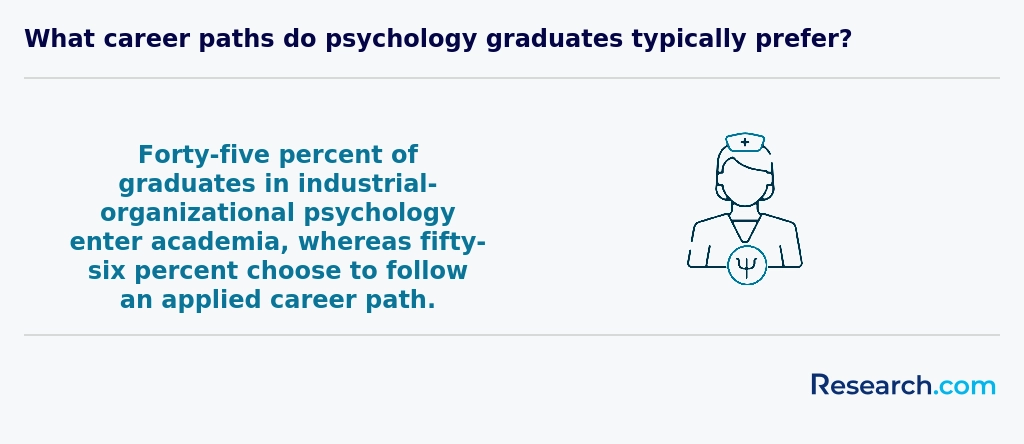
Industrial-organizational psychology is rapidly gaining interest among Boulder students eager to impact workplace dynamics and leadership development in a growing business climate. Notably, those exploring Boulder psychology program concentration options appreciate the flexibility to also dive into developmental or social psychology, fields that open doors to education and counseling careers.
These graduates often describe their learning as hands-on and future-focused, preparing them for diverse professional paths. For those considering online options beyond Colorado, students might explore the best rated texas online psychology degree to expand their horizons.
Choosing the best psychology degree in Boulder means looking beyond traditional factors and imagining how emerging trends could shape your journey. Graduates from the University of Colorado Boulder often share how close faculty interaction and small class sizes created a supportive environment, fueling their passion and confidence as they explored cognitive science and behavioral neuroscience. For many, the ability to engage in hands-on research opened doors to specialized career paths, making their education feel relevant and empowering.
Considering affordable psychology colleges Boulder Colorado offers, it's wise to factor in scholarships and assistantships that lighten financial pressures while enhancing learning experiences. Flexibility is also key-programs allowing part-time study or online courses help balance life's demands, especially if you're exploring a psychology degree fast track through a program like psychology degree fast track. Envision yourself connecting with Boulder's growing healthcare network, where internships and practicum opportunities transform academic knowledge into meaningful work, building not only skills but lasting professional relationships.

Graduates holding a psychology degree career options Boulder often find a range of promising paths tailored to their interests and education level. For example, those with bachelor's degrees from the University of Colorado Boulder frequently enter roles like research assistants or case managers, gaining hands-on experience that fuels their passion for mental health support. Meanwhile, master's and doctoral graduates step into more specialized areas such as clinical psychology or neuropsychology, meeting Boulder's increasing demand for mental health professionals.
Many graduates emphasize how Boulder's blend of technology and wellness opens doors to applied psychology fields. Careers in industrial-organizational psychology help local companies boost employee well-being, while health psychology roles drive innovations that connect mind and body wellness. The city's commitment to growth means roles in these fields will likely expand, enriching the options for those exploring job opportunities with psychology degree Boulder.
Students benefit from practical training and research opportunities unique to Boulder's institutions, making their degrees more valuable. Prospective students should consider investment costs carefully; for instance, exploring Low Cost Psychology Degree Programs Ranking in California can help balance budgeting decisions while aiming for rewarding careers in Boulder's psychology landscape.
The psychology degree job opportunities Boulder offers are promising, especially for graduates from institutions like the University of Colorado Boulder. Many graduates share their excitement about entering a local job market with growing demand in mental health clinics, schools, and research centers. These roles are often geared toward those with advanced degrees, but even bachelor's holders find entry-level positions within the community. The city's strong healthcare sector and nonprofit organizations provide diverse career paths that inspire confidence in recent graduates.
Psychology career prospects in Boulder Colorado continue to expand as behavioral health receives increasing focus. Graduates often describe their work in outpatient clinics or school settings as rewarding, with steady growth in job openings. The blend of academic research opportunities and community-focused roles makes Boulder unique for developing skills that apply broadly. Many psychology students also explore fast track online degrees to accelerate career entry while benefiting from Boulder's vibrant environment.
2027 Most Popular Psychology Degree Programs Ranking in Boulder
Investing in your education is a significant decision that can shape your future, and the Research.com team understands the importance of making informed choices. To assist prospective students in Boulder, we have meticulously crafted the "2027 Most Popular Psychology Degree Programs Ranking in Boulder." Our commitment to quality, credibility, and accuracy is reflected in the extensive research and analysis conducted to compile this ranking.
We utilized the following reputable data sources to ensure a comprehensive evaluation of psychology programs:
By exploring this ranking, readers will gain valuable insights into the most popular psychology degree programs in Boulder, enabling them to make confident and well-informed decisions about their educational futures. For more details on our methodology, please visit our Research.com methodology page.


Frequently Asked Questions About psychology
Students pursuing psychology degrees in Boulder can enhance their learning by actively engaging with both academic and community resources. The University of Colorado Boulder offers access to research labs focusing on cognitive and clinical psychology, where undergraduates can gain hands-on experience.
Participating in internships with local mental health clinics or nonprofits provides practical skills and networking opportunities in the field. Boulder's vibrant psychology community also hosts workshops and seminars, which students should attend to stay current with emerging trends and research.
According to the National Center for Education Statistics, students involved in research projects are 50% more likely to graduate on time, highlighting the importance of experiential learning in Boulder psychology programs.
Joining student organizations such as Psi Chi offers peer support and leadership development specific to psychology students in the area.
Emerging niches within psychology reflect the evolving needs of society and technology. In Boulder, areas like neuropsychology and health psychology are gaining traction, addressing brain-behavior relationships and chronic illness management. Environmental psychology also shows promise, connecting human behavior with natural settings, relevant given Boulder's strong sustainability focus.
Another growing field is forensic psychology, where practitioners assist legal systems. With Boulder's proximity to legal and law enforcement agencies, opportunities here are expanding. Additionally, Boulder's tech community drives interest in human factors psychology, improving user experience in digital products.
According to the American Psychological Association, these specialized areas are projected to grow by over 10% nationwide through 2030, reflecting wider demand that benefits Boulder students pursuing psychology careers.
Preparing for the job market after completing a psychology degree in Boulder requires strategic planning and practical experience. Students should seek internships or volunteer roles with local organizations like Boulder County Mental Health or the CU Boulder Counseling Center. These provide hands-on experience highly valued by employers.
Networking is essential; attending events hosted by the Colorado Psychological Association can connect graduates with professionals and job opportunities. According to the U.S. Bureau of Labor Statistics, psychology-related jobs in Colorado are projected to grow by 12% through 2031, which is faster than the national average.
Graduates should also consider certifications such as Certified Alcohol and Drug Counselor (CADC) to enhance employability within behavioral health sectors in Boulder.
Employers in Boulder seek psychology graduates who demonstrate strong critical thinking and analytical skills. These abilities are essential for interpreting research data and understanding complex human behaviors. According to the Colorado Workforce Development Council, communication skills-both written and verbal-are highly valued, enabling graduates to convey findings clearly to diverse audiences.
Problem-solving aptitude is also critical, helping professionals develop effective interventions and strategies. Knowledge of ethical standards and cultural competence is increasingly important, reflecting Boulder's diverse population and focus on inclusive mental health care.
Proficiency with statistical software and research methods remains a practical requirement, as noted by Boulder's local psychology organizations.
Finding psychology internships in Boulder involves leveraging local university resources and community partnerships. The University of Colorado Boulder, a key institution offering psychology degrees, provides a dedicated internship and career center that connects students with local organizations.
Boulder has mental health clinics, research labs, and nonprofit agencies that regularly offer internship opportunities relevant to psychology students. Examples include Boulder Community Health and the CU Brain Institute, where students may engage in clinical or research experiences.
Students should also consult online platforms like Handshake and reach out directly to Boulder-based facilities specializing in counseling, behavioral health, or substance abuse treatment. Networking events and faculty recommendations at CU Boulder further enhance access to internships.
According to CU Boulder's psychology department, about 70% of their students complete internships before graduation, reflecting strong local collaboration between education and practical training.
In Boulder, earning a psychology degree significantly improves career mobility and advancement opportunities. Graduates benefit from the city's strong demand for mental health professionals spurred by local healthcare organizations and expanding wellness initiatives.
According to the Bureau of Labor Statistics (2023), psychology-related jobs in Boulder and Boulder County are projected to grow by approximately 10% over the next decade, higher than the national average. This growth increases prospects for professionals holding degrees in psychology to move into roles such as clinical psychologists, counselors, and behavioral health specialists.
Advanced degrees, particularly master's and doctoral levels, further enable individuals to access supervisory and specialized positions, enhancing earning potential. Local employers often prioritize candidates with accredited credentials and hands-on experience, both integral parts of Boulder's psychology programs.
Studying for a psychology degree in Boulder offers strong preparation for interdisciplinary careers by integrating diverse fields such as neuroscience, education, and social sciences. Universities like the University of Colorado Boulder emphasize research collaboration, linking psychology with health sciences, technology, and public policy. This approach equips students with versatile skills applicable in healthcare, business, or community services. According to the National Center for Education Statistics, interdisciplinary programs in Boulder show above-average enrollment growth, reflecting their demand. Coursework often includes applied research, statistics, and ethical training, fostering graduates capable of working effectively across multiple disciplines.
When choosing between a thesis and a non-thesis psychology degree in Boulder, consider your career goals first. Thesis programs typically emphasize research and prepare students for doctoral studies or research positions. In contrast, non-thesis tracks focus more on applied skills and coursework, suitable for those aiming to enter the workforce directly.
University of Colorado Boulder reports that students pursuing thesis options often engage in faculty-led research, gaining hands-on experience valued in academic and clinical settings. However, non-thesis graduates may complete additional practical internships or projects instead.
Cost and time commitment vary, with thesis programs sometimes requiring longer durations due to research demands. Review specific program details and speak with advisors to align your choice with professional objectives.
Students based in Boulder who wish to study psychology abroad have several pathways through US higher education programs that offer exchange or study-abroad opportunities. The University of Colorado Boulder (CU Boulder), a leading institution in the region, partners with numerous universities worldwide, enabling psychology students to study courses overseas for a semester or an academic year.
These programs often include destinations in Europe, Asia, and Australia, aligning with CU Boulder's psychology curriculum to ensure transferable credits. Participation typically requires maintaining a competitive GPA and meeting language proficiency standards if needed.
Additionally, students can explore summer research internships or service-learning projects in international settings through CU Boulder's Global Engagement office, which supports psychology majors seeking global exposure. According to CU Boulder's 2023 study abroad report, about 7% of its psychology undergraduates take advantage of these opportunities annually.
Students pursuing psychology degrees in Boulder can find valuable part-time job opportunities that complement their academic training. Local counseling centers and mental health clinics often offer roles such as behavioral health aides or intake coordinators. These positions provide direct exposure to clinical settings and enhance communication skills.
Additionally, Boulder's community organizations sometimes hire research assistants for ongoing psychology studies, offering hands-on experience in data collection and analysis. According to Boulder County Public Health reports, there has been a growing demand for mental health support roles, reflecting national trends.
Other common jobs include tutoring peers in psychology subjects or working as teaching assistants at nearby universities, which reinforces knowledge and fosters mentoring skills.
Boulder offers numerous networking opportunities for psychology students, largely due to the presence of the University of Colorado Boulder, which hosts one of the top psychology programs in the state. Students benefit from access to faculty-led research labs, where collaboration with professors and graduate students is common. The university also organizes regular seminars and conferences focused on psychology and related fields.
Local organizations such as the Boulder County Psychological Association provide networking events, workshops, and mentorship programs tailored to students and early-career professionals. According to the American Psychological Association, participation in these groups can increase job placement rates by connecting students with established psychologists.
Additionally, Boulder's strong community focus on mental health allows students to engage with local clinics and research centers for internships, further expanding their professional networks.
Alumni networks offer valuable benefits to psychology degree students in Boulder by connecting them with former graduates who have established careers in the field. These networks provide mentoring opportunities, helping current students gain insights into job markets and advanced study options. According to a 2023 report by the Boulder Chamber of Commerce, students linked to active alumni groups are 30% more likely to secure internships locally.
Networking through alumni also facilitates access to exclusive job postings and research collaborations within Boulder's mental health community. In a field as interpersonal as psychology, these contacts can be critical for career advancement and professional development.
Customizing a psychology degree program in Boulder allows students to align their education with specific career goals. Many Boulder institutions offer elective courses, specializations, or tracks such as clinical psychology, cognitive neuroscience, or industrial-organizational psychology. Choosing relevant internships or research projects further enhances practical experience. Students can often tailor their course load by consulting academic advisors who help map classes to professional aspirations. Additionally, partnerships between Boulder universities and local mental health organizations provide valuable fieldwork opportunities. According to the Colorado Department of Higher Education, customization options improve graduate employability and satisfaction within the growing psychology sector in the region.
Psychology students in Boulder often face a mix of academic and practical challenges. The rigor of psychology programs requires strong time management skills, as students must balance coursework, research projects, and fieldwork. According to the American Psychological Association, nearly 60% of psychology undergraduates nationwide report stress related to workload, a figure likely reflective of Boulder's competitive academic environment.
Additionally, access to practicum opportunities can be limited. Boulder's growing demand for mental health services means students must often compete for placements, which can delay hands-on experience.
Financial concerns also impact many students. Tuition and living expenses in Boulder are above the national average, posing challenges for those relying on loans or part-time work. Navigating these complexities is crucial for student success in the local psychology field.
With a psychology degree in Boulder, graduates have several professional certification options to enhance their career prospects. Common certifications include Licensed Professional Counselor (LPC) and Licensed Clinical Social Worker (LCSW), which require a master's degree plus supervised clinical experience and passing a state exam. Boulder residents benefit from Colorado's supportive regulatory framework for mental health professionals, facilitated by the Colorado Department of Regulatory Agencies.
Certain certifications like Certified Alcohol and Drug Counselor (CADC) or Board Certified Behavior Analyst (BCBA) offer specialized credentials in substance abuse and behavior analysis. These certifications increase employability in Boulder's growing health services sector.
Nationally recognized certifications such as the National Certified Counselor (NCC) can also be pursued after meeting education and experience criteria, expanding career versatility locally and beyond.
Applying for a psychology program in Boulder requires a clear, well-structured approach. Start by thoroughly researching programs, such as those offered by the University of Colorado Boulder, which is highly ranked nationally. Strong applications typically include a compelling personal statement outlining your interest in psychology and specific career goals. Incorporating local research interests or faculty expertise can strengthen your fit with the program.
Admissions committees value academic excellence; a GPA above 3.5 and relevant coursework demonstrate preparedness. Additionally, competitive applicants often present GRE scores around the national average for psychology programs, which is approximately 305 combined verbal and quantitative.
Letters of recommendation from professors or professionals familiar with your abilities also carry significant weight.
Globally, psychology is recognized as a vital field that addresses mental health, behavior, and human development. In the United States, including Boulder, psychology careers often emphasize clinical practice, research, and counseling. According to the U.S. Bureau of Labor Statistics, psychology employment is projected to grow 8% from 2022 to 2032, reflecting increasing awareness of mental health needs.
In Boulder, institutions offer psychology programs that align with global standards but also highlight local community health issues. Graduates often pursue licensure as psychologists or therapists, roles respected worldwide but regulated differently by country.
Understanding cultural contexts is key for psychology professionals planning international careers or collaborations. Research networks, such as those at the University of Colorado Boulder, frequently engage in global mental health projects, broadening students' perspectives beyond the U.S.
Gaining practical experience while studying for a psychology degree in Boulder involves several opportunities. Many students engage in internships at local clinics, hospitals, or mental health centers like the Boulder Community Health. These internships provide hands-on experience working with patients under supervision, crucial for applying theoretical knowledge.
Universities in Boulder, including the University of Colorado Boulder, often offer research assistant positions, allowing students to participate in ongoing psychology studies. This experience helps develop skills in data collection and analysis.
Volunteer positions in community organizations also enhance practical understanding, often required for licensure later.
Choosing the right concentration within a psychology degree program in Boulder involves understanding your career goals and interests. Popular concentrations include clinical, cognitive, developmental, and social psychology. Each concentration offers unique skills relevant to different professions, from research to therapy.
Consider the University of Colorado Boulder, which offers varied psychology tracks supported by extensive research opportunities. According to the university's 2023 data, students engaging in research projects have higher job placement rates post-graduation.
Evaluate local job market trends in Boulder, where demand is growing for mental health professionals, especially in clinical psychology. Reviewing program curricula and faculty expertise will help align your choice with professional opportunities.
- 2027 Most Popular Psychology Degree Programs Ranking in Denver
- 2027 Most Popular Psychology Degree Programs Ranking in Lincoln
- 2027 Most Popular Psychology Degree Programs Ranking in Tulsa
- 2027 Most Popular Psychology Degree Programs Ranking in Phoenix
- 2027 Most Popular Psychology Degree Programs Ranking in Springfield
- 2027 Most Popular Psychology Degree Programs Ranking in Minneapolis
- 2027 Most Popular Psychology Degree Programs Ranking in Saint Paul
- 2027 Most Popular Psychology Degree Programs Ranking in Riverside
- 2027 Most Popular Psychology Degree Programs Ranking in Claremont
- 2027 Most Popular Psychology Degree Programs Ranking in Saint Louis
See What Experts Have To Say About Studying Psychology
Read our interview with Psychology experts

Robin M. Kowalski. Ph.D.
Psychology Expert
Professor of Psychology
Clemson University

Catherine Caldwell-Harris, Ph.D.
Psychology Expert
Associate Professor of Psychology
Boston University

Joann Farrell Quinn, Ph.D., MBA
Psychology Expert
Director at the College of Medicine Department of Medical Education
Morsani College of Medicine

- Why Get a Psychology Degree Online? | University of Bridgeport https://www.bridgeport.edu/news/reasons-to-get-your-psychology-degree-online/
- Sample letters in psychology https://www.mystudies.com/en-in/human-and-social-sciences/psychology/letter-model/
- Psychology Online Degree Pathway https://www.learndirect.com/course/psychology-online-degree
- Staying connected, made simple: how associations and alumni networks grow with Socie - Socie App https://socie.eu/staying-connected-made-simple-how-associations-and-alumni-networks-grow-with-socie/
- Mental Health Challenges Faced by Psychology Students | The Healthcare Guys https://healthcareguys.com/2023/11/23/mental-health-challenges-faced-by-psychology-students/
- Psychology - SWPS University https://english.swps.pl/academics/warsaw/ba-programs/psychology
- Know more about thesis vs non- thesis: what is the difference? https://studyfans.com/en/blogs/816
- A Guide to Psychology Internships | Psychology Degree Guide https://psychologydegreeguide.org/resources/internships/
- Call for papers https://www.hogrefe.com/us/journal/international-perspectives-in-psychology-research-practice-consultation
- Best Types Of Online Psychology Degrees 2025 https://www.psychology.org/degrees/


