
2027 Most Popular Psychology Degree Programs Ranking in Tulsa

Co-Founder and Chief Data Scientist
Choosing the right psychology degree program in Tulsa can be both exciting and overwhelming. To make this easier, the article presents the 2027 Most Popular Psychology Degree Programs Ranking in Tulsa, created by the Research.com team of data scientists. This ranking helps students discover programs that stand out based on trusted data.
Reading this article will guide you toward programs that suit your goals, opening doors to meaningful careers in psychology. Investing in your education can lead to personal growth and rewarding opportunities in helping others.
Key benefits of getting psychology degree in Tulsa
- Salary for psychology degree graduates: Graduates in Tulsa can expect competitive wages, such as a Human Resources Specialist earning around $76,060 annually and Marketing Research Analysts making about $83,190 per year, reflecting strong earning potential.
- Career paths: Psychology graduates from Tulsa's universities often pursue diverse roles, including Clinical Research Associate or Survey Researcher, providing varied options to build a rewarding career that matches personal interests.
- Online degree benefits: Earning a psychology degree online in Tulsa offers flexibility for working students, helping balance education and life commitments while gaining valuable skills without relocating or disrupting daily routines.
- 2027 Most Popular Psychology Degree Programs Ranking in Tulsa
- What can I expect from psychology degree in Tulsa?
- Where can I work with psychology degree in Tulsa?
What can I expect from psychology degree in Tulsa?
Imagine a psychology student walking across the University of Tulsa's vibrant campus, textbooks in hand, knowing the cost of their education hovers between $9,000 and $12,000 a year if they're in-state. This price tag, typical at Tulsa's public institutions like Oklahoma State University-Tulsa, feels like an investment with a heart-affordable yet rich in opportunities. Graduates often recall stretching their budgets but feeling supported by scholarships and assistantships designed to lift financial weight during graduate study.
Picture peers diving into research methods one day and lending a hand at local clinics the next, all while balancing tuition fees that don't skyrocket out of reach. This balance fosters a sense of accomplishment and belonging, as students engage deeply without the overwhelming burden of debt found elsewhere.
In Tulsa, the cost reflects more than numbers-it's a gateway to a community intertwining solid education, practical experience, and hopeful futures in psychology careers.
Where can I work with psychology degree in Tulsa?
Graduates armed with a psychology degree in Tulsa step into a vibrant world where their passion for human behavior meets real-world impact. Imagine working alongside dedicated counselors in places like the Tulsa Mental Health Institute, transforming lives every day by guiding those facing mental health challenges. Others dive into the bustling halls of Tulsa Public Schools, crafting tailored strategies as school psychologists or educational counselors, helping students unlock their potential with empathy and expert insight.
Some graduates find themselves innovating within Tulsa's dynamic corporate scene-shaping company cultures in HR departments or decoding consumer minds in marketing teams, using their psychology know-how to spark positive change in diverse industries like aerospace or finance. At the University of Tulsa or OSU-Tulsa, research-minded grads become vital puzzle solvers, investigating cognitive mysteries or developmental secrets, their work fueled by grants and a zest for discovery.
These career paths don't just offer jobs-they open doors to fulfilling roles embedded deeply in Tulsa's growing economy, allowing each graduate to mold a meaningful future.
With a psychology degree in Tulsa, the salary spectrum can paint an exciting picture. Graduates entering roles like Clinical Research Associate often start with an annual wage around $62,370, turning classroom theory into real-world impact in hospitals or research labs near institutions like the University of Tulsa.
Others find their rhythm as Survey Researchers, earning a similar $62,370 annually, diving into data that shapes everything from marketing campaigns to public health strategies. Imagine a recent graduate applying these skills while contributing to groundbreaking studies funded by Tulsa's diverse academic and healthcare sectors.
Step into Human Resources Specialist positions, and you're looking at a mean wage around $76,060. Here, psychology graduates thrive by decoding workplace human behavior, often in Tulsa's bustling corporate offices, transforming company culture and employee wellbeing.
For those blending psychology with business insights, careers as Marketing Research Analysts beckon with salaries near $83,190, a perfect playground for analytical minds from Tulsa Community College turning data into strategies that move markets.
In all these roles, psychology graduates in Tulsa feel energized by the city's spirited academic environments and rich professional networks, making each dollar earned a step closer to fulfilling a passion for understanding people and powering change.
- Tulsa offers bachelor's, master's, and doctoral psychology degrees with both in-person and online options available.
- Average annual tuition for a bachelor's degree ranges from $8,000 to $12,000 at public universities and can reach $20,000 or more at private institutions.
- Entry-level psychology jobs pay between $35,000 and $45,000 annually, while advanced degree holders can earn from $60,000 to $90,000 or higher.
- Job growth for psychology roles in Tulsa is projected to be about 10% over the next decade, matching or exceeding the national average.
- Licensing in Oklahoma requires an accredited graduate program, supervised clinical hours, and passing state exams, all supported by local schools.
In Tulsa, diving into a psychology degree typically means setting your sights on a steady four-year journey when you enroll as a full-time undergraduate. Imagine yourself walking through the University of Tulsa's leafy campus or Oklahoma State University-Tulsa's dynamic halls, notebook in hand, absorbing theories and experiments that spark those "aha!" moments. Graduates often share how pacing through roughly 120 credit hours feels like molding the foundation of their future understanding of the human mind.
For those craving deeper explorations, graduate paths unfold as varied adventures. A master's degree usually stretches over 2 to 3 years, blending coursework with eye-opening practicum experiences right here in Tulsa's vibrant communities. Doctoral hopefuls buckle in for a longer trek-5 to 7 years weaving research, intense clinical hours, and internships under local supervision. Alumni recall the thrill of balancing rigorous study with hands-on practice, feeling their knowledge solidify with every step.
Ensuring your psychology degree program holds the proper accreditation is essential for both academic quality and future licensure in Oklahoma. Prospective students should confirm that their institution is regionally accredited by a recognized body such as the Higher Learning Commission and, for clinical tracks, that the master’s or doctoral program carries American Psychological Association (APA) accreditation. APA-accredited programs guarantee adherence to rigorous standards in curriculum, faculty expertise, and practicum experiences, which are prerequisites for many state licensure boards. In Oklahoma, aspiring psychologists must complete the Examination for Professional Practice in Psychology (EPPP) and accrue at least 3,000 hours of supervised professional experience-half of which may be obtained during a doctoral internship. After passing the EPPP, candidates submit an application to the Oklahoma State Board of Behavioral Health Licensure, which reviews academic transcripts, practicum evaluations, and supervisor endorsements. Continuing education (CE) requirements mandate at least 20 hours of approved coursework or workshops every two years to maintain an active license. When planning for program costs, applicants should factor in not only tuition but also licensure fees, exam preparation materials, and supervised‐practice stipends. For insights on average graduate tuition expenses and financial planning strategies, see how much is a psychology master's degree. By choosing an accredited program and understanding Oklahoma’s licensure roadmap, students can confidently navigate their journey from enrollment to professional practice.
Imagine walking through the bustling halls of the University of Tulsa, exchanging ideas face-to-face with professors who spark curiosity in developmental psychology or cognitive processes. That's the heartbeat of on-campus psychology degrees-immersive, tangible, and alive with instant feedback and peer camaraderie. Graduates often recall hands-on lab sessions and easy access to counseling centers, making theory come alive right on their doorstep.
Now picture a quieter evening at home, where a Tulsa resident logs into an online platform from their cozy nook. They're balancing family life or a day job while diving deep into abnormal psychology lectures, pausing and replaying concepts at their own rhythm. Graduates from online programs appreciate this flexibility and the chance to study without uprooting from Tulsa's suburbs or rural stretches. Though the interactions may be virtual, partnerships with local sites bring real-world practicum experiences closer to their doorstep.
Both paths weave through the same rigorous curriculum, yet they offer distinctly different rhythms-one bustling, one self-directed-letting you choose how you want to experience psychology in Tulsa.
While pursuing a traditional psychology degree is a common route, many aspiring professionals also explore alternative paths that leverage certifications, practical experience, and specialized training to build a rewarding career in mental health. These non-traditional routes can be particularly appealing for individuals who are eager to start working in the field sooner or who wish to combine academic studies with hands-on experience. For instance, programs and workshops focused on counseling techniques, behavioral intervention, and crisis management offer practical skills that are immediately applicable in various settings such as community centers, healthcare facilities, and corporate wellness programs. Moreover, with the rising popularity of online education and mentorship opportunities, many are discovering the benefits of experiential learning-where on-the-job training can complement formal instruction. Some successful professionals attest that becoming a therapist without a degree in psychology has enabled them to enter the industry swiftly, while continuing to enhance their credentials through further coursework and certifications. This alternative approach not only broadens career prospects but also meets the growing demand for mental health services by creating flexible pathways to professional advancement in the dynamic landscape of psychology and therapy.
Imagine sitting in a vibrant Tulsa classroom, diving deep into psychological theories that could one day change lives. But behind these rewarding moments lies the question of cost. The average cost of a psychology degree in Tulsa hovers around $42,765 for in-state students, a figure that reflects a blend of tuition at community colleges, public universities, and the city's private institutions. Graduates often share that attending Tulsa Community College was a budget-friendly launchpad, where the overall psychology degree tuition and fees Tulsa students face can start as low as roughly $15,000. It's a path that brings peace of mind alongside education.
On the other hand, enrolling at private schools like the University of Tulsa tends to be a more significant investment-well over $30,000 a year-but many graduates recall the tight-knit faculty and research opportunities that made every penny worthwhile. Meanwhile, those venturing further to public universities across Oklahoma balance quality and cost, paying between $8,000 and $12,000 annually, with some willing to commute to make it work.
These figures frame the reality behind the popular psychology school choices here in Tulsa. Expenses like books and living costs add layers to the financial picture, but with scholarships and assistantships, many students feel empowered and motivated rather than overwhelmed. For more insight into pathways and programs, explore the Tulsa options through this popular psychology school guide.
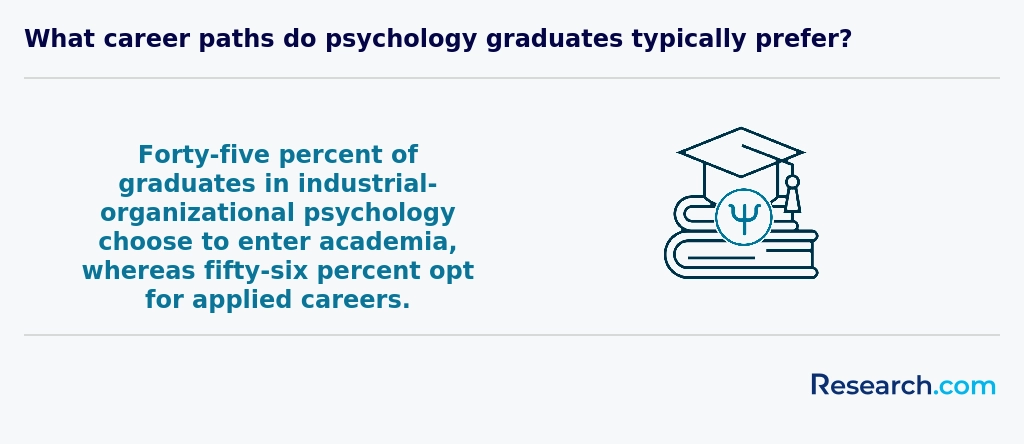
To make an informed decision when selecting a psychology program in Tulsa, OK, it is crucial to consider several factors, including the program's focus, availability of practical experience, faculty expertise, and career outcomes. Prospective students should also research the cost of tuition and explore available financial aid options, such as scholarships and assistantships, which can significantly impact the affordability of their education. For those interested in learning more about the popular psychology school options in Tulsa, OK, visiting campuses and speaking with current students can provide valuable insights into the support systems and community within each program. By carefully evaluating these elements, students can choose a program that aligns with their academic and professional aspirations, ultimately preparing them for a successful career in psychology.
Imagine starting your psychology journey at the University of Tulsa, where financial aid feels like a supportive friend rather than a distant dream. Many students find relief through Pell Grants, weaving a safety net of up to $7,395 annually, lightening the weight of tuition costs that often hover between $9,000 and $12,000 in public institutions.
Then there's the comforting bonus of the Federal Supplemental Educational Opportunity Grant, quietly offering up to $4,000 to those navigating tough financial waters in Tulsa's colleges. Graduates often recall how these grants felt like unexpected lifelines, allowing them to focus more on the mysteries of human behavior than on bills.
Oklahoma's own Tuition Aid Grant adds another layer of hope, dishing out $1,100 to $1,700 for deserving local students. For many psychology majors at the University of Oklahoma Tulsa, this state aid combined with departmental scholarships transforms daunting costs into manageable stepping stones.
Part-time work-study gigs round out this financial ecosystem, giving students the chance to earn about $2,500 a year while gaining hands-on experience-an ideal blend of financial support and professional growth.
Choosing an accredited psychology program in Tulsa, OK, is critical for ensuring both educational rigor and eligibility for professional licensure. Regional accreditation from bodies such as the Higher Learning Commission (HLC) guarantees that your degree meets established academic standards, while programmatic accreditation from the American Psychological Association (APA) is often required for doctoral-level practice and state licensure. Students should verify that their institution maintains current accreditation status by consulting the Oklahoma Board of Behavioral Health Licensure and the APA Directory of Accredited Programs. In Oklahoma, licensure as a Licensed Psychologist requires: • A doctoral degree from an APA-accredited program • Completion of a supervised internship (2,000 hours minimum) • Passing scores on the Examination for Professional Practice in Psychology (EPPP) • Submission of official transcripts and supervised practice verification to the state board Prospective students may also consider cost-effective pathways without sacrificing accreditation. For example, our Inexpensive Psychology Degree Programs Ranking in Saint Louis, MO highlights accredited online and on-campus programs that balance affordability with quality. Verifying both regional and APA accreditation not only safeguards eligibility for licensure exams but also enhances resume credibility and graduate school acceptance. Before enrolling, confirm that practicum and internship placements align with licensure requirements and that faculty hold relevant state licenses or certifications. This due diligence positions graduates for a seamless transition into supervised practice, ensuring compliance with Oklahoma’s licensure framework and supporting long-term career advancement in psychology.
To step into a psychology degree in Tulsa, imagine first crossing a gateway built of academic milestones and personal reflections. Graduates recall how earning a high school diploma-often marked by solid performances in English, math, and social sciences-felt like assembling the sturdy foundation for their future minds. At places like the University of Tulsa or Tulsa Community College, this groundwork includes a GPA hovering around 2.5 to 3.0, quietly whispering "You're ready."
Many students share how submitting a personal essay became a moment to showcase their spark, their curiosity, and the stories behind their ambitions-more than just grades, it's their voice that resonates.
Graduate hopefuls, journeying through master's or doctorate gates, know they need a bachelor's degree paired with a GPA near 3.0, plus GRE scores and recommendations-like old friends vouching for their potential-especially in clinical programs that demand hands-on experience.
In this dance of numbers and narratives, Tulsa's psychology programs invite dreamers who've embraced the challenges, crafting a path where academic rigor meets heartfelt purpose.
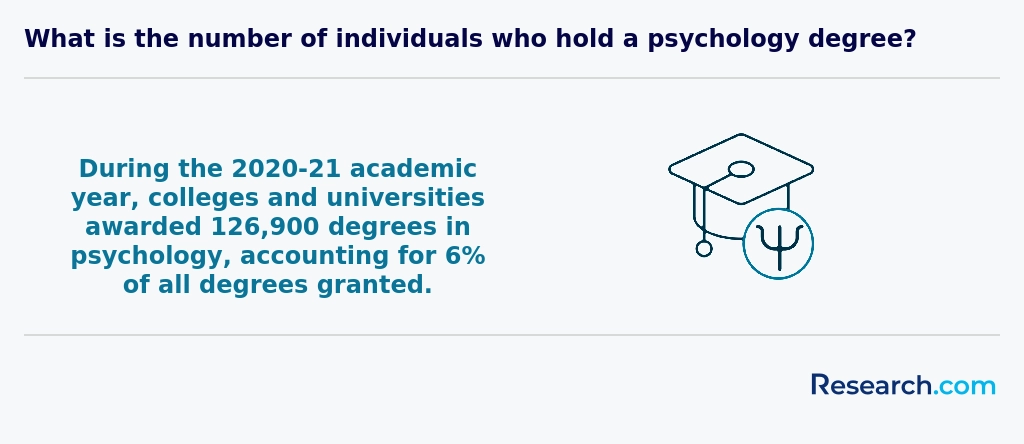
Accreditation is a critical factor when selecting psychology degree programs in Tulsa, OK, as it ensures that the curriculum meets rigorous academic and professional standards. Most reputable institutions in Tulsa are regionally accredited by the Higher Learning Commission (HLC), while specialized accreditation-such as the American Psychological Association (APA) for doctoral programs or the Council for Accreditation of Counseling and Related Educational Programs (CACREP) for counseling tracks-confirms that graduates will be eligible for state licensure. When researching programs, verify accreditation status on the school’s website or the APA/CACREP directory. After completing an accredited degree, licensure in Oklahoma involves several key steps: 1. Earn a qualifying degree: A master’s or doctoral degree from an APA- or CACREP-accredited program. 2. Accumulate supervised experience: Between 1,500 and 3,000 supervised clinical hours, depending on licensure level. 3. Pass the Examination for Professional Practice in Psychology (EPPP): Administered by the Association of State and Provincial Psychology Boards (ASPPB). 4. Complete state jurisprudence or ethics exam: Required by the Oklahoma Board of Licensed Alcohol and Drug Counselors and the Board of Licensed Professional Counselors. 5. Submit licensure application: Include official transcripts, supervisor evaluations, and exam scores. Maintaining licensure demands ongoing professional development. Oklahoma requires at least 40 hours of continuing education every two years, with specific ethics and multicultural training. Many Tulsa programs offer alumni workshops and partnerships with local clinics-students should inquire about these networking opportunities to fulfill CE credits while expanding professional connections. Prospective students should also compare program costs and financial aid when evaluating accredited options. For those seeking more budget-friendly alternatives outside Tulsa, explore the Inexpensive Psychology Degree Programs Ranking in Saint Louis, MO to identify schools with lower tuition without sacrificing accreditation quality.
At universities in Tulsa, diving into a psychology degree feels like unlocking the secrets of the human mind, one class at a time. Graduates often recall how Introduction to Psychology was their first thrilling encounter with concepts like memory tricks or the science behind first impressions, making the classroom feel alive and relevant. Walking through Tulsa campuses, students find themselves fascinated by Developmental Psychology, where stories of childhood growth mirror their own life journeys, sparking an unexpected connection between theory and self-awareness.
Courses like Biopsychology bring classroom lessons to life-graduates describe lighting up during labs that explore how the brain fires when you feel joy or stress, turning abstract ideas into tangible discoveries. At popular Tulsa colleges, mastering Statistics for Behavioral Sciences is celebrated as a rite of passage, empowering students to decode research data much like a detective solves a mystery.
Meanwhile, Social Psychology sparks lively discussions about real-world social interactions seen in Tulsa's vibrant community, making each lesson a mirror reflecting everyday human behavior. Electives such as Abnormal Psychology challenge students with narratives of resilience and mental health, turning education into a journey of empathy and understanding.
Picture yourself walking through the vibrant campuses of Tulsa's top universities, where psychology degree specializations in Tulsa unfold like chapters in a fascinating novel. Graduates often share that clinical psychology feels like stepping into the shoes of a healer, diagnosing mental illnesses with empathy in local community centers. Others find joy in counseling psychology, mastering the art of soothing life's everyday storms, from college stress to workplace chaos. The Tulsa psychology program concentration options also spotlight industrial-organizational psychology, where students thrive studying employee motivation amid Tulsa's growing business hubs, crafting better workplaces.
For those drawn to the mysterious crossroad of law and mind, forensic psychology in Tulsa sharpens skills to assist the criminal justice system, a thrilling path peppered with real-world challenges. Developmental psychology paints the intricate picture of human growth, preparing graduates to impact education and healthcare. Students often wonder about alternate routes and sometimes explore becoming a therapist without a degree in psychology, showing how diverse Tulsa's mental health field truly is.
Choosing the best psychology degree in Tulsa means diving deep into what truly sparks your passion. Imagine walking through the campus of a Tulsa university where graduates often share how hands-on practicum experiences shaped their confidence in clinical settings-something you won't get everywhere. It's about more than just lectures; it's the thrill of applying theory in local mental health clinics or research labs, honing skills where Tulsa's mental health sector is buzzing with opportunity.
For those seeking affordable psychology colleges Tulsa offers options that balance quality with budget, helping you avoid the common stress of soaring tuition bills. One graduate's journey from financial worry to academic success highlights the importance of understanding costs and exploring scholarships or assistantships. If you wonder how much is a psychology master's degree, this insight can guide your financial planning.
Whether you're drawn to research or counseling, look for programs where faculty aren't just teachers but active mentors pushing the field forward. Graduates from Tulsa institutions note how faculty expertise made their academic path feel personal and inspiring. Align your choice with your dream career, and you'll find Tulsa's vibrant psychology scene rewarding in every meaningful way.
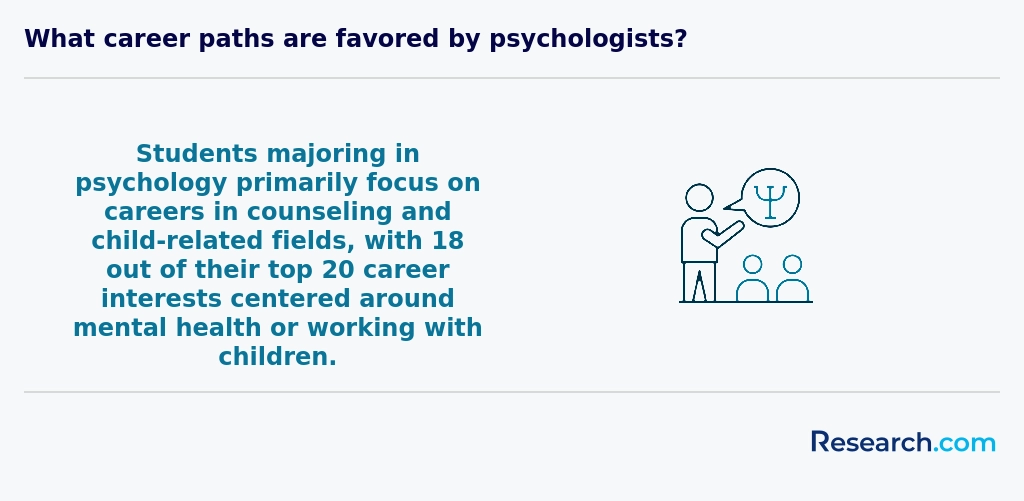
Graduates from Tulsa's psychology programs step into a kaleidoscope of career opportunities that spark both passion and purpose. In clinical roles, many find themselves molding healing environments within bustling hospitals or cozy private practices, often supported by doctoral degrees earned through local institutions like the University of Tulsa. This branch pulses with empathy and resilience, perfect for those craving profound human connection.
For others drawn to education, Tulsa's schools provide dynamic spaces where psychology degree holders become champions of children's emotional growth-school psychologists who balance research and heart to nurture Tulsa's youth. These jobs with psychology degree Tulsa blend science with the art of listening, creating meaningful day-to-day impacts.
Business-minded graduates tap into industrial-organizational psychology, weaving human behavior insights into Tulsa's corporate fabric to boost workplace wellbeing. Some embark on research adventures at universities or think tanks, where their findings shape social policy and community health.
Cost-conscious students explore quality options, reflected in the range highlighted by Inexpensive Psychology Degree Programs Ranking in Saint Louis, MO, making Tulsa a smart choice for an affordable yet rich educational journey.
The psychology degree job outlook Tulsa graduates face brims with opportunity as the city's growing healthcare and social services niches actively seek mental health professionals. Graduates from Tulsa's prominent universities often share stories of landing roles in bustling mental health clinics or educational institutions that spark genuine community impact. One graduate recalls interning at a local counseling center, which sparked a passion for corporate organizational psychology, leading to a fulfilling role in human resources within Tulsa's dynamic companies.
Salary prospects echo a positive rhythm, with entry-level roles beginning around $35,000 to $45,000 and advanced degrees opening doors to $65,000 and above. Tulsa's affordable education costs-roughly $3,000 to $5,500 annually for in-state undergrads at public schools-soften the financial leap into the field. Many students chase fast degrees to jumpstart their careers swiftly while gaining hands-on experience through strong partnerships between universities and local healthcare providers.
Those exploring Tulsa psychology graduate employment opportunities discover a vibrant ecosystem where supervised clinical roles and community outreach programs converge, enriching professional paths that blend science and heart in practical, rewarding ways.
2027 Most Popular Psychology Degree Programs Ranking in Tulsa
Investing in your education is a significant decision that can profoundly impact your future, and the Research.com team fully recognizes the importance of making well-informed choices. To guide prospective students in Tulsa, we have carefully developed the "2027 Most Popular Psychology Degree Programs Ranking in Tulsa." Our dedication to quality, credibility, and accuracy is demonstrated through thorough research and detailed analysis undertaken to produce this ranking.
We utilized the following reputable data sources to ensure a comprehensive evaluation of psychology programs:
By exploring this ranking, readers will obtain valuable insights into the most popular psychology degree programs available in Tulsa, enabling them to make confident and informed decisions about their educational journeys. For more details on our methodology, please visit our Research.com methodology page.


Frequently Asked Questions About psychology
Psychology degree students in Tulsa can maximize their learning experience by actively engaging in both classroom and practical settings. Many Tulsa institutions, such as the University of Tulsa and Oral Roberts University, offer research opportunities and internships that provide hands-on experience essential for understanding psychological concepts.
Joining local psychology clubs or associations helps students build professional networks and stay updated on industry trends. According to the Oklahoma State Regents for Higher Education, Tulsa students who participate in internships report higher employment rates post-graduation.
Additionally, utilizing Tulsa's community resources, like mental health clinics or advocacy groups, allows students to apply their knowledge in real-world environments. Combining academic theory with practical application supports a deeper understanding and prepares students for diverse career paths in psychology.
Emerging niches within the psychology field reflect growing societal and technological changes. In Tulsa, specialties such as neuropsychology and forensic psychology are gaining attention due to expanding healthcare facilities and legal institutions in the region. Neuropsychology focuses on the relationship between brain function and behavior, with demand driven by increased awareness of neurological disorders.
Forensic psychology applies psychological knowledge to criminal justice, a field that benefits Tulsa's growing legal community. Additionally, health psychology, which explores how behavior impacts physical health, sees rising interest amid public health initiatives. Tulsa's universities report a 15% increase in enrollments in these specialized psychology courses over the past five years, indicating strong regional growth (Oklahoma State Regents for Higher Education, 2023).
After completing a psychology degree in Tulsa, students should focus on gaining practical experience to improve job prospects. Internships and volunteer opportunities at local clinics or mental health organizations offer valuable hands-on skills. Tulsa hosts several health service providers where students can network professionally.
Licensure is essential for many psychology careers. Graduates planning to become licensed psychologists must complete a supervised internship and pass the Examination for Professional Practice in Psychology (EPPP). Oklahoma's licensing board provides specific guidance on requirements.
The Tulsa metropolitan area shows steady job growth for psychologists, with a projected increase of 10% through 2028 according to the U.S. Bureau of Labor Statistics. Graduates should also consider specialized certifications to enhance employability in competitive fields.
Continuing education and attending local psychology conferences can help graduates stay updated with trends and build connections within Tulsa's mental health community.
Employers hiring psychology graduates in Tulsa prioritize a combination of technical and interpersonal skills. Strong analytical abilities are essential, as professionals need to interpret complex data and apply research methods accurately.
Communication skills rank highly, enabling graduates to convey findings clearly to clients and colleagues. Problem-solving is crucial in clinical and counseling settings, where tailored interventions are necessary.
According to the Oklahoma Employment Security Commission, critical thinking and ethical judgment are fundamental skills for psychology roles in Tulsa, reflecting national standards in psychology careers. Additionally, proficiency with psychological assessment tools is often required.
Employers also value adaptability and cultural competence, especially given Tulsa's diverse population. These skills enhance a graduate's effectiveness across various applied psychology fields.
Finding psychology internships in Tulsa involves leveraging local universities, healthcare facilities, and community organizations. Students often start by connecting with career services at institutions like the University of Tulsa or Oral Roberts University, which maintain internship partnerships in the area.
Tulsa's healthcare system offers many psychology-related internship opportunities in hospitals, counseling centers, and mental health clinics. Organizations such as the Tulsa Community College's Counseling and Behavioral Health programs provide practical training options grounded in local needs.
The Oklahoma Career Guide reports that internships in psychology fields in Tulsa have seen a 12% increase over the past five years, reflecting growing demand. Networking through local psychology associations and attending job fairs can also enhance internship prospects.
Students should prepare a strong resume highlighting relevant coursework and skills, as competitive applications can improve internship placement chances in Tulsa's expanding mental health sector.
A psychology degree in Tulsa can significantly enhance career mobility and advancement opportunities. Graduates often find roles in mental health services, education, social work, and business management, reflecting the degree's versatility. According to the U.S. Bureau of Labor Statistics, Tulsa's metropolitan area shows a growing demand for psychologists and related professionals, with a projected 10% job growth through 2030, faster than the national average.
Local employers appreciate candidates with formal training in psychology for their strong analytical and interpersonal skills. Advanced degrees often lead to higher earning potential and eligibility for supervisory positions.
Access to Tulsa's universities offering accredited psychology programs, including internships and networking opportunities, further supports professional growth in this field.
Studying for a psychology degree in Tulsa equips students with skills applicable across multiple disciplines. Local programs emphasize both theoretical knowledge and practical experience, often incorporating internships in healthcare, education, and social services sectors.
The diverse economy of Tulsa-including healthcare, education, and energy industries-creates opportunities for psychology graduates to engage in interdisciplinary work. According to the Tulsa Regional Chamber, over 30% of jobs in the area value skills such as behavioral analysis and human factors, common in psychology curricula.
Psychology students in Tulsa often collaborate with fields like social work, education, and business, gaining a broader understanding of human behavior in varied contexts. This interdisciplinary focus prepares graduates to contribute effectively in teams across industries.
When choosing between a thesis and a non-thesis psychology degree program in Tulsa, students should consider their career goals and academic strengths. A thesis option often suits those interested in research or pursuing a PhD, as it involves a significant original research project. In contrast, non-thesis programs focus more on practical skills and coursework, appealing to students aiming for applied careers or licensure.
Local universities in Tulsa offer both options, with thesis programs typically requiring 6 to 12 credit hours of research. According to the National Center for Education Statistics, about 40% of psychology master's degrees nationwide include a thesis, reflecting its research emphasis. Tulsa students may also evaluate the availability of faculty mentors and research resources when deciding.
Students in Tulsa interested in studying psychology abroad have several pathways through partnerships and exchange programs facilitated by local universities. The University of Tulsa and the University of Oklahoma-Tulsa often support study abroad opportunities in psychology, allowing students to take courses at partner institutions worldwide while earning credits transferable to their degree.
These programs typically last one semester or a summer term, enabling students to gain international perspectives on psychological theories and practices. Popular destinations include the United Kingdom, Canada, and Germany, known for strong psychology departments.
According to NAFSA data, about 15% of Tulsa college students engage in study abroad experiences, a growing trend reflecting increased institutional support.
Students pursuing psychology degrees in Tulsa can benefit from several part-time job opportunities that enhance their education and practical experience. Working as a behavioral technician or mental health aide in local clinics allows students to apply theories learned in class while supporting licensed professionals. Tulsa hosts multiple community mental health centers, providing roles that expose students to diverse client populations.
Additionally, psychology students can explore roles such as research assistants at nearby universities. The University of Tulsa and Oral Roberts University often have ongoing psychology research projects where students can assist with data collection and analysis.
Other part-time options include peer counseling or tutoring services offered on college campuses, which help develop communication and interpersonal skills crucial for psychology careers.
Psychology students in Tulsa have several valuable networking opportunities critical for their academic and professional growth. Local universities such as the University of Tulsa and Oral Roberts University often host psychology clubs and guest lectures featuring practicing professionals in the field. These events enable students to connect directly with experienced psychologists and counselors.
Additionally, Tulsa is home to organizations like the Oklahoma Psychological Association, which hosts conferences and workshops throughout the year. These gatherings offer students chances to meet licensed practitioners, expand their knowledge, and discuss career opportunities.
Internships and volunteer positions with Tulsa's numerous mental health agencies, such as Family & Children's Services, also provide practical experience and professional contacts. According to the Oklahoma State Regents for Higher Education, psychology remains a popular major in Tulsa, making these networking avenues especially active and competitive.
Alumni networks provide valuable support for psychology degree students in Tulsa by connecting current students with experienced graduates. These networks often facilitate mentorship opportunities, allowing students to gain insights into the field and guidance on career paths.
Moreover, alumni connections can assist with job placement, internships, and access to local psychology organizations. Tulsa's psychology programs benefit from strong ties to community mental health centers and research facilities, where alumni often hold key roles.
According to the National Association of Colleges and Employers, 85% of jobs are filled through networking, emphasizing the importance of active alumni participation for Tulsa students seeking psychology careers.
Customizing a psychology degree program in Tulsa allows students to align their education with specific career goals. Many local institutions offer elective courses in areas like clinical psychology, counseling, or industrial-organizational psychology. Students can also select internships or practicum placements that provide hands-on experience relevant to their desired field.
Additionally, Tulsa schools often support research projects tailored to individual interests, helping students develop specialized skills. According to the National Center for Education Statistics, Oklahoma awards over 200 psychology bachelor's degrees annually, reflecting growing local demand.
Consulting academic advisors early can ensure the chosen path meets licensure and employment standards in Oklahoma.
Psychology students in Tulsa often face several challenges common across the United States, alongside some local-specific issues. One notable difficulty is managing the rigorous coursework combined with practical training requirements. Psychology programs typically demand extensive reading, research projects, and clinical internships, which can be time-consuming and stressful.
Financial burdens also rank high among challenges. Tulsa students must navigate tuition costs averaging around $7,000 per year at public institutions like the University of Tulsa, according to the National Center for Education Statistics. Balancing part-time work and studies can impact academic performance.
Access to diverse clinical opportunities can be limited due to Tulsa's smaller community compared to metropolitan areas, which affects hands-on experience crucial for licensure and employment. Additionally, navigating licensure requirements in Oklahoma, including post-graduate supervised hours, can be complex for students planning their careers.
With a psychology degree in Tulsa, graduates can pursue several professional certifications to enhance their careers. One prominent certification is the Licensed Professional Counselor (LPC), which allows psychologists to provide therapy and counseling services. The Oklahoma State Board of Licensed Professional Counselors oversees this licensing process. Additionally, graduates aiming to work in school settings often seek certification as a Licensed Specialist in School Psychology (LSSP).
Other options include certifications in substance abuse counseling or behavior analysis, such as becoming a Certified Alcohol and Drug Counselor (CADC) or Board Certified Behavior Analyst (BCBA). These credentials improve job prospects in diverse psychology-related fields. According to the Bureau of Labor Statistics (2023), psychology-related employment in Oklahoma is projected to grow by 10% over the next decade, highlighting the importance of certification for competitiveness.
Writing a winning application for a psychology program in Tulsa requires attention to several key elements. Start with a clear and concise personal statement, highlighting your passion for psychology and specific interest areas such as clinical, counseling, or developmental psychology. Tulsa's universities often seek applicants who demonstrate strong academic performance, typically a GPA of 3.0 or higher. Including relevant volunteer or work experience in mental health settings can strengthen your application.
Be sure to obtain solid letters of recommendation from professors or supervisors familiar with your skills. Tulsa's psychology programs may also require GRE scores, so prepare accordingly. According to the National Center for Education Statistics, Tulsa institutions enrolled over 200 psychology undergraduates in 2022, indicating competitive admissions.
The psychology career is increasingly viewed through a global lens, even for students in Tulsa. In the United States, psychology ranks among the top fields for growth, with the Bureau of Labor Statistics projecting a 8% increase in psychologist jobs from 2021 to 2031. This reflects worldwide trends emphasizing mental health awareness and diversity in psychological research and application.
Internationally, psychology professionals often collaborate on cross-cultural studies, impacting treatment approaches globally. Tulsa benefits from this exchange by incorporating multicultural perspectives into local programs, preparing students for diverse populations.
For Tulsa students, understanding global standards enriches career opportunities both at home and abroad, linking education to evolving practices in clinical, counseling, and research settings.
Gaining practical experience while studying for a psychology degree in Tulsa is essential for career readiness. Many universities, including the University of Tulsa and Tulsa Community College, offer internship placements and research assistant opportunities. Students can engage with local mental health clinics, hospitals, or community organizations to apply theoretical knowledge.
According to the Oklahoma State Regents for Higher Education, psychology students who participate in internships report higher employment rates within six months of graduation. Additionally, some programs require practicum courses, which provide supervised hands-on experience in clinical or counseling settings.
Volunteering with Tulsa-based nonprofits focused on behavioral health also offers valuable exposure to diverse populations and practical challenges.
Choosing the right concentration within a psychology degree program in Tulsa requires careful consideration of your career goals and interests. Psychology concentrations often include clinical, counseling, industrial-organizational, or developmental psychology, each leading to different professional paths. Tulsa-based programs may offer unique opportunities influenced by local industry demands, such as behavioral health services or education sectors.
Research from the Bureau of Labor Statistics highlights that clinical and counseling roles dominate Oklahoma's psychology job market, with a 12% growth expected through 2030. Exploring concentrations aligned with these trends can increase job prospects locally.
Additionally, reviewing Tulsa university curricula and faculty expertise helps ensure your chosen concentration matches both academic support and practical training.
- 2027 Most Popular Psychology Degree Programs Ranking in Springfield
- 2027 Most Popular Psychology Degree Programs Ranking in Lincoln
- 2027 Most Popular Psychology Degree Programs Ranking in Saint Louis
- 2027 Most Popular Psychology Degree Programs Ranking in Hattiesburg
- 2027 Most Popular Psychology Degree Programs Ranking in Denver
- 2027 Most Popular Psychology Degree Programs Ranking in Birmingham
- 2027 Most Popular Psychology Degree Programs Ranking in Mobile
- 2027 Most Popular Psychology Degree Programs Ranking in Montgomery
- 2027 Most Popular Psychology Degree Programs Ranking in Minneapolis
- 2027 Most Popular Psychology Degree Programs Ranking in Saint Paul
See What Experts Have To Say About Studying Psychology
Read our interview with Psychology experts

Elizabeth L. Jeglic Ph.D.
Psychology Expert
Professor of Psychology
City University of New York

Catherine Caldwell-Harris, Ph.D.
Psychology Expert
Associate Professor of Psychology
Boston University

Joann Farrell Quinn, Ph.D., MBA
Psychology Expert
Director at the College of Medicine Department of Medical Education
Morsani College of Medicine

- How Psychology Students Can Get Clinical Experience Before Graduating | The Playful Psychologist https://www.theplayfulpsychologist.com/post/students-experience-how-to-get-the-experience-you-need-before-you-graduate
- Financial Aid For Psychology Students | Psychology.org https://www.psychology.org/resources/financial-aid/
- Sample letters in psychology https://www.mystudies.com/en-in/human-and-social-sciences/psychology/letter-model/
- Psychology Online Degree Pathway https://www.learndirect.com/course/psychology-online-degree
- Ontario Psychological Association - Networking and Community Resources https://www.psych.on.ca/become-a-member-(1)/member-services/networking-and-community-resources
- Know more about thesis vs non- thesis: what is the difference? https://studyfans.com/en/blogs/816
- How to help students cope with mental health challenges https://www.eaie.org/resource/help-students-cope-mental-health-challenges.html
- Mental Health Challenges Faced by Psychology Students | The Healthcare Guys https://healthcareguys.com/2023/11/23/mental-health-challenges-faced-by-psychology-students/
- Study Psychology Abroad | Go Overseas https://www.gooverseas.com/study-abroad/psychology
- Psychology - SWPS University https://english.swps.pl/academics/warsaw/ba-programs/psychology


