2027 Most Valuable Psychology Degree Programs Ranking in Moorhead

Co-Founder and Chief Data Scientist
Choosing the right psychology degree program in Moorhead can feel overwhelming, but you don't have to navigate it alone. This article introduces the 2027 Most Valuable Psychology Degree Programs Ranking in Moorhead, created by the Research.com team of data scientists to guide you toward the best options.
By exploring this ranking, you'll discover programs that align with your goals and offer meaningful career opportunities. Pursuing a psychology degree opens doors to understanding human behavior and making a real difference in people's lives.
Let this guide inspire confidence in your educational path and future success.
Key benefits of getting psychology degree in Moorhead
- Psychology degree graduates in Moorhead can expect competitive salaries, such as Human Resources Specialists earning around $76,060 annually and Clinical Research Associates about $62,370, reflecting strong earning potential in related fields.
- Graduates from local universities often explore diverse career paths including marketing research, clinical work, and child care, giving you flexibility to find a fulfilling job that matches your passions.
- Completing a psychology degree online from Moorhead institutions offers great convenience and flexibility, allowing students to balance studies with life while still accessing quality education and career support.
- 2027 Most Valuable Psychology Degree Programs Ranking in Moorhead
- What can I expect from psychology degree in Moorhead?
- Where can I work with psychology degree in Moorhead?
What can I expect from psychology degree in Moorhead?
The average cost of pursuing a psychology degree in Moorhead, particularly at Minnesota State University Moorhead (MSUM), tends to reflect a commitment to accessible education. Graduates often recall that while tuition may feel significant at first, the investment pays dividends through the quality of instruction and hands-on experiences offered. For many students, annual tuition and fees typically range between $7,000 and $9,000 for in-state residents, aligning with public university standards in the region. Out-of-state students might encounter higher costs, but still find value in the personalized guidance fostered by the favorable 17:1 faculty-to-student ratio.
Psychology students appreciate how this financial outlay unlocks rich opportunities-courses that explore cognitive processes and developmental theories, internships that place them in real clinics or community organizations, and faculty mentorship that feels attentive and supportive. Real-world engagement not only deepens learning but also enables graduates to launch careers confidently, often recalling the balanced cost as a worthwhile investment toward meaningful professional pathways.
Where can I work with psychology degree in Moorhead?
Graduates with a psychology degree from institutions like Minnesota State University Moorhead often find themselves welcomed into a variety of fulfilling roles within the local community. Many begin as psychological assistants or counselors at places like the Moorhead Community Access Center, gaining hands-on experience while supporting mental health initiatives. This path resonates with those eager to make a real difference in people's lives from early on.
Others discover rewarding opportunities in education, joining Moorhead or Fargo school districts as behavioral specialists or school counselors. These careers allow graduates to directly impact student well-being and academic success, offering a strong sense of purpose and community connection.
For those drawn to the corporate world, human resources and organizational development present avenues to apply psychological insights to improve workplace environments. Graduates often describe the satisfaction of helping organizations foster healthier, more supportive cultures.
Research-based jobs, though more competitive and typically requiring advanced degrees, are available at local universities and health organizations, offering a chance to contribute to meaningful scientific progress in psychology.
Healthcare roles as behavioral health technicians or case managers offer another impactful avenue, where graduates help address growing mental health needs across the Fargo-Moorhead area, often feeling deeply gratified by their work's importance.
Psychology graduates in Moorhead often step into careers like human resources specialists or marketing research analysts, where salaries reflect both local demand and specialized skills. For instance, human resources specialists earn an average annual wage of about $76,060, offering a solid starting point for those keen to apply their understanding of human behavior in organizational settings. Marketing research analysts, another common path, bring in approximately $83,190 yearly, benefiting from analytical skills honed during their studies at Moorhead State University or nearby colleges.
Graduates who venture into research roles such as clinical research associates or survey researchers see average salaries around $62,370 per year. These positions can be very rewarding for those passionate about evidence-based insights, often linked to partnerships between local educational institutions and healthcare facilities. Experience gained here often fuels growth into higher-paying roles.
Many Moorhead graduates reflect positively on the balance between competitive salaries and the meaningful impact of their work. The city's healthcare and education sectors nurture these opportunities, allowing psychology degree holders to thrive financially while contributing to community well-being.
- Moorhead offers accredited psychology programs at Minnesota State University Moorhead for both undergraduate and graduate students.
- Tuition ranges from $7,000 to $10,000 per year for in-state students and $15,000 to $18,000 for out-of-state students, with additional costs for books and living expenses.
- Entry-level salaries for psychology professionals in Moorhead are typically between $45,000 and $50,000 annually.
- Experienced professionals with advanced degrees can earn between $60,000 and $80,000, especially in clinical psychology or counseling roles.
- Job demand in Moorhead aligns with regional needs for mental health services, education, and social work, supported by community and government agencies.
- Licensure in Minnesota requires completion of an accredited degree and supervised clinical hours, important for career planning.
Completing a psychology degree in Moorhead typically takes about four years for full-time students, especially at institutions like Minnesota State University Moorhead. Graduates often recall balancing foundational psychology courses with electives and general education requirements while enjoying rewarding academic growth. Many appreciate the well-structured programs that keep them on track without feeling overwhelmed.
Of course, some students choose part-time enrollment or add internships, which can stretch the timeline. These experiences, while lengthening completion time, provide valuable real-world skills and deeper engagement with the field, making the extra effort feel worthwhile.
Graduate degrees in psychology demand more time. A master's degree usually requires two to three years, while doctoral programs may span five to seven years beyond the bachelor's. Moorhead students often find this path enriching, as it opens doors to advanced careers and personal fulfillment.
Factors affecting completion time include scheduling flexibility, transfer credits, and the curriculum's demands, reflecting the unique journey each student takes toward earning their psychology degree in Moorhead.
Upon earning a psychology degree in Moorhead, MN, many students aim to become licensed practitioners. Understanding Minnesota’s licensure process ensures a smooth transition from academia to professional practice. Licensure Requirements
- Educational Credentials: A minimum of a master’s degree in psychology is required, though most candidates pursue a doctorate (PhD or PsyD). Some students opt for combined or accelerated tracks-consider exploring hybrid psyd programs to streamline both degrees.
- Supervised Experience: • Master’s level: 3,000 hours under a Board-approved supervisor, including 1,500 hours of direct client contact. • Doctoral level: 1,500 hours total (750 direct client contact; the remainder in research or teaching).
- Examination: Passing scores on the Examination for Professional Practice in Psychology (EPPP) and Minnesota’s jurisprudence exam are mandatory. Application Process 1. Submit official transcripts and verification of supervised hours to the Minnesota Board of Psychology. 2. Complete a background check and provide two professional references. 3. Register for the EPPP through ASPPB and schedule the jurisprudence exam with the Board. Reciprocity and Continuing Education
- Out-of-state licensees may apply for licensure by endorsement if they hold equivalent credentials and exam scores.
- Licensed psychologists must complete 40 hours of continuing education every two years, including ethics and Minnesota law updates. By planning for these steps early-selecting accredited programs, securing quality supervision, and preparing for licensure exams-graduates can confidently embark on rewarding psychology careers in Minnesota.
Online and on-campus psychology degrees in Moorhead offer distinct experiences shaped by how students engage with their studies. Graduates from Minnesota State University Moorhead often recall the vibrant classroom discussions and hands-on lab work that enriched their understanding, fostering a sense of community and direct mentorship.
Conversely, online learners appreciate the flexibility to balance psychology courses alongside jobs or family life. They describe the satisfaction of mastering time management and self-motivation while accessing lectures and assignments from any location. This flexibility suits many Moorhead residents whose schedules vary or who prefer to avoid commuting.
Moorhead's on-campus students highlight the immediate access to campus resources, from research labs to counseling centers, creating supportive environments for internships and networking. Meanwhile, online students value interactive platforms that simulate real-world scenarios, enabling collaboration despite physical distance.
Both paths cultivate essential skills, but choosing between them depends on your lifestyle and preferred learning style within Moorhead's diverse educational landscape.
When deciding on a psychology program, it's essential to consider various factors, including accreditation, curriculum, faculty expertise, and career outcomes. For instance, students looking for valuable psychology schools in Minnesota can benefit from researching institutions that offer comprehensive programs with hands-on experiences. By selecting a reputable program, students can ensure they receive a high-quality education that prepares them for successful careers in psychology. This, in turn, can lead to personal and professional fulfillment, as well as opportunities to make a positive impact in their communities. Ultimately, choosing the right psychology program is a critical decision that can shape one's academic and professional journey, making it crucial to approach this choice with careful consideration and thorough research.
The average cost of a psychology degree in Moorhead varies notably depending on whether a student qualifies for in-state tuition or pays out-of-state rates. On average, in-state students pursuing psychology degrees at institutions like Minnesota State University Moorhead pay approximately $10,428 in total costs, which is considerably more affordable than private options. Graduates often reflect on their experience, appreciating that the investment in their education was reasonable given the quality of instruction and campus resources.
Out-of-state students face higher expenditures, sometimes doubling in-state costs. However, many find that scholarships and financial aid opportunities at Moorhead colleges make the psychology degree tuition and fees Moorhead 2027 manageable. It's common to hear from graduates who managed to navigate these expenses through careful planning and the support of grants, loans, or part-time work.
Psychology students also consider additional living costs, but what lifts the experience beyond numbers is the meaningful and engaging coursework. Many enjoy connecting theories with practical applications, including understanding deeper topics like the social justice meaning embedded in psychology studies. This holistic view helps make the investment in a Moorhead psychology degree feel worthwhile and inspiring for those committed to the field.

Prospective psychology students can greatly benefit from actionable advice that goes beyond rankings and course outlines. Successful pathways include setting clear career goals early, actively seeking networking opportunities, and leveraging available resources during and after your studies. For instance, students should consider joining professional organizations, attending local psychology conferences, and participating in career workshops to boost both their theoretical and practical skills. It’s also important to regularly explore funding options and program comparisons-many wonder how are online psychology degrees program affordable in today’s market, which can influence long-term financial planning. Additionally, staying informed about industry trends and emerging research not only enhances your resume but also builds a robust foundation for problem-solving in real-world scenarios. Embracing these expert strategies will ensure that your educational investment translates into a rewarding career in the vast field of psychology.
Students pursuing a psychology degree in Moorhead often find encouragement through a mix of financial aid options that can transform worry into confidence. Graduates from institutions like Minnesota State University Moorhead recall how early FAFSA submission unlocked access to federal grants and work-study programs, easing tuition burdens and providing hands-on experience working with local psychological services. The Pell Grant, offering up to $7,395 annually, was a game-changer for many, allowing focus on studies rather than financial strain.
State aid also plays a vital role, with the Minnesota State Grant providing meaningful support to those enrolled locally. Many psychology students describe feeling a sense of community when awarded merit-based scholarships from their universities, which reward academic dedication or talent within their field. Moreover, private scholarships from organizations such as the American Psychological Association open doors beyond institutional resources, helping psychology majors in Moorhead pursue their passions without overwhelming debt.
Combining these resources thoughtfully, students frequently share that financial aid makes the path through psychology studies less daunting and more inspiring, enabling them to invest fully in their future careers.
Accreditation ensures your psychology degree meets professional standards, while state licensure authorizes you to practice independently in Minnesota. Follow these essential steps to become a licensed psychologist:
- Earn your degree from an APA-accredited doctoral or master’s program in clinical or counseling psychology.
- Complete a minimum of 3,000 supervised internship and postdoctoral hours under a licensed psychologist.
- Pass the national Examination for Professional Practice in Psychology (EPPP).
- Pass the Minnesota jurisprudence exam administered by the Minnesota Board of Psychology.
- Submit your application, official transcripts, exam scores and supervision documentation to the Board of Psychology.
Many accredited programs now offer hybrid and part-time formats to fit diverse needs. For affordable, flexible options, explore our psychology degree online guide.
To enroll in a psychology degree program in Moorhead, prospective students generally need a high school diploma or its equivalent, such as a GED. Many graduates from local institutions recall their early steps involved presenting transcripts that showed a GPA around 2.5 to 3.0, meeting the typical expectations of colleges like Minnesota State University Moorhead. These records helped them gain initial acceptance and feel confident about their academic journey ahead.
While standardized test scores like the SAT or ACT are becoming less emphasized due to test-optional policies in Moorhead-area schools, submitting strong scores can still bring a sense of accomplishment and strengthen applications. Students shared how preparing for these exams improved their discipline even when scores weren't strictly required.
Several found taking basic courses in biology, chemistry, statistics, and writing before college invaluable. These subjects built a sturdy foundation, making challenging psychology topics more approachable. This preparatory work, recommended by local advisors, often translated into classroom confidence and a deeper connection to the material.

Earning a psychology degree in Moorhead, MN, is just the first step toward professional practice; graduates must also meet state licensure requirements to become credentialed psychologists or counselors in Minnesota.
- Accredited Program Completion: Ensure your degree comes from an APA- or NASP-accredited institution, as Minnesota’s Board of Psychology requires graduation from an approved program for licensure eligibility.
- Examination for Professional Practice in Psychology (EPPP): After degree completion, candidates must pass the national EPPP, which tests core competencies in biological bases, cognitive–affective bases, social and cultural bases, growth and lifespan development, assessment and diagnosis, treatment, intervention, and research methods.
- Supervised Experience: Minnesota mandates 3,000 hours of supervised professional practice, including at least 1,500 hours of direct client contact under a licensed psychologist’s supervision. Internships at local clinics or university counseling centers often count toward these hours.
- State Jurisprudence and Ethics Exam: Beyond the EPPP, applicants must pass Minnesota’s jurisprudence exam, covering state laws, ethical codes, and professional standards to ensure public safety and ethical practice.
- Continuing Education: Once licensed, professionals must complete 40 hours of approved continuing education every two years to maintain their credentials and stay current with best practices.
- Temporary Licenses and Associate Credentials: Recent graduates can apply for an “Associate Psychologist” license to accrue supervised hours while practicing under supervision. This pathway streamlines the transition from academic training to independent practice. By understanding and planning for these requirements early in your academic journey, you can seamlessly transition from student to licensed practitioner. For strategies on managing educational costs, explore our Inexpensive Psychology Degree Programs Ranking in Vermont and compare tuition trends across regions.
Psychology degrees in Moorhead, especially at institutions like Minnesota State University Moorhead, offer a thoughtfully structured set of courses that build a strong foundation. Graduates often recall how introductory classes such as Introduction to Psychology sparked their curiosity by revealing the many branches of psychology, from developmental to social aspects. It's common to see students challenged yet excited by classes like Research Methods in Psychology, where they learn not only about experimental design but also develop critical thinking skills fundamental to understanding human behavior.
Many students describe their experience with courses like Biopsychology as eye-opening, connecting abstract biological concepts to real-life actions and emotions. Others find Abnormal Psychology particularly engaging, as it bridges theory with compassionate approaches to mental health issues. The blend of classrooms and practical opportunities, such as research projects or internships available through Moorhead's programs, lets students witness firsthand how these subjects apply beyond textbooks.

In Moorhead, students pursuing psychology degrees often find a wealth of specializations tailored to diverse interests and career aspirations. Graduates frequently highlight how programs at institutions like Minnesota State provide solid foundations in clinical psychology, with opportunities to develop skills in diagnosing and treating mental health disorders-a track that resonates deeply with those passionate about making tangible differences in healthcare.
Other popular options include counseling psychology, where students learn to support individuals facing life's challenges, often finding fulfillment working in schools or community centers. Students also appreciate the practicality of industrial-organizational psychology, applying psychological principles to workplace dynamics, which aligns well with many of Moorhead's local industries. Developmental and forensic psychology tracks further diversify Moorhead psychology programs with concentrations, offering paths into research, education, or the justice system.
Choosing thoughtfully, based on personal goals and the local job market, is key. For those considering interdisciplinary approaches, exploring opportunities beyond psychology, such as MSW schools in Florida, can broaden their impact.
Choosing the best psychology degree in Moorhead means reflecting on your goals and the unique offerings of local programs. Graduates from Minnesota State University Moorhead often speak about the strong foundational knowledge they gained that prepared them well for entry-level roles or advanced studies. Many emphasize the value of programs that offer a variety of specializations, from clinical to industrial-organizational psychology, enabling students to align studies with their passions.
Cost is a key factor for many, and finding affordable psychology degrees Moorhead MN offers can make all the difference. Students benefit from exploring financial aid options and scholarships, which local universities provide generously. The faculty-to-student ratio and the chance to engage in internships nearby, especially in the Fargo metropolitan area, make the learning experience feel hands-on and personal.
Considering career services and accreditation is essential too; graduates often mention how support with internships and job placement contributed to their confidence and success after graduation. For those aiming for social work integration, exploring the best online MSW degrees complements psychology study pathways beautifully.
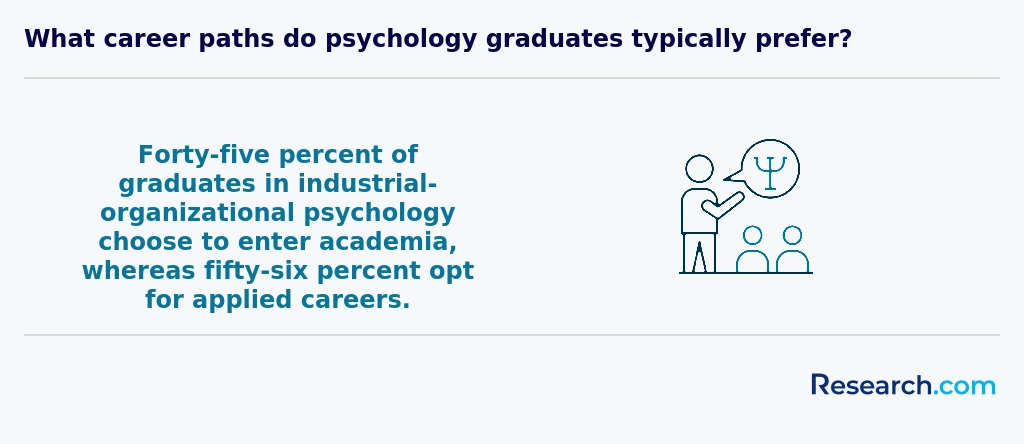
Graduates pursuing psychology careers in Moorhead often discover a rich array of opportunities rooted in both clinical and organizational settings. Licensed clinical psychologists from local universities typically find rewarding roles in hospitals or private practices, where they apply their skills to therapy and mental health assessments. Alumni recall the satisfaction of helping individuals navigate personal challenges, a deeply fulfilling path that requires graduate study and licensure. Others explore educational psychology within school systems, supporting student growth in ways that resonate with their passion for youth development. Job opportunities for psychology graduates Moorhead also extend into industrial-organizational psychology, where many contribute to enhancing workplace environments in local businesses-a vital role fostering employee well-being and productivity.
Graduates from Moorhead colleges often reflect on their engagement with community services, including social work and behavioral research, where they impact rehabilitation and substance abuse counseling. For those curious about making informed choices on where to study in the region, exploring valuable psychology schools in Minnesota reveals options that align well with these career trajectories.

The job market for psychology degree holders in Moorhead reflects the region's steady demand for mental health professionals. Graduates from institutions like Minnesota State University Moorhead often find rewarding roles in mental health counseling, school psychology, and community services. Many graduates express satisfaction working locally, citing fulfilling interactions in clinics or school settings where they directly support individuals' well-being. While entry-level jobs may require just a bachelor's degree, advancing in clinical or licensed positions typically demands graduate studies and certification, a path many Moorhead students embrace eagerly.
Employment opportunities for psychology graduates in Moorhead benefit from the area's growing awareness of behavioral health and expanding healthcare services, making the outlook encouraging though competitive. Salaries in Moorhead tend to be reasonable relative to the cost of living, motivating many to build long-term careers here. Those considering their education costs often wonder if are online psychology degrees program affordable, an important consideration given graduate tuition expenses.
2027 Most Valuable Psychology Degree Programs Ranking in Moorhead
Investing in your education is a significant decision that can shape your future, and the Research.com team understands the importance of making informed choices. To assist prospective students in Moorhead, we have meticulously crafted the "2027 Most Valuable Psychology Degree Programs Ranking in Moorhead." Our commitment to quality, credibility, and accuracy is reflected in the extensive research and analysis conducted to compile this ranking.
We utilized the following reputable data sources to ensure a comprehensive evaluation of psychology programs:
By exploring this ranking, readers will gain valuable insights into the most valuable psychology degree programs available in Moorhead, empowering them to make well-informed decisions about their educational journey. For more details on our methodology, please visit our Research.com methodology page.

Frequently Asked Questions About psychology
Psychology degree students in Moorhead can enhance their learning by actively engaging in both academic and practical experiences. Enrolling in institutions such as Minnesota State University Moorhead, which offers accredited psychology programs, provides a solid theoretical foundation. Students should seek out internships and volunteer opportunities within Moorhead's community mental health centers, as real-world experience is crucial to understanding psychological principles in practice.
Participating in research projects, often supported by faculty, helps students develop critical thinking and analytical skills. Joining psychology clubs or organizations fosters peer collaboration and networking, which are valuable career resources. According to the National Center for Education Statistics, hands-on learning significantly improves retention and post-graduate success rates for psychology majors nationwide.
The field of psychology is evolving, with several emerging niches gaining attention among students in Moorhead. One important area is neuropsychology, which explores how brain function affects behavior. This specialty is growing due to advances in brain imaging and contributes to understanding conditions like stroke and dementia.
Another expanding niche is health psychology, focusing on how psychological factors influence physical health. Given the increasing demand for holistic healthcare in the US, professionals trained in health psychology are in greater demand.
Additionally, industrial-organizational psychology is rising as businesses seek experts to improve employee well-being and productivity. According to the Bureau of Labor Statistics, jobs in this area are expected to grow by 8% through 2030.
These niches reflect broader trends and offer exciting career paths for Moorhead students interested in psychology.
Preparing for the job market after completing a psychology degree in Moorhead requires a combination of practical experience and networking. Many local employers, including clinics and schools, value applicants with internships or volunteer work. Moorhead's proximity to Fargo offers expanded opportunities for such experiences, often facilitated by university career centers.
Obtaining certifications, such as Certified Rehabilitation Counselor or Licensed Psychological Associate, can improve employability. According to the U.S. Bureau of Labor Statistics, employment in psychology-related fields is projected to grow 8% through 2031, emphasizing the importance of skill-building.
Graduates should also develop strong research and communication skills, which are frequently highlighted in job postings in the Moorhead region. Joining professional associations can provide access to job fairs and mentorship programs beneficial to new entrants.
Employers in Moorhead highly value psychology graduates who demonstrate strong critical thinking and analytical skills. These skills enable them to assess behavioral data effectively and develop evidence-based interventions, essential in various settings from clinical to organizational psychology.
Communication skills are also crucial. Graduates must be able to convey complex psychological concepts clearly to both clients and interdisciplinary teams. According to the U.S. Bureau of Labor Statistics, interpersonal skills improve job performance in psychology-related roles nationwide, including Moorhead.
Additionally, proficiency in research methods and statistical analysis is a top priority. These abilities support data-driven decision-making, a key trait sought by local healthcare providers and counseling centers. Understanding ethical guidelines and cultural competence are also emphasized to better serve diverse populations in Moorhead's community health environments.
Finding psychology internships in Moorhead involves leveraging local university resources and community connections. Students enrolled in psychology programs at institutions like Minnesota State University Moorhead can utilize dedicated career centers, which often maintain lists of internship opportunities in healthcare, counseling, and social services.
Local hospitals such as Sanford Health and behavioral health clinics occasionally offer internship placements relevant to psychology students. Networking through professors or attending career fairs hosted by the university increases access to such openings.
Additionally, state and regional internship databases, including the Minnesota Psychological Association's listings, can help identify available roles. Applying early and maintaining good academic standing are key, since competition for internships in Moorhead's psychology field grows yearly.
A psychology degree in Moorhead significantly impacts career mobility and advancement by equipping graduates with versatile skills valued across multiple sectors. According to the U.S. Bureau of Labor Statistics, employment of psychologists is expected to grow 6% nationally from 2021 to 2031, which positively influences local opportunities. In Moorhead, graduates often find roles in healthcare, education, social services, and business environments, where understanding human behavior enhances leadership and management capabilities.
Moreover, advanced degrees such as a Master's or Doctorate in Psychology open pathways to licensed professional roles, increasing earning potential and job security. For instance, the Minnesota Department of Employment and Economic Development reports that psychological services in the region offer competitive salaries averaging above the state median. These credentials facilitate upward mobility into specialized fields including counseling, clinical psychology, and organizational psychology.
Studying for a psychology degree in Moorhead equips students with skills applicable across multiple fields, supporting interdisciplinary career paths. Programs often combine coursework in behavioral science, research methods, and communication, which are valuable in areas like healthcare, education, and business. Moorhead's institutions emphasize collaboration with other departments, enhancing abilities in teamwork and problem-solving.
According to data from the National Center for Education Statistics (NCES) for Minnesota, psychology graduates increasingly enter fields such as social work, human resources, and counseling. This reflects the broad applicability of their training. Local internships and community partnerships in Moorhead further allow students to gain hands-on experience in diverse settings, preparing them for varied roles beyond traditional psychology careers.
When choosing between a thesis and a non-thesis psychology degree program in Moorhead, consider your career goals. A thesis program requires original research and is ideal for students aiming to pursue doctoral studies or research positions. It develops skills in research methodology and academic writing.
Non-thesis programs focus more on coursework and practical training, appealing to those seeking jobs in clinical, counseling, or applied psychology fields. According to the Minnesota State Colleges and Universities system, about 40% of psychology graduates in Moorhead opt for thesis tracks annually, reflecting demand for research expertise locally.
Financial and time commitments also differ; thesis options often extend study duration due to research demands. Evaluate faculty expertise and available resources at Moorhead institutions like Minnesota State University to ensure alignment with your educational needs.
Students based in Moorhead interested in studying psychology abroad have several pathways to consider. Many U.S. institutions, including those near Moorhead, offer exchange programs with universities in Europe, Asia, and Australia, enabling students to gain international experience while earning credits toward their psychology degrees.
Additionally, Moorhead students can explore study abroad programs supported by their home colleges, often facilitated through partnerships with accredited psychology departments worldwide. These programs usually last a semester or summer and focus on cross-cultural psychology studies or research methodologies.
It is important for students to check whether host institutions are recognized by the American Psychological Association (APA) or offer courses transferable to their U.S. degree requirements. Resources such as the Institute of International Education provide statistics on popular destinations and program availability for psychology majors from U.S. schools.
Students pursuing psychology degrees in Moorhead have several part-time job opportunities that complement their academic learning. Positions such as research assistants at nearby universities or nonprofit organizations allow hands-on experience with data collection and analysis, vital skills in psychology careers.
Local mental health clinics often seek part-time aides or intake assistants, providing exposure to clinical environments and client interactions. According to the U.S. Bureau of Labor Statistics, gaining practical experience can improve employment prospects post-graduation.
Additionally, roles in education support or community outreach programs in Moorhead enable students to understand behavioral interventions and counseling techniques, enhancing their academic grounding.
Psychology students in Moorhead benefit from several networking opportunities that connect them with local professionals and academic communities. Minnesota State University Moorhead (MSUM) plays a central role by hosting guest lectures, workshops, and psychology club events where students meet faculty and local practitioners. These events often lead to internships and research collaborations.
The Fargo-Moorhead metropolitan area has a growing psychological services industry, offering students chances to network through community agencies and mental health organizations. Regional psychology conferences and Minnesota Psychological Association meetings, accessible to students, provide valuable venues for expanding professional contacts.
Additionally, Moorhead students can engage with alumni networks that facilitate mentorship and career guidance within the field of psychology.
Alumni networks play a crucial role for psychology degree students in Moorhead by providing valuable professional connections. Graduates from local institutions often share job leads, internship opportunities, and advice tailored to the Moorhead job market. According to the National Association of Colleges and Employers (NACE), alumni referrals increase employment chances by over 50% in specialized fields like psychology.
These networks foster mentorship, enabling students to gain insights from experienced professionals working in clinics, schools, and research centers within Moorhead and nearby regions. Such interactions can improve practical skills and understanding of local licensing requirements.
Additionally, alumni events and social platforms help students build relationships that may lead to collaborative research or continuing education, enriching their academic and career paths in psychology.
Students pursuing a psychology degree in Moorhead have several options to customize their education to match career goals. Many local institutions offer elective courses and concentrations such as clinical psychology, counseling, or industrial-organizational psychology, enabling students to specialize within the field.
Internship and practicum opportunities are often available in Moorhead's community organizations and health services, providing practical experience that enhances specific career paths. Students can also engage in research projects, which is crucial for those interested in academic or clinical research careers.
Advisors at Moorhead colleges typically assist in selecting courses, planning schedules, and connecting students with local professionals. Utilizing these resources helps tailor the psychology degree to areas like mental health, education, or human resources.
Psychology students in Moorhead often face several common challenges during their studies. One major difficulty is managing the rigorous coursework, which frequently includes research methods, statistics, and a variety of psychological theories. These subjects demand strong analytical and critical thinking skills.
Many students also struggle with limited local internship and practicum opportunities. Moorhead's smaller urban setting offers fewer clinical placements compared to larger cities, which may delay hands-on experience required for licensure. According to the National Center for Education Statistics, approximately 30% of psychology undergraduates nationwide report challenges securing internships, a trend likely reflected locally.
Additionally, balancing financial costs is a significant concern. Tuition and related expenses can be burdensome without sufficient financial aid or scholarships. Mental health awareness among students themselves is growing, and some report stress and anxiety linked to academic and personal pressures.
With a psychology degree in Moorhead, graduates can pursue various professional certifications that enhance career prospects. Common credentials include Certified Alcohol and Drug Counselor (CADC) and Licensed Professional Clinical Counselor (LPCC), which are recognized in Minnesota and neighboring states.
Another option is the Board Certified Behavior Analyst (BCBA) certification, valuable for those focusing on applied behavior analysis. Moorhead's proximity to the University of Minnesota system provides access to preparatory programs for these certifications. According to the Bureau of Labor Statistics, demand for psychologists and counselors in Minnesota is expected to grow 10% by 2030, emphasizing the value of these credentials locally.
These certifications require a combination of education, supervised experience, and passing an exam, so planning early during degree studies is advisable.
Applying to psychology programs in Moorhead requires attention to both academic credentials and personal motivation. Prospective students should highlight a strong undergraduate GPA, ideally above 3.0, as local universities like Minnesota State University Moorhead value consistent academic performance. Including relevant experience, such as internships or volunteer work in mental health settings, strengthens the application by demonstrating genuine interest in psychology.
Writing a clear and concise personal statement is crucial. Applicants should explain their career goals related to psychology and why they chose Moorhead programs specifically, referencing research opportunities or faculty expertise when possible. Letters of recommendation from professors or employers who can attest to your commitment also add significant weight.
The application should also include standardized test scores if required, though many Moorhead institutions have moved toward test-optional policies since 2020, reflecting broader US trends. Finally, proofreading to avoid grammatical errors ensures professionalism and care in your submission.
The field of psychology offers diverse career opportunities globally, with the United States being a leader in research and clinical practice. For students in Moorhead, understanding international trends helps frame local education within a broader context. According to the American Psychological Association, psychology careers in the U.S. are expected to grow 8% by 2031, reflecting steady demand.
Globally, psychology practice varies widely in scope and regulation, yet the core principles remain consistent. U.S. psychology degrees, including those accessible near Moorhead, often emphasize evidence-based therapies and research methodology valued worldwide. This alignment enhances graduates' ability to work internationally or collaborate on global mental health projects.
Emerging fields such as neuropsychology and health psychology demonstrate strong global relevance, offering students in Moorhead promising career paths influenced by worldwide health trends and technological advances.
Gaining practical experience during a psychology degree in Moorhead involves engaging in various opportunities offered by local universities and organizations. Many programs encourage students to participate in internships or practicum placements, where they can work directly in counseling centers, hospitals, or social service agencies. Concordia College, for example, offers experiential learning through its psychology internships that align with state licensure requirements. Additionally, students may volunteer at nearby mental health clinics or research projects, enhancing their applied skills.
Faculty-led research is another key avenue; Moorhead colleges often encourage undergraduates to assist with studies, gaining hands-on experience in data collection and analysis. Networking through these roles can boost career prospects. According to the National Center for Education Statistics, such practical training significantly benefits psychology majors aiming for graduate programs or employment post-graduation.
Choosing the right concentration within a psychology degree program in Moorhead involves understanding your career goals and academic interests. Moorhead offers concentrations such as clinical, counseling, developmental, and industrial-organizational psychology. Each area has distinct coursework and career paths. For example, clinical psychology focuses on diagnosing and treating mental health disorders, while industrial-organizational psychology applies psychological principles to the workplace. Research from the National Center for Education Statistics shows that students who align concentrations with their intended professions tend to have higher job placement rates. Exploring Moorhead institutions' specific offerings and consulting academic advisors can clarify which concentration suits your aspirations best.
- 2027 Most Valuable Psychology Degree Programs Ranking in Minneapolis
- 2027 Most Valuable Psychology Degree Programs Ranking in Saint Paul
- 2027 Most Valuable Psychology Degree Programs Ranking in Lincoln
- 2027 Most Valuable Psychology Degree Programs Ranking in Boulder
- 2027 Most Valuable Psychology Degree Programs Ranking in Denver
- 2027 Most Valuable Psychology Degree Programs Ranking in Saint Louis
- 2027 Most Valuable Psychology Degree Programs Ranking in Springfield
- 2027 Most Valuable Psychology Degree Programs Ranking in Tulsa
- 2027 Most Valuable Psychology Degree Programs Ranking in Detroit
- 2027 Most Valuable Psychology Degree Programs Ranking in Cincinnati
See What Experts Have To Say About Studying Psychology
Read our interview with Psychology experts

Robin M. Kowalski. Ph.D.
Psychology Expert
Professor of Psychology
Clemson University

Elizabeth L. Jeglic Ph.D.
Psychology Expert
Professor of Psychology
City University of New York

Joann Farrell Quinn, Ph.D., MBA
Psychology Expert
Director at the College of Medicine Department of Medical Education
Morsani College of Medicine

- A Guide to Psychology Internships | Psychology Degree Guide https://psychologydegreeguide.org/resources/internships/
- Best Types Of Online Psychology Degrees 2025 https://www.psychology.org/degrees/
- Careers in Psychology https://www.lakeheadu.ca/programs/departments/psychology/careers-in-psychology
- Best Minnesota Psychology Degrees Updated for 2025, Online Included https://www.psychologydegrees.org/state/minnesota
- Know more about thesis vs non- thesis: what is the difference? https://studyfans.com/en/blogs/816
- Why Get a Psychology Degree Online? | University of Bridgeport https://www.bridgeport.edu/news/reasons-to-get-your-psychology-degree-online/
- Society for the Teaching of Psychology https://teachpsych.org/page-1784686/8675326
- Psychology Placement Opportunities for Year 12 Students https://studymind.co.uk/ucas-guide/year-12-guide-to-gaining-psychology-work-experience/
- Study Psychology Abroad | Go Overseas https://www.gooverseas.com/study-abroad/psychology
- The Role of Psychology in Career Development and Planning https://psyvanta.com/the-role-of-psychology-in-career-development-and-planning/