
2027 Fastest Online Bachelor's in Psychology Degree Programs Ranking in Colorado

Co-Founder and Chief Data Scientist
If you're considering a psychology degree in Colorado, finding the right program can feel overwhelming. This article introduces the 2027 Fastest Online Bachelor's in Psychology Degree Programs Ranking in Colorado, carefully crafted by the Research.com team of data scientists to guide your decision-making.
By exploring these top online options, you'll discover programs that fit your lifestyle and goals. Earning a psychology degree opens doors to meaningful careers, personal growth, and new opportunities. Let this ranking help you take confident steps toward a bright future.
Key benefits of getting online psychology degree in Colorado
- Graduates with a psychology degree in Colorado can pursue rewarding jobs such as Human Resources Specialist, earning a mean annual wage of $76,060, or Marketing Research Analyst roles with an average salary of $83,190, offering strong financial stability.
- A psychology graduate from a well-known Colorado university might explore varied career paths including Clinical Research Associate or Survey Researcher, both providing engaging work with mean wages around $62,370 annually.
- Online psychology degrees offer flexibility and convenience, enabling students to balance studies with personal commitments, as seen with graduates from Colorado's top programs who value the ability to learn at their own pace without sacrificing quality.
- 2027 Fastest Online Bachelor's in Psychology Degree Programs Ranking in Colorado
- What can I expect from online psychology degree in Colorado?
- Where can I work with online psychology degree in Colorado?
What can I expect from online psychology degree in Colorado?
The average cost of an online psychology degree in Colorado typically ranges depending on the institution, but students often find that public universities like Colorado State University or the University of Colorado Online offer competitive tuition rates. Many graduates recall balancing their budgets by combining tuition with state-specific scholarships and financial aid opportunities available through the Colorado Department of Higher Education.
Imagine completing your courses through flexible online platforms, like many students at these universities do, which allows you to study around work or family commitments without sacrificing quality. The tuition for these programs generally aligns with the credit requirements of 120 to 130 credits, often totaling between $25,000 and $40,000 for the entire degree, depending on whether you qualify for in-state tuition or financial assistance.
Graduates often express relief and pride in managing both their studies and expenses effectively, knowing their investment leads to strong career prospects in Colorado's growing mental health field. This blend of affordability and quality education makes pursuing an online psychology degree in Colorado a realistic and inspiring path forward.
Where can I work with online psychology degree in Colorado?
Graduates with an online psychology degree in Colorado often find rewarding opportunities across diverse fields. Many begin their careers in mental health support roles, such as psychiatric technicians or counselors' aides, roles that give immediate, meaningful impact in healthcare facilities throughout the state. For example, graduates from the University of Colorado Denver share how they've embraced positions in community mental health centers, supporting individuals through challenging times.
Others leverage their psychology knowledge in social services, nonprofit organizations, or government agencies-places where understanding human behavior truly makes a difference. Colorado State University graduates frequently mention roles coordinating rehabilitation programs or assisting in behavioral disorder facilities as stepping stones toward more advanced careers.
Beyond healthcare, psychology grads also thrive in business environments in Denver or Boulder, applying insights into human behavior to human resources, marketing, and customer relations. These roles allow for creativity and leadership while tapping into the growing demand for mental wellness initiatives in workplaces.
Finally, many find fulfillment working in education support services such as school counselor assistants or program coordinators, reinforcing positive development for Colorado's youth. These varied career paths demonstrate how a psychology degree from schools like Regis University or Metropolitan State University can open many doors across Colorado's evolving job market.
Graduates with an online psychology degree in Colorado often find rewarding career paths with competitive salaries. For example, those working as Human Resources Specialists enjoy a mean annual wage of around $76,060, allowing them to live comfortably in cities like Denver or Boulder, where their university connections help open doors. Others choosing roles like Marketing Research Analysts can expect even higher earnings, with average salaries near $83,190-ideal for graduates eager to combine psychology with business insight.
Entry-level positions such as Clinical Research Associate or Survey Researcher offer solid starting points, with salaries averaging about $62,370 per year. These roles provide practical experience that builds toward advanced career opportunities. Graduates have shared how part-time remote roles in these fields helped them balance work with continuing education at places like the University of Colorado Denver.
Though some graduate jobs might start with modest salaries compared to other professions, the growth potential and personal fulfillment many find counseling or research make these investments worthwhile. Knowing these figures can empower you as you plan your education and career path in psychology right here in Colorado.
- Online bachelor's psychology degrees in Colorado are offered by accredited institutions and meet regional standards.
- Annual tuition for public universities ranges from $10,000 to $15,000 for in-state students, with private schools charging over $30,000.
- Psychology job growth in Colorado is projected at 14% over the next decade, faster than the national average.
- Entry-level psychologists earn about $54,000 yearly, while experienced professionals can make over $90,000, especially in Denver and Boulder.
- Bachelor's graduates often start in support roles and may pursue advanced degrees to become licensed psychologists.
Completing an online psychology degree in Colorado typically takes around four years for full-time students, especially at popular institutions like Colorado State University Global Campus. Graduates often share how the flexibility of online classes allowed them to balance work, family, and studies, turning what might seem like a long journey into an inspiring personal achievement.
Some Colorado universities offer accelerated pathways, enabling highly motivated students to finish in as little as three years by taking extra credits or enrolling year-round. For example, committed learners at community colleges who transfer credits often feel proud knowing they've shaved significant time off their degree completion, opening doors to careers sooner.
Part-time students might take five or six years, but many find the ability to customize their schedule rewarding, allowing steady progress without sacrificing life's other priorities. This adaptable pace aligns well with Colorado's active lifestyles and ambitious minds.
Ultimately, the experience of earning your online psychology degree here is as unique as your story - with plenty of support to keep you motivated every step of the way.
Building on your online bachelor's degree in psychology, it’s important to plan for the future and consider pathways for further education and career advancement. Many graduates find that advancing to a higher degree opens doors to specialized fields and higher earning potential. Transitioning to graduate studies or pursuing an advanced research role can not only deepen your expertise but also enhance your resume in a competitive job market. For those aiming to further their education, exploring options such as online phd programs psychology can offer unique opportunities to dive into innovative research, gain specialized training, and expand professional networks. This proactive approach helps you keep pace with industry trends, ensures you remain competitive, and ultimately leads to greater career satisfaction. Consider connecting with alumni and mentors, attending virtual networking events, and researching programs that align with your specific career goals to fully prepare for the next step in your educational journey.
Choosing between an online and on-campus psychology degree in Colorado means weighing how you want to experience learning. Graduates from the University of Colorado Boulder often recall vibrant classroom discussions and hands-on lab time that fueled their passion through face-to-face interaction. Those relationships and real-time mentorship helped them build confidence entering internships.
Meanwhile, online graduates from Colorado State University cherish the freedom to study around busy schedules-balancing work, family, and personal commitments without the stress of commuting from Denver or smaller towns. The flexibility allows self-paced progress, which many find empowering and motivating.
Cost-wise, both formats usually hover around $10,000 to $12,000 per year at public universities, but online students often save on housing and travel expenses. Although online learners might miss some direct access to campus resources, they develop valuable self-discipline and seek local internship placements independently.
Ultimately, your choice hinges on whether you thrive in interactive campus environments or prefer adaptable, remote learning that fits Colorado's diverse lifestyles.
When considering an online Psychology degree in Colorado, one of the most crucial factors to evaluate is affordability. With the rising costs of higher education, it's essential to explore options that provide quality education at a lower cost. If you're looking for the cheapest psychology school in Colorado, you can find a range of institutions that offer affordable online Psychology degree programs. These programs can provide students with a solid foundation in Psychology while minimizing financial burden, making it an attractive option for those who want to pursue a career in this field without breaking the bank. By researching and comparing the costs of different online Psychology degree programs in Colorado, you can make an informed decision and find a program that fits your budget and meets your academic goals.
The average cost of an online psychology degree in Colorado varies depending on residency and the institution, but it typically centers around $35,000 to $40,000 for in-state students. Graduates from well-known programs like Colorado State University Global or the University of Colorado often share how managing tuition within this range allowed them to focus on their studies without overwhelming financial stress. These programs offer competitive tuition that aligns well with Colorado's cost of living, making the dream of earning a psychology degree more attainable.
Out-of-state students may face higher costs, sometimes exceeding $99,000 for the entire online psychology degree. Many find creative ways to navigate this by applying for scholarships, grants, and federal aid, which are abundantly available through the institutions' financial aid offices and the Colorado Department of Higher Education. These resources can dramatically reduce the financial burden and help maintain a positive outlook throughout the program.
For those seeking affordable online psychology bachelor programs Colorado residents appreciate programs that balance cost and quality. One graduate reflected on how choosing an affordable option did not limit the value of their education but rather motivated them to leverage available financial resources effectively. If budget is a top concern, exploring the cheapest psychology school in Colorado is a practical first step toward smart enrollment decisions.
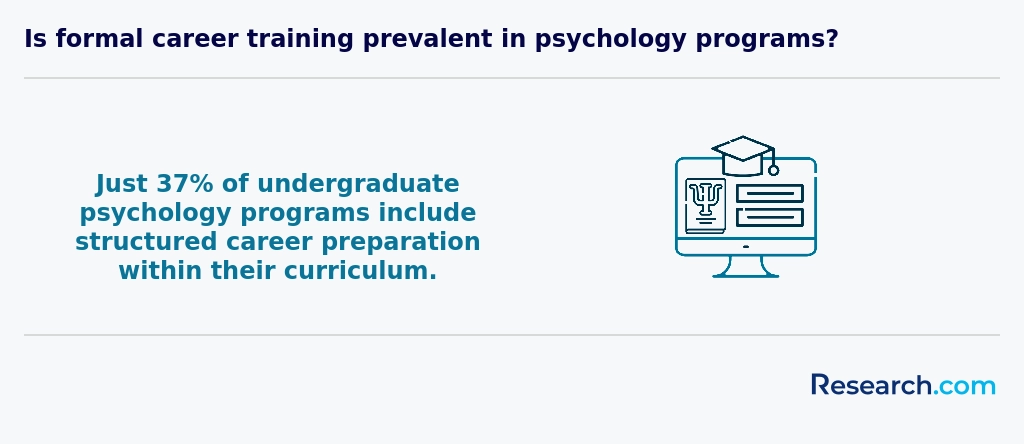
Accreditation is the cornerstone of any reputable online psychology program in Colorado, ensuring that your degree meets the rigorous standards set by governing bodies and qualifies you for licensure. Most top programs are accredited by the American Psychological Association (APA) or regionally by the Higher Learning Commission (HLC), which guarantees that coursework, faculty credentials, and clinical practicum experiences adhere to professional benchmarks. Before enrolling, verify that your institution appears on the Colorado Department of Regulatory Agencies’ approved list to streamline your path to certification. Upon graduation, aspiring psychologists must complete a supervised internship-typically 1,500 to 2,000 hours-under a licensed psychologist, pass the Examination for Professional Practice in Psychology (EPPP), and fulfill state jurisprudence requirements. In Colorado, candidates also register with the Colorado Board of Psychologist Examiners, submit official transcripts, and demonstrate completion of continuing education units (CEUs) every renewal cycle. This structured licensure process not only safeguards public welfare but also enhances your credibility and marketability across clinical, academic, and research settings. Balancing quality with affordability is crucial: when comparing program costs, prospective students can also explore our Low Cost Online Psychology Degree Programs Ranking in Texas to benchmark tuition rates and financial aid offerings, ensuring you make an investment that aligns with both your career goals and budgetary needs.
If you're pursuing an online psychology degree in Colorado, you're in a great position to access tailored financial aid that can greatly ease your journey. Many graduates from universities like the University of Colorado Denver share how federal aid, especially the Pell Grant, made a world of difference by covering thousands in tuition without needing repayment. Filling out the FAFSA is your first step to unlocking grants, low-interest federal loans, and work-study programs that many psychology students use to manage costs effectively.
State aid also plays a huge role-scholarships from the Colorado Opportunity Scholarship Initiative or the Colorado Student Grant helped past students reduce their reliance on loans while focusing on their studies. It's encouraging to hear how these resources allow online learners at schools like Regis University to pursue their passion without financial stress weighing heavily.
Institutional scholarships, often merit- or need-based, are worth exploring too. Several graduates highlight how specific scholarships for psychology majors or online program participants provided not just financial support but also motivation to excel. Plus, don't overlook additional aids-employer tuition reimbursement, private scholarships from groups like the American Psychological Association, and military benefits have lifted many aspiring psychologists in Colorado toward their degrees with confidence.
To finish your bachelor’s in psychology faster, consider these proven tactics:
- Enroll in summer and winter sessions to maintain year-round progress
- Transfer eligible credits from community colleges or prior college coursework
- Use credit-by-exam options (CLEP or DSST) for foundational psychology and general education courses
- Opt for accelerated courses that condense terms into 5–8 week modules
- Leverage Prior Learning Assessment (PLA) to earn credits for relevant work or military experience
- Compare tuition and fees to find the cheapest online degree in psychology without sacrificing academic quality
To enroll in an online psychology degree in Colorado, you'll need a high school diploma or equivalent, such as a GED. Many programs, including those at well-known institutions like the University of Colorado and Colorado State University, expect a minimum GPA around 2.5 to 3.0. This ensures you're academically ready to handle the challenges ahead. Graduates often share how meeting this requirement boosted their confidence to succeed in rigorous coursework.
While standardized tests like the SAT or ACT were once essential, numerous Colorado colleges have embraced test-optional policies, opening doors for students balancing family, work, or other commitments. Imagine a working adult diving into psychology with only their passion and experience behind them-this policy makes that possible.
Applicants may also need to craft personal statements and gather letters of recommendation. These highlight your motivation and commitment, qualities graduates often credit for their sense of accomplishment during tougher studies.
- Completing general education courses in English, math, and science matters before progressing to upper-level psychology classes.
- Transfer students benefit from previous college credits related to psychology.
- International applicants must prove English proficiency through exams like TOEFL or IELTS.

Online psychology degree programs in Colorado typically include a solid foundation of courses that build your understanding of human behavior and the science behind it. Graduates from institutions like the University of Colorado Denver or Colorado State University often reflect on how courses such as Introduction to Psychology and Developmental Psychology helped them see everyday interactions and personal growth in a new light, making the theory personally meaningful.
You'll dive into Abnormal Psychology, where you learn to recognize various psychological disorders, often relating content to local mental health challenges in Colorado's communities. Research Methods and Statistics teach you to critically analyze data, a skill graduates say is empowering when approaching both academic projects and real-world problem solving.
Specialized courses like Social Psychology and Psychology of Diversity are especially relevant here, preparing you to work with Colorado's varied populations. Electives in Counseling Techniques and Ethics provide practical skills that recent grads find invaluable in both volunteer work and early career roles.
If you're exploring online psychology degree specializations Colorado offers, you'll find programs designed to sharpen your skills in areas that truly resonate with your career goals. Graduates from popular universities here often share how specializing in Clinical Psychology empowered them to confidently assess and treat mental health challenges, an essential skill in Colorado's growing healthcare landscape. Others pursuing Industrial-Organizational Psychology find themselves improving workplace dynamics at local companies, turning concepts into real-life leadership and productivity wins.
Child and Adolescent Psychology attracts students passionate about supporting younger populations, with courses geared to address developmental and emotional needs. Cognitive Psychology appeals to those fascinated by how the mind processes information, often diving into research projects at Colorado institutions well-known for experimental studies.
Forensic Psychology graduates often thrill in applying their knowledge within the legal system, while Health Psychology prepares students for impactful roles in public health and wellness sectors. Many students at these Colorado accredited psychology programs online feel inspired knowing their specialization aligns with local job growth and mental health demands. If you want to explore further, check out online phd programs psychology that build on these foundations.
Choosing the best online psychology degree programs Colorado offers means focusing on accreditation and how well the curriculum fits your career dreams. Graduates from well-known schools in Denver and Boulder often share that attending regionally accredited programs gave them confidence their degree would be respected by employers and graduate schools. Exploring programs that offer specializations like clinical or developmental psychology helps you tailor your studies to real-world passions.
Cost is another vital piece. Many students who chose affordable online psychology degrees Colorado-based found that state schools typically provided more reasonable tuition, making it easier to balance finances without sacrificing quality. Flexibility also shapes success - asynchronous courses proved invaluable to working adults pursuing their degrees at their own pace. Plus, programs that accept transfer credits or prior learning cut down on time and expense, which graduates often celebrate.
Don't overlook post-graduation outcomes and support services. Students from popular institutions in Colorado note how strong academic advising and job placement support heightened their motivation and opened doors after finishing their degree. For those thinking about advancing further, consider programs like psyd programs neuropsychology that align with your evolving goals.

Graduates with an online psychology degree in Colorado often find themselves drawn to rewarding careers such as licensed mental health counselors or therapists. Many from universities like the University of Colorado Denver begin their journey by gaining supervised clinical experience while working in local hospitals or behavioral health centers. These roles require a master's degree eventually, but starting with a bachelor's degree unlocks vital entry points. For those exploring psychology job opportunities in Colorado after online degree completion, schools and educational support settings offer fulfilling roles assisting children and adolescents, such as psychological assistants or counselors.
Others discover fulfilling work in human resources or market research in Colorado's thriving urban centers like Denver and Boulder, where knowledge of psychology enhances organizational effectiveness. Graduates often note how the online curriculum paired with practical experience prepares them for real-world challenges and opportunities. For affordable options during your studies, explore resources like the Low Cost Online Psychology Degree Programs Ranking in Texas to compare programs that fit your budget and career goals.
Colorado's job market for individuals with an online psychology degree is promising and growing steadily, especially for those stepping into entry-level roles. Graduates from popular universities and colleges in Colorado often find themselves working as behavioral health technicians or case managers in both Denver's urban areas and smaller communities. The expanding mental health sector means these roles offer meaningful work surrounded by supportive teams and real-world impact.
Those who earned an online psychology degree in Colorado frequently highlight the value of flexible learning options coupled with local opportunities in social services and human resources. For example, community health centers and rehabilitation facilities in Boulder and Colorado Springs appreciate candidates who combine practical psychology knowledge with a spirit of service.
To enhance their career path, many graduates consider pursuing additional certifications or continuing with a graduate program that they can access online, often through a nationally accredited university. The job market for psychology graduates Colorado offers a path not only into employment but toward personal growth and lifelong impact.
2027 Fastest Online Bachelor's in Psychology Degree Programs Ranking in Colorado
Investing in your education is a significant decision that can shape your future, and the Research.com team understands the importance of making informed choices. To assist prospective students in Colorado, we have meticulously crafted the "2027 Fastest Online Bachelor's in Psychology Degree Programs Ranking in Colorado." Our commitment to quality, credibility, and accuracy is reflected in the extensive research and analysis conducted to compile this ranking.
We utilized the following reputable data sources to ensure a comprehensive evaluation of programs:
By exploring this ranking, readers will gain valuable insights into the fastest online psychology bachelor's degree options available in Colorado, empowering them to make informed decisions that fit their educational and career goals. For more details on our methodology, please visit our Research.com methodology page.


# 3 position
Colorado Christian University
Bachelor of Applied Psychology

# 4 position
Colorado Technical University-Colorado Springs
Bachelor of Psychology - Organizational Behavior

Frequently Asked Questions About psychology
Online psychology degree students in Colorado can maximize their learning by actively engaging with their coursework and instructors. Utilizing available university resources, such as virtual tutoring and counseling, supports academic success. Many Colorado institutions offer flexible schedules and interactive platforms that foster collaboration with peers, enhancing understanding.
It's important for students to seek internships or practicum opportunities within Colorado's mental health organizations, as practical experience complements theoretical learning. According to the Colorado Department of Higher Education, students who combine online study with local hands-on practice improve retention and job readiness.
Regularly reviewing research from reputable sources like the American Psychological Association helps stay updated on local trends and innovations in psychology.
The psychology field in Colorado is expanding into several emerging niches, driven by evolving societal needs and advances in research. One notable area is telepsychology, which has surged due to increased demand for remote mental health services. The Colorado Behavioral Health Council reports a 35% rise in telehealth usage since 2020.
Another growing niche involves sports psychology, supported by Colorado's active sports culture and institutions like the U.S. Olympic Training Center. Careers in this field focus on enhancing athletic performance and mental resilience.
Neuropsychology is also on the rise, with local universities advancing brain-behavior studies, responding to a growing need for specialists in brain injury and cognitive disorders.
After completing an online psychology degree in Colorado, job market preparation is essential for career success. Start by obtaining state licensure if you plan to work as a psychologist or counselor, since Colorado requires specific credentials and supervised hours for licensure. Networking within professional organizations such as the Colorado Psychological Association also helps connect with local employers and mentors.
Gaining practical experience through internships or volunteer roles in healthcare settings or schools is valuable. Colorado's employment for psychologists is projected to grow by 10.9% through 2031, according to the Bureau of Labor Statistics, highlighting increasing demand.
Enhancing skills with certifications related to counseling or behavioral health boosts employability.
Employers seeking psychology degree graduates in Colorado prioritize strong analytical and communication skills. Graduates should be able to interpret data clearly and convey psychological concepts effectively to diverse audiences. According to the Colorado Behavioral Healthcare Council, critical thinking and ethical decision-making are equally important, reflecting the state's emphasis on responsible mental health practices.
Colorado's growing mental health sector demands familiarity with evidence-based approaches and cultural competence, which are crucial given the state's diverse population. Additionally, proficiency with technology used in psychology research and practice is increasingly valued. The Bureau of Labor Statistics notes that these skills enhance employability in both clinical and research roles across Colorado.
Finding internships in Colorado relevant to a psychology degree involves several strategic steps. Start by exploring opportunities through state resources like the Colorado Psychological Association, which often lists local internships and mentorship programs.
Many universities with online psychology programs in Colorado maintain partnerships with local clinics, hospitals, and mental health centers offering internships. Contacting your program's career services can provide tailored leads.
Additionally, websites such as Handshake and the Colorado Department of Labor & Employment feature psychology-related internship listings. These platforms can connect you with positions in both urban areas like Denver and smaller communities.
According to the U.S. Bureau of Labor Statistics, Colorado employs roughly 5,300 psychologists, highlighting a steady regional demand for psychology professionals.
Obtaining an online psychology degree in Colorado can significantly improve career mobility and advancement in the state's growing mental health sector. According to the Colorado Department of Labor and Employment, demand for psychology-related roles is projected to grow by 15% through 2030, faster than the national average. This growth is fueled by increased awareness of mental health issues and expanded healthcare services.
Graduates with online psychology bachelor's degrees often qualify for entry-level positions such as behavioral health technicians or case managers. These roles provide essential experience needed for advanced certifications or graduate studies.
Higher education credentials enhance eligibility for promotions and specialized roles, including school psychologists or counselors, especially when combined with state licensure. Thus, an online degree offers a flexible pathway to meet the academic and professional requirements necessary for advancement within Colorado's psychology workforce.
Studying for a psychology degree online in Colorado equips students with skills valuable across multiple disciplines. Programs emphasize foundational knowledge in human behavior alongside relevant training in communication, research methods, and data analysis.
Colorado institutions often integrate coursework that intersects with fields like healthcare, education, and social services. This interdisciplinary approach prepares graduates to collaborate effectively in diverse professional environments.
According to the Colorado Department of Higher Education, psychology graduates in the state benefit from partnerships with local organizations, enhancing practical experiences that bridge theory with real-world application.
Additionally, online formats provide flexibility, enabling students to engage with varied professional communities and complete internships remotely, further broadening interdisciplinary readiness.
Choosing between a thesis and a non-thesis psychology degree program in Colorado depends on your academic and career goals. A thesis option involves conducting original research and writing a comprehensive paper, which is suited for students considering graduate study or research careers. Non-thesis programs emphasize coursework and practical experience, often appealing to those seeking immediate employment or professional licensure.
The Colorado Department of Higher Education notes that nearly 40% of psychology graduates pursue advanced degrees; a thesis can strengthen graduate school applications. Conversely, a non-thesis path may be quicker and more flexible for working adults balancing responsibilities.
Review program requirements and career outcomes carefully to select the best fit.
Students based in Colorado seeking to study psychology abroad have several options, often through partnerships between U.S. and international universities. Many Colorado institutions, like the University of Colorado Boulder, participate in exchange programs or credit transfer agreements facilitating global learning experiences.
Online psychology degree programs also enable study abroad credits, allowing students to complete coursework internationally while residing in Colorado. This flexible approach suits those balancing work or family commitments.
Additionally, professional organizations such as the American Psychological Association provide resources on accredited programs abroad that meet U.S. standards, ensuring credits transfer smoothly.
However, students should verify how completed coursework abroad aligns with Colorado's licensure requirements, as these vary by state.
Students pursuing online psychology degrees in Colorado can benefit from several part-time job opportunities that align with their academic focus. Positions such as behavioral health technicians, psychiatric aides, and peer support specialists provide practical experience and enhance understanding of psychological concepts.
The Colorado Department of Labor reports that behavioral health technician roles are projected to grow by 12% through 2030, reflecting increasing demand. These jobs often involve assisting licensed professionals in mental health settings, complementing coursework in clinical and counseling psychology.
Additionally, roles in social service agencies or crisis hotlines offer valuable interaction with diverse populations. Pursuing these part-time roles while studying can give students applied skills and improve their competitiveness for future graduate programs or employment.
Online psychology students in Colorado have various opportunities to build professional networks despite studying remotely. Many Colorado universities offer virtual events, workshops, and guest lectures featuring local psychology experts. These platforms encourage interaction with peers and faculty, fostering connections important for future employment.
Additionally, students can join state chapters of organizations like the Colorado Psychological Association (CPA), which hosts annual conferences and networking mixers. These events provide valuable contacts within the state's mental health community. According to the Bureau of Labor Statistics, Colorado employs over 3,500 psychologists, creating a dynamic professional environment for emerging professionals to connect.
Internships and practicum placements arranged through online programs often partner with local clinics and hospitals, further enhancing networking potential.
Alumni networks play a crucial role in supporting online psychology degree students in Colorado by offering valuable connections within the state's mental health community. Graduates often gain access to job leads, internships, and mentorship opportunities through these networks, which can enhance career prospects in a competitive field.
Colorado's psychology workforce is growing, with the Bureau of Labor Statistics projecting a 14% increase in psychologist jobs statewide by 2030. Alumni associations help bridge students to this expanding market by fostering professional relationships.
Additionally, alumni networks provide support for continuing education and licensure preparation, which are essential steps for Colorado psychology graduates seeking licensure as clinical psychologists or counselors.
Customizing an online psychology degree in Colorado allows students to align their studies with specific career goals. Many programs offer elective courses in areas such as clinical psychology, counseling, or industrial-organizational psychology. This flexibility helps students gain targeted skills relevant to their chosen field. Some institutions also provide opportunities for practicum or research projects conducted virtually or locally, enhancing practical experience.
Colorado's higher education system supports specialization through partnerships with local health services and businesses. According to the Colorado Department of Higher Education, tailoring your curriculum can boost employability in a state where psychology-related jobs are projected to grow by 14% through 2030. Choosing a program accredited by the APA or regionally ensures your degree meets professional standards.
Online psychology students in Colorado commonly face challenges related to limited access to hands-on clinical experiences required for licensure. Because psychology degrees often involve practical training, students must seek local internships or supervised practice outside the virtual classroom. Navigating these opportunities in diverse urban and rural areas of Colorado can be difficult.
Additionally, maintaining motivation and managing time independently is a frequent hurdle. According to the Colorado Department of Higher Education, online programs require strong self-discipline given the asynchronous nature of many courses.
Furthermore, students may encounter obstacles in meeting state-specific licensing education standards, which vary across Colorado's licensing boards. Staying informed on these requirements is essential for successful career planning.
With an online psychology degree in Colorado, you can pursue several professional certifications that enhance your career prospects. One common credential is the Certified Alcohol and Drug Counselor (CADC), awarded by the Colorado Certification Board, which allows work in addiction treatment. Many graduates also aim for Licensed Professional Counselor (LPC) or Licensed Psychological Associate (LPA) certifications, both regulated by the Colorado Board of Psychologist Examiners.
These licenses often require additional supervised experience after degree completion. According to the Bureau of Labor Statistics, Colorado expects a 13% growth in mental health counselor jobs through 2031, underscoring the value of such certifications.
Other options include certifications in behavior analysis or school psychology, depending on specialization and further education.
Writing a winning application for an online psychology program in Colorado requires clear organization and attention to detail. Start by thoroughly researching the schools you are interested in, focusing on their specific admission requirements and deadlines.
Highlight your academic preparation, including relevant coursework and GPA. According to the Colorado Department of Higher Education, competitive applicants typically have a minimum GPA of 3.0.
Strong letters of recommendation from professors or professionals familiar with your experience in psychology can enhance your application.
Additionally, craft a compelling personal statement that explains your interest in psychology and how the program aligns with your career goals in Colorado's growing mental health sector, noted by the Colorado Behavioral Healthcare Council.
Psychology careers hold increasing importance worldwide, and the United States, including Colorado, reflects this trend strongly. According to the U.S. Bureau of Labor Statistics, employment of psychologists is projected to grow 8% from 2022 to 2032, faster than the average for all occupations.
Globally, there's a growing emphasis on mental health awareness, influencing demand for trained psychology professionals. In Colorado, many online psychology degree programs prepare students for roles in research, therapy, or counseling that comply with U.S. licensure requirements.
Colorado's mental health workforce is expanding to address diverse population needs, supported by state initiatives. This aligns with global shifts toward integrating psychology in healthcare systems.
Understanding these global and local trends helps students anticipate evolving opportunities within psychology careers. Reliable data sources include the Colorado Department of Labor & Employment and the American Psychological Association.
Students pursuing an online psychology degree in Colorado can gain practical experience through internships and practicum placements. Many programs partner with local mental health clinics, hospitals, and social service agencies to provide these opportunities. The Colorado Department of Higher Education notes that experiential learning is essential for licensure and career readiness in psychology.
Additionally, Colorado offers community-based research centers that accept student volunteers, allowing hands-on experience in behavioral studies. These positions help develop skills in assessment, counseling, and data collection. Online students should also consider joining professional organizations such as the Colorado Psychological Association for networking and mentorship opportunities.
Some universities require or recommend supervised fieldwork, which can often be completed locally, even from remote locations within Colorado. This combination of online coursework and in-person experiential learning supports both academic achievement and professional growth.
Choosing the right concentration within an online psychology degree program in Colorado involves assessing your career goals and local job market. Popular concentrations include clinical, counseling, and industrial-organizational psychology. Each offers distinct pathways-clinical focuses on mental health treatment, while industrial-organizational emphasizes workplace behavior.
Colorado's healthcare sector is growing rapidly, with a 15% increase in demand for mental health professionals between 2020 and 2030, according to the Colorado Department of Labor and Employment. This growth may influence your choice if you want strong employment prospects.
Consider also accreditation and specific course offerings within each concentration to ensure alignment with licensure requirements in Colorado.
- 2027 Fastest Online Bachelor's in Psychology Degree Programs Ranking in Kansas
- 2027 Fastest Online Bachelor's in Psychology Degree Programs Ranking in Texas
- 2027 Fastest Online Bachelor's in Psychology Degree Programs Ranking in Missouri
- 2027 Fastest Online Bachelor's in Psychology Degree Programs Ranking in Iowa
- 2027 Fastest Online Bachelor's in Psychology Degree Programs Ranking in Illinois
- 2027 Fastest Online Bachelor's in Psychology Degree Programs Ranking in Alabama
- 2027 Fastest Online Bachelor's in Psychology Degree Programs Ranking in Florida
- 2027 Fastest Online Bachelor's in Psychology Degree Programs Ranking in Ohio
- 2027 Fastest Online Bachelor's in Psychology Degree Programs Ranking in Virginia
- 2027 Fastest Online Bachelor's in Psychology Degree Programs Ranking in Pennsylvania
See What Experts Have To Say About Studying Psychology
Read our interview with Psychology experts

Elizabeth L. Jeglic Ph.D.
Psychology Expert
Professor of Psychology
City University of New York

Joann Farrell Quinn, Ph.D., MBA
Psychology Expert
Director at the College of Medicine Department of Medical Education
Morsani College of Medicine

Catherine Caldwell-Harris, Ph.D.
Psychology Expert
Associate Professor of Psychology
Boston University

- Online Bachelor's Degree in Psychology | CTU Online https://www.coloradotech.edu/degrees/bachelors/psychology
- Online Psychology Degrees: What You Need To Know https://www.psychology.org/online-degrees/
- Bachelor's Degree in Applied Psychology | CCU Online https://www.ccu.edu/ccu/psychology/
- Colorado Psychology Schools https://psychologydegreeguide.org/state/colorado/
- Online Psychology Degrees https://www.phoenix.edu/online-psychology-degrees.html
- Networking and Community Resources https://www.psych.on.ca/become-a-member-(1)/member-services/networking-and-community-resources
- What can I do with a Psychology degree? https://www.coloradomesa.edu/iris/explore-majors/what-can-i-do-with-a-psychology-degree.html
- Psychology at the University Level: What to Expect and ... https://www.enrichedmindset.com/post/psychology-at-the-university-level-what-to-expect-and-how-to-prepare
- Online Psychology Degree Salary by Career Path https://www.collegetransitions.com/blog/online-psychology-degree-salary-by-career-path/
- Psychology Degree Online https://www.msudenver.edu/online/psychology-bs/


