2027 Easiest Online Master's in Psychology Degree Programs Ranking in California

Co-Founder and Chief Data Scientist
Choosing the right online master's in psychology program can feel overwhelming, especially with so many options in California. This article presents the 2027 Easiest Online Master's in Psychology Degree Programs Ranking in California, crafted by the Research.com team of data scientists to help you navigate your choices confidently.
By exploring this ranking, you'll discover programs that balance quality education with accessibility, making it easier to advance your career and personal growth.
Whether you're seeking flexibility or a solid foundation, earning a psychology degree can open rewarding doors and new opportunities.
Key benefits of getting online psychology degree in California
- Psychology degree graduates in California can earn competitive salaries, such as Industrial-Organizational Psychologists making an average of $154,380 annually and School Psychologists earning about $91,990 yearly.
- Graduates often find diverse career paths, including roles as Mental Health Counselors or Marriage and Family Therapists, reflecting strong demand in both clinical and organizational settings.
- Online psychology degrees offer flexibility and convenience, allowing students to balance work and study effectively while gaining skills recognized by employers across California's competitive job market.
- 2027 Easiest Online Master's in Psychology Degree Programs Ranking in California
- What can I expect from online psychology degree in California?
- Where can I work with online psychology degree in California?
What can I expect from online psychology degree in California?
The average cost of an online psychology degree in California varies significantly depending on the institution type and residency status. Graduates from well-known public universities often report paying between $7,000 and $15,000 annually for in-state tuition, while private colleges typically charge higher fees, sometimes exceeding $25,000 per year. This wide range reflects the balance between affordability and the quality of specialized coursework offered.
Many students appreciate the value of public universities such as California State University campuses, which provide competitive tuition rates coupled with comprehensive online curricula covering developmental psychology, research methods, and clinical training. Graduates frequently highlight the flexibility of recorded lectures and live discussions, which accommodate working professionals and parents without compromising their learning experience.
Alongside tuition, some students incur additional costs for clinical practicum placements essential for licensure preparation, often arranged locally to minimize travel expenses. Financial aid and scholarships targeted at psychology students are commonly available, helping to ease the monetary burden while advancing their careers within California's steadily growing psychology job market.
Where can I work with online psychology degree in California?
Graduates with an online psychology degree from institutions like California State University or University of Southern California often find diverse employment opportunities across the state. Those holding a bachelor's or master's degree typically enter roles in social services, human resources, or behavioral health support within community mental health centers, nonprofits, or corporate offices. For example, many graduates feel fulfillment working as social and community service managers, earning a median annual wage near $75,000, as reported by the California Employment Development Department.
Master's degree holders pursuing counseling can advance to become Licensed Professional Clinical Counselors (LPCCs) by completing 3,000 hours of supervised experience, enabling independent practice in private clinics or hospitals. Others gravitate toward behavioral analysis careers, especially with Board Certified Behavior Analyst (BCBA) certification, serving children with autism in schools or agencies. Graduates involved in research often contribute as coordinators at universities such as UCLA or UC Berkeley, supporting mental health studies that shape state health policies.
These pathways provide practical, impactful careers that many online psychology graduates in California appreciate for their meaningful community contribution and steady growth prospects.
Graduates with an online psychology degree in California often find rewarding earning opportunities, with salaries depending heavily on the specific career path chosen. For example, school psychologists in California earn a mean annual wage of approximately $91,990, reflecting roles in educational settings often filled by graduates from institutions like the University of Southern California or California State University campuses.
Mental health counselors, another common career route for graduates, have a mean annual wage near $60,080, with those working in urban centers such as Los Angeles experiencing higher salary potential. Marriage and family therapists see average earnings around $68,730 per year, benefiting from growing demand for counseling services statewide.
Industrial-organizational psychologists, who often specialize in improving workplace dynamics and employee performance, have notably higher mean wages of $154,380 annually, emphasizing the strong value of specialized skills gained through advanced study at schools like Stanford or UCLA.
Graduates may also pursue roles like rehabilitation counselors, earning on average $48,430 yearly, contributing to community health and support. These figures highlight encouraging economic prospects for psychology graduates in California, where demand and specialization directly enhance earning potential.
- Online psychology programs in California range from bachelor's to master's degrees, usually requiring 30 to 60 semester units at the graduate level.
- Tuition for online master's programs ranges from $15,000 to $40,000, with public universities charging between $300 and $600 per credit hour for in-state students.
- Entry-level psychologists in California earn an average of $70,000 annually, while mid-career salaries average around $110,000.
- The demand for psychologists in California is expected to grow by about 12% over the next decade, outpacing the national average.
- Licensing requires supervised experience and passing the EPPP exam, with accredited online degrees qualifying graduates for licensure eligibility.
- Many online programs include live virtual sessions or practicums to meet practical training requirements set by the California Board of Psychology.
Completing an online psychology degree in California varies significantly by degree type and program structure. Undergraduate students at institutions like CSU Monterey Bay typically finish a bachelor's degree in about four years when studying full-time. Some graduates share feeling motivated by accelerated options, which let them complete their studies in as little as three years by taking heavier course loads or year-round classes.
Master's degree programs generally take between 18 months and three years. Many California students balance work and study, especially in flexible online programs, which can extend completion time but bring a rewarding sense of progress. Accelerated master's offerings reduce this time to 12-18 months, appealing to professionals eager to advance quickly.
Doctoral degrees, such as PhDs or PsyDs, require four to seven years, factoring in coursework, research, and California's mandated supervised clinical hours. Graduates often describe the experience as challenging but fulfilling, with online structures allowing them to tailor progress to life demands efficiently.
Online and on-campus psychology degrees in California differ primarily in format, cost, and student experience. Online programs offer flexibility for working adults or those balancing family responsibilities, enabling access to course materials anytime. Graduates from these programs often appreciate how virtual communication tools allow them to stay connected despite busy schedules. Meanwhile, on-campus students at institutions like UCLA or UC Berkeley benefit from direct access to laboratories, study groups, and faculty office hours, creating rich face-to-face interactions that foster networking and collaborative research opportunities.
Practicum requirements highlight these differences further. On-campus students may engage in extensive hands-on lab work, while online learners often arrange local in-person practicums through partnerships with clinics across California. Cost-wise, online psychology programs tend to be more affordable, averaging $5,000 to $7,000 annually compared to $8,000 to $10,000 for in-state public university tuition. This price gap reflects the reduced overhead of online education but does not compromise the program's accreditation or ability to prepare students for California's licensing exams.
The average cost of an online psychology degree California students face varies notably by institution type. Public universities, like those in the California State University system, offer more affordable in-state tuition, typically between $7,000 and $15,000 for an entire master's program. Graduates from these programs often express satisfaction with balancing educational quality and affordability, enabling them to pursue their goals with less financial stress.
Conversely, private universities in California tend to charge significantly higher tuition, frequently ranging from $20,000 to $40,000. These institutions may provide smaller class sizes, more individualized support, and additional resources, which some students find valuable for their learning experience. Such differences highlight why the California online master's in psychology tuition fees can vary so widely.
Beyond tuition, students should budget for additional expenses such as course materials, technology fees, and possible in-person practicum or residency components required for accreditation. These ancillary costs generally add $1,000 to $3,000 to the total price. Many online psychology students also balance their studies with work or family, appreciating programs that offer flexible scheduling and comprehensive support.
Prospective psychologists looking to work in specialized fields might explore related resources, such as pathways for substance abuse counseling hawaii, which reflect the diverse career outcomes for psychology graduates. Understanding the full cost structure, especially in a state with California's living expenses, is crucial for making informed decisions about your educational investment.

Online psychology students in California benefit from several financial aid options that ease the burden of tuition, which can range from $20,000 to $50,000 nationally. Many graduates from institutions like UCLA and San Diego State University report substantial relief through federal student aid accessed via FAFSA, including Pell Grants and federal Direct Unsubsidized Loans. These loans offer competitive interest rates and flexible repayment plans tailored for graduate students.
California residents may qualify for state-specific aid such as Cal Grants, although these predominantly support undergraduates. Nonetheless, some graduate psychology students successfully tap into professional grants through the California Student Aid Commission.
Institutional scholarships at these universities often target psychology students with merit- or need-based awards, significantly reducing out-of-pocket expenses. Graduates emphasize how employer tuition assistance and private scholarships from psychological associations have also been game-changers, making pursuing advanced degrees economically feasible.
- Employer tuition programs that offset costs for working professionals
- Federal work-study options, albeit less common for online learners
- Private scholarships offered by psychology-focused organizations
Choosing an accredited program and understanding licensure requirements are critical steps toward a successful psychology career in California. Regional accreditation by bodies such as the Western Association of Schools and Colleges (WASC) ensures your degree is recognized by employers and offers eligibility for federal financial aid. For clinical and counseling tracks, look for programs with American Psychological Association (APA) accreditation or those that meet California Board of Psychology standards, which streamline the path to licensure. Key accreditation and licensure considerations: • Regional vs. National Accreditation: Regional accreditation (e.g., WASC) is generally preferred, as it signals adherence to rigorous academic standards and improves transferability of credits. • APA-Accredited Programs: If your goal is to become a licensed clinical psychologist, APA accreditation or equivalency is often required to qualify for licensure exams and supervised practice hours. • California Board of Psychology Requirements: Master’s-level psychologists seeking licensure in California must complete supervised professional experience (SPE), pass the Examination for Professional Practice in Psychology (EPPP), and fulfill state-specific jurisprudence exams. • Supervised Experience: California mandates at least 3,000 hours of supervised experience under a licensed psychologist; online programs should offer practicum placements or guidance on securing approved supervisors. • Continuing Education and Renewal: Licensed psychologists in California must complete continuing education units (CEUs) every renewal cycle-verify that your chosen program provides CEU opportunities or partnerships with approved CE providers. By prioritizing accredited programs and mapping out your licensure roadmap early, you can avoid costly delays and ensure your online master’s degree leads directly to professional practice. For those exploring specialized roles such as pediatric psychological support and compensation benchmarks, see what is a child life specialist salary.
To enroll in an online psychology degree program in California, students must hold a bachelor's degree from an accredited institution, commonly in psychology or related fields like social sciences or biology. For example, graduates from programs at San Diego State University and California State University, Long Beach often share that completing foundational courses such as Introduction to Psychology, Statistics, and Developmental Psychology was essential before advancing.
Most programs require a minimum undergraduate GPA of around 3.0, underscoring academic readiness. Graduates recall that maintaining this GPA helped them secure admission and feel confident in tackling advanced coursework. Letters of recommendation-usually two or three-from academic or professional contacts further support applications.
The GRE is increasingly optional, though some universities may still request it if GPA or coursework criteria are unmet. Accredited programs ensure quality and recognition by licensing bodies, a vital reassurance for students aiming to build fulfilling careers in psychology.

To transition from an online Master’s in Psychology to a practicing professional in California, graduates must navigate specific licensure and certification requirements. Understanding these steps not only ensures compliance with state regulations but also maximizes employability in clinical, counseling, and organizational settings. • Choose the Appropriate License - Licensed Marriage and Family Therapist (LMFT) - Licensed Professional Clinical Counselor (LPCC) - Licensed Clinical Social Worker (LCSW) - Psychologist license (via the Examination for Professional Practice in Psychology, EPPP) • Fulfill Supervised Experience Hours - Complete 3,000 hours of post-degree supervised practice under a board-approved supervisor - Track hours through California’s Board of Behavioral Sciences (BBS) portal - Include at least 1,700 hours of direct client contact in individual or group therapy • Pass Required Examinations - Submit official transcripts and registration forms to the BBS - Schedule and pass the California Law and Ethics Exam plus national exams (e.g., EPPP for psychologists) - Maintain a passing score (typically 70% or higher) for each component • Complete Ongoing Continuing Education - Renew licensure every two years with a minimum of 36 hours of BBS-approved CEUs - Stay current on emerging treatment modalities, telehealth regulations, and trauma-informed care • Explore Affordable Program Options While California programs vary in cost, prospective students may also consider comparative affordability data such as our Inexpensive Psychology Degree Programs Ranking in New Jersey to benchmark tuition, financial aid, and scholarship opportunities outside the state. By mastering each stage-from selecting the right license to completing examinations and continuing education-California graduates can confidently enter the workforce as licensed practitioners, delivering high-quality psychological services across diverse clinical and community settings.
Online psychology degree programs in California commonly feature a curriculum designed to provide a comprehensive foundation in psychological science. At popular institutions like California State University or University of California campuses, students report engaging deeply with courses such as Introduction to Psychology, which covers fundamental theories and concepts that are essential for understanding human behavior in everyday settings.
Graduates often highlight the value of Research Methods and Statistics, where they learn to design studies and analyze data-skills crucial for both academic research and applied psychology roles. For example, one student appreciated applying cognitive psychology concepts to improve problem-solving abilities in educational environments.
Core courses such as Developmental Psychology, Biological Psychology, and Social Psychology offer insights into how people grow, how brain functions affect actions, and how social interactions shape behaviors, respectively. These classes help students relate textbook knowledge to real-world situations, from childhood development in family settings to workplace dynamics.
Electives in clinical and forensic psychology allow further specialization, which many California graduates find empowering as they tailor their studies to impactful careers. This targeted approach supports a fulfilling career path aligned with personal strengths and interests.
Online psychology degree programs in California offer a range of specializations designed to meet diverse student goals and regional job demands. Popular concentrations include Clinical Psychology, which equips students to diagnose and treat mental health disorders, and Counseling Psychology, focused on supporting clients through personal challenges, often leading graduates toward LPCC licensure in California. For those interested in the intersection of law and psychology, Forensic Psychology provides applied knowledge relevant to legal settings, especially valuable in regions with strong criminal justice networks. Industrial-Organizational Psychology prepares students to improve workplace dynamics, while Health Psychology addresses the growing importance of mind-body health integration-both fields reflecting California's dynamic workforce.
Graduates from well-known California institutions often highlight how these specializations align with their career aspirations and personal interests. Many appreciate the flexibility of online formats that maintain rigorous practicum opportunities, essential for licensure. Prospective students evaluating California psychology degree concentration options frequently seek programs that support state-specific licensing requirements and real-world experience. For examples of advanced study pathways, see online psychology doctorate programs offered in California.
Choosing the best online psychology degree programs California involves evaluating accreditation, curriculum, and practical opportunities. Graduates from popular institutions like California State University praise the accredited programs that meet licensure standards set by the California Board of Psychology. Programs offering applied practicum or internships-whether virtual or local-help students gain hands-on experience crucial for clinical roles.
Cost is a significant factor; many students appreciate that California State University's online offerings tend to be more affordable online psychology master's California options, typically ranging between $10,000 and $30,000 annually. Flexibility is also key for working professionals balancing responsibilities, and asynchronous course designs allow study at a personalized pace.
Successful graduates note faculty accessibility and engaged mentorship as differentiators that enhance learning. Additionally, students should verify if their chosen degree supports eligibility for California licensure exams and post-degree supervised practice. Those interested can explore detailed pathways and requirements via psychology degree certifications to align education with career goals.
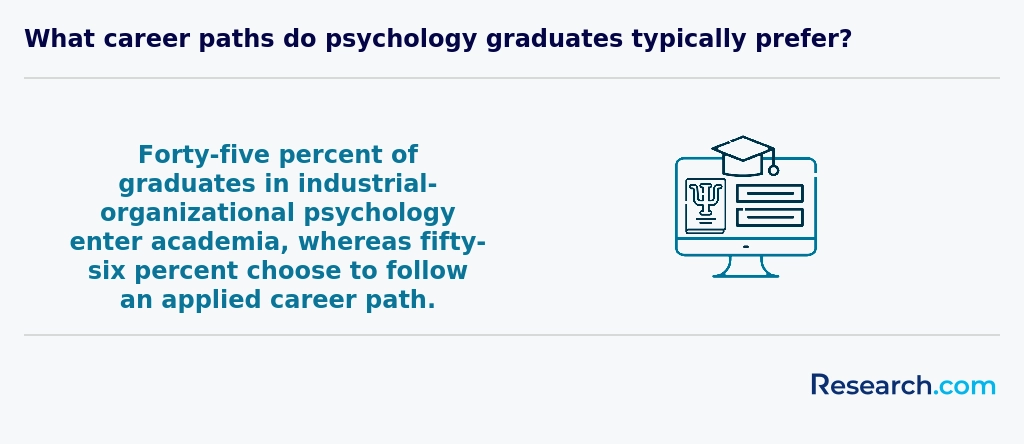
Graduates with an online psychology degree in California find diverse career paths spanning clinical, corporate, and academic sectors. Many pursue licensure to become psychologists, marriage and family therapists, or clinical social workers, responding to a growing demand for mental health professionals recognized by the California Board of Behavioral Sciences. Alumni from prominent institutions like UCLA and San Diego State University often share positive experiences working in community clinics or private practices, helping clients navigate mental health challenges.
Others leverage their skills in human resources, workplace training, or organizational development within California's thriving corporate landscape. Psychology job opportunities California graduates access often include roles focused on improving employee well-being and team dynamics, reflecting the 10% projected growth in industrial-organizational psychology positions nationwide through 2031. Graduates from universities such as UC Berkeley report satisfaction in applying psychological principles to enhance productivity.
For students drawn to academia or research, California's research institutes offer roles as assistants or coordinators advancing behavioral science. Additional pathways include specialization in substance abuse, forensic, or rehabilitation counseling, often requiring further certification. Those interested can explore detailed guidance on becoming credentialed through how to become a licensed counselor in Mississippi.
The job market for online psychology degree jobs in California is highly promising due to the state's strong demand for mental health professionals. Graduates from well-known institutions such as the University of Southern California or California State University report positive experiences transitioning into roles within hospitals, schools, and private practices. These positions often require licensure, which California enforces rigorously, ensuring that program curricula include accredited coursework and supervised clinical hours.
California employs over 11,000 licensed psychologists, underlining the scale of opportunity in this region. The California job outlook for psychology graduates is reinforced by a median annual wage of approximately $105,000, significantly higher than the national average, motivating graduates who balance the state's cost of living with rewarding career prospects. Many graduates appreciate online programs' flexibility, which helps manage work-life balance and study demands.
Students often explore the sociology vs psychology difference to better understand interdisciplinary options during their studies, reflecting a thoughtful approach to their academic and career decisions.
2027 Easiest Online Master's in Psychology Degree Programs Ranking in California
Investing in your education is a significant decision that can shape your future, and the Research.com team understands the importance of making informed choices. To assist prospective students in California, we have meticulously crafted the "2027 Easiest Online Master's in Psychology Degree Programs Ranking." Our commitment to quality, credibility, and accuracy is reflected in the extensive research and analysis conducted to compile this ranking.
We utilized the following reputable data sources to ensure a comprehensive evaluation of online psychology programs:
By exploring this ranking, readers will gain valuable insights into accessible and flexible online psychology programs tailored to their needs, enabling them to make well-informed decisions about their educational journeys. For more information about how this ranking was created, please visit our Research.com methodology page.



# 4 position
Sofia University
Master of Transpersonal Psychology

# 5 position
Saybrook University
Master of Psychology

Frequently Asked Questions About psychology
Online psychology degree students in California can maximize their learning experience by actively engaging in virtual class discussions and utilizing campus resources remotely. California has several accredited institutions offering robust online psychology programs, many of which provide access to digital libraries, academic advising, and mental health services.
Setting a structured study schedule helps students stay on track, especially when balancing education with work or family commitments. According to the California Bureau of Labor Statistics, demand for psychologists in the state is projected to grow by 15% through 2030, highlighting the importance of gaining practical knowledge and strong academic foundations.
Students should also seek internships or supervised practice opportunities approved by California's Board of Psychology to meet licensure requirements. Networking with local professionals through online forums and webinars can further enrich their education and career readiness.
The field of psychology is evolving rapidly, with several emerging niches gaining prominence, especially for students pursuing online degrees in California. One of the fastest-growing areas is health psychology, which explores how psychological factors influence physical health and illness. According to the Bureau of Labor Statistics, California employs more health psychologists than any other state.
Another promising niche is neuropsychology, focusing on brain-behavior relationships. With advancements in neuroscience, this specialization is becoming vital in clinical and research settings.
Additionally, forensic psychology is expanding due to California's large legal system, requiring experts to assist in criminal and civil cases.
Finally, digital and cyberpsychology, studying human interaction with technology, is emerging as online behavior and mental health gain attention from researchers and practitioners alike.
Graduates with an online psychology degree in California should start preparing early for the job market by gaining relevant experience. Many employers value internships or supervised practicum hours, which also help meet state licensure requirements. According to the California Board of Behavioral Sciences, aspiring Licensed Marriage and Family Therapists must complete 3,000 hours of supervised experience.
Networking is crucial. Joining professional associations like the California Psychological Association provides access to job boards and mentorship. Additionally, staying updated on the California labor market is important. The U.S. Bureau of Labor Statistics projects a 14% growth for psychologists in California from 2022 to 2032, signaling solid demand.
Develop strong communication and research skills, as many psychology roles require report writing and data analysis. Finally, consider pursuing licensure or certification appropriate for your career goals, such as Licensed Professional Clinical Counselor or Licensed Educational Psychologist.
Employers hiring psychology graduates in California prioritize strong critical thinking and communication skills. Graduates must analyze complex behavioral data and clearly explain findings to diverse audiences. According to the California Employment Development Department, interpersonal skills rank highly for mental health professionals in the state.
Technical proficiency in research methods and statistical analysis software, such as SPSS or R, is also crucial. These tools help graduates conduct evidence-based assessments and interventions.
Moreover, cultural competence is essential in California's diverse population. Employers expect graduates to demonstrate sensitivity and adaptability when working with clients from various backgrounds.
Finally, ethical decision-making aligned with California Psychological Association standards is a key skill valued by local employers.
Finding psychology internships in California requires a strategic approach, especially for online students. Start by checking with your university's career services, as many California schools maintain partnerships with local clinics and mental health organizations.
California has a strong mental health sector, employing over 200,000 professionals as of 2023 according to the Bureau of Labor Statistics, which means many internship opportunities exist in hospitals, schools, and nonprofit agencies.
You can also explore the California Psychological Association's internship listings and connect with licensed psychologists offering supervised experiences needed for licensure.
Networking through LinkedIn groups focused on California psychology careers and attending regional conferences will increase your chances of securing a quality internship aligned with your degree goals.
Obtaining an online psychology degree in California can significantly enhance career mobility and advancement. The state's growing demand for mental health professionals supports diverse job opportunities, with the U.S. Bureau of Labor Statistics projecting a 17% increase in psychologist roles statewide by 2031.
Online programs offer flexibility for working professionals, allowing them to earn degrees while maintaining employment. This accessibility helps individuals qualify for higher-level positions such as clinical psychologists, counselors, or school psychologists.
Moreover, earning a master's or doctoral degree from an accredited California institution provides licensure eligibility within the state, which is essential for career advancement in psychology-related fields.
The California Psychological Association reports that advanced degrees correlate with higher salaries, making online education a practical pathway for career growth.
Studying for a psychology degree in California offers strong preparation for interdisciplinary roles. California's online programs frequently integrate coursework that combines psychology with fields like health sciences, education, and social work. This approach reflects California's diverse economy and demands for professionals skilled in multiple areas.
According to the California Board of Psychology, many accredited programs emphasize collaboration skills and applied research, enabling graduates to work in teams across disciplines. Courses often cover behavioral health, neuroscience, and data analysis, which are critical in areas such as healthcare management and human services.
This interdisciplinary training aligns with workforce trends reported by California's Employment Development Department, where roles requiring cross-sector knowledge are growing faster than average, especially in mental health and community services.
Choosing between a thesis and a non-thesis psychology degree program in California depends on your academic and career goals. Thesis programs typically require original research, ideal for students aiming at doctoral studies or research careers. Non-thesis options focus more on coursework and practical skills, suitable for those seeking professional roles in counseling, human resources, or related fields.
In California, universities such as California State University and University of Southern California offer both pathways. According to the California Bureau of Labor Statistics, psychology jobs in the state are expected to grow 10% through 2030, favoring applied skills. Consider your time commitment and interest in research when deciding.
California students interested in studying psychology abroad have several options but should note most online psychology programs focus on U.S.-based institutions. Many California universities, including the University of Southern California and Pepperdine, offer accredited online psychology degrees recognized nationwide.
For truly international study, students might enroll in exchange or dual-degree programs with partner universities overseas. However, fully online psychology degrees from foreign institutions are rare and may face licensing challenges when practicing in California.
It is essential to verify program accreditation and state licensing requirements. According to the California Board of Psychology, degrees must come from accredited universities to qualify for licensure exams.
Additionally, online psychology programs in California often include opportunities for international research collaborations or fieldwork, broadening global perspectives without leaving the state.
Students pursuing online psychology degrees in California can benefit from part-time jobs that provide practical experience relevant to their studies. Roles such as psychiatric technician assistants, behavior technicians, or mental health aides are common and align well with psychology education. According to the California Employment Development Department, psychiatric technicians earn a median wage of around $23 per hour as of 2023.
Additionally, positions like research assistants at universities or nonprofit organizations offer valuable exposure to psychological research methods. These roles help develop analytical and observational skills critical for advanced studies. California's universities frequently hire part-time help for ongoing psychology research projects, offering flexible opportunities for students.
Jobs in crisis helplines or community support centers also enhance interpersonal skills while allowing students to work around their academic schedules. These combined experiences can improve employability and provide a deeper understanding of psychological principles in real-world settings.
Online psychology students in California have access to a variety of networking opportunities despite studying remotely. Many accredited institutions offer virtual events, including webinars, guest lectures, and interactive discussion forums, which connect students with faculty and peers statewide. Professional organizations such as the California Psychological Association provide student memberships, enabling participation in conferences and local chapter meetings.
Students can also gain valuable experience and contacts through practicum placements and internships required by many programs. California hosts over 50,000 practicing psychologists, creating ample opportunities for mentorship and collaboration. Utilizing platforms like LinkedIn geared toward psychology professionals further broadens networks in the state.
Sources include the California Psychological Association and the U.S. Bureau of Labor Statistics.
Alumni networks offer valuable benefits to students pursuing online psychology degrees in California. These networks connect current students with graduates who have successfully entered California's psychology workforce. This connection can lead to mentorship opportunities, career advice, and job referrals, all crucial in a competitive market.
California hosts over 200,000 licensed mental health professionals, creating diverse opportunities that alumni networks help navigate. According to the California Board of Psychology, about 60% of graduates find employment through personal and professional connections rather than traditional job searches.
Moreover, alumni networks often provide access to exclusive workshops, research collaborations, and continuing education, which support students throughout their careers.
Customizing an online psychology degree program in California allows students to align their education with specific career goals. Many accredited universities offer flexible curricula with elective courses and specialized tracks such as clinical, counseling, or industrial-organizational psychology. Students can select courses that focus on research methods, therapy techniques, or organizational behavior, depending on their interests.
California's robust mental health sector often values experience with diverse populations, so some programs include practicum or internship options within the state. According to the California Board of Psychology, supervised experience hours are essential for licensure, making tailored programs advantageous. Online degrees also enable students to balance education with work or family commitments.
Exploring program accreditation by the American Psychological Association (APA) ensures quality education recognized by employers and licensing boards. Graduates can enhance employability by choosing courses that meet California's licensing requirements or prepare for specialized certifications.
Online psychology students in California often face challenges related to accreditation and licensing requirements. California's Board of Psychology requires degrees to come from regionally accredited institutions, and not all online programs meet these criteria, potentially affecting licensure eligibility.
Another common issue is securing supervised clinical hours. Many programs require in-person practicum experiences, which can be hard to arrange remotely, particularly in rural or underserved parts of California.
In addition, online students may experience feelings of isolation and limited peer interaction, impacting motivation and engagement. According to the California Community Colleges Chancellor's Office, student retention rates in online courses are often lower than on-campus classes.
Finally, balancing coursework with work and family responsibilities remains a significant hurdle, with time management cited by over 70% of distance learners as a challenge (National Center for Education Statistics).
With an online psychology degree in California, you can pursue various professional certifications to enhance your career. Many graduates seek licensure as a Licensed Professional Clinical Counselor (LPCC) or Licensed Marriage and Family Therapist (LMFT), both regulated by the California Board of Behavioral Sciences. These require passing state exams and supervised clinical hours.
Additionally, certification as a Certified Alcohol and Drug Counselor (CADC) is available for those interested in substance abuse treatment, overseen by the California Consortium of Addiction Programs and Professionals.
National certifications such as the National Certified Counselor (NCC) credential can also boost job prospects.
Writing a winning application for an online psychology program in California involves careful preparation and clear communication. Start by thoroughly researching the specific program's requirements, as California institutions often look for strong academic records and relevant experience. Highlight your passion for psychology and any practical experience, such as internships or volunteer work, which demonstrates your commitment to the field.
Include a well-crafted personal statement that explains your career goals and why you chose an online program in California. Admissions committees appreciate applicants who show awareness of current psychological issues affecting Californians.
Be sure to provide all required documents, such as transcripts and letters of recommendation, on time. According to the California Psychological Association, programs value applicants with diverse experiences and skills that will benefit their cohort.
Psychology careers offer broad opportunities worldwide, but the U.S. remains a leader in research, clinical practice, and education. In California, there is strong demand for trained psychologists, with the state employing over 24,000 according to the U.S. Bureau of Labor Statistics (2023). Globally, psychology focuses increasingly on multicultural competence and technology integration.
American standards for licensure and education, such as those from the California Board of Psychology, often influence international programs. Many countries look to U.S. psychology curricula and research methodologies as models for developing their own systems. This creates valuable exchange programs and collaborative research.
For California students pursuing an online psychology degree, awareness of these global trends enhances career prospects, especially in diverse urban centers like Los Angeles and San Francisco where cultural competence is vital.
Gaining practical experience while studying for an online psychology degree in California is essential for career readiness. Many accredited programs include internships or fieldwork requirements that students can complete locally. This hands-on training often takes place in hospitals, community centers, or counseling clinics, providing valuable exposure to diverse populations and real-world scenarios.
The California Board of Psychology mandates supervised experience hours for licensure, which online students can accumulate through approved placements. According to the California Board of Psychology, students usually need about 3,000 supervised hours post-degree, starting with foundational practical experience during their studies.
Additionally, networking through California-based psychology organizations and attending virtual conferences can enhance practical learning and professional connections.
Choosing the right concentration within an online psychology degree in California involves considering your career goals and the state's licensure requirements. For example, if you aim to become a licensed clinical psychologist, focusing on clinical or counseling psychology is essential. California's Board of Psychology requires specific supervised experience and coursework tailored to these fields.
Look for concentrations aligned with high-demand areas in California, such as school psychology or industrial-organizational psychology. According to the California Employment Development Department, jobs in mental health counseling are projected to grow by over 20% through 2030.
Additionally, check if the program offers courses that meet state licensing criteria and if the school is accredited by recognized bodies like the APA.
- 2027 Easiest Online Master's in Psychology Degree Programs Ranking in Texas
- 2027 Easiest Online Master's in Psychology Degree Programs Ranking in Kansas
- 2027 Easiest Online Master's in Psychology Degree Programs Ranking in Missouri
- 2027 Easiest Online Master's in Psychology Degree Programs Ranking in Indiana
- 2027 Easiest Online Master's in Psychology Degree Programs Ranking in Alabama
- 2027 Easiest Online Master's in Psychology Degree Programs Ranking in Florida
- 2027 Easiest Online Master's in Psychology Degree Programs Ranking in Ohio
- 2027 Easiest Online Master's in Psychology Degree Programs Ranking in Virginia
- 2027 Easiest Online Master's in Psychology Degree Programs Ranking in Pennsylvania
- 2027 Easiest Online Master's in Psychology Degree Programs Ranking in New York
See What Experts Have To Say About Studying Psychology
Read our interview with Psychology experts

Joann Farrell Quinn, Ph.D., MBA
Psychology Expert
Director at the College of Medicine Department of Medical Education
Morsani College of Medicine

Robin M. Kowalski. Ph.D.
Psychology Expert
Professor of Psychology
Clemson University

Catherine Caldwell-Harris, Ph.D.
Psychology Expert
Associate Professor of Psychology
Boston University

- Community Psychology in Global Perspective http://siba-ese.unisalento.it/index.php/cpgp
- Student psychological helpline – challenges and (non) ... https://www.archivespp.pl/pdf-205962-131609
- Bachelor of Arts (BA) in Psychology Degree Program https://www.calsouthern.edu/online-degree-programs/behavioral-sciences/bachelors-psychology-ba/
- Study Psychology Abroad | Go Overseas https://www.gooverseas.com/study-abroad/psychology
- Sample letters in psychology https://www.mystudies.com/en-in/human-and-social-sciences/psychology/letter-model/
- Most Affordable Online Psychology Degree Programs: School Reviews https://www.degreesforgood.org/online-degrees/psychology-programs/most-affordable/
- Have You Found a Niche? https://www.apaservices.org/practice/business/marketing/building/niche
- Explore Psychology Degrees Online | Psychology.org https://www.psychology.org/online-degrees/
- Online MS Master of Science in Psychology Degree Program https://www.calcoast.edu/m.s.-master-of-science-in-psychology.html
- The 10 Most Affordable Online Masters in Psychology Programs in California for 2026 - Psychology California https://psychologyca.org/masters-programs/affordable-online/